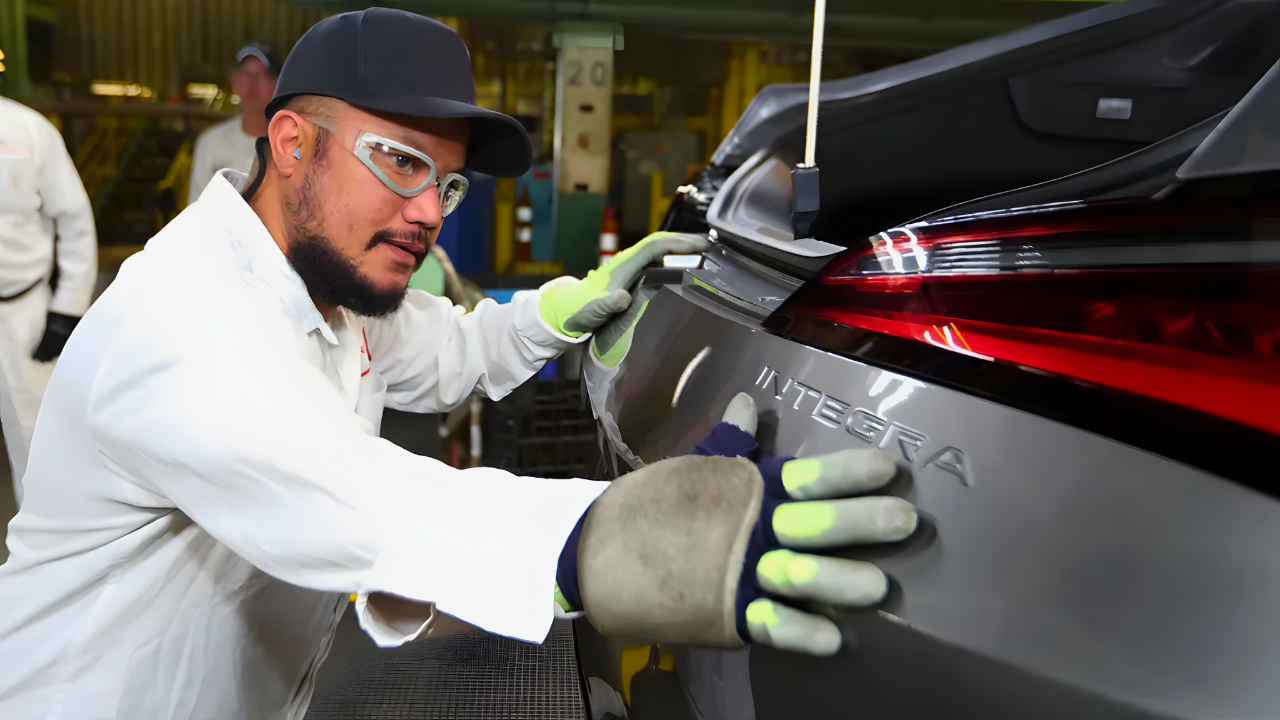
Your next car could be a financial anchor or a 20-year headache, and the difference isn’t luck—it’s brand choice.
A study of 174 million vehicles reveals a startling truth: the average car has just a 4.8% chance of reaching 250,000 miles. Some brands are nearly four times more likely to survive, while others are almost guaranteed to fail.
Choosing wisely today could save tens of thousands tomorrow. Here’s what the data shows and why it matters far more than the price tag.
The Record-High Price Problem
New cars now cost an average of $50,000, the highest ever recorded according to Kelley Blue Book. That’s a record-breaking investment that leaves buyers asking a critical question: Will this car last long enough to justify the expense? Choosing the wrong brand could mean early replacement.
With prices so high, one wrong choice can turn a dream purchase into a costly mistake, making reliability and brand selection more important than ever. The stakes for longevity have never been higher.
The 95% Failure Rate Nobody Talks About
A sobering statistic hides in plain sight: 95% of cars never reach 250,000 miles. Only 1 in 21 vehicles survives that milestone. Most cars break down, become too costly to repair, or are replaced before they can be called durable.
This baseline highlights why brands that do survive are exceptional. Betting on a long-lasting vehicle isn’t just smart—it’s almost essential for today’s market.
Why 250,000 Miles Matters
Why focus on 250,000 miles? It’s the threshold separating durable vehicles from disposable ones. Hitting this milestone means surviving major component failures, countless repairs, and decades of wear.
Cars that reach 250,000 miles are engineered for longevity, not just sales. For buyers who keep a car for 15–25 years, this benchmark reveals which brands truly deliver on their durability promises.
Japanese Brands Dominate Longevity
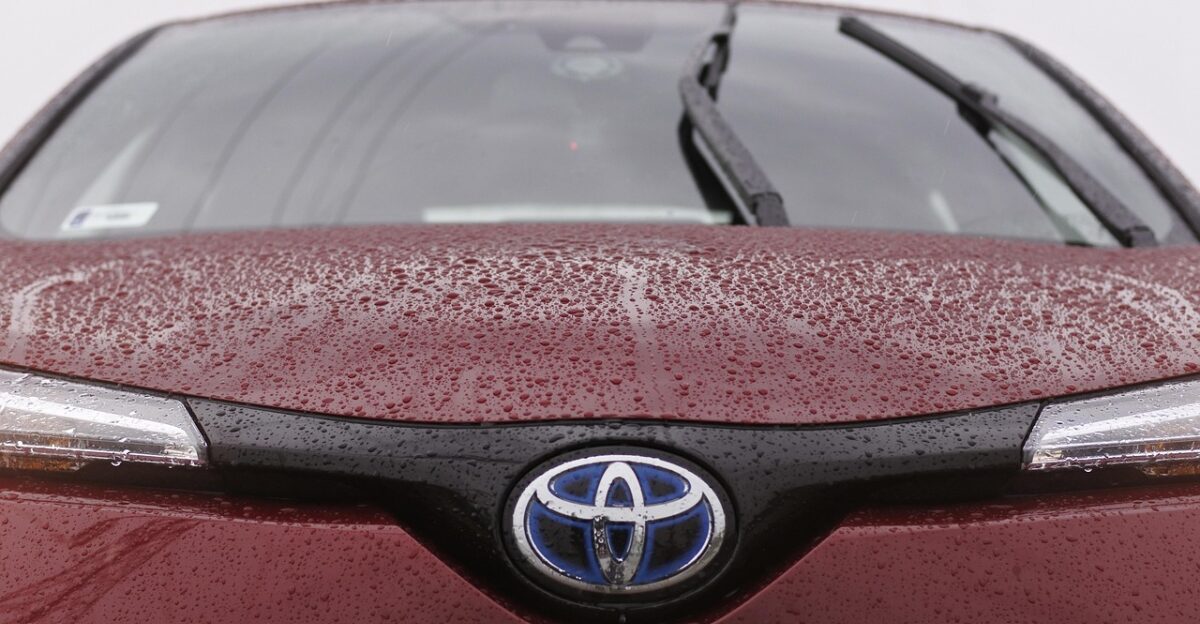
Surprisingly, the four longest-lasting brands are all Japanese: Toyota, Lexus, Honda, and Acura. Their vehicles represent a philosophy of reliability that competitors struggle to match. Premium European brands often prioritize price and prestige over decades-long durability.
Engineering priorities, manufacturing standards, and a commitment to long-lasting vehicles set Japanese brands apart. Their longevity isn’t luck—it’s deliberate design that outlasts the competition by years.
The Luxury Trap Nobody Warns You About
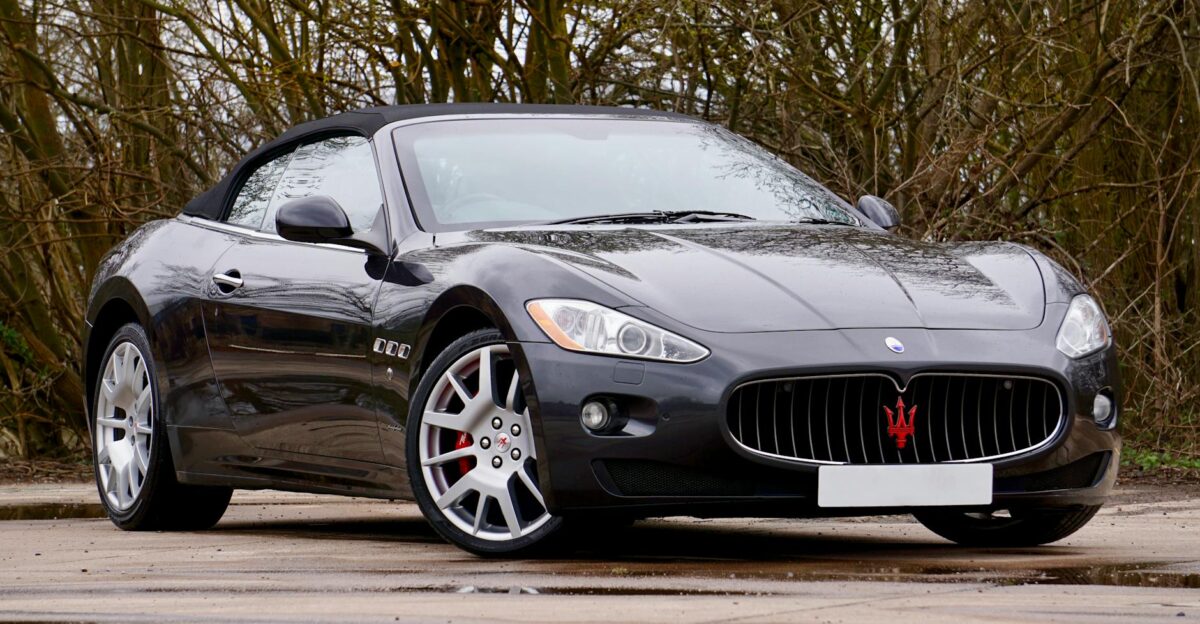
Luxury brands like Maserati and Jaguar often have a near-zero chance of hitting 250,000 miles. These cars prioritize performance, exclusivity, and complexity rather than longevity.
The irony is harsh: a $100,000 luxury car may fail before a $30,000 Toyota, which is three times more likely to last. Price and durability don’t always align.
The Brands That Crack The Code
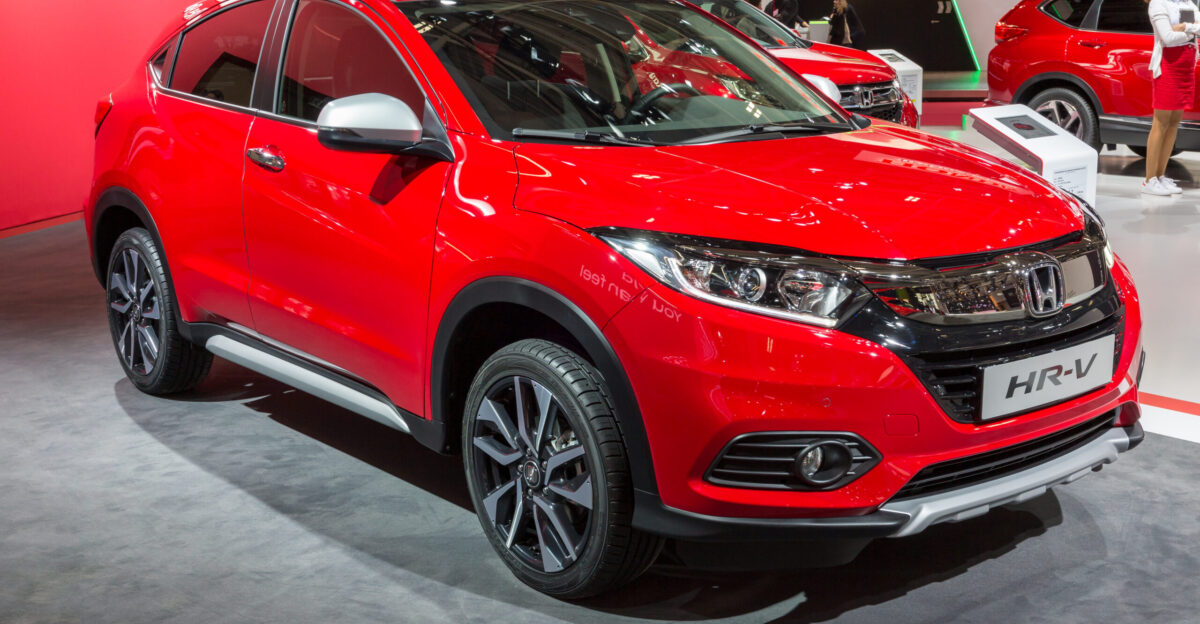
Six brands have statistically proven longevity, each designed to survive 250,000 miles. Their approaches vary, but all share one trait: engineering for durability. These vehicles aren’t just survivors—they’re investments that reward buyers who choose wisely.
Here are the six car brands most likely to reach 250,000 miles, ranked by their odds of survival.
#1 — Toyota (17.8% Chance)
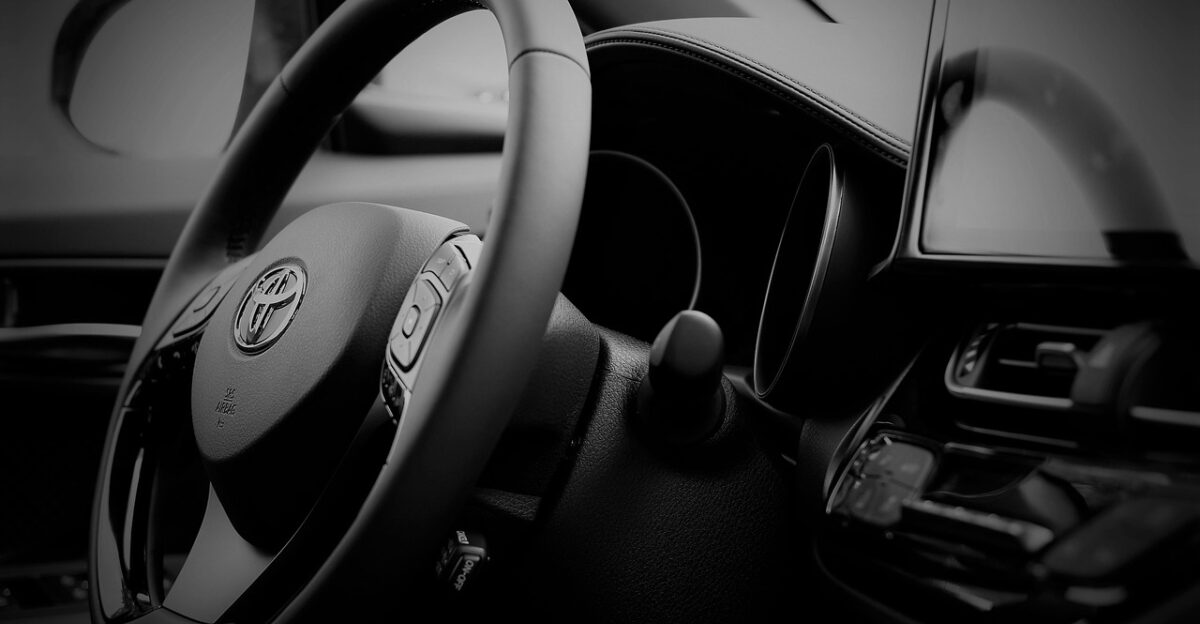
Toyota isn’t just durable—it’s in a league of its own. With a 17.8% chance of reaching 250,000 miles, it’s 3.7 times more likely than the average vehicle to survive.
From the Corolla to the Tacoma, Toyota emphasizes simplicity and maintainability. For buyers who want longevity, Toyota is the statistical gold standard. The numbers tell a story no other brand matches.
#2 — Lexus (12.8% Chance)
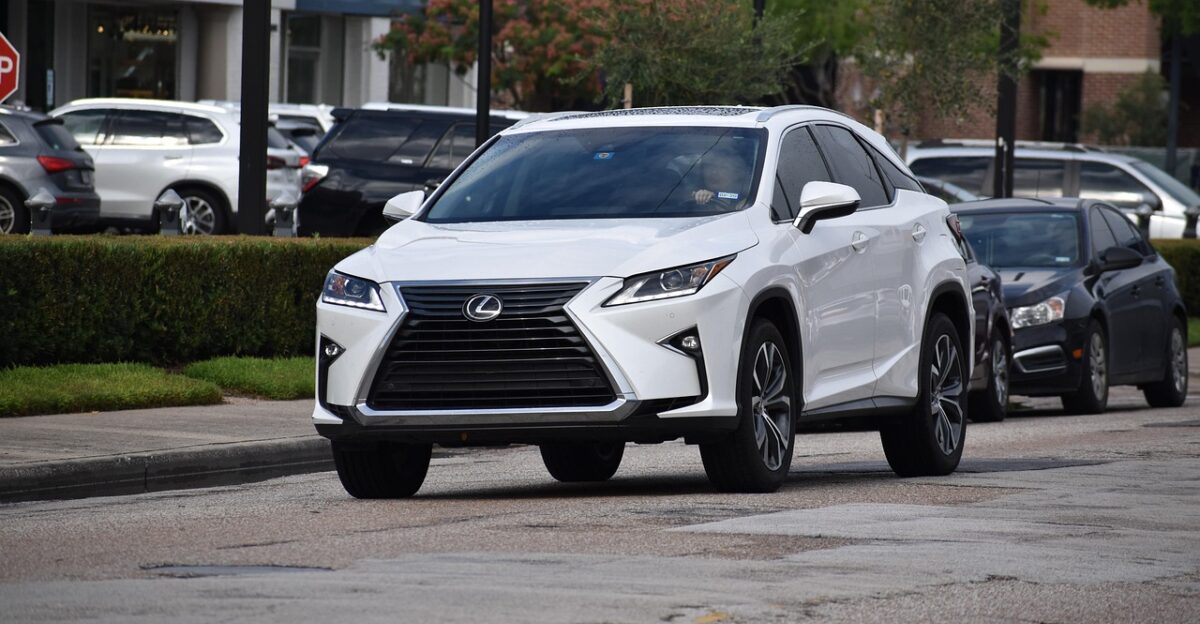
Lexus, Toyota’s luxury division, brings reliability into a premium package. With a 12.8% chance of reaching 250,000 miles, it’s nearly 2.7 times the industry average.
Owners enjoy upscale interiors, refined performance, and Toyota’s durability. Lexus proves that luxury and longevity can coexist, offering prestige without sacrificing long-term reliability.
#3 — Honda (10.8% Chance)
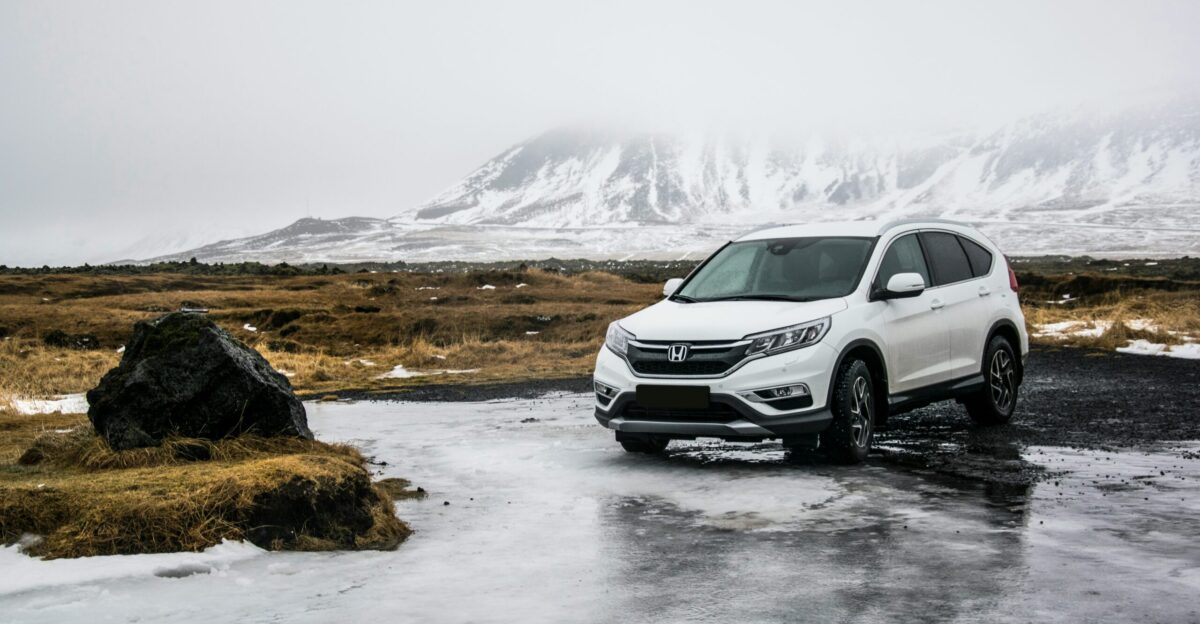
Honda’s 10.8% chance of hitting 250,000 miles ranks third overall. Straightforward engineering and durable components make Hondas trusted by millions globally.
Civic, Accord, and CR-V models symbolize reliability across generations. Honda focuses on making cars that last 200,000 miles and beyond, offering a practical alternative to Toyota’s dominance.
#4 — Acura (7.2% Chance)
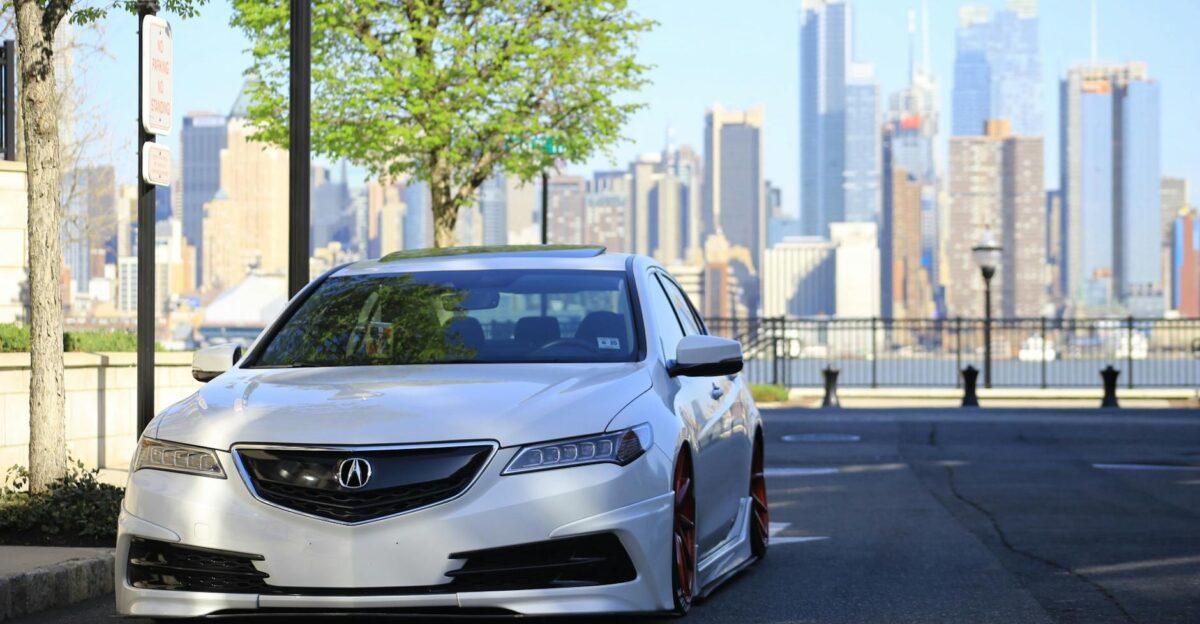
Acura, Honda’s luxury brand, has a 7.2% chance of reaching 250,000 miles—1.5 times the industry average. It merges Honda’s reliability with sporty performance and technology.
Buyers get luxury driving without fully sacrificing durability. Acura proves performance and longevity can coexist, offering a compromise few brands match.
The Brands That Aren’t Built To Last
Six brands have virtually no record of reaching 250,000 miles. Complexity, design, and repair costs all play a role, leaving owners likely facing early replacement.
The durability gap is dramatic. Understanding why some brands fail helps buyers avoid costly long-term mistakes.
#1 — Mercedes-Benz (1.7% Chance)
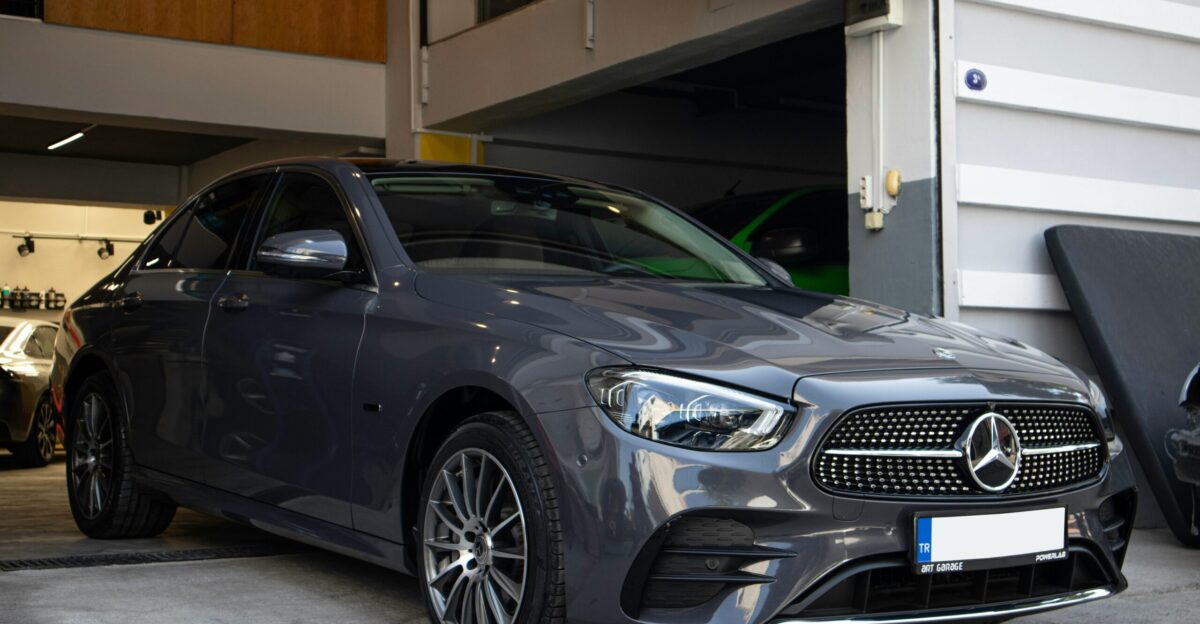
Photo by Deniz Demirci on Unsplash
Mercedes-Benz ranks near the bottom in terms of longevity. Frequent technology updates, luxury features, and high maintenance costs limit the potential for extreme mileage.
Owners typically trade in rather than pursue longevity. Mercedes is a statement of luxury, not a decades-long reliability partner.
#2 — Maserati (Less Than 1% Chance)
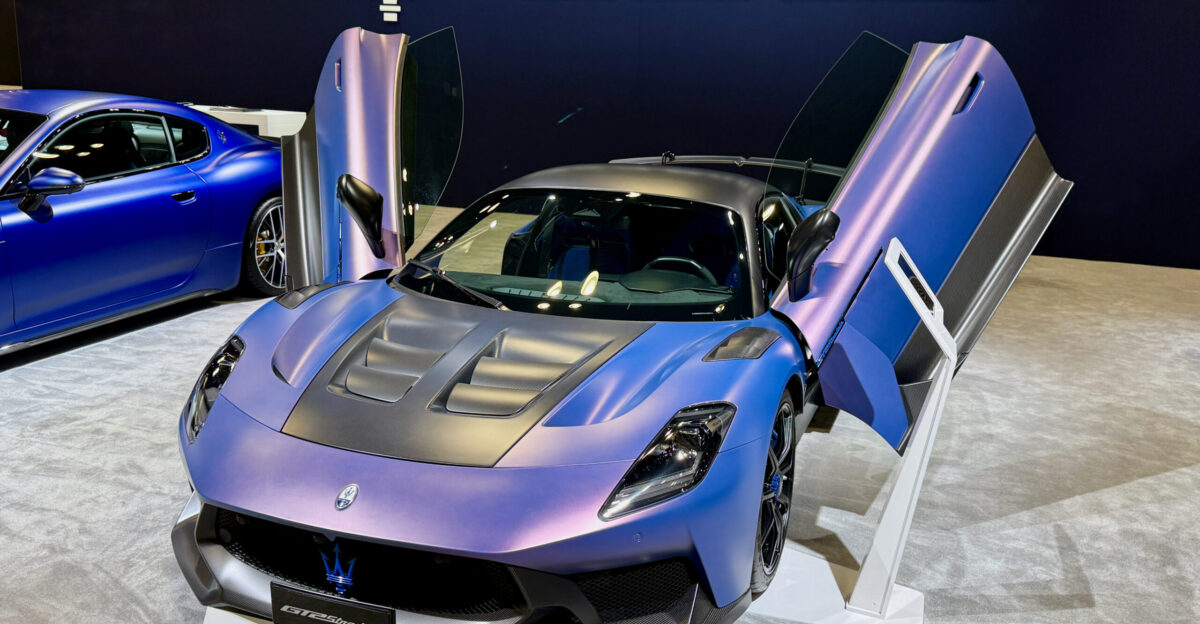
Photo by Oleg Yunakov
Maserati sits at the bottom with almost no vehicles reaching 250,000 miles. High-performance, hand-crafted engines prioritize thrill over decades-long durability.
Owners face astronomical repair costs and specialized parts. Maserati is engineered for excitement, not longevity. Buyers expecting a 250,000-mile car will be disappointed.
#3 — Jaguar (Less Than 1% Chance)
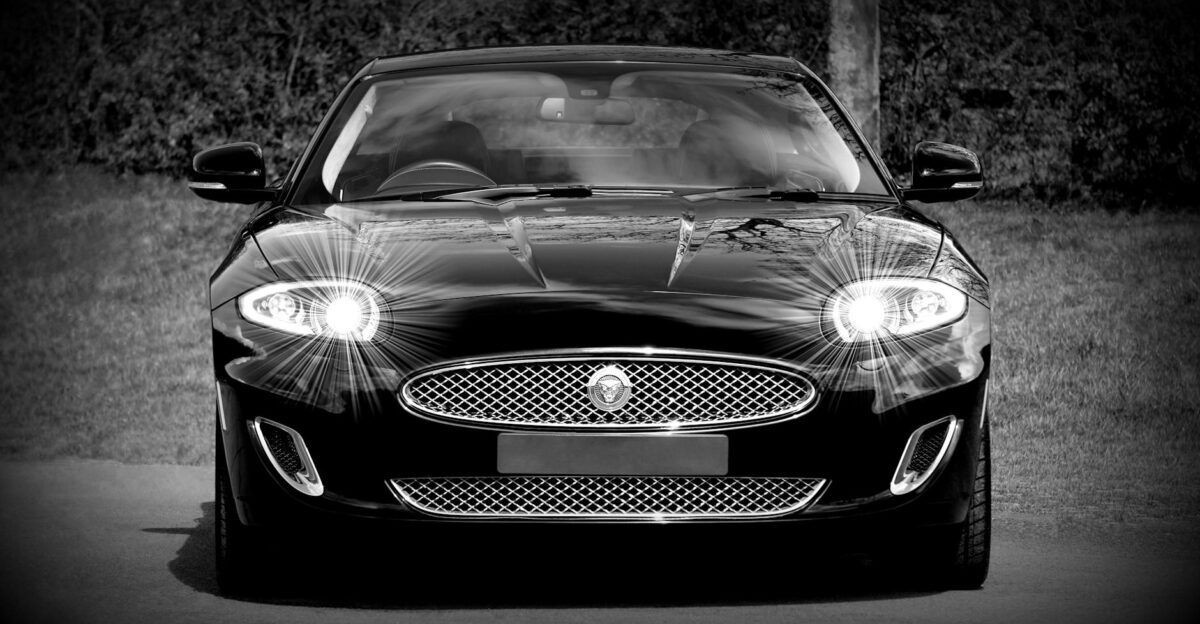
Jaguar has virtually zero chance of extreme longevity. Designed for luxury and prestige, its vehicles are expensive to repair, with parts hard to find.
Owners are expected to upgrade every 10–15 years. Jaguar is among the worst bets for those seeking decades-long ownership.
#4 — MINI (Less Than 1% Chance)
MINI, a British compact owned by BMW, shows nearly no instances of cars reaching 250,000 miles. Small, complex, and costly repairs deter longevity.
The brand caters to buyers seeking frequent upgrades and quirky driving experiences, not cars designed to last decades.
#5 — Land Rover (Less Than 1% Chance)
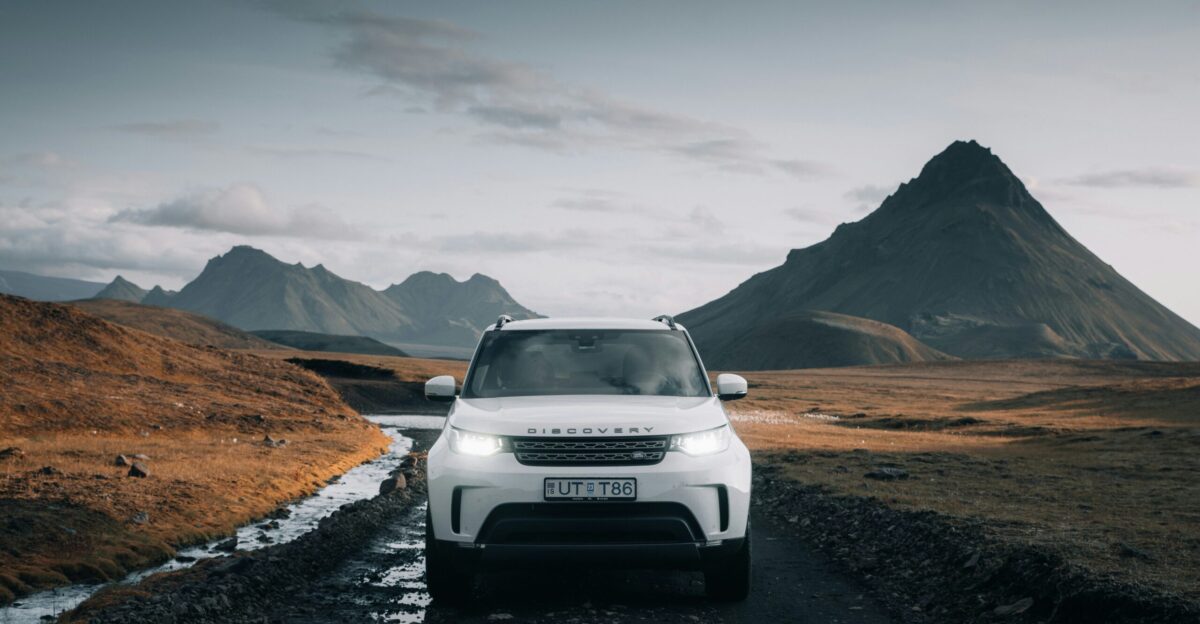
Land Rover has less than 1% chance of reaching 250,000 miles. Known for ruggedness, these vehicles face expensive maintenance and frequent electrical failures as they age.
Specialized parts and high labor costs make longevity unrealistic. Buyers view Land Rover as an adventure purchase, not a decades-long investment.
#6 — BMW (Less Than 1% Chance)
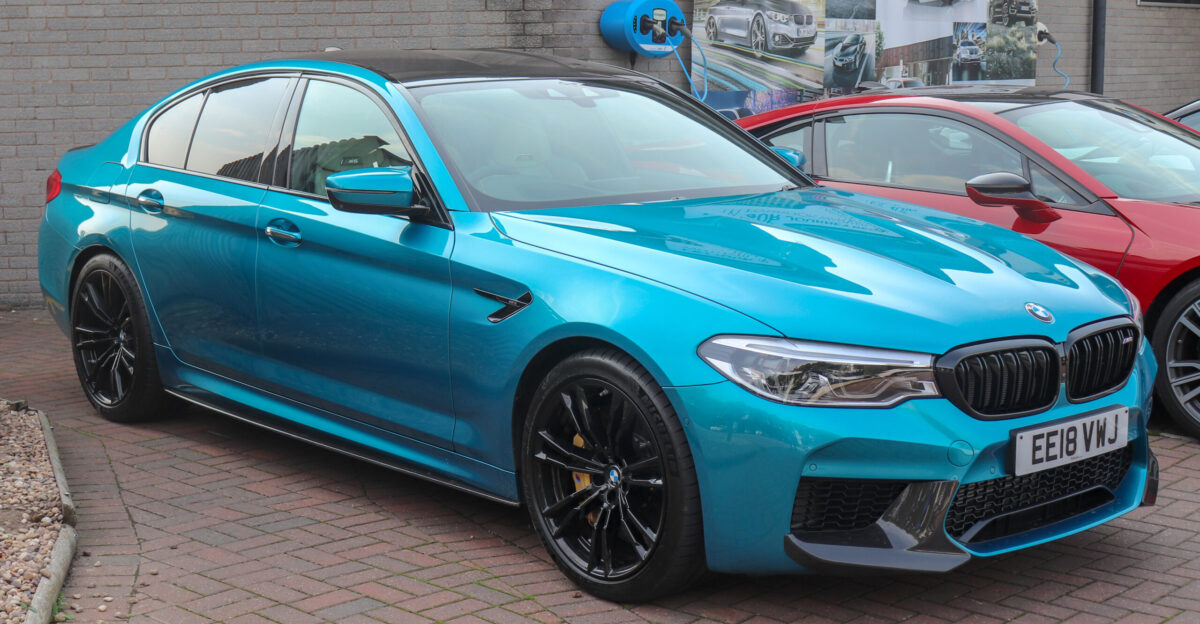
BMW ranks in the bottom tier for extreme mileage, with less than 1% chance of reaching 250,000 miles. Turbocharged engines, complex electronics, and rapid obsolescence make maintenance costly after 150,000 miles.
Owners often upgrade rather than repair due to high parts and labor costs. BMW delivers exhilarating performance and technology for 5–10 years, but long-term ownership beyond 250,000 miles is statistically unlikely.
#7 — Audi (Less Than 1% Chance)
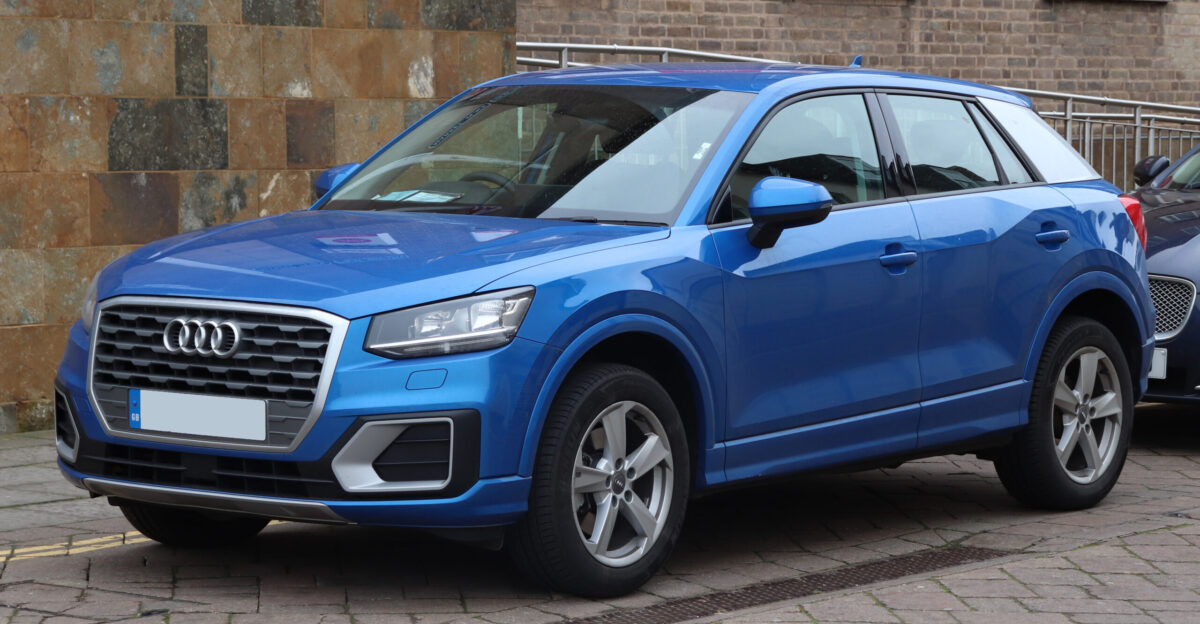
Audi, Volkswagen’s luxury division, also falls below 1% for reaching 250,000 miles. Complex electronics, intricate mechanical systems, and limited parts availability make long-term maintenance expensive and difficult.
The brand targets buyers seeking German engineering and premium features for shorter ownership cycles. Audis excel in performance and luxury but are designed around technology upgrades, not decades-long durability.
The Takeaway — Choosing Your Next Car
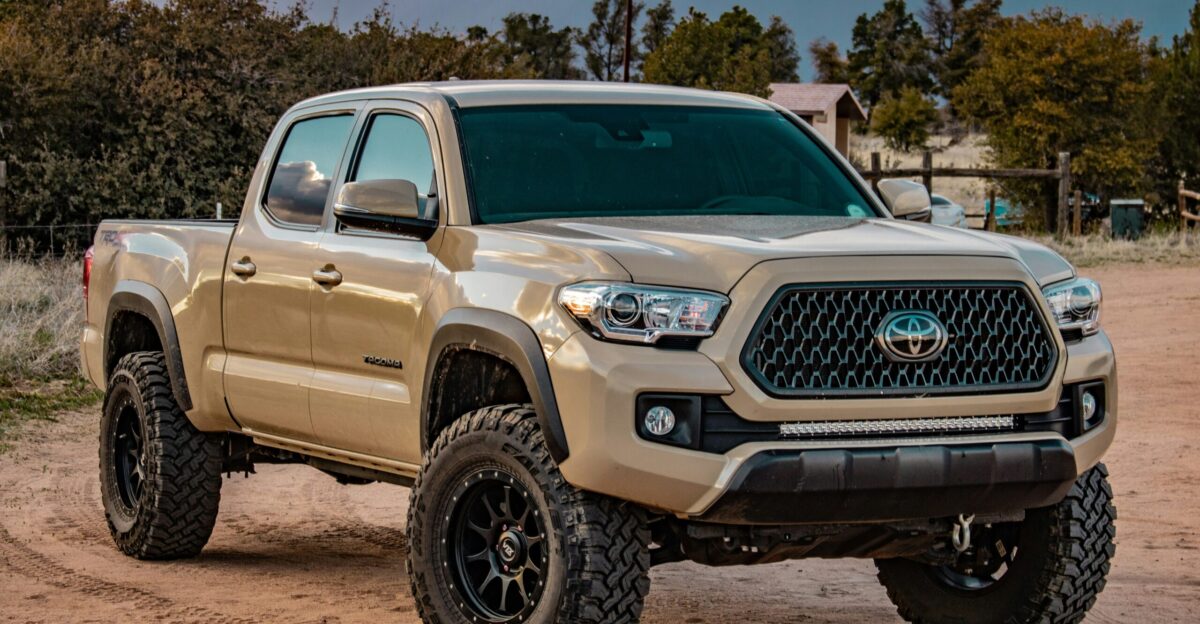
Data is clear: for 250,000-mile durability, choose Japanese. If you want prestige and luxury, expect trade-offs in longevity.
With new cars averaging $50,000, this choice has significant financial implications. A Toyota or Honda bought today could last decades, while luxury alternatives may require replacement much sooner.
SOURCES
iSeeCars Longest-Lasting Cars and Brands Study, iSeeCars, October 2025
Kelley Blue Book New-Vehicle Average Transaction Price Report, Kelley Blue Book, September 2025
Which Cars Last Over 250,000 Miles? These 4 Brands Dominate, USA Today, October 2025
Top 10 Car Brands Most Likely to Reach 250,000 Miles, Motor Illustrated, November 2025
Here’s Which Vehicles Data Shows Can Run For 250,000 Miles Or More, Forbes, October 2025