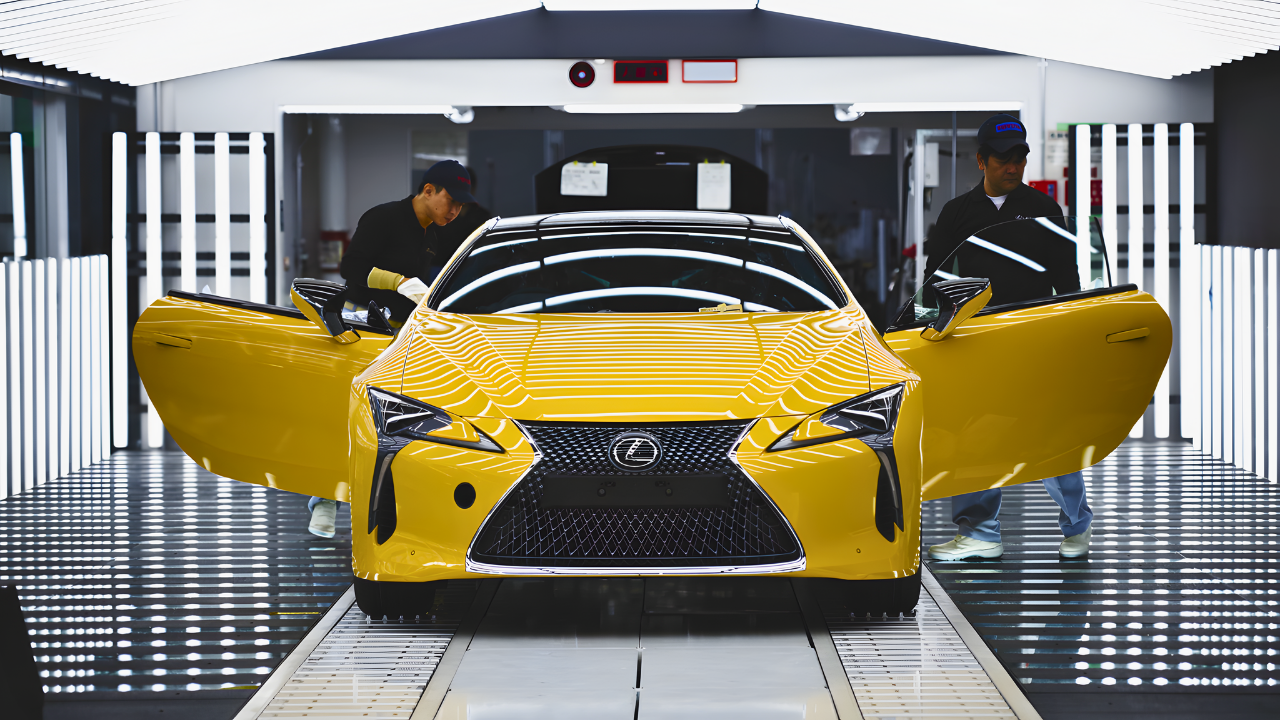
Your next car purchase could anchor your finances for decades or become a persistent burden, depending on the brand you select. A comprehensive analysis of 174 million vehicles uncovers that only 4.8% of cars reach 250,000 miles on average, with some brands succeeding nearly four times more often than others.
Rising Vehicle Costs
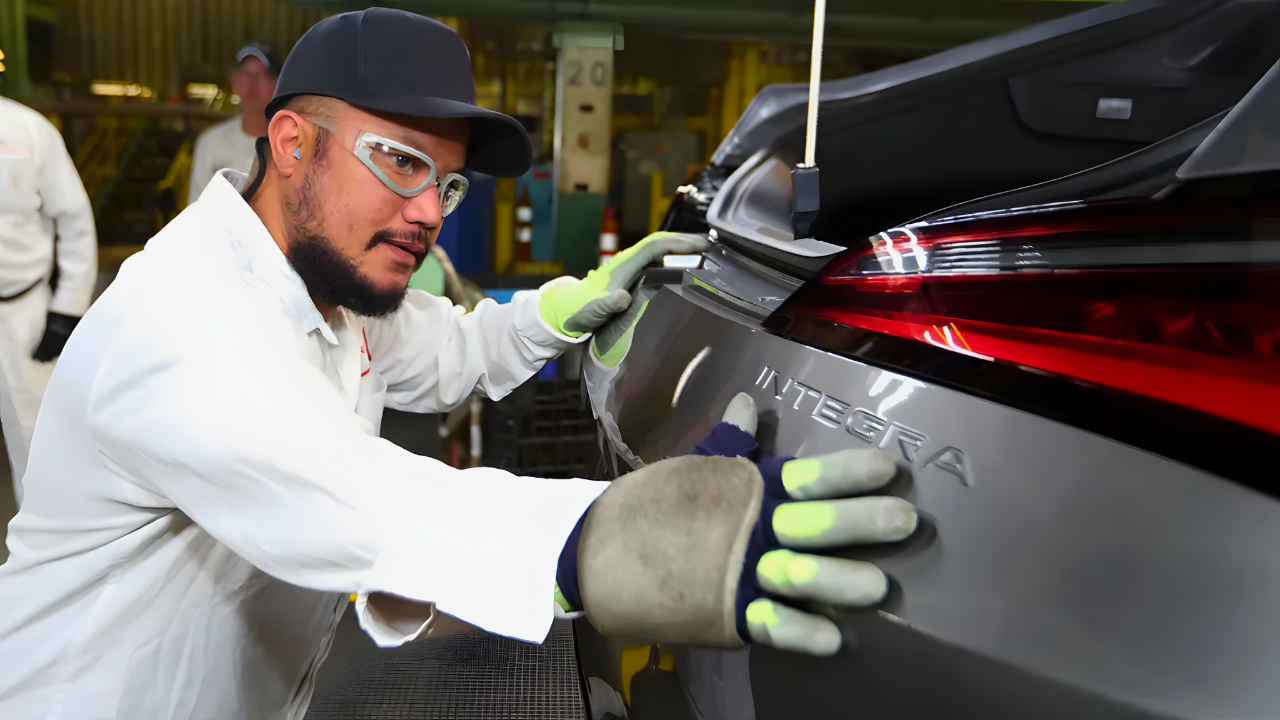
New vehicles now carry an average price tag of $50,000, the highest on record. This substantial outlay amplifies the need for durability, as buyers weigh whether their investment will endure long enough to offset the cost. Selecting a brand prone to early failure risks turning a major purchase into repeated expenses, elevating the importance of longevity in decision-making.
The Harsh Reality of Failure Rates Ninety-five percent of cars fall short of 250,000 miles, with just one in 21 vehicles achieving this mark. Most succumb to breakdowns, escalating repair bills, or owner decisions to replace them prematurely. This stark average underscores the rarity of true endurance, positioning standout brands as critical choices in a market demanding value over time.
Benchmark of True Durability
The 250,000-mile threshold distinguishes vehicles built for the long haul from those suited for shorter lifespans. Reaching it requires withstanding major mechanical stresses, repeated maintenance, and years of daily use. For owners planning 15 to 25 years of service, this metric exposes which manufacturers prioritize engineering that fulfills promises of lasting performance.
Top Performers in Endurance
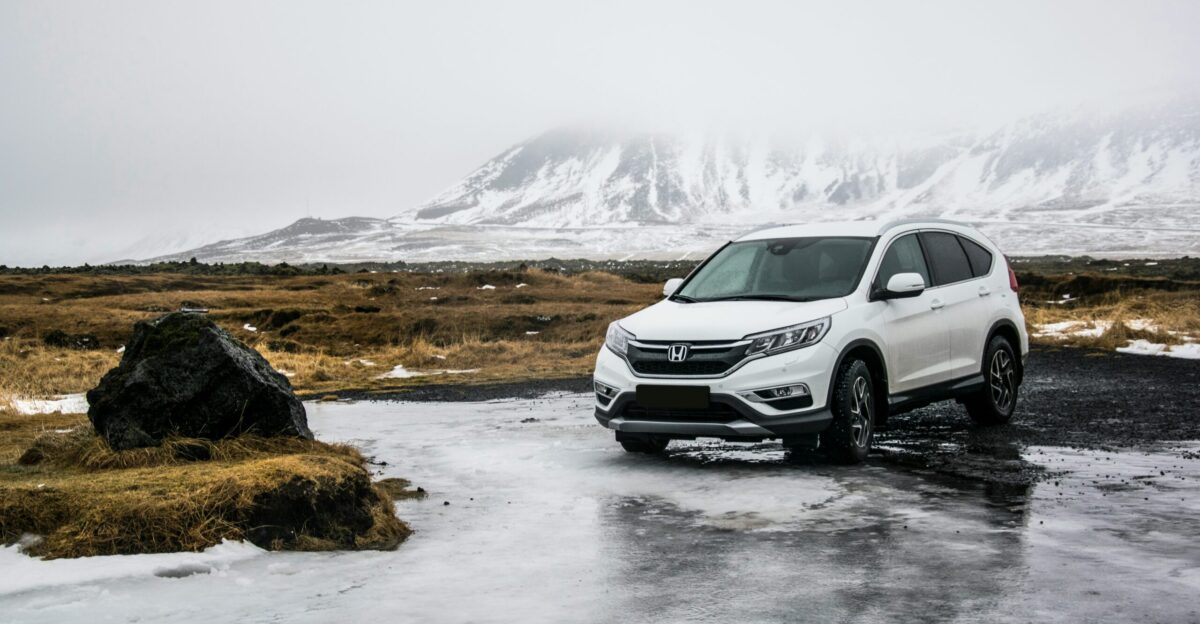
Japanese brands lead the field, with Toyota, Lexus, Honda, and Acura occupying the top four spots. Toyota holds the crown at 17.8% likelihood, 3.7 times the average, thanks to models like the Corolla and Tacoma that favor simplicity and ease of upkeep. Lexus follows at 12.8%, blending luxury with 2.7 times average survival odds. Honda secures third at 10.8%, powering reliable staples such as the Civic, Accord, and CR-V. Acura rounds out the group at 7.2%, 1.5 times the norm, combining Honda’s robustness with enhanced performance. These brands reflect deliberate design choices in engineering and production that enable exceptional mileage.
Brands Prone to Early Limits
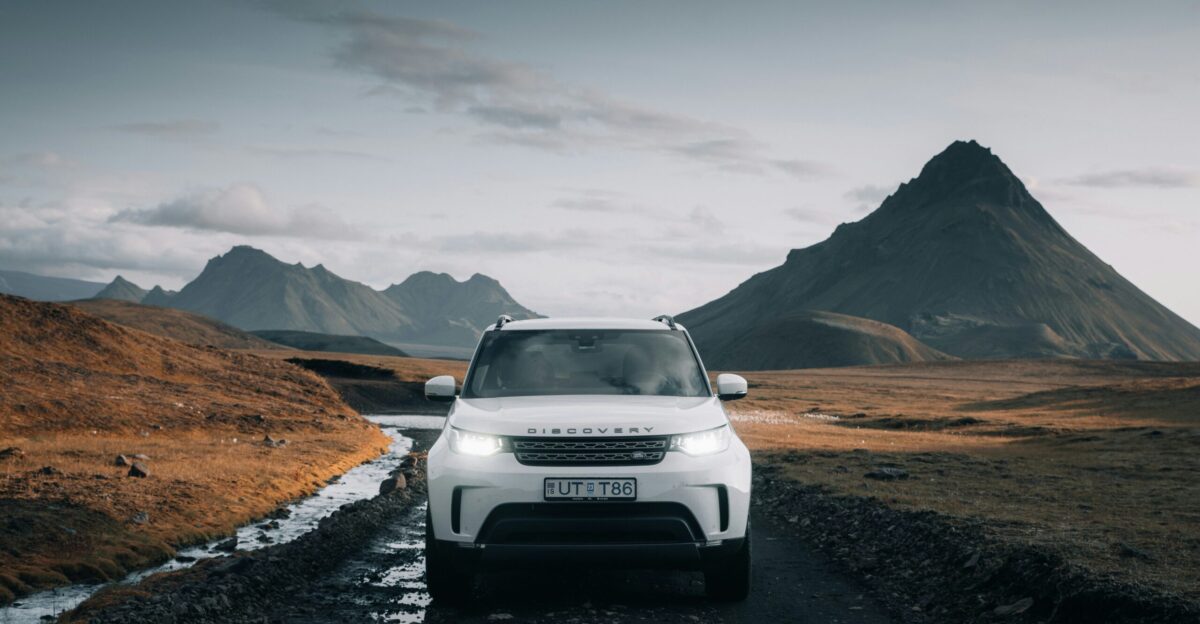
In contrast, several luxury marques show minimal prospects for high mileage. Mercedes-Benz manages just 1.7%, hampered by frequent tech refreshes and steep upkeep. Maserati, Jaguar, MINI, Land Rover, BMW, and Audi all register under 1%, due to intricate systems, performance-focused builds, specialized parts, and rising costs that discourage prolonged ownership. These vehicles excel in immediacy and style but falter under extended demands, often prompting replacements within 10 to 15 years.
As average prices climb, the divide carries weighty consequences: a Toyota or Honda may serve for generations, minimizing total ownership costs, while luxury options demand earlier turnovers. Buyers face a clear trade-off between short-term allure and sustained reliability, with data guiding choices that shape financial outcomes for years ahead.
Sources:
iSeeCars Longest-Lasting Cars and Brands Study, iSeeCars, October 2025
Kelley Blue Book New-Vehicle Average Transaction Price Report, Kelley Blue Book, September 2025
Which Cars Last Over 250,000 Miles? These 4 Brands Dominate, USA Today, October 2025
Top 10 Car Brands Most Likely to Reach 250,000 Miles, Motor Illustrated, November 2025
Here’s Which Vehicles Data Shows Can Run For 250,000 Miles Or More, Forbes, October 2025