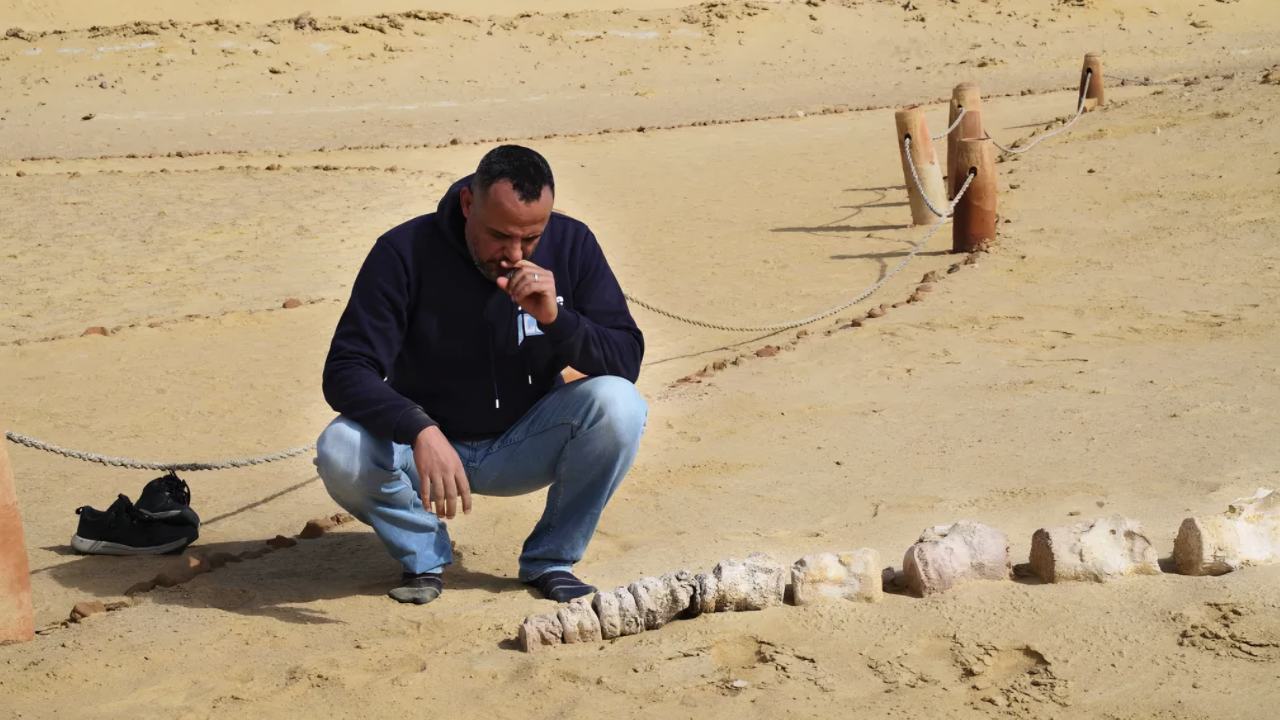
Buried for 4,500 years in Egypt’s scorching sands, a ceramic pot preserved a laborer’s skeleton that now upends long-held views of ancient isolation. DNA from this Old Kingdom man reveals genetic ties spanning North Africa and the Fertile Crescent, proving early Egyptians drew from distant populations long before scholars suspected.
The Elusive Genome
Extracting viable DNA from Egyptian remains has defied scientists for decades. Egypt’s intense heat, humidity, and soil chemistry rapidly degrade genetic material, turning bones to dust and proteins to fragments. Pioneering efforts, including those by Nobel winner Svante Pääbo in the 1980s, yielded nothing complete. By 2024, most researchers had abandoned hope. Then, an overlooked skeleton in Liverpool’s World Museum offered surprising preservation, thanks to its sealed ceramic burial.
Discovery at Nuwayrat
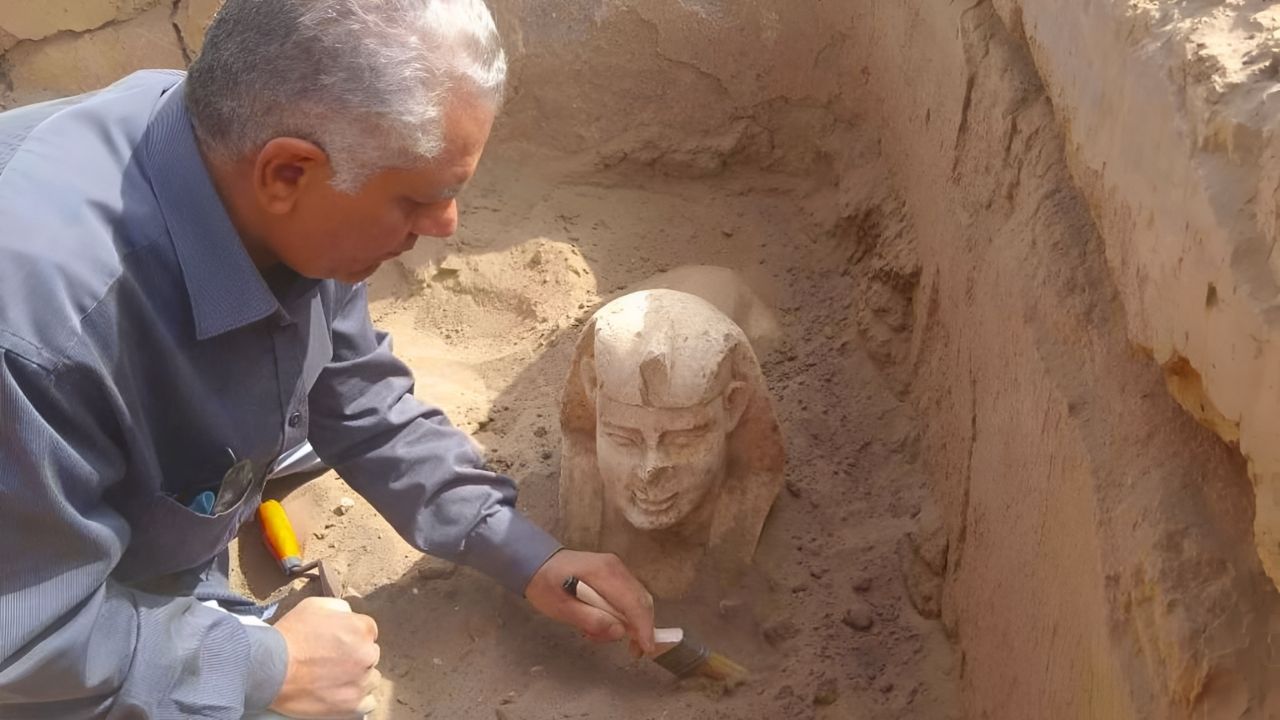
Unearthed in 1902 near Beni Hasan, approximately 155 miles south of Cairo, the remains belonged to a man aged 44 to 64. Radiocarbon dating places his death between 2855 and 2570 BCE, during the Old Kingdom. Buried in a finely crafted pot—a rare honor—his skeleton showed signs of grueling labor: worn joints, stressed muscles, and robust attachments hinting at pottery work. Yet his tomb’s prominent position and goods indicated elevated status, marking him as a skilled artisan, not a slave. Isotope analysis of his tooth enamel confirmed a lifelong Nile Valley diet.
Ancestry Unraveled
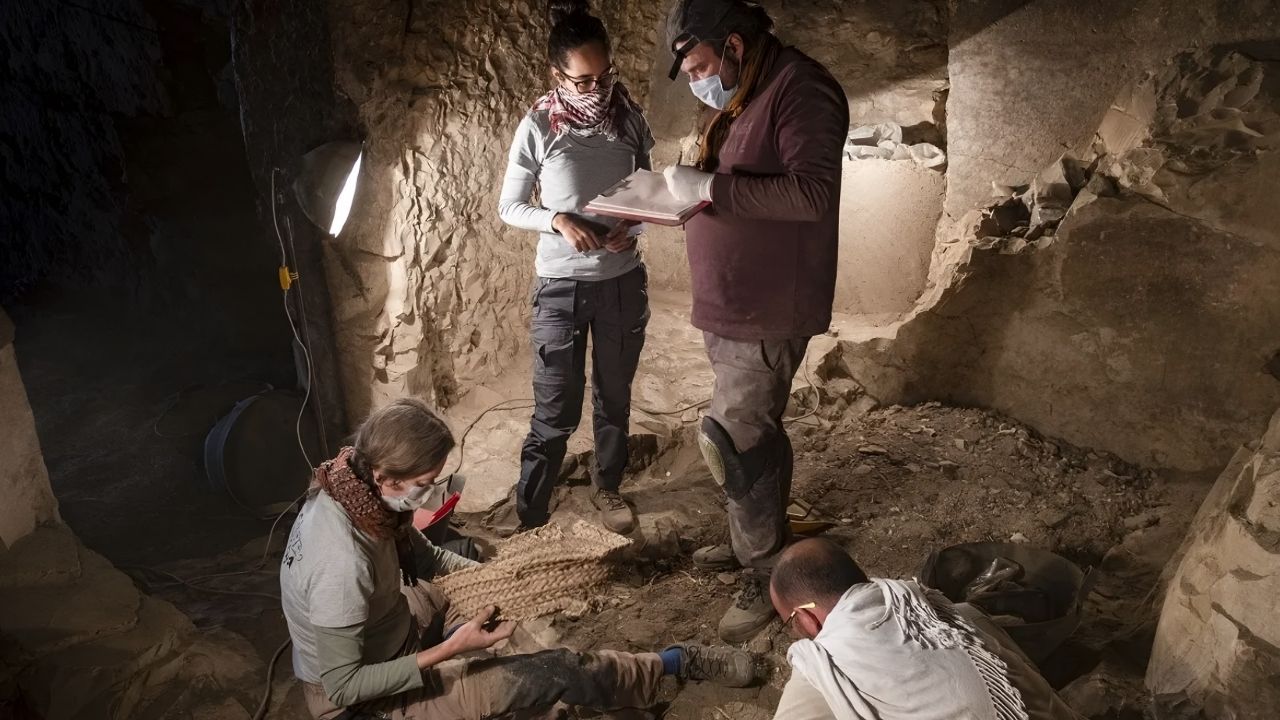
Sequencing at the Francis Crick Institute and Liverpool John Moores University produced the first full ancient Egyptian genome from two molars, whose enamel protected the pulp. The results: 77.6 to 80 percent North African ancestry, matching Neolithic groups from the Maghreb region—links from 7,000 years earlier. Another 20 to 22 percent traced to Fertile Crescent farmers in Mesopotamia. Sub-Saharan African ancestry was minimal (approximately 6-15%), unlike modern Egyptians, who carry 14 to 21 percent from later influxes, likely post-Old Kingdom, during Roman times or after. His genome closed a 1,300-year ancestral gap, confirming deep mixing.
Networks of Migration
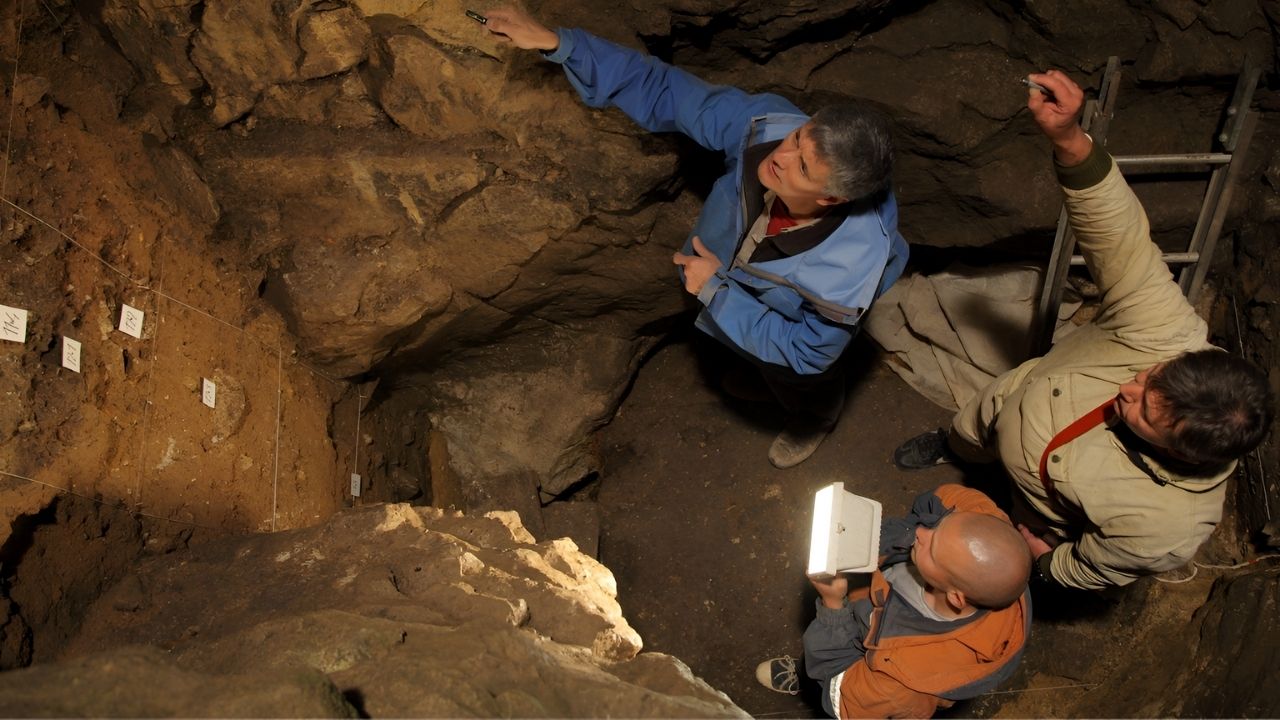
The Mesopotamian component puzzled experts, as archaeology showed scant direct trade across such distances. Isotopes proved the man was Nile-born, so the ancestry came from recent forebears—one or two generations back. This points to sustained human movement: traders settling, expeditions returning with families, or drift via the Levant. North African ties aligned with prior pottery evidence, now genetically affirmed. Early Egypt emerged not in isolation but woven into Bronze Age webs, challenging views of a purely local society.
Pathways Ahead
Published in Nature, the findings opened public databases for scrutiny, backed by UK funding and Egyptian approvals—a rare collaboration. Lead author Dr. Adeline Morez Jacobs noted more genomes are essential: “Many more individual genome sequences are needed to fully understand variation in ancestry in Egypt at the time.” Plans target Beni Hasan peers, Middle and New Kingdom sites. A second preserved skeleton awaits sequencing. Grants surge for Mediterranean genomics, linking migrations to tech transfers like Mesopotamian brewing and crops. While one genome cannot define a civilization, it spotlights diversity and counters distortions claiming non-African dominance. Future studies will map how such flows shaped pharaonic foundations, reshaping Egyptology’s core narratives.
Sources:
Nature Journal, “Whole-Genome Ancestry of an Old Kingdom Egyptian,” July 2, 2025
Liverpool John Moores University News, “Researchers sequence first genome from Ancient Egypt,” July 1, 2025
Smithsonian Magazine, “Scientists Have Sequenced an Ancient Egyptian Skeleton’s Entire Genome for the Very First Time,” July 6, 2025
BBC News, “Ancient Egyptian history may be rewritten by a DNA bone test,” July 2, 2025
New Scientist, “An ancient Egyptian’s complete genome has been read for the first time,” July 2, 2025
Yabiladi, “New study reveals ancient Egypt’s genetic ties to Morocco’s Neolithic populations,” July 4, 2025