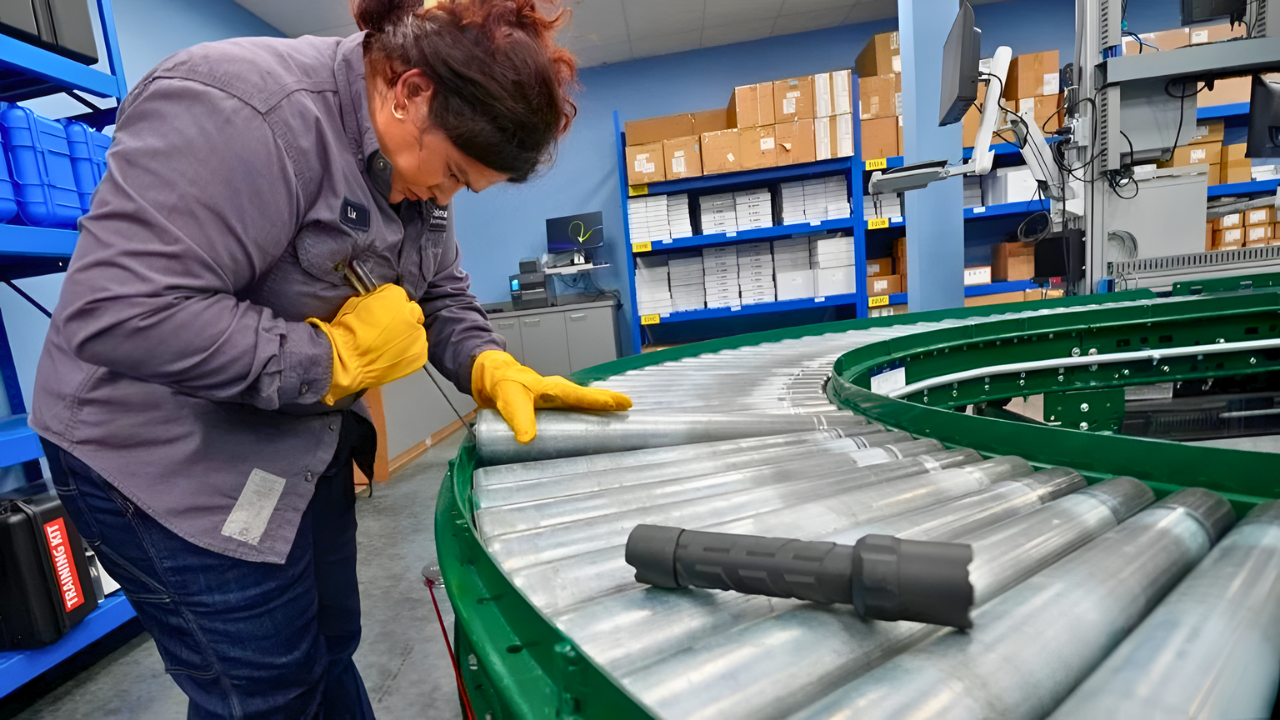
Liz Cardenas transformed her life through Walmart’s training program, nearly doubling her hourly wage to $43.50 after six months of learning to repair conveyor belts and machinery at a Texas distribution center. The 24-year-old moved into her own apartment and bought a car, gaining financial independence amid a national skilled trades crisis.
Skilled Trades Shortage Hits Critical Levels

America confronts a widening gap in skilled labor, with McKinsey research projecting 20 job openings for every net new worker entering key trades through 2032. This means about 584,000 annual openings across categories like welders, electricians, HVAC technicians, and maintenance workers, but only 26,000 net new employees. Companies spend over $5.3 billion yearly on recruitment and training to fill these voids.
Baby Boomer retirements exacerbate the problem: for every five leaving skilled trades, just two younger workers replace them. By 2030, manufacturing alone could see 2.1 million unfilled positions, even as over 7 million able-bodied men aged 25-55 stay out of the workforce.
Walmart’s $1 Billion Push into Training

Walmart revamped its Associate to Technician program in spring 2024, aiming to train 4,000 workers by 2030 as part of a $1 billion commitment to career development by 2026. Free training runs at sites in Dallas-Fort Worth, Vincennes, Indiana, and Jacksonville, Florida.
The six-month curriculum mixes 70 percent hands-on work with 30 percent classroom sessions, covering OSHA safety certifications, electrical basics, HVAC systems, refrigeration technology, and troubleshooting. All 108 graduates from the Dallas-Fort Worth pilot landed technician jobs right away; by November 2024, about 400 employees had completed it.
Graduates see sharp wage gains. Walmart field associates average $18.25 hourly, with team roles from $14 to $37. Technicians earn $19 to $45, averaging $32, while specialized HVAC roles hit $27.68 to $46.99 and diesel technicians $32.94 to $40.97.
High Stakes of Equipment Downtime

Equipment failures carry steep costs. A single refrigeration breakdown can spoil $300,000 to $400,000 in product per store, according to Walmart’s vice president of facility services, R.J. Zanes. With 4,600 U.S. stores, reliable technicians safeguard revenue. IoT monitoring aids detection, but skilled hands handle repairs.
Participants like Jason “JB” Helm, who switched from accounting, credit the program for skill growth through virtual and hands-on Dallas training. Veteran Hurk Kenney called it a life-changing opportunity after 11 years at Walmart.
Training boosts retention: participants quit at one-quarter the rate of others and get promoted twice as often, per a 2021 Lumina Foundation study. Men saw 95 percent higher promotion rates, women 70 percent.
Industry-Wide Response and Broader Pressures
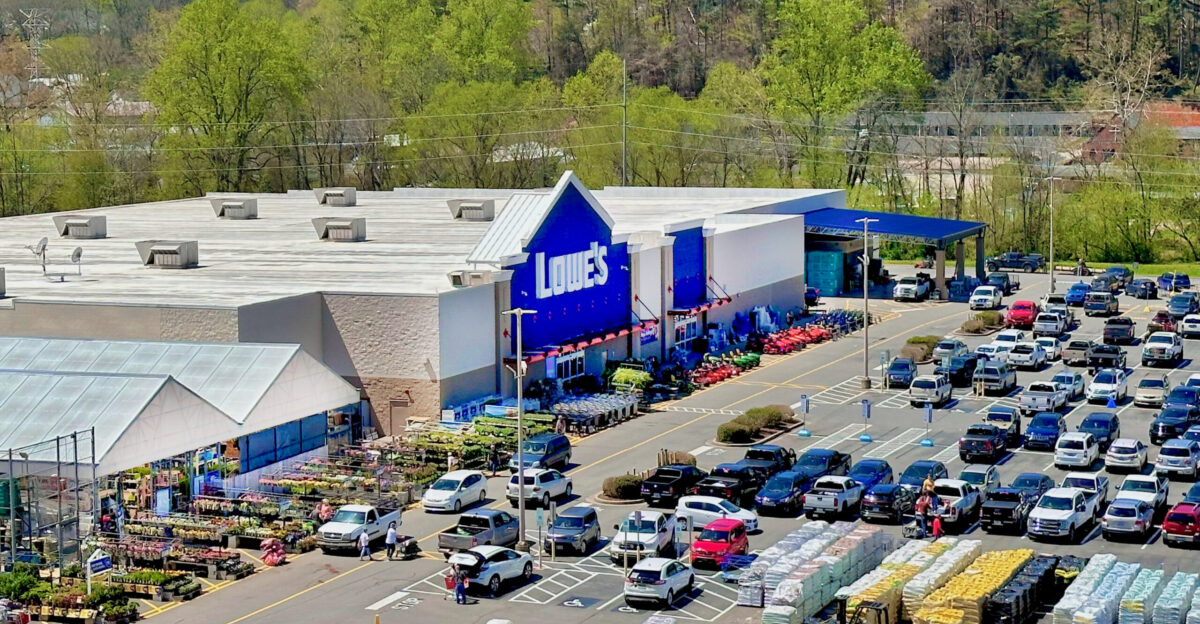
Other retailers join in. Lowe’s pledged $50 million over five years to ready 50,000 for trades, distributing $43 million to 60 groups by December 2024. Home Depot’s Path to Pro has graduated over 60,000 since 2021, with 100,000 participants; its foundation added $10 million for youth training.
The Business Roundtable, with CEOs from 150 major firms, started a Skilled Trades Initiative in summer 2024, co-led by Lowe’s CEO Marvin Ellison. Carrier Global targets training 100,000 climate professionals over five years.
Infrastructure spending fuels demand: the Bipartisan Infrastructure Law’s $550 billion could open 345,000 jobs by 2027-2028, but a 1.1 million shortage looms in construction. The sector needs 439,000 new workers in 2025 alone.
Trades now match or exceed college grad pay without debt: electricians $60,000-$100,000+, plumbers $58,000-$95,000+, HVAC $50,000-$90,000+, elevator installers $80,000-$130,000+, lineworkers $65,000-$110,000+.
Walmart dropped degree requirements for 75 percent of roles, focusing on skills. CEO Doug McMillon noted many Americans overlook technician pay.
Automation in stores and centers heightens need for maintainers of robotics, IoT, and AI systems. Apprenticeships yield 44.3 percent ROI, per U.S. Department of Labor, saving Walmart millions in hiring and turnover for 4,000 technicians at $60,000 average salary.
Challenges persist: expanding needs more sites or mobile units with hands-on gear, tough-to-find instructor-technicians, and poaching risks from portable credentials like EPA-608 and OSHA certs. Walmart counters with competitive $32-$45 pay.
Federal training funds trail infrastructure outlays; Georgetown economist Nicole Smith highlighted the mismatch.
Walmart’s model signals viable paths to middle-class stability sans college, with 100 percent pilot placement, wage doublings, and retention gains. As shortages deepen into the 2030s, firms investing in internal pipelines gain edges, reshaping workforce opportunities amid demographic shifts.
Sources:
“Walmart Pilots AI Interview Coach and Accelerates Associate to Technician Program.” Walmart Corporate News, June 2025.
“Tradespeople Wanted: The Need for Critical Skilled Workers in the US.” McKinsey & Company, April 2024.
“Walmart and Other US Companies Want to Build a Pipeline of Skilled Tradespeople.” ABC News, December 2025.
“Study Shows the Benefits of Walmart Education Effort.” Lumina Foundation, September 2021.
“Walmart Employee Nearly Doubled Her Pay After Entering Its Skilled Trades Training Program.” Fortune, December 2025.
“Business Roundtable Launches New Workforce Initiative to Strengthen Talent Pipelines for Skilled Trades.” Business Roundtable, 2024.