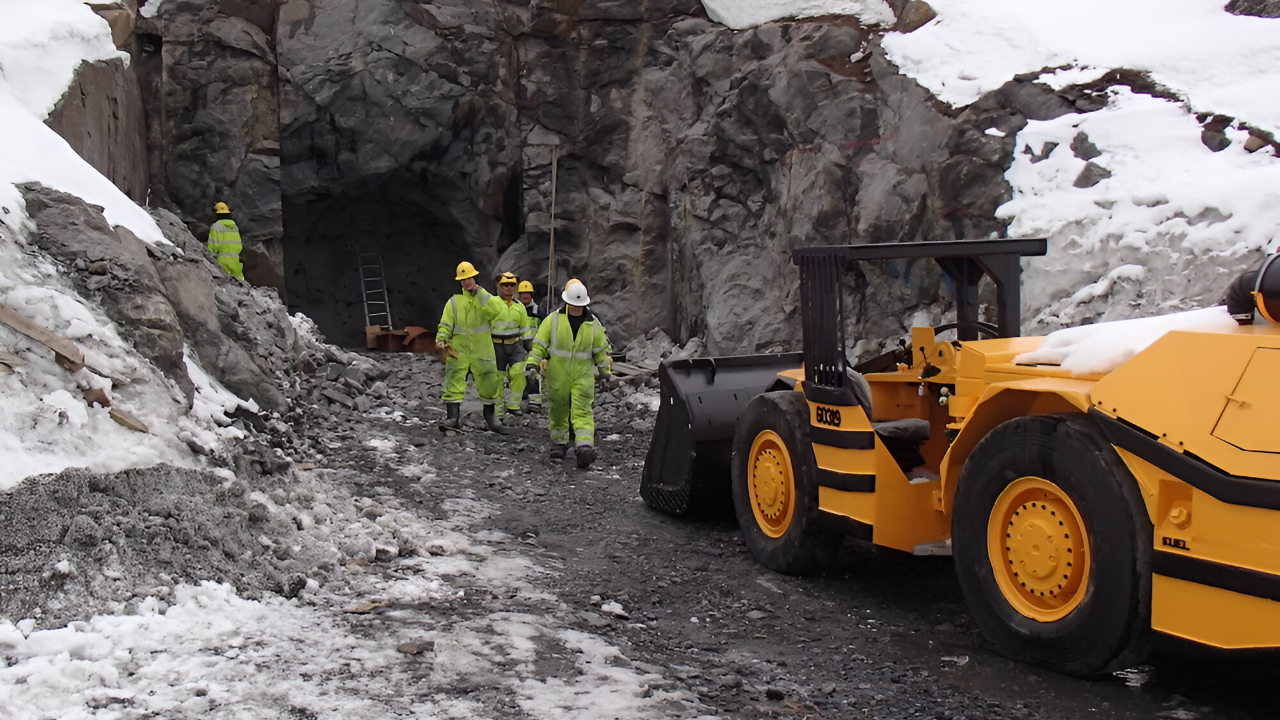
Drill rigs on the clay flats west of Utah Lake were supposed to be exploring a modest halloysite deposit when the scope of the find changed. Beneath roughly 4,000 acres, independent assays confirmed a broad system of rare earths and other critical minerals used in AI hardware, electric vehicles, and defense technologies. What began as a quiet project called Silicon Ridge is now being discussed as a potential pillar of U.S. supply for materials that underpin modern electronics and strategic industries.
From Quiet Prospect to Strategic Asset
For years, Silicon Ridge had been leased and tested with little notice outside Utah’s mining circles. That shifted after third-party laboratories verified a high-grade, clay-hosted mineral system beneath the site. Within weeks of a December 2025 announcement, the operation went from a regional clay project to a candidate for national critical-minerals infrastructure, drawing interest from federal planners and manufacturers looking to reduce dependence on foreign supply.
At the center of the attention is an estimated gross in-situ value approaching 120 billion dollars. The figure comes from company calculations based on an average deposit grade of about 2,700 parts per million across at least 16 critical minerals, extrapolated across the full lease area. It reflects a theoretical maximum value of all material in the ground at current market prices, not a forecast of revenue or profit. Independent verification of the estimate and a full financial model are expected in a Preliminary Economic Assessment scheduled for the first half of 2026.
Price Volatility and Economic Reality
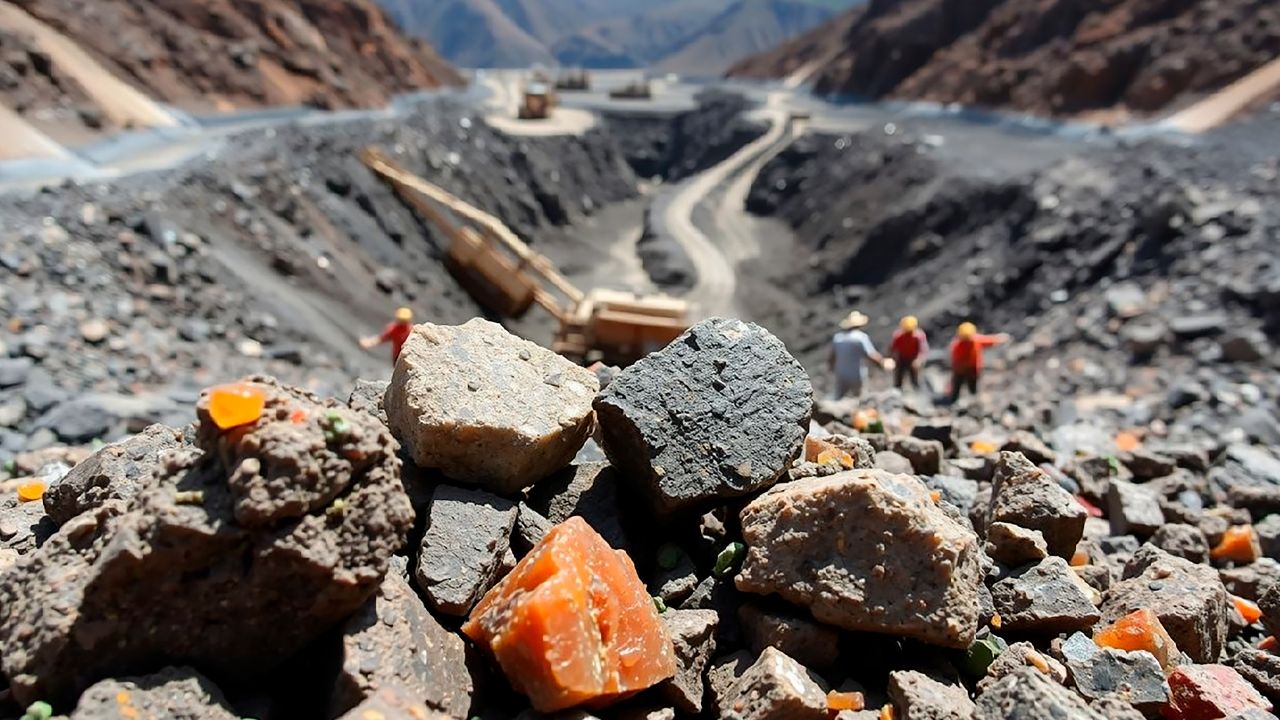
The headline valuation rests on volatile rare earth markets. Neodymium-praseodymium oxide, used in high-performance magnets for EVs and wind turbines, was trading near 79,000 dollars per tonne in January 2026 after sharp price swings during 2025. Dysprosium oxide prices also fluctuate widely, with Western material often priced higher than domestic Chinese supply. This volatility helps explain why even moderate domestic deposits attract significant attention, but it also underscores how uncertain long-term value can be.
In-situ numbers do not account for the realities of mining and processing. Costs for extraction, refining, water and power, infrastructure construction, regulatory compliance, and eventual reclamation all cut into potential returns. Recovery rates and processing losses further reduce how much of the theoretical resource can be converted into saleable product. Industry experience at projects such as the Mountain Pass rare earth mine in California shows that the market value of operating facilities and actual output is often far below initial in-situ estimates. Even if Silicon Ridge ultimately realizes only 10 to 15 percent of its 120 billion dollar theoretical figure, it would still represent a 12 to 18 billion dollar resource, large enough to carry strategic weight.
Geopolitics and Supply Chain Pressure

The timing of the discovery is tied closely to global tensions over critical minerals. China currently accounts for an estimated 60 to 70 percent of rare earth production and as much as 90 percent of processing capacity worldwide. Export controls on gallium, germanium, and certain rare earths introduced in 2024, then suspended in late 2025, demonstrated Beijing’s willingness to use these materials as a policy tool and exposed how vulnerable Western manufacturers are to supply disruptions.
Those moves accelerated exploration in the United States and other allied countries. Ionic Mineral Technologies, which began leasing Silicon Ridge in 2023 to develop halloysite for advanced battery materials, expanded its drilling program as global concern over Chinese dominance grew. More than 100 boreholes later, the company had evidence of a much broader mineral system that could help diversify supply for U.S. technology and defense sectors. The deposit resembles ion-adsorption clay systems found in China, Brazil, and Australia, suggesting that similar resources may exist elsewhere in the American West.
Local Impact and Industrial Strategy

Silicon Ridge lies just west of Utah Lake near the Lake Mountains, within commuting distance of Utah’s “Silicon Slopes” technology corridor. The site is already permitted, with road access, nearby utilities, and a 74,000-square-foot processing facility in Provo that Ionic MT cites as a key advantage for shortening ramp-up times. The company estimates that full-scale mining and processing could create hundreds of jobs, though detailed employment projections will depend on forthcoming feasibility studies.
The project also ties directly into state finances. Lease payments and royalties are paid to Utah’s School and Institutional Trust Lands Administration, which manages land to fund public education and other state institutions. State political leaders have embraced the find as both an economic opportunity and a national security asset, pointing to Utah’s regulatory environment and resource base as competitive strengths at a time when federal priorities are shifting toward domestic critical-mineral development.
Federal agencies are already moving to address material shortfalls. A Government Accountability Office report in September 2024 highlighted gaps in the supply of key inputs for defense and advanced manufacturing. The Defense Logistics Agency has launched a critical-minerals procurement effort, supported in part by approximately 7.5 billion dollars in funding for related programs under the One Big Beautiful Bill Act, including 2 billion dollars specifically for defense stockpiles. A viable Utah-source of rare earths and associated metals would give Washington and U.S. manufacturers more options as they plan long-term procurement and seek to reduce exposure to foreign disruptions.
Environment, Technology, and the Long View
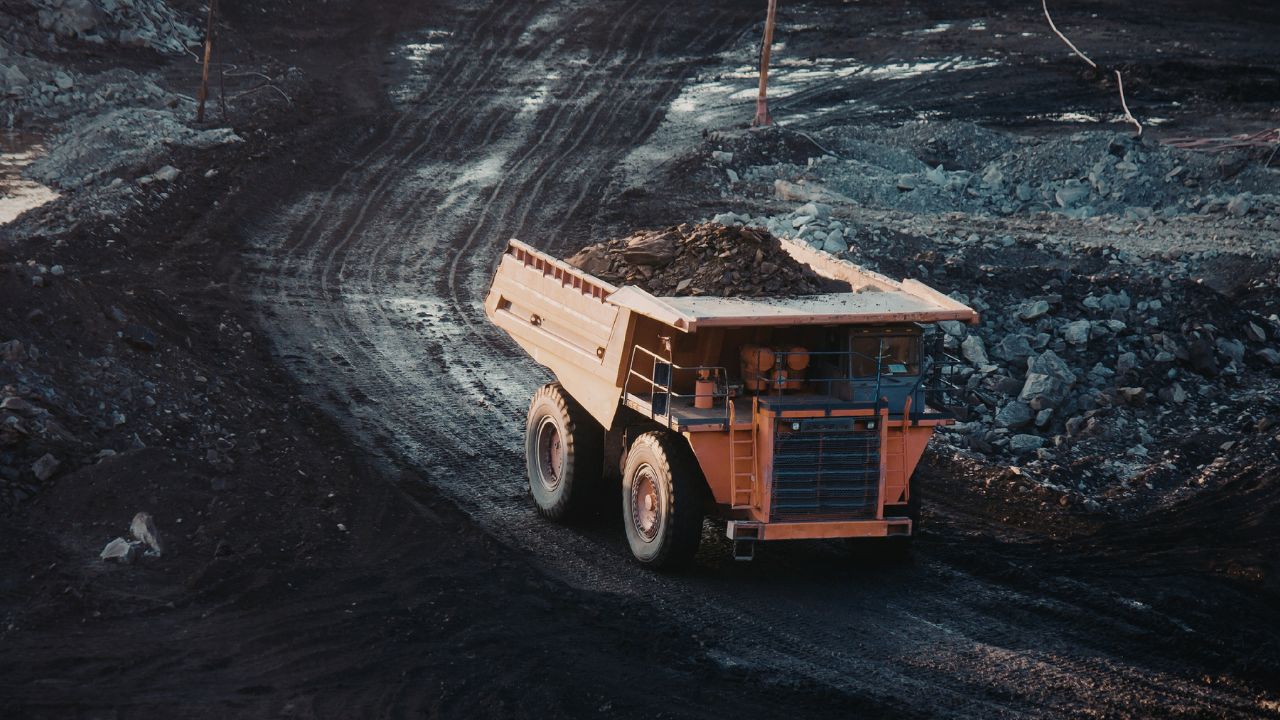
Clay-hosted deposits like Silicon Ridge may require less blasting than hard-rock mines, and the operator describes its process as low-emissions and near-zero-waste. At the same time, mining near Utah Lake raises environmental and cultural questions about water use, habitat disturbance, and impacts on local landscapes. How the project manages monitoring, emissions, and land restoration will likely influence public support and regulatory decisions.
Ionic MT’s broader strategy is to convert halloysite clay into multiple products: critical minerals, high-purity alumina, and nano-silicon used in batteries, LEDs, specialty ceramics, and solar applications. If the model scales, it could offer U.S. manufacturers a more integrated domestic source of refined materials that now largely come from overseas, affecting procurement strategies across electronics, transportation, and energy sectors.
Rare earths and related minerals are embedded in everyday technologies—smartphones, laptops, EVs, wind turbines, fiber networks, and the power systems behind cloud and AI facilities. A sizable U.S. deposit will not quickly change prices or erase global market risks, and typical mine development timelines in the United States span 15 to 29 years. But the Silicon Ridge discovery has already linked a patch of Utah clay to broader debates over industrial security, inflation pressure tied to imports, climate goals, and education funding. Its ultimate significance will depend on economic results, environmental performance, and how the benefits and burdens of development are distributed over the decades ahead.
Sources:
“Ionic Mineral Technologies Announces Major U.S. Discovery of Rare Earth and Critical Technology Metals.” Ionic Mineral Technologies, 11 Dec 2025
“Massive critical minerals deposit found in Utah.” Mining.com, 14 Dec 2025.
“Ministry of Commerce Notice 2024 No. 46: Notice Concerning Strengthening Controls on Exports of Relevant Dual-Use Items to the United States.” Center for Security and Emerging Technology, Georgetown University, 3 Dec 2024.
“One Big Beautiful Bill Act makes $150B investment in Defense.” Inside Government Contracts, 13 Jul 2025.