In late 2025, two extraordinary space events happened almost simultaneously, creating confusion among the public. First, an interstellar comet named 3I/ATLAS made a spectacular journey through our solar system. Second, a massive butterfly-shaped coronal hole appeared on the Sun’s surface. Many news reports mistakenly suggested these events were connected or caused by one another.
However, scientists have confirmed these are completely unrelated occurrences. The comet came from outside our solar system, traveling on its own path, while the solar feature was part of the Sun’s normal activity cycle. Understanding each event separately helps us appreciate the incredible complexity of our cosmic neighborhood and the fascinating phenomena that occur independently throughout space.
What Makes This Comet Special?
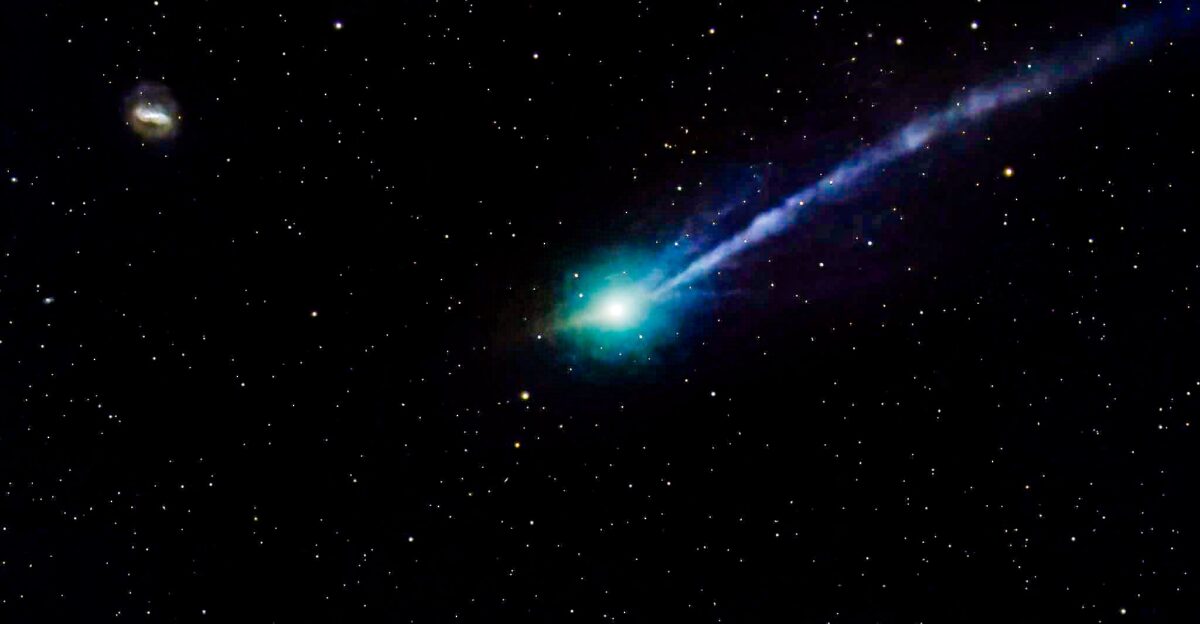
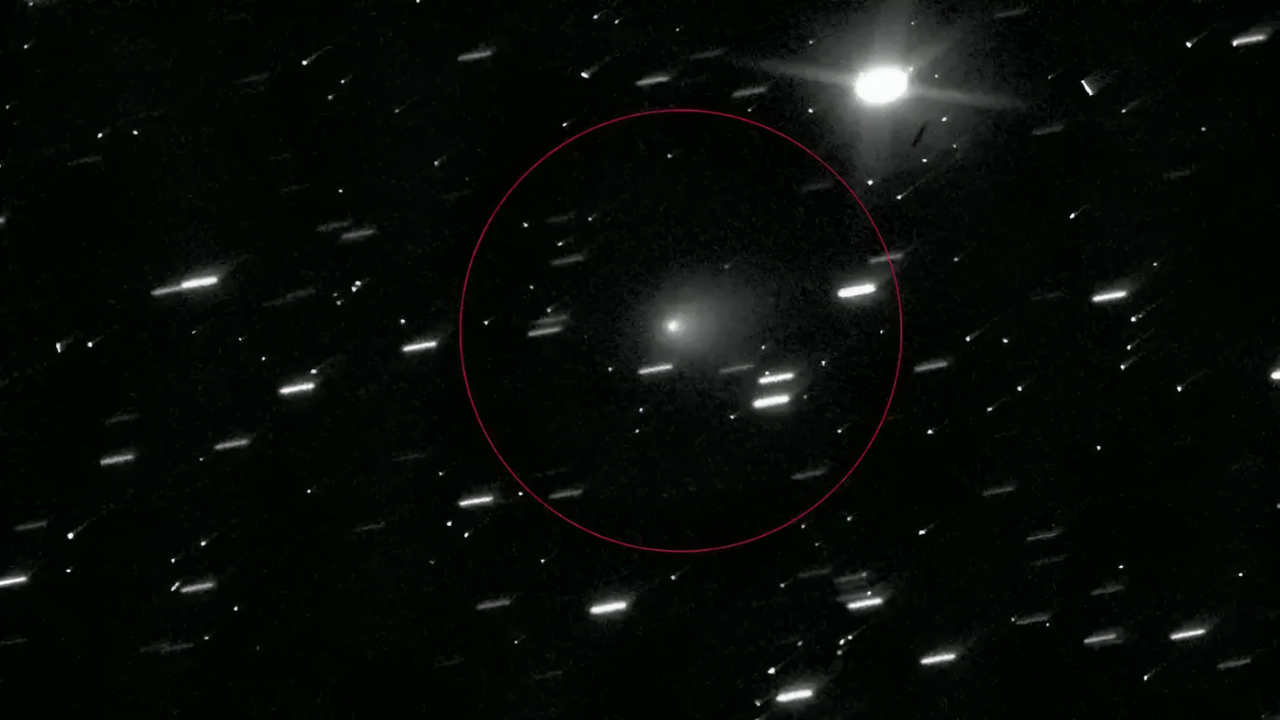
Comet 3I/ATLAS holds a unique place in astronomy history as only the third interstellar object ever observed passing through our solar system. The 3I designation specifically means third interstellar object, following ‘Oumuamua and comet Borisov. It was first spotted on July 1, 2025, by the ATLAS survey telescope in Chile, a NASA-funded system designed to scan the skies for potentially dangerous asteroids.
According to NASA’s official statement, “3I/ATLAS poses no threat to Earth and will remain far away.” The discovery immediately sparked worldwide interest because interstellar visitors are extremely rare.
A Visitor from Another Star System
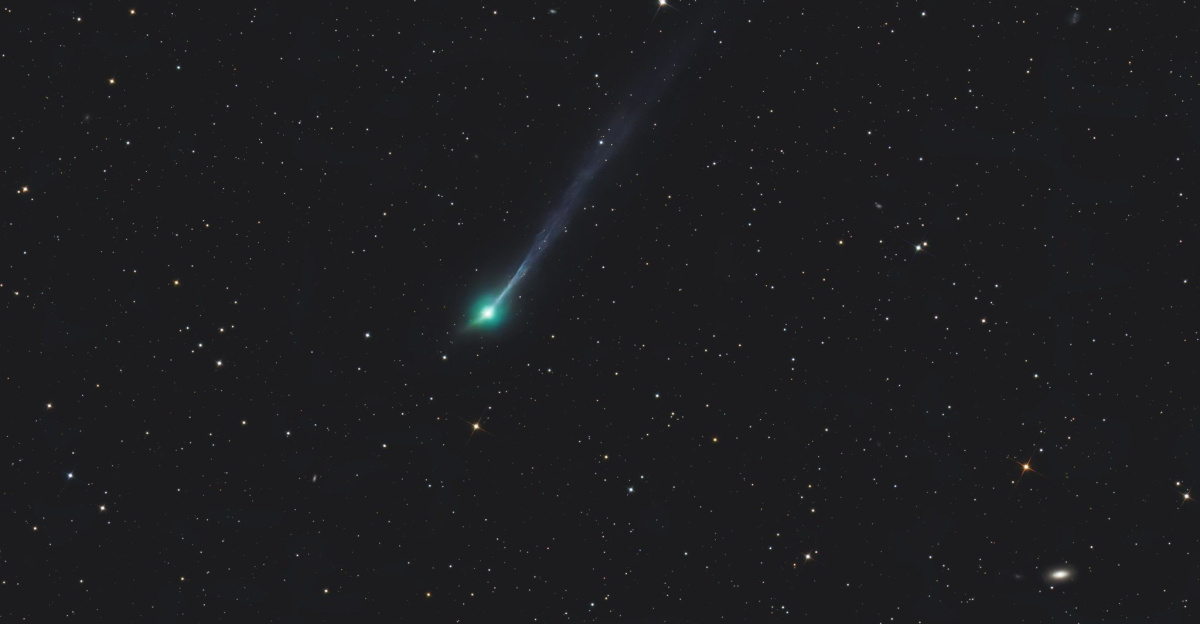
Unlike typical comets that orbit our Sun repeatedly, 3I/ATLAS originated from somewhere outside our solar system entirely. It has traveled unimaginable distances through the cold darkness of interstellar space, possibly for millions of years, before entering our cosmic neighborhood.
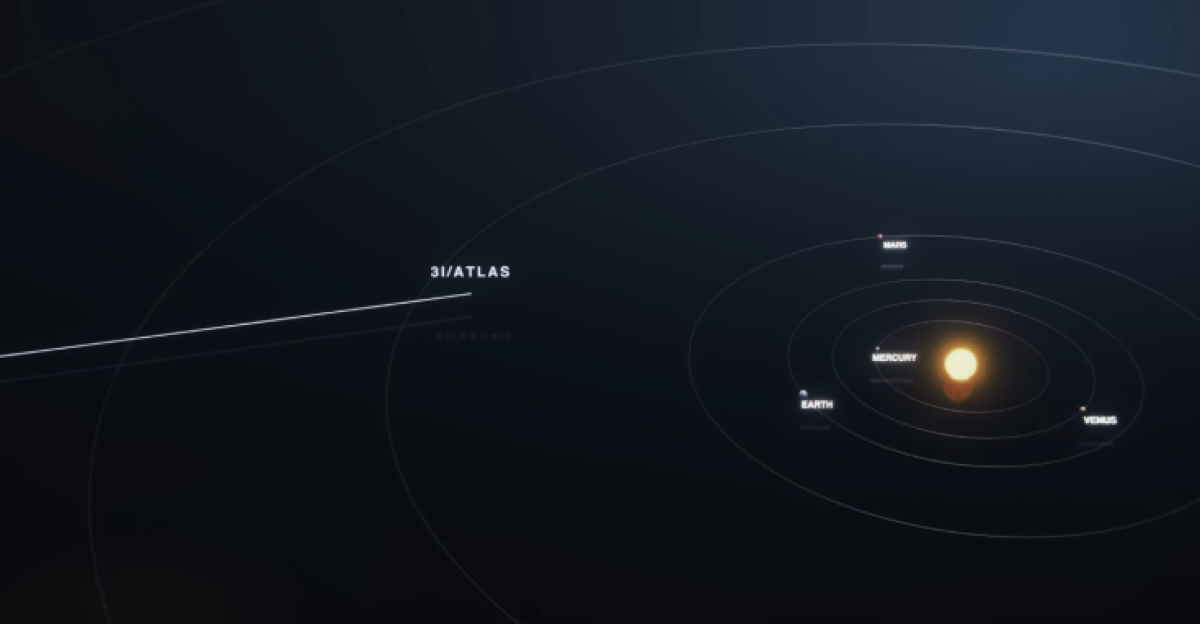
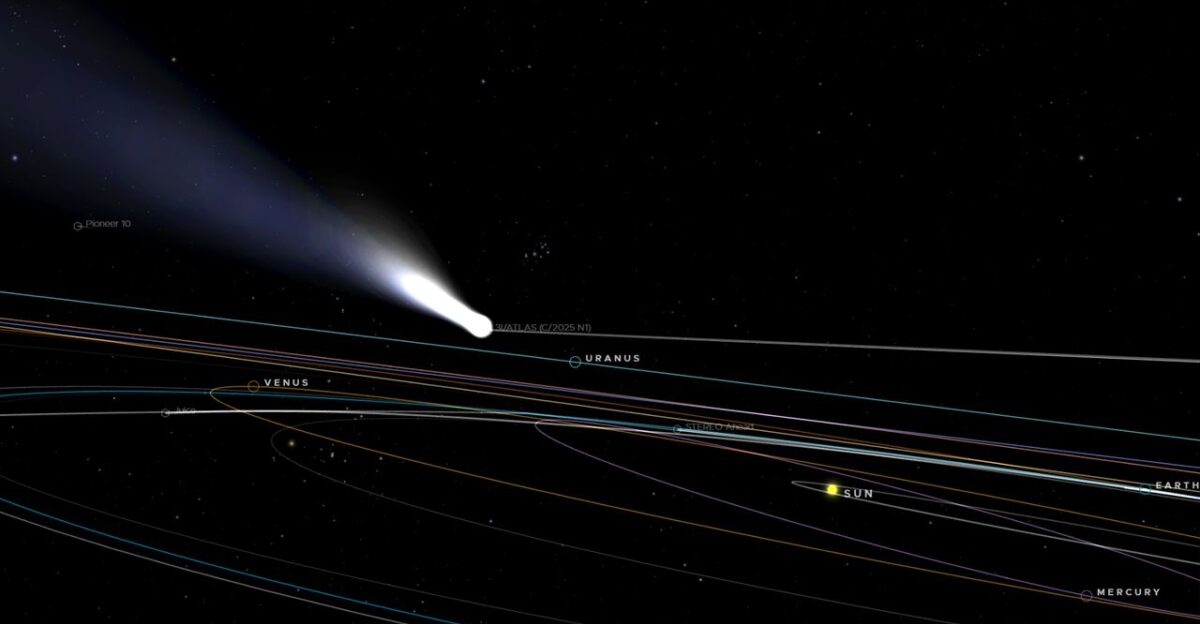
Scientists determined its interstellar origins by calculating its trajectory, which follows what’s called a hyperbolic path, meaning it’s not bound by the Sun’s gravity.
How Scientists Watched It Closely
The discovery of 3I/ATLAS triggered an unprecedented international scientific response. Observatories across the world immediately shifted their focus to track this rare visitor. Ground-based telescopes from Chile to Hawaii pointed skyward, while space-based instruments including the Hubble Space Telescope, James Webb Space Telescope, and NASA’s MAVEN spacecraft coordinated their observations.
Even amateur astronomers contributed valuable data to the growing collection.
The Critical Moment
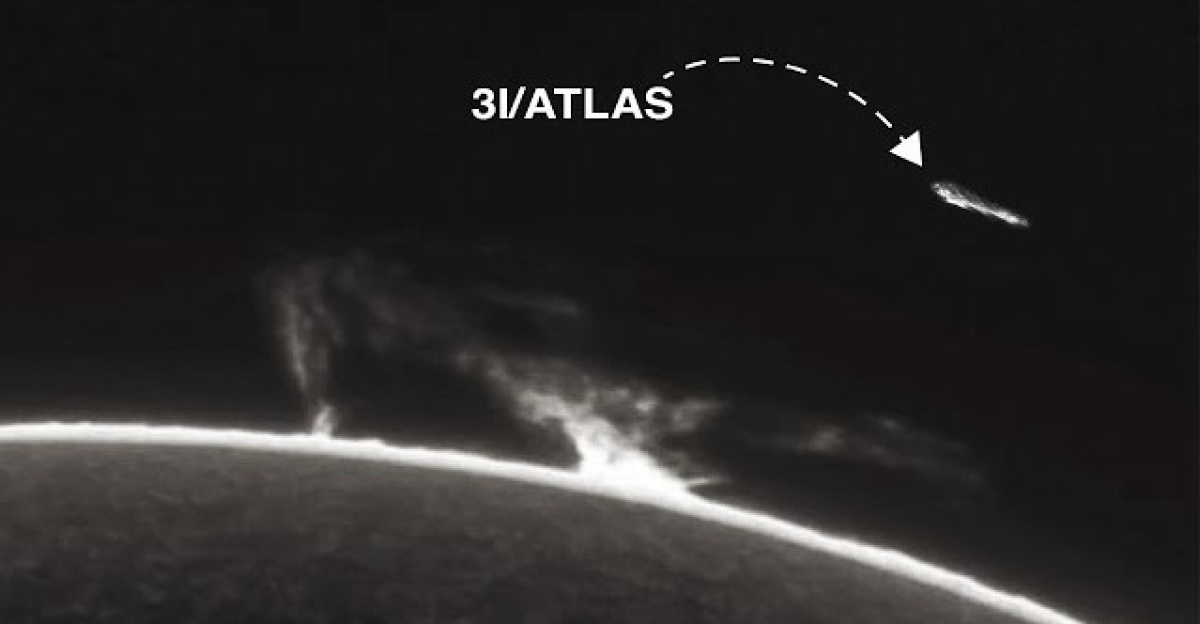
On October 29-30, 2025, comet 3I/ATLAS reached its perihelion, the point in its orbit closest to the Sun. At this critical moment, it was approximately 1.36 astronomical units away, which translates to about 203 million kilometers or 126 million miles. To put this in perspective, that’s roughly the distance between the Sun and Mars. Despite being at its closest approach, the comet remained incredibly far from the solar surface.
During perihelion, the comet temporarily disappeared from Earth-based telescopes because it passed directly behind the Sun from our viewing perspective. This positioning created a blackout period when only space-based observatories could monitor it.
The Truth About Distance
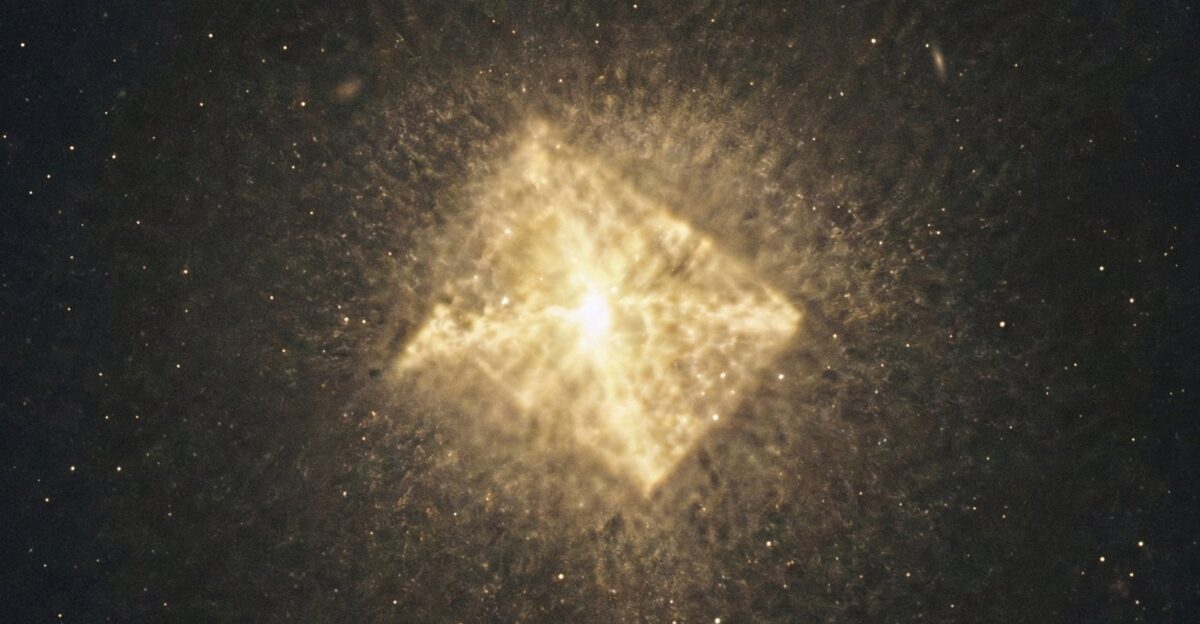
Despite dramatic headlines suggesting the comet grazed or skimmed the Sun, 3I/ATLAS never came dangerously close to our star. At its nearest point, the comet was 126 million miles away, far too distant to physically interact with the Sun’s atmosphere or surface.
For comparison, Mercury, the closest planet to the Sun, orbits at about 36 million miles. The comet remained more than three times farther out than Mercury’s orbit. This safe distance is important to understand because it eliminates any possibility that the comet could have physically disturbed the Sun or triggered solar events.
A Remarkable Survival Story
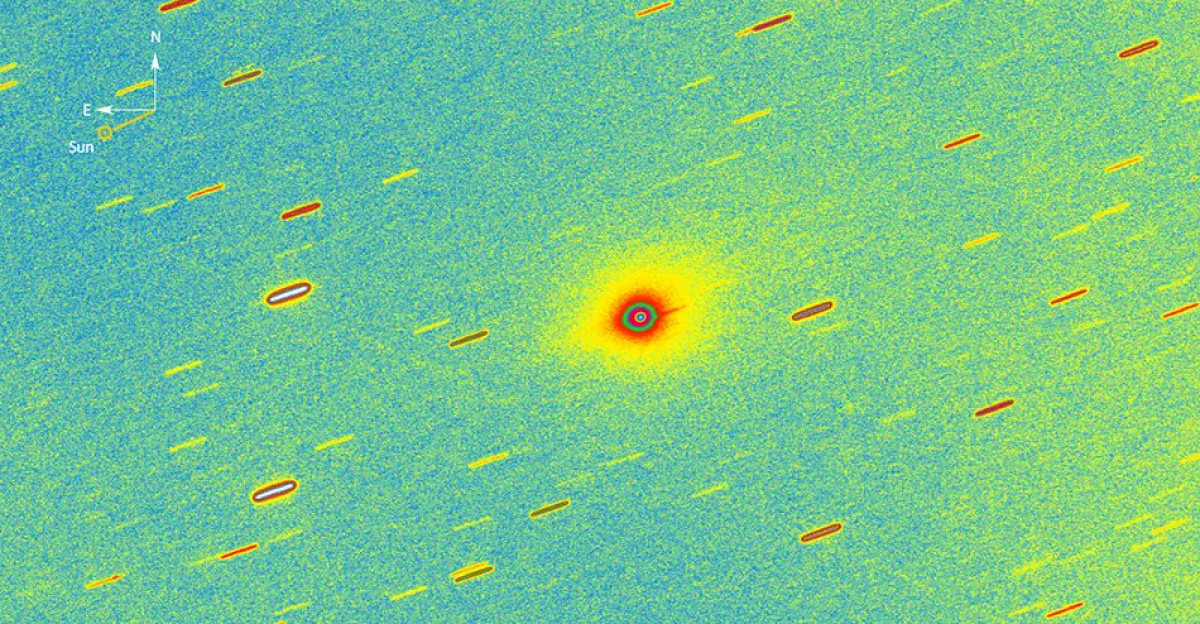
One of the most surprising aspects of 3I/ATLAS was its survival through perihelion completely intact. Many comets, especially those making close solar approaches, fragment or disintegrate when exposed to intense solar radiation and gravitational stress.
Scientists watched nervously, expecting the interstellar visitor might break apart. Instead, it emerged from behind the Sun still in one piece, continuing its journey relatively unchanged.
Mysterious Jets Baffle Scientists
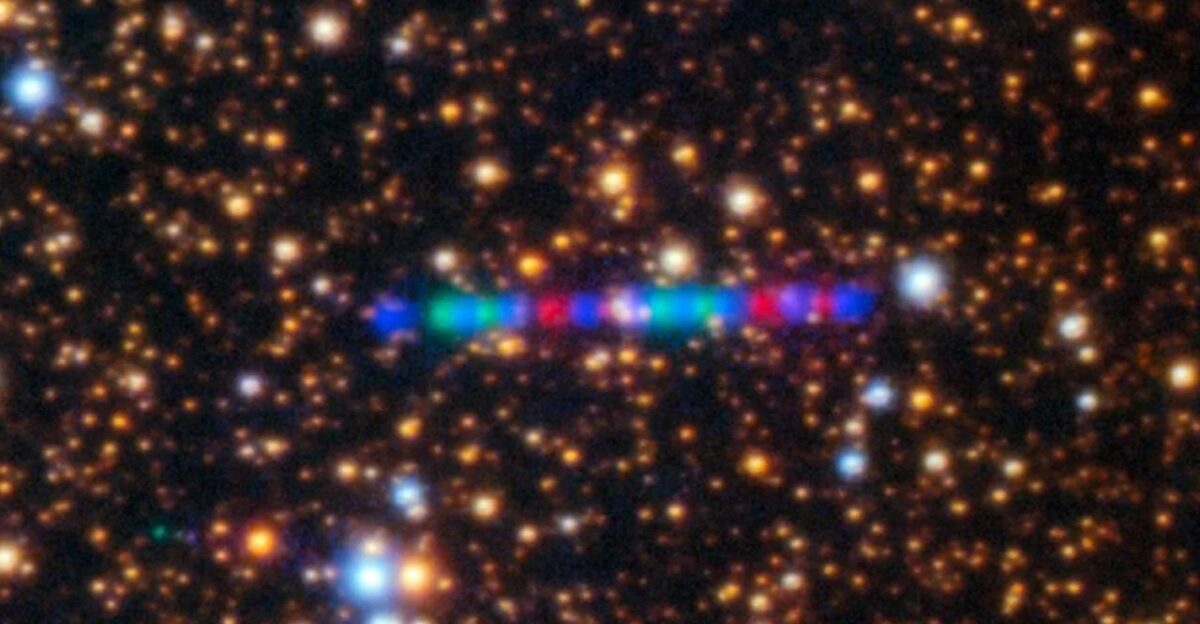
As spacecraft and telescopes monitored 3I/ATLAS during its solar passage, they detected something extraordinary: powerful jets of material erupting from the comet’s surface. These weren’t ordinary comet jets. They extended toward the Sun for up to 1 million kilometers, and away from the Sun for an astonishing 3 million kilometers.
These dimensions far exceeded what scientists expected for a comet nucleus estimated to be between 1,400 feet and 3.5 miles in diameter.
When the Math Doesn’t Add Up
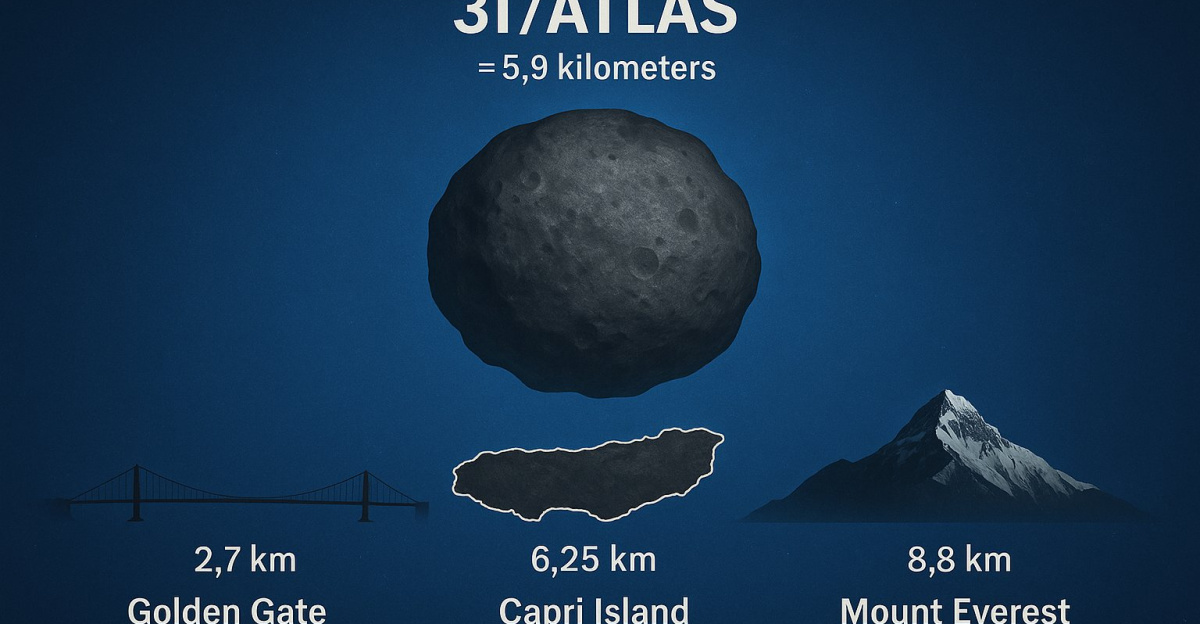
Scientists faced a perplexing problem when they calculated the energy required to produce the observed jets and mass loss from 3I/ATLAS. According to standard comet physics, the amount of material being ejected would require a surface area significantly larger than the comet’s measured size.
It was as if a small engine was producing the power output of a much larger machine. This discrepancy challenged fundamental understanding of how comets work.
What NASA Says
At a press conference on November 19, 2025, NASA officially addressed growing speculation about 3I/ATLAS. NASA emphasized that while the interstellar origin makes it scientifically important and exciting, the object is fundamentally natural, not artificial or alien technology.
NASA’s position was based on comprehensive observations from multiple spacecraft and telescopes. The agency released new images showing typical cometary features: a nucleus surrounded by a coma of gas and dust, characteristic emission spectra showing CN, C2, and C3 bands, and behavior consistent with ice sublimation.
Avi Loeb Questions the Evidence

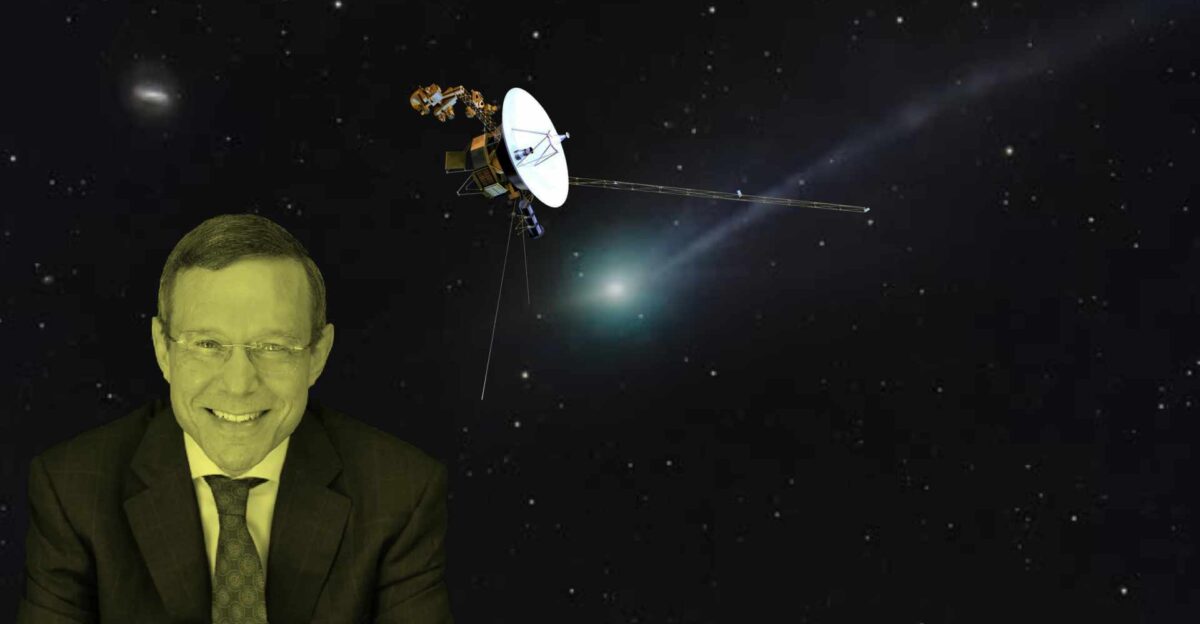
Harvard astrophysicist Avi Loeb, known for his controversial theories about interstellar objects, took a different position. He argued that 3I/ATLAS exhibits anomalies that challenge conventional comet physics. In his analysis, Loeb identified twelve specific characteristics that make this object unique compared to all previously studied comets.
These include unusual trajectory, excessive jet activity, strange chemical composition, and energy output that violates basic physics calculations for an object of its size.
The Ongoing Scientific Debate

Loeb’s arguments center on scientific anomalies rather than speculation. He emphasizes that when observations appear to violate basic physics, scientists must be willing to explore unconventional possibilities. This doesn’t mean immediately jumping to exotic conclusions, but rather remaining open to explanations that might challenge current understanding.
The scientific method requires following evidence wherever it leads, even if destinations seem uncomfortable. Most mainstream astronomers strongly disagree with this interpretation, arguing that natural explanations, while complex, remain sufficient.
Unprecedented Observation Campaign
The perihelion passage of 3I/ATLAS represented a historic first in astronomy: the first time an interstellar comet had been tracked in detail by multiple spacecraft during its closest approach to the Sun. Previous interstellar visitors like ‘Oumuamua and Borisov were observed from Earth, but 3I/ATLAS benefited from an unprecedented array of space-based instruments.
NASA’s Hubble, James Webb, MAVEN, Swift, and PUNCH spacecraft all contributed observations, along with ESA’s spacecraft and instruments. Similarly, the Hera spacecraft potentially passed through the tail from October 25 to November 1.
Mysterious Radio Signals Explained
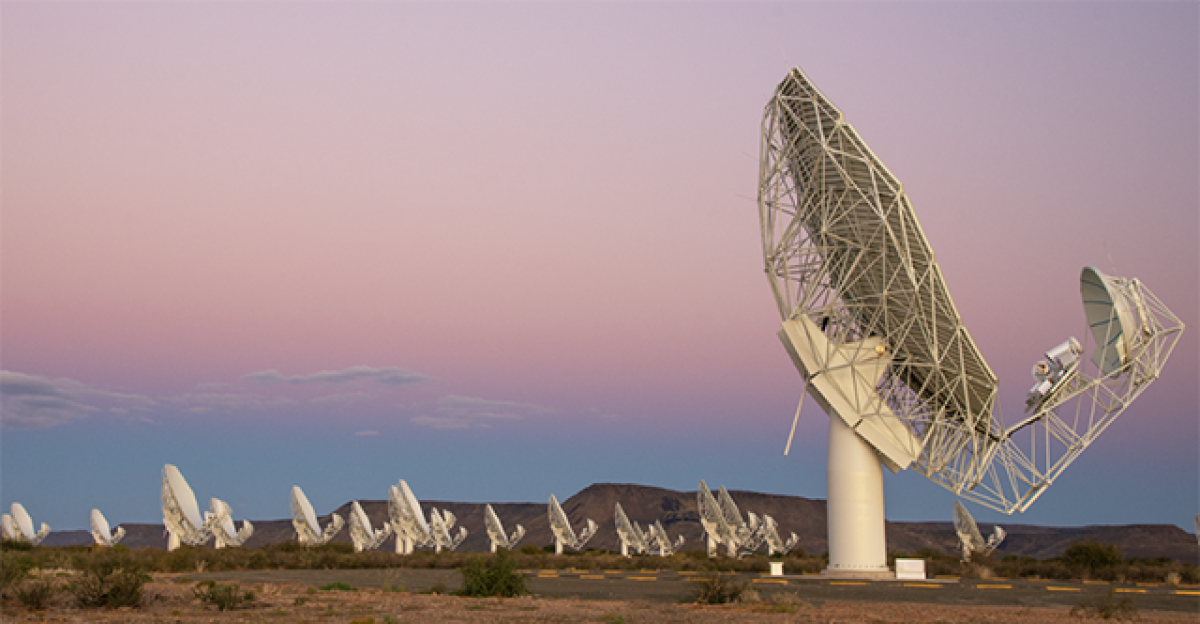
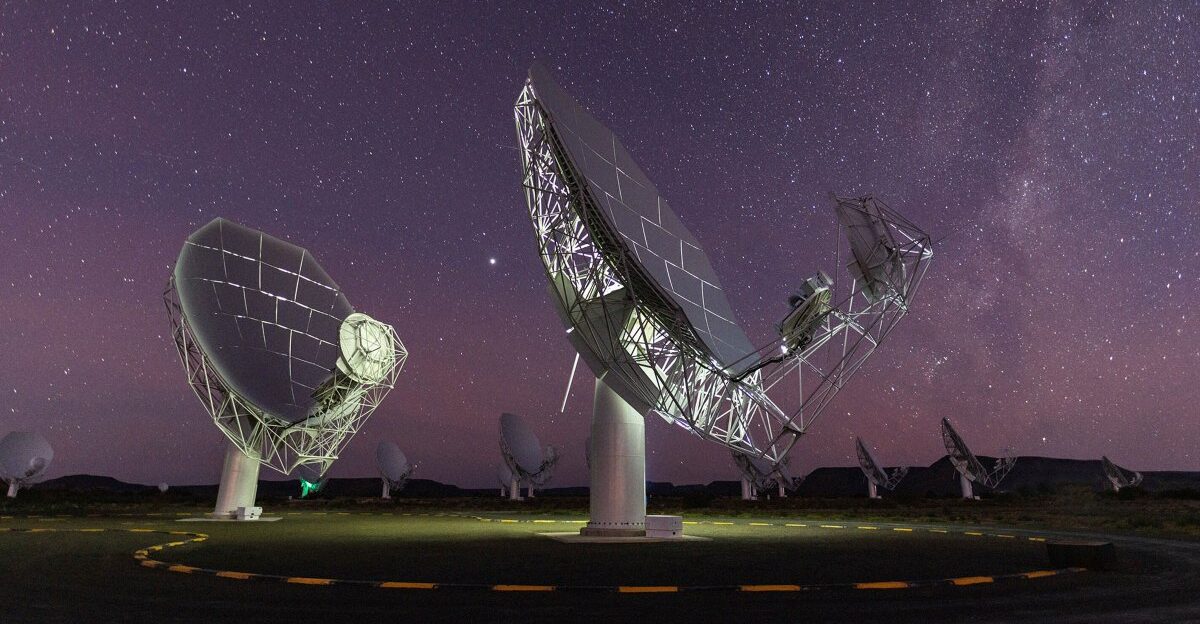
On October 24, 2025, five days before perihelion, South Africa’s MeerKAT radio telescope detected the first radio signals coming from the direction of 3I/ATLAS. This detection initially sparked excitement and speculation about possible technological origins. However, detailed analysis revealed the signals were entirely natural, hydroxyl (OH) absorption and emission from the comet’s gas cloud, exactly what astronomers expected from an active comet releasing water molecules into space.
According to the South African Radio Astronomy Observatory, “MeerKAT finally caught the first whisper of hydroxyl absorption from 3I/ATLAS” on October 24, with follow-up detections on November 6 and 11, and absorption turning into emission on 12 November, exactly as predicted by cometary models.
An Unrelated Solar Phenomenon
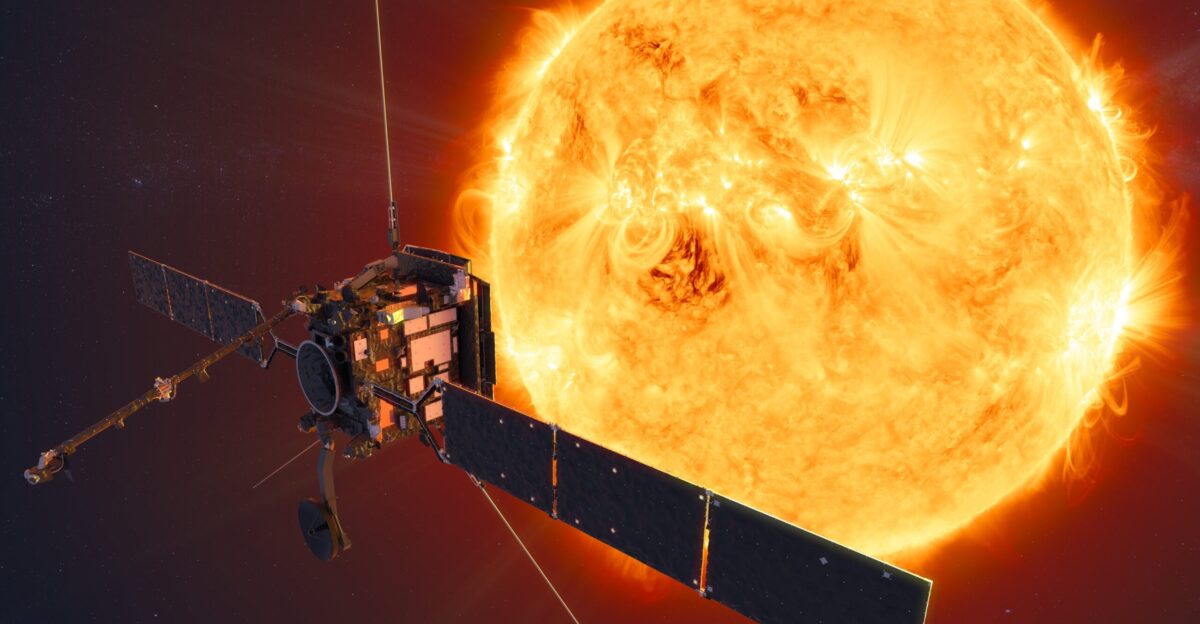
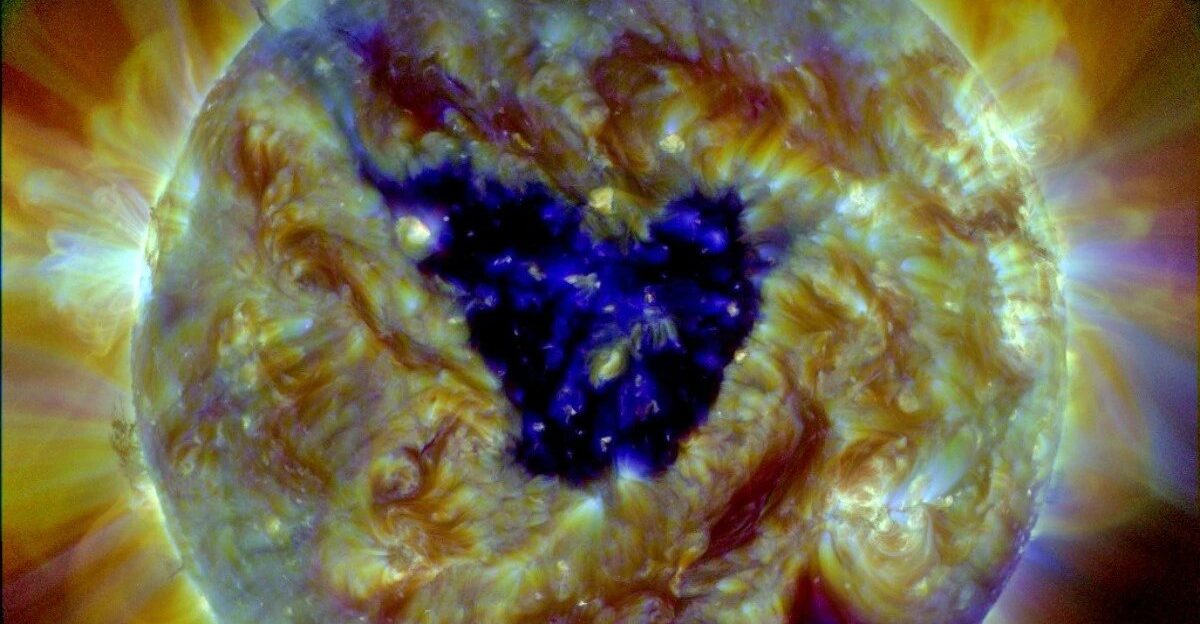
Completely separate from the comet’s journey, NASA’s Solar Dynamics Observatory captured images of a spectacular butterfly-shaped coronal hole on the Sun in September 2025. This feature measured approximately 310,000 miles (500,000 kilometers) wide, roughly 23 times Earth’s diameter. Despite its name, a coronal hole isn’t an actual hole in the Sun’s surface.
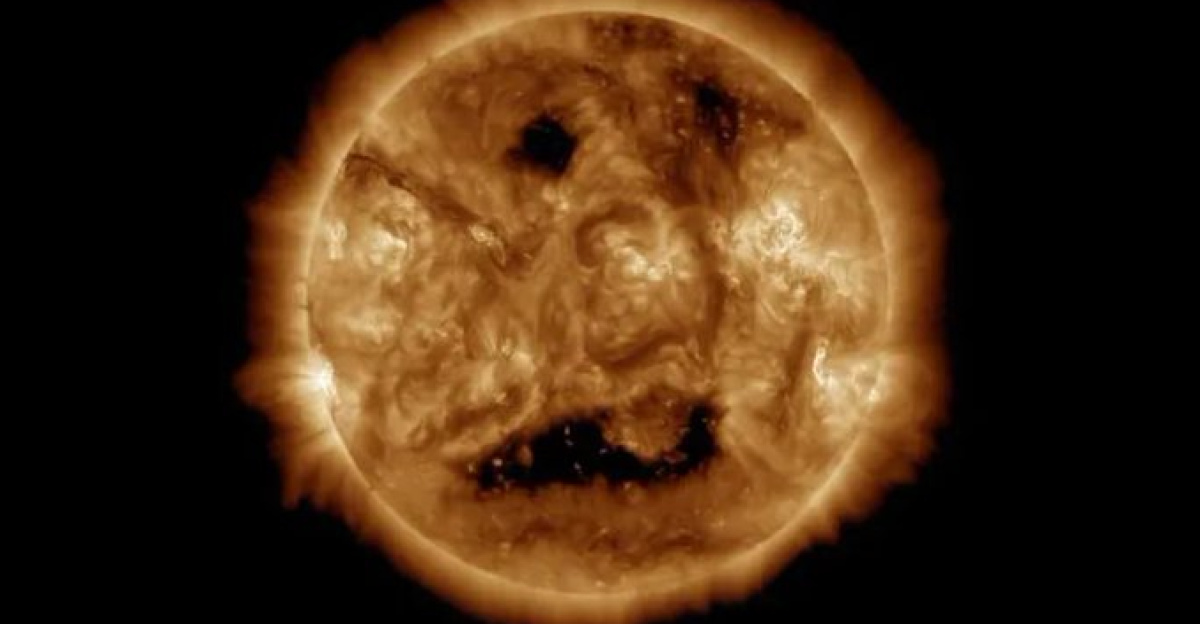
Instead, it’s a region where the Sun’s magnetic field opens into space, appearing darker in ultraviolet images because it’s cooler and less dense. These coronal holes are normal solar features that occur regularly throughout the Sun’s activity cycle.
When Did It Really Happen?
The timeline is crucial to understanding why these events are unrelated. The butterfly-shaped coronal hole formed around September 11-12, 2025, six full weeks before the comet’s October 29-30 perihelion. The coronal hole briefly vented high-speed solar wind toward Earth in mid-September, completely independent of the comet’s later solar passage.
By the time 3I/ATLAS reached its closest approach to the Sun in late October, the September coronal hole had long since rotated away or closed. This timing difference eliminates any possibility of causal connection between the events. The comet was still millions of miles away from perihelion when the coronal hole appeared.
Aurora Lights and Space Weather
The solar wind stream from the September coronal hole triggered minor-to-moderate geomagnetic storm warnings for September 13-14, 2025. Space weather forecasters classified these as G1-G2 level storms, relatively mild on the scale of solar disturbances.
These storms had the potential to create beautiful aurora displays at mid-latitudes, allowing people farther south than usual to witness the northern lights. Viewers in northern U.S. states and throughout Canada had opportunities to see these displays.
Why These Events Are Separate
There is no scientific evidence or known mechanism that could link a September coronal hole to an October cometary perihelion. Coronal holes form due to the Sun’s internal magnetic field dynamics, which operate on timescales of days to weeks and respond to conditions deep inside the solar interior.
A comet 126 million miles away has absolutely no influence on these magnetic processes. The gravitational effect is negligible, and there’s no physical interaction between distant comets and solar magnetic fields. Solar features like coronal holes occur frequently and independently throughout the Sun’s eleven-year activity cycle.
A Place in Astronomy History
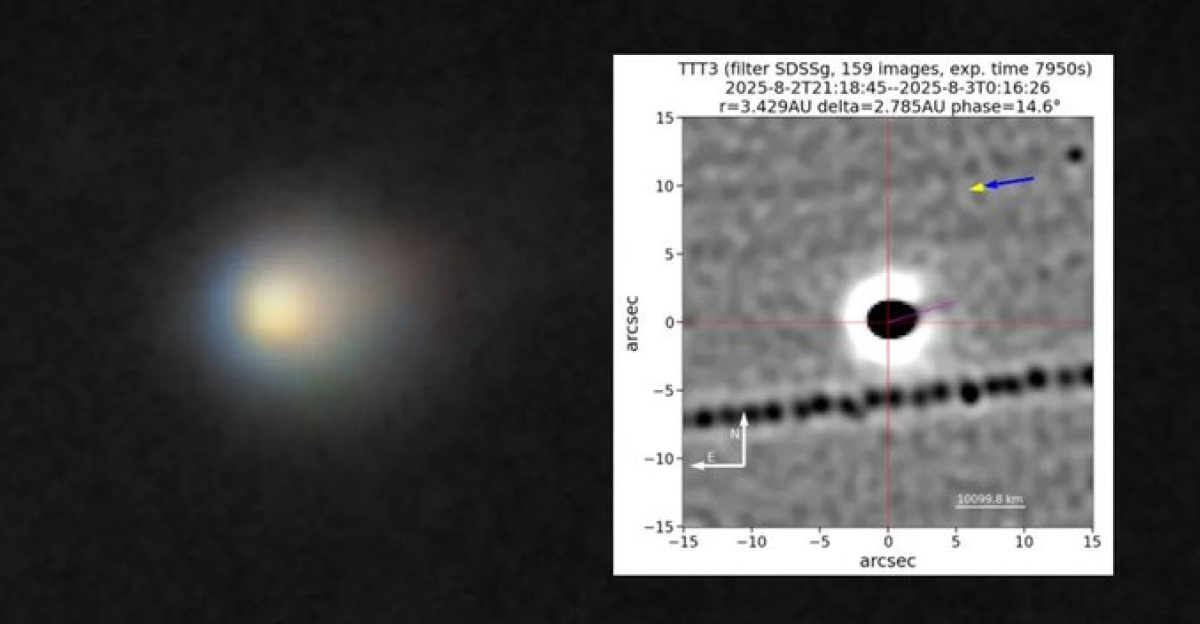
Comet 3I/ATLAS earned its place as the third confirmed interstellar object ever observed, following the mysterious ‘Oumuamua in 2017 and comet Borisov in 2019. Each of these visitors taught scientists something new about the diversity of objects traveling between star systems.
The perihelion observations of 3I/ATLAS set new records for comprehensive comet science, with more instruments observing a single comet than ever before in history. This coordinated effort generated unprecedented data about interstellar composition.
Why People Got So Excited
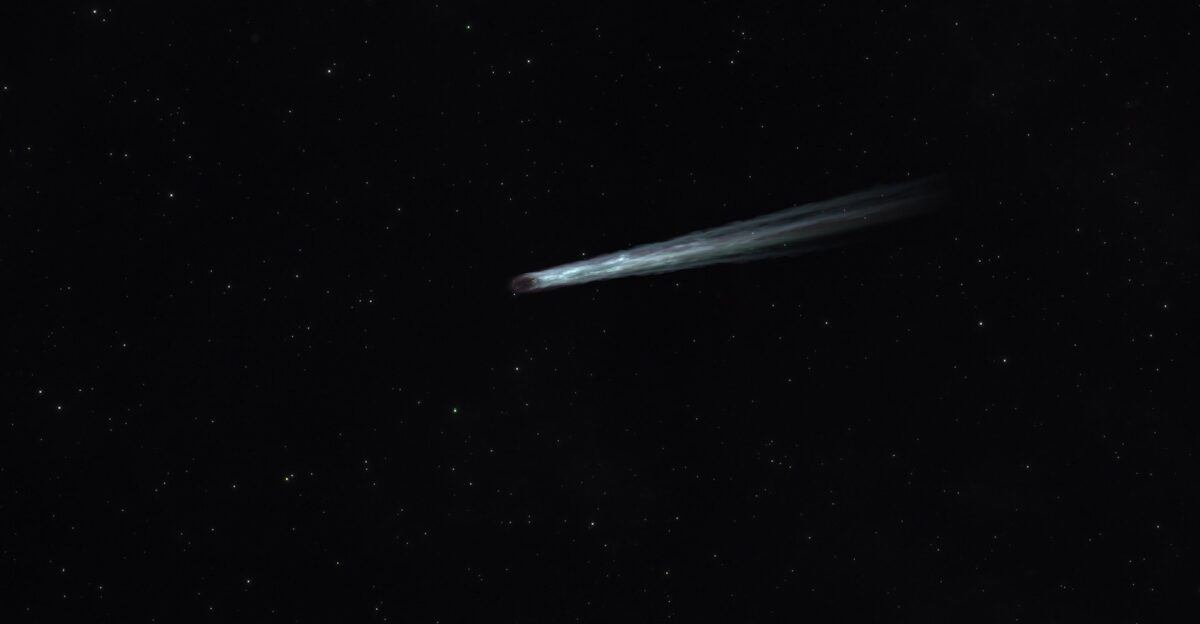
The speculation about alien origins and spacecraft explanations for 3I/ATLAS spread rapidly across social media and news outlets. Several factors contributed to this public fascination. The scientific anomalies were genuinely puzzling, giving credibility to alternative theories.
The comet’s interstellar origin naturally raised questions about what else might be traveling between stars. Previous controversies surrounding ‘Oumuamua primed audiences to expect mystery. And frankly, the possibility of discovering alien technology is inherently exciting and captures imagination.
The Mysteries That Remain
Despite unprecedented observations, significant questions about 3I/ATLAS remain unanswered. What is its precise composition, and how does it differ from solar system comets? Why did it survive perihelion intact when similar comets fragment? How does its small nucleus produce such extensive jets and mass loss?
What caused the unusual perpendicular jet patterns observed in November? What star system did it originate from, and how long has it been traveling through space? These unanswered questions represent the true legacy of 3I/ATLAS.
The Journey Continues
Comet 3I/ATLAS reminds us that our universe is full of surprises, mysteries, and opportunities for discovery. As it continues its journey back into interstellar space, it leaves behind more questions than answers,and that’s what makes science exciting.
The next Earth approach occurs on December 19, 2025, at a safe distance of 168 million miles. Scientists will continue observing until final visibility in May 2027, extracting every piece of knowledge possible from this rare interstellar visitor before it vanishes forever into the cosmic darkness between stars.