Two unusual cosmic events happened in late 2025, fascinating people across the world. A rare interstellar comet called 3I/ATLAS passed through our solar system at the same time a large, butterfly-shaped hole appeared on the Sun. Although some reports suggested the events might be connected, scientists quickly explained that they were totally separate and unrelated occurrences, each offering new insights into our ever-changing universe.
The Arrival of 3I/ATLAS
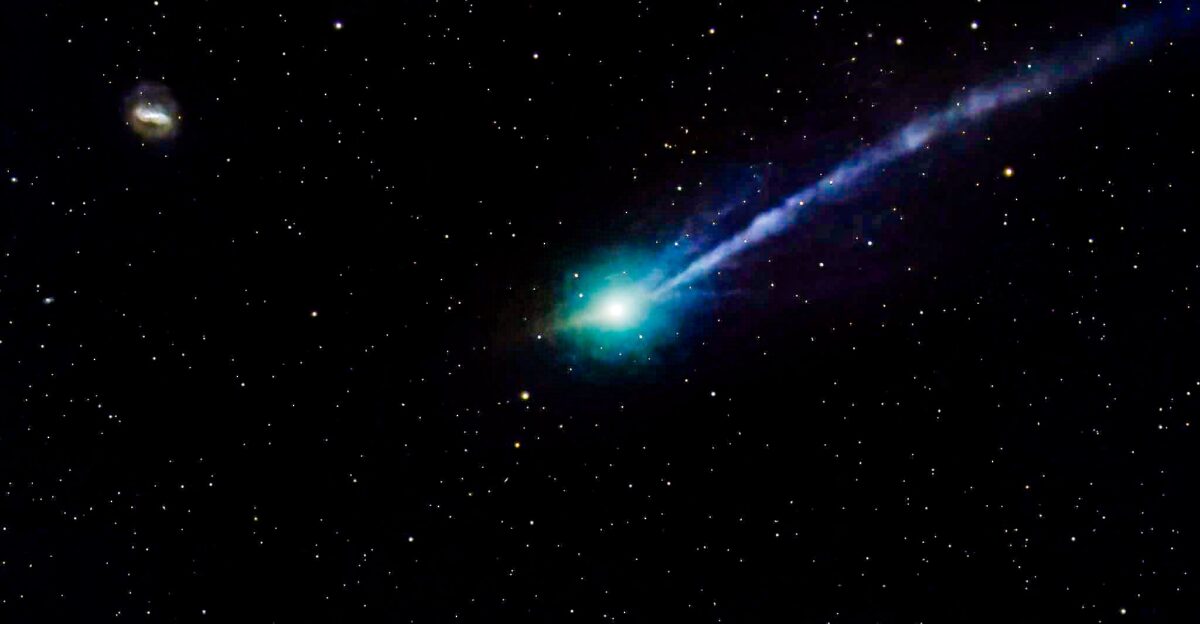
Comet 3I/ATLAS is special because it is only the third interstellar object ever seen traveling through our solar system, following ‘Oumuamua in 2017 and Borisov in 2019. This means that 3I/ATLAS comes from far beyond the influence of the Sun and did not follow a typical orbit. It was first spotted on July 1, 2025, by the ATLAS telescope in Chile. Unlike regular comets that circle the Sun, 3I/ATLAS had been traveling for millions of years across huge distances in space before it arrived near us.
NASA and other space agencies quickly reassured the public that 3I/ATLAS would not come close enough to threaten Earth. Instead, its journey offered a rare opportunity for scientists to study material from another star system, which could help them understand how things in space form and change over time. Observatories and telescopes around the world, including Hubble and James Webb, worked together to collect data. Amateur astronomers also joined in, helping create a very detailed record of the comet’s activities.
Global Observations and Scientific Surprises
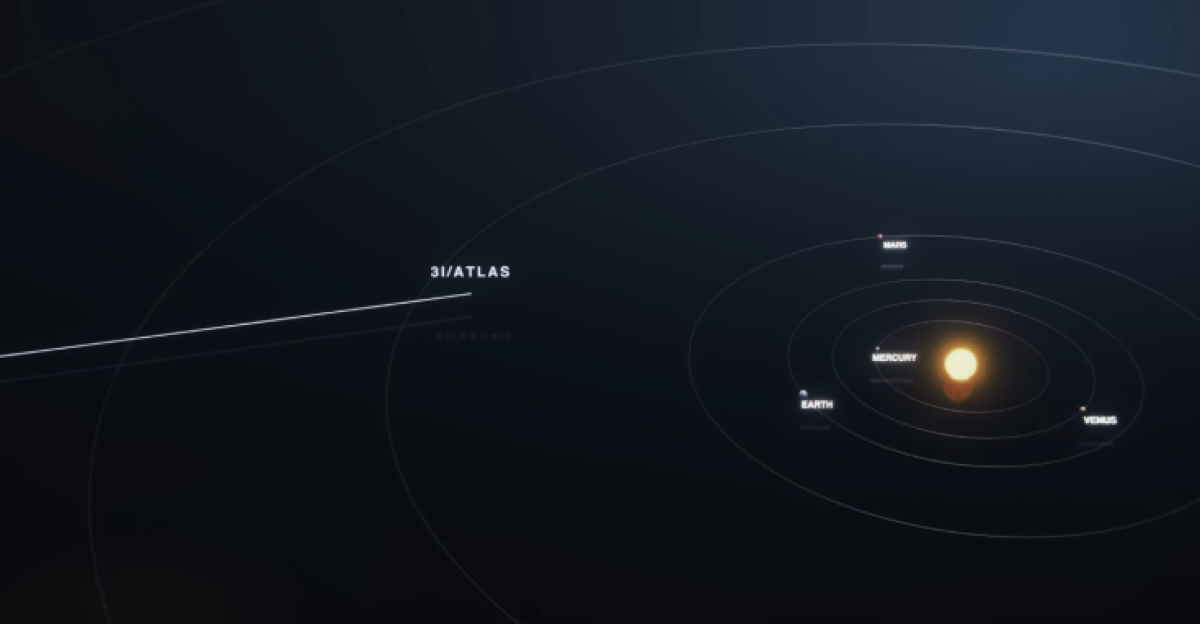
When the comet came closest to the Sun, an event called perihelion, on October 29-30, 2025, it was still about 203 million kilometers away from the Sun, a safe distance that is farther than Mars is from the Sun. For a short time, the comet passed behind the Sun from Earth’s viewpoint, making it impossible for ground-based telescopes to see it. Only space-based telescopes could continue tracking it during this period.
Contrary to dramatic headlines, 3I/ATLAS never came close enough to the Sun to be affected by its heat or magnetic field. For comparison, Mercury, the closest planet to the Sun, orbits much nearer. The comet’s survival during this stressful time amazed scientists, because many comets break apart when they get close to the Sun. 3I/ATLAS remained whole and displayed powerful jets of gas and dust that streamed from its surface for millions of kilometers, much more than expected for an object of its size. These strong eruptions of material puzzled astronomers, as the energy and matter observed were hard to explain using current models of how comets behave.
Mysteries and Debates in the Scientific Community

Some researchers think that 3I/ATLAS challenges what we know about comets, because its jets and chemistry do not fit well with past examples. Measurements showed the comet had a nucleus likely between 1,400 feet and 3.5 miles across, but the activity suggested it might be even larger or have a more complex structure. The comet’s makeup included a surprisingly high concentration of carbon dioxide compared to water, about 8 to 1, which is not typical for comets in our solar system. This could mean the comet formed in a very different environment, possibly near a region rich in carbon dioxide ice.
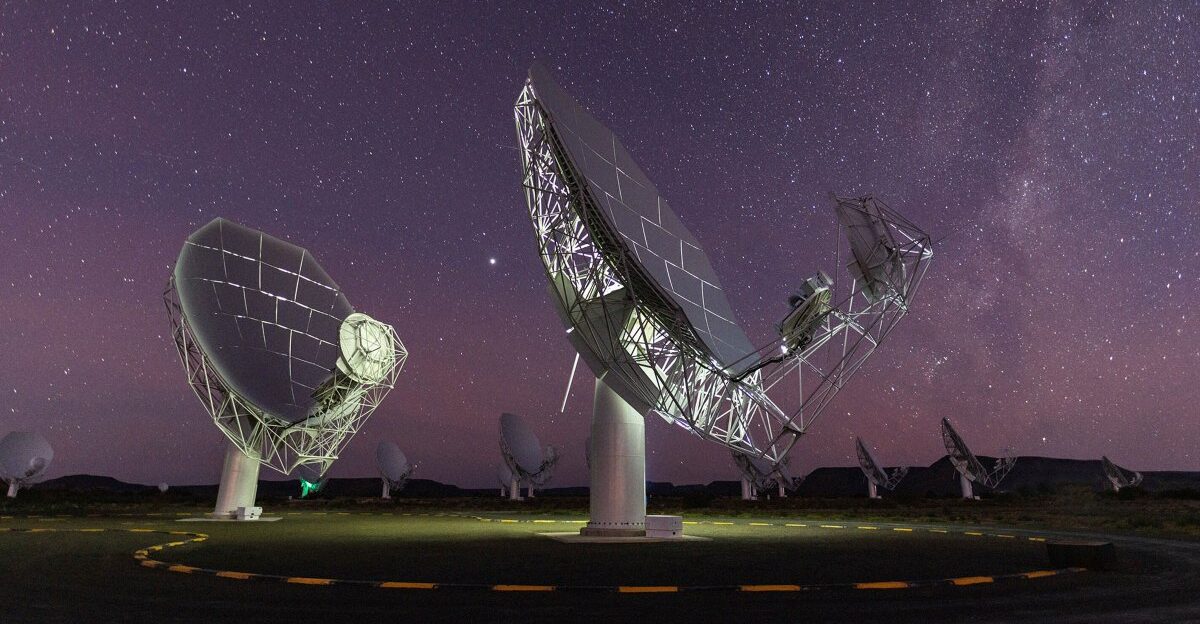
During its closest approach, several spacecraft, including those from NASA and the European Space Agency, worked together to observe 3I/ATLAS. South Africa’s MeerKAT radio telescope detected predictable radio signals caused by water molecules breaking down in the comet’s gas cloud, proving it was a natural object rather than anything artificial. These findings settled early speculation and contributed to a huge amount of scientific information.
The Sun’s Coronal Hole and What’s Next
Around the same time, the Sun experienced a butterfly-shaped coronal hole, a large gap found in its outer atmosphere. This feature, seen in September 2025 and measured at 500,000 kilometers wide, released streams of solar wind that caused mild geomagnetic storms and beautiful auroras on Earth. Importantly, the coronal hole appeared weeks before the comet’s approach and rotated out of view before 3I/ATLAS reached the Sun. Scientists clearly stated that there is no known way for a distant comet to affect solar activity, and these two events were completely independent.
As 3I/ATLAS moves farther away from our solar system and resumes its epic journey through interstellar space, it raises new questions for astronomers. Scientists are still working to understand its composition, the reason behind its powerful eruptions, and why it survived its trip so close to the Sun. Observations will continue for several more years, with the comet expected to make its closest pass to Earth on December 19, 2025, at a safe distance. The knowledge gained from this rare visitor helps unlock the secrets of our universe and may inspire even more discoveries about faraway objects in space.