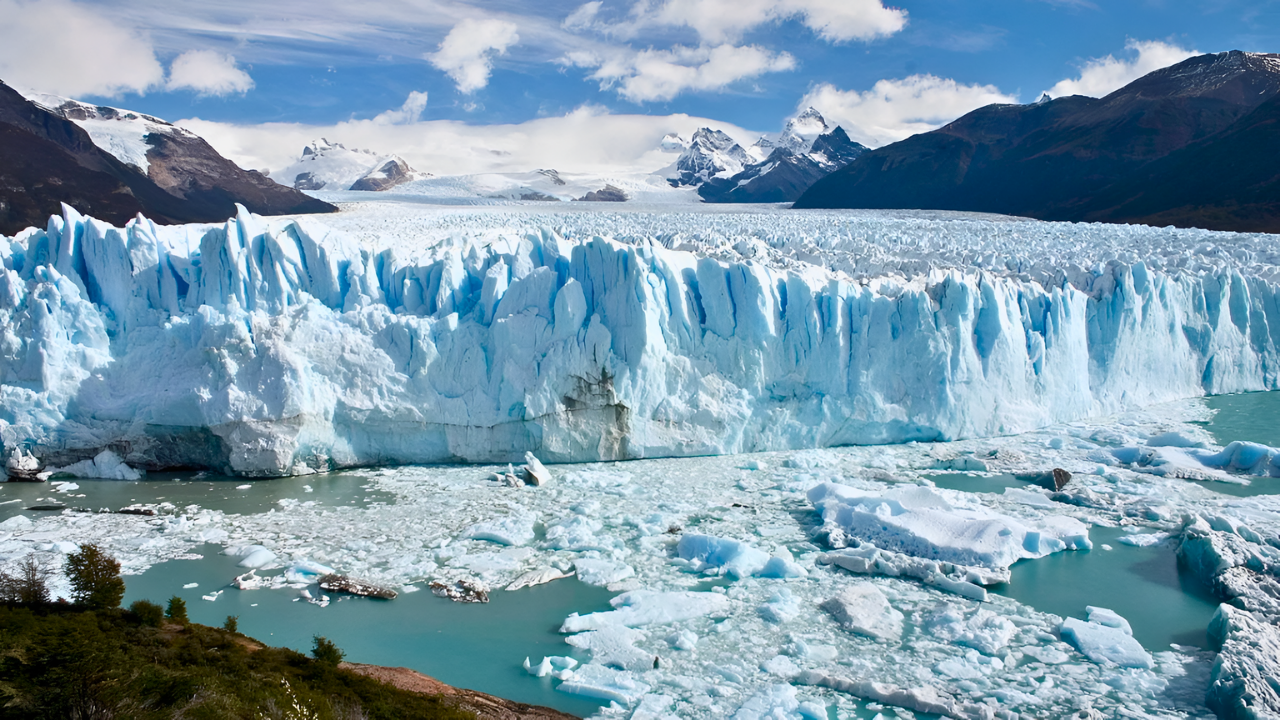
Antarctica’s seismic sensors detected over 360 earthquakes between 2010 and 2023 that nobody noticed for years.
These weren’t normal earthquakes—they didn’t show up in standard earthquake records or nuclear test monitoring systems. But they revealed something troubling about Antarctica’s massive ice sheets.
Scientists finally understood the meaning of these hidden seismic signals, and the discovery changed how we think about Antarctic stability.
A Glacier’s Violent Collapse
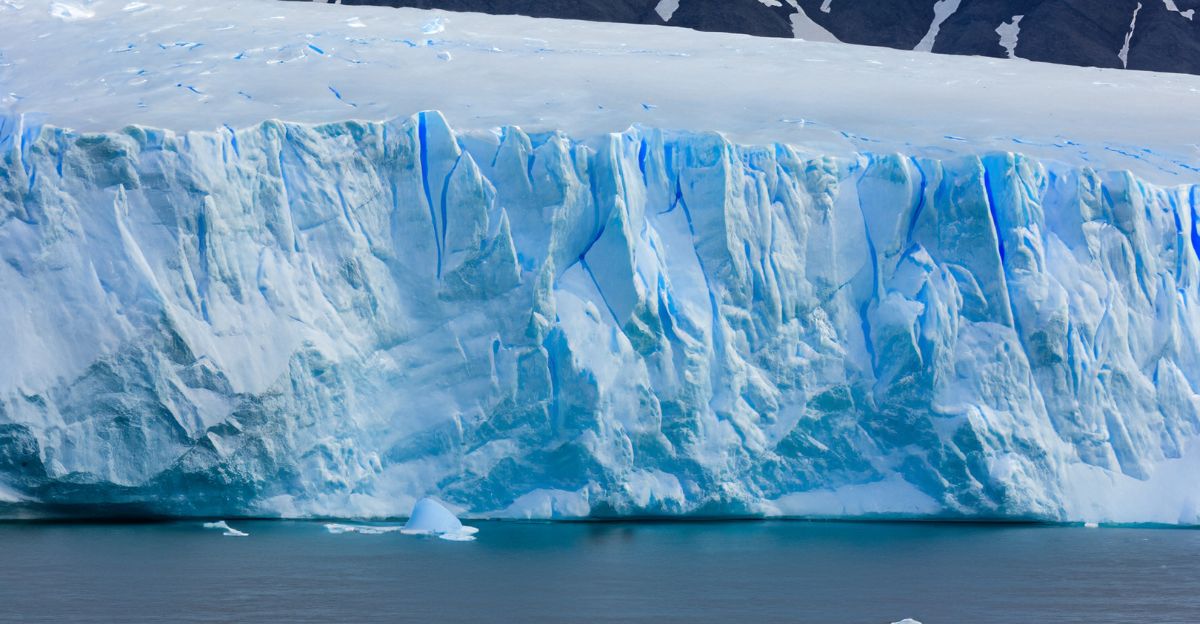
Antarctica’s Thwaites Glacier—nicknamed the “Doomsday Glacier” because it could cause catastrophic flooding—is breaking apart faster than climate models predicted.
This ice sheet covers roughly 74,000 square miles, about the size of Florida. Satellite imagery reveals that the glacier is accelerating toward the ocean at an alarming rate.
Between 2018 and 2020, the most intense earthquake burst happened as the glacier surged seaward. This timing isn’t random—it suggests disaster is accelerating now.
Why Antarctica’s Quakes Went Undetected
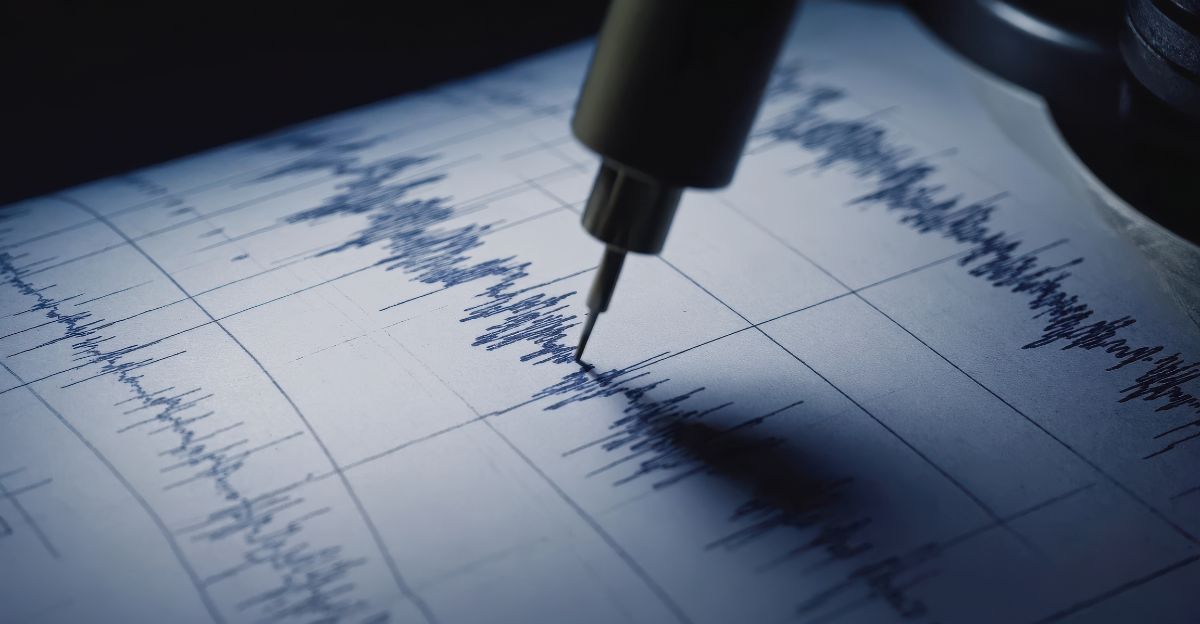
Most earthquakes generate high-frequency seismic waves that monitoring networks can detect. Glacial earthquakes work differently—they produce low-frequency rumbles, akin to slow-motion explosions.
Greenland’s glacial earthquakes were only discovered around the early 2000s after scientists tuned instruments to detect these unusual signals. Antarctica’s glacial earthquakes hid even better.
Scientists weren’t looking for them with the right tools. This blind spot meant an entire class of seismic warning signs remained invisible until now.
The Marine Terminus Crisis
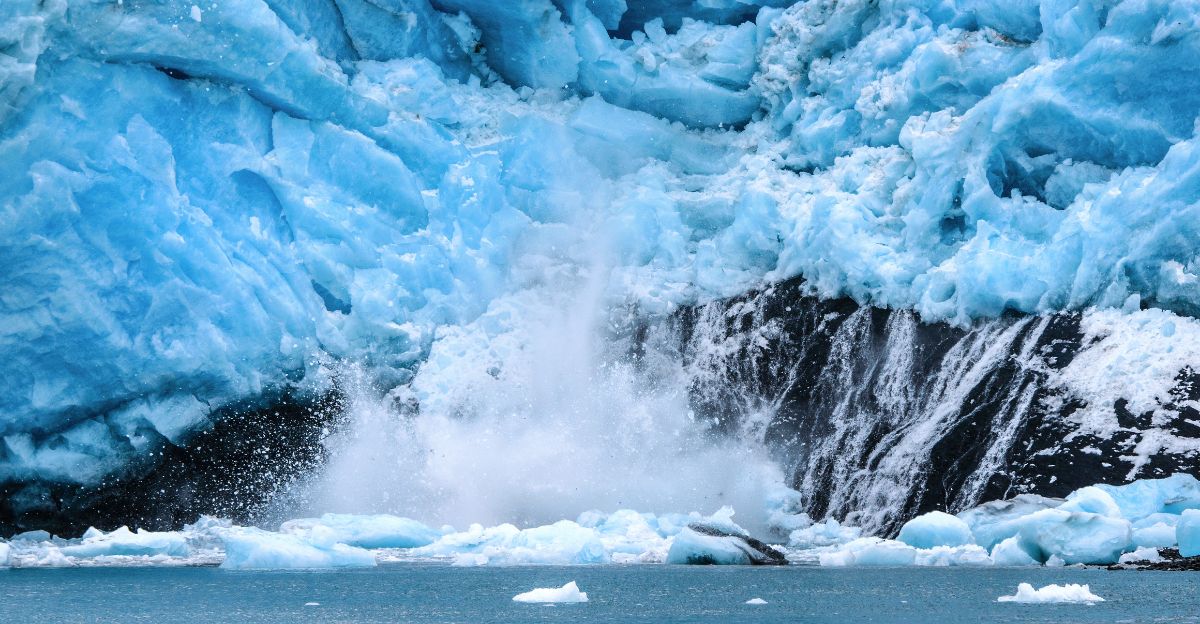
Two-thirds of the 362 detected earthquakes clustered at one spot: where Thwaites Glacier meets the ocean. This is where massive icebergs break off and collapse into the sea.
Each event is violent. Ice towers as tall as skyscrapers topple backward and slam into the glacier with enough force to create seismic waves that travel thousands of miles.
The earthquake concentration reveals an escalating pattern—the glacier’s front is disintegrating faster than stable ice should.
362 Glacial Earthquakes Confirmed

Australian National University seismologist Thanh-Son Pham published the first systematic catalog of Antarctic glacial earthquakes in December 2025.
Analyzing 14 years of seismic data from 2010 to 2023, Pham’s algorithm identified 362 previously uncatalogued earthquakes. About 245 occurred where Thwaites Glacier meets the ocean.
The remaining events clustered near Pine Island Glacier, another major Antarctic ice mass. This discovery fundamentally alters our understanding of Antarctic ice sheet instability.
The 2018–2020 Surge
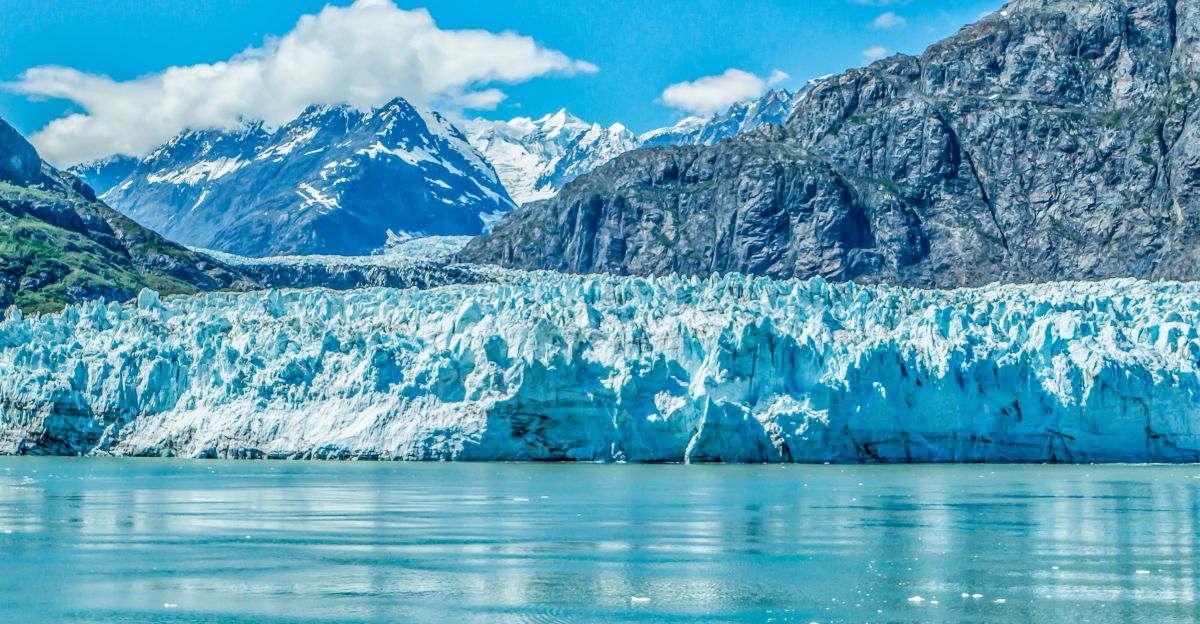
Thwaites experienced its strongest earthquake burst between 2018 and 2020 during the 14-year observation period. At the same time, satellite data confirmed that the glacier’s ice tongue had accelerated dramatically—its surface velocity had increased measurably.
The earthquakes and ice acceleration happened together. This convergence of seismic and movement data provides strong evidence.
Mechanical failure at the glacier’s edge drives faster ice flow inland. Scientists see this as a warning signal—the glacier is becoming faster and less stable.
Human Stakes: 12.3 Million Americans at Risk

If Thwaites Glacier were to collapse completely, it could potentially contribute to approximately 3 meters (10 feet) of global sea level rise over the course of decades or centuries.
Climate Central’s flood mapping, checked against NOAA elevation data, shows that a 10-foot rise would permanently submerge 28,800 square miles of U.S. coastal land. Approximately 12.3 million Americans currently reside on this habitable territory.
Major cities face severe impacts: New York (703,000 residents), Miami (275,000), New Orleans (342,000), and Norfolk (157,000) would lose a significant number of homes.
The Ocean’s Hidden Hand
Ocean warming likely drives Thwaites’ recent instability. Warm deep currents penetrating beneath the glacier’s ice shelf melt the underside, weakening the ice tongue’s structural integrity.
Scientists refer to this as “basal melt.” Satellites can’t easily observe this process, but data on retreat rates and ice-shelf thinning confirm it’s happening.
Ocean temperature cycles may have destabilized Thwaites between 2018 and 2020. If these ocean conditions persist, glacier collapse could accelerate.
A Global Cascade Effect
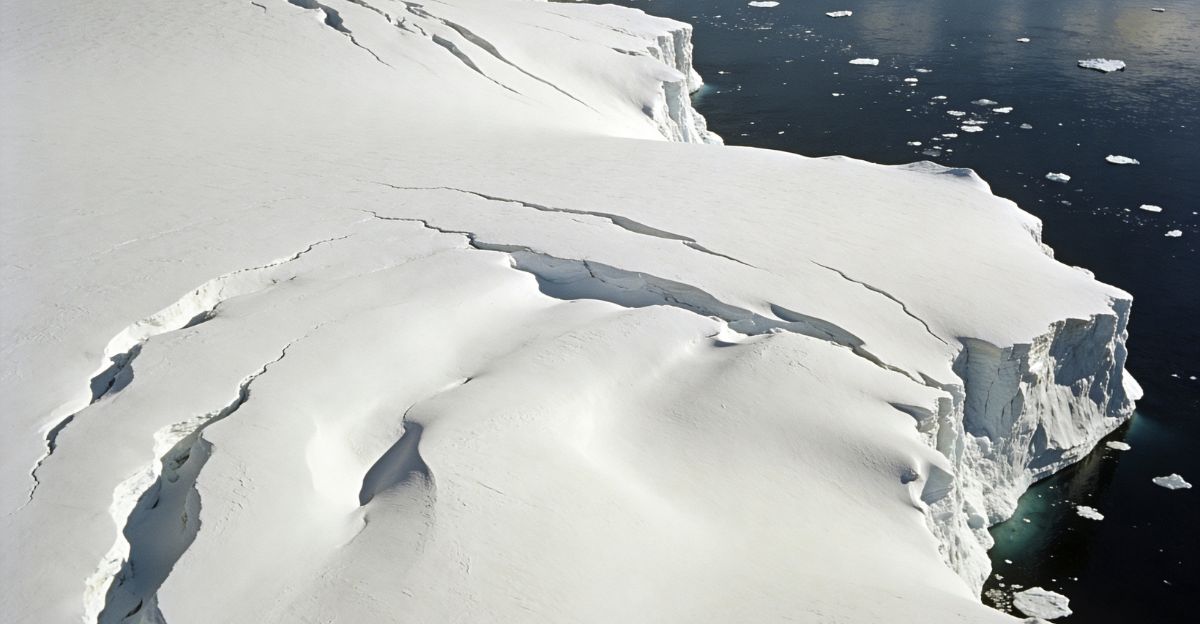
Thwaites Glacier doesn’t exist in isolation. It supports the West Antarctic Ice Sheet, a massive ice reserve that could trigger the collapse of neighboring glaciers if destabilized.
Pine Island Glacier, where scientists detected the second-largest earthquake cluster, is located adjacent to Thwaites.
If Thwaites retreats rapidly, it could remove the buttressing force holding back Pine Island and other ice masses. This domino effect could unlock 13+ feet of additional sea level rise beyond Thwaites alone.
The Inland Earthquake Mystery

117 of the 362 detected earthquakes occurred 37–50 miles inland from the coast—far from any visible iceberg-breaking zone.
These inland earthquakes suggest deep ice sheet fracturing or bedrock disturbance in regions without active iceberg collapse. Scientists have no clear explanation for this pattern. Possible causes include deep crevasse spreading, subglacial water drainage, or ice-bedrock interactions from glacier thinning.
This inland activity reveals that Thwaites’ instability extends far deeper than surface observations indicate.
The Scientific Paradox: Monitoring Blindness

Before Pham’s study, the global seismic monitoring system—which tracks nuclear tests, volcanoes, and earthquakes around the clock—missed 362 glacial earthquakes.
This raises a troubling question: how many other Antarctic seismic events escaped detection? The answer is probably “many.”
Glacial earthquakes lack the high-frequency signatures that standard networks detect. Antarctic research stations are sparse and concentrated in accessible areas. Most of Antarctica remains seismically unmonitored.
Competing Collapse Timescales
Climate scientists disagree on one critical question: how fast will Thwaites actually collapse? Early models suggested a slow retreat over centuries.
Satellite data from 2018 to 2020 suggests faster disintegration is possible. Some researchers predict catastrophic failure within decades, while others say a multi-century collapse remains most likely. The glacier earthquake data complicates this debate.
If mechanical failure is accelerating, collapse timescales may be shorter than those predicted by older models. Yet the earthquakes don’t specify a timeline.
A New Research Imperative

Pham’s discovery is driving an urgent scientific shift. Research teams are now deploying additional seismic sensors across Antarctica, especially around Thwaites and Pine Island, to capture the full range of glacial earthquake activity.
International collaborations—including Australia’s ANU, the UK Antarctic Survey, and U.S. research programs—are sharing data to build a more complete seismic map of Antarctic ice sheet dynamics.
The goal is clear: understand glacial earthquake signals well enough to predict when Thwaites will collapse rapidly.
The Adaptation Question: Are Coastal Cities Ready?
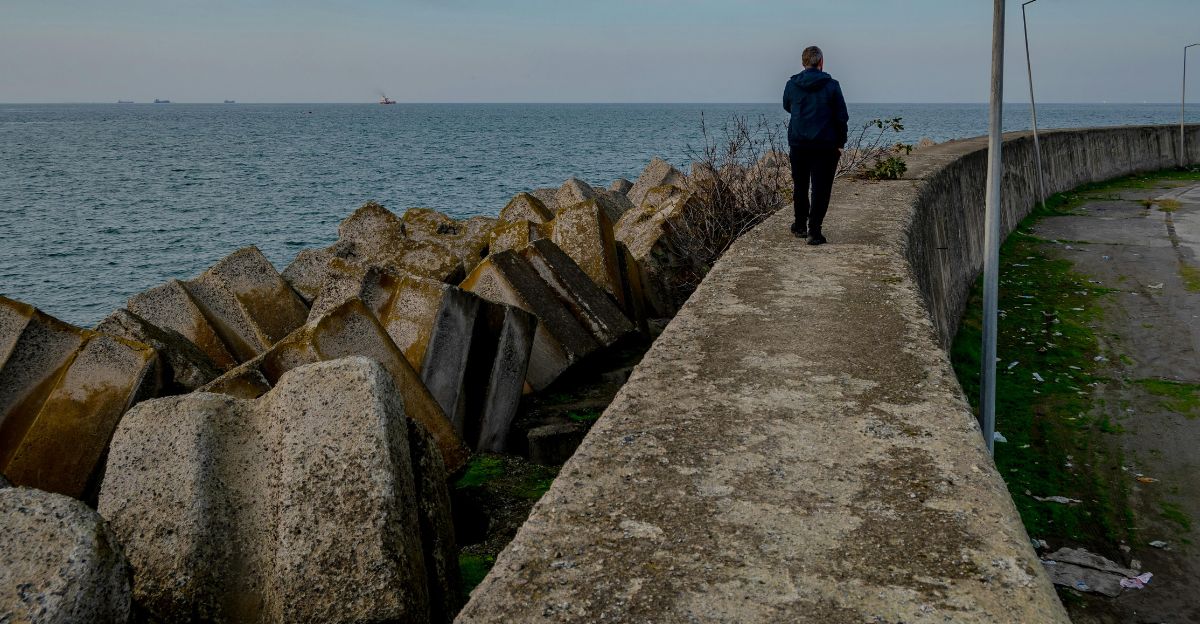
New York, Miami, New Orleans, and Norfolk aren’t waiting passively. All have started adapting: building seawalls, raising critical infrastructure, and redesigning stormwater systems.
But these measures target modest sea level rise (2–3 feet by 2100) under slower-melting scenarios. If Thwaites collapses faster, these investments may fail. Insurance companies are pricing in Thwaites’ risk.
Coastal property values in vulnerable zones are stalling. The financial system is already hedging against Thwaites failing sooner than models predict.
The Countdown Begins

Scientists stress that Thwaites’ fate is not yet sealed. Seismic activity alone doesn’t guarantee imminent collapse. Glaciers have surged and slowed before. Ocean conditions could improve.
Yet the evidence converges in a sobering way: 362 glacial earthquakes in 14 years, concentrated when the glacier accelerated seaward. Pham’s work definitively answers one question: Thwaites is currently destabilizing, measurably.
The remaining question—how long do we have?—may determine whether the next generation faces adapted coastlines or catastrophic flooding.
Sources:
- Geophysical Research Letters, Systematic Detection of Glacial Earthquakes in Thwaites Glacier, December 2025
- LiveScience / The Conversation, Hundreds of iceberg earthquakes are shaking the crumbling end of Antarctica’s Doomsday Glacier, January 2026
- NASA Earth Observatory, (Thwaites Glacier satellite data and ice sheet research), January 2026
- Climate Central, (Sea-level rise mapping and coastal vulnerability analysis), 2014-2025
- Scientific American, What Does the U.S. Look Like after 3 Meters of Sea Level Rise, May 2014
- Gizmodo, Hundreds of Earthquakes Are Rocking One of Earth’s Most Dangerous Glaciers, January 2026