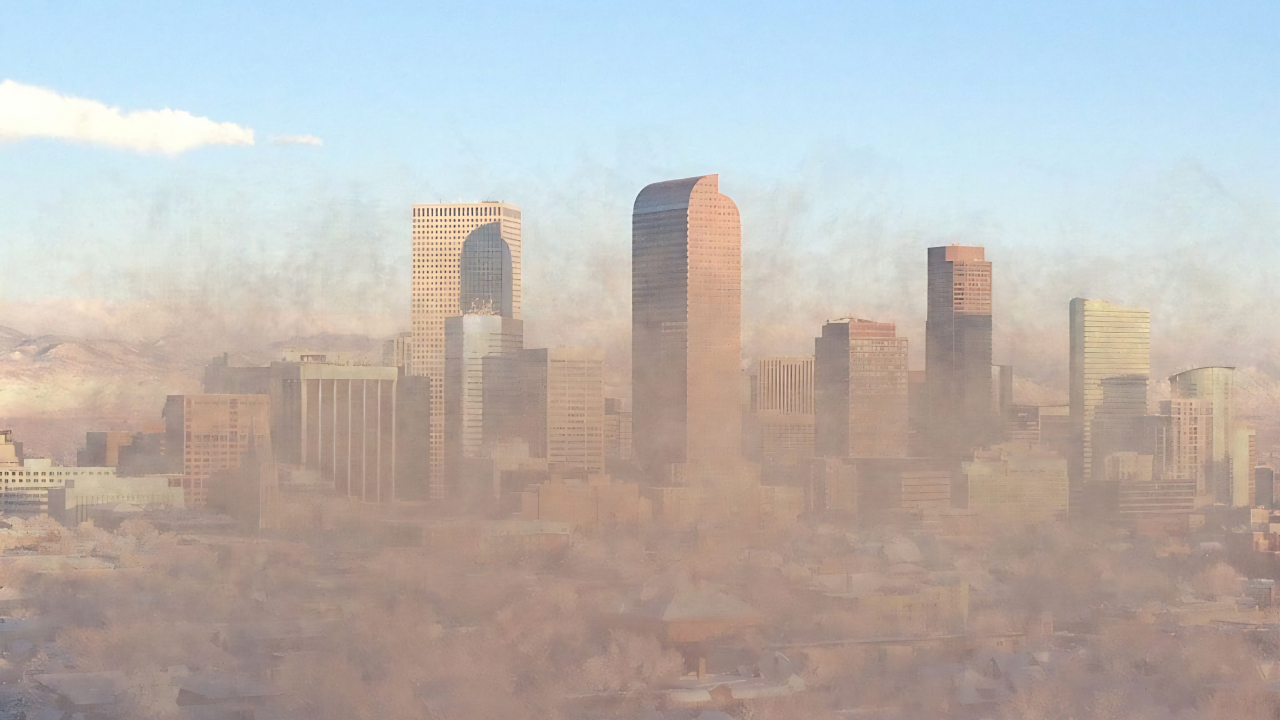
Every three minutes, another person dialed 115—Tehran’s emergency number. Every three minutes, for eight consecutive days in late November, someone called because the air had become deadly.
On November 30, Mohammad-Esmaeil Tavakoli, head of Tehran’s emergency services, released numbers that shocked even hardened officials: of 57,000 emergency calls over the previous eight days, 31 percent—approximately 17,670 calls—were directly related to respiratory and cardiac problems caused by air pollution.
The Crisis Hits the Capital Unprepared
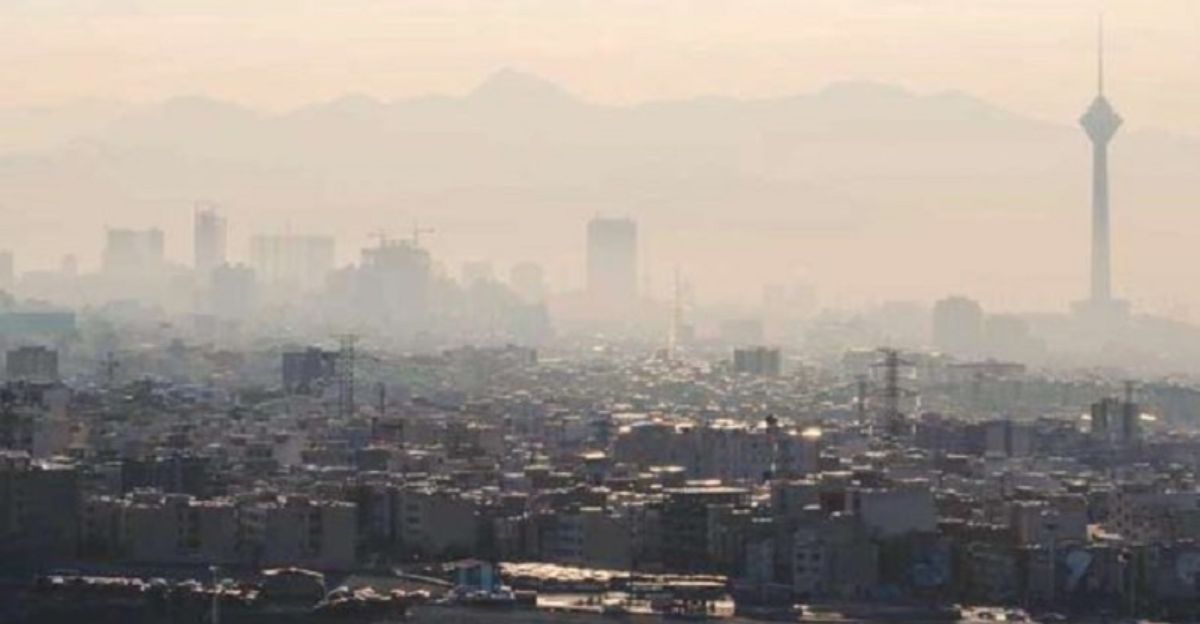
The collapse happened silently at first, then all at once. From November 19-29, Tehran’s Air Quality Index remained pinned between 170 and 200—classified as “unhealthy for the general population”—for ten consecutive days. On November 25, the Swiss-based air quality monitor IQAir ranked Tehran the world’s most polluted city with an AQI of 233, surpassing Baghdad, Delhi, and Kolkata.
The capital recorded a citywide average AQI of 171, with 25 stations registering critical “red” conditions and zero areas reporting acceptable air quality levels.
Schools Shutter Across 14 Provinces as Authorities Panic
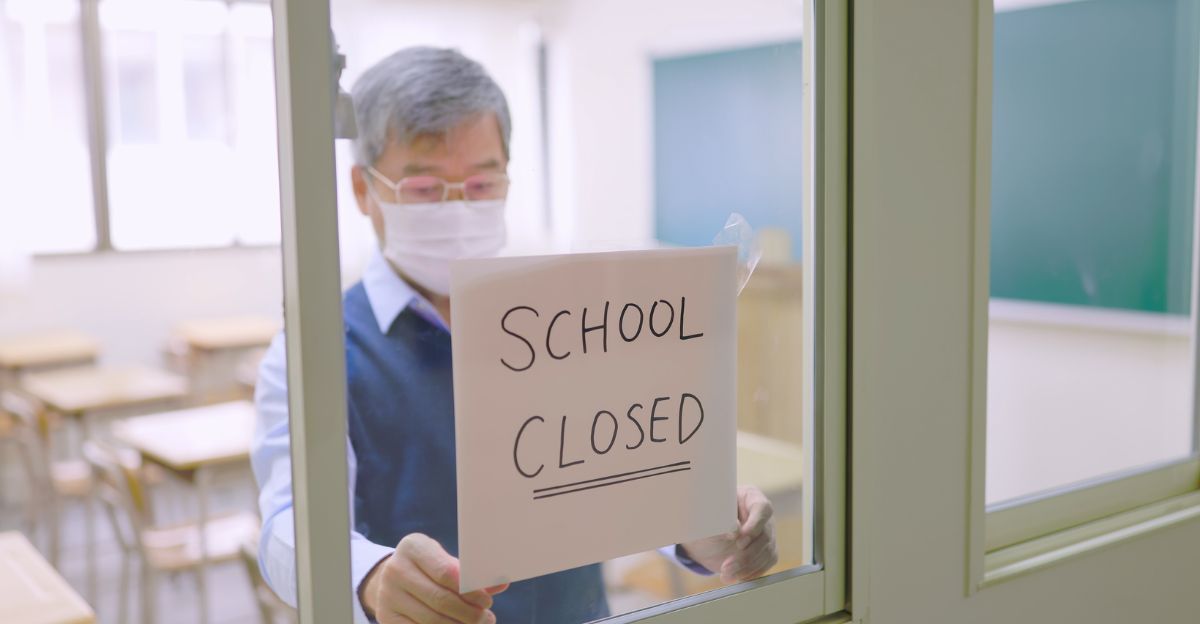
What happened next forced Iranian authorities into emergency mode. By late November, schools and universities across fourteen provinces—including Tehran, Isfahan, East Azerbaijan, West Azerbaijan, Tabriz, Alborz, Khuzestan, and Kashmir—had shuttered entirely.
The Ministry of Education made a stunning announcement: there would be no online classes. Instead, students would receive instruction via television, citing inadequate internet infrastructure as a barrier to virtual learning.
“We’re Short 400 Emergency Stations and 500 Ambulances”
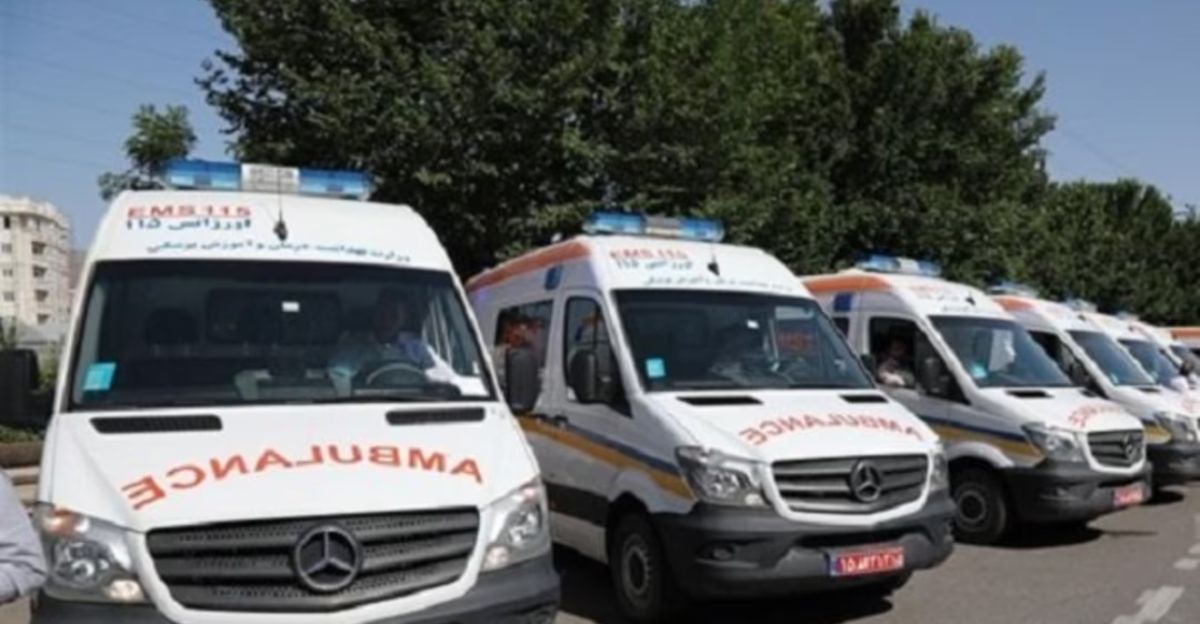
In perhaps the most damning statement of the crisis, Tavakoli revealed the infrastructure collapse underlying Tehran’s inability to respond. Tehran, a city of 14.4 million residents, operates with severe shortages: 400 fewer ambulance stations and 500 fewer ambulances than needed to provide adequate emergency coverage. The numbers painted a devastating picture.
Operating with only approximately 240 active ambulances, the system was being crushed. Tavakoli delivered the metaphor that crystallized the crisis: “When one ambulance is stationed in Vanak Square, seven million people fall out of the service radius.” He then offered a biting rebuke of government priorities: “Iran’s regime has not had the money to purchase ambulances for years, but it doubles the budget for building intercontinental ballistic missiles every year.”
The Fuel That Burns Tehran From Within
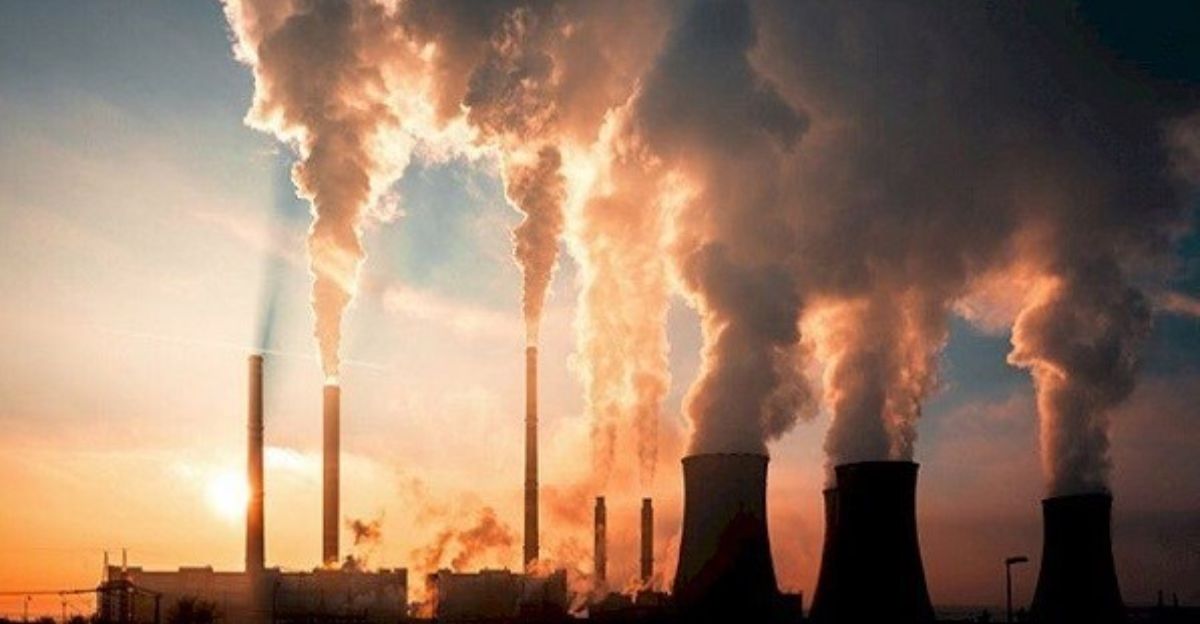
What caused this catastrophe? The answer lay in a fuel so toxic that most nations had abandoned its use decades ago. Iran’s fourteen power plants burned mazut—a heavy petroleum byproduct laden with sulfur and contaminants—whenever natural gas supplies ran short.
By mid-November, these plants were consuming 21 million liters of mazut daily—a volume that, stretched end-to-end in oil tankers, would exceed fourteen kilometers. This was no accident. The burning occurred because Iran faced an energy crisis, exacerbated by infrastructure so degraded that the nation—possessing the world’s second-largest proven natural gas reserves and third-largest crude oil reserves—couldn’t extract and distribute its own fuel efficiently.
Sulfur Levels 600 Times Above Safe Standards
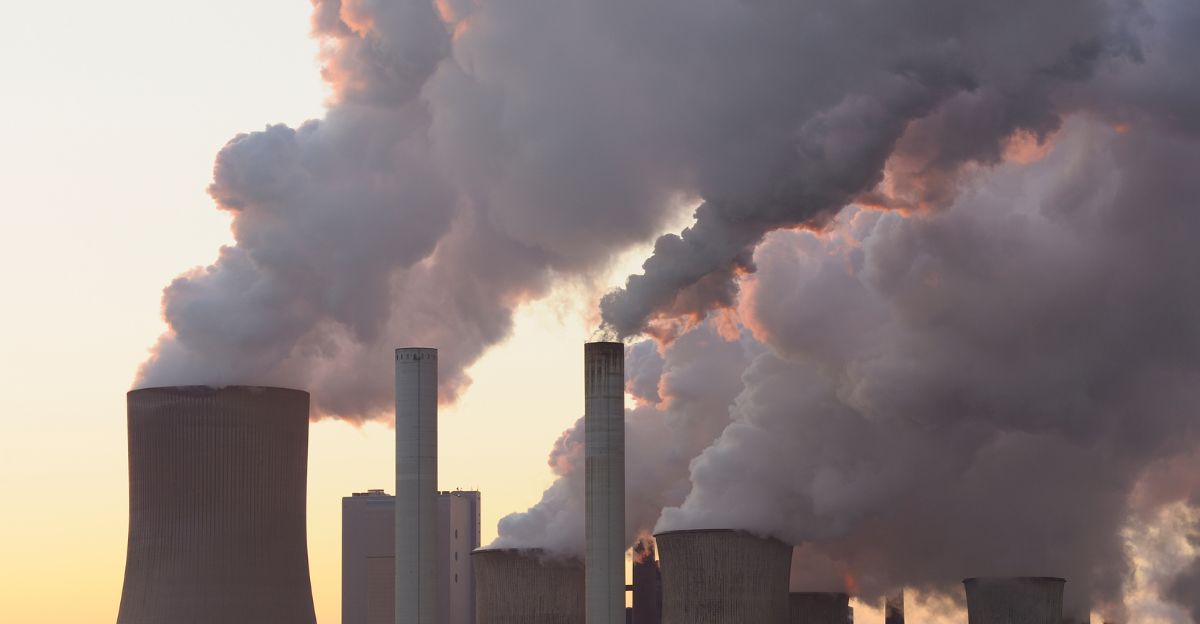
The pollution wasn’t just bad—it was scientifically horrifying. Sadegh Hassanvand, head of the Air Pollution Research Center at the University of Tehran, examined the fuel burning in power plants around the capital and delivered his verdict to state media outlet Eghtesad120: the power plants burned fuel with sulfur concentrations of 30,000 parts per million—approximately 600 times higher than the fifty ppm international standard.
“These fuels have deadly effects on public health,” Hassanvand stated plainly. The sulfur particles, once released into the atmosphere, bonded with moisture and formed sulfuric acid—a compound that corrodes lung tissue and triggers severe respiratory distress in vulnerable populations.
58,975 Deaths: The Broader Mortality Crisis

The single week of 357 deaths was merely the surface of a much deeper catastrophe. In November 2025, Deputy Health Minister Alireza Raisi disclosed that 58,975 Iranians had died prematurely from PM2.5 exposure during the Iranian calendar year ending March 2025—averaging 161 deaths per day, or approximately seven deaths every hour.
These deaths stemmed from specific, well-documented causes: ischemic heart disease (23% of deaths), lung cancer (21%), chronic obstructive pulmonary disease (17%), stroke (15%), and lower respiratory infections (13%).
“Only Six Clean-Air Days Since March”: A Year of Suffocation
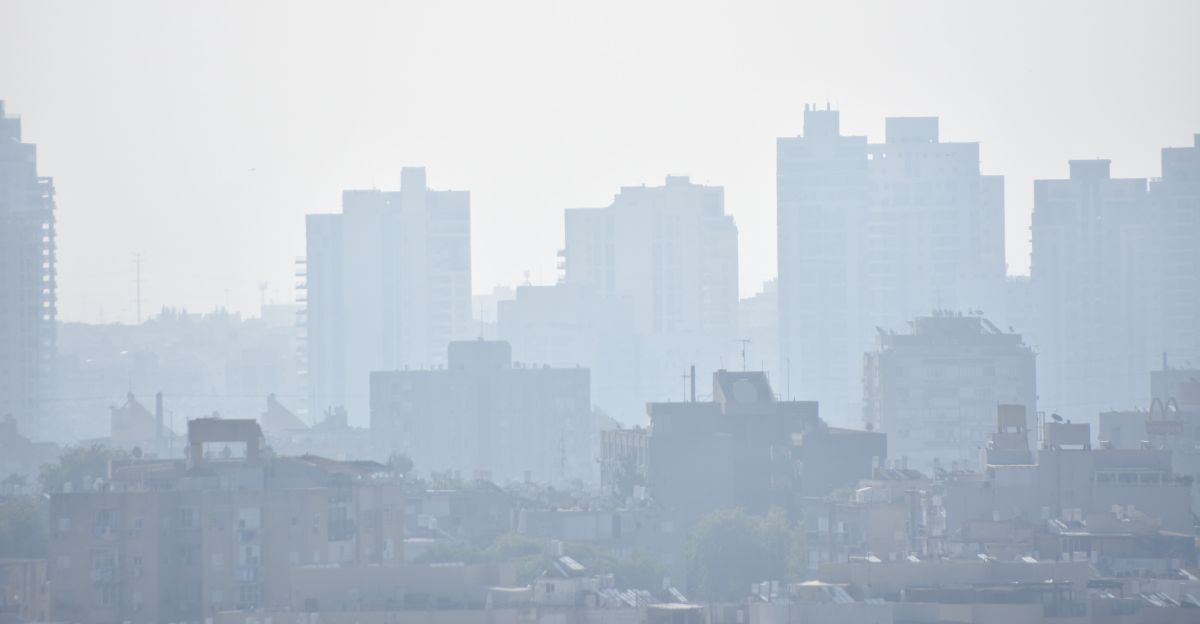
The crisis wasn’t new. It was the culmination of months of degradation. From March 21 through November 25, 2025, Tehran recorded merely six clean-air days—just 2.4 percent of the entire period. The remaining 257 days broke down as follows: 123 acceptable days, 106 unhealthy days for sensitive groups, 16 unhealthy days for all populations, two very unhealthy days, and two hazardous days.
In 2024, Tehran is estimated to have recorded 6,000 pollution-related deaths. Yet the trajectory was accelerating.
The Aging Vehicle Fleet: 70% of Motorcycles Over 20 Years Old
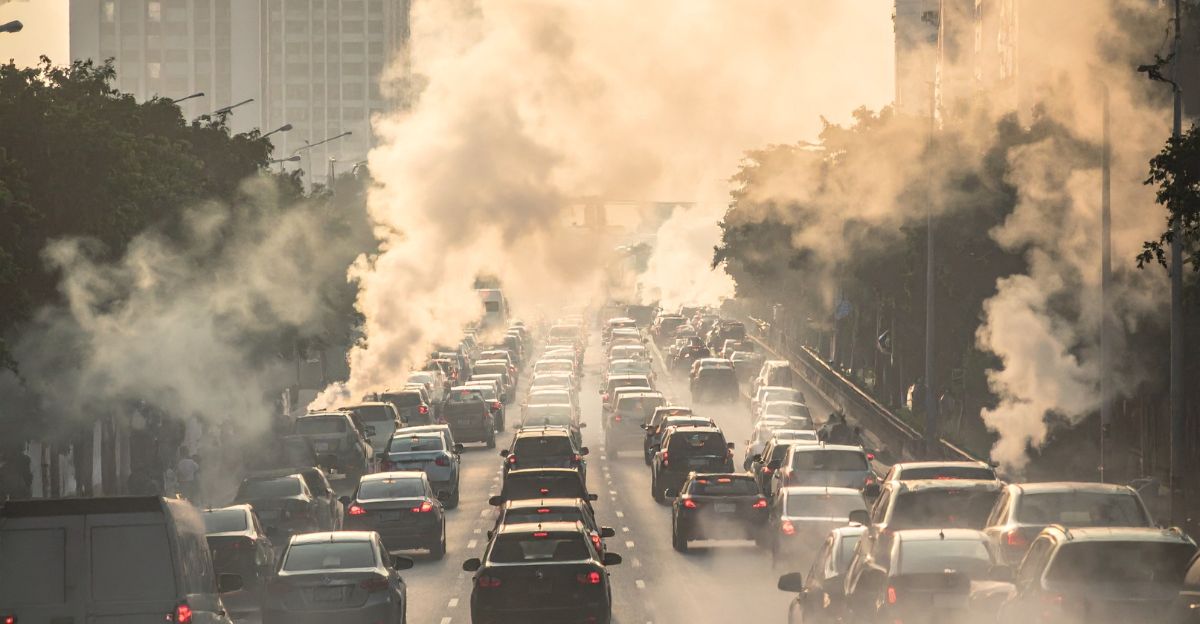
While power plants grabbed headlines, the true source of Tehran’s pollution was everywhere. Tehran’s 4.2 million motorcycles included more than 70 percent that were more than twenty years old, according to Tehran Governor Mohammad-Sadegh Motamedian. Nationwide, approximately 11 million of 12 million motorcycles and 2.5 million of 14 million vehicles were classified as aging and heavily polluting.
Vehicle emissions accounted for approximately 80 percent of Tehran’s air pollution, according to the Tehran Air Quality Control Company. These aging motorcycles and cars, many dating to the early 2000s, burned fuel inefficiently, emitted particulates directly into the air, and lacked catalytic converters to filter exhaust.
Geography as a Trap: Mountain Valleys and Temperature Inversion
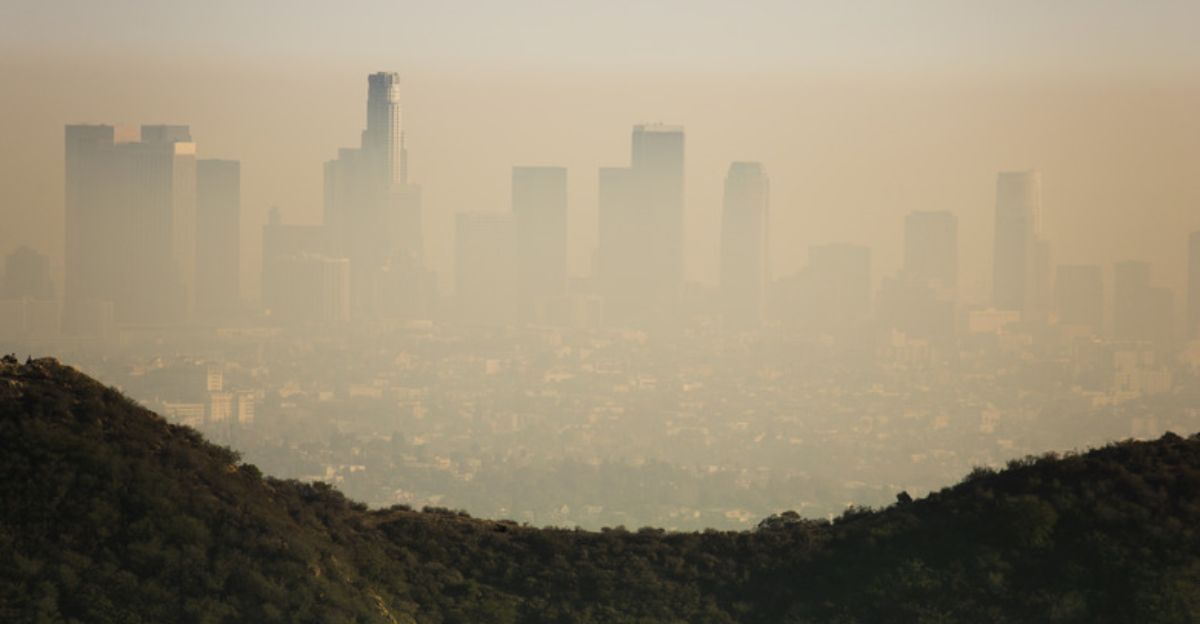
Tehran’s location sealed its fate. Sitting at an elevation of 1,200-1,800 meters in a mountain valley, the city experienced what scientists call a “temperature inversion”—a phenomenon where warmer, polluted air becomes trapped beneath cooler air layers, preventing the dispersal of pollutants. Combined with weak autumn winds, stagnant weather, and the absence of rainfall, these inversions trapped toxic particles at ground level for days at a time.
In November, temperatures dropped, exacerbating inversions. The lack of rain that might have washed particulates from the air left residents breathing the same toxic air day after day.
Government Responses: Promises Made and Broken
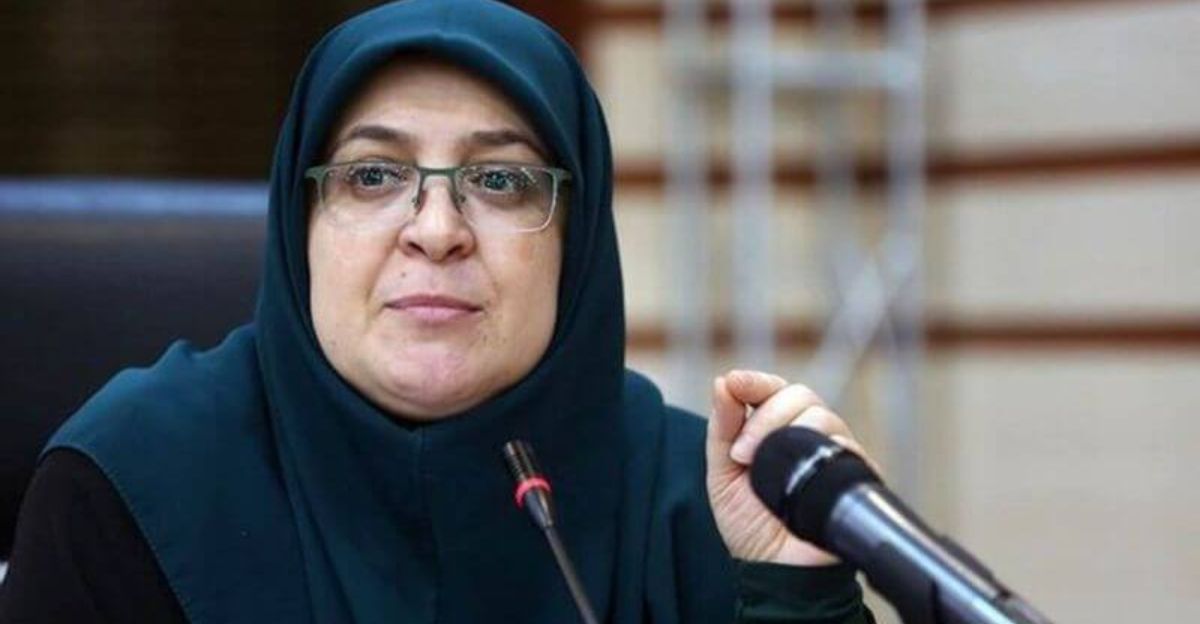
The government’s response to the crisis revealed its dysfunction. In November 2024, government spokesperson Fatemeh Mohajerani announced that President Pezeshkian had ordered the burning of mazut at Arak, Karaj, and Isfahan power plants. Yet by February 2025, parliamentary agriculture committee spokesperson Somayeh Rafiei confirmed that all thermal power plants had switched back to burning mazut due to gas shortages.
Energy officials continued prioritizing electricity generation over public health.
The Clean Air Act: Seven Years of Non-Enforcement
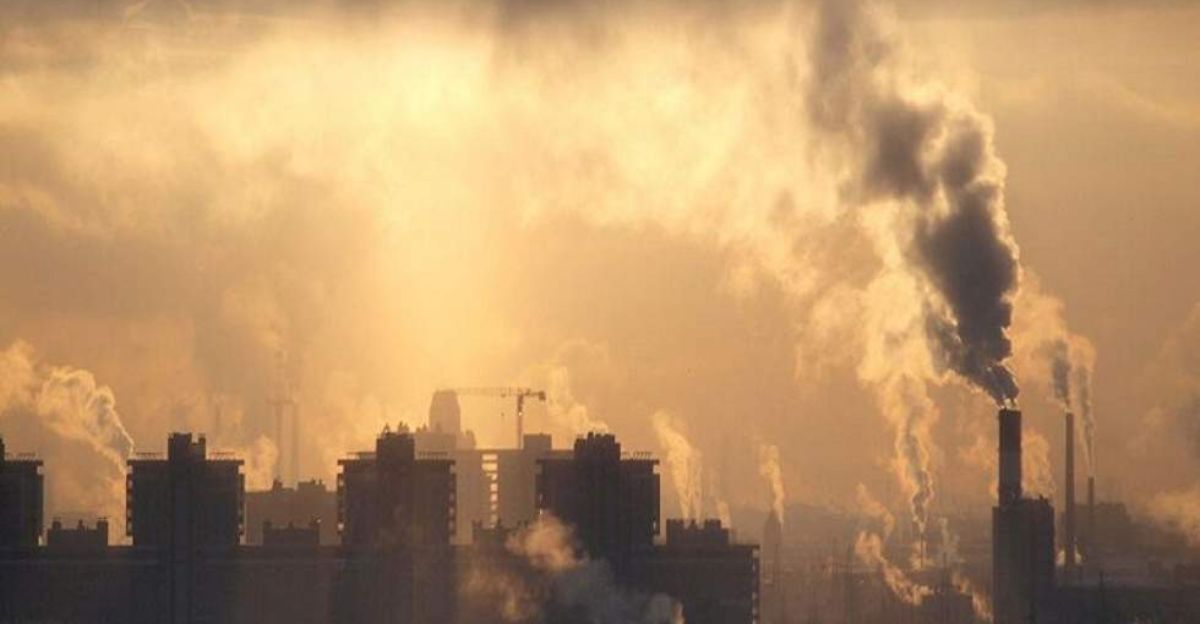
Iran’s Parliament had passed a Clean Air Act in 2017, establishing strict regulations on mazut use, vehicle emissions, and fuel quality standards. Yet after more than seven years, the law remained essentially unenforceable. Implementation funding had been slashed to just $4 million in the 2023 budget, down from an already inadequate $8 million in the previous year.
Full implementation, according to official estimates, would require $5 billion—money the government had no interest in spending.
The Economic Devastation: $17.2 Billion Annual Cost
The financial impact extended far beyond health metrics. The Iranian government estimated the annual cost of air pollution at $17.2 billion. The IRGC-affiliated Fars news agency reported that Tehran loses between $3.3 billion and $3.7 billion annually due to pollution, traffic, and mental health effects alone—a sum equivalent to the entire annual investment required for reforming urban development, public transportation, and metropolitan management.
For perspective, this economic damage occurred in a nation facing severe sanctions, currency devaluation, and capital flight.
“The Air Will Kill”: What Happens When a Government Admits Defeat
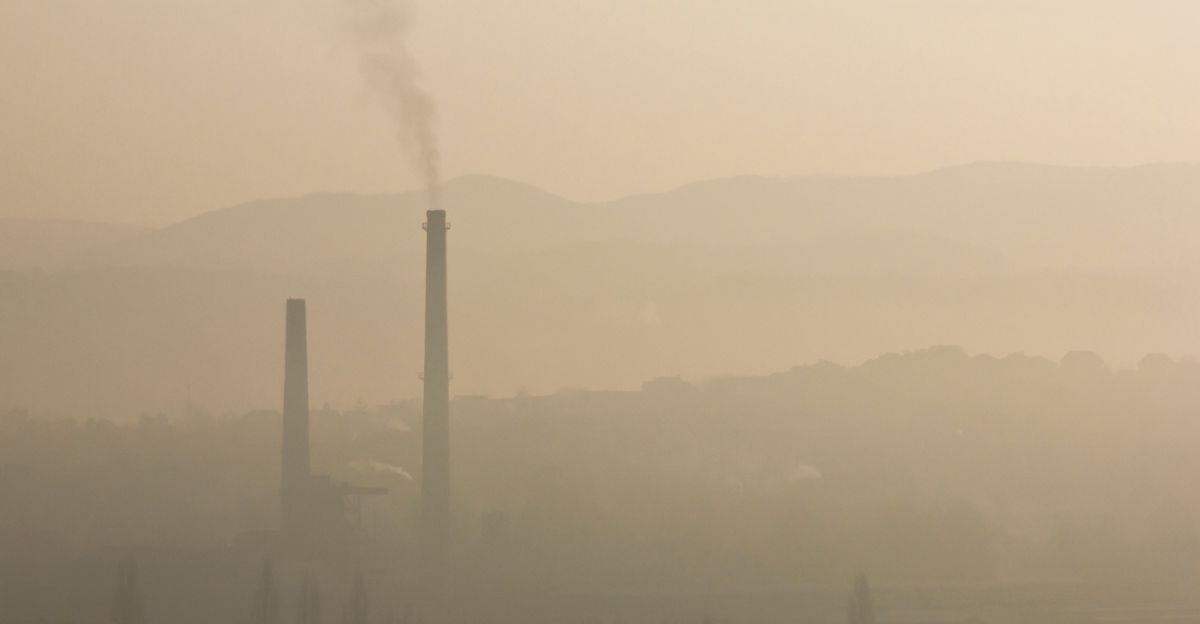
By late November, government officials had stopped pretending the situation was under control. Deputy Vice President Qaempanah’s warning—”If pollution gets more than this, it will kill”—was an admission that Tehran’s air had reached lethal thresholds. It was a statement no government official makes lightly, because it implicitly acknowledges that the administration had failed to protect its citizens.
The fact that air pollution warnings now came from the deputy vice president signaled that the crisis had jumped from the ministry level to the highest echelons of government.
Sources:
Al Jazeera (November 24, 2025) — “Tehran shrouded in thick smog as Iran burns dirty fuel amid energy crisis”
Iran Focus (December 2, 2025) — “357 Dead From Air Pollution In Tehran In One Week”
Newsweek (November 28, 2025) — “Air Quality ‘Will Kill’ in World’s Most Polluted City”
IntellINews (November 25, 2025) — “Tehran tops world pollution rankings as air quality reaches hazardous levels”
Iran International (November 22, 2025) — “Iran turns to heavy mazut fuel despite worsening air pollution”
Xinhua News Agency (December 4, 2025) — “Over 210,000 people seek medical care in Iran due to air pollution”
RFE/RL (November 30, 2025) — “Tehran Pollution Reaches ‘Alarming’ Level In Latest Crisis”