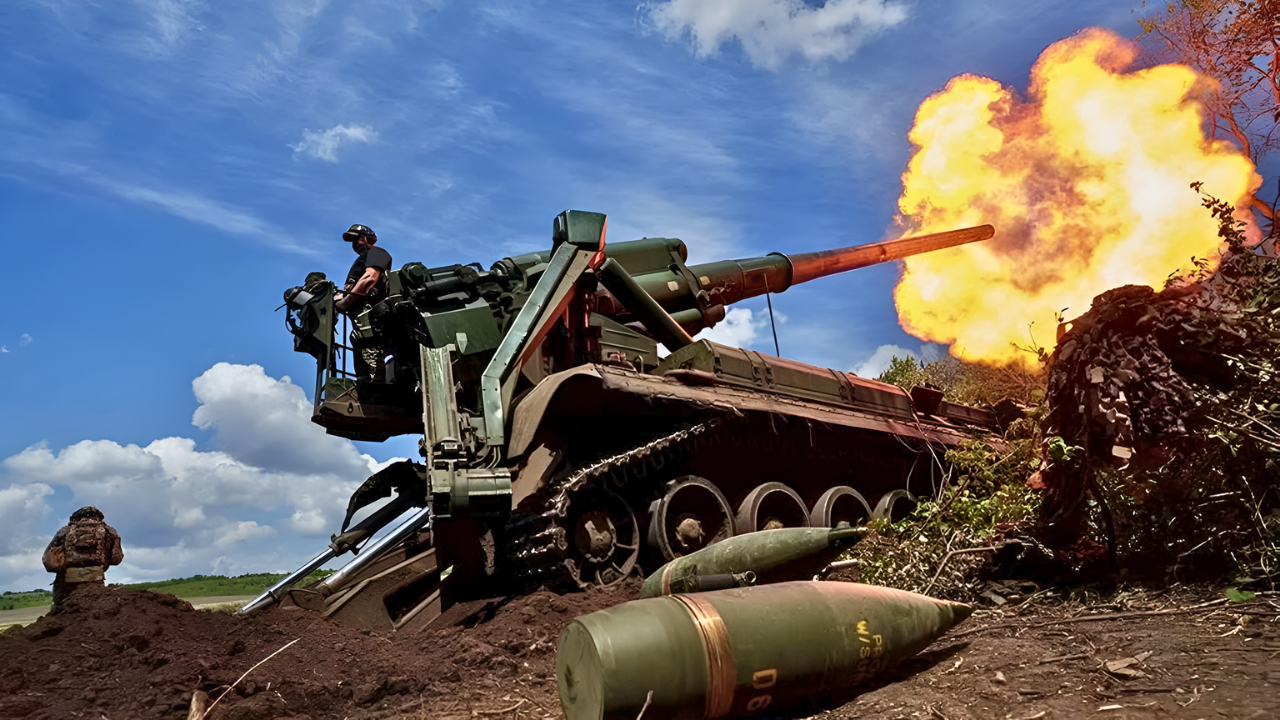
Since invading Ukraine in 2022, Russia’s firepower has suffered staggering losses. By January 2026, Ukrainian reports counted more than 36,000 destroyed artillery pieces, with some days seeing over 80 knocked out. Analysts say this shows “a clear collapse in Russia’s artillery capability under sustained pressure,” according to a Defense Express report from January 2025.
Many experts now wonder how Moscow can keep up its artillery barrages as old guns break down and new ones become harder to replace. Every destroyed system means fewer shells hitting Ukrainian lines and more strain on Russia’s dwindling resources.
Losses That Keep Rising
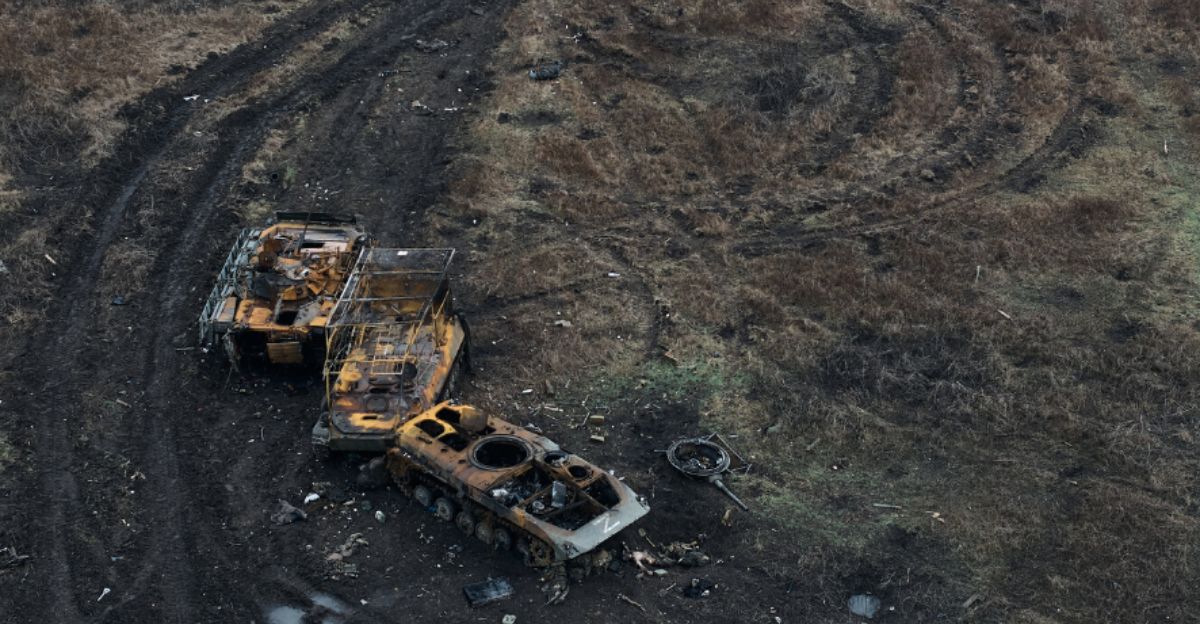
Russia’s equipment losses are still piling up fast. As of mid-January 2026, 36,182 artillery systems had been confirmed lost, an increase of more than 300 in just a few days. Ukrainian intelligence says the pace of destruction is “the highest since 2023,” fueled by improved drone accuracy and advanced NATO-supplied sensors. This surge leaves Russia’s artillery divisions short of modern weapons, forcing commanders to redeploy outdated or improvised guns.
“They’re running out of reliable barrels,” noted Ivan Kyrychevskyi, a Defense Express analyst. The data shows that what began as a gradual erosion has turned into a freefall. The Kremlin has always relied on sheer quantity, but without replacements, even that advantage is fading.
How the War Drained Moscow’s Guns
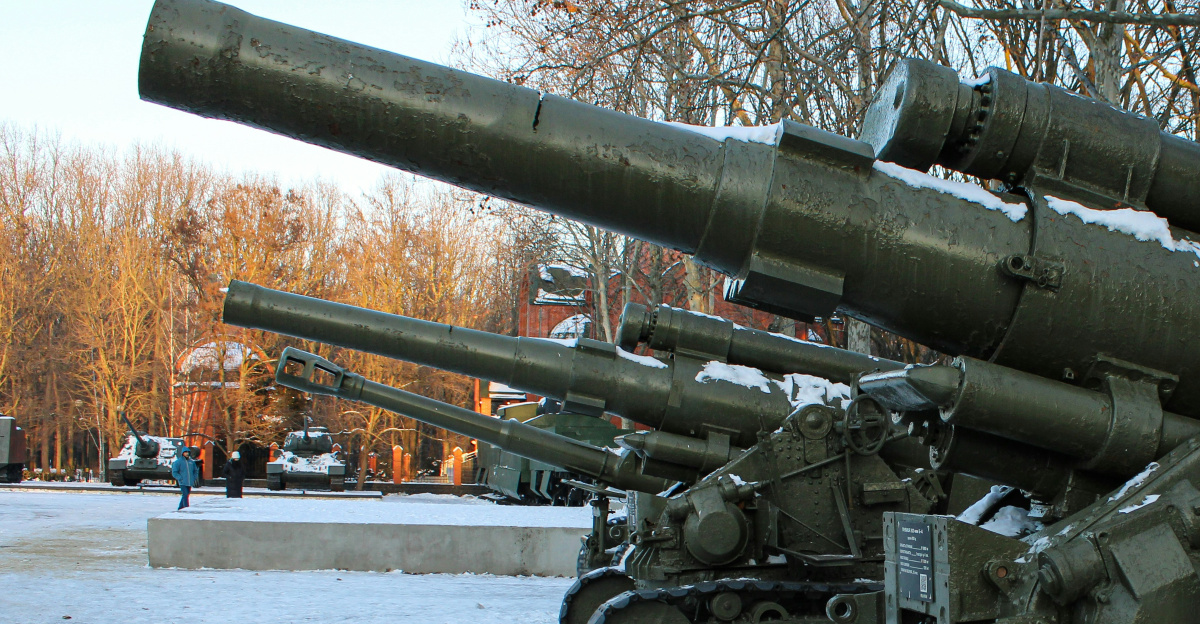
When Russia’s full-scale invasion began in February 2022, its stockpiles of Soviet artillery seemed endless. Four years later, those reserves are nearly gone. Data compiled by think tanks like the Center for Strategic and International Studies (CSIS) shows cumulative losses crossing 35,000 by early 2025.
Many pieces date back decades, and spare parts are nearly impossible to source. Russia is even pulling derelict models out of long-abandoned warehouses. “The Kremlin is fighting a modern war with Cold War tools,” said a Brussels-based defense expert. Old designs, once a backup, are fast becoming Moscow’s mainstay.
Running on Empty
Inside Russia’s artillery depots, the shelves are looking alarmingly bare. Once stocked with thousands of self-propelled and towed guns, many are now empty or holding museum-grade relics. According to Defense Express, unverified models from the 1950s, long missing from inventories, are being shipped to the frontlines.
“What we’re witnessing is desperation disguised as adaptation,” said analyst Ivan Kyrychevskyi in a January 2025 report. With losses averaging dozens of guns daily, the Kremlin is scouring both domestic reserves and foreign partners to fill the gap.
Ukraine Destroys a Rare Relic
In January 2025, Ukraine’s 413th Raid Regiment used drones to destroy a D-74, a 122-mm towed gun from the 1950s. This was the first time one appeared in combat since the Cold War. Ukrainian sources suggest the weapon was imported from North Korea, revealing how far Russia’s search for artillery has stretched.
“We couldn’t believe we saw a D-74 on the frontline, it’s like seeing a ghost from the last century,” said a Ukrainian operator involved. The strike didn’t just remove an old gun; it highlighted how dependent Moscow had become on relics from distant allies.
The Frontline Fallout
That D-74 strike had outsized consequences. The gun had a range of nearly 24 kilometers, giving Russian troops longer reach than usual. Its destruction left a key sector vulnerable and disrupted artillery cover for advancing units. Ukrainian drones are exploiting this weakness, coordinating strikes that push Russia’s losses beyond 36,000 systems.
A Defense Express report said, “Each outdated weapon destroyed amplifies Russia’s tactical disadvantage.” These ripple effects are forcing Moscow to spread its already thin resources even thinner, turning every loss into a cascade of new problems.
The Cost for the Crews
Each D-74 requires a 10-person crew, a logistical and human burden on modern battlefields dominated by drones. Its bulk, about 5.5 tons makes repositioning slow and dangerous. Survivors of such artillery teams face steep odds. “It’s not just about firepower, it’s about survival,” a Ukrainian drone commander told local media.
With drones overhead, older artillery like the D-74 becomes a death trap. Every strike compounds the human cost, leaving gaps in Russia’s gun lines and morale alike.
Turning to North Korea
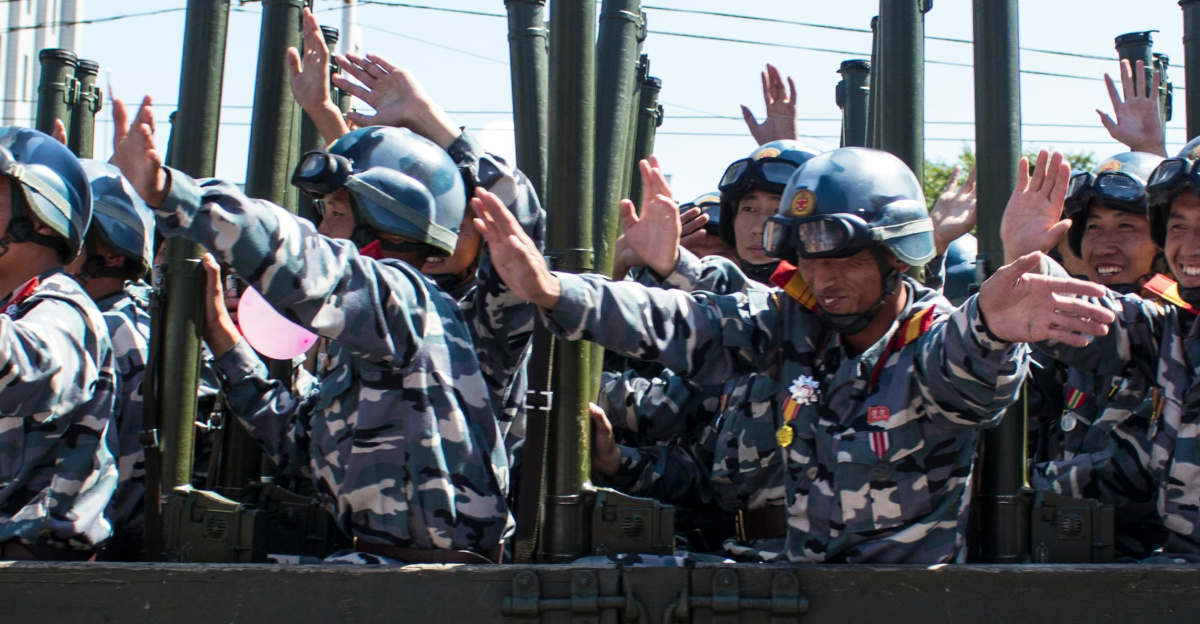
Russia’s growing reliance on North Korean supplies marks a major strategic shift. North Korea still operates D-74 guns and produces compatible ammunition. Analysts believe Moscow has tapped these aging reserves to sustain the war. “It is one of the clearest signs of Russia’s production collapse,” said Defense Express.
The alliance, though convenient, raises questions about quality and logistics. Moving shells from Pyongyang to the frontlines across 7,000 kilometers is no small feat, and a sign of how desperate the situation has become.
The Ammo Crunch
With home production almost halted, Russia is depending on imported 122-mm shells to keep its artillery working. Satellite images suggest stockpiles arriving by rail from North Korea. Yet, according to independent trackers, Ukraine’s strikes routinely destroy these shipments before they reach the front.
As of early 2026, lost systems exceeded 36,000, and available ammunition is shrinking even faster. “You can’t win a war of attrition if you run out of shells,” said a CSIS defense analyst. Production inside Russia has not kept pace, leaving the army firing fewer and fewer rounds each month.
Fighting with Museum Pieces
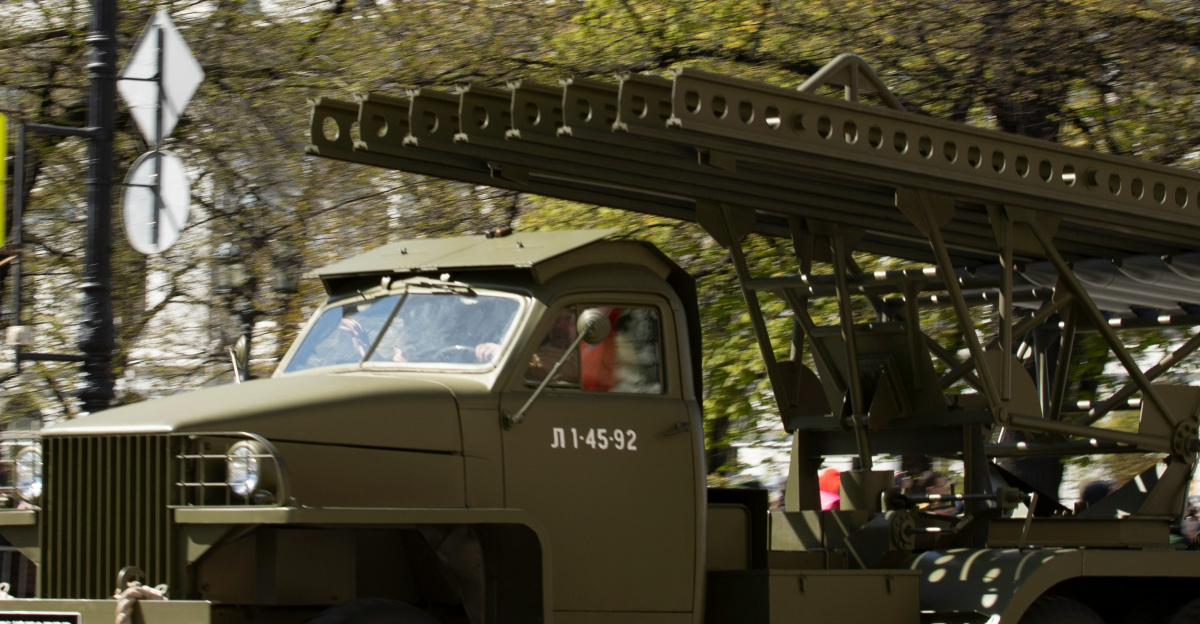
Russia’s reappearance of the D-74 on the battlefield in late 2024 symbolized a broader trend, resurrecting relics. These weapons, missing from active rosters for decades, are now standing in for destroyed modern systems.
“Their use shows absolute exhaustion of reserves,” Defense Express noted bluntly. In one viral clip, a D-74 was seen firing before a drone hit it seconds later. The incident confirmed North Korean-origin matériel for the first time, reframing how external aid influences this grinding battlefield.
Breaking Point for Soldiers
For Russian crews, working with outdated guns is both frustrating and deadly. Many face constant repairs, misfires, and exposure to drone attacks. One analyst called it “a direct indicator of acute depletion.” Larger teams, heavier equipment, and fewer protective systems have left morale near breaking point.
“These soldiers are being asked to fight twenty-first-century drones with mid-twentieth-century tools,” reported Defense Express. The strain is showing not just in equipment, but in confidence and endurance.
Gaps in the Inventory
Military audits show that weapons like the D-74 no longer appear in Russia’s official depot lists, confirming they’ve been pulled from forgotten reserves or foreign suppliers. As domestic output falters, Moscow has quietly turned to allies and shadow stockpiles.
Reports of new D-74 sightings in late 2024 matched a deliberate strategy to plug gaps fast, no matter the source. Experts warn, however, that “such shortcuts can’t sustain a prolonged war,” especially as logistics grow costlier and harder to hide.
Imports on the Rise
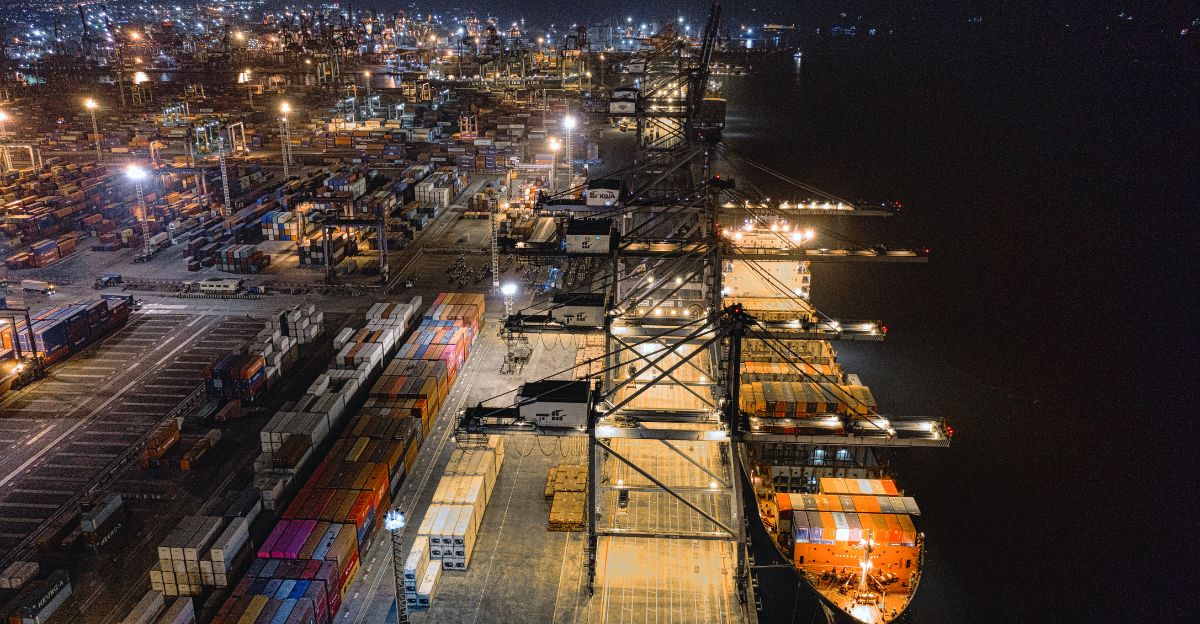
Evidence of increased freight traffic between Russia and North Korea points to a surge in weapons imports. Moscow seems to prioritize numbers, filling every gap possible, regardless of weapon quality. In turn, Pyongyang is depleting its own Cold War reserves to meet demand.
“This is quantity over quality in its purest form,” wrote Defense Express. The short-term gains mask longer-term risks: aged hardware, questionable ammunition, and dependency on volatile partners. Still, for now, Russia appears determined to buy time by buying relics.
Can This Work?
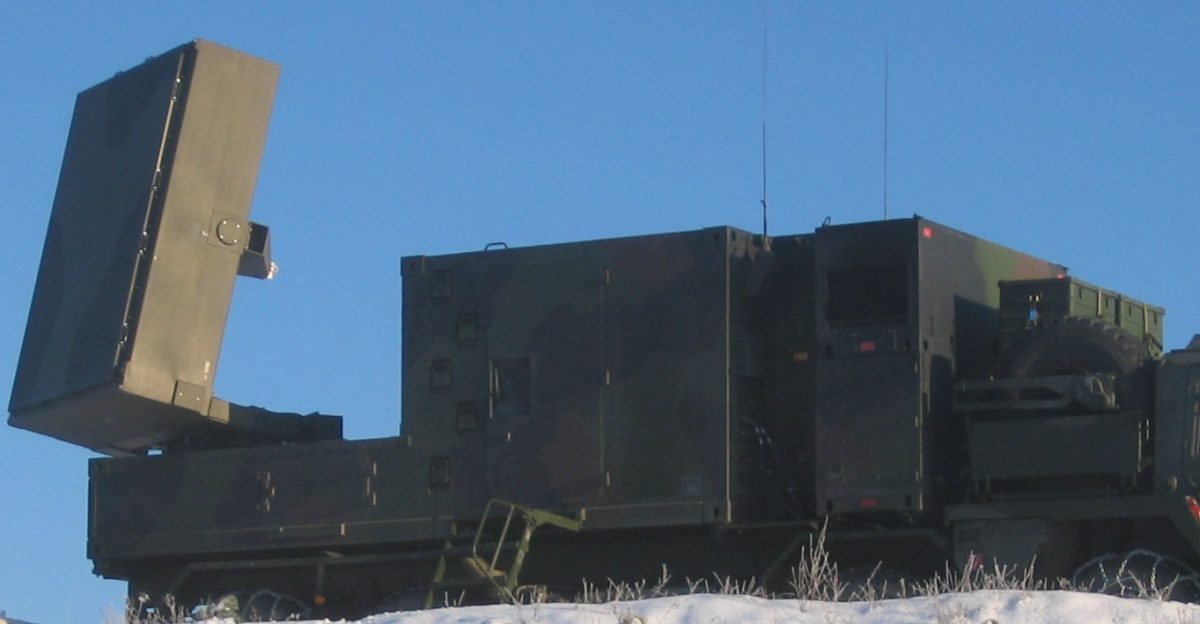
Analysts are skeptical. Ukraine’s drones and counter-battery radars make old artillery easy targets. A 2025 NATO briefing estimated Ukraine’s destruction ratio at anywhere from two to five Russian guns lost for each Ukrainian one.
“This rate of attrition is strategically unsustainable for Moscow,” said a CSIS researcher. Every recovery effort seems to gain less ground than the last. The big question now: how long can Russia keep burning through equipment faster than it can replace it?
The Endgame for Firepower
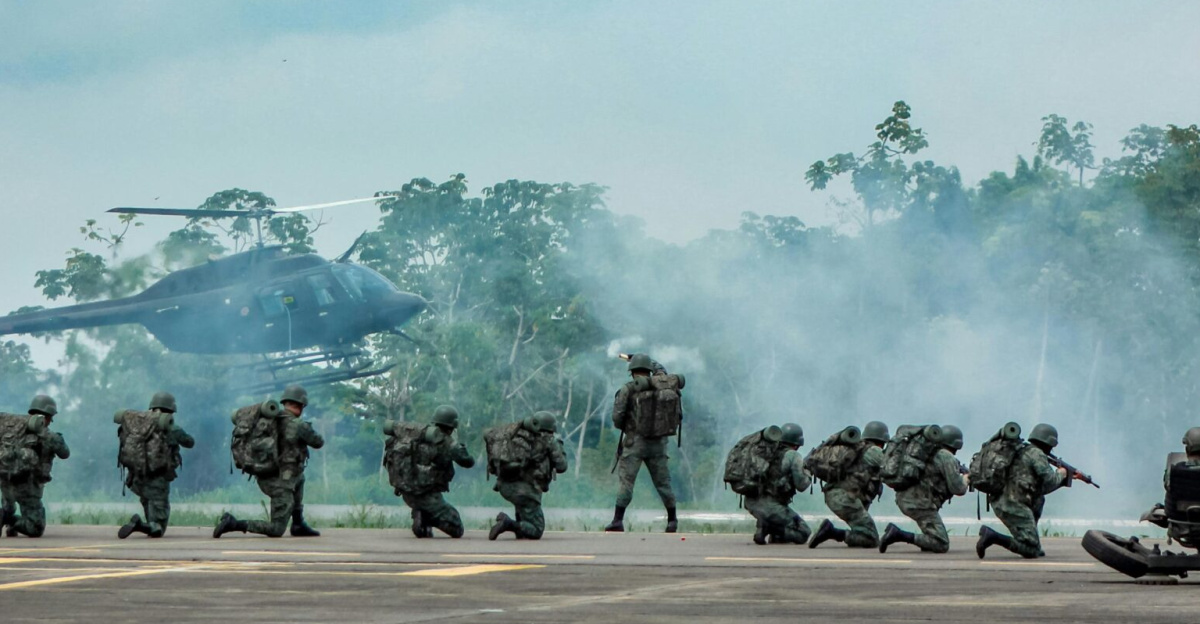
If these trends continue, Russia’s artillery arm could face total collapse within a year, analysts warn. Over 36,000 systems destroyed, scarce ammunition, and dwindling foreign stockpiles all point toward exhaustion. “Pyongyang can only help so much,” one Eastern European defense specialist noted.
Ukrainian strikes now target these relics with precision, leaving Russia squeezed between shrinking supplies and relentless attrition. Whether Moscow can innovate, or merely endure will decide if its once-feared artillery even survives 2026.
Sources:
index.minfin.com.ua, Casualties of the Russian troops in Ukraine, 15 January 2026
Defense Express, It Became Known russian Losses During This Week, January 2025
MSN / Defense Express, Russia’s First D-74 Howitzer Loss Confirmed—A 1950s “Museum Piece” Back on the Battlefield, 26 August 2025
CSIS, Russia’s Battlefield Woes in Ukraine, 5 March 2025