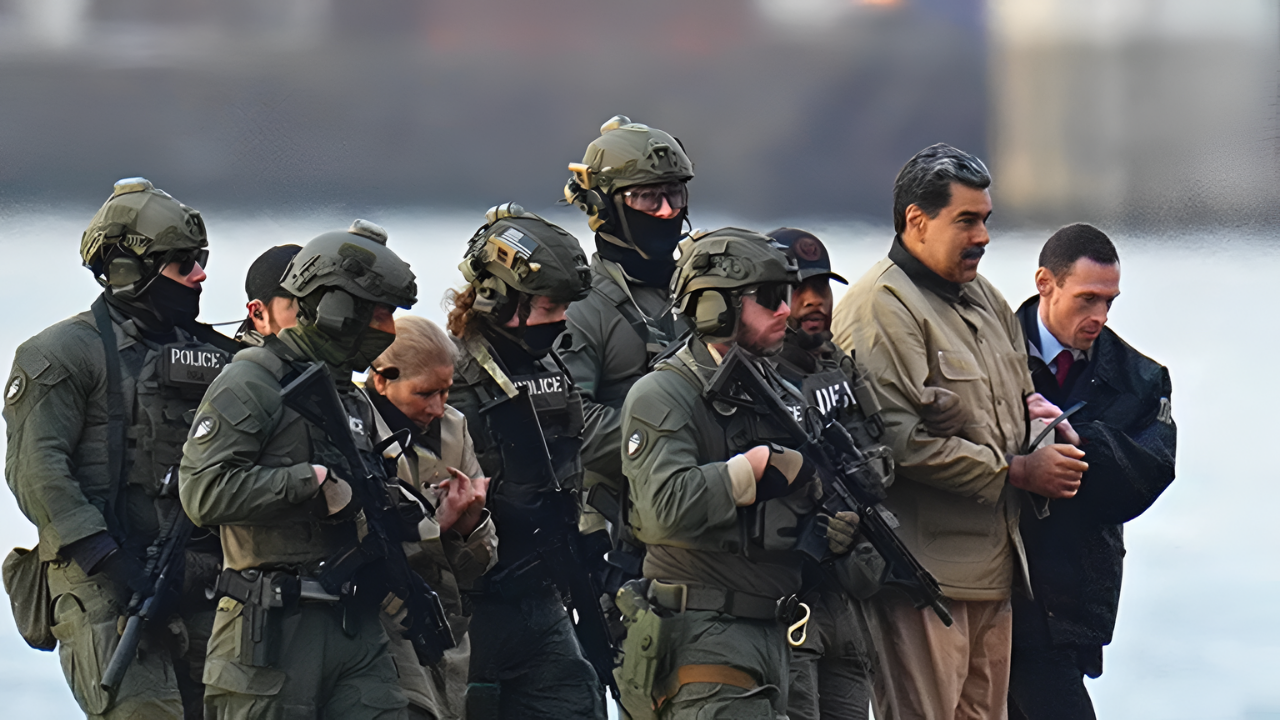
At 2:01 a.m. on January 3, 2026, Caracas went dark. Power across Venezuela’s capital abruptly failed as explosions flashed along the northern coast. Minutes later, U.S. helicopters skimmed low over the Caribbean at roughly 100 feet, slipping beneath radar. Airstrikes struck military bases and air defenses while commandos moved on a fortified compound in the city.
By dawn, Venezuela’s president was gone—and dozens were dead.
Cubans in the Crosshairs
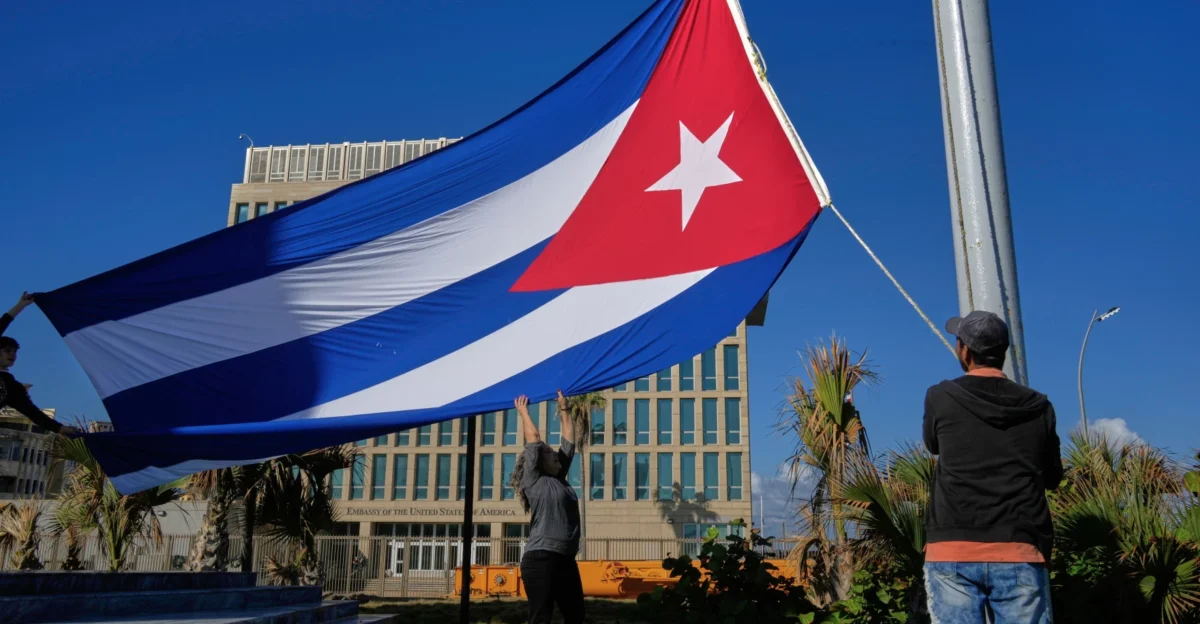
As casualty reports emerged, Havana confirmed that 32 Cuban military and intelligence officers were killed during the U.S. operation. All were stationed in Venezuela as part of President Nicolás Maduro’s inner security apparatus. Cuba declared two days of national mourning and accused Washington of “state terrorism,” framing the deaths as an attack on Cuba’s regional role.
The toll publicly exposed Cuba’s deep and long-denied security presence inside Venezuela.
Operation Absolute Resolve
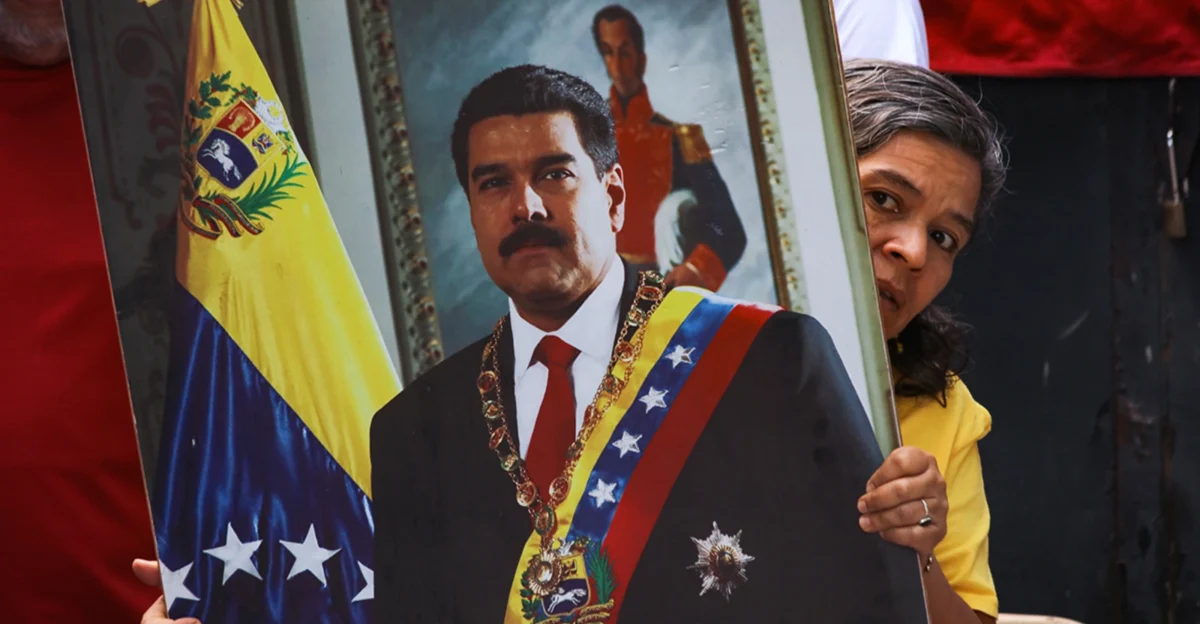
The assault was formally known as Operation Absolute Resolve, a meticulously planned U.S. mission combining coordinated airstrikes with a precision ground raid. Beginning just after 2 a.m. local time, U.S. forces targeted air defenses, communications nodes, and military installations across northern Venezuela.
At the same time, a special operations apprehension team advanced on Maduro’s Caracas residence, reflecting months of intelligence collection, rehearsals, and inter-agency coordination.
Months of Pressure
The raid followed months of escalating U.S. pressure on Maduro’s government. Washington had already conducted maritime interdictions, struck alleged drug-running vessels, and imposed a partial blockade on Venezuelan oil exports. Intelligence reporting indicates Maduro rejected a U.S. exile offer in late December.
Publicly dismissing invasion threats, he remained in Caracas as U.S. forces quietly surged across the Caribbean and key sea lanes.
Maduro Captured
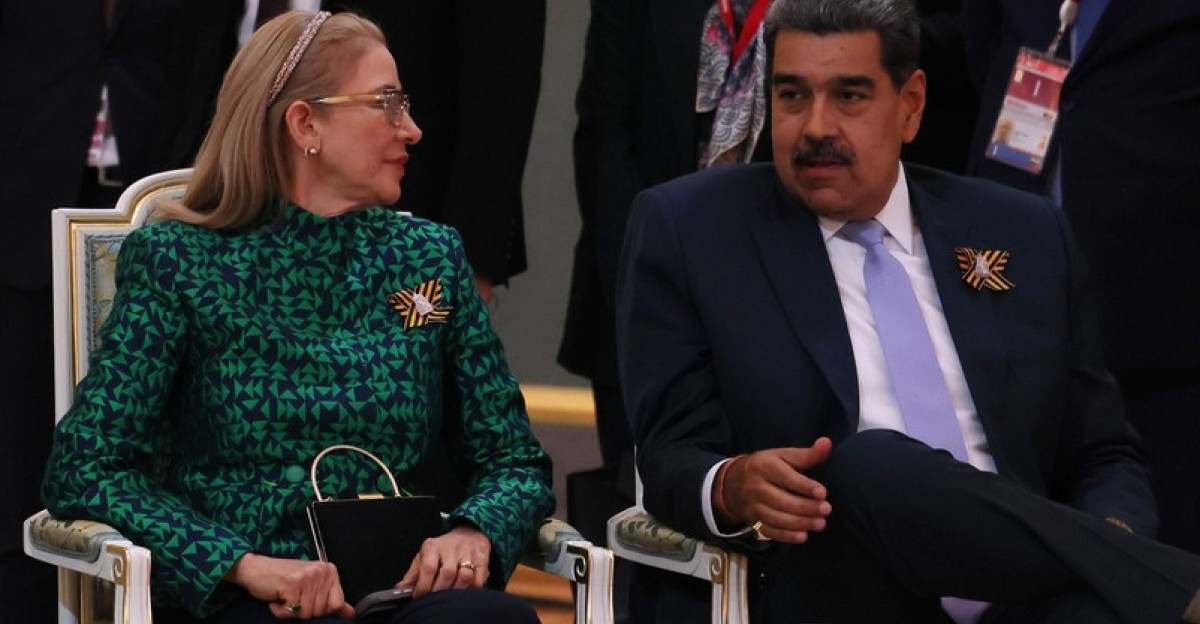
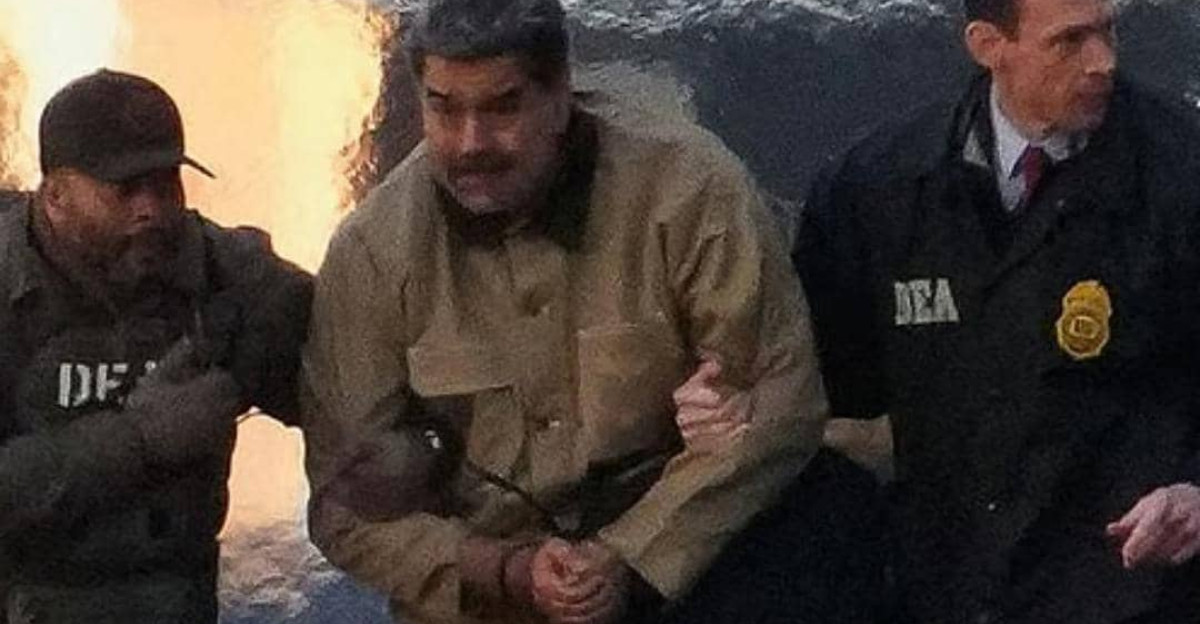
The operation’s objective became unmistakable before sunrise. U.S. special operations forces captured President Nicolás Maduro and First Lady Cilia Flores inside Caracas and airlifted them out of the country. Delta Force operators breached the fortified compound shortly after helicopters touched down at 2:01 a.m.
The entire extraction—under fire—was completed in under 30 minutes. Within 24 hours, Maduro was in U.S. custody.
Cuban Losses Detailed
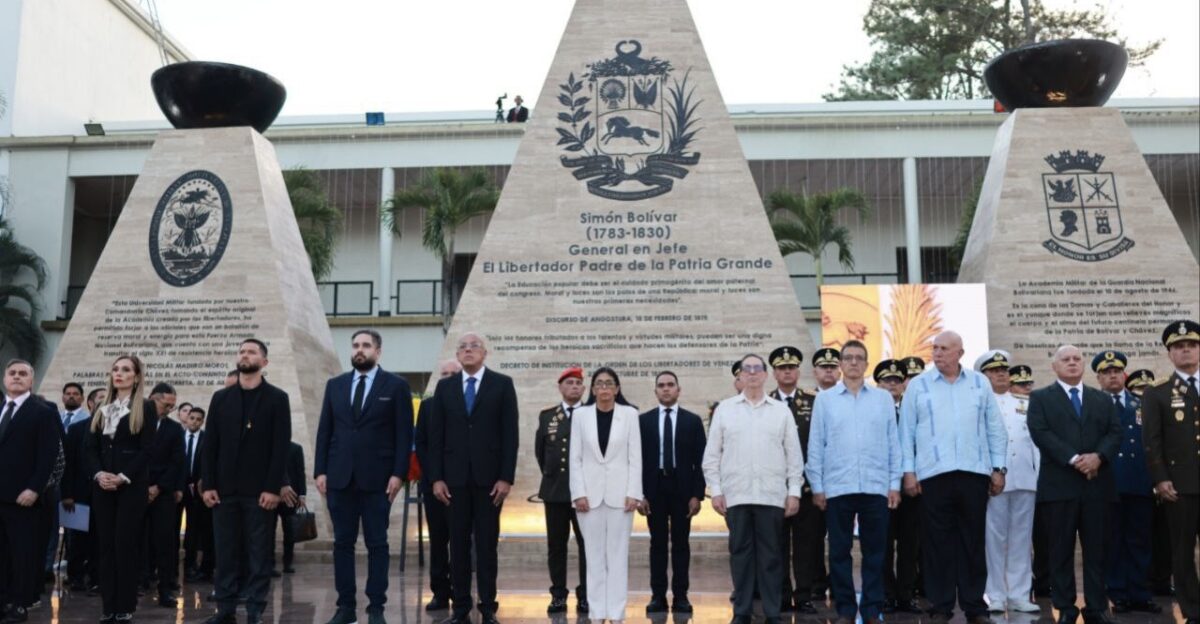
By January 6, Cuban authorities released the names, ranks, and ages of 32 fallen officers, confirming they died during direct combat with U.S. forces. Havana said the personnel formed part of an “impenetrable” protective ring around Maduro, deployed at Venezuela’s request.
Venezuelan Defense Minister Vladimir Padrino López later acknowledged that a “large part” of Maduro’s security detail—largely Cuban—was wiped out during the raid.
Civilian Cost
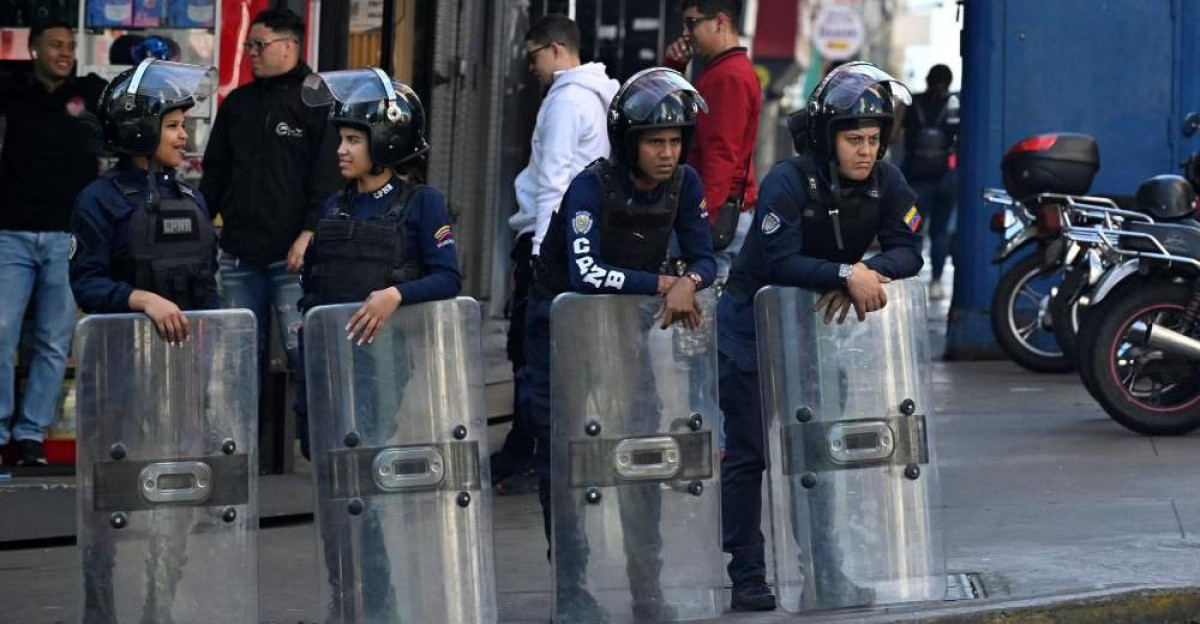
The operation also claimed civilian lives. Venezuelan and independent reports confirmed at least two civilian deaths. Among them was Rosa González, 80, killed when a U.S. airstrike damaged a three-story apartment building in Catia La Mar near telecommunications targets.
Relatives described pulling victims from rubble and rushing them to overcrowded hospitals. These accounts contrast with U.S. assurances that all strikes were designed to minimize civilian harm.
Casualty Disputes
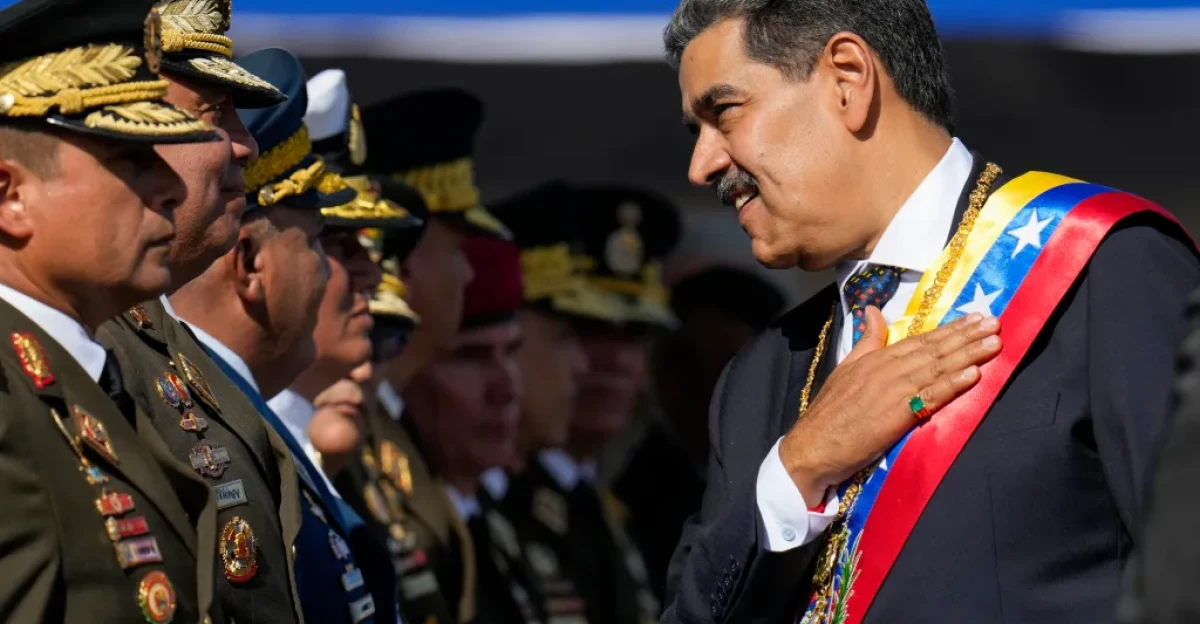
Death tolls quickly became contested. Venezuelan officials initially reported at least 40 dead, later revising the figure to 80, including soldiers and civilians. Interior Minister Diosdado Cabello ultimately claimed 100 fatalities.
Independent Venezuelan outlets documented roughly 70 deaths and around 90 wounded. The wide variation reflects political pressure, limited access to strike sites, and the fog surrounding one of the most intense U.S. operations in the region in decades.
Trump’s New Doctrine
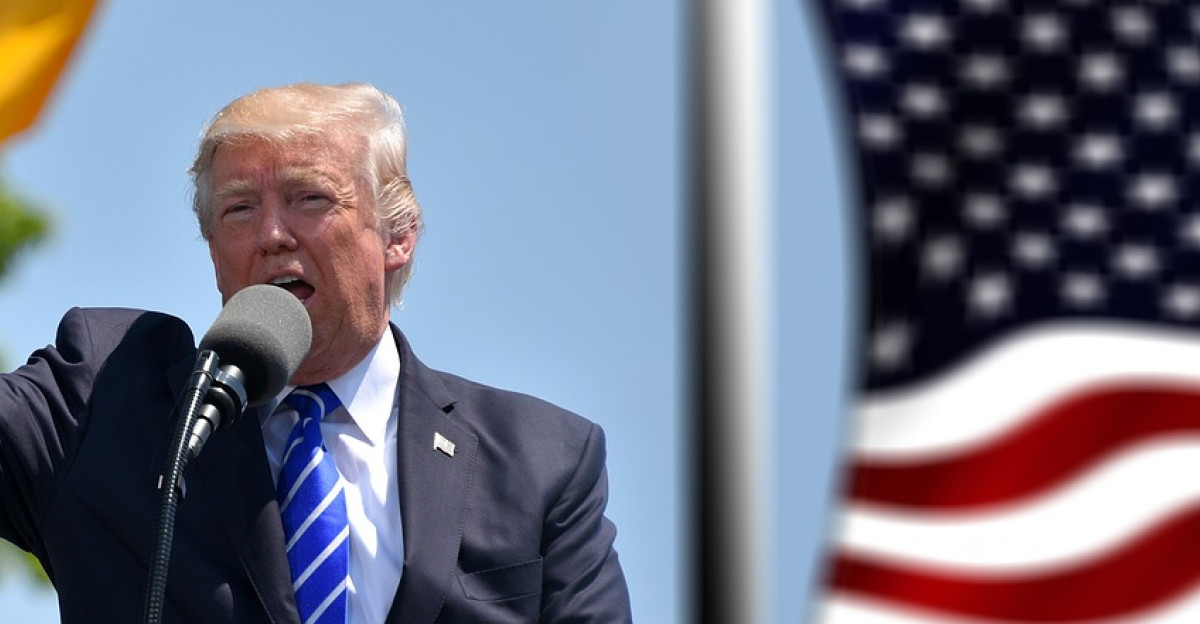
Following Maduro’s capture, President Donald Trump framed the raid as a revival of the Monroe Doctrine, branding it the “Donroe Doctrine.” He argued that foreign adversaries operating in Venezuela—along with “menacing offensive weapons”—posed a direct threat to U.S. security.
The doctrine asserts Washington’s right to act decisively across the Western Hemisphere to block rival powers and reassert American dominance.
“A Lot of Death”
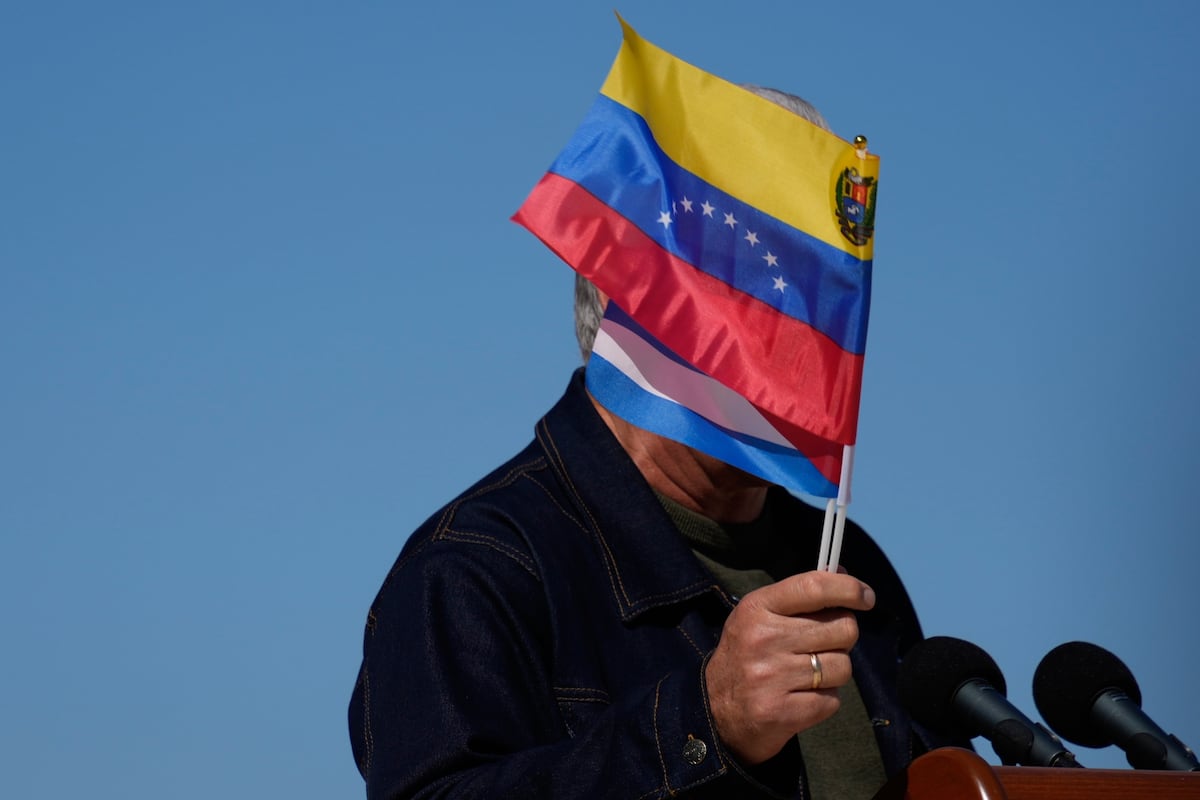
Trump emphasized the asymmetry of the operation’s toll. “A lot of Cubans were killed yesterday,” he told reporters. “There was a lot of death on the other side. No death on our side.”
U.S. officials later clarified that zero American personnel were killed, though approximately six to seven U.S. soldiers were injured. One helicopter was hit by ground fire but remained operational throughout the mission.
Venezuelan Outrage
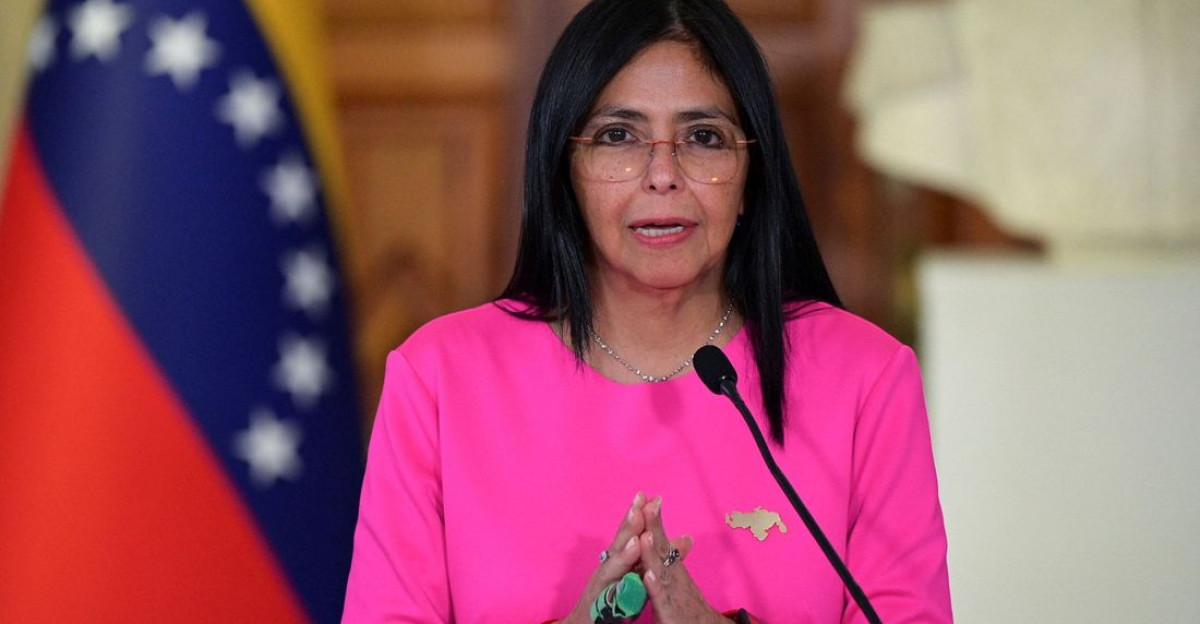
Venezuelan leaders condemned the operation as an act of imperial aggression. Acting President Delcy Rodríguez declared seven days of national mourning, while Defense Minister Padrino López accused U.S. helicopters of firing rockets and missiles into urban areas.
Officials appealed to the U.N. Security Council, calling the raid a criminal violation of sovereignty. State media aired images of damaged buildings and funerals, fueling public anger.
Cuban Political Shock
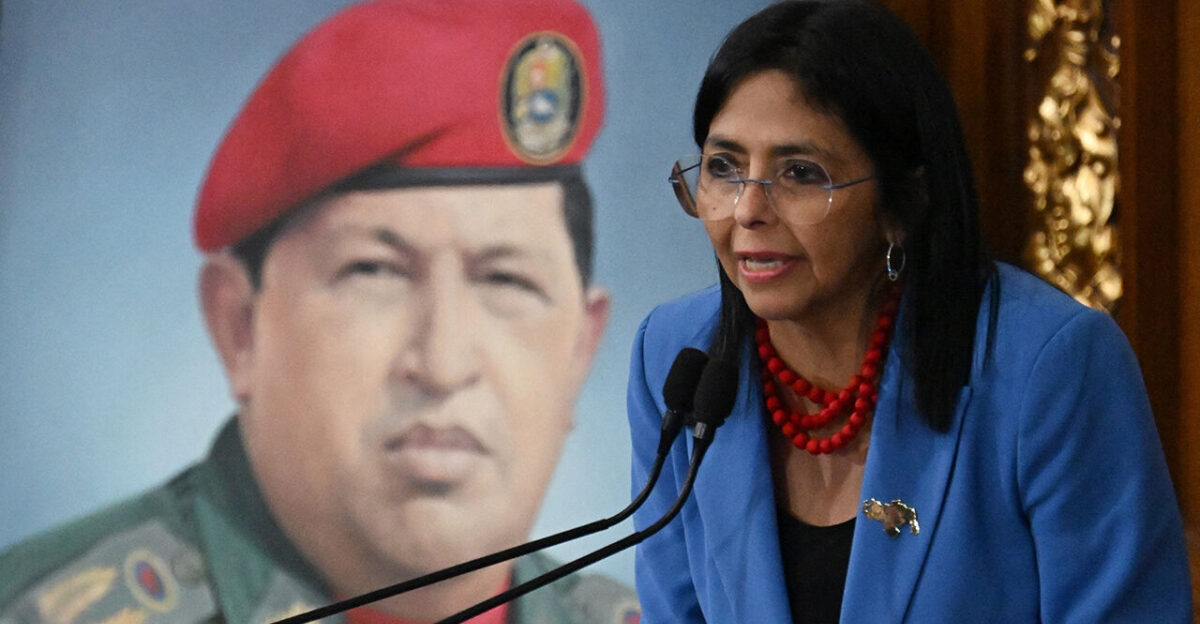
In Havana, the loss of 32 officers sent shockwaves through the government. Officials hailed the dead as “martyrs” who fell after “fierce resistance” defending an allied Bolivarian state.
The deaths exposed the scale of Cuba’s deployment in Venezuela—previously estimated by U.S. officials at up to 20,000 personnel—and dealt a reputational blow to Cuban intelligence.
U.S. Military Boast
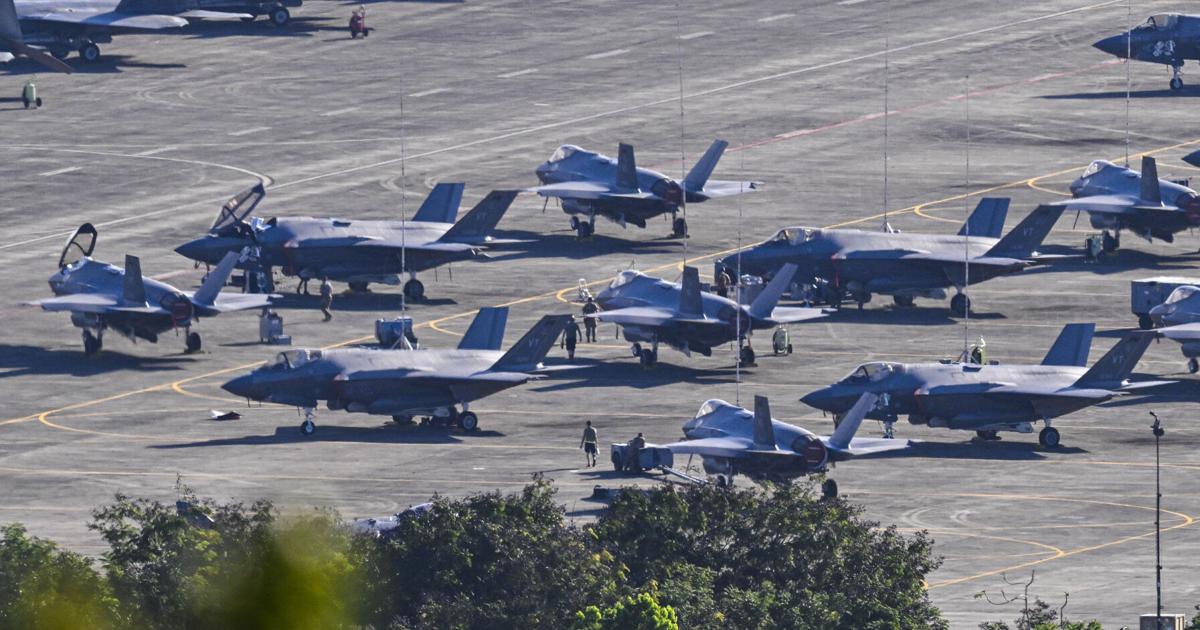
U.S. officials portrayed the mission as a demonstration of overwhelming military precision. More than 150 aircraft launched from 20 airbases across the hemisphere, supported by carrier strike groups and 15,000 troops positioned in the region.
Delta Force and the 160th Special Operations Aviation Regiment executed the raid in dense urban terrain with no fatalities, reinforcing claims of unmatched U.S. technological and tactical superiority.
Expert Doubts
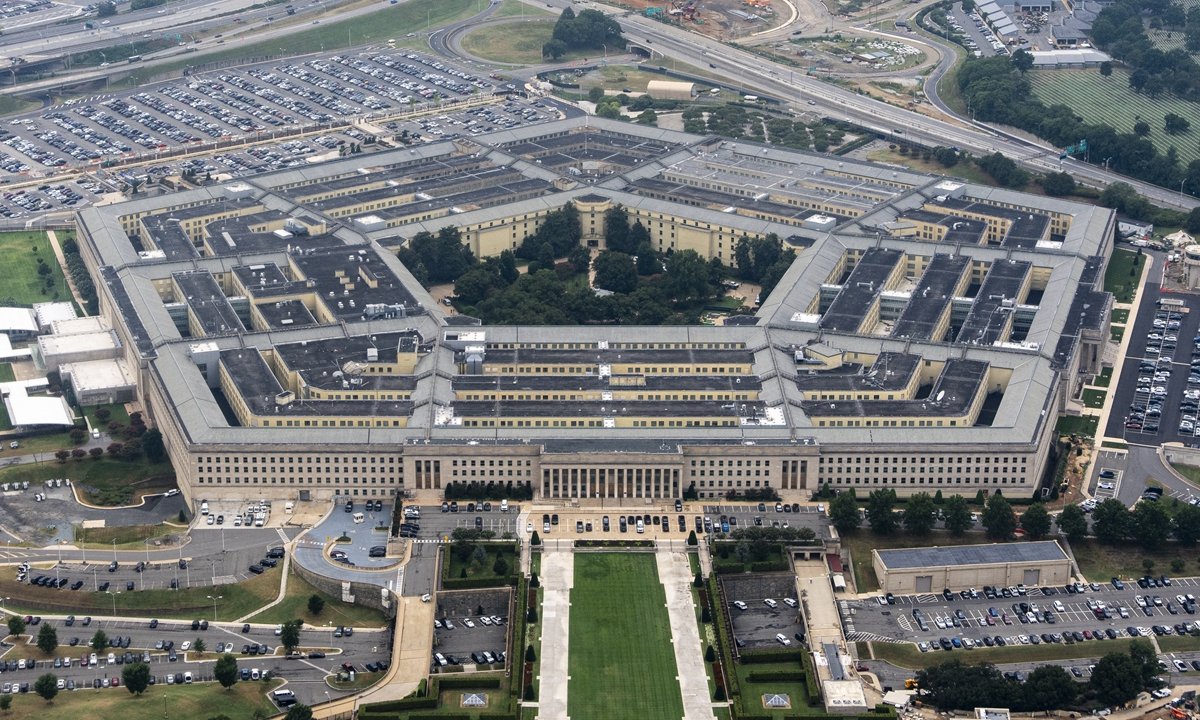
Despite Pentagon praise, analysts cautioned against triumphalism. Commentators drew parallels to past U.S. interventions in Latin America—from Cuba to Panama—warning that the Donroe Doctrine risks deepening anti-American sentiment.
Some policy experts labeled the strategy “rank imperialism,” arguing that short-term tactical success could translate into long-term instability, regional backlash, and weakened international norms.
Venezuela’s Uncertain Future
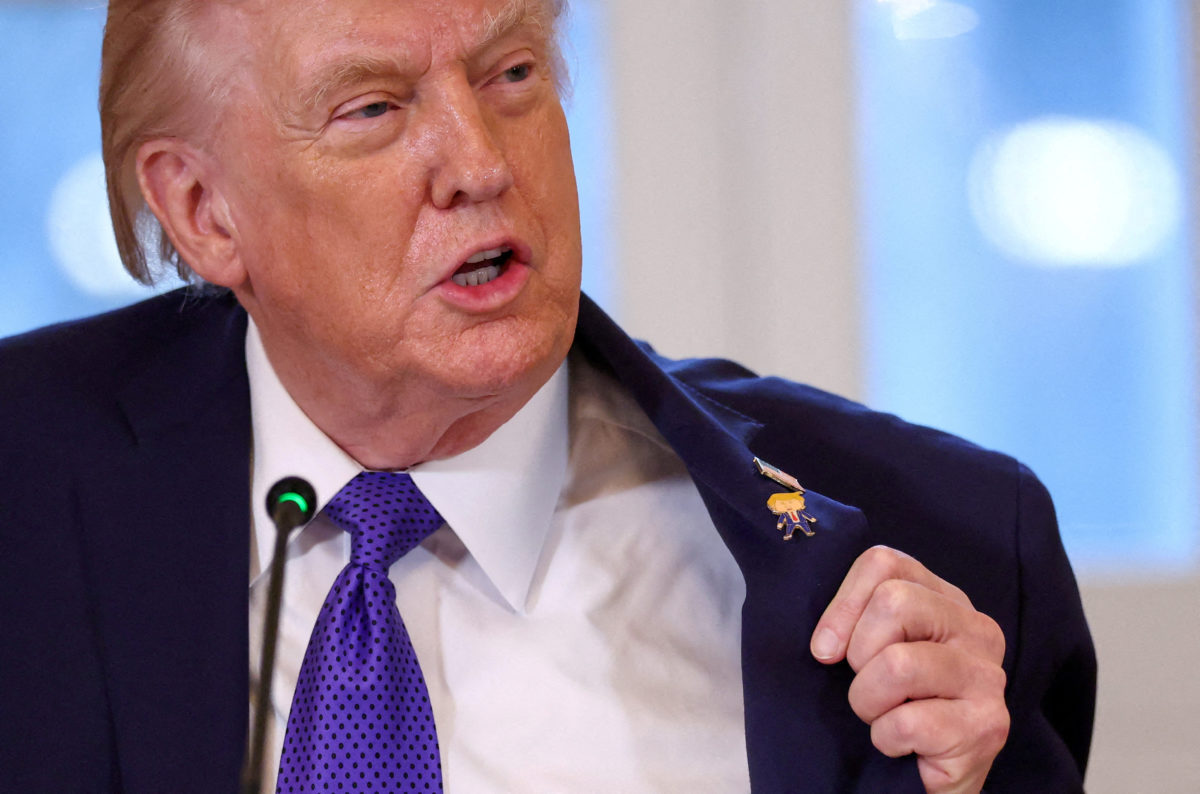
Trump has said the United States intends to “run” or “manage” Venezuela during a transition period, raising urgent questions about governance and duration. With Maduro facing narco-terrorism and weapons charges in New York, power struggles within Caracas appear likely.
Loyalist military units, opposition factions, and interim leadership under Delcy Rodríguez could shape Venezuela’s trajectory for years amid ongoing U.S. military readiness.
Redrawn Hemispheric Rules
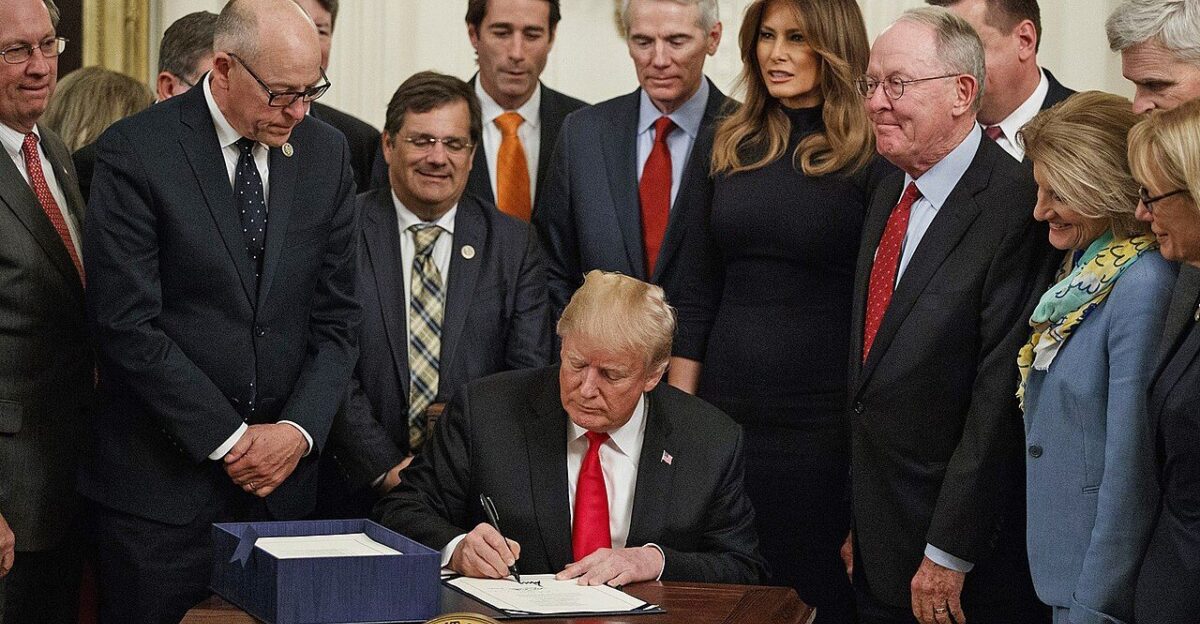
The raid signals a broader recalibration of U.S. hemispheric policy. Trump’s national security strategy outlines a “Trump Corollary” aimed at denying China, Russia, and Iran strategic footholds in the Americas.
Operation Absolute Resolve sets a precedent for direct military action when Washington determines a regional government is hosting hostile powers or threatening U.S. access to critical resources.
Global Reaction

International reaction was swift and polarized. Russia and China condemned the raid as a grave breach of international law, while U.N. officials warned it violated the U.N. Charter. British Prime Minister Keir Starmer stressed respect for international norms.
At the same time, segments of the Venezuelan diaspora celebrated Maduro’s removal, highlighting stark divisions over whether the operation represented liberation or unlawful regime change.
Legal Storm Clouds
Legal scholars point to unresolved questions surrounding U.S. jurisdiction and the legality of abducting a sitting head of state without U.N. authorization. Critics argue the raid erodes norms against cross-border force and invites retaliation.
Supporters counter that Maduro’s alleged narco-terrorism justified extraterritorial arrest. Court challenges, extradition battles, and U.N. debates are expected to intensify.
Moral and Cultural Debate
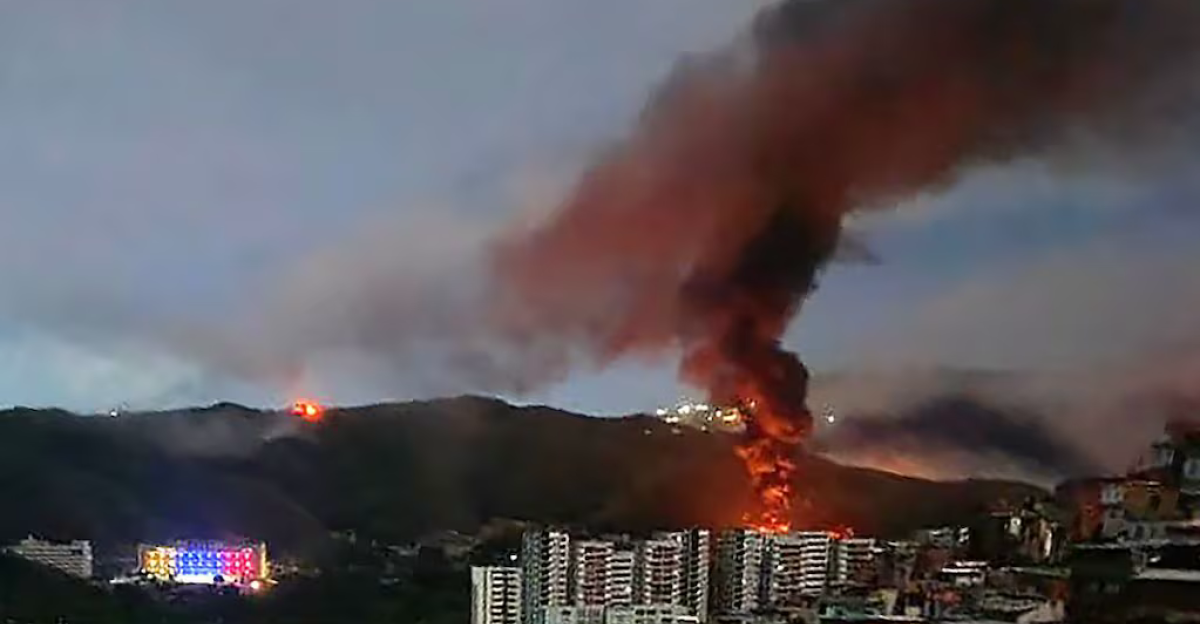
Across the Americas, the operation reignited debates over U.S. interventionism and sovereignty. Images of bombed buildings and mourning ceremonies in Havana and Caracas revived memories of past coups and invasions.
For others—particularly some Venezuelan opposition supporters—the raid marked a necessary rupture with authoritarian rule, exposing deep generational and ideological divides.
Why It Matters
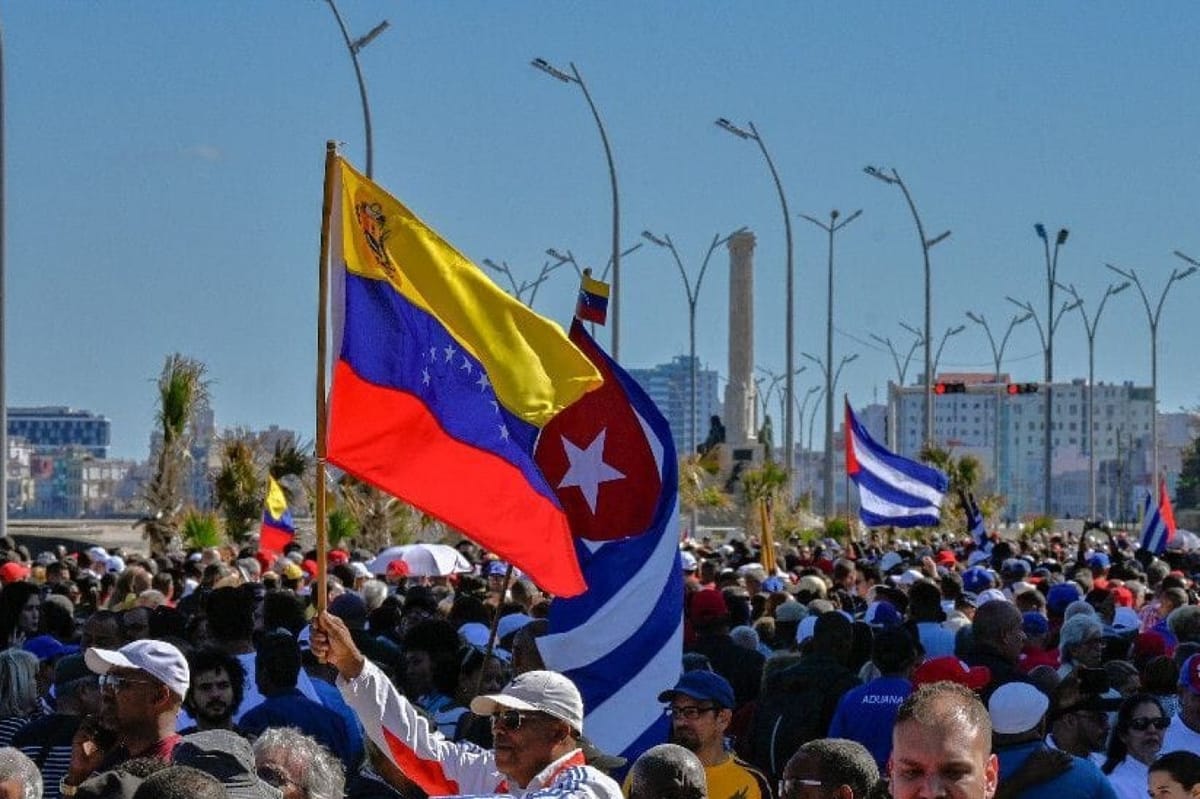
With 32 Cuban officers dead, up to 80 total fatalities, zero U.S. deaths, and a president seized under a revived Donroe Doctrine, the Maduro raid crystallizes a new era of hemispheric power politics.
Whether courts, governments, and publics accept this as an extraordinary exception—or a blueprint for future interventions—will shape how force, sovereignty, and security are defined in the Americas.
Sources:
New York Times – “Inside ‘Operation Absolute Resolve,’ the U.S. Effort to Capture Maduro” – January 3, 2026
Fox News Digital – “Cuba identifies 32 military personnel killed in US operation on Maduro regime in Venezuela” – January 5, 2026
BBC News – “How the US captured Maduro” – January 3, 2026
Barron’s – “Trump Says ‘A Lot Of Cubans’ Killed In US Operation Against Maduro” – January 4, 2026
TIME Magazine – “What Is the Monroe Doctrine, and How Is Trump Using It Today?” – January 6, 2026