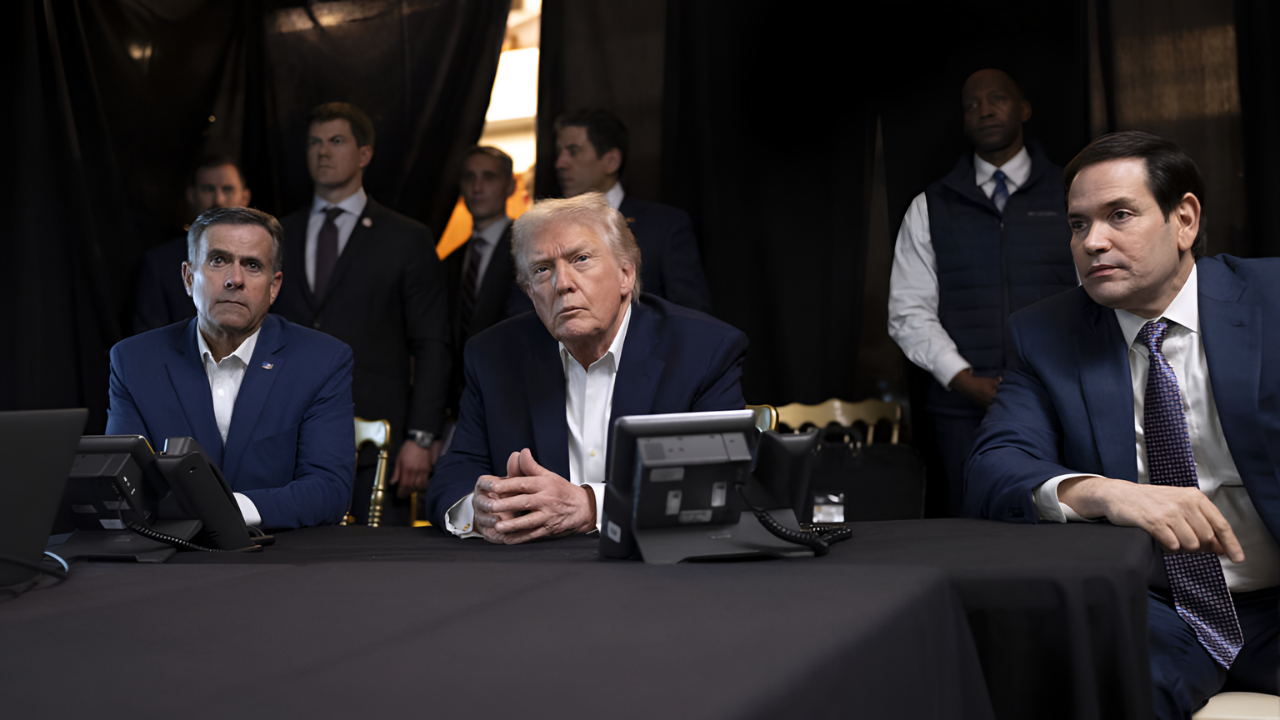
Just after 2 a.m. in Caracas, explosions cut through the night as aircraft roared overhead and power failed in several districts. Venezuelan military installations, including the key Fuerte Tiuna complex, came under rapid attack while U.S. helicopters flew low along the coast. By 3:20 a.m., Venezuelan leader Nicolás Maduro was in U.S. custody and airborne, the central figure in what American officials described as the largest U.S. military operation in Latin America in decades.
Stakes Skyrocket
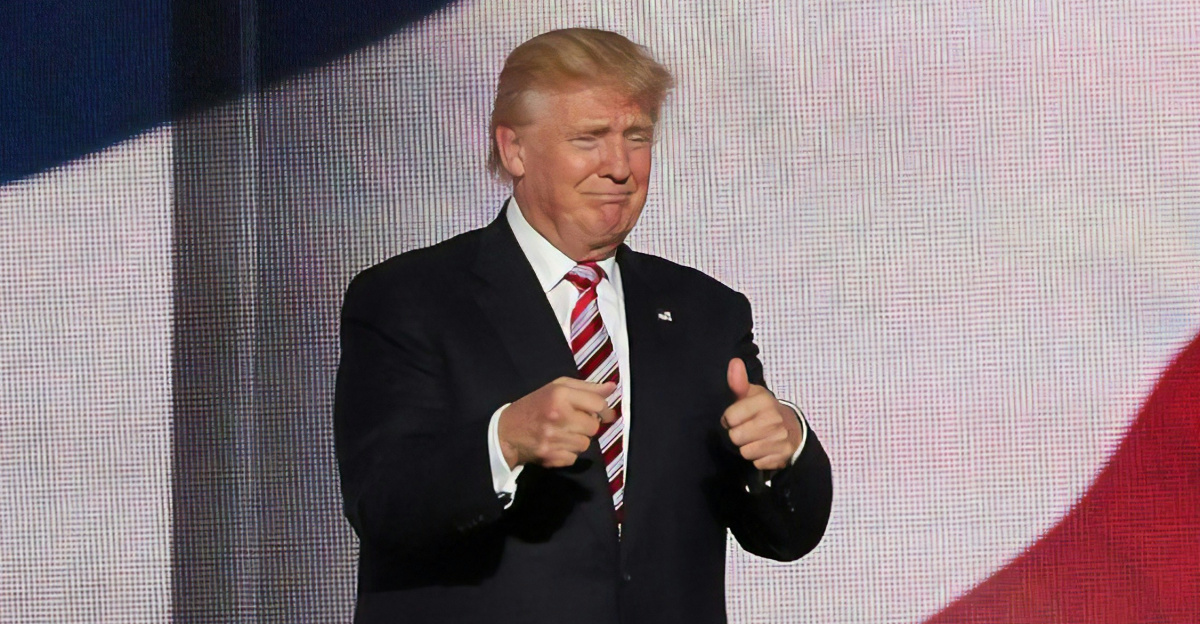
Within hours, President Donald Trump presented the strikes as a decisive move against narcotics trafficking and regional instability, accusing Venezuela’s leadership of facilitating cocaine shipments into the United States and asserting the mission would change the country’s trajectory. The scale of the operation and its stated goals immediately raised broader questions in foreign capitals: was Washington targeting a criminal network, or using military force to reconfigure a nation’s political future?
The raid came after years of Venezuela’s economic and political unraveling under Maduro. Hyperinflation wiped out household savings, infrastructure deteriorated, and an estimated 8 million people left the country. Oil output, once the backbone of national revenue, had fallen to about 860,000 barrels per day—less than a third of production a decade earlier. Corruption allegations, crackdowns on dissent, and disputed elections left Caracas increasingly isolated and under growing international sanctions.
Operation and Capture
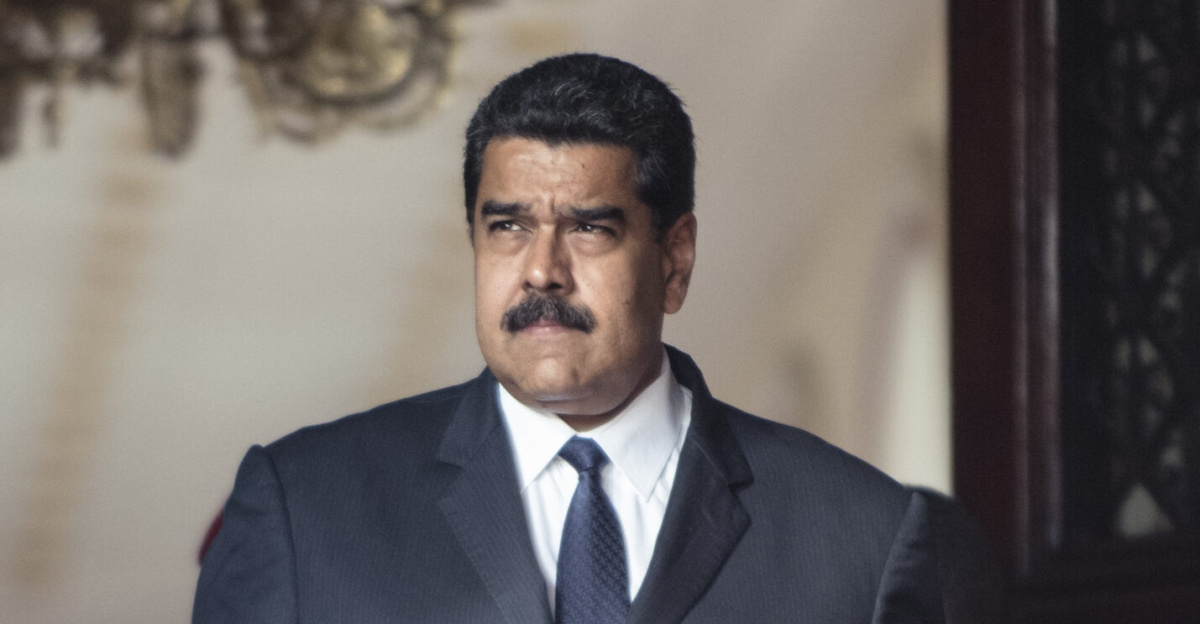
By 2024 and 2025, external and internal pressures converged. The United States and several allies refused to recognize Maduro after the contested 2024 vote, tightening sanctions while U.S. prosecutors pursued long-running narcotics and weapons cases against senior Venezuelan officials. Washington publicly described the government as a criminal organization tied to cocaine trafficking, establishing a legal foundation for more forceful steps.
The pivotal moment came with “Operation Absolute Resolve,” a predawn mission in Caracas carried out by U.S. Delta Force operators backed by extensive air and intelligence support and authorized by Trump late Thursday. According to U.S. accounts, Maduro surrendered with his wife, Cilia Flores, before being flown out of the country by helicopter. He now faces U.S. charges that include narco-terrorism, cocaine importation, and weapons offenses. His capture also drew attention to a $50 million U.S. reward announced last August; officials have not said whether that bounty will be paid.
Maduro was transferred to the Metropolitan Detention Center in Brooklyn, New York, and is expected to stand trial in federal court in Manhattan. Both Maduro and Flores have entered not guilty pleas. U.S. authorities stress that he is being handled as a criminal defendant rather than a wartime detainee, underscoring their argument that the mission was an enforcement action rather than an occupation.
Power Vacuum and Political Shock
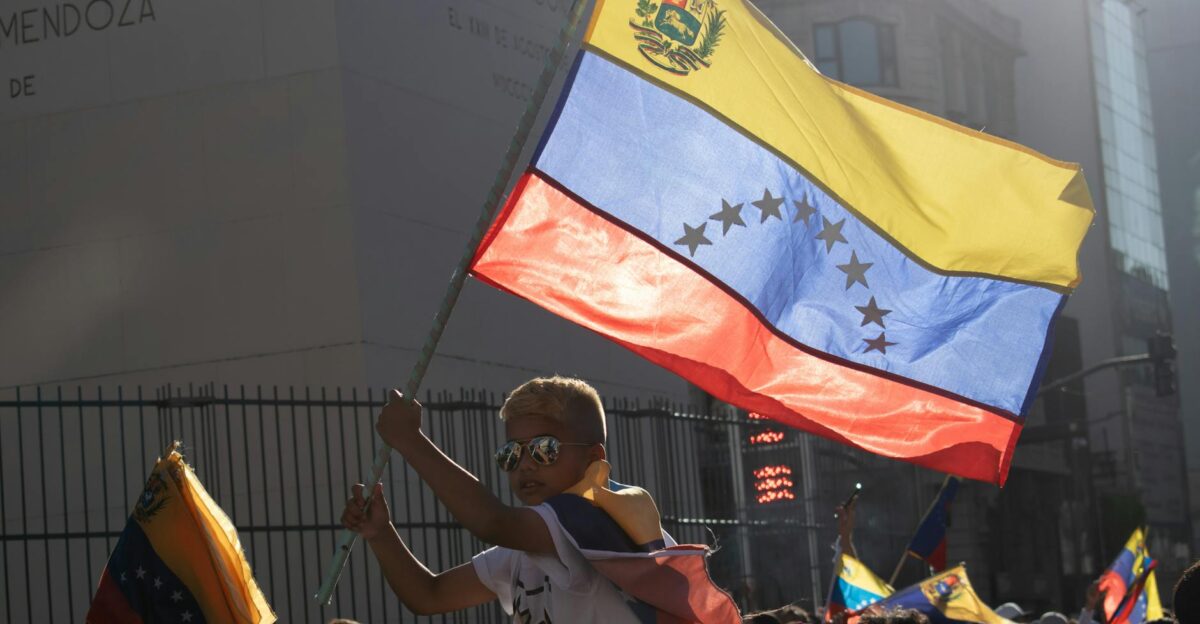
Inside Venezuela, Maduro’s removal set off immediate political upheaval. Vice President Delcy Rodríguez was sworn in as acting president and denounced the operation as an unlawful abduction and a breach of the U.N. Charter. At the same time, she has signaled limited willingness to engage with Washington in an effort to stave off deeper economic collapse and maintain basic services for a population already strained by years of crisis.
Opposition figure María Corina Machado welcomed Maduro’s capture but remains without formal power. Trump has questioned her level of popular support, fueling uncertainty over whether the United States will back existing opposition structures or look for alternative partners in any transition. For roughly 30 million people still in Venezuela, and about 8 million abroad, the central questions now revolve around security, access to essentials, and whether any new political arrangement can deliver stability.
The operation also resonated in the United States. Demonstrators gathered outside the Manhattan courthouse with signs such as “No War for Venezuelan Oil” and “U.S.A. Hands Off Venezuela,” reflecting sharp divisions over whether the mission constituted overdue criminal accountability or overreach abroad. In Congress, House Speaker Mike Johnson praised the raid as lawful and argued that U.S. forces were not occupying Venezuelan territory. House Minority Leader Hakeem Jeffries characterized it as an unauthorized military action, insisting that Venezuela’s political future should be set by its own citizens. The disagreement has intensified debate over presidential war powers and how far counter-narcotics justifications can extend.
Oil, Global Powers, and Legal Tests
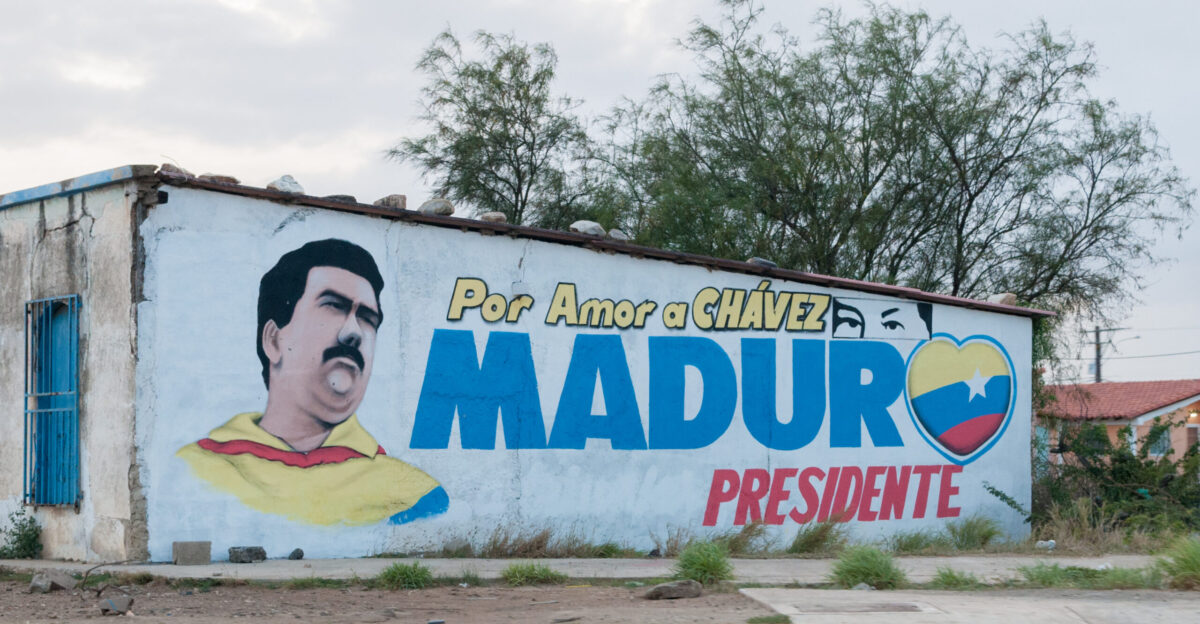
Beyond Venezuela’s borders, attention quickly shifted to energy and geopolitics. With an estimated 303.2 billion barrels of proven reserves—about 17 percent of the global total—Venezuela holds the world’s largest known oil deposits. Analysts say Maduro’s removal instantly put those reserves “in play,” with potential to redirect crude flows, alter OPEC+ dynamics, and trim Russian leverage in global markets. Trump has openly discussed using oil as a tool, mentioning options such as an “oil quarantine” and U.S. assistance to rebuild Venezuela’s energy sector, although experts say reviving production would require tens of billions of dollars and years of investment.
Russia, China, Iran, and Cuba all condemned the strikes and are assessing the fallout. Russian businessman Oleg Deripaska warned that expanded U.S. influence over Venezuelan fields could affect pricing power across more than half the world’s oil reserves and cap prices around $50 per barrel. China, which sources a modest share of its crude from Venezuela but has invested heavily there, criticized the raid and voiced concern about the precedent of seizing a foreign leader by force. Cuba reported that 32 of its officers were killed during the operation and faces potential disruption to the roughly 35,000 barrels of oil per day it receives from Venezuela, a lifeline for its already fragile power grid.
At the United Nations, Special Rapporteur Ben Saul described the strike as clearly prohibited under the U.N. Charter because it violated Venezuelan sovereignty. The Security Council convened in emergency session as Cuba, China, and others condemned Washington’s actions, while U.S. allies and critics debated whether Maduro’s contested legitimacy and alleged criminal conduct justified exceptional measures. Environmental advocates added another layer of concern, noting that Venezuela’s extra-heavy crude ranks among the most climate-intensive globally, with methane emissions and chronic leaks raising the environmental cost of any large-scale production increase.
Maduro’s prosecution in U.S. courts is now poised to test significant legal boundaries. The charges carry potential life sentences, and Washington’s refusal to recognize him as Venezuela’s lawful president weakens claims to head-of-state immunity. Legal scholars are examining how U.S. judges will handle extraterritorial jurisdiction, the use of force to apprehend a foreign leader, and the scope of executive authority without explicit congressional authorization.
As Trump asserts that the United States is “in charge” of Venezuela for the moment and envisions a period of external oversight followed by elections—without providing a detailed timetable—questions grow over who will shape the country’s next government and how its vast oil wealth will be managed. Supporters of the operation argue it demonstrates that powerful leaders can be held to account for drug and weapons offenses. Critics say it opens the door to unilateral interventions against embattled governments atop major resource deposits. With court proceedings, U.N. deliberations, and energy talks now converging, Venezuela’s trajectory sits at the intersection of criminal justice, shifting global power, and an energy system under climate pressure.
Sources:
The New York Times – “What We Know About Maduro’s Capture and the Fallout” – January 3, 2026
The New York Times – “Inside ‘Operation Absolute Resolve,’ the U.S. Effort to Capture Maduro” – January 3, 2026
BBC News – “World leaders react to US attack on Venezuela” – January 3, 2026
BBC News – “Thirty-two Cubans killed during US attack on Venezuela” – January 5, 2026
Al Jazeera – “Delcy Rodriguez sworn in as Venezuela’s president after Maduro abduction” – January 5, 2026
CBS News – “U.S. lawmakers react after Trump announces Venezuela strikes” – January 3, 2026