
On October 14, 2025, over 31,000 healthcare workers, including nurses and allied health professionals, initiated a historic mass walkout across three states: California, Hawaii, and Oregon. This strike, organized by the United Nurses Associations of California/Union of Health Care Professionals (UNAC/UHCP), impacted operations at more than 500 healthcare facilities, marking the most significant labor action in the union’s 50-year history.
This unprecedented move has captured national attention, highlighting long-standing issues in the healthcare sector, including wage stagnation and staffing shortages. The scale of this strike underscores the growing frustration of frontline workers amidst ongoing economic challenges.
Stakes Rise
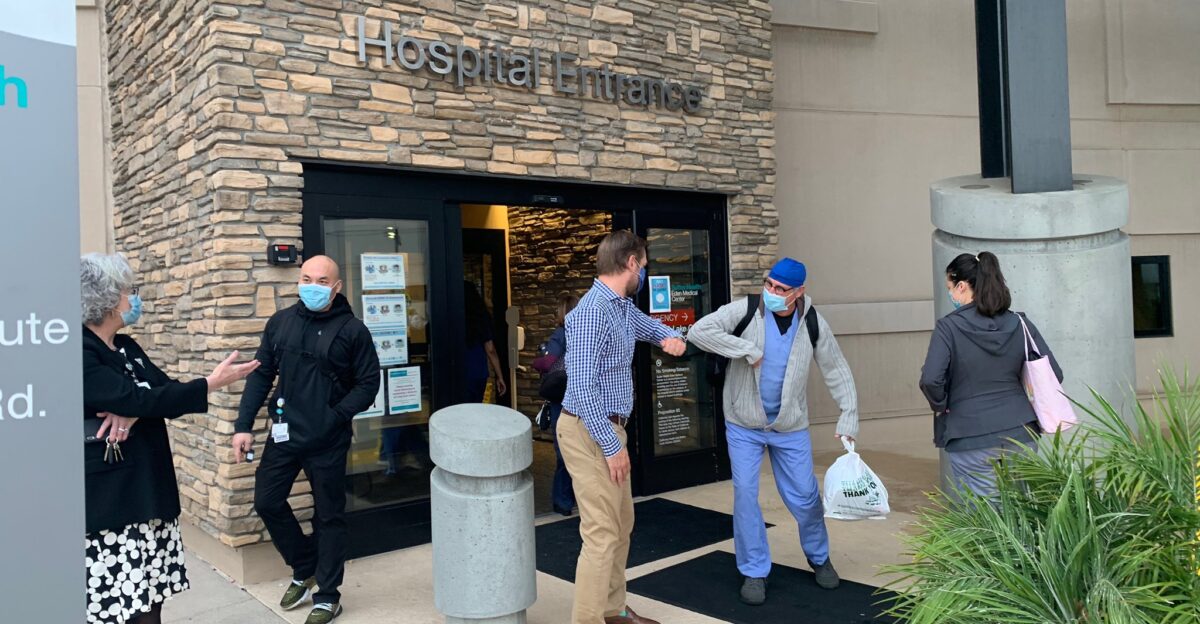
As the walkout continues, patients and healthcare administrators in California, Hawaii, and Oregon are bracing for significant disruptions. Many facilities will face reduced healthcare services during the five-day strike, impacting essential operations ranging from elective surgeries to outpatient care. Reports indicate an increased risk for patients who rely on non-emergency services, which have been curtailed significantly.
Administrators at major hospitals now contend with difficult decisions about resource allocation, and many patients have experienced postponements or cancellations of vital services. The local healthcare landscape is shifting rapidly as the situation unfolds, putting immense pressure on communities across these states.
Kaiser’s Legacy

Kaiser Permanente, established in 1945, is one of America’s largest nonprofit health plans, serving over 12.6 million members from its headquarters in Oakland, California. With a network of 600 medical offices and 40 hospitals, Kaiser has developed a significant presence in the Western United States.
Despite its extensive resources, the recent labor actions reflect discontent among workers regarding staffing levels and wages, suggesting a disconnect between management policies and employee needs. As Kaiser navigates this strike, the organization’s legacy in providing healthcare will face scrutiny from both the public and industry experts alike.
Slow-Burning Pressures

Union leaders have attributed the strike to years of stagnant wages and chronic understaffing within Kaiser Permanente. Since 2021, frontline workers have reported that their pay has increased by only 10%, while inflation during the same period surged by 18%.
This growing economic disparity has fostered widespread dissatisfaction among healthcare workers, who feel their concerns about compensation and workload have gone unanswered. The call for better wages and adequate staffing has become a rallying point for the striking workers, who emphasize the need for urgent reforms to address these pressing issues within the healthcare system.
A Five-Day Strike

On October 14, 2025, over 31,000 Kaiser Permanente employees, part of the UNAC/UHCP, initiated a five-day strike that has impacted more than 500 hospital locations across California, Hawaii, and Oregon. This mass walkout represents the culmination of frustrations surrounding pay, staffing, and working conditions.
Striking workers are demanding fair compensation, adequate staffing levels, and improved working conditions, emphasizing that their actions stem from both personal and collective grievances regarding patient care and safety. The ripple effects of this strike will likely shape healthcare labor relations for the foreseeable future.
Regional Disruption

The walkout has significantly disrupted operations at major medical centers in cities like Los Angeles, San Diego, San Francisco, Portland, and Honolulu. Many local clinics, urgent care facilities, and outpatient centers reported substantial delays in services.
The impacts of this disruption extend beyond just the striking workers, affecting a vast array of patients who depend on timely medical care. As healthcare providers scramble to manage the fallout, concerns about patient health and safety take center stage, posing real risks to those requiring immediate or routine medical attention.
Human Toll
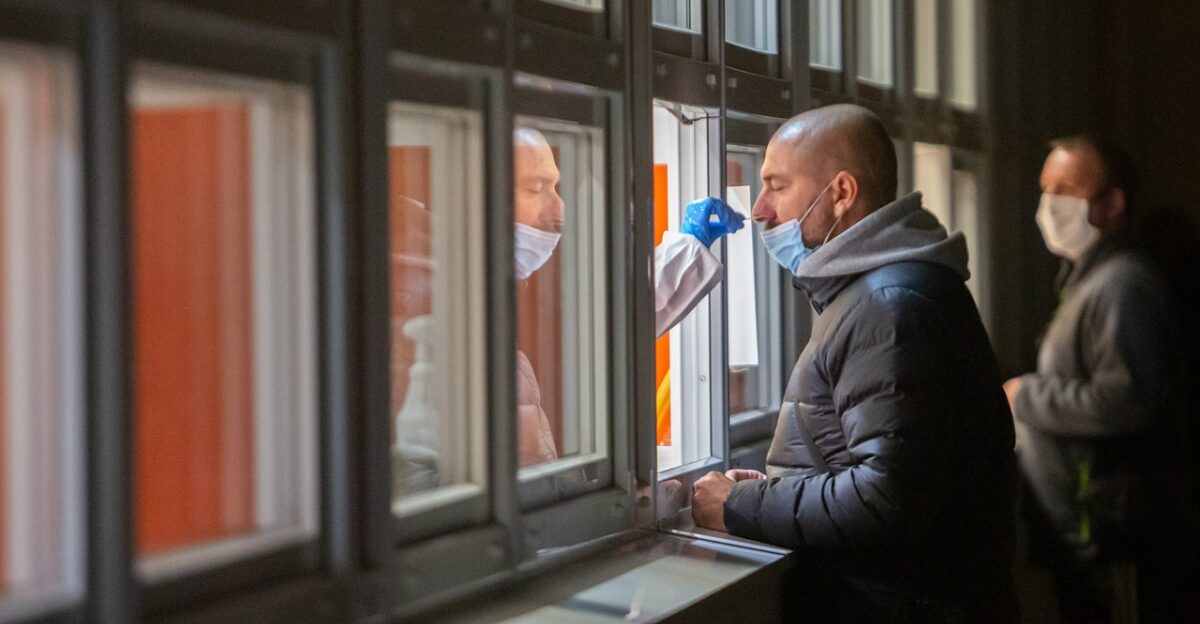
The human toll of this labor action is felt deeply by those on the frontlines. Nicole Wooten, an RN at Kaiser Riverside, shares the emotional burden: “Nurses go home drained, we have too many patients and not enough staff… You see faces you wish you could have helped more.” This sobering perspective highlights the burnout and stress that healthcare workers endure daily.
Striking workers are motivated not only by their economic concerns but also by a commitment to patient safety and quality care. Their voices highlight the significant challenges within the healthcare industry, underscoring a pressing need for change.
Competitors Respond

With Kaiser Permanente’s workforce on strike, regional competitors such as Sutter Health and Dignity Health are observing an increase in patient demand. Many are adjusting their staffing levels to accommodate the influx of patients seeking care during the strike.
Regulators are also closely monitoring Kaiser’s reliance on temporary staffing solutions to ensure quality standards remain intact. This shift in patient volume exposes the vulnerabilities within Kaiser’s operational structure and raises questions about the system’s ability to maintain care quality under pressure.
Industry Trends
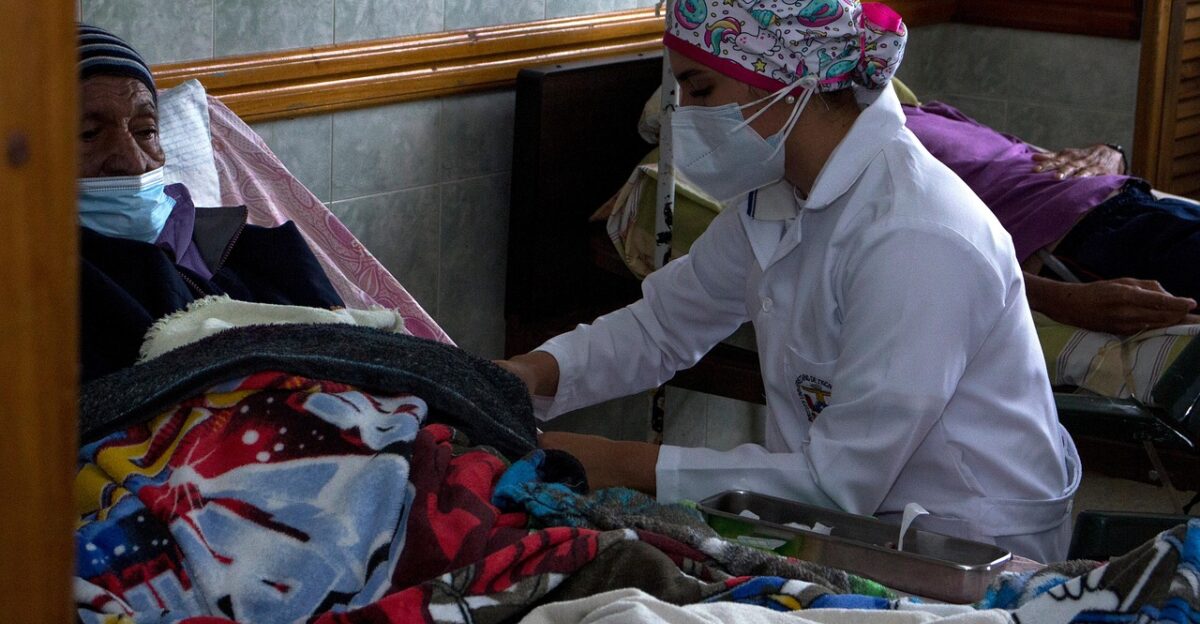
Kaiser Permanente’s walkout is emblematic of a broader trend in the healthcare sector amidst rising costs and staff shortages. Over the past year, similar labor actions have taken place across various healthcare systems, driven by workers’ frustrations over low wages, burnout, and unsafe staffing conditions.
As workers claim their rightful say in labor relations, the increasing frequency of strikes may foreshadow a pivotal shift in how healthcare organizations operate during a time of intense scrutiny. This evolving landscape has far-reaching implications for both healthcare policy and labor relations across the nation.
Staffing Crisis

In an effort to maintain operations during the strike, Kaiser Permanente has deployed approximately 7,600 temporary workers and engaged 1,000 volunteers to fill the gaps. Some appointments have been converted to virtual care to mitigate the impact on patient access.
However, union leaders argue that these contingency plans do not effectively address the “deep staffing shortfall” that has led to the current labor dispute. This situation raises important questions about the organization’s long-term strategy for addressing operational challenges and meeting the needs of both patients and staff.
Voices of Frustration

The sentiments from union leaders are clear: they accuse Kaiser of neglecting worker concerns regarding job security and the pervasive burnout felt among staff. Repeated efforts to negotiate with management have allegedly fallen short, leading to accusations that the company prioritizes “corporate flexibility” over worker well-being.
Kaiser has branded the strike as “disruptive and unnecessary,” adding tension to an already contentious negotiation landscape. The disconnect between workers’ experiences and management responses continues to fuel the demands for change.
Leadership Clash

As tensions mount, UNAC/UHCP President Jette Nygaard has publicly criticized Kaiser’s leadership for failing to take decisive actions toward job safety and adequate staffing. She emphasizes the need for enforceable nurse-to-patient ratios, asserting that existing standards are insufficient.
In stark contrast, Kaiser executives argue that current staffing protocols comply with the state’s regulatory requirements. This ongoing standoff highlights a critical clash between union demands and management’s operational philosophies, making resolution increasingly complex as both sides stand firm in their positions.
Comeback Strategy

In response to the ongoing strike and escalating demands, Kaiser Permanente has proposed a substantial 21.5% wage increase over the next four years. The organization claims this investment is aimed at maintaining emergency and urgent care services while simultaneously cutting internal costs to fund payroll increases.
Negotiations continue as both parties strive to find common ground amid rising tensions and concerns about patient care. Whether this comeback strategy will yield a sustainable resolution remains to be seen, with workers advocating for more immediate and impactful changes.
Skeptical Voices
Despite the wage increase proposal, experts remain skeptical about its potential to resolve the systemic issues plaguing Kaiser Permanente and the broader healthcare sector. Analysts caution that such short-term fixes may fail to address the root causes of staff turnover and burnout, which continue to escalate amid rising healthcare costs.
Many warn that if underlying problems are not addressed, the industry could face even greater challenges in maintaining a stable and effective healthcare workforce. The urgency for comprehensive reforms grows stronger as these voices resonate within the ongoing discussions.
What’s Next?

As the negotiations unfold, anticipation grows regarding the potential expansion of the walkout, which could include up to 46,000 additional workers should no resolution be reached. The ongoing mediation efforts may significantly influence contract terms and overall labor relations in the healthcare realm.
Both workers and management must weigh the short-term consequences against long-term implications as they navigate this high-stakes environment. The future of healthcare labor relations may hinge on the outcomes of these critical discussions, making it imperative that all parties remain engaged.
Political Ripples

In the wake of the strike, lawmakers in California and Oregon are advocating for strengthened regulations to ensure minimum staffing levels and enhanced labor protections. The events surrounding the walkout have sparked renewed conversations about healthcare policy and worker rights, raising the possibility of future legislative actions directly tied to the fallout from the strike.
These political ripples reflect a growing awareness of the need for systemic change within the healthcare industry, as stakeholders increasingly recognize the importance of addressing both patient care and worker welfare.
International Lens

The U.S. healthcare landscape is being watched closely by global observers amid this significant labor action. Strikes and labor movements are not confined to specific regions; they reflect a broader trend of workers asserting their rights in the healthcare sector worldwide.
As international healthcare systems face similar challenges, such as staff shortages, wage disputes, and patient safety concerns, the ongoing developments in the U.S. may influence labor policies and healthcare reforms worldwide. The solidarity shown by healthcare workers can serve as a model for advocacy in other countries facing comparable issues.
The Human Experience

At the heart of this story are the human experiences of the healthcare workers who continue to stand up for their rights, as well as the patients who depend on their care. The emotional stories of those affected paint a poignant picture of the struggles faced in a strained healthcare system.
These real-life narratives challenge us to consider the implications of workforce conditions on patient care and overall public health. As the strike unfolds, the intersection of personal sacrifice and public welfare becomes increasingly apparent, highlighting a deep need for meaningful change within the healthcare industry.
Call to Action
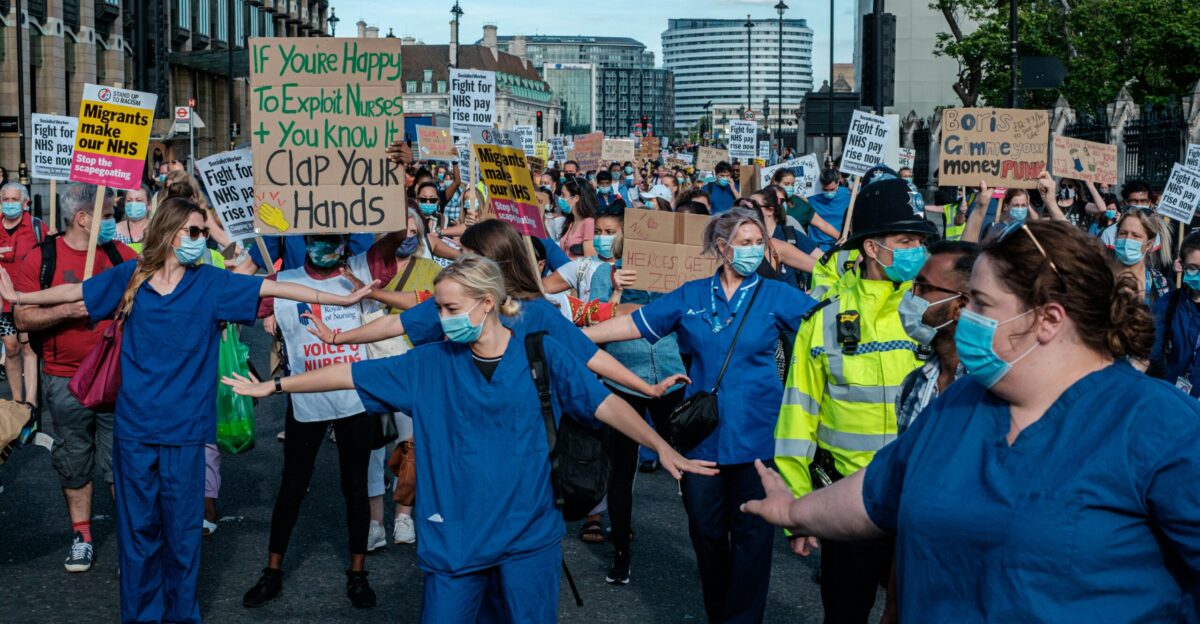
As communities and policymakers observe the ramifications of this mass walkout, there is a growing call to action for systemic reforms in healthcare. Advocates are emphasizing the need for sustainable solutions that prioritize the well-being of both healthcare workers and patients.
This moment in labor relations signifies an opportunity to reconsider how healthcare is structured and delivered in the U.S., ultimately aiming for a system that is both equitable and efficient. It becomes imperative that all stakeholders engage in these discussions to pave the way for future improvements that can benefit everyone involved.
Final Thoughts
The ongoing strike at Kaiser Permanente serves as a critical juncture in the conversation surrounding labor rights, healthcare delivery, and patient safety. As negotiations progress and the implications of this labor action unfold, both healthcare systems and communities must reflect on the lessons learned from this experience.
The very fabric of healthcare relies not only on the systems in place but also on the people who dedicate their lives to caring for others. The challenges ahead beckon for innovative and compassionate solutions, demanding attention from all levels of society, from healthcare leaders to everyday citizens.