
A cornerstone of the U.S. Postal Service’s contractor network has collapsed at a moment when mail delivery demands are reaching their peak. On December 1, 2025, 10 Roads Express announced it would shut down entirely by January 30, 2026, a move that will remove 2,462 trucks from service and leave roughly 2,000 workers jobless.
The company stated: “This has resulted in a 70% loss of revenue for 10 Roads so far, with all indications that this trend will continue.” The shutdown exposes deep vulnerabilities in a contracting system once seen as stable.
A Contractor with Nearly 80 Years of History
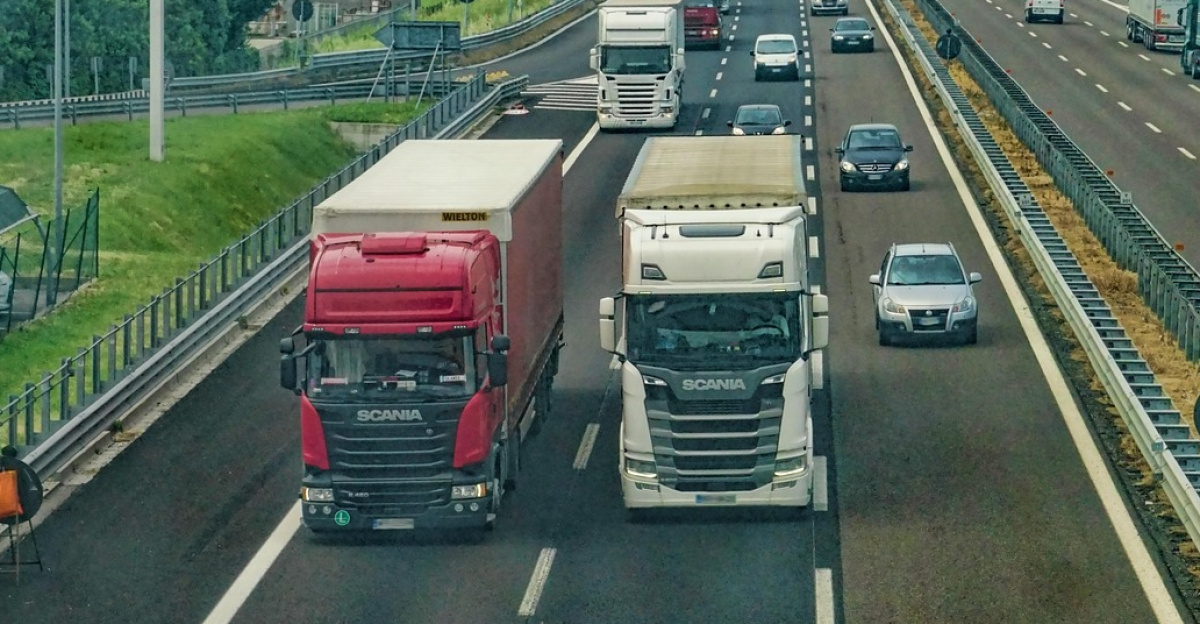
10 Roads Express had long been one of the Postal Service’s most critical transportation partners. Founded in 1946, the company evolved into a national carrier operating across 36 terminals in 47 states and became the 47th-largest trucking company in the country, according to the CCJ Top 250 rankings. For nearly 50 years, its fleet supported USPS linehaul and regional operations.
Yet its long track record offered no shield once the Postal Service began shifting direction. As USPS realigned its transportation strategy, 10 Roads found itself increasingly sidelined. Even as it maintained thousands of drivers and trucks, the carrier’s dependence on government contracts left it vulnerable to rapid restructuring. That vulnerability became clear when USPS initiated sweeping operational changes that fundamentally upended the economics of 10 Roads’ business model.
USPS Policy Shift Triggered the Decline
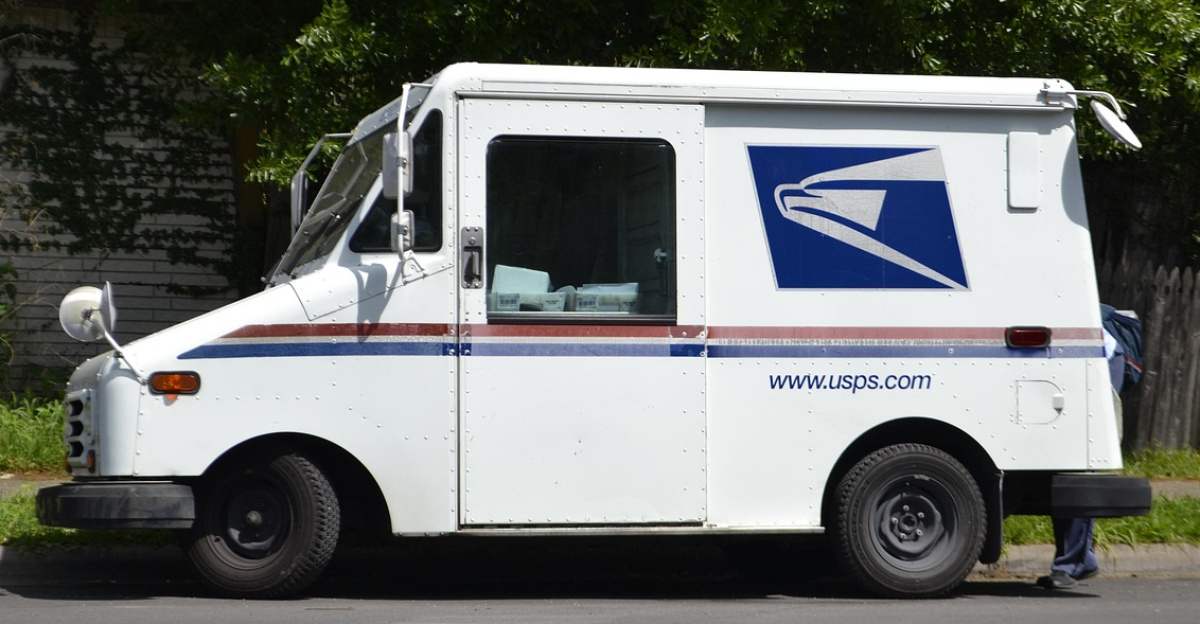
The turning point came in 2021 when USPS launched Delivering for America, a 10-year modernization plan designed to bring more transportation roles in-house. The creation of Postal Vehicle Operator positions, which did not require commercial licenses, signaled a significant transformation in how mail would move across the country. This shift began modestly before intensifying throughout 2024 and 2025.
USPS also expanded its use of brokers while aggressively insourcing linehaul work. For established contractors like 10 Roads, this represented a structural break from long-standing norms. The company revealed the scale of the damage in its public statement, noting a 70 percent revenue loss over a 24-month period. With revenue collapsing, the company’s fixed costs and terminal network became unsustainable, leaving little room to recover through internal restructuring.
Revenue Collapse and Intensifying Market Pressure
By December 2025, 10 Roads faced structural insolvency. According to Federal Motor Carrier Safety Administration data, the company had 2,606 drivers operating 2,462 trucks as of October 21, 2025. With shrinking postal assignments, the company acknowledged it was “unable to reduce its platform enough to make continued operations sensible.” Attempts to right-size the fleet could not offset the sharp decline in USPS volume.
Outside factors made the crisis worse. The U.S. trucking industry had endured 13 consecutive quarters of soft demand since March 2022. Shippers increasingly shifted freight to rail for cost savings, deepening the slowdown. In the third quarter of 2025 alone, 21 trucking companies filed for bankruptcy, marking the highest monthly total since the start of the second quarter of 2025. These market conditions left 10 Roads with few viable escape routes.
Labor Strains and Community Fallout
Labor conflict compounded the company’s challenges. In February 2025, more than 500 Teamster drivers went on strike across eight states during an ongoing unionization campaign that began in 2023. This disruption occurred during a critical period when the company was attempting to control costs and stabilize operations amid losses from the USPS contract.
The shutdown now leaves approximately 2,000 workers without jobs. At the Tampa terminal alone, 84 employees will face layoffs starting January 30, 2026, according to a WARN letter filed with the Florida Department of Commerce. Non-unionized employees have no bumping rights or structured protections. Unionized workers retain collective bargaining safeguards through closure, but all employees will be affected. The economic ripple may affect 6,000 to 10,000 additional people, with total lost wages estimated at between $80 million and $120 million annually.
Disruption to Mail Delivery and Future Contracting
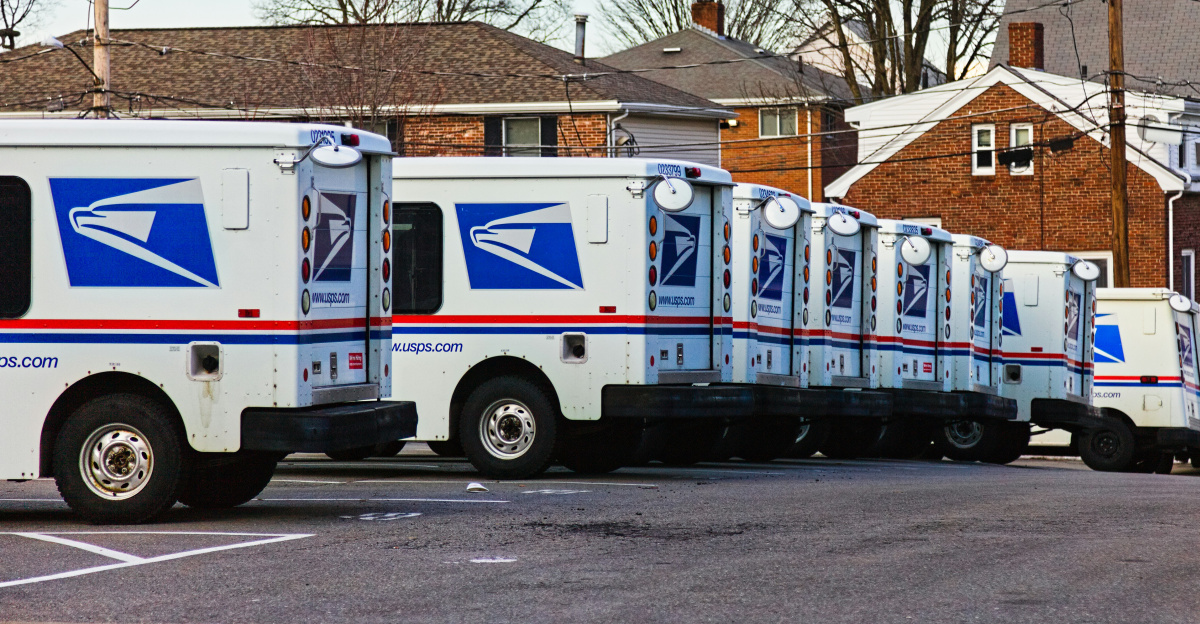
The removal of 2,462 trucks creates significant strain for USPS during the busiest mailing season. Although USPS stated that 10 Roads would continue providing reliable service until January 30, 2026, the 60-day transition window leaves limited time to replace critical capacity. To fill the gap, the agency may need to accelerate internal hiring or increase its reliance on brokers, which typically carry higher commission costs.
This moment highlights a more profound transformation of the national delivery network. Under Delivering for America, USPS appears positioned to continue reducing its dependence on external contractors. The changes signal a long-term shift toward a more centralized, publicly controlled logistics framework. For longtime shipping partners, this marks a turning point in how transportation outsourcing will operate in the years ahead.
A Cautionary Conclusion

The collapse of 10 Roads Express is a stark reminder of how quickly policy decisions can reshape entire sectors. A company that endured nearly 80 years of economic cycles, recessions, and market volatility ultimately could not withstand rapid strategic realignment by its largest customer. The result is a restructuring that affects livelihoods, families, and regional economies connected to the company’s operations.
For the approximately 2,000 workers now navigating unemployment and for communities reliant on their wages, the closure underscores the fragility of contractor-dependent systems. As USPS accelerates its strategic transition, policymakers and local leaders face difficult questions about economic resilience and the future stability of America’s critical delivery infrastructure.
Sources:
Trucking Dive (industry trade publication – authoritative trucking industry reporting)
CCJ Digital (Commercial Carrier Journal – authoritative commercial trucking publication)
Business Observer Florida (regional business publication – WARN notice reporting)
Government Executive (federal workforce and policy reporting – USPS insourcing analysis)
U.S. Bankruptcy Court documents (official bankruptcy filings data for Q3 2025)
Federal Motor Carrier Safety Administration data (official federal fleet statistics)
Teamsters Union press releases (official labor organization statements on the February 2025 strike)
USPS “Delivering for America” plan documentation (official government strategic plan, 2021)