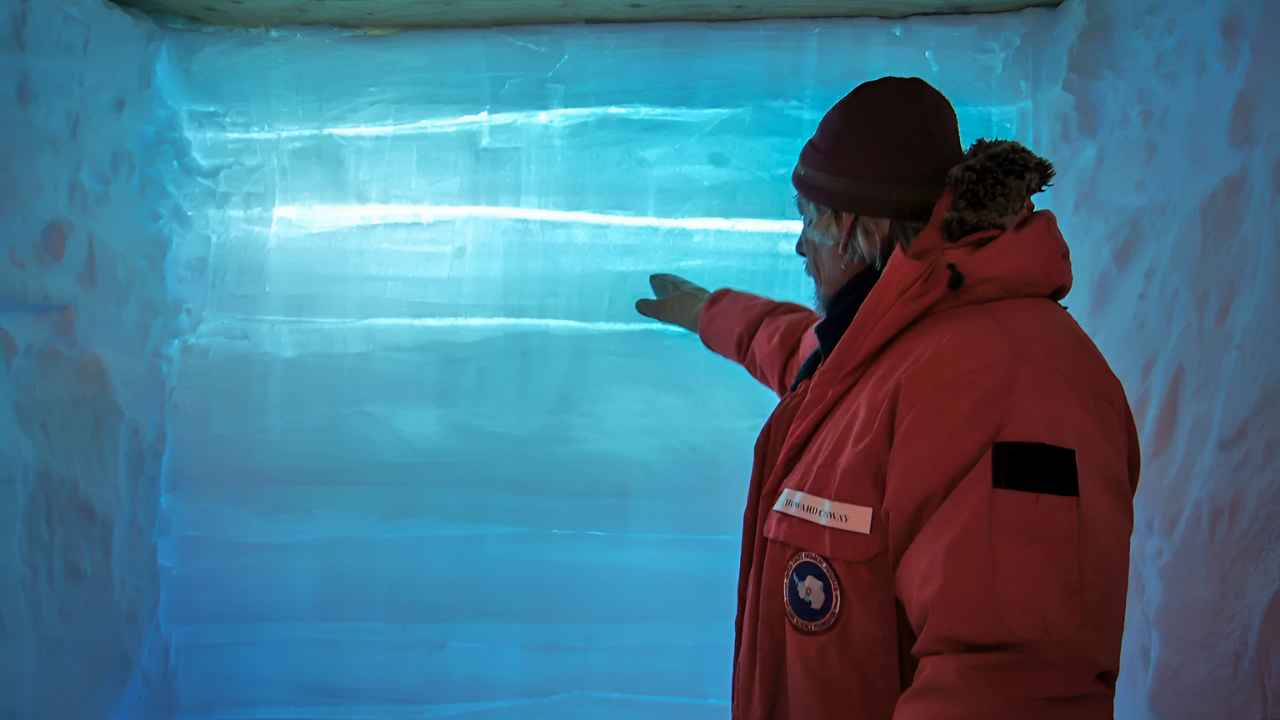
After more than 30 years of mystery, scientists have officially introduced Glacialisaurus hammeri, a massive dinosaur that slept under Antarctic ice for nearly 190 million years. The fossil, discovered deep in Mount Kirkpatrick near the Beardmore Glacier, lay trapped beneath layers of frozen rock before revealing its ancient secrets.
Now, with every uncovered bone, this six-ton relic reshapes what we thought we knew about life in Earth’s coldest regions. This discovery doesn’t just reopen a chapter of prehistory; it reminds us how life finds a way, even in places we once assumed were lifeless.
Naming the Antarctic Titan
The dinosaur’s name, Glacialisaurus hammeri, honors Dr. William Hammer, the paleontologist who led the Antarctic expeditions that first unearthed its bones in the early 1990s. Its scientific christening, recently published in Acta Palaeontologica Polonica, marks the end of a scientific journey that spanned three decades. Back then, Hammer’s team was confronted by brutal weather and endless ice, but they also found something extraordinary.
They found fossilized bones hinting that dinosaurs once roamed Antarctica. For years, researchers debated whether those fragments represented a known species or something entirely new. Now, modern technology and deeper comparisons have provided the answer, a new genus from a region few thought could support giant life.
Digging in the World’s Harshest Place
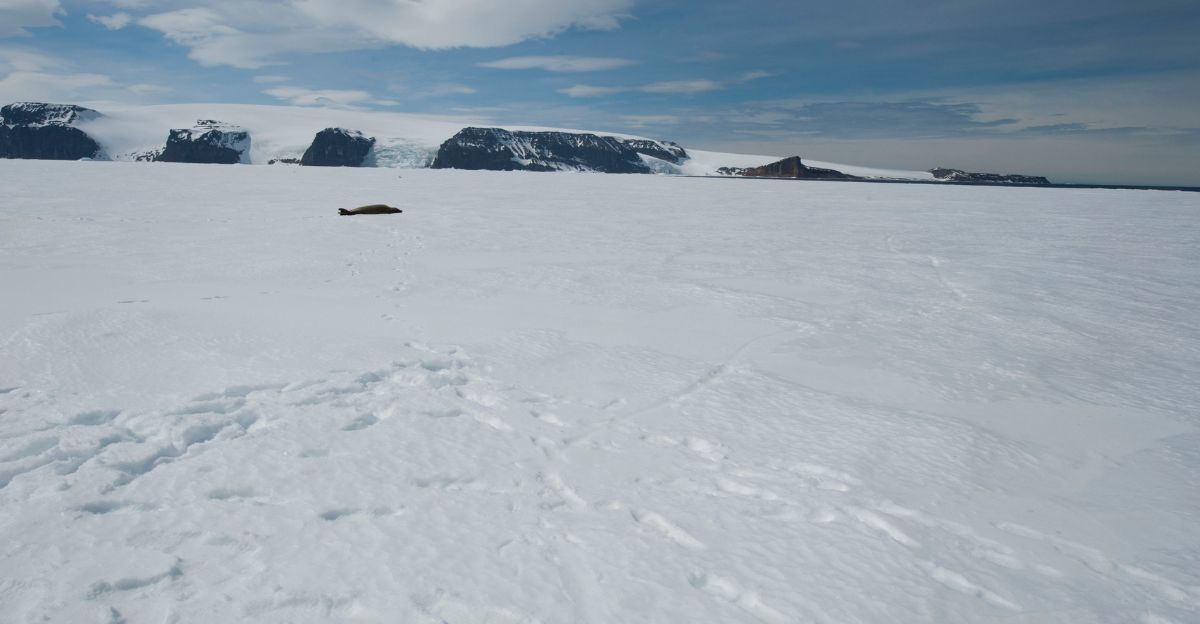
Reaching the fossil site was a feat in itself. The dig site sits more than 13,000 feet above sea level, higher than most ski resorts, and temperatures were relentlessly subzero. Over two Antarctic field seasons, researchers used jackhammers and rock saws to free the bones, often battling gale-force winds.
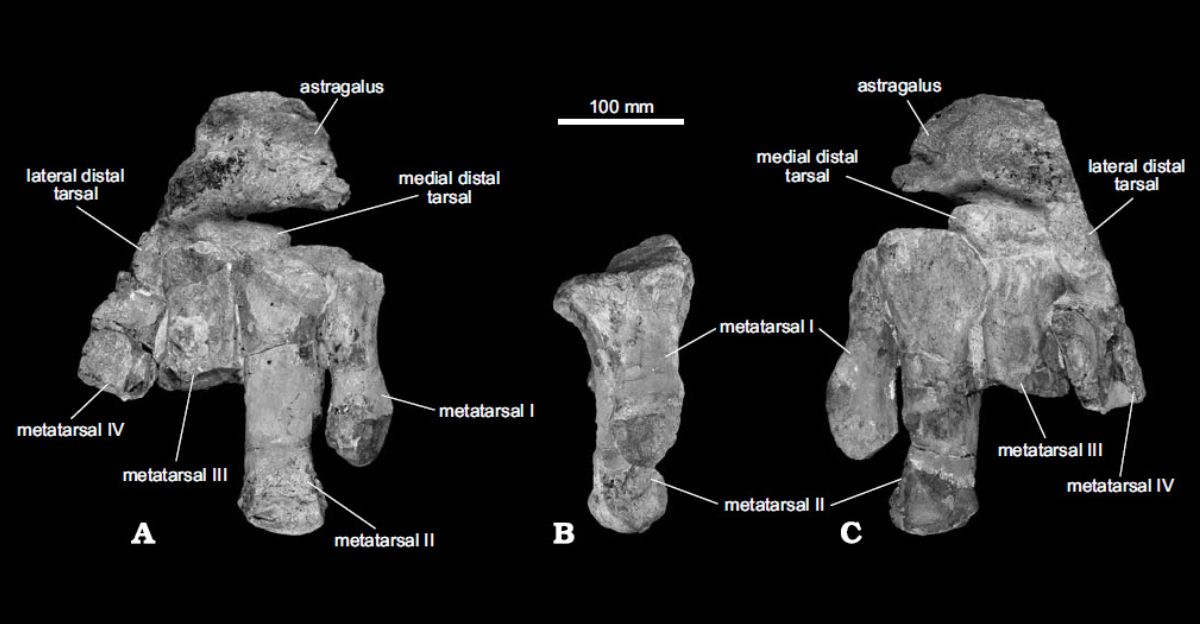
“Every piece of fossil was chipped out, centimeter by centimeter,” recalled Dr. Nathan Smith. The conditions were so punishing that even small tasks, like labeling a specimen or transporting it to camp, took hours. Yet that perseverance paid off as the team successfully recovered leg and ankle bones that revealed this dinosaur’s unique anatomy. Their effort remains one of the most demanding paleontological excavations ever attempted, a testament to scientific grit amid unforgiving nature.
A Creature From the Dawn of the Jurassic
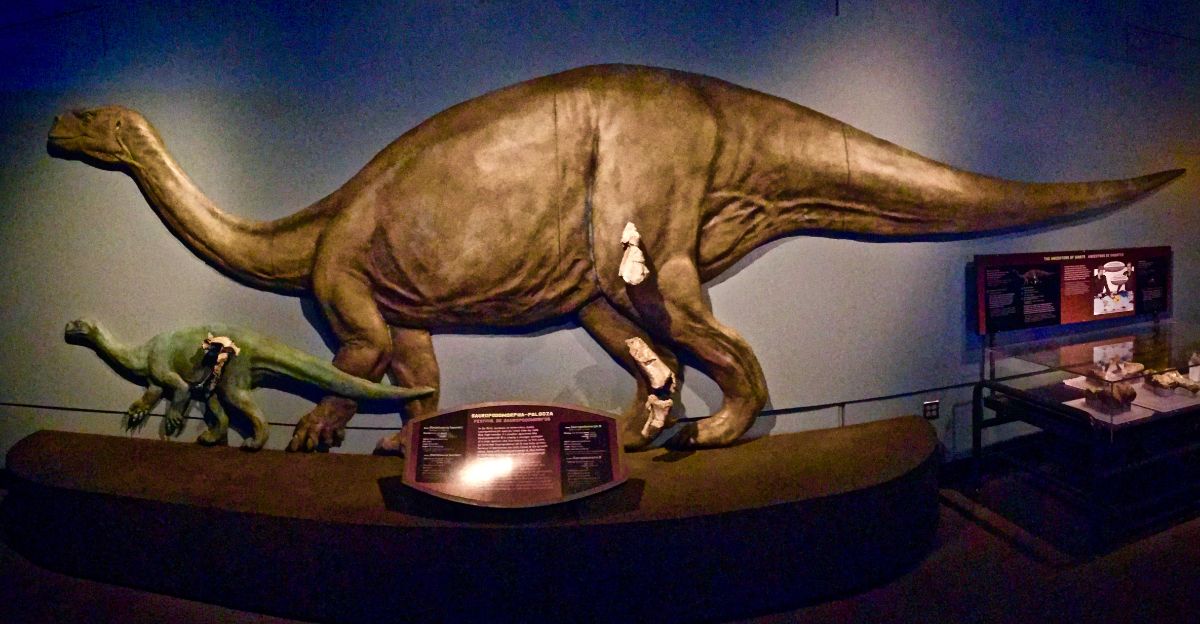
Dating back about 190 million years, Glacialisaurus hammeri lived during the Early Jurassic period. It belonged to the sauropodomorph group, the ancestors of the long-necked giants like Apatosaurus and Diplodocus that would later dominate the planet. Scientists estimate Glacialisaurus stretched roughly 23 feet and weighed around six tons, about the size of three SUVs.
Like its descendants, it likely fed on hardy plants that thrived in Antarctica’s then-temperate forests. “These early sauropodomorphs help us understand how small plant-eaters evolved into some of the biggest animals ever to walk the Earth,” said Dr. Paul Barrett of London’s Natural History Museum.
Three Decades to Recognition
Although the fossils were first uncovered in the early 1990s, they remained largely unstudied for years. The isolation of Antarctica and difficulties in shipping and comparing fragile bones slowed progress. For long stretches, the specimens sat in storage at the Field Museum, awaiting the right technology and expertise.
Only recently did advanced imaging and global collaboration make a formal description possible. “Sometimes, science is patient work,” said Dr. Roger Benson of the University of Oxford. “It can take decades to see the full picture.” Today, after meticulous analysis and review, the bones once buried in ice now have their rightful name.
A Rare Find From a Lonely Continent
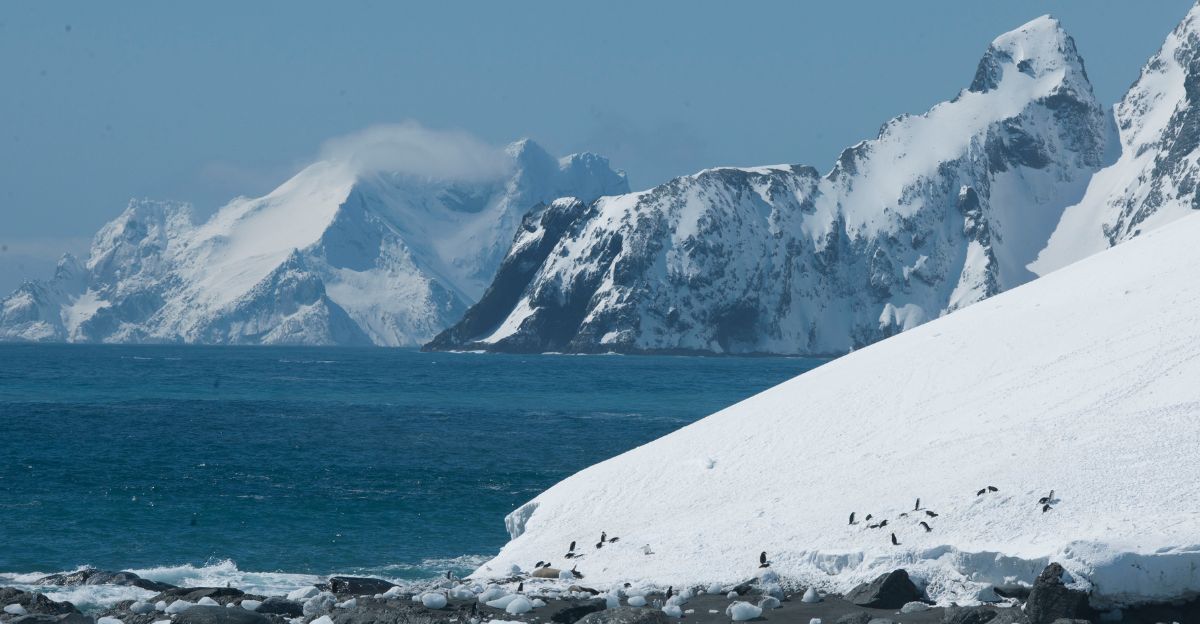
Discoveries like Glacialisaurus hammeri are exceptionally rare in Antarctica. To date, only a handful of dinosaur species have been found on the continent, mostly near the Transantarctic Mountains. The challenges are obvious: extreme cold, remote access, and thick ice cover make fieldwork nearly impossible for much of the year.
Yet each discovery offers invaluable insight into how ancient ecosystems flourished in places we now find uninhabitable. “Every fossil we recover from Antarctica rewrites what we thought we knew about early dinosaur distribution,” said Dr. Smith. The icy south may seem lifeless today, but beneath its frozen crust lies a hidden record of a thriving prehistoric world.
A Neighborhood of Fossils
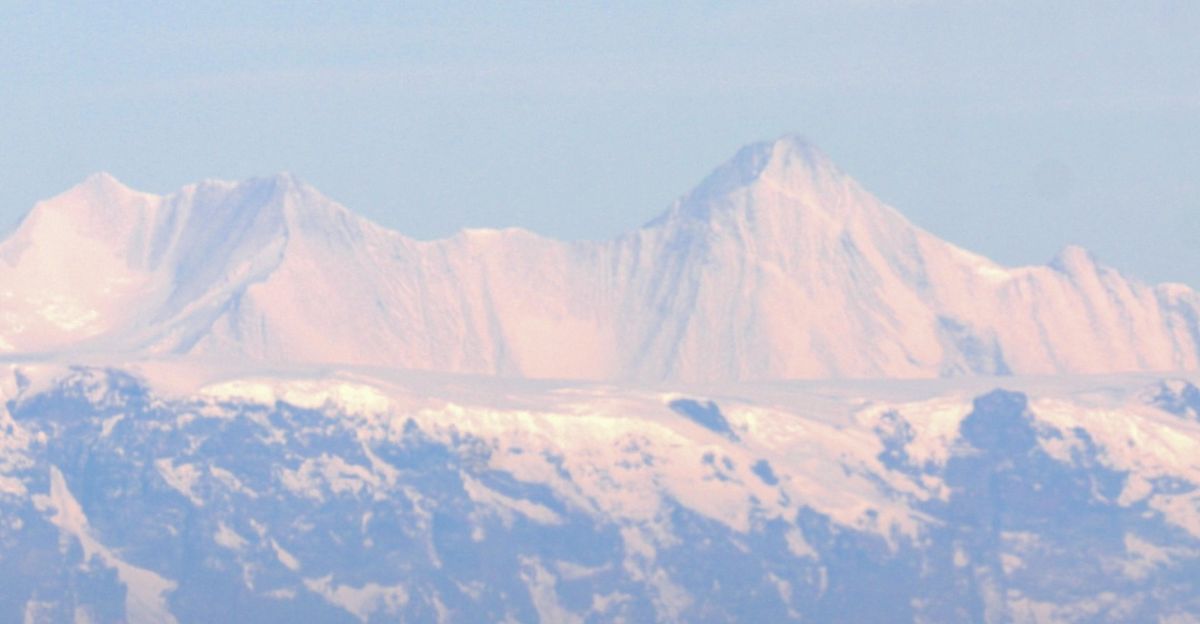
Mount Kirkpatrick has proven to be more than just a home for Glacialisaurus. The same rock layers have yielded bones from Cryolophosaurus ellioti, a meat-eating dinosaur known for its distinctive, crested skull as well as fragments of a flying reptile and even remnants of an early mammal relative. This surprising mix reveals that the area once supported a rich ecosystem of predators and herbivores.
“It’s like uncovering a Jurassic community buried in ice,” said Dr. Hammer. These fossils tell us that Antarctica was not an isolated wasteland, but a dynamic and diverse landscape teeming with wildlife millions of years before it froze over.
When Antarctica Was Green
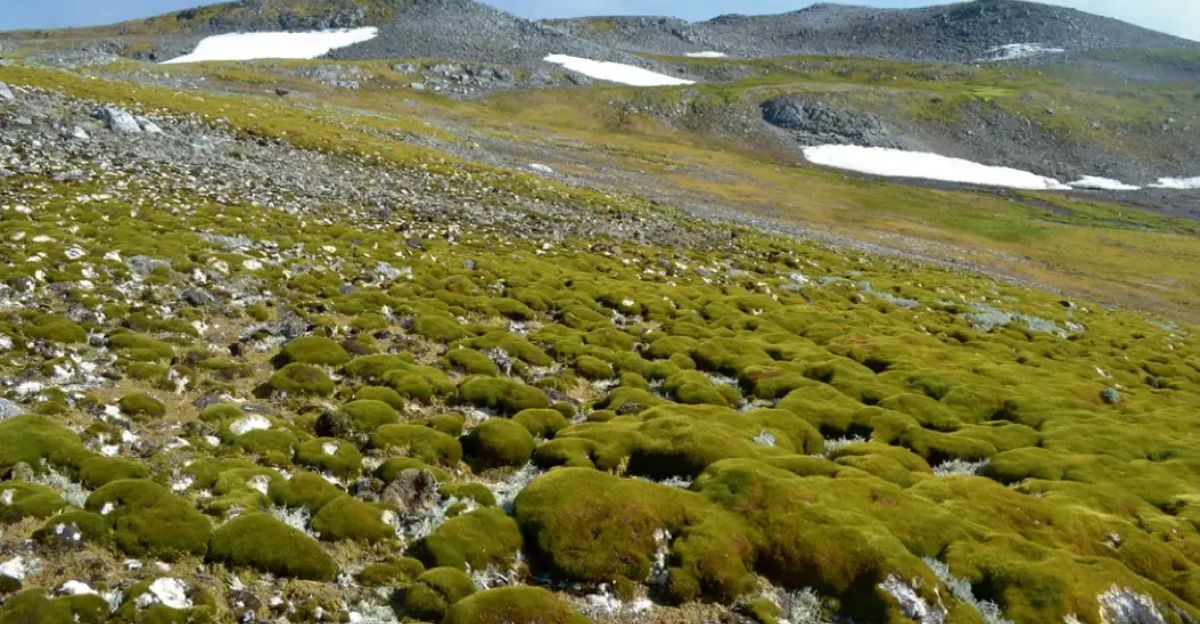
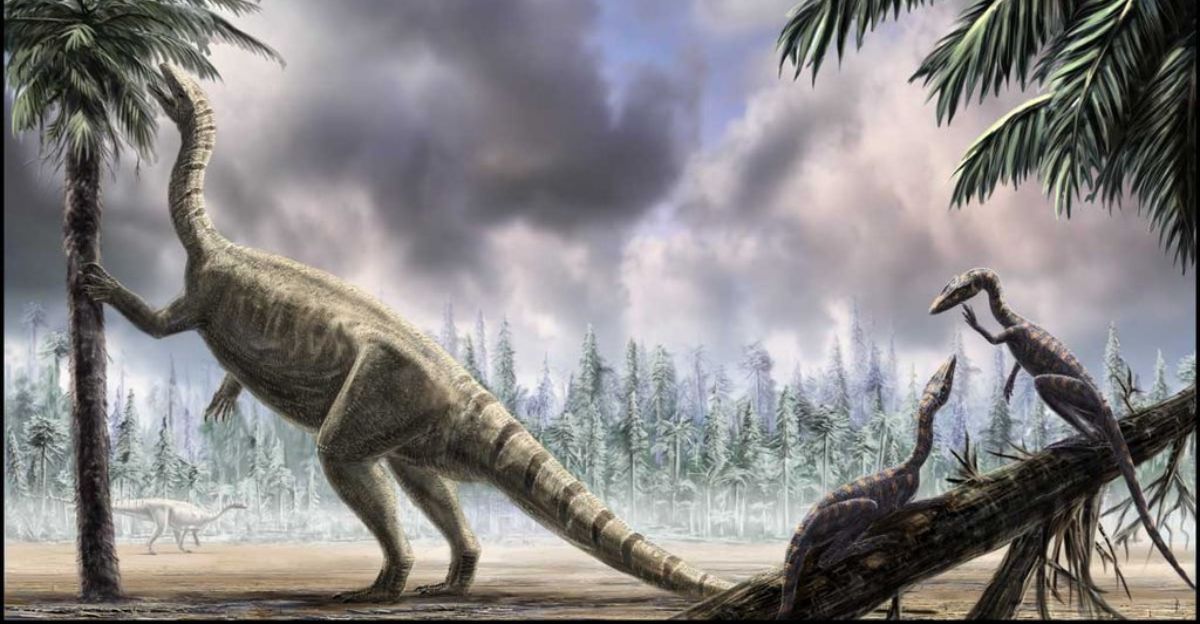
The Early Jurassic Antarctica looked nothing like the frozen desert we know today. At the time, the continent was positioned farther north and had a mild, temperate climate. Lush forests of conifers and ferns covered the land, feeding large herbivores like Glacialisaurus. Even though winters were long and dim, life adapted to the seasonal light, much like present-day species near the Arctic Circle.
“Antarctica had rivers, woodlands, and a landscape full of life,” explained paleobotanist Edith Taylor. The discovery of dinosaur fossils there isn’t just a surprise, it’s a reminder that continents and climates are constantly shifting, rewriting the possibilities for life on Earth.
A Transitional Giant
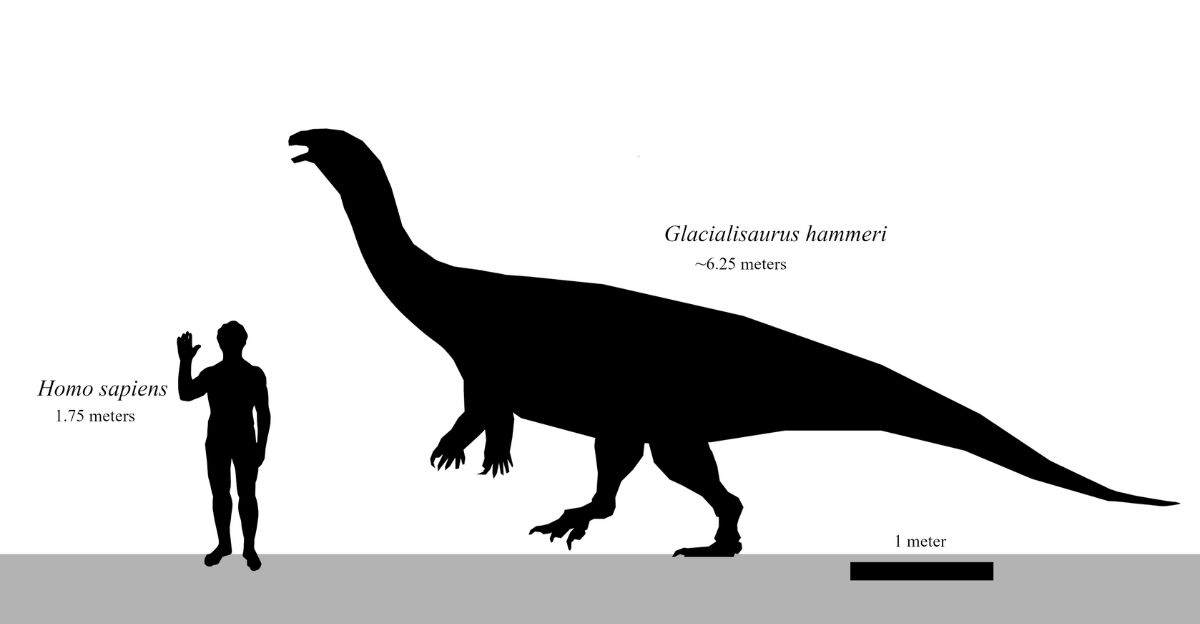
Glacialisaurus represents an evolutionary link between smaller, two-legged early herbivores and the gigantic four-legged sauropods that came later. Its sturdy legs and partially upright posture show how dinosaurs adapted for greater size and efficiency in movement. “It’s a perfect example of evolution in progress,” said Dr. Diego Pol, a sauropod specialist from Argentina.
By studying its bones, scientists can trace how early plant-eaters changed their anatomy, lengthening necks, strengthening limbs, and becoming the colossal species that followed.
A Hidden Jurassic World
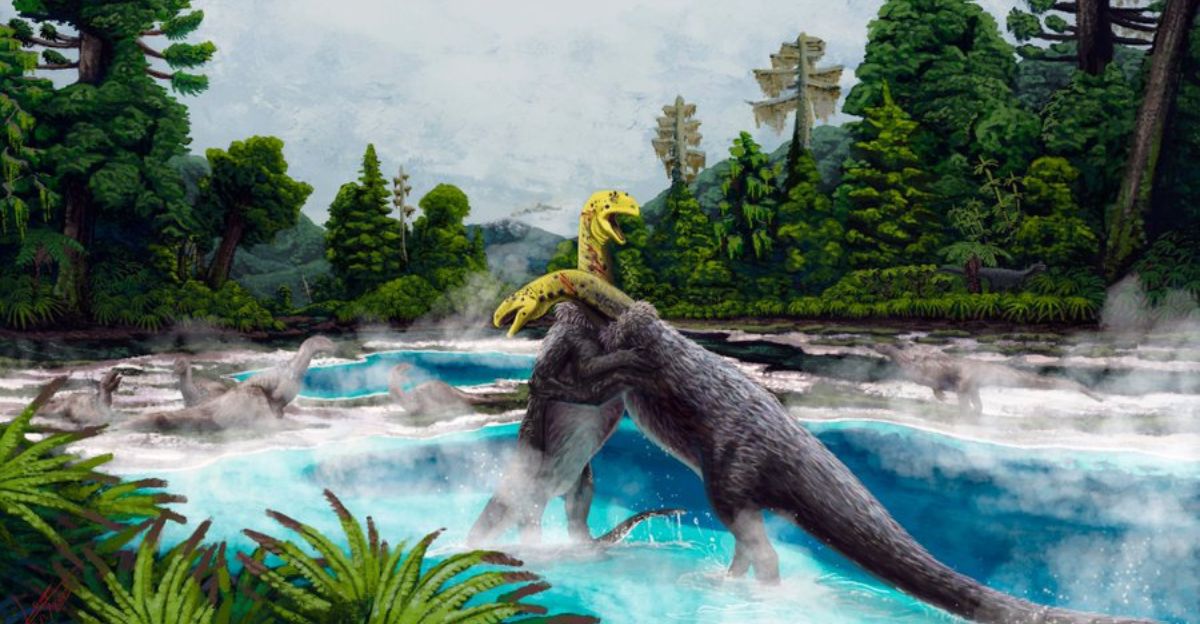
Every fossil unearthed from Mount Kirkpatrick adds a new piece to the puzzle of Antarctica’s long-lost ecosystem. The site, once carpeted with greenery, supported everything from predators to primitive mammals. Traces of plants, footprints, and bone fragments suggest a thriving food web.
The rocks preserve not just fossils but stories of survival, adaptation, and extinction. They remind us that even the coldest and most remote corners of Earth were once teeming with life, leaving behind clues that still speak across millions of years.
Digging With Determination
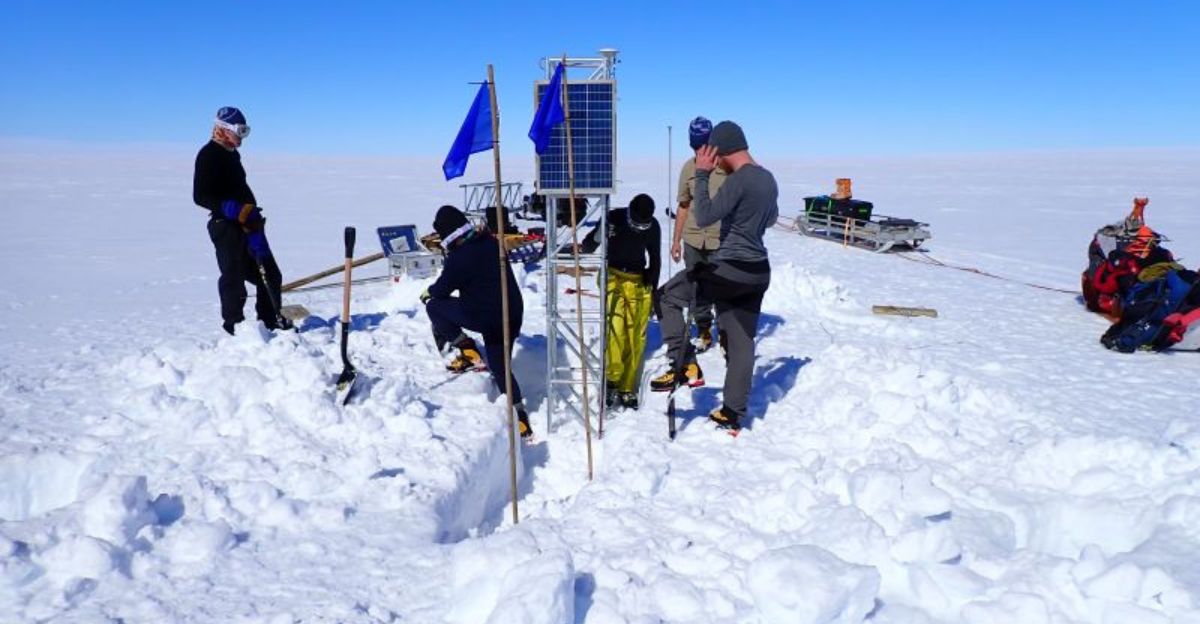
Recovering the Glacialisaurus fossils required more than scientific knowledge, it took endurance. Excavation teams braved freezing winds, sudden snowstorms, and endless daylight during the Antarctic summer. Their tools were simple yet essential: jackhammers, rock saws, and protective shelters against the cold.
Just transporting fossils back to camp tested every ounce of resolve. Each bone extracted felt like a triumph over nature itself. The fact that any fossils were recovered at all stands as proof of the researchers’ sheer determination and passion for discovery.
A Window Into Earth’s Transformation
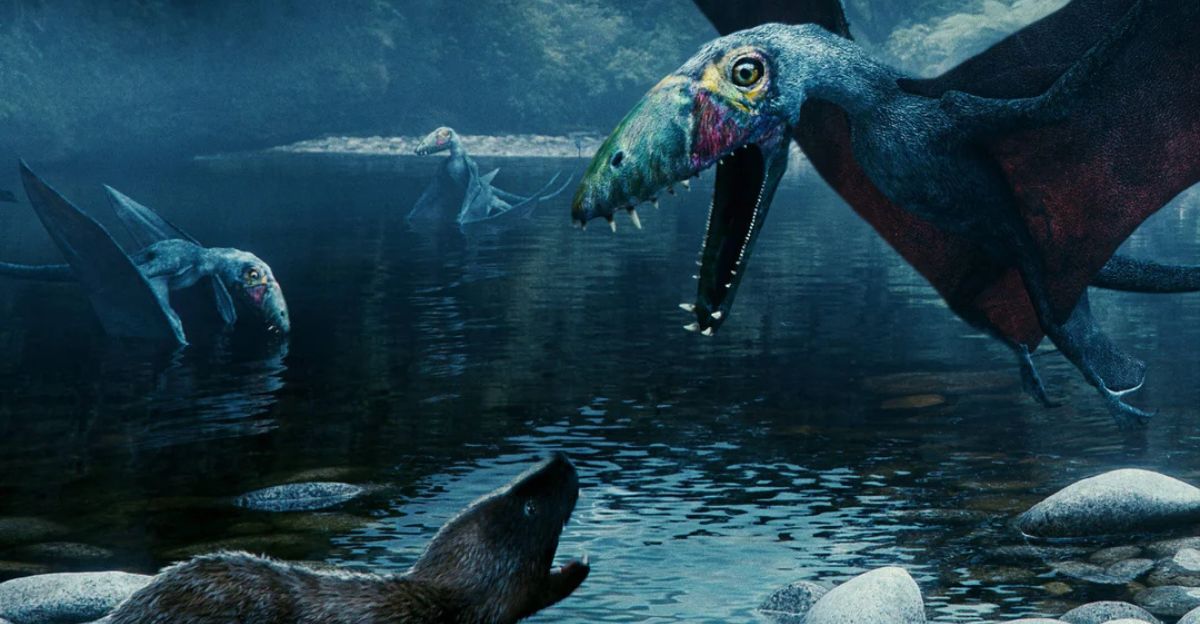
Glacialisaurus isn’t just evidence of ancient life, it’s proof of how radically our planet has changed. Antarctica, now a wasteland of ice, was once home to forests and freshwater rivers. Over millions of years, continental drift and climate shifts turned it from green to white.
The contrast between past and present Antarctica is a living lesson in planetary evolution. It forces us to imagine a world where deserts turned to forests, and forests froze beneath glaciers.
The Climate Clock Is Ticking
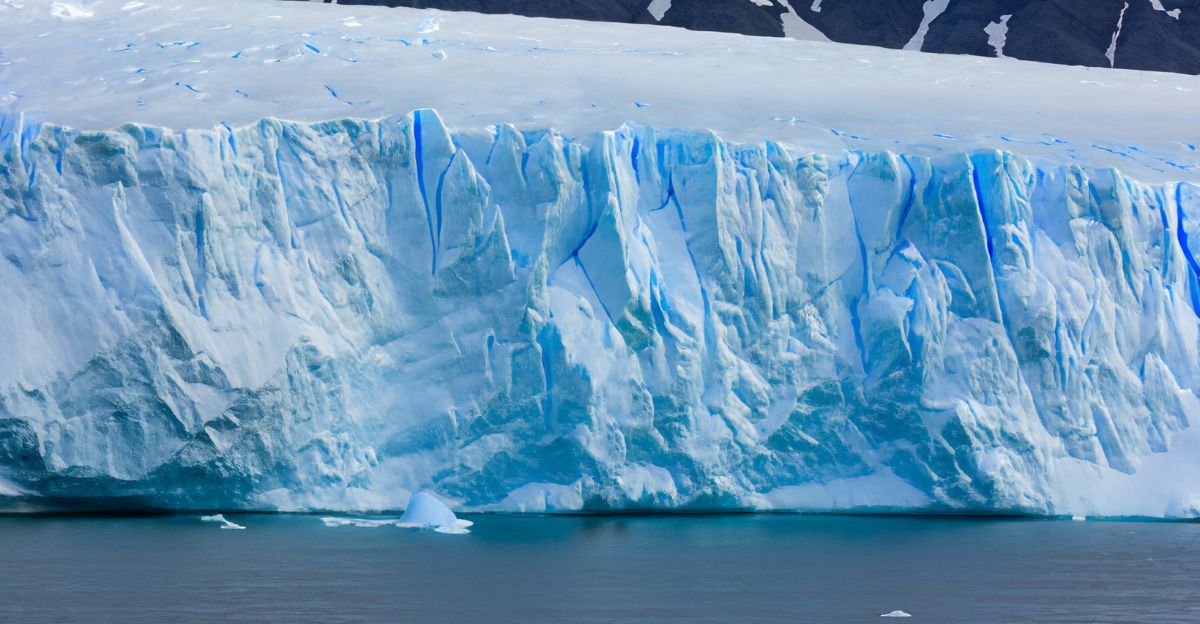
Today, climate change is reshaping Antarctica once again. As global temperatures rise, glaciers retreat, exposing ancient rocks that have been sealed for eons. That melting means more potential discoveries—but also risk.
The accelerating melt puts both natural history and modern ecosystems at stake. Preserving and studying these finds is no longer just scientific curiosity and it’s a mission to understand our planet’s past before the evidence disappears forever beneath the next tide of change.
Secrets Still Frozen Below
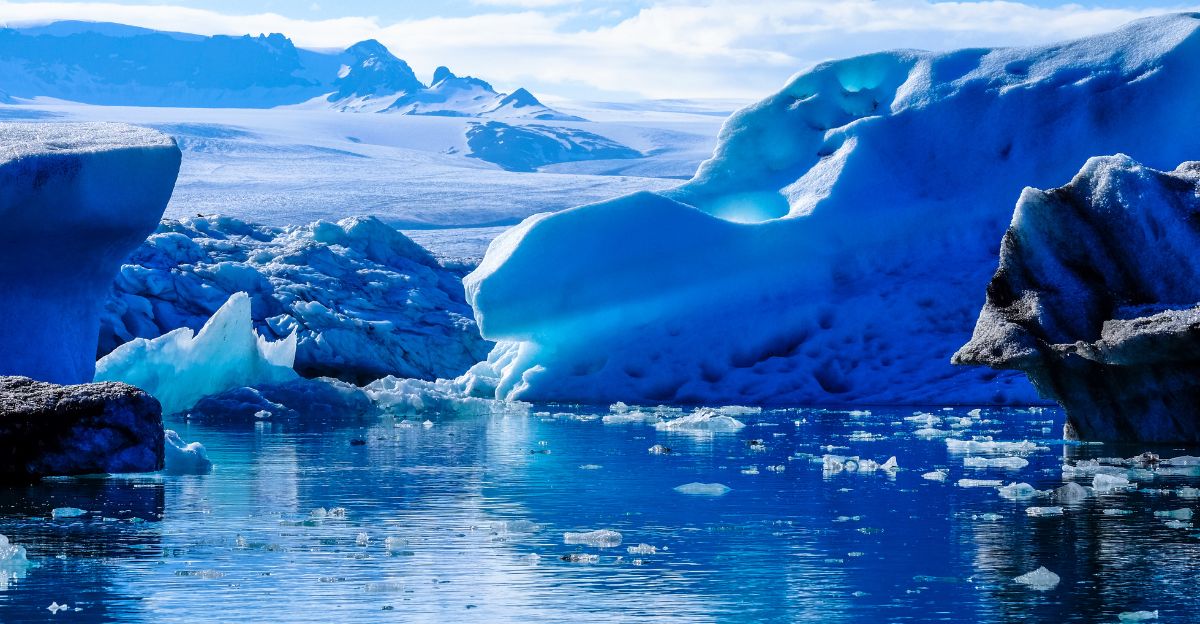
If Glacialisaurus could remain hidden for nearly 200 million years, what else lies buried beneath the Antarctic ice? Paleontologists suspect there are many more fossils, from marine reptiles to early mammals waiting for discovery. Ground-penetrating radar and satellite imaging are helping scientists locate promising sites, but most of Antarctica remains unexplored.
“We’ve only scratched the surface,” said Dr. Hammer. The continent’s icy interior remains one of the last great frontiers of paleontology, hiding evidence that could transform our understanding of early life on Earth.
Inside the Science
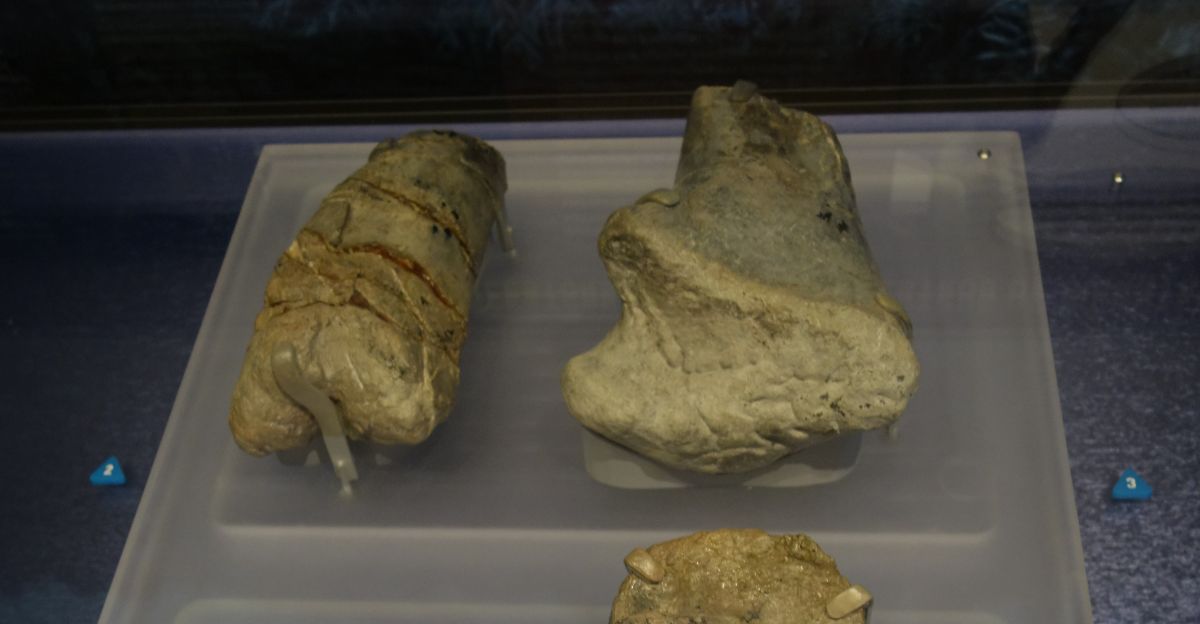
Detailed studies of Glacialisaurus hammeri revealed defining anatomical clues. Its robust limbs and unusual ankle joints set it apart from other sauropodomorphs, justifying its classification as both a new species and a new genus. “It had stronger hind legs than expected, suggesting it could move efficiently despite its bulk,” explained Dr. Smith.
These features not only mark Glacialisaurus as unique but expand our understanding of how early plant-eaters diversified in the Southern Hemisphere. Each bone tells part of a bigger evolutionary story, one that stretches across continents and millions of years.
Sources:
Acta Palaeontologica Polonica, Anatomy of a basal sauropodomorph dinosaur from the Early Jurassic Hanson Formation of Antarctica, 2007
ScienceDaily, Massive Dinosaur Discovered In Antarctica Sheds Light On Life, Distribution Of Sauropodomorphs, 2007-12-12
LiveScience, New Dinosaur Discovered in Antarctica, 2007-12-10
NBC News, New dinosaur discovered in Antarctica, 2007-12-11