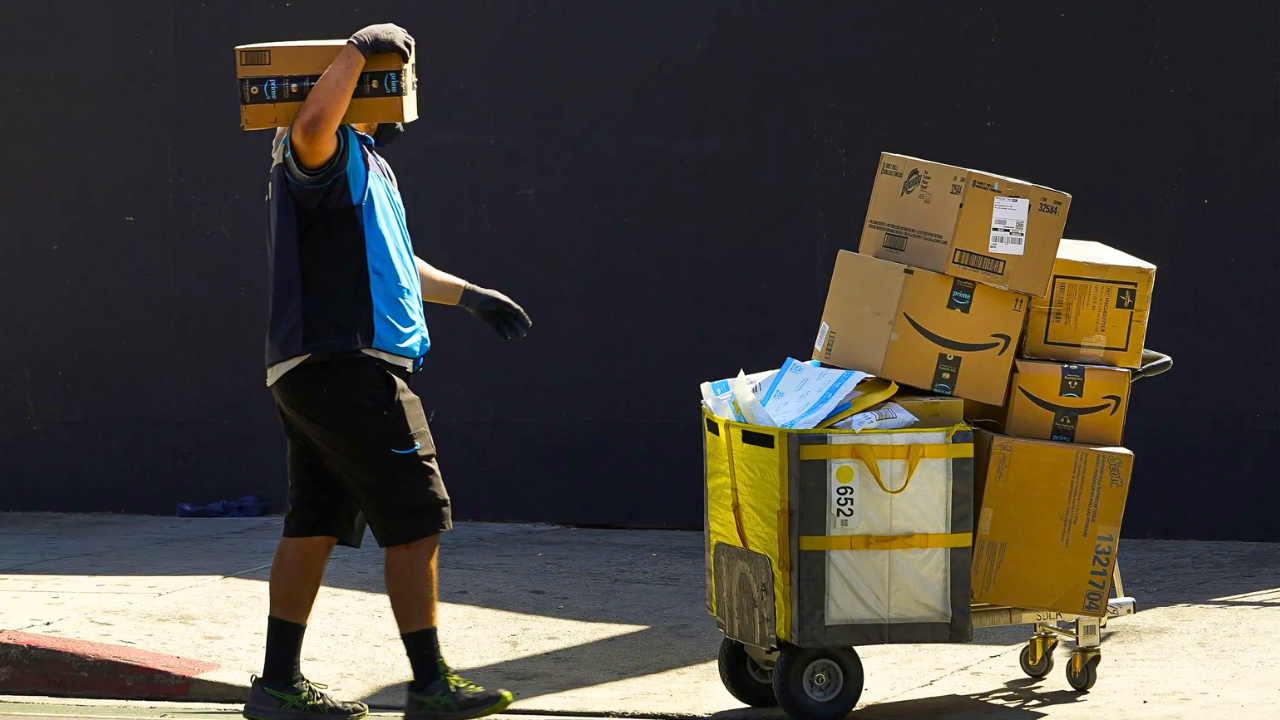
Amazon officially launched Amazon Now on December 1, 2025, introducing 30-minute delivery service in Seattle and Philadelphia. The move signals the company’s aggressive entry into the rapidly expanding quick-commerce sector, a market segment that has grown to well over $150 billion globally, according to multiple market research estimates. Prime members pay $3.99 per order, while non-Prime customers face a $13.99 fee—a pricing structure designed to drive Prime membership adoption among the company’s more than 200 million global subscribers.
The Quick-Commerce Explosion
The quick-commerce market, defined by delivery windows of 15 to 30 minutes, has become a defining battleground for retail dominance. North America is one of the regions leading this charge as consumers increasingly demand faster service for groceries and household essentials. Competitors including DoorDash, Uber, and Instacart have already deployed thousands of dark stores optimized for rapid pickups, while traditional retailers like Walmart and Target are expanding their own rapid-delivery offerings. Amazon’s entry into this space addresses investor concerns about the company’s position in what analysts project could become a multi-hundred-billion-dollar sector.
Strategic Market Selection and Infrastructure
Amazon strategically selected Seattle and Philadelphia as launch markets, leveraging Seattle’s established logistics network and brand loyalty while capitalizing on Philadelphia’s high urban density and growth potential. The company has deployed specialized micro-fulfillment hubs in both cities—smaller facilities positioned near residential and commercial areas that reduce delivery distances and operational complexity compared to traditional large-scale warehouses. These hubs enable faster order picking and packing while minimizing employee crowding and cutting last-mile delivery costs.
The Prime Membership Lever
The pricing strategy reveals Amazon’s broader ambition: the 71 percent discount for Prime members compared to non-Prime customers positions Amazon Now as an exclusive perk designed to strengthen loyalty and expand Prime’s ecosystem. By offering faster and more convenient delivery options, Amazon aims to deepen customer engagement while driving subscription growth. This approach reflects the company’s long-term strategy to capture a greater share of daily shopping trips for essentials, building on previous investments including the Whole Foods acquisition.
Profitability and Competitive Pressures
Despite the service’s promise, analysts question whether 30-minute delivery can achieve profitability at scale. The high costs associated with labor, real estate, and last-mile logistics could outstrip revenue generated from low-margin grocery and essential items. Amazon’s pilot pricing structure suggests the company may initially operate at a loss to capture market share, a strategy that raises concerns about long-term sustainability. Competitors are ramping up their own efforts, and industry observers anticipate price wars and margin pressure that could force consolidation among smaller players unable to match Amazon’s scale and capital resources.
Broader Implications and Challenges Ahead
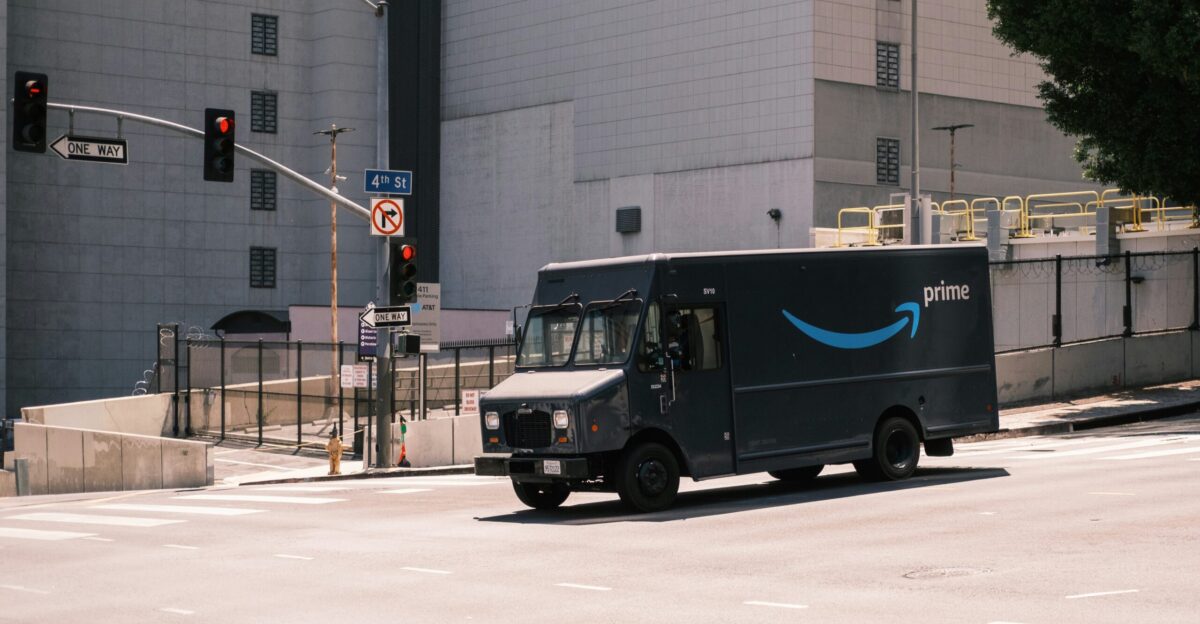
Amazon Now represents more than a new delivery service—it signals a fundamental shift in how consumers expect to shop for essentials. Success in these pilot markets could accelerate national expansion to other high-density U.S. cities. However, the company faces significant hurdles: worker safety concerns in fast-paced micro-fulfillment environments, regulatory scrutiny around zoning and labor practices, and environmental questions about the carbon footprint of fragmented shipments. As rapid-commerce scales, these issues will likely become focal points for policymakers and advocacy groups. The next 12 to 24 months will prove decisive in determining whether Amazon can sustain operations at scale while maintaining profitability—and whether this model reshapes retail expectations globally.
Sources
About Amazon — “Amazon Now is testing 30-minute delivery in Seattle and Philadelphia” — December 1, 2025
TechCrunch — “Amazon starts testing ‘ultra-fast’ 30-minute deliveries” — December 2, 2025
ABC News (Good Morning America) — “Amazon debuts Amazon Now, a new ‘ultra-fast’ 30-minute delivery option for groceries, household essentials” — December 2, 2025
Supermarket News — “Amazon tests ultra-fast grocery delivery in Seattle and Philadelphia” — December 2, 2025
USA Today — “Amazon debuts 30-minute deliveries in these 2 cities. See what it costs” — December 2, 2025