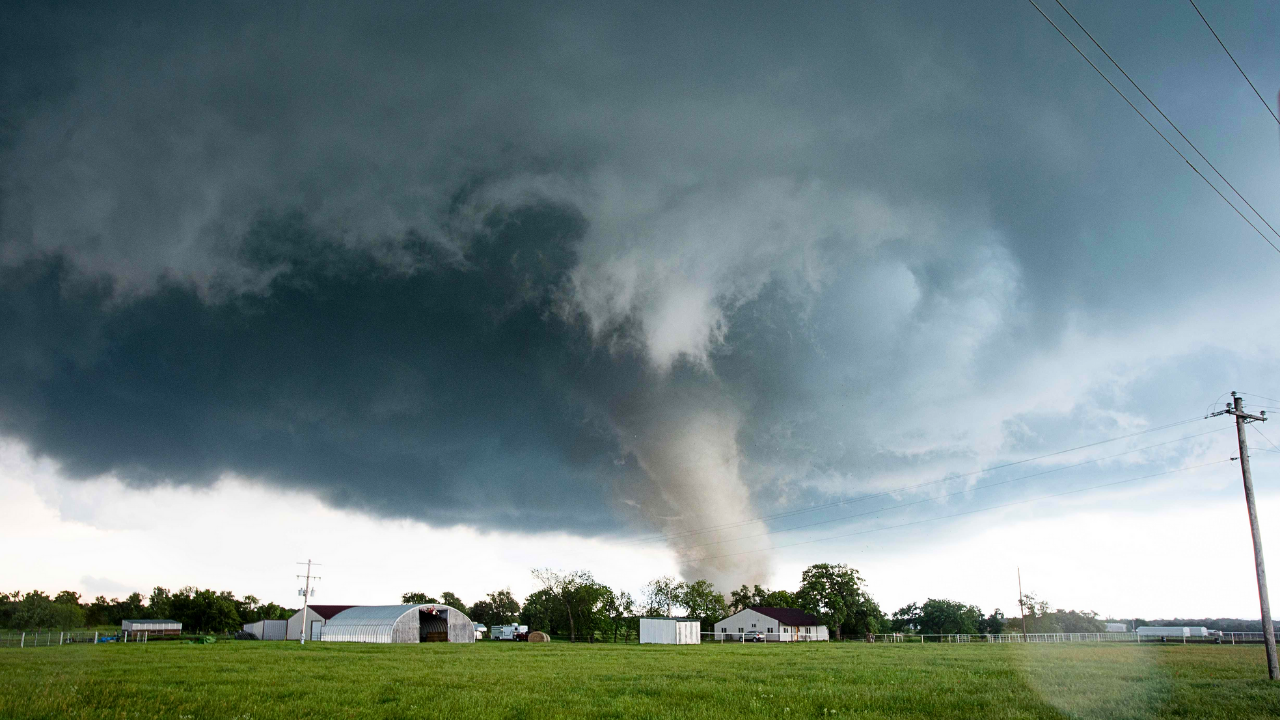
An EF-2 tornado with peak winds near 120 mph ripped through central Illinois on December 28, 2025, leaving a 23.6-mile scar across Christian, Macon, and Piatt Counties. The rare winter storm, which stayed on the ground for 34 minutes, destroyed eight homes and stripped roofs from eight others, testing communities just days after Christmas.
Rare Winter Fury Unleashed

Unseasonably warm conditions mimicked spring across central Illinois, with temperatures in the low 70s°F and dewpoints above 60°F fueling unstable air. Surface-based CAPE surpassed 1,000 J/kg, while low-level helicity topped 250 m²/s²—levels typically linked to tornado formation. These factors primed the atmosphere for severe weather far outside the norm for late December.
A surging cold front barreled eastward, slashing temperatures by nearly 30 degrees in three hours and sparking rotating thunderstorms. The clash of warm, moist air against the incoming chill birthed multiple tornadoes in the National Weather Service Lincoln area, including the long-track EF-2 near Mount Zion and Long Creek.
Devastation in Mount Zion and Long Creek
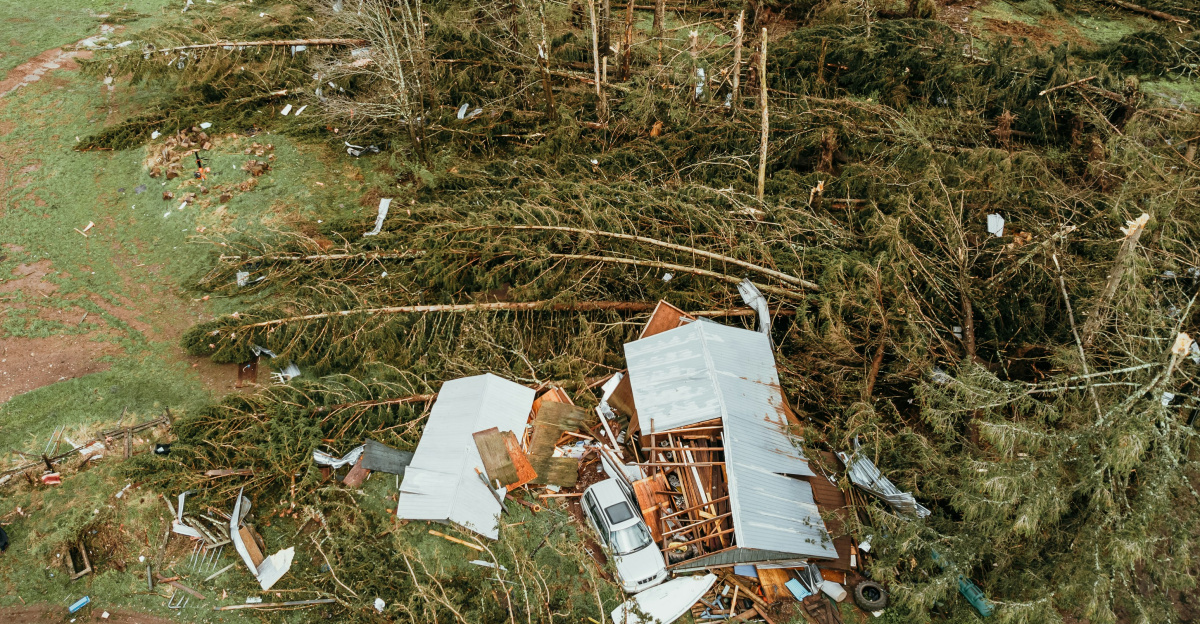
Near Mount Zion in Macon County, the tornado leveled eight well-built homes, reducing them to debris fields with collapsed walls and scattered belongings. Damage aligned precisely with EF-2 indicators, yet no fatalities or serious injuries occurred—a outcome emergency officials called fortunate given the scale.
Along E Skyline Drive in Long Creek, eight homes lost most of their roofs, exposing interiors to the elements as cold air rushed in. Garages crumbled, trees snapped, and debris littered roads, forcing many residences into temporary uninhabitability amid dropping temperatures.
Widespread Impacts and Response Challenges
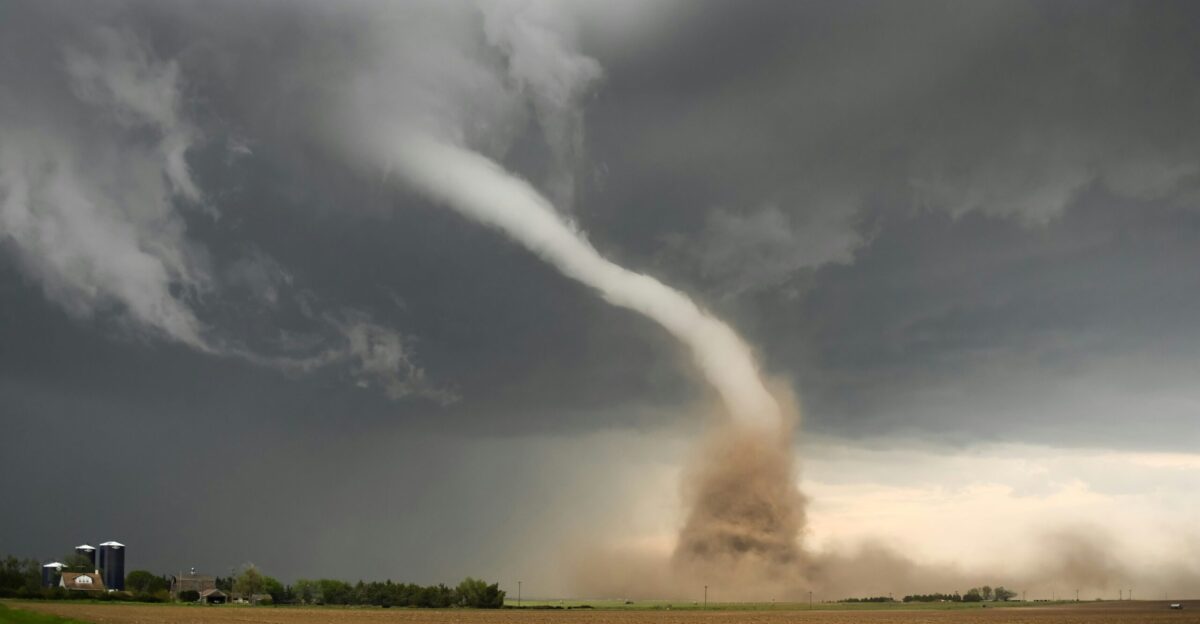
The tornado’s unbroken 34-minute path crossed county lines, hammering rural homes, farm buildings, and woods. Barns suffered roof failures and wall collapses, straining off-season farm operations without major livestock losses. Road blockages from fallen trees and power lines slowed emergency crews, while outages hit thousands as lines snapped.
At least three tornadoes struck the region that day, including an EF-1 in Tazewell County with 98 mph winds. Eight families faced sudden displacement post-holiday, prompting shelters, supplies, and aid coordination. Survivors recounted shielding loved ones as roofs lifted and debris flew, crediting quick actions for averting worse harm.
Uncommon Atmospheric Setup
Meteorologists noted the event’s anomaly: parameters like high CAPE and helicity echoed spring supercells, not winter norms. Illinois records show December tornadoes, especially EF-2 strength, as exceptional, with peak activity in spring and summer. Storm spotters’ reports and videos sped up surveys, confirming paths and aiding aid allocation.
The sharp pivot from record warmth to near-freezing amplified hardships for exposed residents and responders. Damage assessments launched immediately, prioritizing Macon County before expanding, to unlock recovery resources.
Lessons for Year-Round Vigilance

This outbreak underscores severe weather’s disregard for seasons, challenging Midwest assumptions of winter safety. Officials stress year-round plans: multiple alerts, interior shelters, and grasp of warnings, vital amid short days, low awareness, and outages. As assessments wrap and repairs begin, the event highlights stakes—resilient communities must adapt to unpredictable threats, ensuring readiness preserves lives and livelihoods amid shifting climates.
Sources:
WAND-TV: “6 tornadoes hit central Illinois, including EF-2 in Long Creek”
National Weather Service Lincoln, IL: “Late Season Tornadoes on December 28”
National Weather Service Chicago: “December 28, 2025: Rare December Severe Weather Outbreak With Multiple Tornadoes”
FOX Illinois: “At least 6 tornadoes impacted Central Illinois on December 28th”