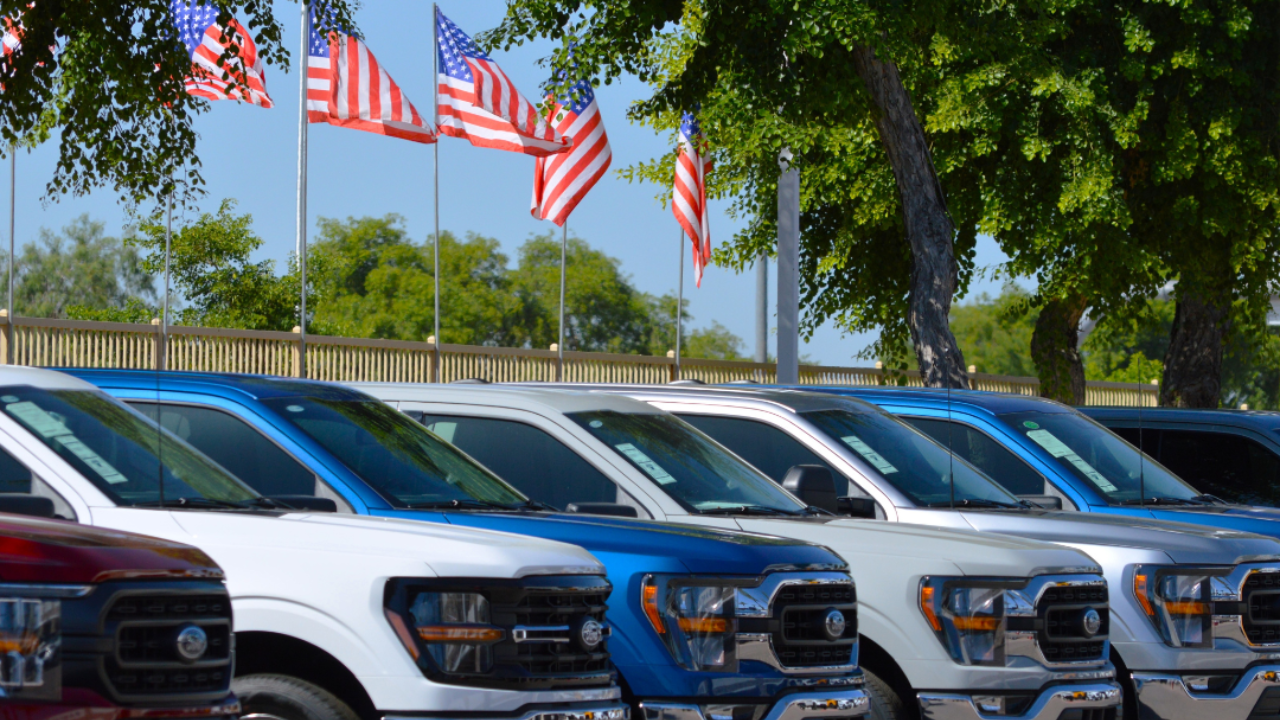
The American automotive market has undergone a dramatic reversal. Over 3 million new vehicles now sit unsold on dealership lots—the highest inventory level recorded in 2024—representing approximately $150 billion in stranded capital.
This represents a fundamental shift from the scarcity-driven market that defined the previous four years, when semiconductor shortages justified premium pricing and extended wait times. Days’ supply has reached 85 days industry-wide, compared to pre-pandemic norms of 60 days. Consumers who endured years of markups and delays now possess negotiating power unseen since 2020, while dealerships face mounting carrying costs and manufacturers confront profitability challenges across the distribution chain.
The Semiconductor Shortage Legacy

The semiconductor crisis (2020–2023) created artificial scarcity that justified dealer markups exceeding $10,000 and normalized extended delivery delays. Manufacturers lost 9.5 million units in 2021 and 3 million in 2022 due to production constraints.
When supply chains unexpectedly normalized in 2024, manufacturers accelerated production based on outdated demand signals rather than current market conditions. This strategic miscalculation—continuing aggressive output when normalized supply destroyed scarcity premiums—created the foundational error. The industry collectively failed to recognize how consumer demand patterns had shifted post-pandemic.
Dealer Economics Under Pressure
With 3.15 million vehicles spread across approximately 12,000–13,000 franchised dealerships, each location holds roughly 240–260 unsold vehicles. At average listing prices of $48,978, each dealership carries $11.7–$12.7 million in inventory value.
Monthly carrying costs—including floor plan financing, insurance, lot maintenance, and depreciation—substantially strain dealer operations. A dealership carrying 250 vehicles at $50,000 average value faces $12.5 million in floor plan debt costing $9,000–$11,000 monthly in financing alone. Adding insurance, lot maintenance, depreciation reserves, and property taxes totals $20,000–$25,000 monthly without selling vehicles. This reality explains collapsed dealership owner sentiment and forced manufacturers like Ford to increase floor plan credits, acknowledging dealers cannot absorb these costs independently.
Strategic Failures and Market Disparities
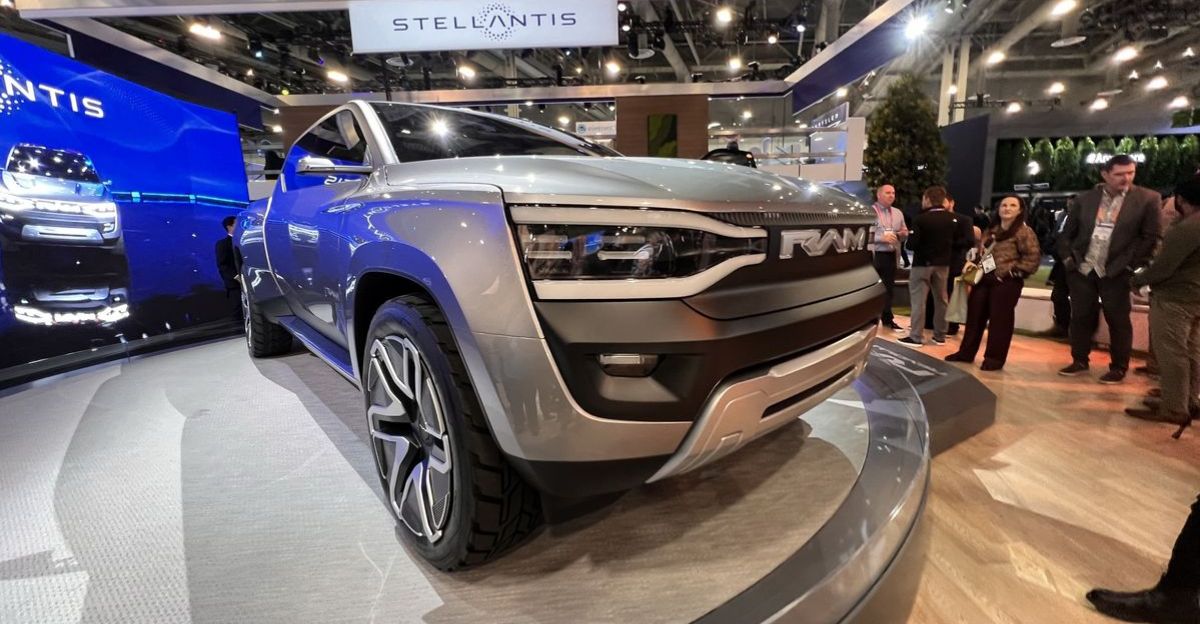
Stellantis-owned Ram trucks carry 128 days’ supply inventory—exactly double the 85-day industry average—representing approximately 50,000 unsold Ram trucks, many already depreciated 15–25 percent from MSRP. This implies $2–$2.55 billion in stranded capital. Stellantis projected sustained demand for full-size trucks using 2022–2023 data while accelerating production, a miscalculation compounded by market-share erosion as consumers shifted toward electric vehicles and crossovers.
Toyota and Lexus maintain 31–36 days’ supply respectively—less than half the industry average and one-fourth of Ram’s burden. This reflects Toyota’s unwavering just-in-time production philosophy prioritizing lean operations over volume dominance. Toyota’s Kanban system ensures components arrive precisely when needed, eliminating warehouse accumulation. Applied to retail distribution, dealership orders reflect actual consumer demand rather than manufacturer push strategies.
Premium brands face paradoxical crises. Jaguar carries minimum 150 days’ supply inventory while Lincoln reported 146 days in December 2024. Jaguar’s crisis stems from strategic inaction—no new model launched since 2020, deliberately postponing releases until 2026. Four years of production runs for vehicles consumers perceive as obsolete generates inventory nobody wants. Lincoln’s crisis differs: despite 28.4 percent sales increase in 2024, inventory swelled as production outpaced even surging sales.
Incentive Acceleration and Margin Compression
Average transaction prices reached $48,273 in November 2024 while listing prices climbed to $48,978—a divergence indicating aggressive discounting. Manufacturers increased cash incentives, dealer floor plan credits, and APR subsidies throughout Q4 2024.
Ram, Jeep, and other Stellantis incentives exceeded $5,000 per vehicle by year-end, double 2023 averages. This incentive spiral creates vicious cycles: each manufacturer discounting incentivizes competitors matching or exceeding discounts, ensuring industry-wide margin compression. Manufacturers prioritized revenue volume over profitability.
Consumer Psychology Reversal
For four years, automotive consumer psychology operated under scarcity assumptions: limited inventory, high prices, extended waits, and dealer negotiating power. November 2024’s reversal shattered this psychology entirely. With 3.15 million vehicles available, consumers possess abundance psychology: they delay purchases, shop across dealerships, negotiate aggressively, and play competitors against each other.
Cox Automotive research indicates consumer shopping cycles lengthened from 14–21 days in 2023 to 28–35 days by late 2024. The scarcity narrative that dominated 2020–2023 shaped consumer perceptions regarding pricing legitimacy and dealer honesty. When “essential shortage” transformed overnight into “3 million unsold cars,” consumer trust eroded significantly. Consumers paying substantial premiums in 2022–2023 now see identical models listed significantly below MSRP, triggering resentment and reduced brand loyalty.
Structural Implications and Industry Recalibration
The 3 million unsold vehicle inventory crisis represents a watershed moment for American automotive industry structure. Mathematical resolution requires aggressive discounting, production cuts, and dealership consolidation. Inventory crisis mathematics inevitably trigger consolidation as weaker franchises cannot maintain carrying costs exceeding profitability. Larger groups acquire distressed locations at significant discounts, concentrating market power among mega-groups. With inventory at peak levels and sales velocity declining, manufacturers face unavoidable choices: implement production cuts or accumulate further unsold vehicles.
Manufacturing facilities face temporary shutdowns, rippling through supplier networks and affecting tens of thousands of North American workers through Q2 2025. This crisis is structural, not cyclical—reflecting fundamental misalignment between production capacity, dealer incentives, consumer demand elasticity, and financing costs. The automotive industry’s previous structure is permanently dismantled, prioritizing capital efficiency and consumer accessibility over volume-driven growth models.