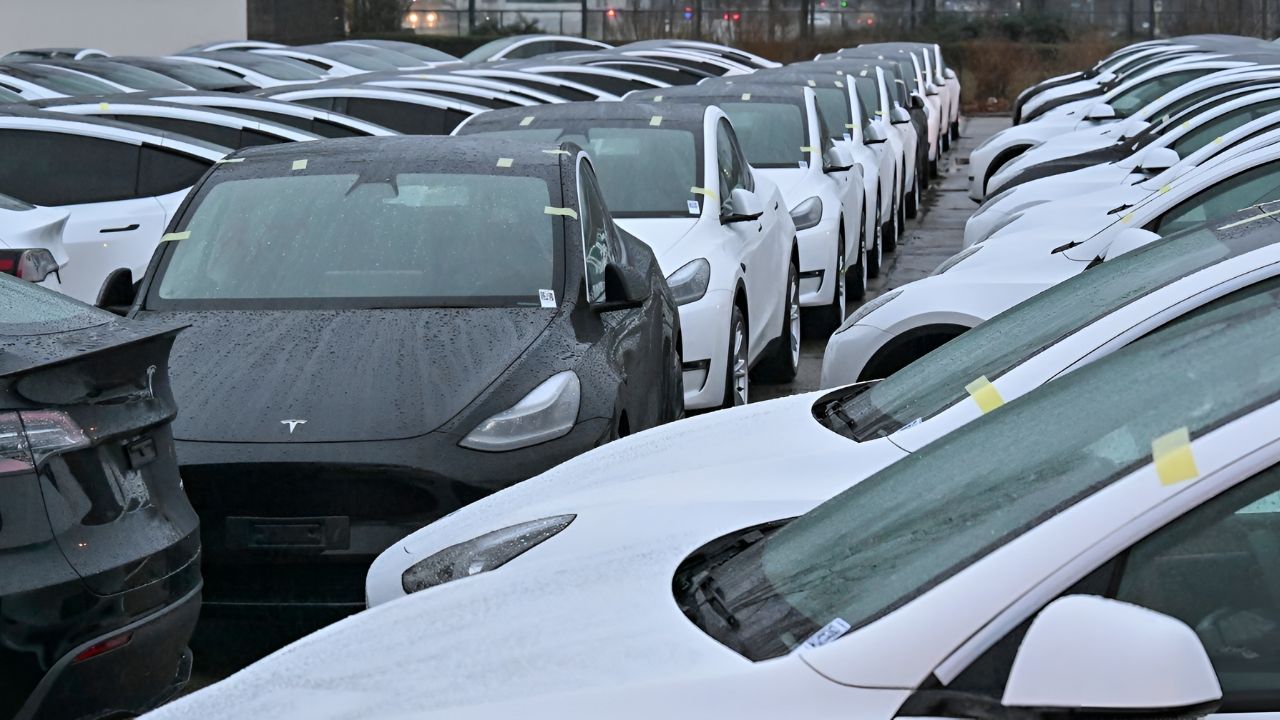
ditional day on the lot. With 88 days’ supply well above the traditional 60-day optimum, this financial pressure is forcing unprecedented price concessions that don’t appear as headline price decreases but represent a historic collapse in dealer profitability.
Production Mismatches and Shifting Consumer Demand
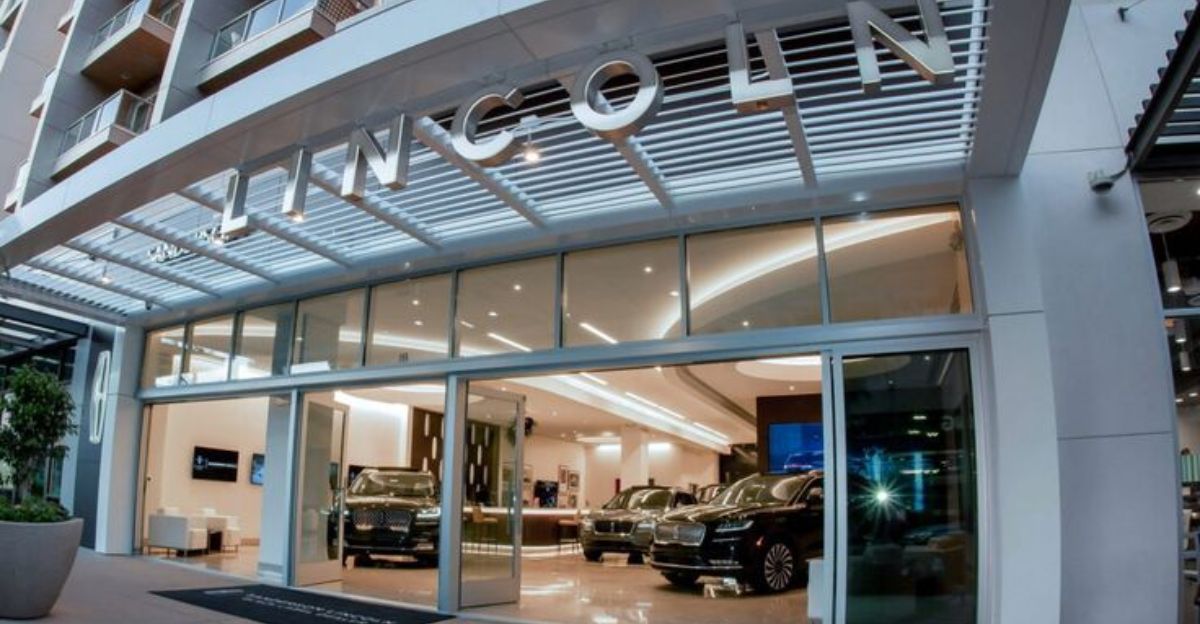
Automakers ramped up output in anticipation of steady demand, but economic headwinds quickly altered consumer behavior. Higher interest rates and evolving buyer preferences led many consumers to postpone purchases or shift toward specific segments, leaving brands like Lincoln, Cadillac, Jeep, and Jaguar with excess inventory levels far exceeding industry norms. While manufacturers produced at elevated levels through Q3 2025, the market’s appetite for new cars—particularly in the luxury and electric vehicle segments—contracted sharply.
The EV market contraction is particularly severe. The expiration of key government tax credits eliminated affordability for mass-market EV buyers, pushing average EV transaction prices to $59,125—$9,359 above industry average—while simultaneously crushing sales volumes 48.9% month-over-month. This created an impossible situation for manufacturers: inventory piled up while pricing power evaporated. In October 2025, GM announced 1,750 indefinite layoffs in its electric vehicle division, signaling the industry’s struggle to adjust production to match slowing demand. Employees across the supply chain, from factory workers to dealership staff, face uncertainty as production levels adjust to match demand.
International factors compound the inventory imbalance. Tariffs and supply chain disruptions, especially involving imports from China and Europe, have created regional gaps and complicated inventory management. Brands reliant on imported parts face additional hurdles, as delays and trade negotiations disrupt the steady flow of vehicles and components. Porsche, a heavy importer facing steep tariff costs, saw average transaction prices up 13% year-over-year yet faces rising inventory pressures.
Impact on Dealers, Workers, and Local Economies
The 88-day inventory glut has direct consequences for dealership profitability and workforce stability. Dealers employing targeted promotions, expanded online sales, and flexible financing are competing aggressively to boost sales and reduce idle inventory. Yet even with these incentives, consumer hesitancy persists, as many weigh the risks of long-term financial commitments amid lingering economic uncertainty.
Dealerships are responding by managing staffing and future orders more cautiously. In regions with high inventory, such as those dominated by Lincoln, Jaguar, Jeep, and Cadillac, workers are particularly vulnerable to job cuts as dealers rationalize operations. Local businesses connected to dealerships—service centers, restaurants, hotels—experience fluctuating demand as customer traffic shifts with dealership activity levels.
The broader ripple effects extend through adjacent markets. Used car prices, which soared during the pandemic, have begun to stabilize as new car incentives lure buyers away from pre-owned models. Leasing has also gained traction, with automakers offering favorable terms to clear excess stock. This shift challenges used car dealers, who now struggle to compete with the deals available on new vehicles.
The Paradox of Rising Prices and Falling Dealer Margins

October 2025 revealed a critical market contradiction: while headline metrics suggest pricing strength, the underlying fundamentals indicate industry-wide margin compression. Full-size pickup trucks—America’s most profitable volume segment—saw average transaction prices reach a record high of $66,462 in October, yet incentives on pickups rose to 8.4% of ATP. This paradox of record prices coupled with record incentives indicates manufacturers are using pricing manipulation rather than genuine market strength.
The new-vehicle MSRP was $51,841 in October, up 2.6% year-over-year, yet new-vehicle sales dipped 2% year-over-year while inventory growth outpaced sales momentum. This signals that even aggressive dealer strategies are insufficient to clear stock. Dealerships must balance holding prices to protect brand equity while offering unprecedented incentives to move vehicles. This balance is breaking: manufacturers are beginning to accept lower profit margins rather than offer further price reductions, suggesting underlying constraints on aggressive pricing strategies.
October’s data reveals the turning point: the decline in incentive packages from 7.3% of ATP in September to 6.5% in October—despite historically high inventory levels—indicates automakers are reaching the limits of discounting strategies. This represents an unprecedented shift in market dynamics where manufacturers can no longer sustain volume through traditional incentive escalation.
Looking Ahead: Market Recalibration and Economic Implications
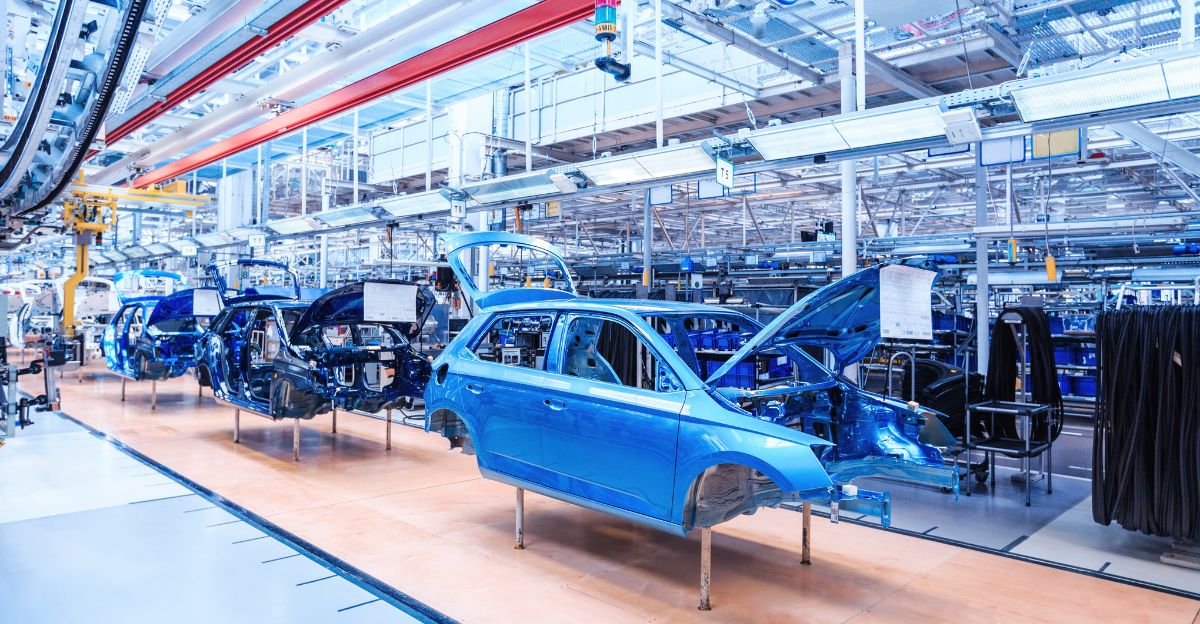
As automakers recalibrate production and dealerships optimize operations to address the three million-vehicle glut, the market faces a critical juncture. Industry leaders predict cautious stabilization by mid-2026, but the path forward depends on economic conditions, consumer confidence, and the outcome of ongoing trade negotiations.
The 2025 auto market stands at a crossroads, shaped by pandemic recovery, the transition to electric vehicles, global supply chain challenges, and evolving consumer preferences. The unprecedented 88-day inventory level—highest in four years—combined with manufacturers’ inability to sustain pricing power represents a fundamental market correction. Strategic planning, adaptability, and responsiveness will be essential as the sector seeks to balance production, sustainability, and profitability in a rapidly changing landscape.
The resolution of the current inventory crisis will be critical to industry stability and broader economic health. For manufacturers and dealerships, the stakes are high as they navigate unprecedented inventory challenges. For workers and consumers, the outcome will shape employment, affordability, and the future structure of automotive retail for years to come.