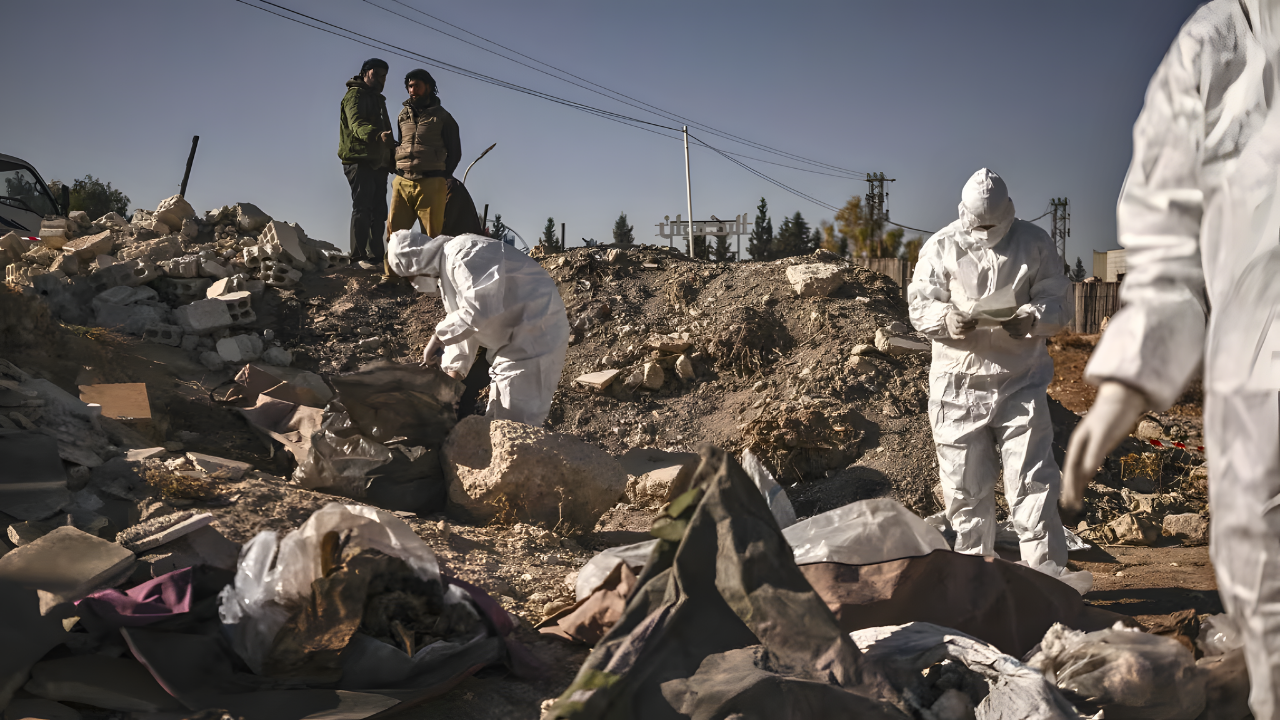
Gunfire erupted during what was supposed to be a routine meeting between U.S. personnel and local leaders near Palmyra, in Syria’s Homs province. A lone gunman opened fire from a nearby building shortly after a U.S. delegation arrived, killing two American soldiers and a civilian interpreter and wounding three other service members. Partner forces on the ground quickly returned fire and shot the attacker dead. U.S. helicopters evacuated the wounded to the Al-Tanf base, underscoring how fast a standard engagement in central Syria can turn into a lethal incident.
These deaths were the first U.S. combat fatalities in Syria in six years, ending a period in which the mission was widely seen as lower risk. The last combat deaths had occurred in 2019, when a suicide bombing in Manbij killed four Americans. Although fighting against the Islamic State group has diminished since its territorial “caliphate” collapsed in 2019, the Palmyra ambush showed that the threat to U.S. forces remains acute.
ISIS Remnants and a Fragile Security Landscape
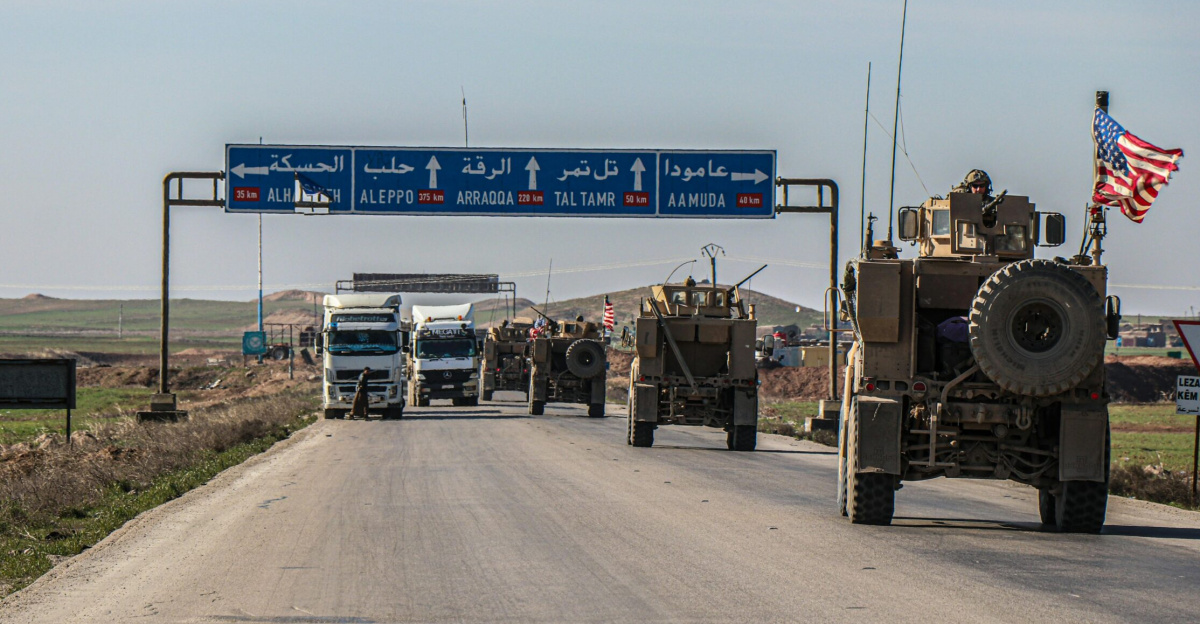
The attack highlighted how ISIS-linked sleeper cells continue to operate in central Syria, particularly across the sparsely populated Badia desert. U.S. Central Command has reported destroying more than 15 weapons caches containing ISIS ordnance in recent months, a sign that the group still maintains stocks of arms and the ability to stage attacks. Despite significant territorial losses, ISIS fighters and facilitators retain a presence in remote areas and urban pockets, exploiting security gaps and local instability.
Roughly 1,500 U.S. troops remain deployed in Syria, working with Syrian and local partner forces on counter-ISIS operations. Those missions rely heavily on joint patrols, fixed-site engagements, and intelligence sharing. The Palmyra shooting raised pointed concerns about how secure such engagements are, especially when U.S. personnel operate in or near populated areas and rely on local partners for outer-ring protection and advance screening.
Thousands of ISIS suspects and family members are still held in detention facilities and camps in northeast Syria under Kurdish-led Syrian Democratic Forces control, another factor shaping the group’s future trajectory. Coalition operations have continued to target ISIS planners and logistics, but the Palmyra ambush suggested that militants can still penetrate or circumvent existing layers of security.
Leadership Reaction and Political Pressure
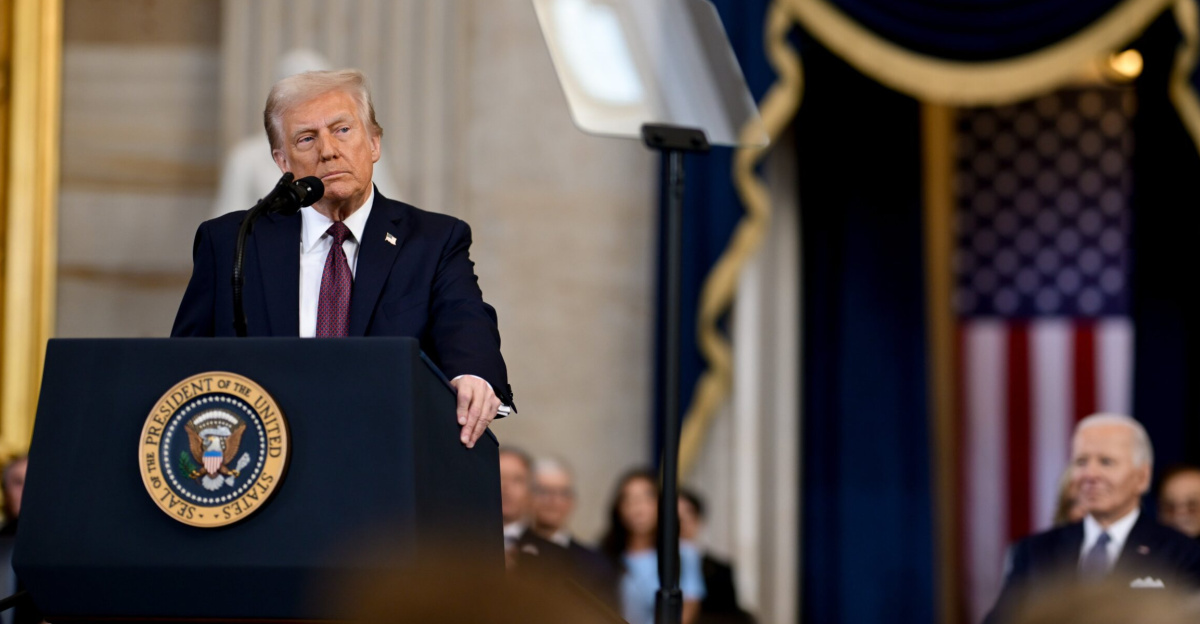
President Donald Trump, serving his second term, was briefed on the incident by Defense Secretary Pete Hegseth soon after the attack. Following that briefing, Trump described the gunman as ISIS-linked and promised “very serious retaliation,” putting Syria back at the center of U.S. national security debate. He said the wounded service members were “doing pretty well” as they received treatment. The Department of Defense withheld the names of the dead for 24 hours to notify families, but Senator Joni Ernst confirmed that among the killed were members of the Iowa National Guard, bringing the loss home to a state with deep ties to the military.
Syria’s transitional government, led by President Ahmed al-Sharaa, condemned the ambush and pledged full cooperation with U.S. counter-terrorism efforts. Syrian authorities announced the arrest of five suspects allegedly linked to the attack and opened an investigation into how the shooter reached a position so close to the meeting site. Officials said the attacker did not hold an active security role at the time, though investigators are examining reported past connections to Syrian security services, as well as possible ideological or logistical ties to ISIS networks.
Tactical Response and Security Questions
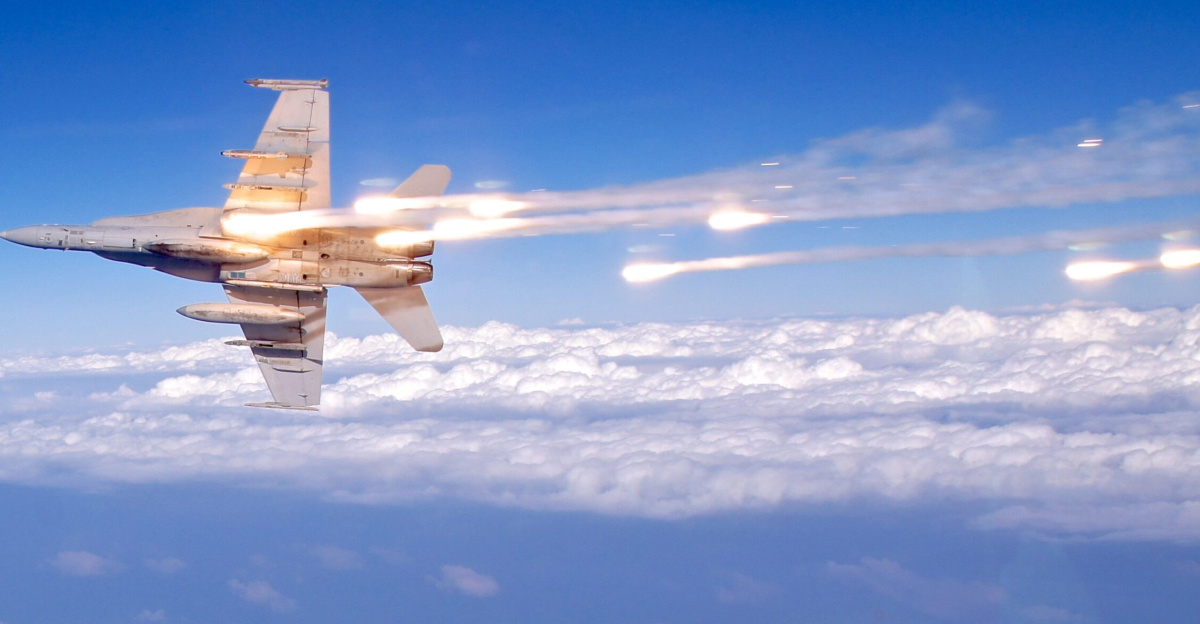
In the immediate aftermath, U.S. aircraft were seen deploying defensive flares over the area around Palmyra while helicopters moved in to extract the wounded. Partner forces cordoned off the site and expanded searches across nearby neighborhoods and desert approaches. U.S. commanders insisted that counter-ISIS operations would continue, while simultaneously ordering reviews of force protection measures, perimeter security, and coordination procedures with Syrian and local units.
For U.S. Central Command and field leaders, the core questions now include whether additional vetting of local security elements is needed, how intelligence about potential threats to high-level engagements is shared, and whether current base and convoy defenses are adequate in central Syria’s fluid environment. The fact that a single gunman was able to inflict multiple casualties on a prepared delegation has prompted a reassessment of what constitutes an acceptable level of risk for such meetings.
Debate Over Mission and Future Options
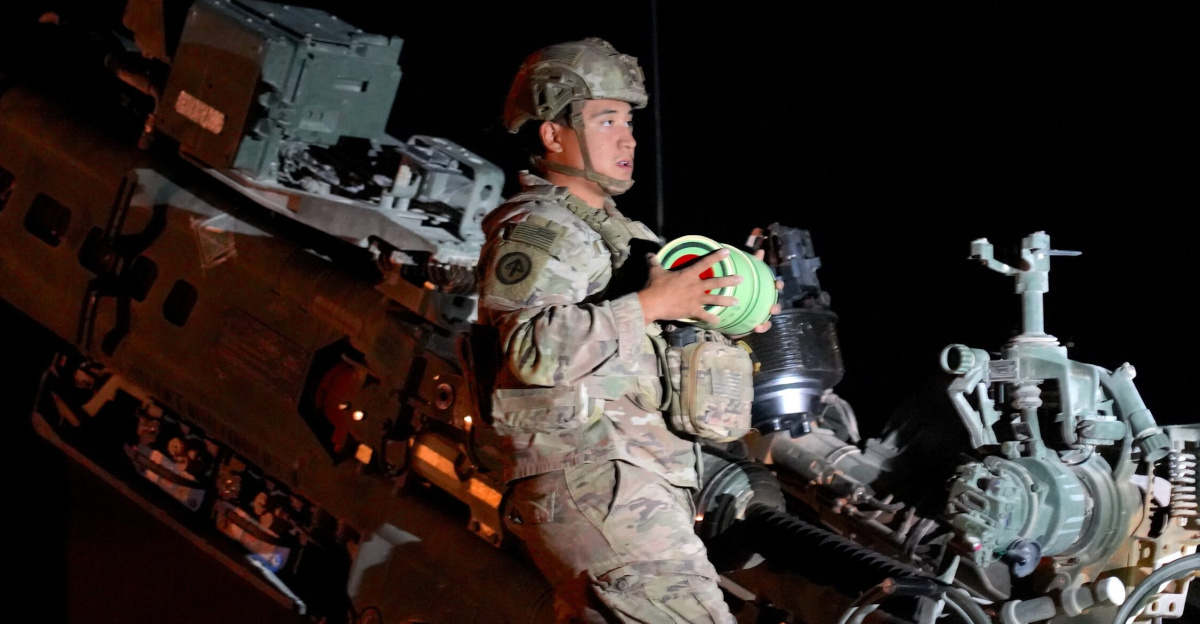
The attack also renewed scrutiny of the broader U.S. deployment in Syria. Earlier in the year, the defense policy group Defense Priorities argued publicly for an immediate American withdrawal, contending that troops were being kept in harm’s way after their primary mission had been achieved. Critics of the ongoing presence say that with ISIS territorially defeated, the remaining mission has become open-ended, with unclear objectives and mounting risk to relatively small numbers of U.S. personnel.
Supporters of the deployment counter that a premature exit could allow ISIS to reconstitute more quickly, threaten regional partners, and potentially regenerate the capacity to target Western interests abroad. The deaths of National Guard members have intensified public and political discussion about these tradeoffs, with some voices calling for decisive retaliation and others urging a reconsideration of long-term commitments in post-Assad Syria.
Looking Ahead
President Trump’s pledge of retaliation now frames the next phase of U.S. decision-making in Syria. Options range from targeted strikes on ISIS cells and infrastructure, to expanded support for Syrian transitional forces, to adjustments in troop posture or even a phased withdrawal. Each path carries different implications for deterrence, escalation, and the safety of remaining U.S. personnel.
Regional actors and ISIS-linked groups beyond Syria are watching closely to see how Washington responds, and whether the incident signals renewed U.S. resolve or highlights limits to its engagement. For now, U.S.–Syrian security cooperation continues under heightened scrutiny, with both governments emphasizing a shared interest in preventing an ISIS resurgence. The Palmyra ambush underscored that, even in a new political era in Damascus, American forces on the ground remain exposed, and the question of how long that risk will be tolerated has taken on new urgency.
Sources:
Al Jazeera — “Syria arrests five, Trump vows retaliation after Americans killed in Palmyra” (December 13, 2025)
BBC News — “Three Americans killed by IS gunman in Syria, US military confirms” (December 13, 2025)
PBS NewsHour — “2 U.S. service members, 1 civilian killed in ambush in Syria” (December 13, 2025)
Iowa Governor’s Office / Senator Joni Ernst Statements (December 12-13, 2025)
Defense Priorities — “No more American deaths in Syria—bring U.S. troops home now” (December 13, 2025)