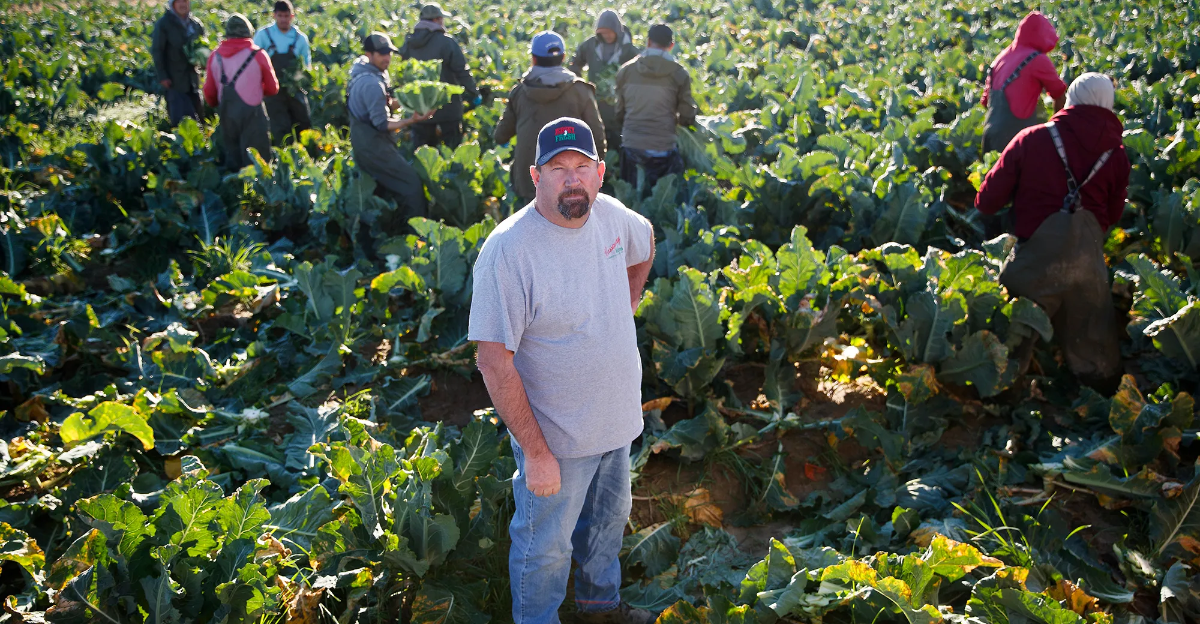
In early 2025, Chapter 12 farm bankruptcies surged to 88 in Q1 – nearly double Q1 2024.
This sharp rise echoes the 2018–19 downturn. Economist Ryan Loy cautions that “financial pressures we saw before…in 2018 and ’19 are kind of re-emerging”, signaling deep trouble for family farmers across America.
Perfect Storm of Prices and Policies
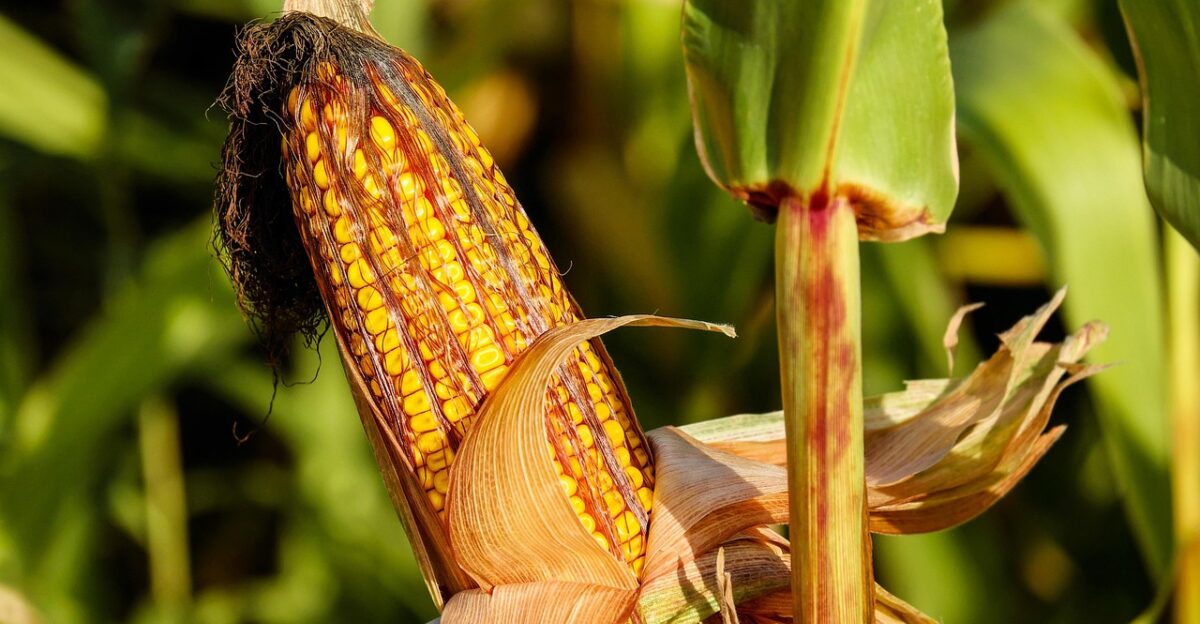
Meanwhile, market forces intensified the squeeze. Corn futures have plummeted to 19-year lows, and soybeans flirt with single digits. At the same time, record U.S. harvests are expected just as China shifts purchases to Brazil, creating massive supply gluts.
Input costs (fuel, fertilizer, equipment) are only ~3% below 2022 highs while commodity revenues collapse. The result: Midwest profit margins have evaporated.
Decades-Long Debt Strain

Chapter 12 bankruptcy – created in 1986 for family farmers – is becoming common again. Filings fell to 216 cases in 2024 (down from 599 in 2019), but that trend has reversed.
Even with short-lived pandemic aid, underlying debt burdens and an aging farmer population mean acute strain. Rural lenders now warn that today’s conditions “hark back to the 1980s farm crisis,” an ominous historical echo.
Labor Costs Squeeze Farmers
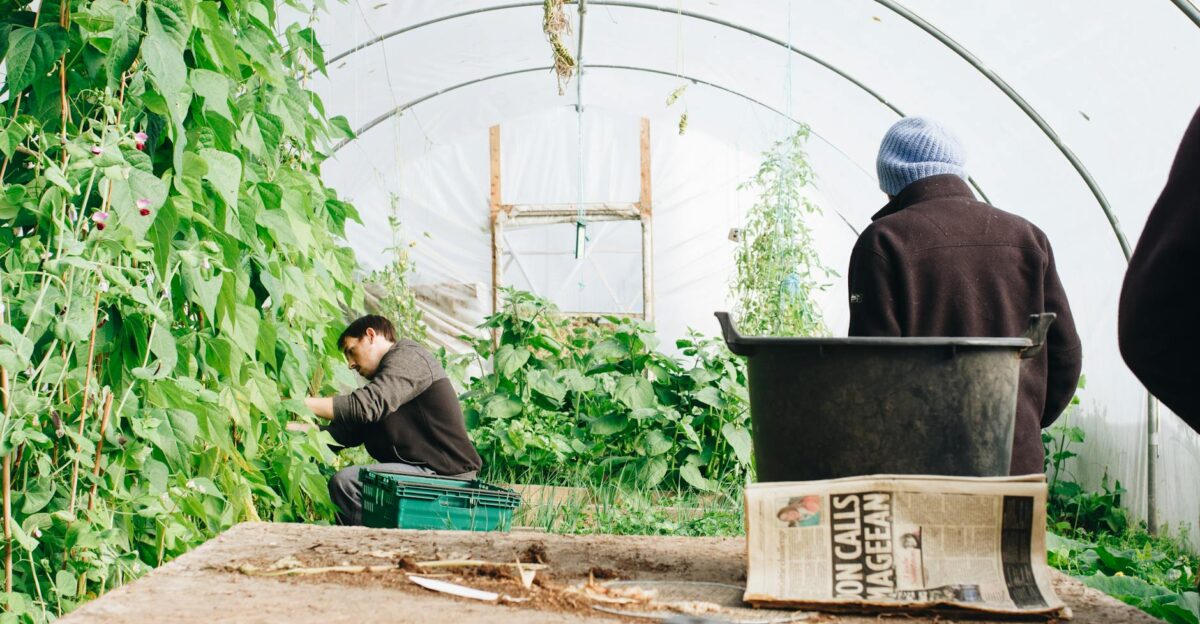
High labor mandates compound stress. Michigan, Wisconsin, and Minnesota set H-2A farm worker wages at $18.15/hr in 2025 – roughly 45% above Michigan’s $12.50 minimum.
Fourth-generation grower Derek Oomen laments: “It’s just really, really hard…competing with countries like Mexico and Peru, where they’re paying in a day what you’re paying in an hour”.
Debt Reaches Boiling Point

Between April 2024 and March 2025, U.S. Chapter 12 filings hit 259, up from 216 the year before. Q1 2025 alone had 88 cases (nearly double Q1 2024). Arkansas filed about 27% of these.
Such numbers—years of losses compounded—show financial stress back at 2018-19 levels. This surge in bankruptcies marks a systemic collapse of the farm safety net, threatening widespread defaults nationwide.
Midwest’s Ag Economy Crumbles
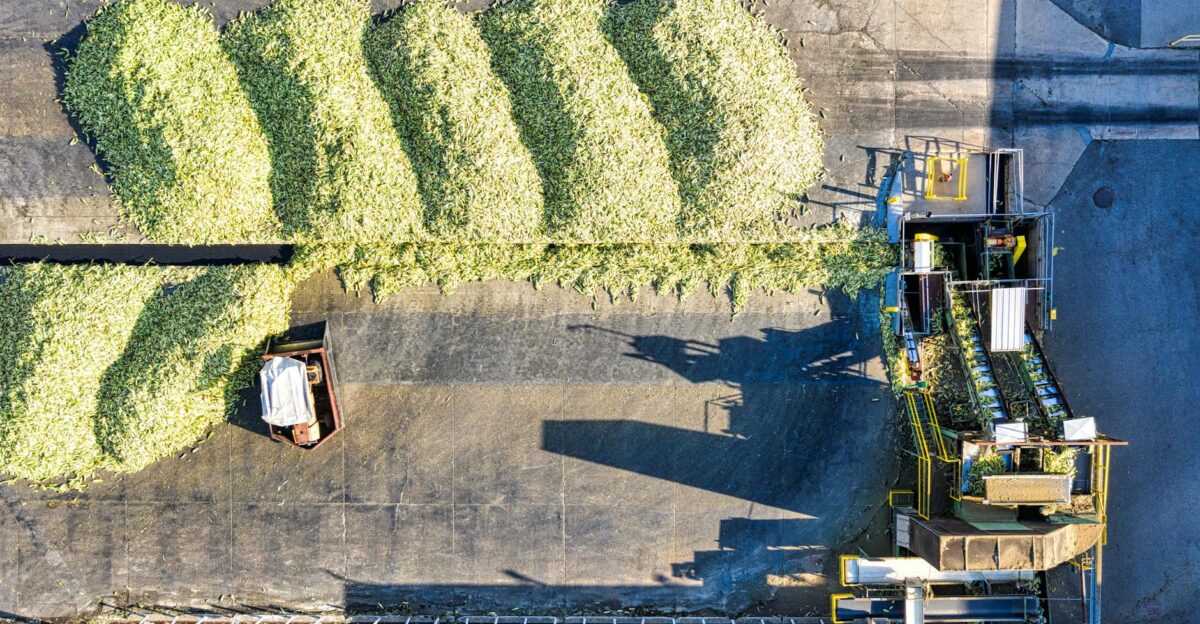
The Corn Belt is hardest hit. Nebraska and Iowa each saw ag sector GDP plunge 6.1% in Q1 2025 – the steepest declines in the nation. Michigan specialty growers report similar pains: Derek Oomen noted Michigan’s $6.3 billion specialty-crop industry (41,700 jobs) is being squeezed.
Farmer Ryan Leitz puts it bluntly: “We just can’t compete” with imports grown under far lower costs.
Farmers Speak: Despair and Disbelief

Voices from the fields convey desperation. Michigan’s Jim May admits, “I don’t think we’re even going to cover expenses” this year, as yields fall and prices slide. Industry groups echo his fear: the American Soybean Association warns producers are “standing at a trade and financial precipice”.
Already, Southwest Michigan lost 1,700 farms from 2012-2022. Farmers describe each harvest as “working for essentially no income,” a bleak new normal.
Import Invasion
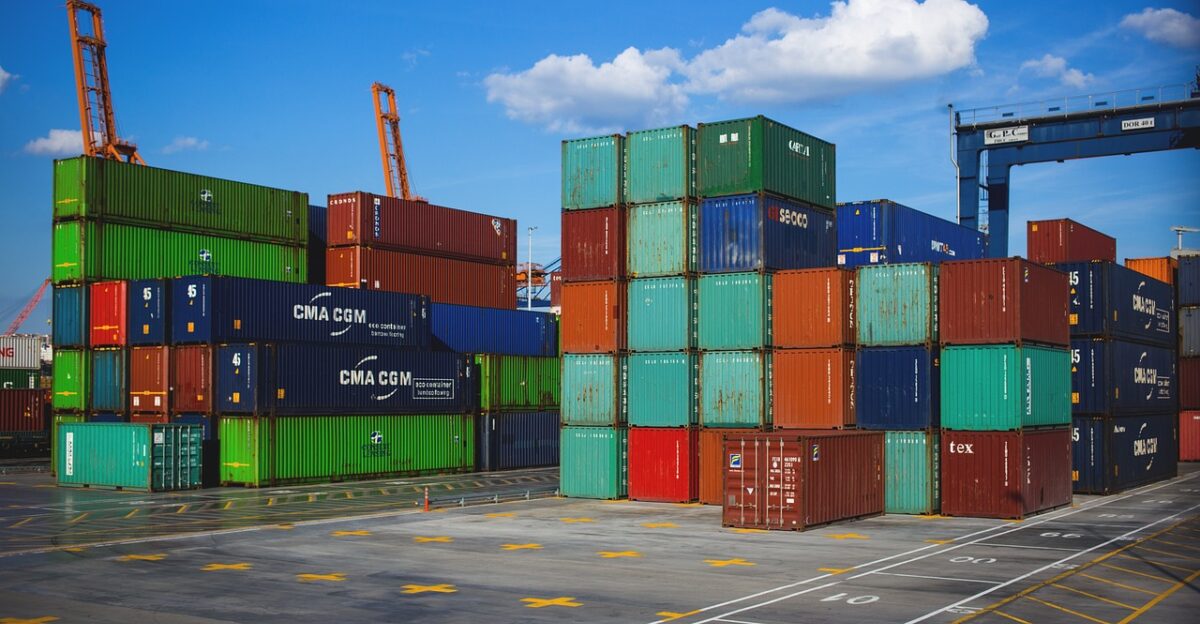
Cheap imports are flooding U.S. grocery aisles. USDA now forecasts $215.5 billion in farm imports for FY2025, a record high, driving a $45.5 billion trade deficit. Fully 60% of America’s fresh fruit and 38% of vegetables are importeders.usda.gov.
These products enter under far lower labor and regulatory costs, undercutting U.S. growers at every turn. Domestic farmers bound by high wages and strict standards simply cannot match those prices.
South American Surge
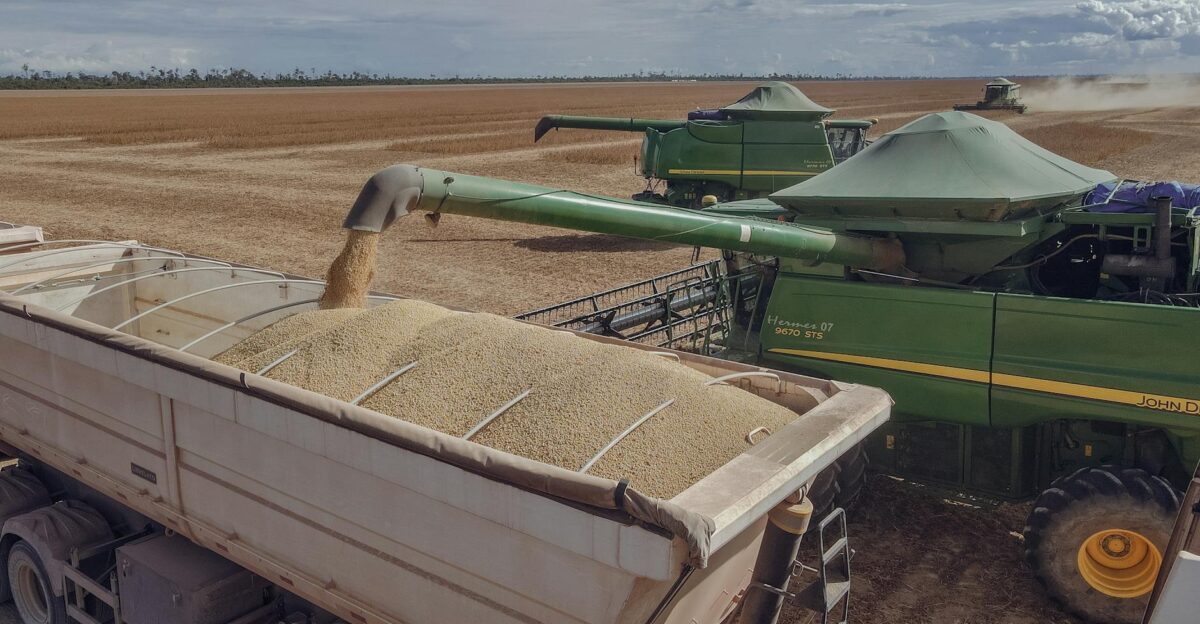
Brazil and Argentina have stepped into America’s shoes. Brazil’s soy output is booming – USDA projects roughly 167 million tonnes in 2025 (up 20M tonnes). Chinese buyers confirmed this in March 2025: Brazil exported ~15.7M tonnes of soy, with nearly 75% going to China. Argentine agricultural exports have similarly expanded into Asia.
Thanks to vastly lower labor costs, favorable currency rates, and fresh farmland expansion, South American farmers are permanently capturing markets once held by Americans.
Agriculture Trade Deficit Soars

The numbers tell the tale. USDA now projects a $45.5 billion farm trade deficit in FY2025 – the largest ever. U.S. imports will hit $215.5 billion while exports stagnate at ~$170 billion, a far cry from 2022 surpluses.
This massive $3.5 billion gap vs. earlier forecasts flips U.S. agriculture from a trade champion to a deficit driver. The historic imbalance underscores how far the sector has fallen.
Policy Pressure on Farmers

Anger is rising over Washington’s rules. Chuck Conner (Nat’l Council of Farmer Co-ops) notes that new wage rules make farm labor “dramatically higher than…regular wages for other workers”.
He warns, “Agriculture is a commodity business with thin margins…when you have these inflationary wage rates, it becomes detrimental to U.S. food production”. Farmers feel trapped: mandatory costs are up, prices down, and politicians seem to lack solutions.
Family Farms Disappearing
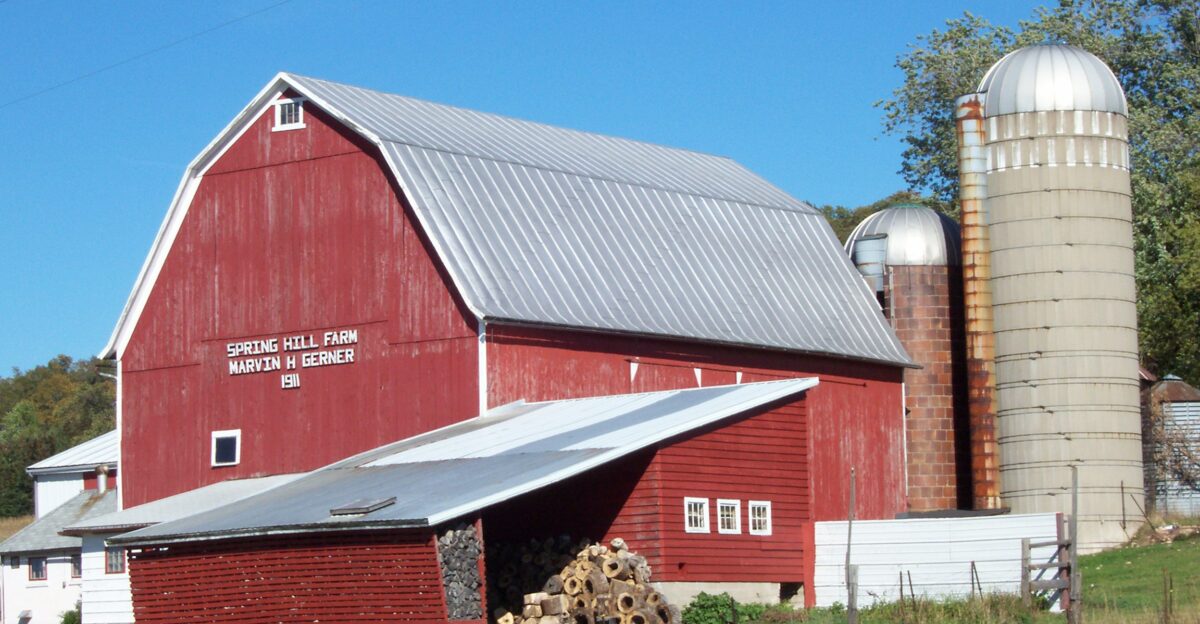
The toll is stark: America lost 141,733 farms (7%) from 2017 to 2022. Texas alone shed nearly 18,000 operations in that span. Today, only ~1% of farms are owned by corporations – meaning the wipeout is decimating family farms.
The average U.S. farmer is now 58.1 years old, reflecting a lack of younger replacements. As smallholders vanish, large ag concerns grow, unraveling the traditional ag landscape.
Legislators Offer Lifelines

Faced with uproar, Congress has floated fixes. Michigan Rep. John Moolenaar introduced the “FARMS Act” to temporarily freeze H-2A wages at current levels.
A bipartisan 2019 Farm Workforce Modernization proposal would have capped H-2A wage increases at 3.25% per year. But lawmakers are divided: balancing farmer relief against farmworker protections has left action stalled. In the meantime, growers await any concrete support.
Experts Sound Alarm

Economists caution that even frozen wages won’t solve deeper ills. Input costs remain “continuing to erode thin margins” in agriculture. USDA projects higher farm income in 2025, but almost entirely due to government aid and record crops.
Without the aid, one analyst warns the sector “remains under severe strain”. Global oversupply, climate impacts, and consumer shifts to imports mean wage control is only one of many mounting challenges.
Farm Future Hangs in Balance
All these forces raise fundamental “who, what, when, where, why” questions. Who will feed America if wages stay high and prices stay low? What is the future of the farm economy? When will conditions stabilize?
Where will U.S. food come from if imports continue to rise? Why is this happening now? The answers depend on policy and market shifts. Already, major agribusinesses are consolidating, and community farms are shuttering – trends that will determine the outcome.
Political Flashpoint
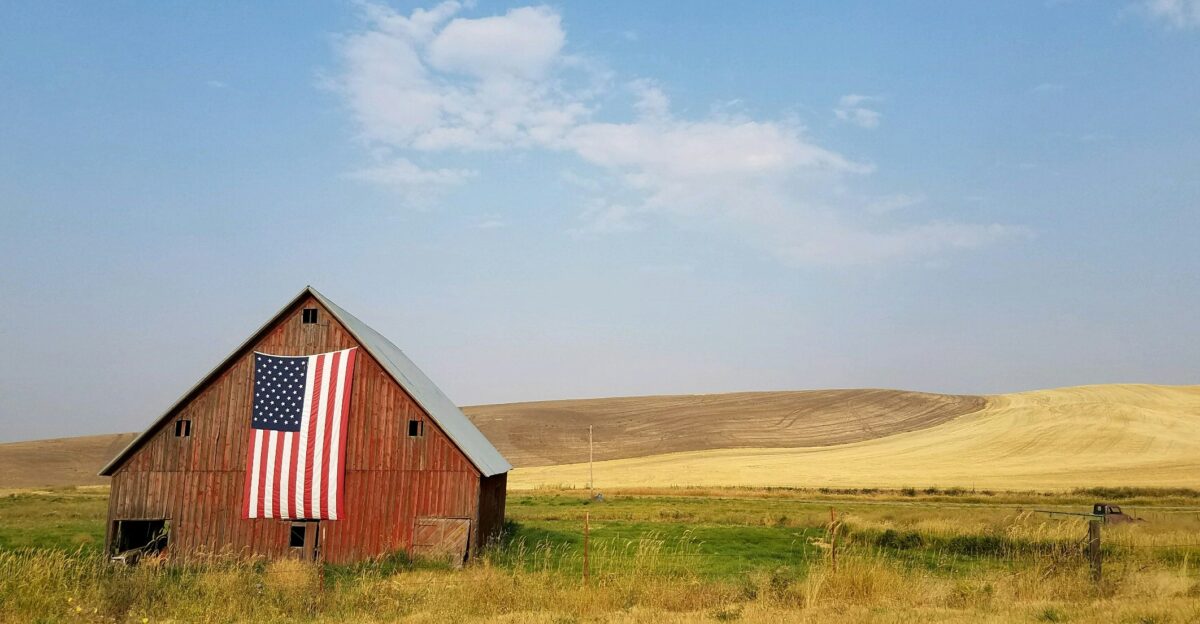
Rural voters are rallying. John Hansen, president of the Nebraska Farmers Union, calls this “the worst farming financial crisis since the 1980s”. Many Republican lawmakers recognize that soybean and corn states – their base – are in revolt.
Farmers feel used as “bargaining chips” in U.S.-China trade talks. With the 2026 elections on the horizon, GOP representatives face mounting pressure to deliver farm bailouts or market access for these crucial constituencies.
South America’s Agricultural Breakthrough

On the global stage, U.S. competitors have surged ahead. As Lula proclaimed in Beijing, Brazil’s ties to China “will be indestructible”. This partnership has allowed Brazil to quickly grab lost U.S. markets: officials say Brazil is “ramping up exports of grains and other goods formerly supplied by the U.S.” to China.
First-quarter data confirm dramatic growth in Brazilian beef and poultry exports to Asia. In short, South American producers are locking in market share that American farmers once held.
Environmental Price of Cheap Food

The trade shift carries a hidden cost. Clearing land to grow all this extra soy and beef is accelerating deforestation in Brazil. Conservation groups warn that booming soybean expansion is fueling clearing of the Cerrado savanna – Brazil’s deforestation hotspot – and pushing ranchers deeper into the Amazon. Indeed, soybeans and cattle are the crops most linked to forest loss.
Critics fear the U.S.-China trade war has made China “the importer most exposed to deforestation” through its Brazilian purchases.
Decline of Rural America
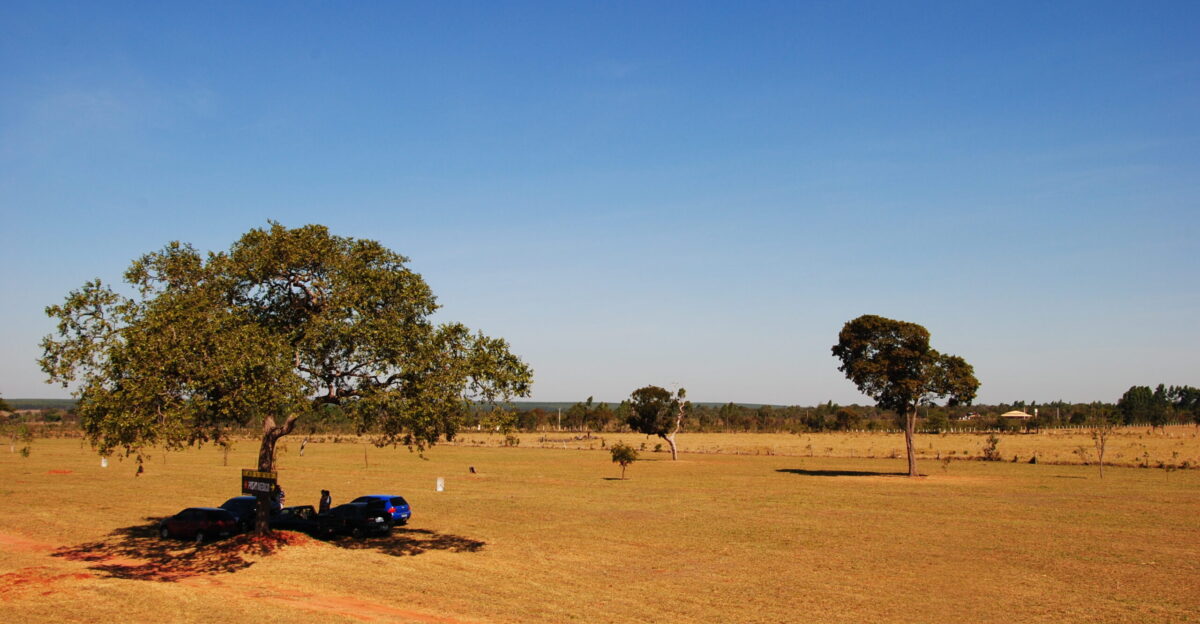
Communities are unraveling. For the first time ever, the U.S. rural population fell from 2010–2020, by 289,000 people. Towns are aging and emptying as young people depart for cities.
The average farmer is 58.1 years old, and only a third of U.S. counties still saw any population growth last decade. With fewer children to inherit farms and schools closing, traditional farming culture – the fabric of rural life – is rapidly fraying.
The Crossroads for U.S. Farming
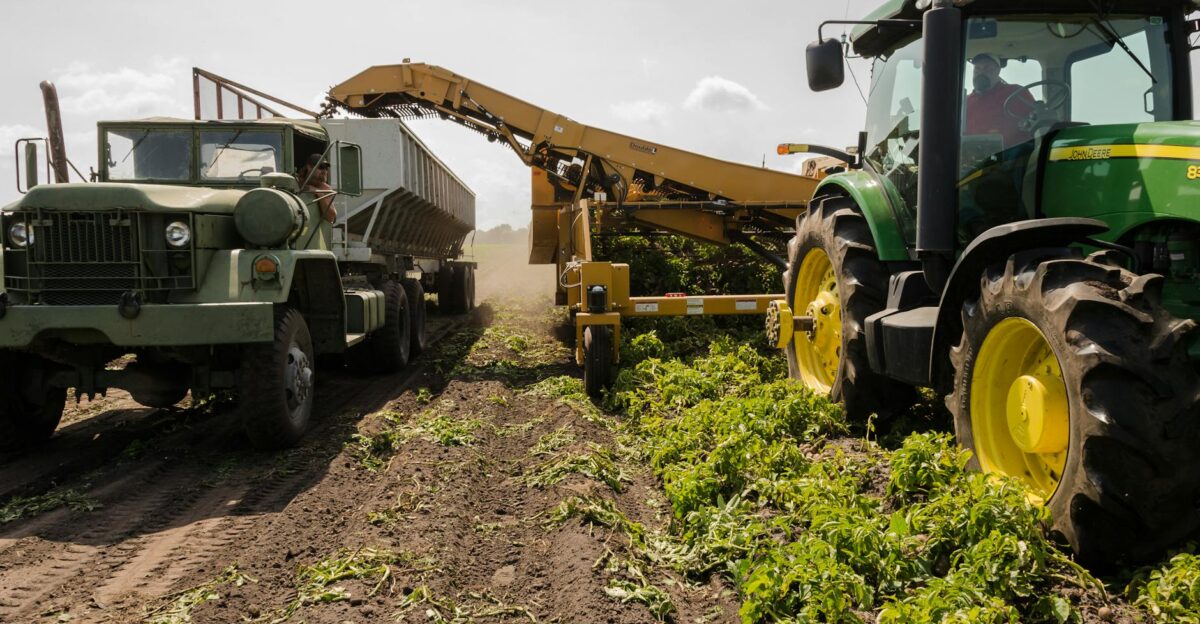
The agricultural crisis of 2025 is a turning point. With record bankruptcies, massive trade deficits, and vanished farms, the question is stark: can American family farming endure? Will independent growers survive, or will only large consolidated operations feed the nation?
The answers will determine America’s food security and the fate of rural communities. Policy choices in the next months – not the markets – will decide who really wins this agricultural crisis.