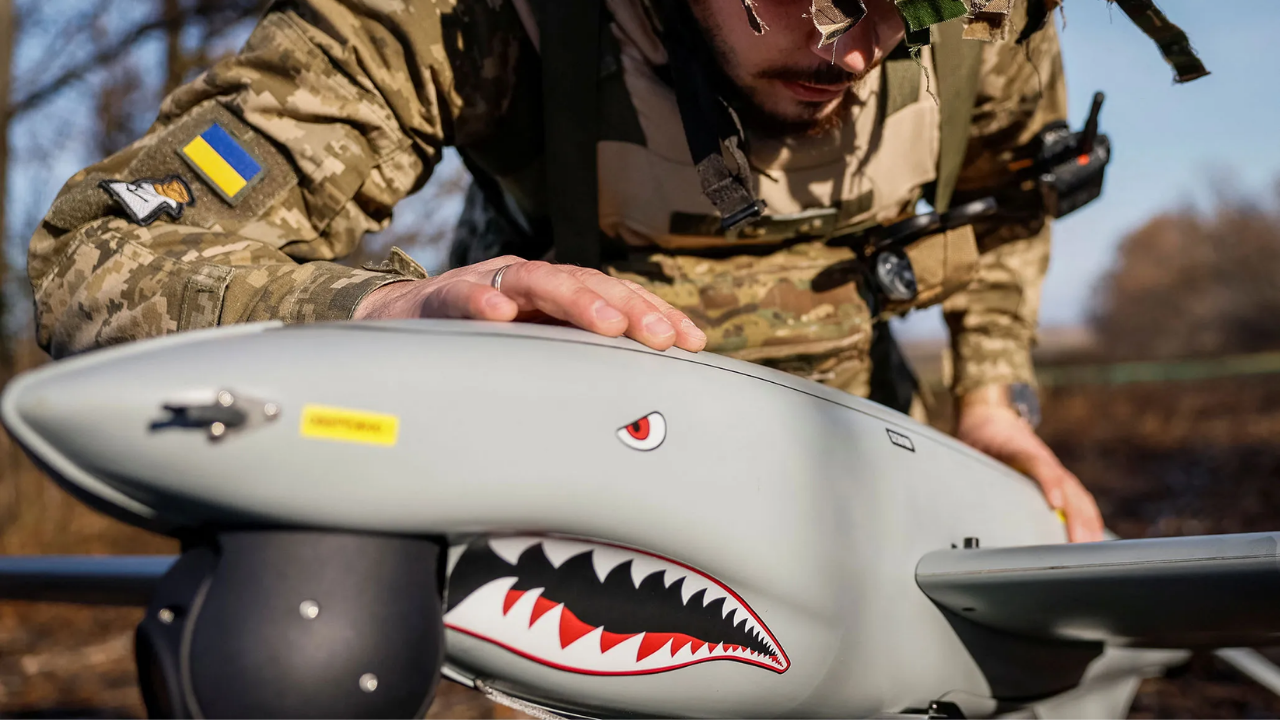
Ukrainian forces achieved one of the most consequential counter-battery victories of the war when a U.S.-supplied M142 HIMARS strike destroyed Russia’s most advanced Yastreb-AV counter-battery radar near Yenakiieve in Donetsk.
The strike was guided by a Ukrainian Shark reconnaissance drone. Valued at roughly $250 million, the radar’s destruction removed a critical detection asset from Russia’s front-line artillery network and exposed deep vulnerabilities in Moscow’s sensor protection.
Why Russia’s Newest Radar Was So Critical
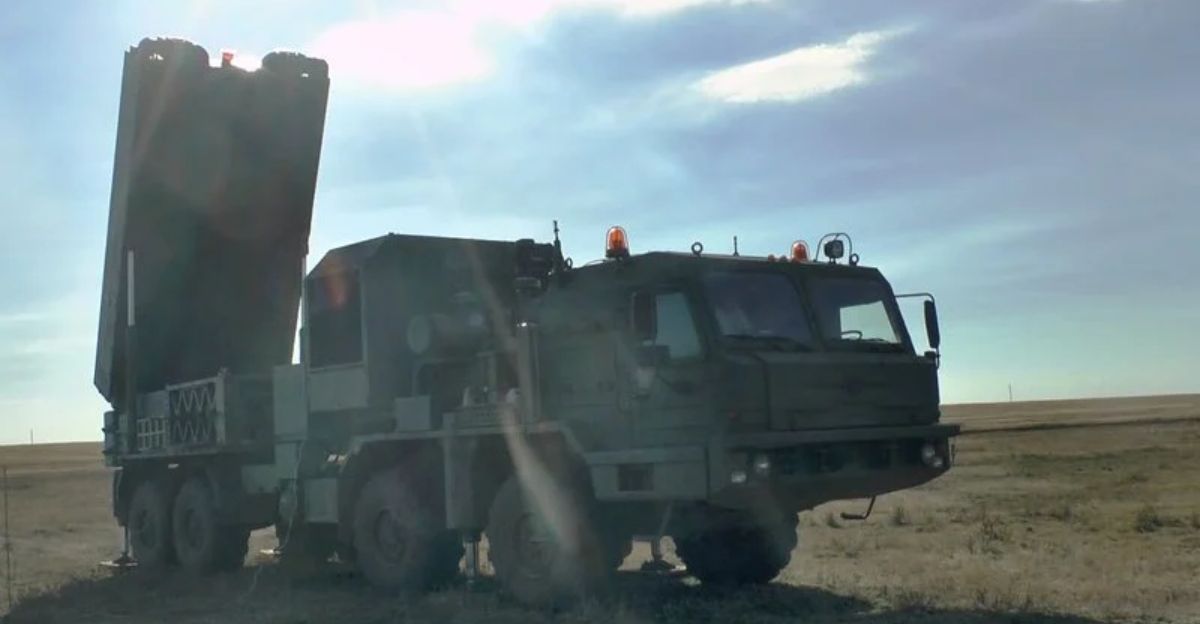
The 1K148 Yastreb-AV represents the pinnacle of Russia’s counter-battery radar development, completing testing around late 2021 or early 2022 and entering limited service in 2022.
Mounted on a four-axle BAZ-6910 chassis, the system employs an active phased-array radar capable of detecting artillery fire out to about 40 kilometers. Its ability to pinpoint firing locations within roughly 5–10 meters gave Russian gunners a powerful tool for rapid retaliation across contested sectors of eastern Ukraine.
How the Strike Was Executed
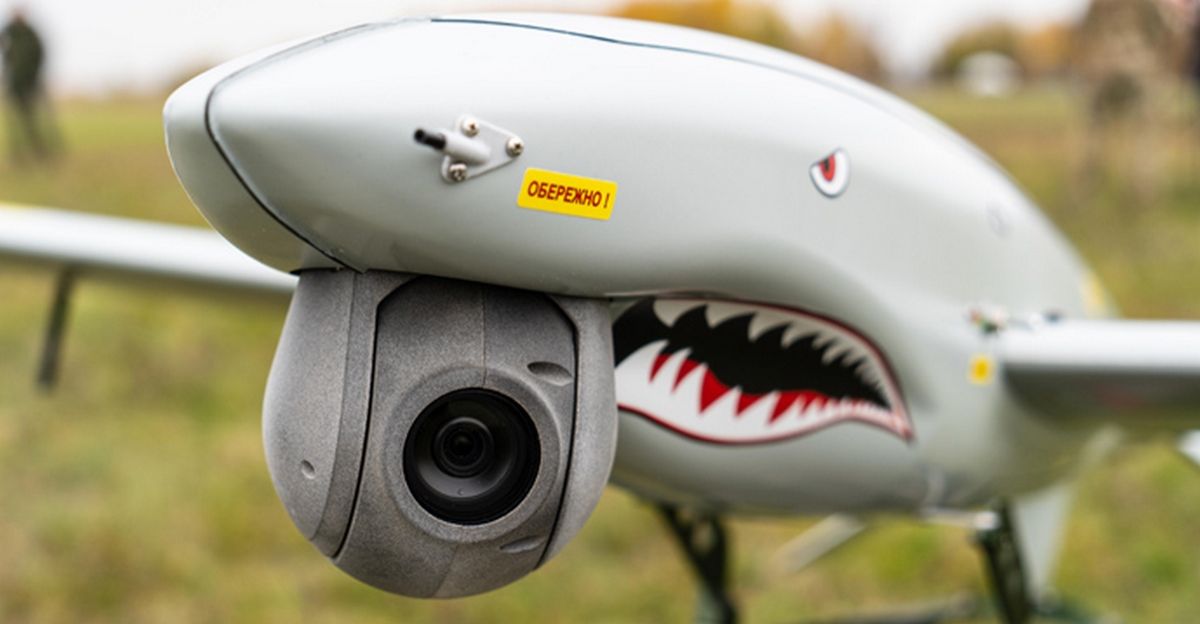
The destruction of the Yastreb-AV was made possible by Ukraine’s integration of aerial reconnaissance and long-range precision fires. A Shark drone, with an operational range of about 80 kilometers and endurance of up to four hours, located and tracked the radar’s position.
Once coordinates were confirmed, HIMARS launched precision-guided GMLRS rockets that struck the radar with near-instant effect. The attack demonstrated how drones now function as indispensable force multipliers on the modern battlefield.
First Combat Loss of a Flagship System
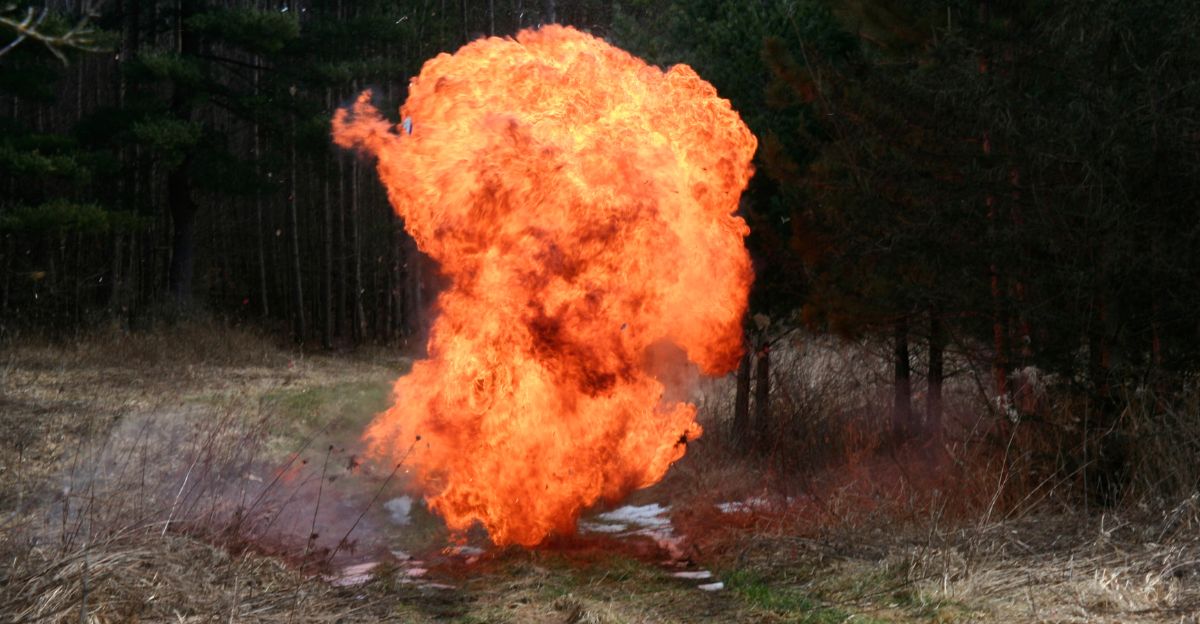
The first confirmed strike on a Yastreb-AV occurred in May 2023, shortly after the system’s public debut. A second Yastreb-AV was documented destroyed by January 2024, and by mid‑2025 at least four such systems had been confirmed lost in combat.
At an estimated $250 million per unit, Russia has lost roughly $1 billion in this radar category alone—losses that are difficult to rapidly replace under wartime production constraints.
Immediate Battlefield Consequences
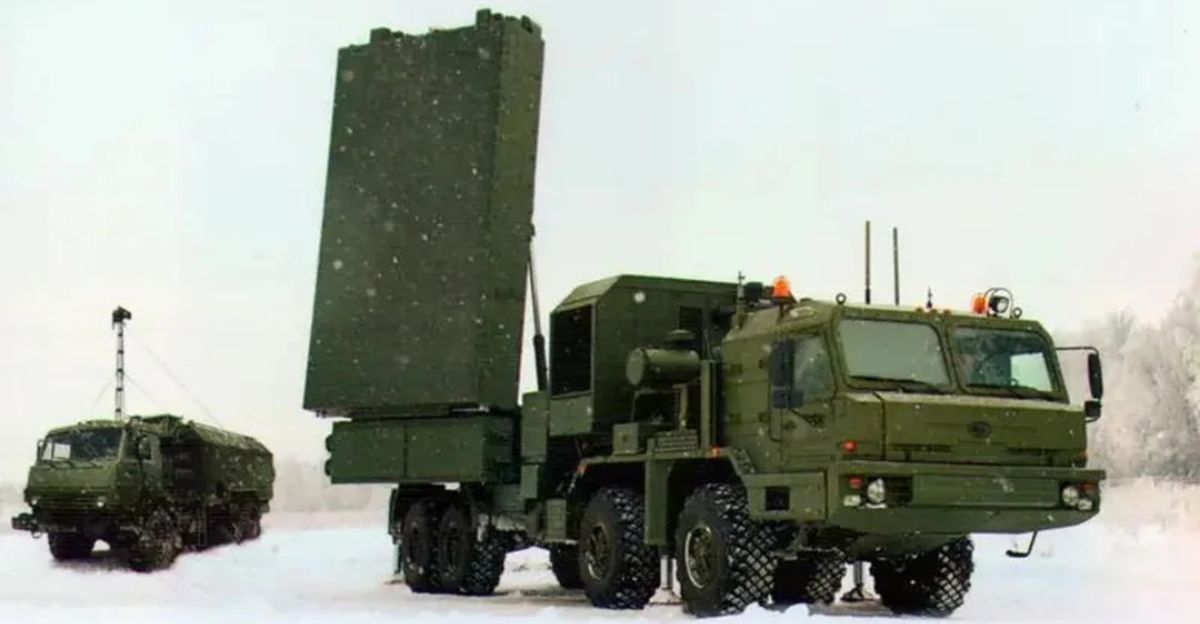
Yastreb-AV radars provided automated tracking of incoming artillery shells and rapid calculation of Ukrainian firing positions.
With at least one radar removed from the Donetsk sector, Russian artillery units were suddenly forced to rely on older systems, visual observers, and slower manual methods. This sharply reduced the speed and accuracy of Russian counter-battery response, giving Ukrainian artillery greater freedom of action and improving survivability for Ukrainian gun crews operating in the area.
Russia Forced Back to Older Radar Systems
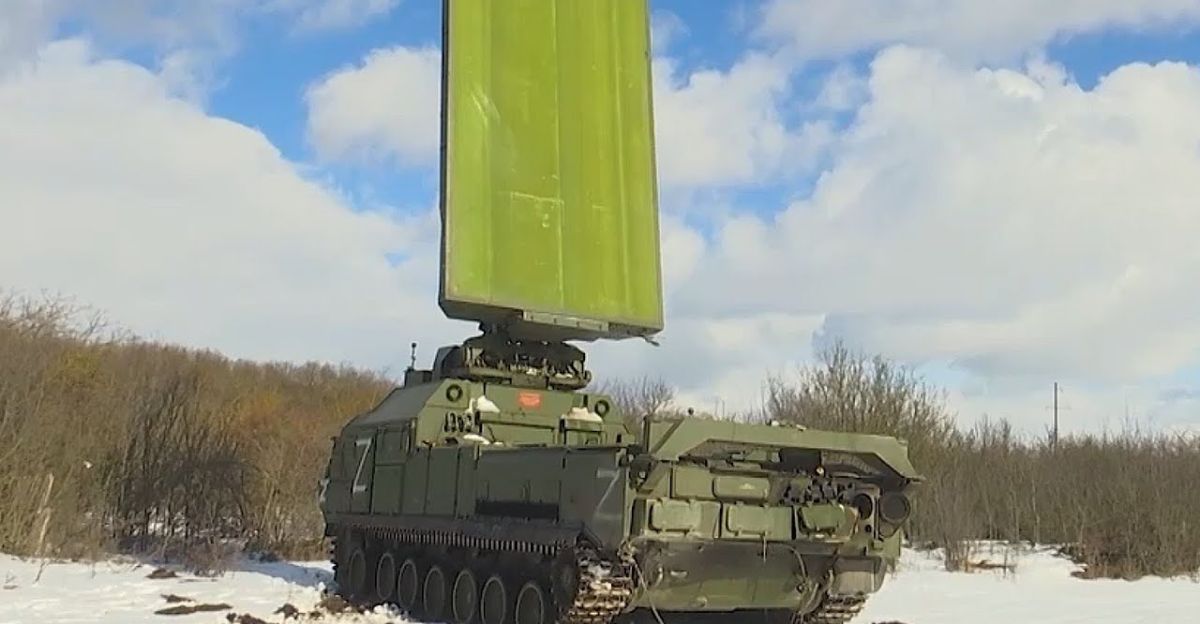
With elite Yastreb-AV units destroyed or withdrawn, Russian forces increasingly depend on older counter-battery systems such as the Zoopark-1M.
These radars typically detect 152–155 mm artillery at roughly 20–23 kilometers—substantially less reach than Yastreb-AV—and with far lower tracking precision. Numerous Ukrainian strikes throughout 2023 and 2024 have also destroyed Zoopark radars, steadily eroding Moscow’s layered counter-battery surveillance across multiple fronts.
The Human Element Behind the Strike

The mission’s success depended heavily on Ukrainian drone operators working under constant threat from Russian electronic warfare and air defenses.
Crews trained through Ukraine’s growing drone warfare programs, including those supported by the Return Alive Foundation, coordinated surveillance, targeting, and fire correction in real time. Their work highlights how modern artillery dominance now hinges as much on technical skill and data integration as on raw firepower.
HIMARS Proves Its Strategic Value Again
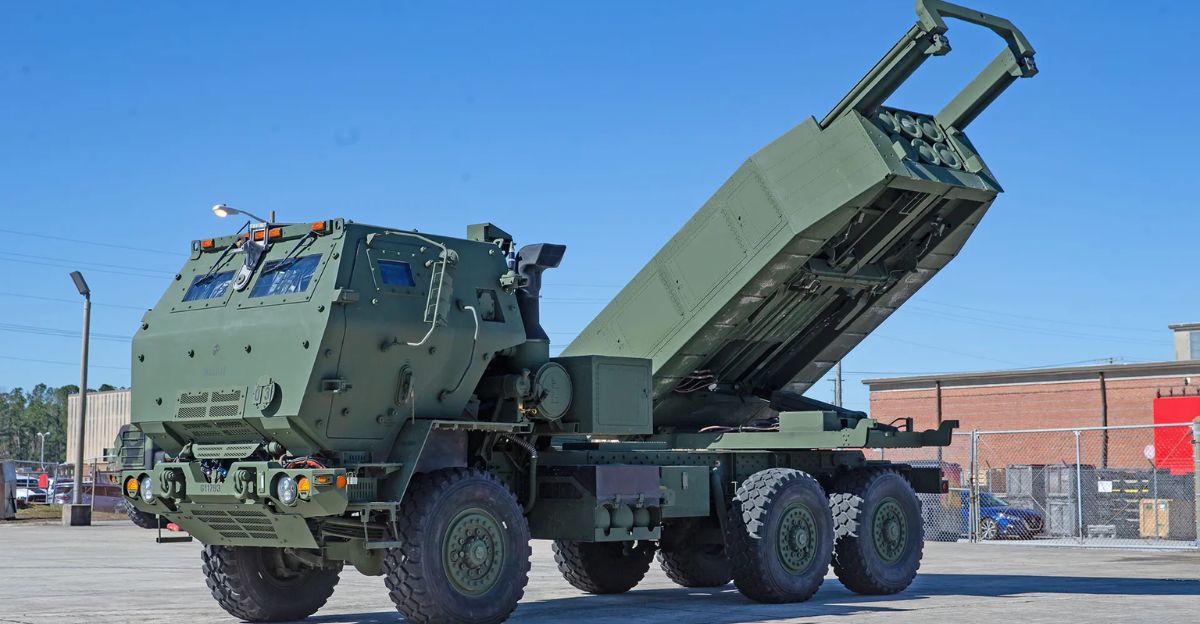
The Yastreb-AV strike reinforced the strategic importance of HIMARS within Ukraine’s long-range strike architecture.
Designed for rapid relocation and precision engagements, HIMARS allows Ukrainian forces to target high-value systems deep behind front lines while minimizing ammunition expenditure and collateral damage. Each successful strike against elite Russian assets further validates the continued investment in precision artillery as a decisive battlefield equalizer.
Russian Industrial and Logistical Pressure
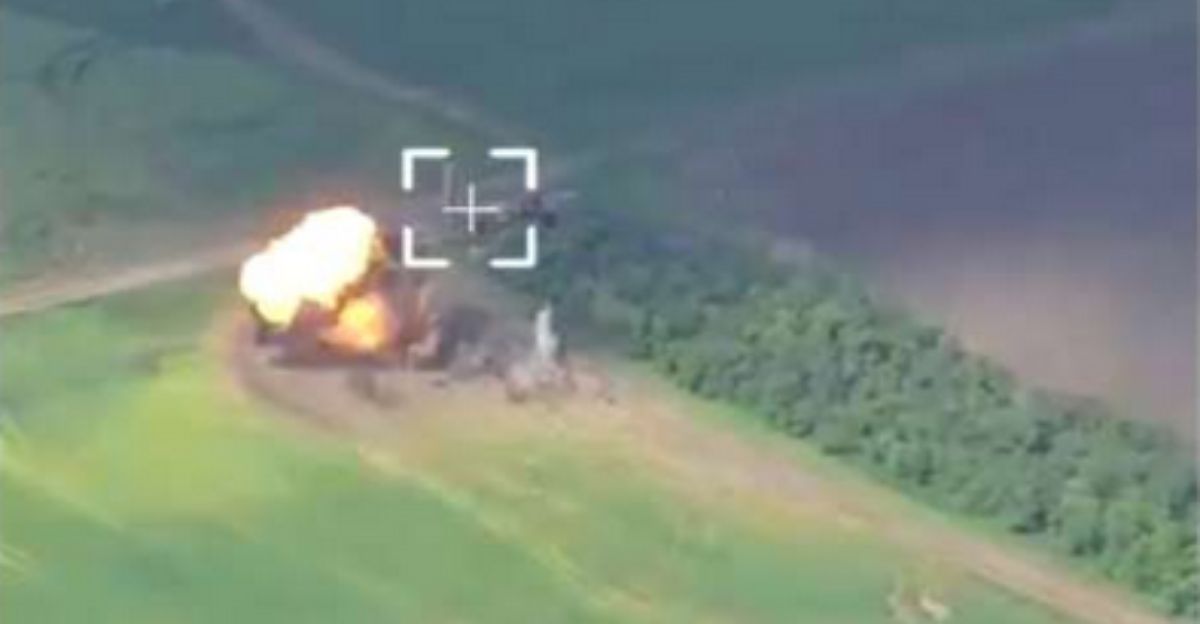
Replacing destroyed Yastreb-AV radars places enormous strain on Russia’s military-industrial base. These systems are complex, expensive, and produced in limited quantities due to advanced electronics and specialized components.
With Western sanctions restricting access to key microelectronics and manufacturing equipment, rebuilding lost radar capacity is slower and costlier, forcing Russian commanders to stretch remaining assets across wider front-line sectors.
NATO Takes Notice of the Drone-Strike Model

Ukraine’s successful integration of reconnaissance drones with long-range precision artillery has drawn sustained attention from NATO planners. Western militaries increasingly view drone-guided fires as essential to modern counter-battery warfare.
As a result, allied governments have expanded funding for Ukraine’s unmanned aerial systems and precision munitions while accelerating similar capabilities in their own armed forces.
Economic Ripples Through Defense Industry
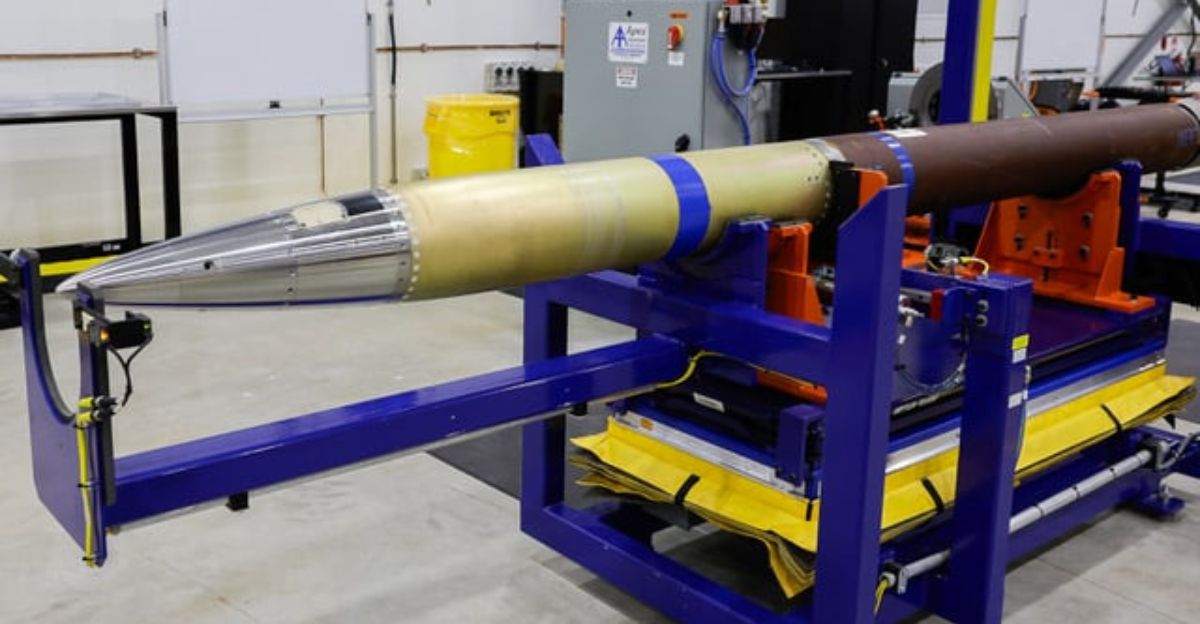
The steady destruction of high-value Russian equipment has fueled an industrial surge among Western defense contractors producing guided rockets, sensors, and drone technologies.
HIMARS system manufacturers report strong backlogs, while Ukrainian drone firms are scaling production rapidly with international support. In contrast, Russian defense producers face export decline, supply-chain disruption, and shrinking foreign markets as sanctions continue to tighten.
Environmental and Infrastructure Impact

The destruction of electronics-heavy radar systems leaves behind hazardous battlefield debris containing metals, fuels, and industrial materials that pose long-term environmental risks.
Ukrainian environmental groups warn that radar wreckage, vehicles, and unexploded munitions across eastern Ukraine are contaminating soil and groundwater. Precise strikes may limit wider destruction, but the cumulative ecological toll across the war zone continues to grow.
Technology as a Force Equalizer
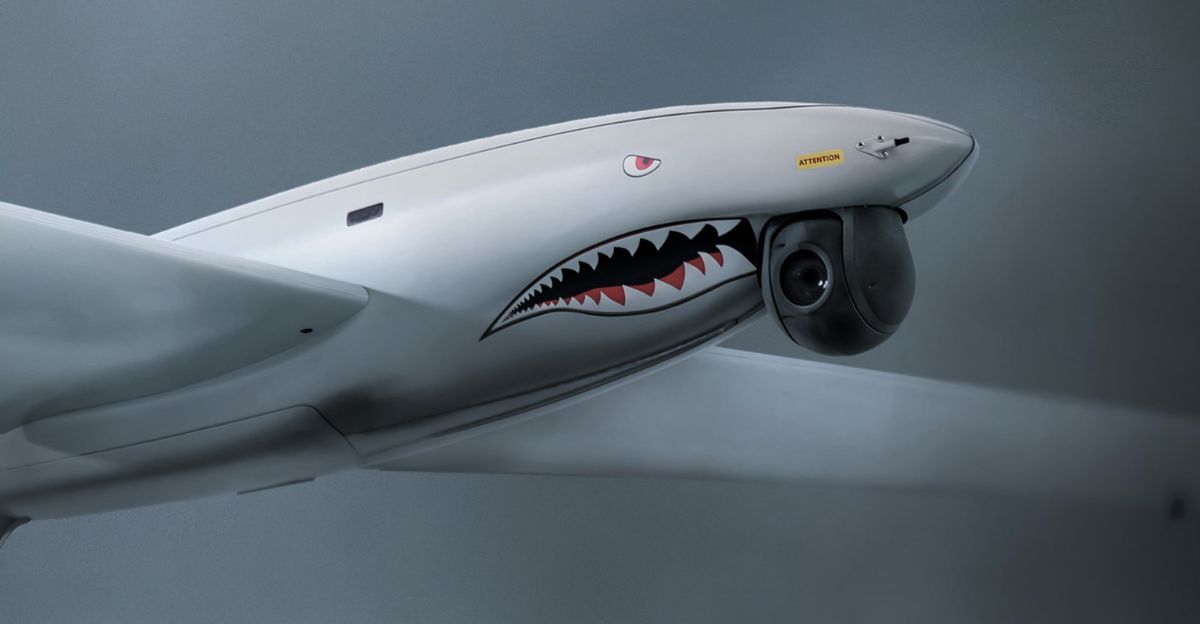
Ukraine’s ability to destroy a $250 million radar with a relatively low-cost drone-guided strike underscores how modern warfare has shifted in favor of adaptability and networked systems. Precision and intelligence integration now frequently outweigh numerical superiority.
The Yastreb-AV strike has become a case study in how smaller, agile forces can dismantle expensive, centralized enemy capabilities with asymmetric efficiency.
Global Lessons for Future Warfare
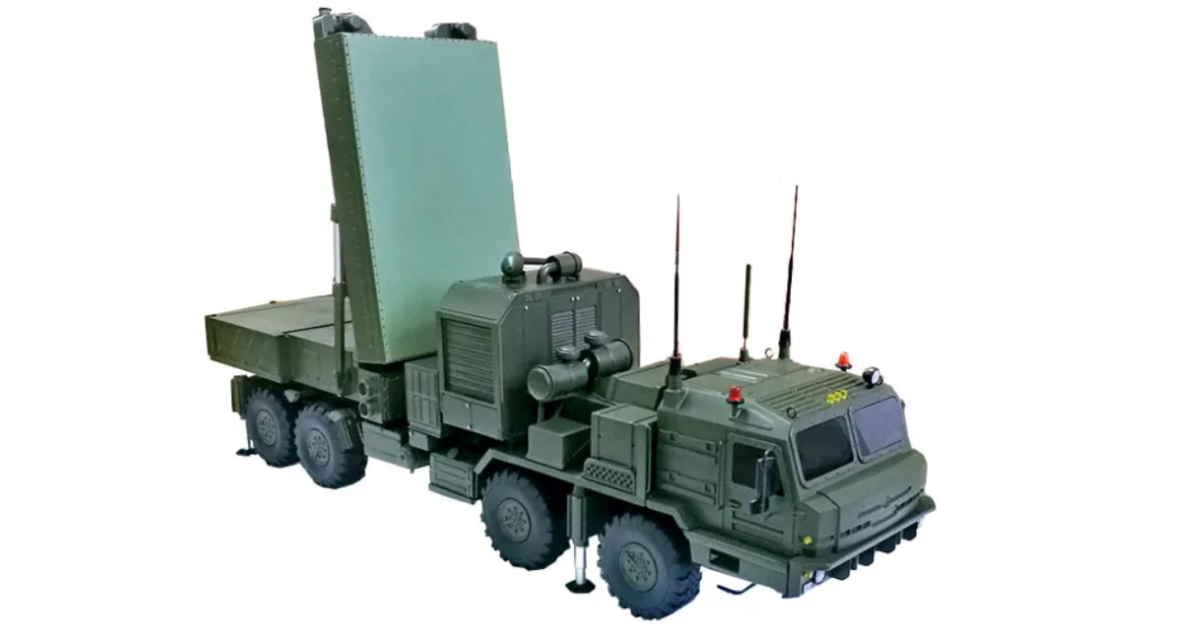
The loss of Yastreb-AV radars highlights the growing vulnerability of large, stationary sensor systems in contested airspace. Future military doctrines increasingly emphasize mobility, dispersion, redundancy, and electronic concealment.
Both Russia and NATO are now reassessing how to deploy high-end sensors in environments saturated with drones, satellites, cyber tools, and long-range precision weapons.
Strategic Realignment and Long-Term Impact
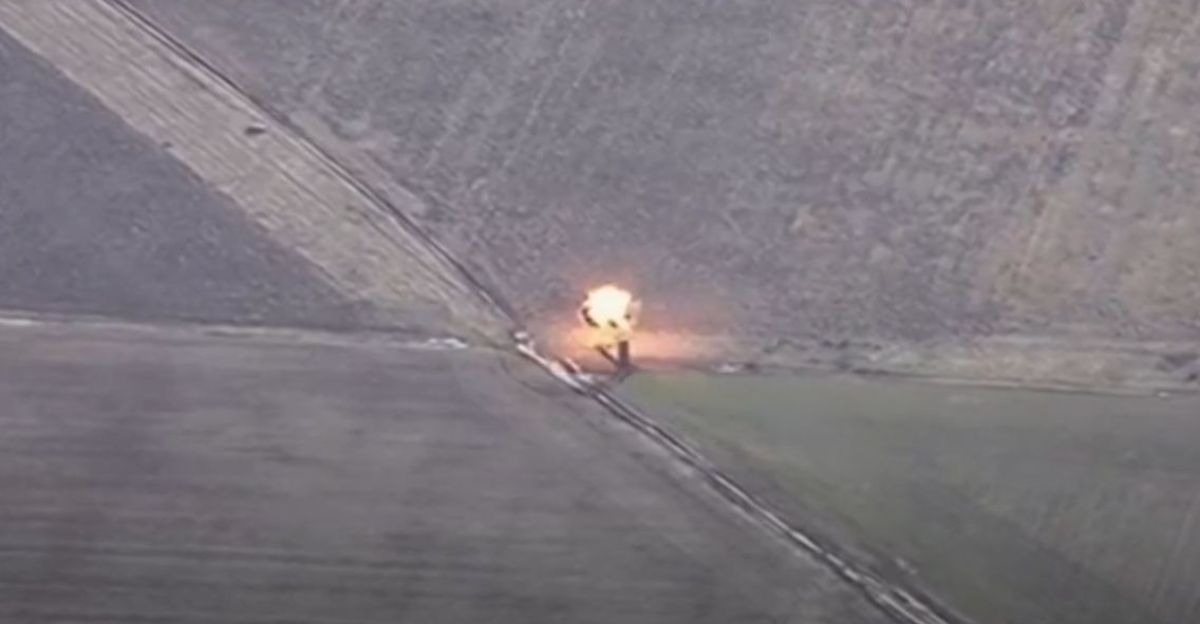
The destruction of Russia’s most advanced counter-battery radar near Donetsk symbolizes a broader realignment in modern warfare driven by drones, data, and precision fires. Ukraine has demonstrated that technological integration can erode even the most sophisticated enemy systems.
For Russia, each lost radar weakens its artillery dominance. For NATO, the lesson is clear: the future battlefield will be decided by who best masters the fusion of sensors, networks, and precision strike power.
Sources:
- United24 Media – coverage of Ukrainian HIMARS destroying Yastreb-AV in Donetsk and Zoopark-related reporting
- Defence Blog – “Ukraine destroys two rare Russian Yastreb radars” analysis
- Business Insider – article on Ukraine blowing up a new Russian Yastreb-AV radar system
- NV (Novoe Vremya) English – piece on Ukrainian forces destroying a Russian Yastreb-AV radar in Donetsk Oblast
- Army Recognition – technical overview of Zoopark-1M (1L260) counter-battery radar
- Radartutorial.eu – technical data on Zoopark-1M radar
- Wikipedia – “Ukrspecsystems Shark” and “Zoopark-1” entries
- Army Technology – “Shark unmanned aerial system, Ukraine” technical profile
- Ukrspecsystems – official SHARK UAS specifications