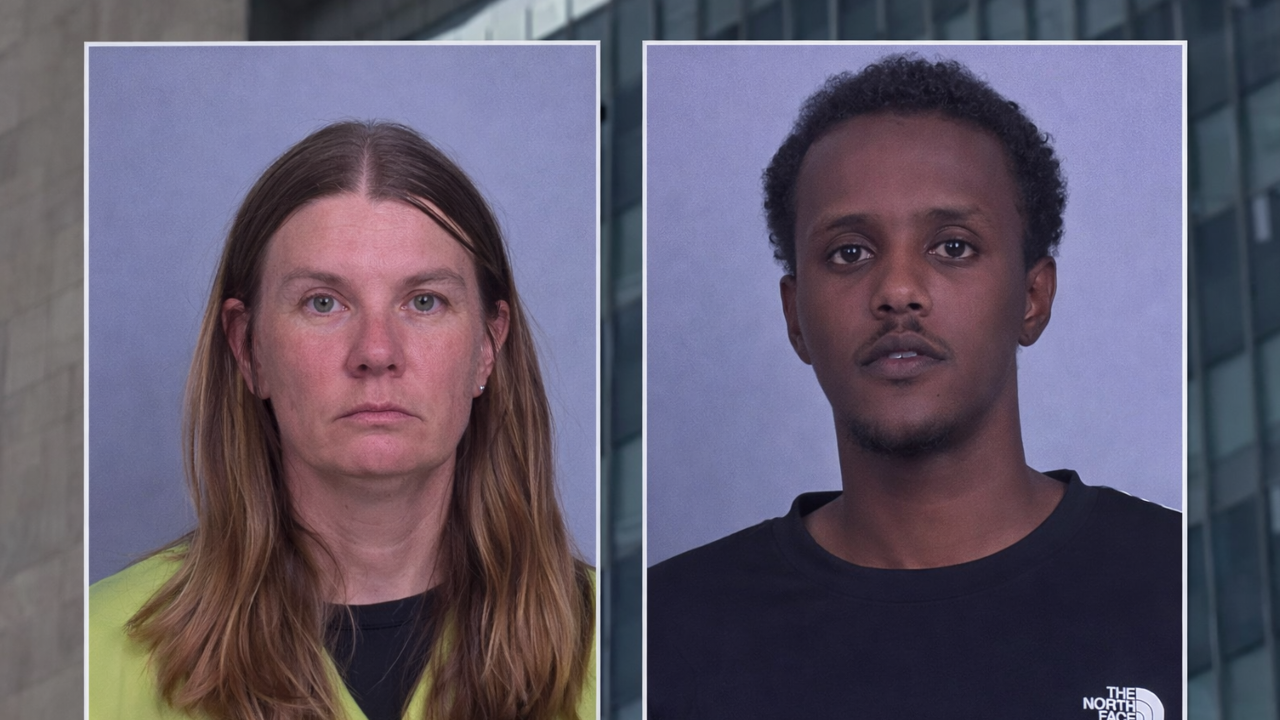
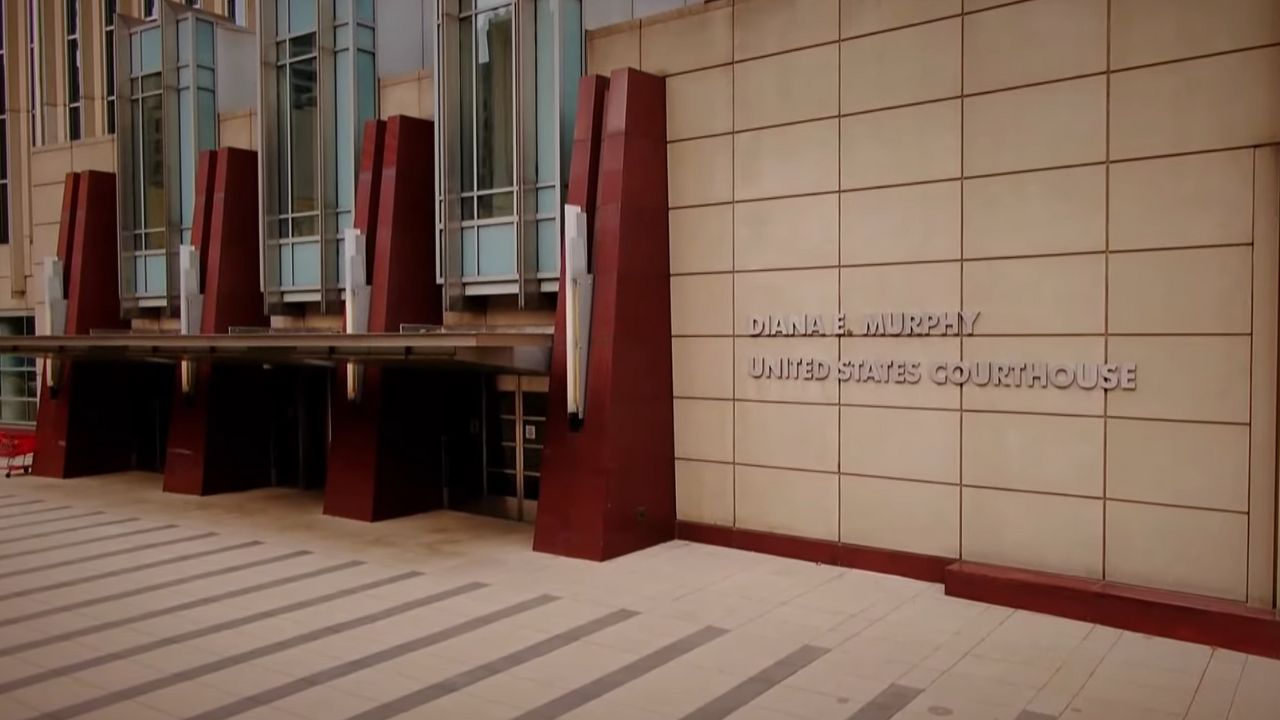
Federal agents sat in a Minneapolis courtroom as the verdict was read—guilty on every count. On March 19, 2025, jurors convicted the founder of a children’s nutrition nonprofit after prosecutors showed how $250 million meant for kids’ meals was billed, approved, and paid out for food that was never served.
Bank records, invoices, and wire transfers traced the money’s path—but when the numbers were tallied, most of it was gone. What investigators uncovered next revealed how deep the damage ran.
Funds Vanish

Of the $250 million stolen, investigators have recovered only $75 million—leaving $175 million still missing. Federal agents seized cash, vehicles, homes, and other assets, but much of the money was quickly laundered or moved abroad.
Prosecutors say the unrecovered funds likely flowed into foreign real estate and opaque investments. With 78 defendants charged, recovery efforts continue, but officials warn a majority of the money may never be returned to taxpayers.
Nonprofit Roots

At the center was Feeding Our Future, founded in 2016 to sponsor child-nutrition sites. Before the pandemic, Minnesota education officials flagged the group for financial and governance problems.
Those warnings stalled its expansion—until COVID-era waivers suspended key safeguards. By 2020, the nonprofit exploded in size, approving nearly 300 meal sites and claiming tens of millions of meals with little physical verification.
Warnings Ignored
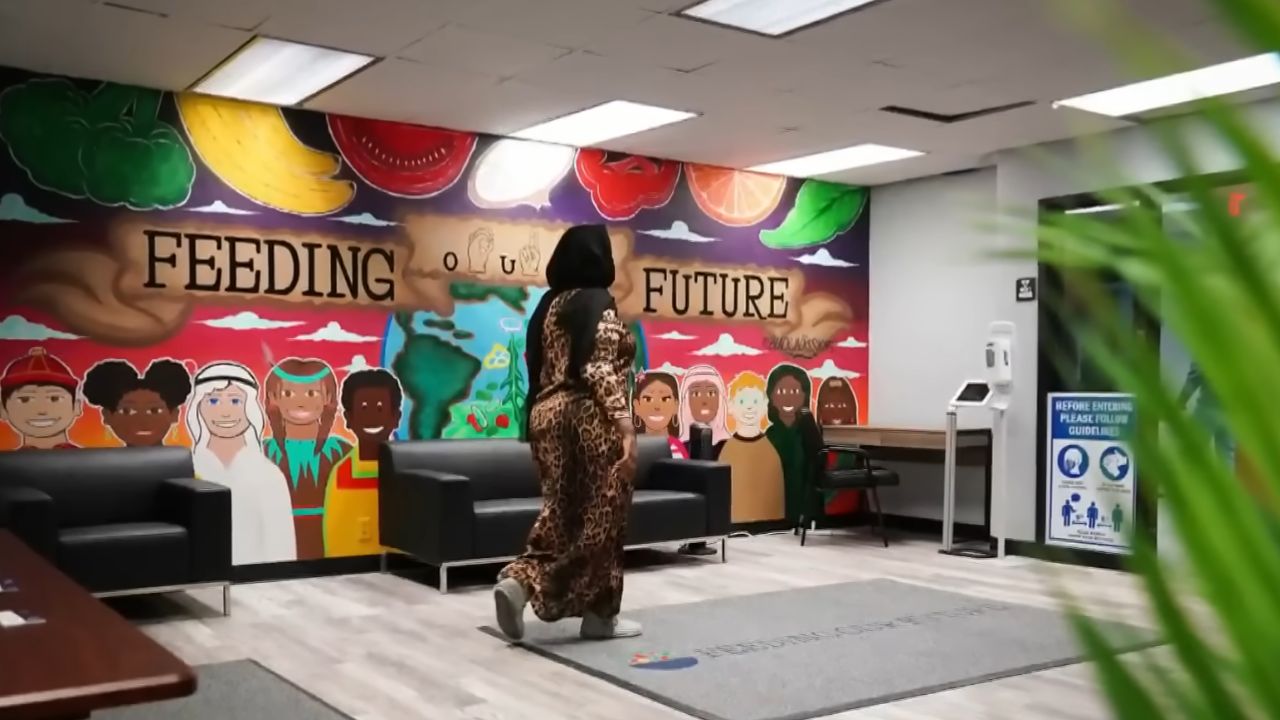
State officials raised alarms as early as 2019 over implausible meal counts and poor documentation. Oversight efforts stalled after Feeding Our Future sued the state, limiting audits and site visits. When the pandemic hit, federal waivers removed in-person monitoring entirely.
From 2020 through 2022, reimbursements flowed freely. Investigators later found some sites claimed thousands of meals per day while serving almost no one at all.
Bock Convicted
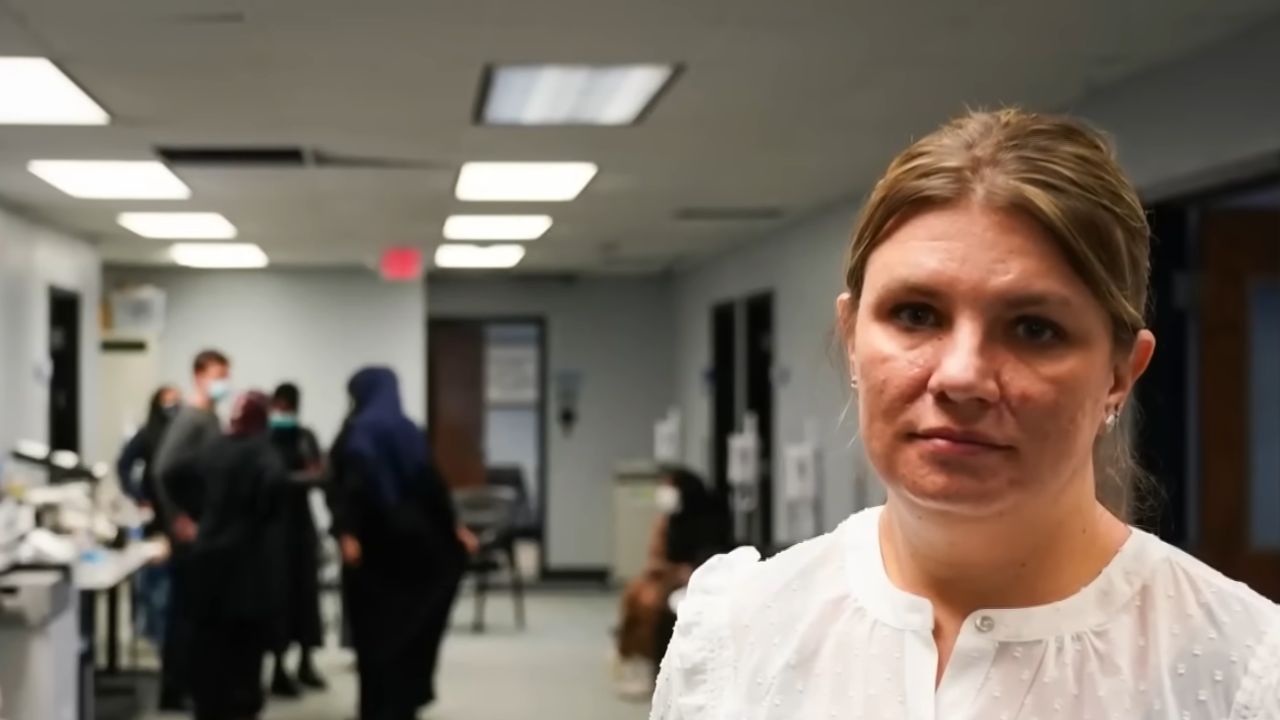
On March 19, 2025, a Minneapolis jury convicted Aimee Bock on all counts, including wire fraud, conspiracy, and bribery. Prosecutors described her as the scheme’s organizer and gatekeeper. After a six-week trial, the jury deliberated for less than a day.
Authorities say the verdict confirmed what investigators had long argued: the fraud was coordinated, deliberate, and massive in scale.
Minnesota Fallout
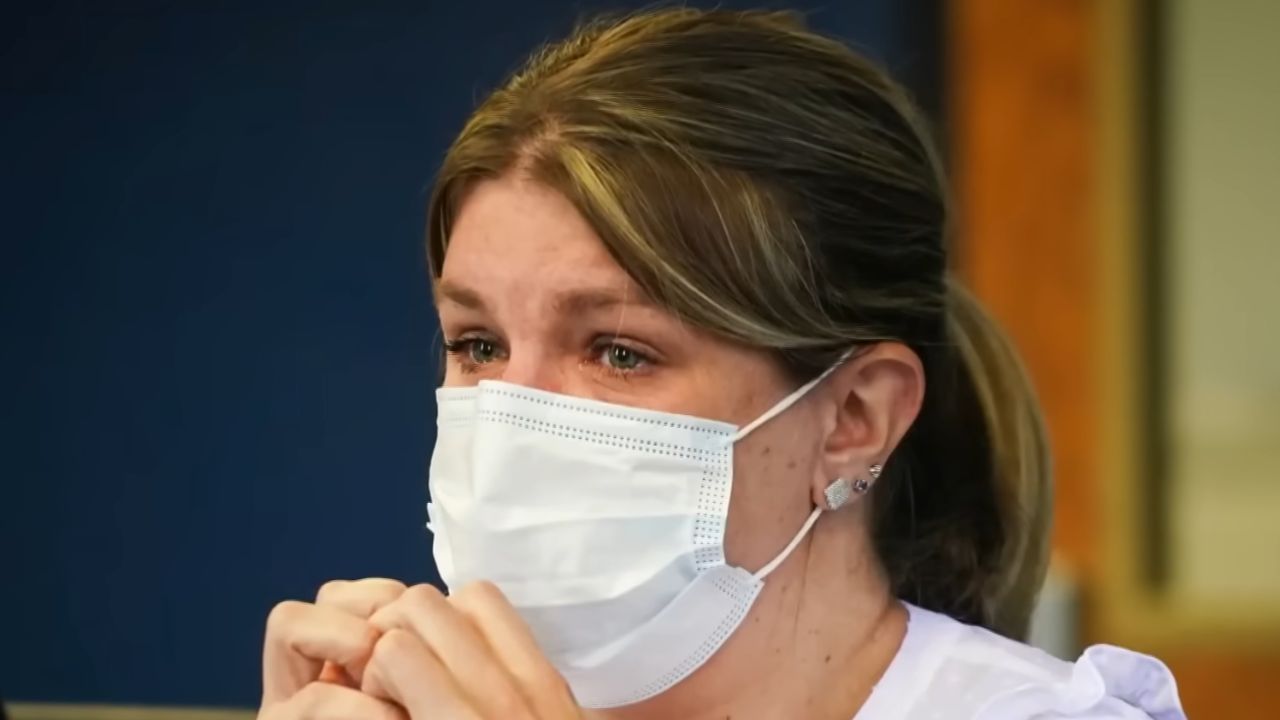
The fraud hit the Twin Cities hardest, with many charged sites clustered in Minneapolis and nearby suburbs. Several defendants operated within the Somali-American business and nonprofit community, intensifying local fallout.
State audits later faulted the Minnesota Department of Education for weak oversight during the crisis. The case triggered bipartisan outrage and reform calls, with lawmakers demanding tighter controls on emergency spending and nonprofit sponsorship programs.
Lives Upended

Sentences have been severe. One Shakopee operator received 10 years in prison and was ordered to repay nearly $48 million tied to phantom meal claims.
Prosecutors stressed the broader damage: funds intended for children in need never arrived, while entire communities now face stigma. Federal officials warned the scandal eroded public trust not just in nonprofits, but in social safety-net programs meant to protect vulnerable families.
Regulatory Gaps
At the heart of the case were structural failures. Pandemic waivers removed meal-count verification, site visits, and documentation checks. Lawsuits further slowed oversight. Investigators later found that in some locations, less than 3% of funds were spent on food.
Congress has since expanded probes, examining whether similar vulnerabilities affected other relief programs—and whether warning signs were systematically ignored as money flowed out.
Pandemic Explosion
From 2020 to 2022, some sites claimed over 120,000 meals per day across Minnesota. FBI surveillance later showed stark contrasts: locations billing for thousands of meals often served only a few dozen people.
Prosecutors estimate tens of millions of “phantom meals” were reimbursed. At standard federal rates, investigators believe more than 60 million meals were falsely claimed during the height of the scheme.
Bribery Twist

The case took a rare turn in 2024 when prosecutors uncovered an attempted juror-bribery scheme during an earlier trial phase. A defendant associate offered cash in exchange for a favorable verdict. The plot triggered a mistrial and a sequestered jury.
By 2025, all individuals charged in the bribery attempt had pleaded guilty, adding another layer of criminal exposure to an already sprawling prosecution.
Defendants Push Back

Defense attorneys argued that government agencies—not nonprofits—failed to police the program. Bock’s legal team claimed she relied on subordinates and fired questionable vendors.
Prosecutors countered with evidence of kickbacks, falsified invoices, and direct payments to leadership. By September 2025, 56 of the 78 defendants had pleaded guilty, undercutting claims that the fraud stemmed solely from bureaucratic confusion.
Leadership Crumbles

Following FBI raids in 2022, Feeding Our Future collapsed. Affiliated nonprofits shut down. Restaurants tied to the scheme closed. Former partners distanced themselves as charges mounted.
Prosecutors showed how sponsorship power concentrated control in a few hands—allowing fraudulent sites to operate as long as money kept flowing upward. What once presented as a charitable network ultimately unraveled into a coordinated reimbursement pipeline.
Clawback Efforts

Federal agencies seized homes, luxury vehicles, cash, and land—including property overseas. Some defendants forfeited multiple houses and investment accounts. Still, authorities acknowledge limits: funds wired abroad are difficult to trace and harder to reclaim.
Despite aggressive forfeiture actions by the FBI, IRS, and Postal Inspectors, officials say the majority of stolen money may remain permanently out of reach.
Skeptics Weigh In

Auditors and prosecutors remain blunt. With roughly 70% of funds unrecovered, expectations for full repayment are low.
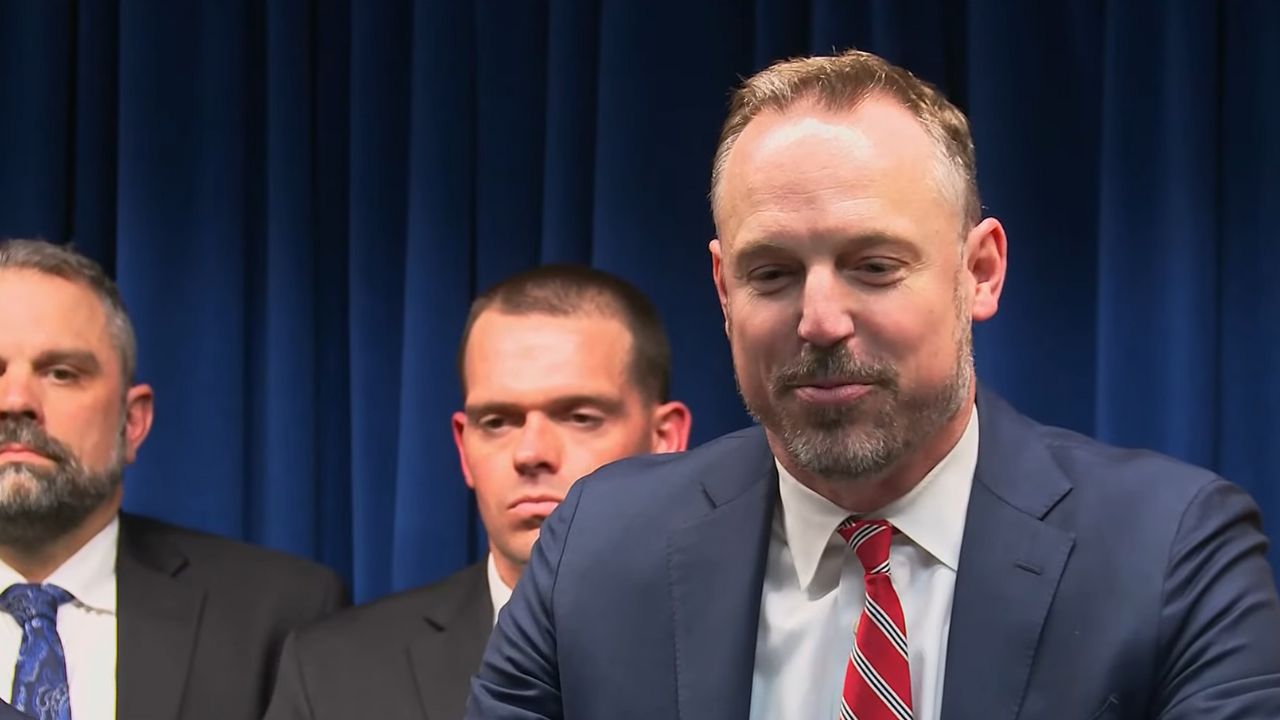
Acting U.S. Attorney Joseph H. Thompson said the case exposed how emergency systems can be exploited when speed replaces safeguards. As more trials loom, officials warn the financial damage may never be fully undone—only accounted for.
Reforms Loom

Minnesota leaders say reforms are underway. Governor Tim Walz has cited internal tips and cooperation with federal agents while backing tighter audits.
Legislators from both parties support restoring verification rules suspended during COVID-19. Whether those safeguards can prevent similar abuse in future crises remains an open question—especially as governments prepare for the next emergency response.
Policy Reckoning

The scandal has widened into a broader reckoning over pandemic relief. House investigators are examining 14 Minnesota programs for related vulnerabilities, with potential fraud exposure exceeding $1 billion.
Lawmakers argue the Feeding Our Future case is not an anomaly, but a warning sign. Oversight failures, they say, allowed well-organized fraud rings to operate in plain sight for years.
Global Ripples

Investigators traced stolen funds to foreign real estate and overseas investments, complicating recovery. Assets linked to defendants appeared in multiple countries, highlighting the global reach of modern fraud. Once money crossed borders, U.S. seizure powers weakened.
Officials say the case mirrors broader international challenges: fast-moving digital transfers can outpace enforcement, especially when safeguards are suspended during emergencies.
Legal Cascade

Since 2022, federal prosecutors have steadily added defendants. By late 2025, 78 individuals faced charges, with more than 50 convictions secured through pleas and trials.
Sentences have ranged from several years to over a decade. Prosecutors describe the ongoing cases as part of a long-term cleanup—one that may continue well beyond the initial headline verdicts.
Community Echoes

Beyond courtrooms, the damage lingers. Many Somali-American Minnesotans fear the scandal has fueled stigma and suspicion toward legitimate charities. Community leaders warn that fraud by a few should not define an entire population.
Still, trust has been shaken. Aid groups now face heightened scrutiny, and donors and regulators alike are reassessing how nonprofit credibility is established and monitored.
Lessons Ahead

With $175 million still missing, the Feeding Our Future case stands as a national cautionary tale. Emergency aid saved lives—but weak oversight invited exploitation at historic scale.
As investigations expand and reforms take shape, the central question remains unresolved: how can governments deliver help quickly without opening the door to abuse? Minnesota’s experience now serves as a warning for every future crisis.
Sources:
“Federal Jury Finds Feeding Our Future Mastermind and Co-Defendant Guilty in $250 Million Fraud Scheme.” U.S. Department of Justice, U.S. Attorney’s Office, District of Minnesota, 18 Mar 2025.
“Feeding Our Future founder Aimee Bock found guilty in pandemic fraud trial.” CBS News Minnesota, 19 Mar 2025.
“78th Defendant Charged in Feeding Our Future Fraud Scheme.” U.S. Department of Justice, U.S. Attorney’s Office, District of Minnesota, 23 Nov 2025.
“Feds aim to recover ‘millions’ more in Feeding Our Future fraud case; prosecutors: Most of $250M will never be returned.” Star Tribune, 27 Mar 2025.