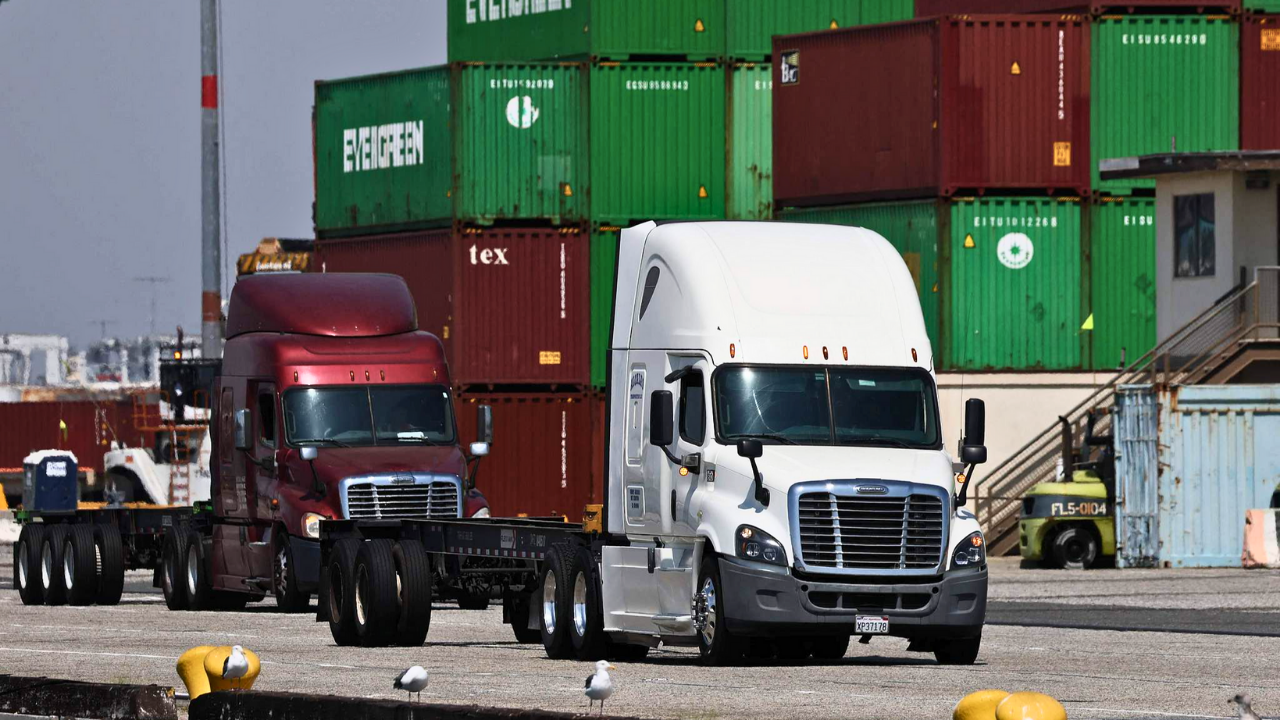
November 1, 2025, marked a turning point in U.S. trade history. A bold 25% tariff on medium and heavy-duty trucks, along with key components, took effect, sending shockwaves through the supply chain. This unprecedented move—first time Section 232 targeted an entire vehicle class—created a $9 billion ripple, setting off a wave of changes.
It’s not just about trucks; it’s about redefining America’s economic security. The move has signaled a new chapter in how the U.S. approaches national defense, economic resilience, and global trade relationships.
The Reason Behind the Tariffs
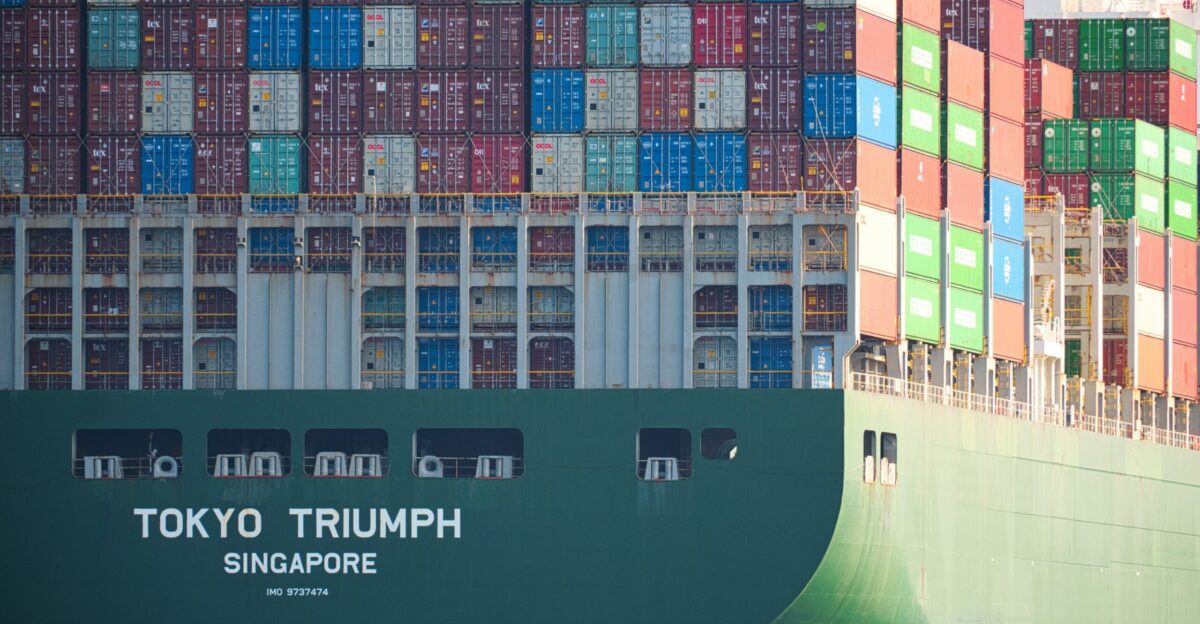
The U.S. government’s decision to impose tariffs is rooted in national security and economic resilience. After an investigation by the Commerce Department, it was determined that imported trucks and parts are critical to America’s infrastructure.
The tariffs aim to solidify U.S. manufacturing dominance, targeting a 80% share of the market within five years. The White House sees these measures as vital for strengthening the country’s economic sovereignty and ensuring the future stability of the domestic supply chain.
Consumers Feel the Pain: Higher Prices Ahead

Businesses and consumers are facing a direct hit. Imported trucks and components will cost 25% more, while buses rise by 10%. With companies already bracing for the higher costs, delivery firms, construction companies, and independent truckers must prepare for rising shipping rates across the country.
This will likely lead to higher prices for goods and services nationwide, as the increased cost of transportation ripples through various industries. Everyone from small business owners to large corporations will feel the strain.
U.S. Manufacturers Race to Adapt
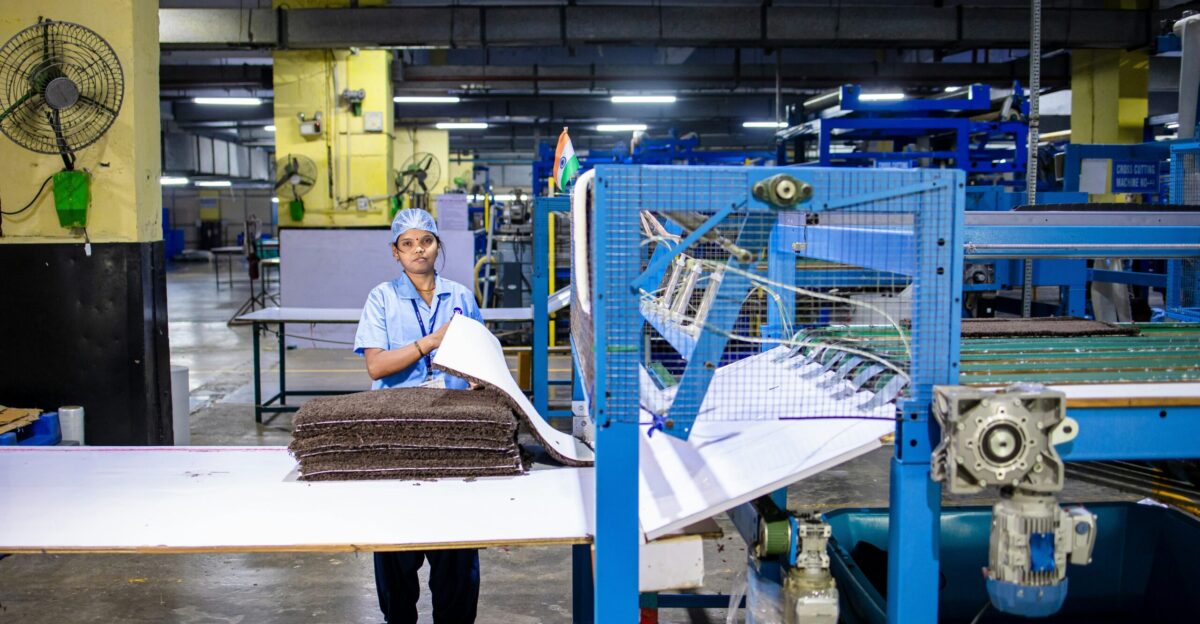
In the wake of these tariffs, U.S. truck manufacturers like Navistar and PACCAR are quickly ramping up domestic assembly. They’re aiming to qualify for offset credits to counter the impact of higher production costs.
Meanwhile, foreign companies are considering reshoring production to avoid exposure to the new tariffs. The industry is now in a race to localize operations, as the new rules demand quick action to stay competitive.
Shifting Demand: Light-Duty Trucks and Used Vehicles

As tariffs on medium and heavy-duty trucks soar, businesses may shift their attention toward light-duty trucks or used vehicles—both exempt from the tariffs. This shift is also driving increased demand for parts and repair services, as businesses try to prolong the life of existing fleets.
Expect to see longer lifespans for trucks as fleets delay purchasing new models. This trend will not only affect vehicle sales but also create opportunities in the aftermarket parts and service sectors.
Global Reactions to the U.S. Tariffs

The tariffs have stirred reactions from key U.S. allies, including Canada and Mexico, who are closely watching their economic impacts. While vehicles compliant with USMCA agreements will receive partial exemptions, the full scope of the tariff applies to imports from around the world.
This could shift the global balance of production and supply in the truck industry. Countries that rely heavily on the U.S. market now have to rethink their strategies as they weigh the costs of tariffs versus relocating production.
The Impact on U.S. Workers
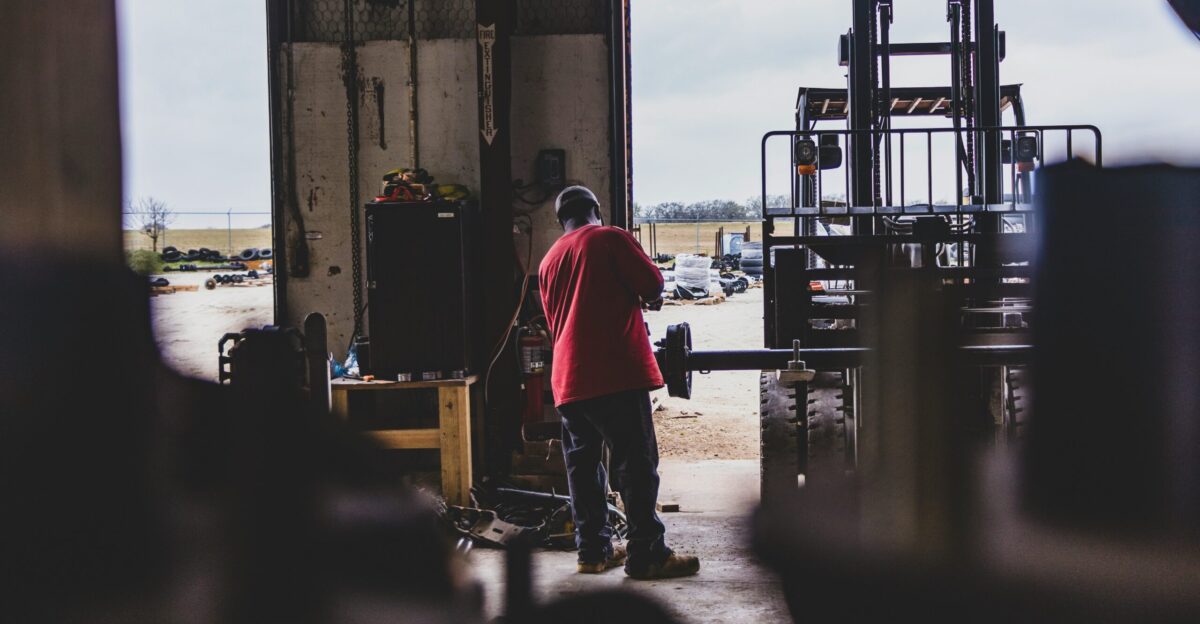
The tariffs are expected to bolster domestic manufacturing, potentially boosting truck assembly jobs by 15–25% over the next five years. U.S. parts suppliers will see an increase in demand, but businesses relying on imports might face job cuts and uncertainty as they adapt to the new trade landscape.
For workers in U.S. truck manufacturing plants, this could mean new opportunities and more secure positions. However, industries dependent on overseas production will likely face disruption and instability.
Political Debate Heats Up

The tariff move has sparked intense debate in Washington. While some lawmakers support the policy as a necessary step to protect domestic industries, others warn of rising costs and the threat of retaliatory measures.
Industries like logistics and retail have expressed concerns, signaling that the fallout may not be contained. The policy is dividing political lines, with manufacturing states largely supporting the move and others urging caution due to potential economic ripple effects.
The Inflation Effect: Rising Costs Across the Economy

Experts are warning that these tariffs could lead to broader inflationary pressures. The $2–4 billion in annual tariff revenue is likely to be overshadowed by the rising costs of goods.
From construction to delivery, industries across the board will feel the squeeze, potentially driving up prices for consumers nationwide. The cost of everyday goods could escalate as businesses pass on the added expense of transportation and equipment.
Retailers Adjust: New Strategies for Procurement

Retailers and fleet operators are recalculating their procurement strategies. Some are accelerating purchases to avoid further price hikes, while others are negotiating long-term contracts with U.S. suppliers.
Leasing and rental options are becoming more attractive as businesses try to manage capital costs amid the uncertainty. This strategic shift will reshape the way goods are moved and delivered across the country.
Hospitality and Logistics in the Crosshairs

In the hospitality and logistics industries, the impact of the tariffs is forcing businesses to rethink their fleet upgrade schedules. Some hotel chains and food distributors are delaying truck replacements, while others are opting for maintenance solutions to extend the life of their existing fleets.
This delay in fleet upgrades could affect service speed and efficiency, especially in industries that rely on timely deliveries. It may also lead to a rise in maintenance costs and service disruptions.
The Ripple Effect: Parts, Steel, and Beyond

The tariffs are not just affecting trucks—they’re reverberating through the entire supply chain. Parts suppliers, steelmakers, and logistics firms are seeing a boost in demand, but industries reliant on imported components, like tire manufacturers and electronics companies, are bracing for higher costs.
U.S. steel manufacturers, for example, are poised to benefit from increased demand, but the cost of raw materials could rise across several sectors, making everything from vehicles to electronics more expensive to produce.
Global Impact: Changes in International Trade
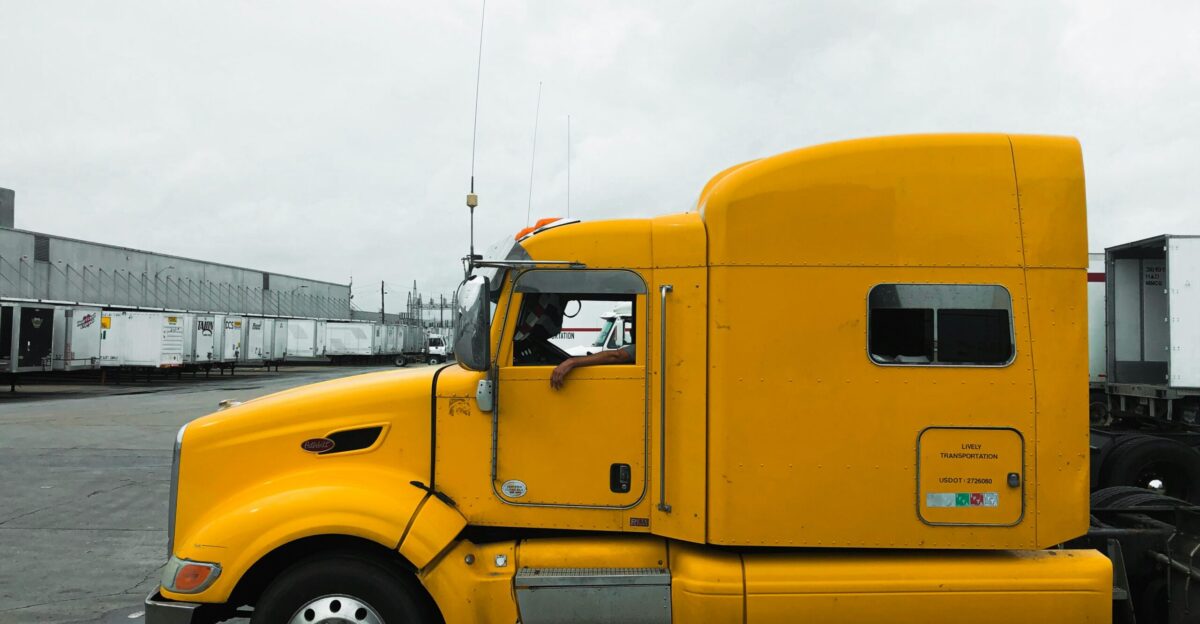
International buyers of U.S.-made trucks may face shifting prices and availability as American manufacturers prioritize domestic orders. Meanwhile, foreign manufacturers may reorient their production lines to serve other markets, potentially leading to changes in global supply and demand dynamics in the commercial vehicle sector.
This realignment could result in more competitive pricing in other regions, which could, in turn, affect the U.S. market’s share of global truck exports.
Health and Safety Concerns for Drivers

Long-haul drivers and small fleet owners are feeling the effects of the tariff policy as the cost of upgrading to safer, more efficient vehicles rises. With older trucks staying in service longer, experts warn this could have long-term effects on road safety and environmental goals.
The impact on emissions and public health could be significant, as older trucks often have worse fuel efficiency and higher emissions, which could set back progress toward cleaner air and safer roads.
Environmental Debate: Economic vs. Ecological Priorities

The tariffs have sparked a heated debate between economic security and environmental sustainability. Some see the reshoring of truck production as a positive step for sustainability, while others worry that the delay in fleet modernization could set back efforts to meet emissions and fuel efficiency targets.
The tension between industrial growth and environmental responsibility remains a central issue, as policymakers try to balance economic priorities with ecological concerns.
Surprising Winners and Losers
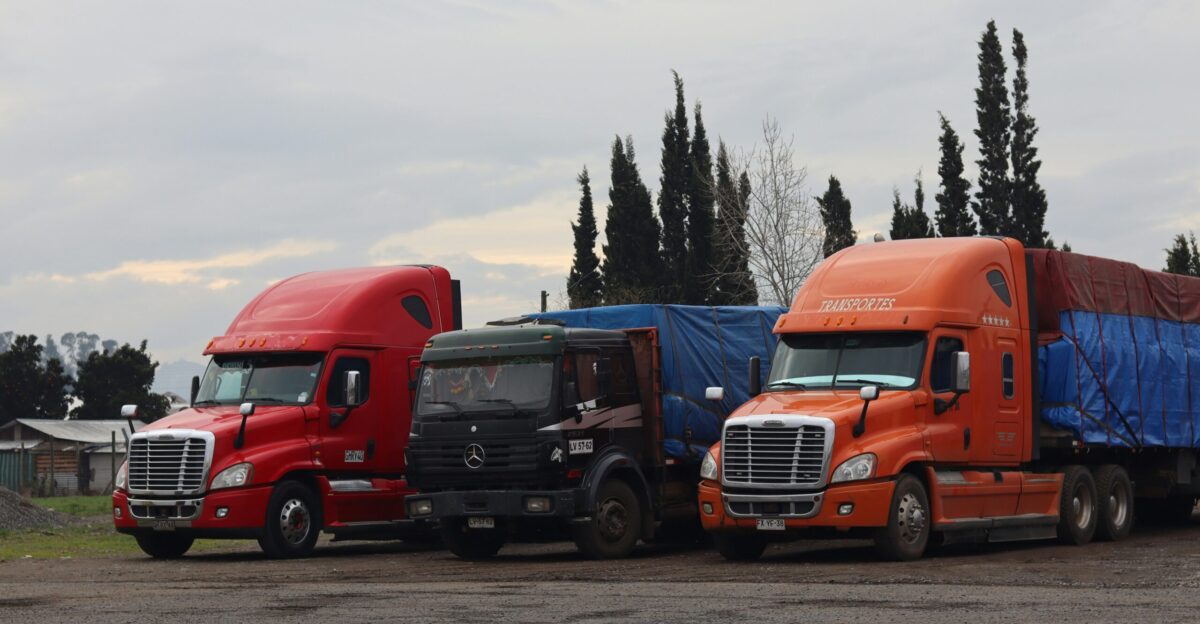
U.S. truck manufacturers are clearly benefiting, gaining market share and offset credits, while importers and small businesses face higher costs. Interestingly, the used truck market and repair shops are seeing a boost as businesses seek alternatives to new vehicle purchases.
This unexpected outcome is a win for sectors not directly involved in truck manufacturing, as companies opt to extend the life of older fleets and search for more cost-effective options.
The Financial Market’s Response
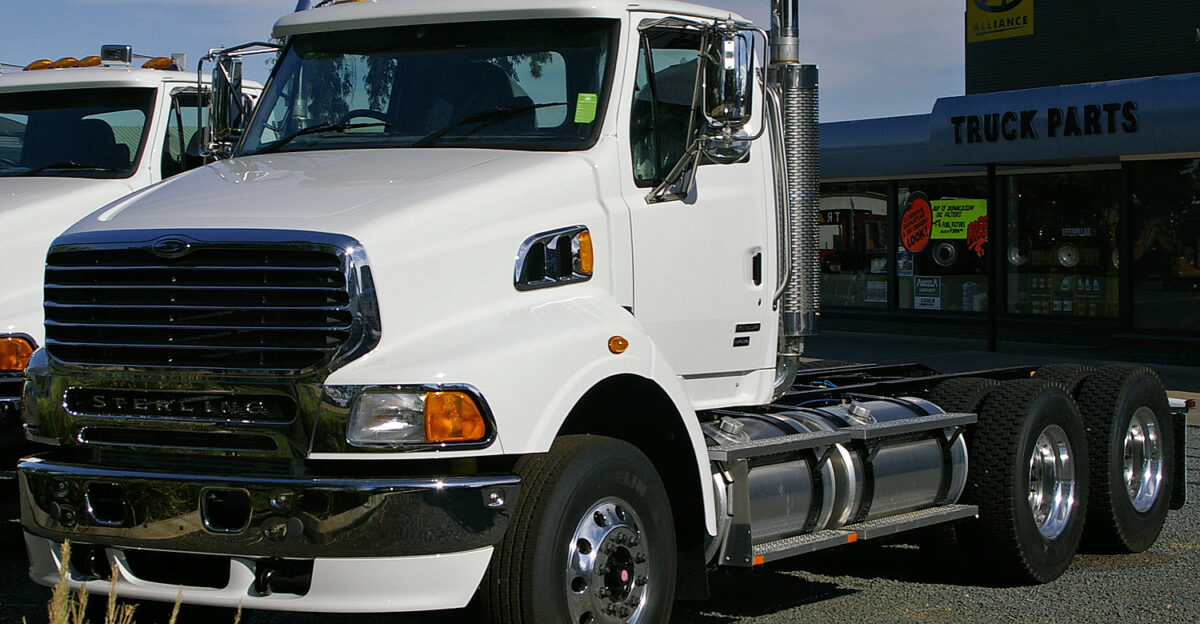
Investors are closely watching U.S. truck manufacturers, parts suppliers, and logistics companies. While some analysts predict short-term gains for domestic manufacturers, others caution that the increased costs could reduce demand and shrink margins across the transportation sector.
This volatility in the financial markets reflects a broader uncertainty about the long-term impacts of the tariffs on the trucking industry’s profitability and sustainability.
How Consumers Can Navigate the Changes
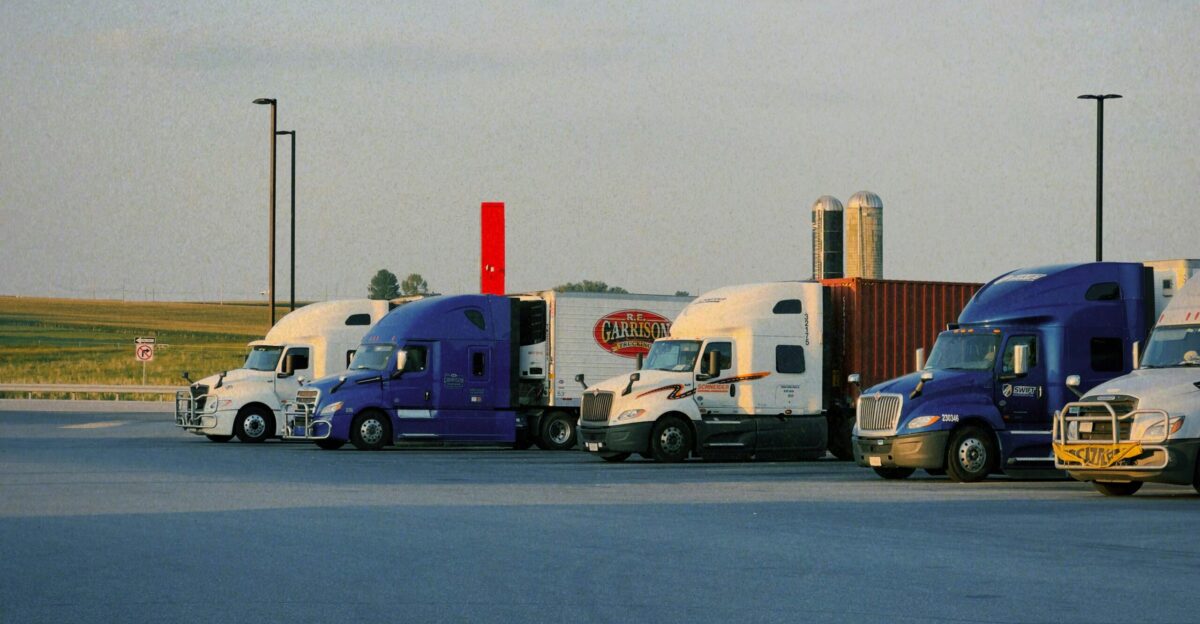
Experts advise businesses to review supply contracts and consider sourcing domestically to mitigate the impact of tariffs. Fleet operators should assess the total cost of ownership, factoring in potential price hikes and offset credits.
Staying informed about evolving regulations will be essential to managing risk. Businesses that adjust quickly may avoid some of the cost pressures that will otherwise mount as these tariffs take effect.
Monitoring the Tariffs: Ongoing Adjustments
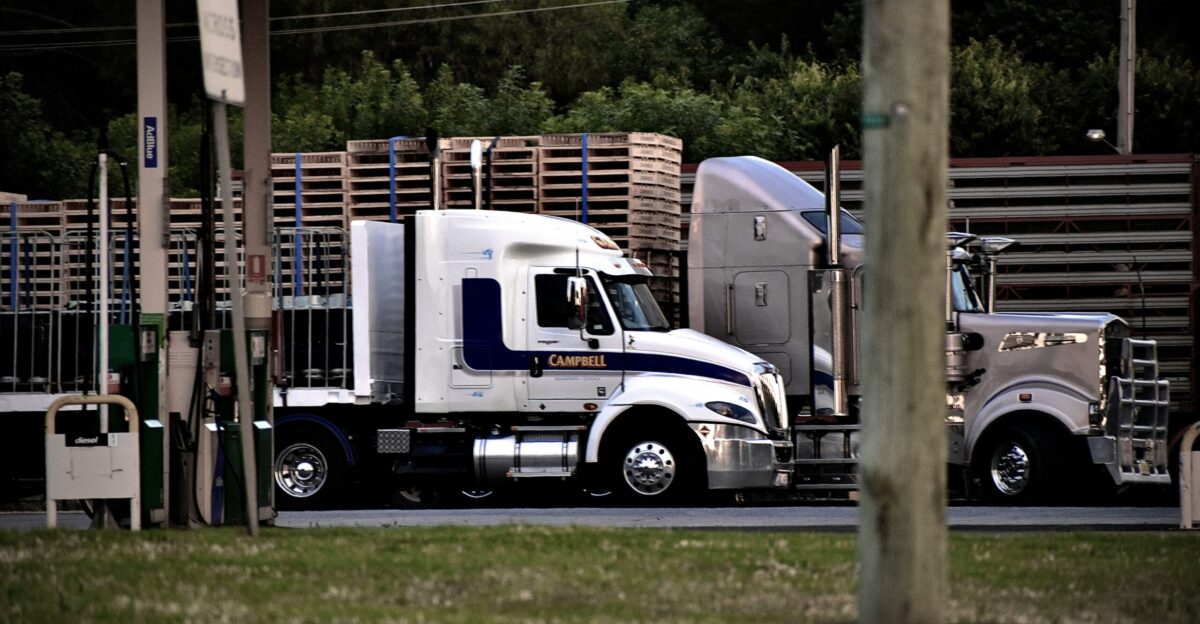
The Commerce Department will continue monitoring the tariffs’ effects on imports and may expand the scope to include more truck parts. Policymakers plan to review the program annually, making adjustments as necessary to address market response, job growth, and national security considerations.
The evolving nature of the tariff strategy means that businesses must remain agile and prepared for potential changes as more industries and sectors feel the impact.
The Big Picture: A New Era for U.S. Industry
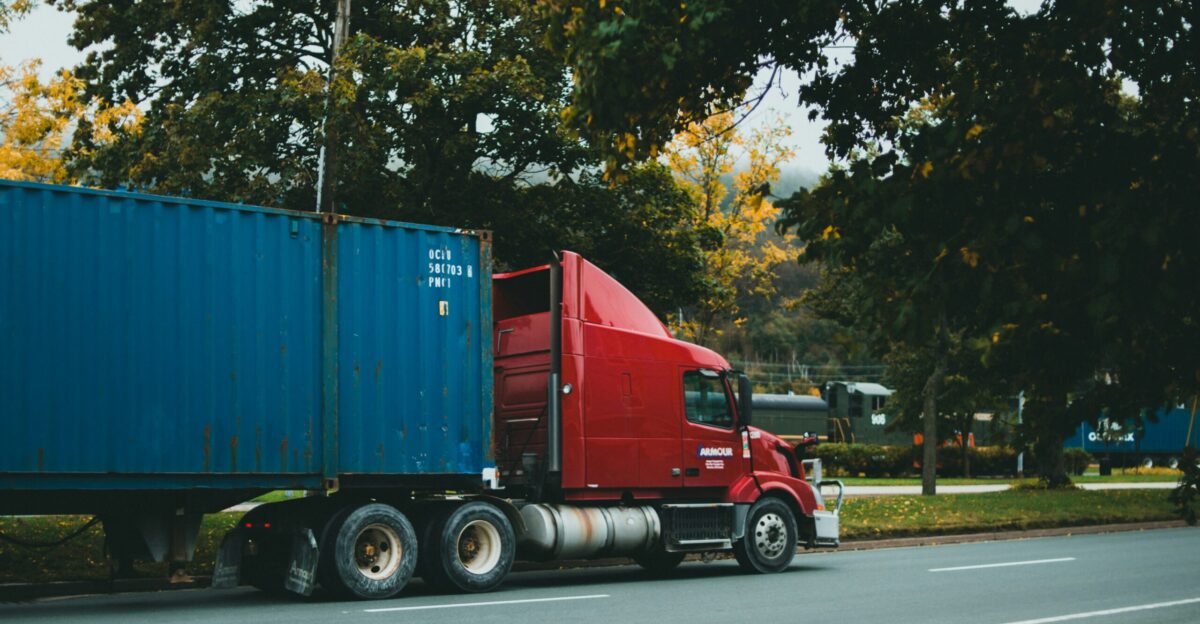
These truck tariffs represent a significant shift in U.S. trade policy and industrial strategy. As the trucking industry and its supply chains realign, the long-term effects will not only reshape the commercial vehicle market but also redefine America’s approach to economic security and global trade.
In the coming years, we could see more industries targeted as policymakers continue to use Section 232 as a tool for reshaping the future of U.S. manufacturing and global competition.