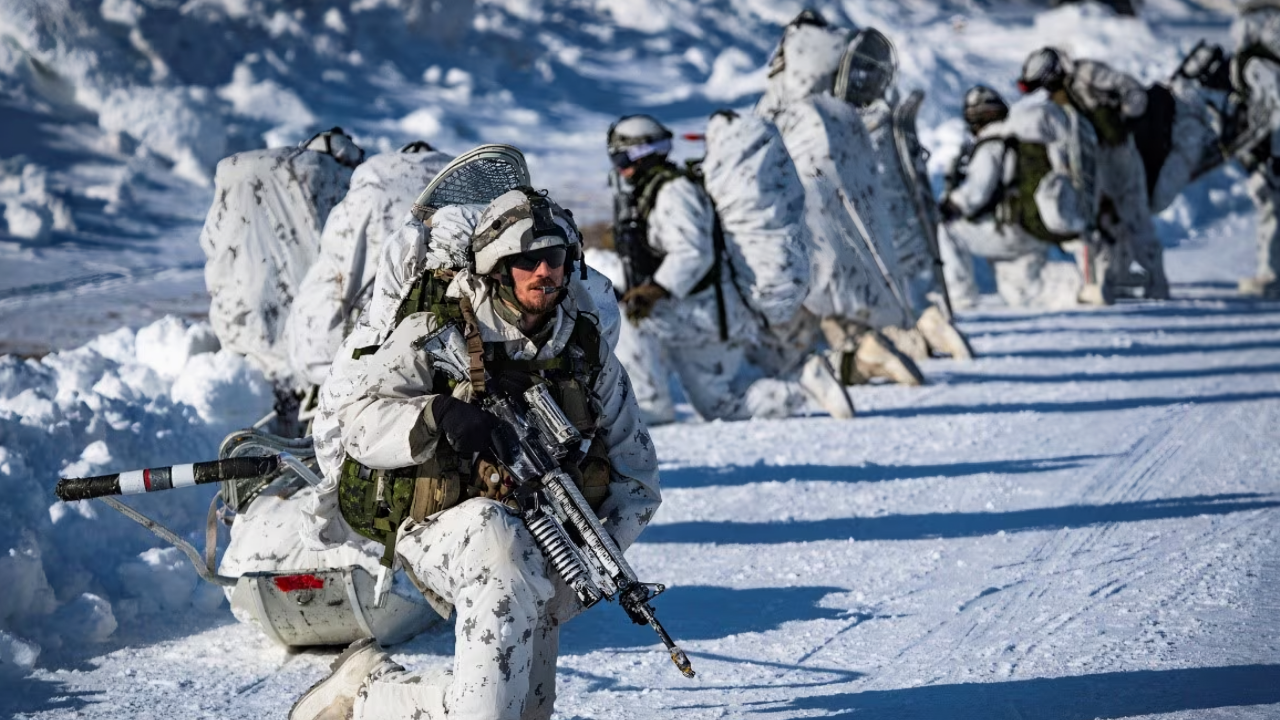
Snow swirls over Troms, northern Norway, as thousands of soldiers move in. As of mid-January 2026, U.S. and NATO forces are physically arriving at bases across the Arctic, with 4,000 American troops deploying to Norway this week ahead of the March 9 kickoff. Boots crunch across frozen tundra; helicopters roar overhead.
More than 4,000 U.S. troops lead a NATO force swelling to 25,000 from 10+ countries. Soldiers unload vehicles, ready artillery, and check equipment under sub-zero skies. March 9 marks the kickoff of Cold Response 2026, NATO’s largest Arctic war game yet. The alliance tests rapid deployment, endurance, and coordination in the High North—while Russia and China watch closely.
Troop Surge Escalates
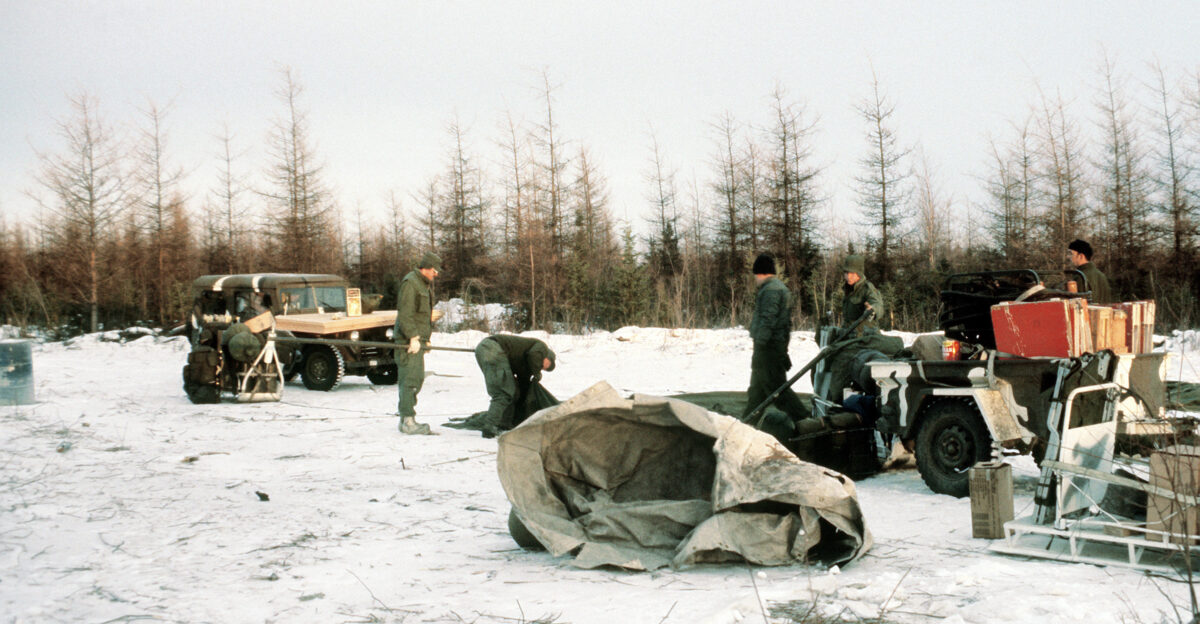
NATO is showing muscle in the Arctic. Over 25,000 troops from 10+ countries converge on Norway’s northern edge. The U.S. contributes 4,000 soldiers, the largest American Arctic deployment in years. Melting ice opens strategic sea lanes, raising stakes for global trade and military positioning.
Norway hosts the frontline operations, while Finland and Sweden provide critical range access. This massive buildup signals alliance resolve—and asks the question: can sheer numbers deter growing Arctic aggression?
Cold Response Legacy
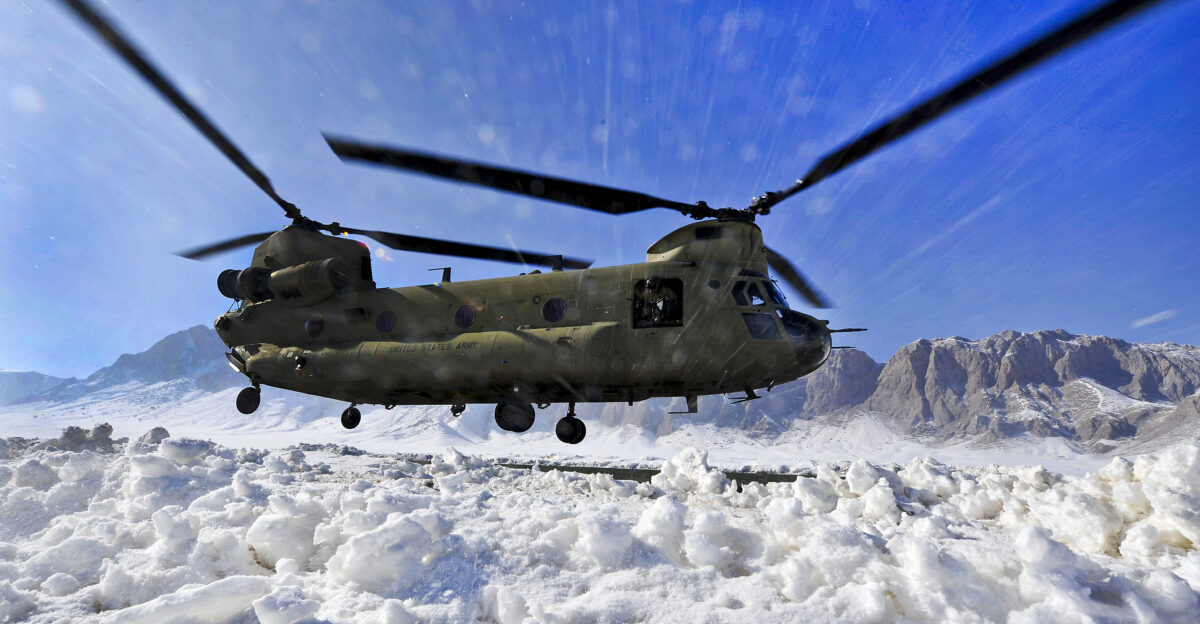
The Cold Response series has a long Arctic pedigree, occurring every one to two years since 2006. Exercises focus on winter warfare, submarine threats, and rapid deployment across northern Norway. Finland joined NATO in 2023, Sweden in 2024, expanding the alliance to 32 members.
Past drills honed troop mobility and Arctic survival. Today, with war raging in Ukraine, the exercises take on new urgency, emphasizing defense of NATO’s northern flank while projecting readiness against emerging global threats.
Pressures Mount North
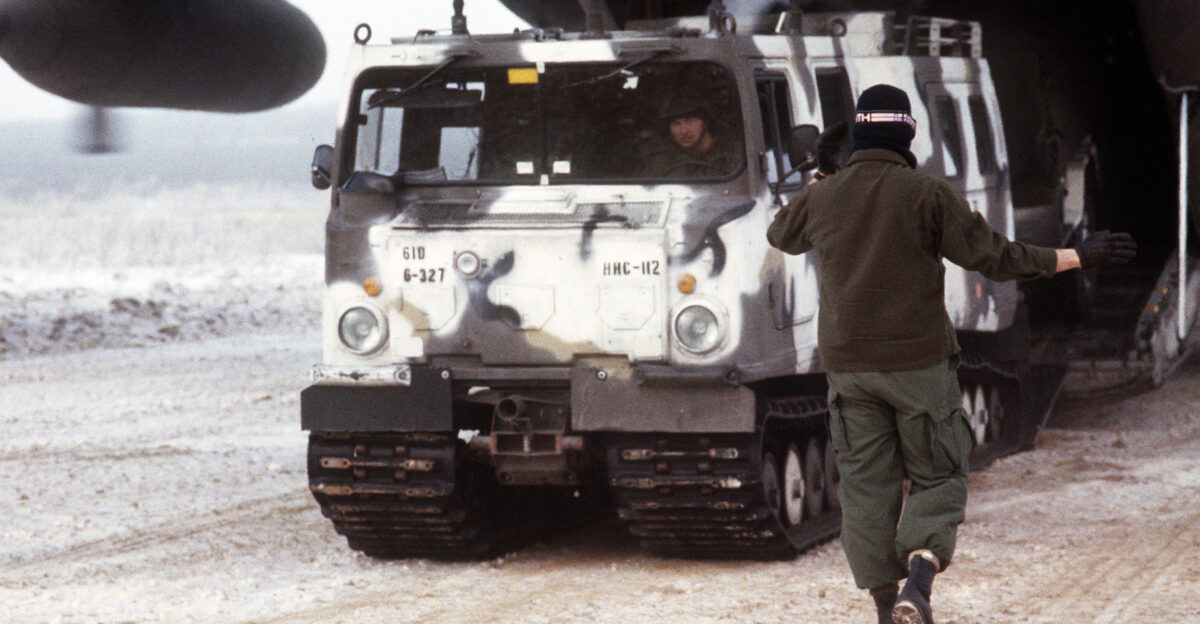
Russia’s 2022 full-scale invasion of Ukraine triggered a surge in NATO Arctic activity. Norwegian officials warn the war escalates global security risks, while China explores Arctic waters as ice melts, revealing untapped resources. Finland and Sweden’s NATO accession strengthens the northern flank, making exercises like Cold Response essential.
NATO forces now coordinate across borders to counter Russian militarization, protect sea lanes, and demonstrate that the High North is no longer an isolated frontier—it’s a strategic battlefield.
Massive Deployment Reveal
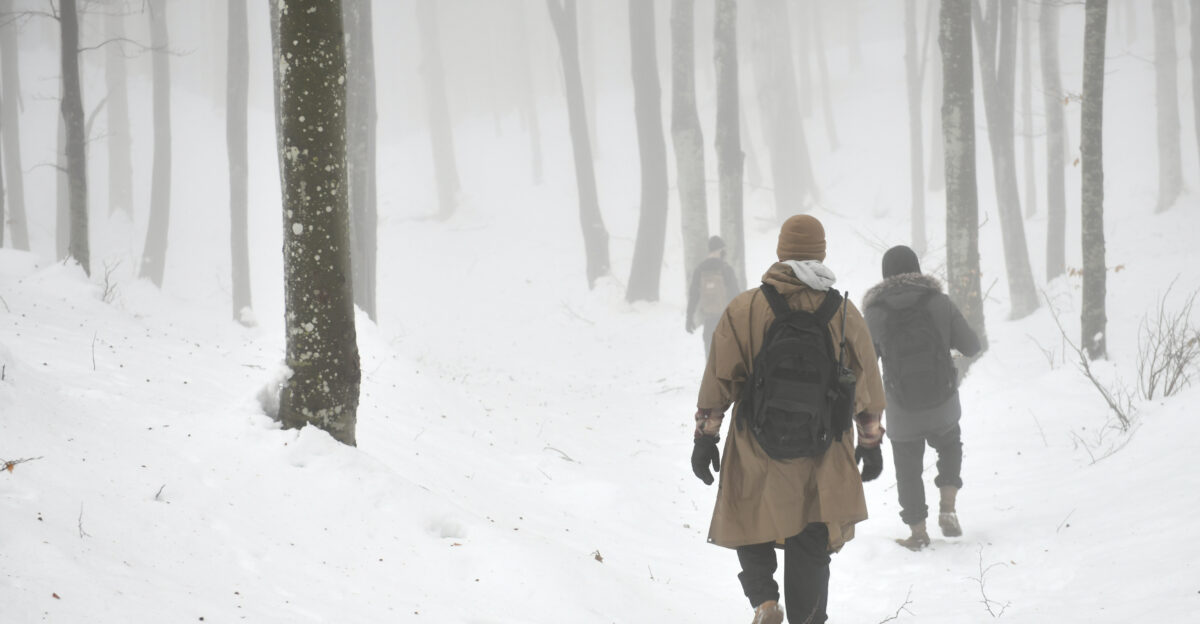
Cold Response 2026 launches March 9 with 20,000–25,000 troops deploying to Troms and Finnish Lapland. The drill lasts 10 days, testing readiness under extreme conditions. 4,000 U.S. soldiers lead ground operations, with air defenders and special forces bolstering the force.
The long-planned exercise coincides with heightened U.S. Greenland rhetoric, raising eyebrows across Europe. While Cold Response has been scheduled since 2025, the actual deployment of forces is occurring in January 2026—weeks after President Trump renewed territorial claims on December 22, 2025, and intensified rhetoric throughout early January. News outlets covering the troop movements have explicitly framed the deployment within this geopolitical context. Beyond showing strength, NATO aims to prove it can rapidly reinforce northern borders in freezing conditions, sending a clear signal to allies and rivals alike.
Troms Frontline Impact
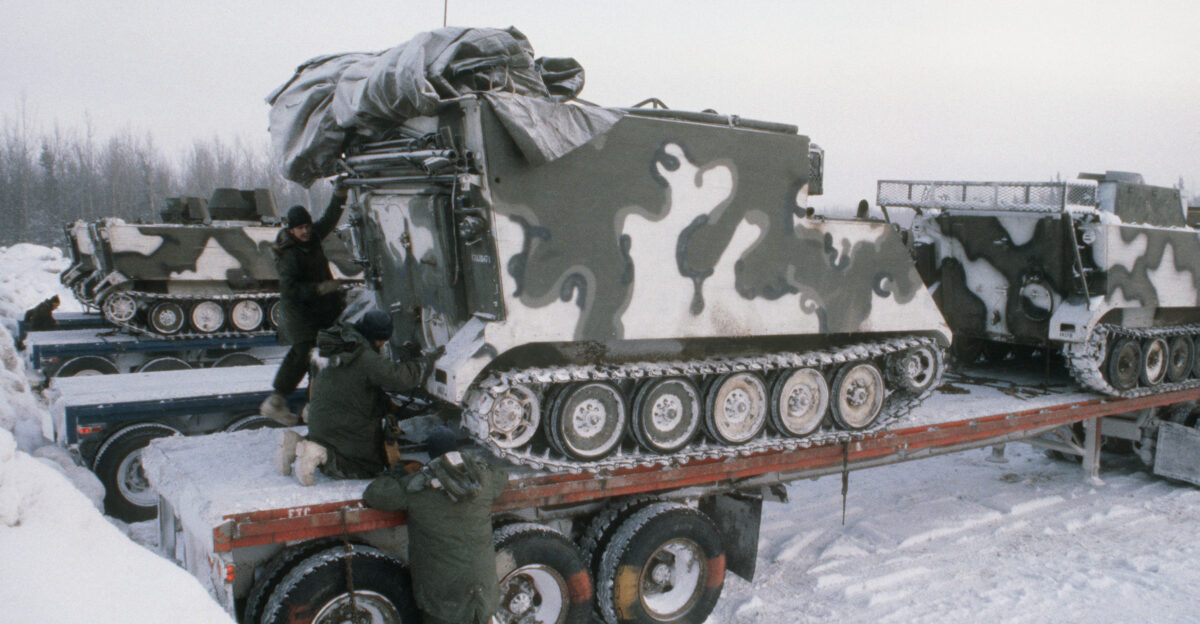
Northern Norway’s Troms region becomes the exercise’s heart. Soldiers move across icy valleys and frozen fjords, testing rapid response from Ofoten to Rovajärvi ranges. Local towns see an influx of troops, straining infrastructure but boosting the economy via logistics and services.
Vehicles, snowmobiles, and helicopters navigate blizzards, while troops endure extreme cold. Troms garrisons host key U.S. Army maneuvers, emphasizing the strategic importance of defending the Norway-Finland border against potential threats in the Arctic.
Voices from the North
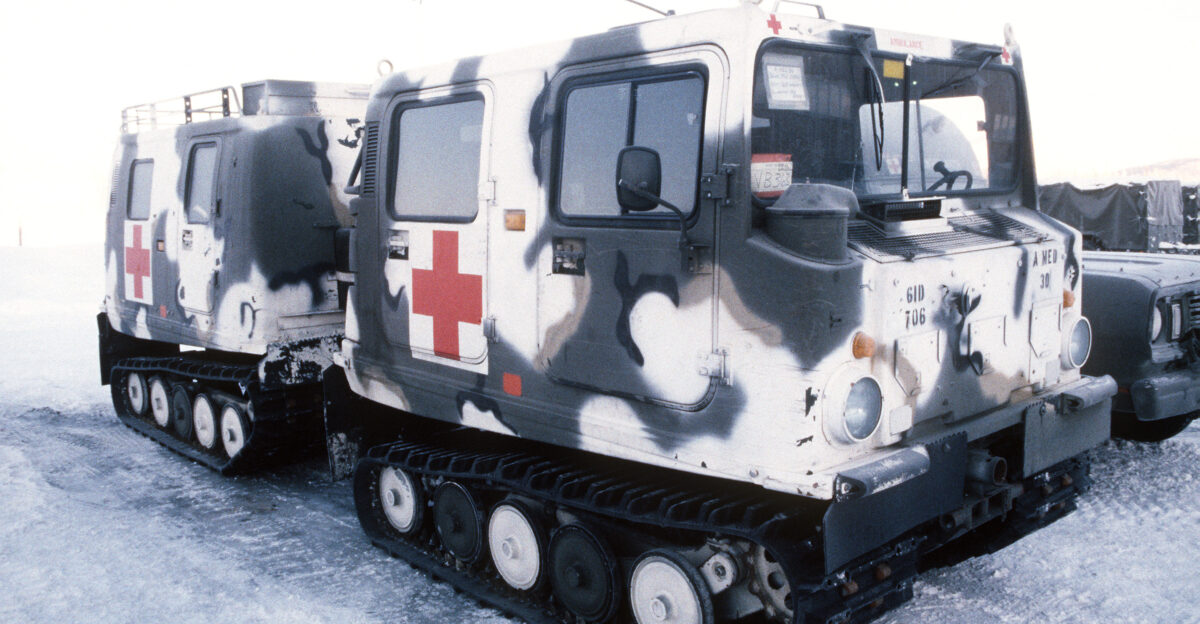
“The war in Ukraine has enormous impact on global security,” says the Norwegian Armed Forces. Vegard Norstad Finberg highlights 600 U.S. air defenders in central Norway preparing for Arctic conditions. The statement emphasizes the alliance’s mission: “Defending Norway and our values.”
Soldiers train in sub-zero weather, combining drills with equipment testing. The message is clear: NATO readiness extends beyond Europe’s conventional borders into extreme environments, reinforcing deterrence and alliance cohesion amid high-stakes Arctic geopolitics.
Ally Contributions Rise
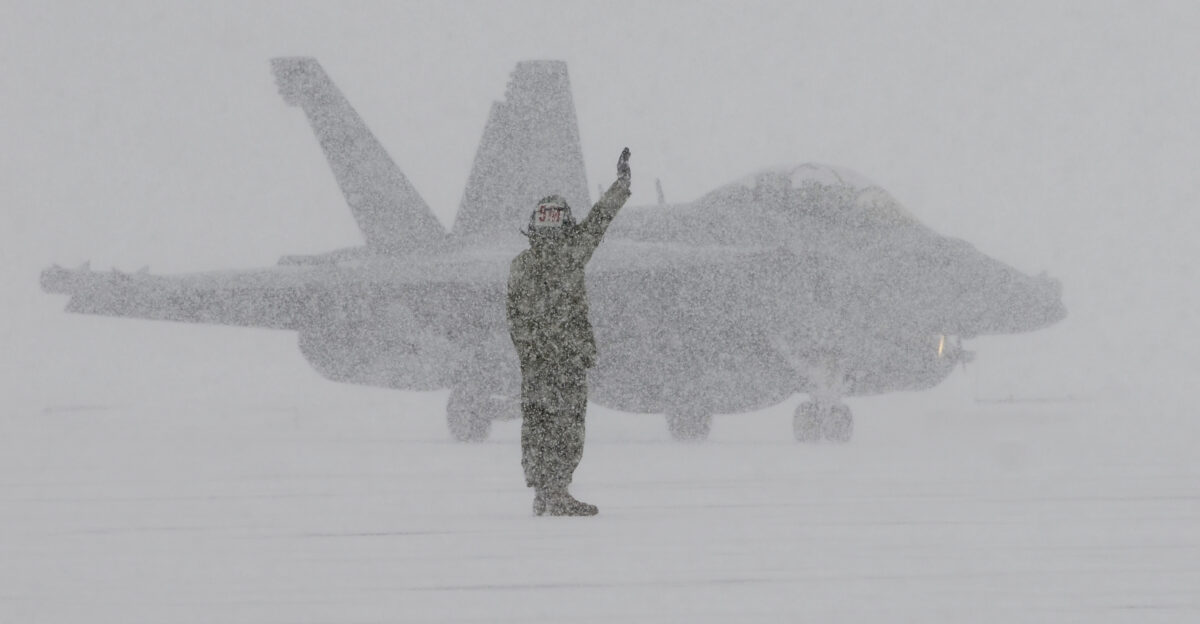
Cold Response 2026 is a multinational effort. The U.S. Air Force and Special Forces join 600 troops for southern Norway air defense, Finland provides the Rovajärvi range, and Sweden facilitates cross-border operations. Denmark monitors Greenland’s security.
Separately from Cold Response, NATO allies have dispatched reconnaissance teams directly to Greenland itself in mid-January: Germany sent 13 personnel, France announced troop deployments, and Denmark expanded its Greenland garrison—all measures announced after Trump’s annexation threats. Overall, 10+ nations coordinate, countering Russian Arctic militarization. Integration of different forces, from ground units to air defense and logistics teams, demonstrates NATO’s collective capability to operate in harsh Arctic environments and maintain readiness for rapid response missions in Europe’s northernmost frontier.
Macro Arctic Shift
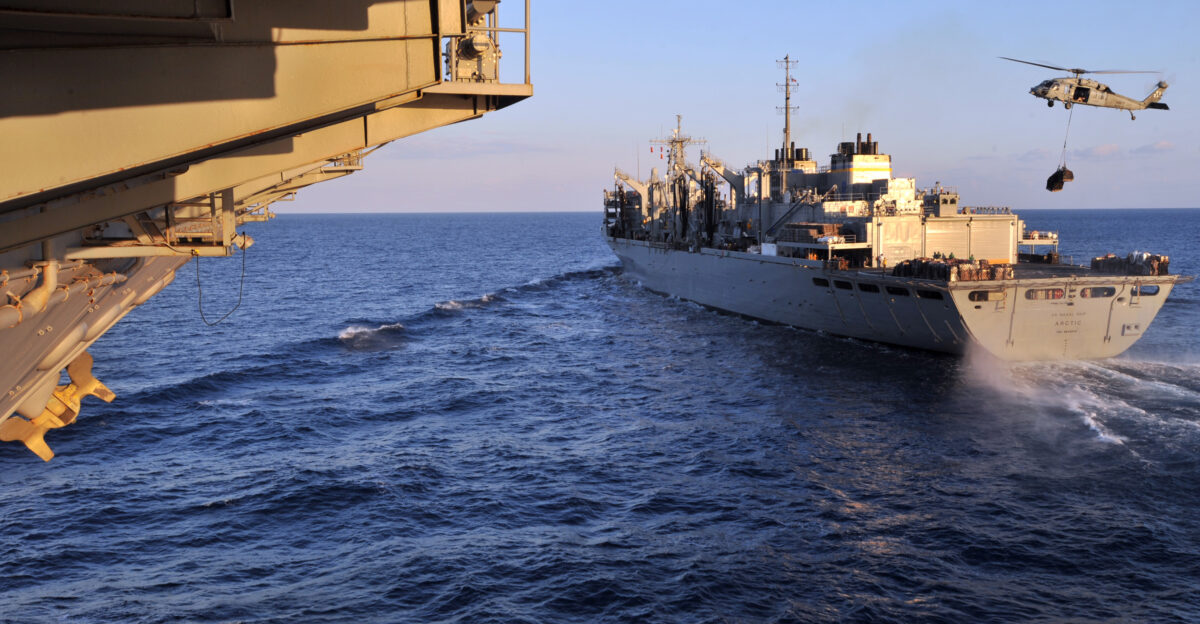
NATO now consolidates Arctic operations under Joint Force Command Norfolk, reflecting the region’s rising strategic weight. Russia and China conduct seabed surveys in Arctic waters, with activity documented near Alaska and northern Canada. Post-2023 expansions make the High North NATO’s longest flank.
Cold Response 2026 represents one of NATO’s most significant Arctic exercises in recent decades, integrating land, air, and cross-border operations. Melting ice and emerging resources have transformed the Arctic from a frozen periphery into a theater of strategic rivalry between great powers.
Trump Revives

Former President Donald Trump has renewed his Greenland rhetoric, citing defense needs since his 2019 proposal. He claims Russian-Chinese activity threatens U.S. interests—though some European officials have disputed the scale of vessel activity specifically around Greenland itself, while confirming broader Russian-Chinese cooperation in other Arctic waters.
This rhetoric has spurred NATO and European nations to accelerate Arctic defense planning. Meanwhile, American troops train alongside allies, creating a paradox: U.S. forces protect the northern flank while political threats unsettle European Arctic cohesion.
Alliance Frustrations Boil
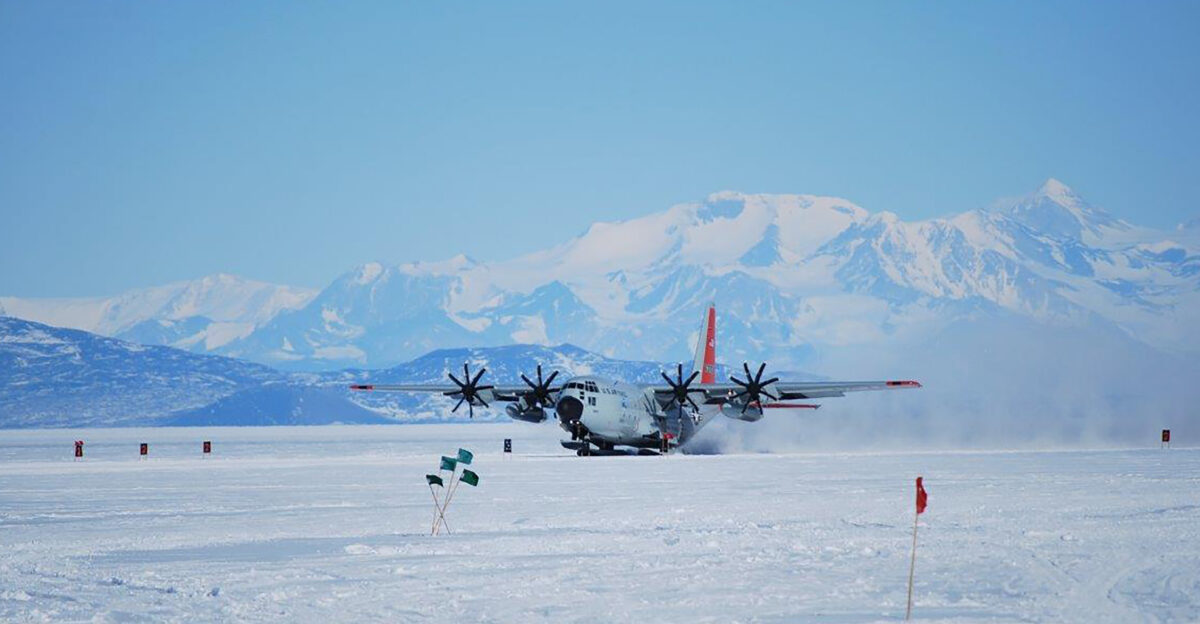
European NATO members respond to U.S. rhetoric with caution. Germany’s Boris Pistorius highlights delays in the Arctic Sentry mission, while Belgium’s Theo Francken publicly questions U.S. claims.
Allies worry that Greenland-focused tensions could distract from NATO’s broader Arctic readiness. These internal frictions underline the challenge of balancing transatlantic relations: the U.S. is both NATO’s largest Arctic contributor and a source of strategic uncertainty in the region.
Leadership Signals Firm

NATO Secretary General Mark Rutte stresses that Arctic protection extends beyond the seven border states. The U.K. and Germany commit forces, while Denmark invests in P-8 patrols and F-35 jets for Greenland defense.
Greenland’s PM Jens-Frederik Nielsen affirms loyalty to Denmark, rejecting U.S. seizure attempts. Europe signals unity: strategic sovereignty matters more than unilateral American ambitions. Exercises like Cold Response 2026 reinforce this principle while testing high-end Arctic operational capabilities under extreme conditions.
Strategic Drills Intensify
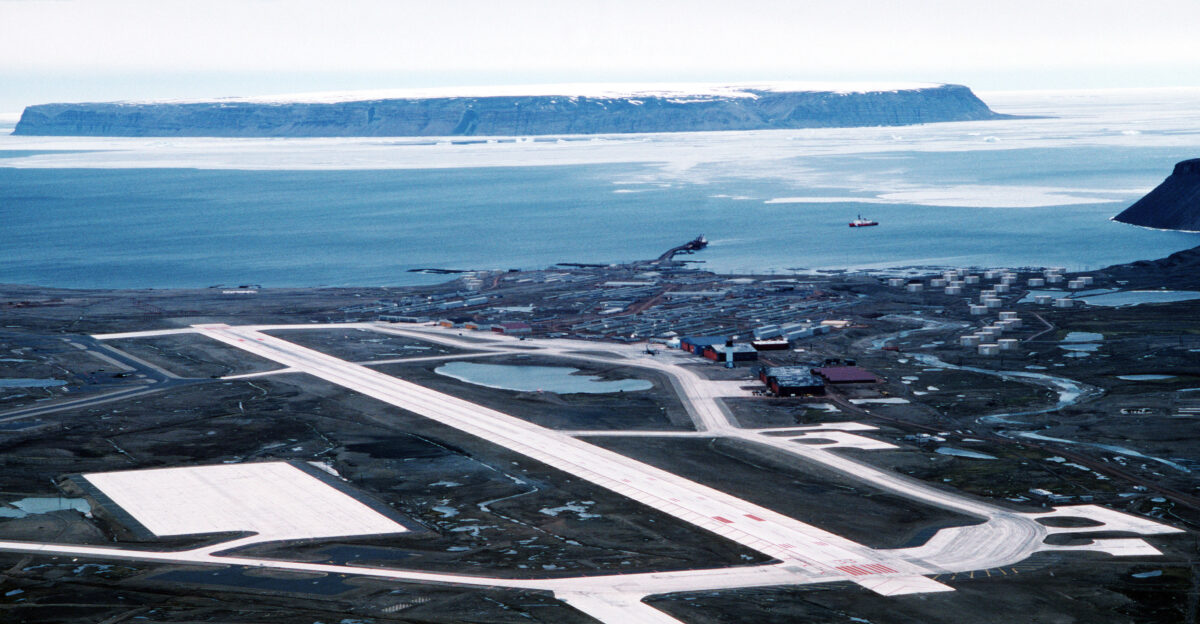
Cold Response trains NATO in large-scale Arctic operations. The U.S. Pituffik base in Greenland houses 150 personnel for missile warning. Allies plan deployments of frigates and drones despite technological hurdles, with France sending a small detachment to Greenland.
The exercise integrates land, air, and naval assets, refining coordination across nations. Harsh weather, frozen terrain, and logistics complexity simulate real combat conditions, emphasizing the challenge of defending Europe’s northern flank in an increasingly contested Arctic.
Skeptics Weigh In
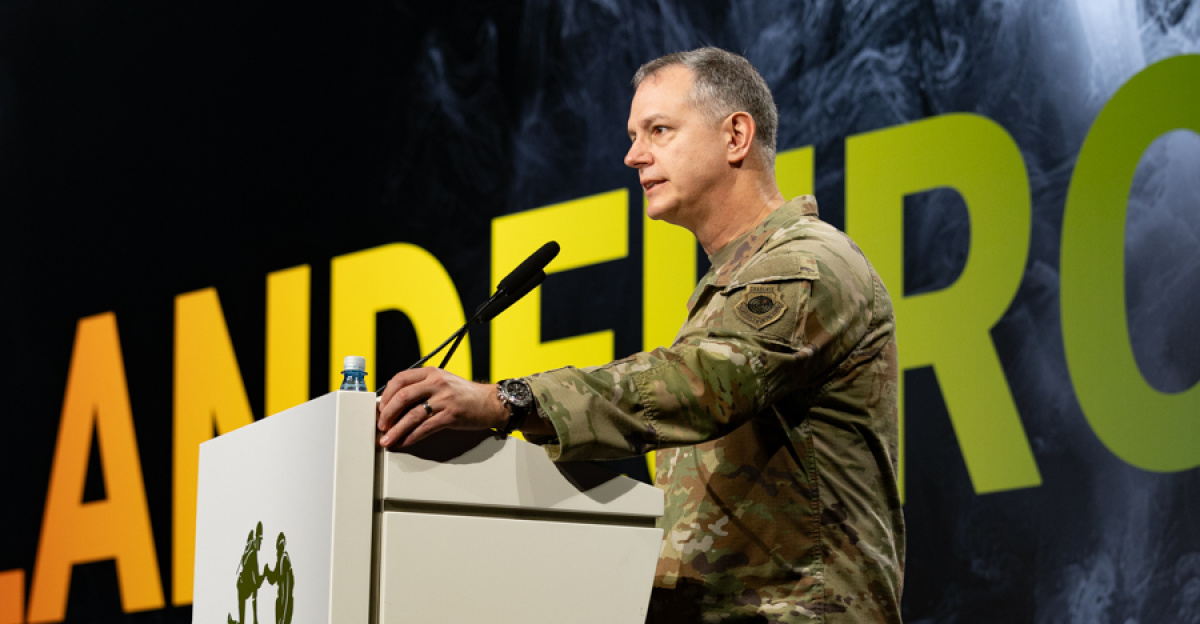
NATO’s Alexus Grynkewich warns that Russia and China’s seabed surveys aim to counter Western deployments. Germany’s Pistorius doubts the Arctic Sentry can be quickly operational. Polls show 85% of Greenlanders oppose leaving Denmark for U.S. rule.
Greenland’s Foreign Minister Vivian Motzfeldt has emphasized that Greenland does not want to be owned by the United States and has called for respecting Greenland’s boundaries in all discussions about its future. Skeptics challenge both U.S. and NATO planning, highlighting local resistance, technical hurdles, and political friction that could complicate Arctic defense initiatives.
Horizon Questions Loom
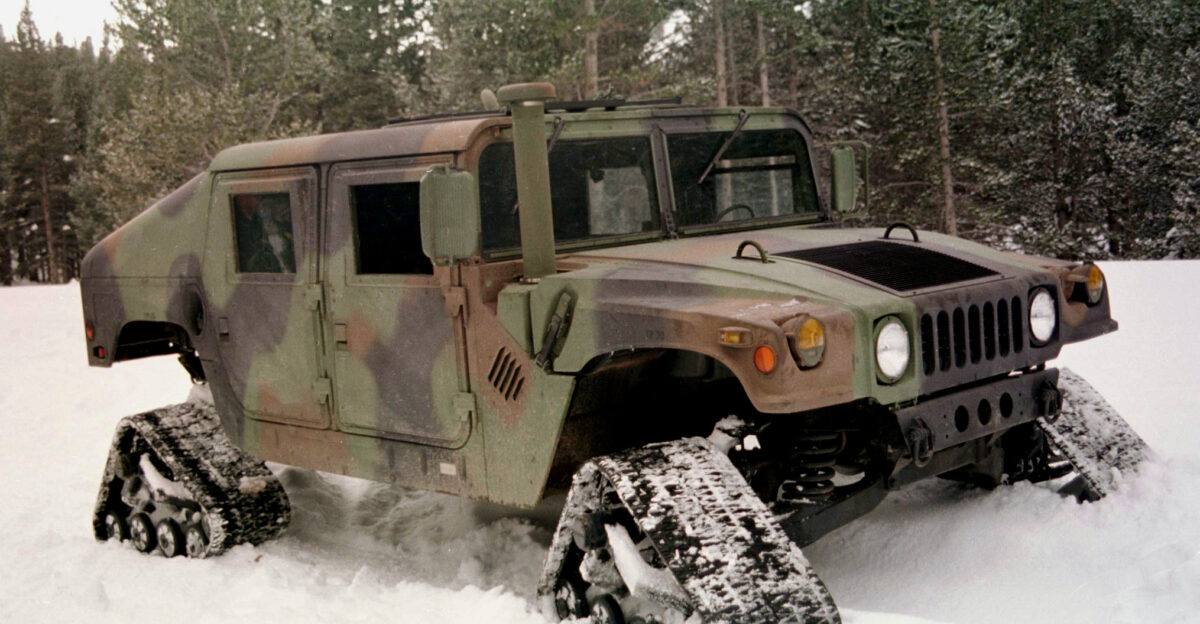
Questions persist: will Arctic Sentry become permanent? Denmark’s 1951 pact with the U.S. allows bases while preserving Danish sovereignty. France previews Arctic Endurance drills.
As ice melts, NATO faces a dual challenge: ensuring Arctic readiness while respecting sovereignty and balancing U.S.-European relations. Cold Response 2026 is both a rehearsal and a message: Arctic security requires constant vigilance in a changing geopolitical and environmental landscape.
Policy Clashes Deepen

Trump’s Greenland push tests NATO cohesion. Europeans emphasize defense to maintain unity. EU foreign policy chief Kaja Kallas has expressed serious concerns about U.S. statements regarding Greenland.
Secretary General Rutte recalls that Arctic issues were raised during Trump’s first term. Pistorius calls the idea of a U.S. takeover “unprecedented.” These clashes highlight the challenge of maintaining alliance solidarity when political rhetoric threatens strategic priorities, even as troops train shoulder-to-shoulder in the Arctic.
Global Ripples Spread
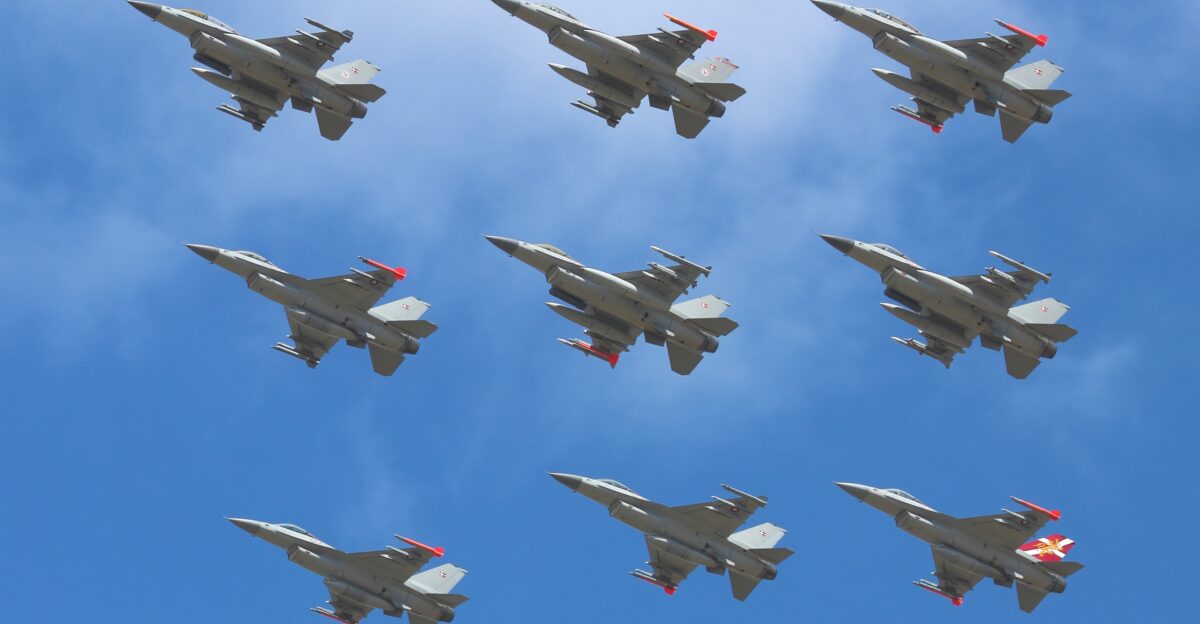
Sweden criticizes U.S. claims; Finland supports Danish sovereignty over Greenland. Canada tracks Russia-China Arctic ties. Iceland positions itself as a frontline state.
Denmark and Greenland present a united front in Washington. Cold Response 2026 is thus both a military exercise and a diplomatic signal: alliances are tested in the High North, and political maneuvering has immediate consequences for NATO’s operational cohesion in a region increasingly viewed as a strategic flashpoint.
Legal Barriers Stand
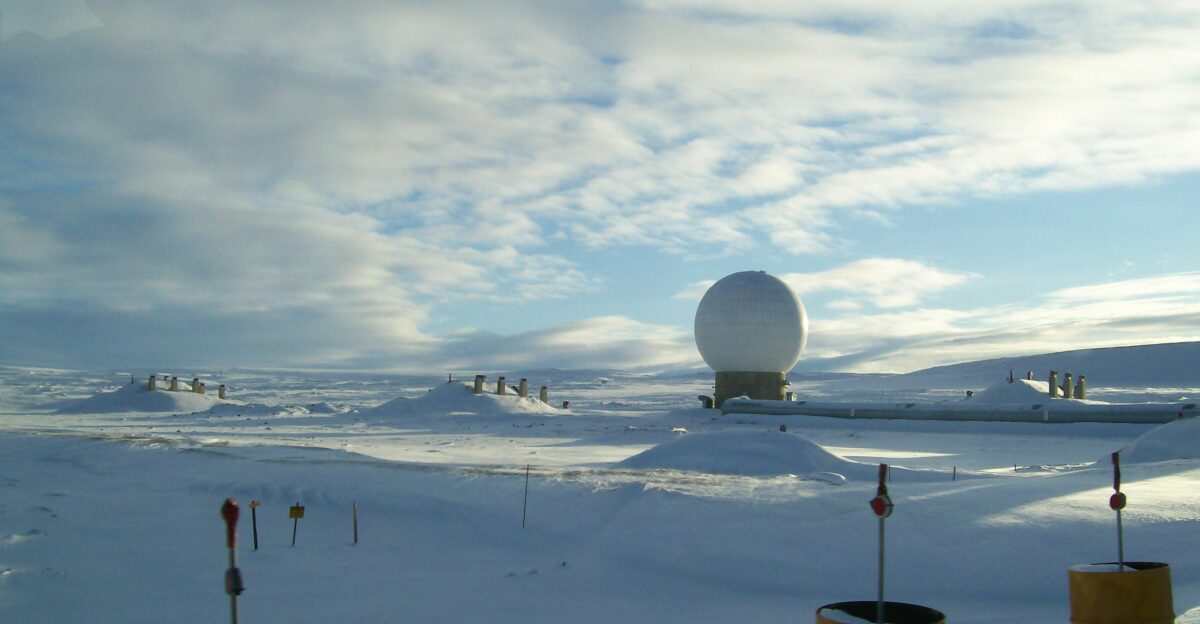
The 1951 Denmark-U.S. agreement allows operations at Pituffik but explicitly forbids a U.S. takeover. Danish defense protocols authorize responses to violations of sovereignty. European officials have challenged some of the more extreme threat assessments.
Greenland’s Foreign Minister Motzfeldt has consistently advocated for Greenland’s inclusion in Arctic planning discussions. Environmental and technological challenges—extreme cold, ice navigation, and communications—complicate deployments. Cold Response demonstrates that legal, political, and operational factors all converge to define Arctic security today.
Inuit Voices Resound
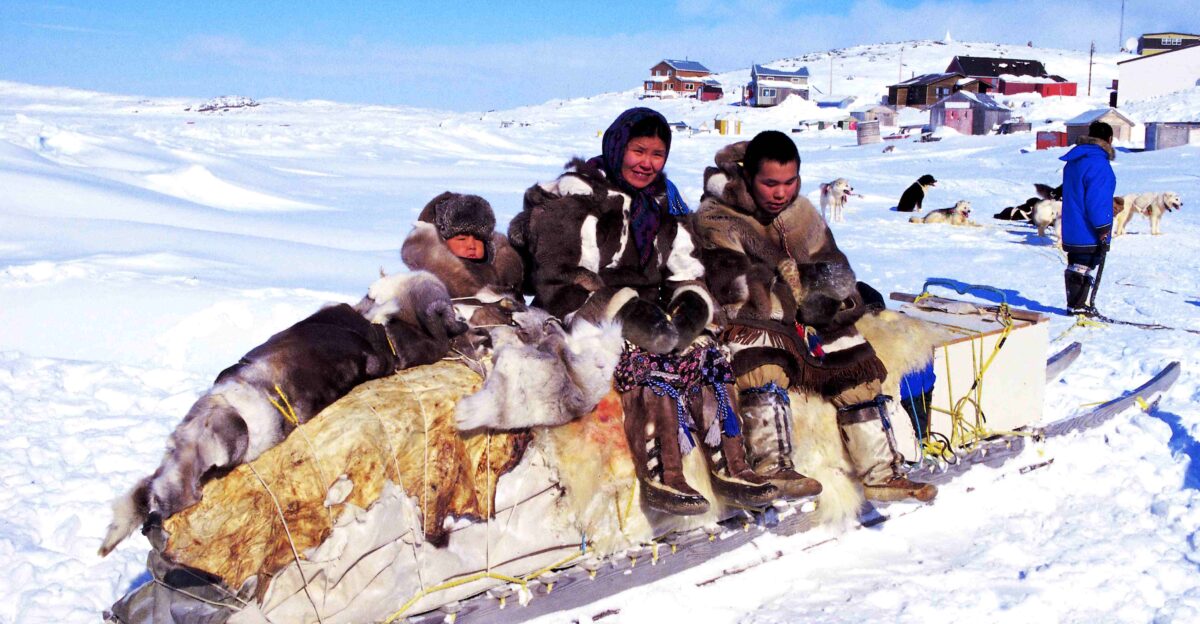
Greenlanders express alarm amid growing tensions. Polls show overwhelming opposition to U.S. rule. PM Nielsen prioritizes Denmark, NATO, and EU alignment.
Cultural norms shift as younger generations consider sovereignty amid climate change. Exercises like Cold Response humanize defense: Arctic operations are not just military maneuvers—they involve communities, environmental realities, and long-term strategic trust in allied coordination. The Arctic is a living, populated theater of international security.
What Signals Ahead
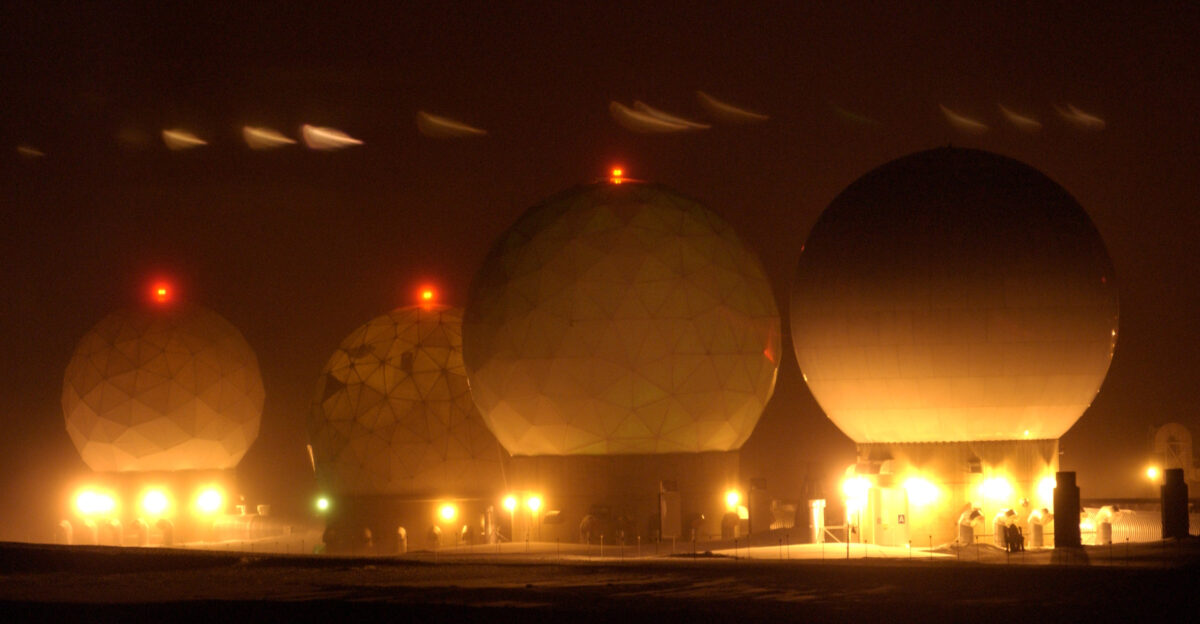
Cold Response 2026 cements the Arctic as a NATO frontier. Amid U.S. rhetoric, Russia’s northern maneuvers, and melting ice, NATO shows deterrence capability. Europeans step up to preserve alliance unity while testing cross-border, multi-domain operations.
As 2026 unfolds, observers will watch whether NATO cohesion holds or fractures. For the High North, the message is clear: the Arctic is no longer frozen isolation—it is a center of strategic competition, and every soldier, policy, and alliance decision counts.
Sources:
The Barents Observer, “4000 US soldiers deploy to Norway for Arctic exercise”, January 2026
RCInet (Radio Canada International), “4000 US soldiers deploy to Norway for Arctic exercise”, January 14, 2026
Norwegian Armed Forces (Forsvaret), “Cold Response 2026”, 2026
Defense News, “Europeans trumpet Arctic defense in bid to soften US Greenland claims”, January 14, 2026
Le Monde, “France to send small military detachment to Greenland”, January 15, 2026