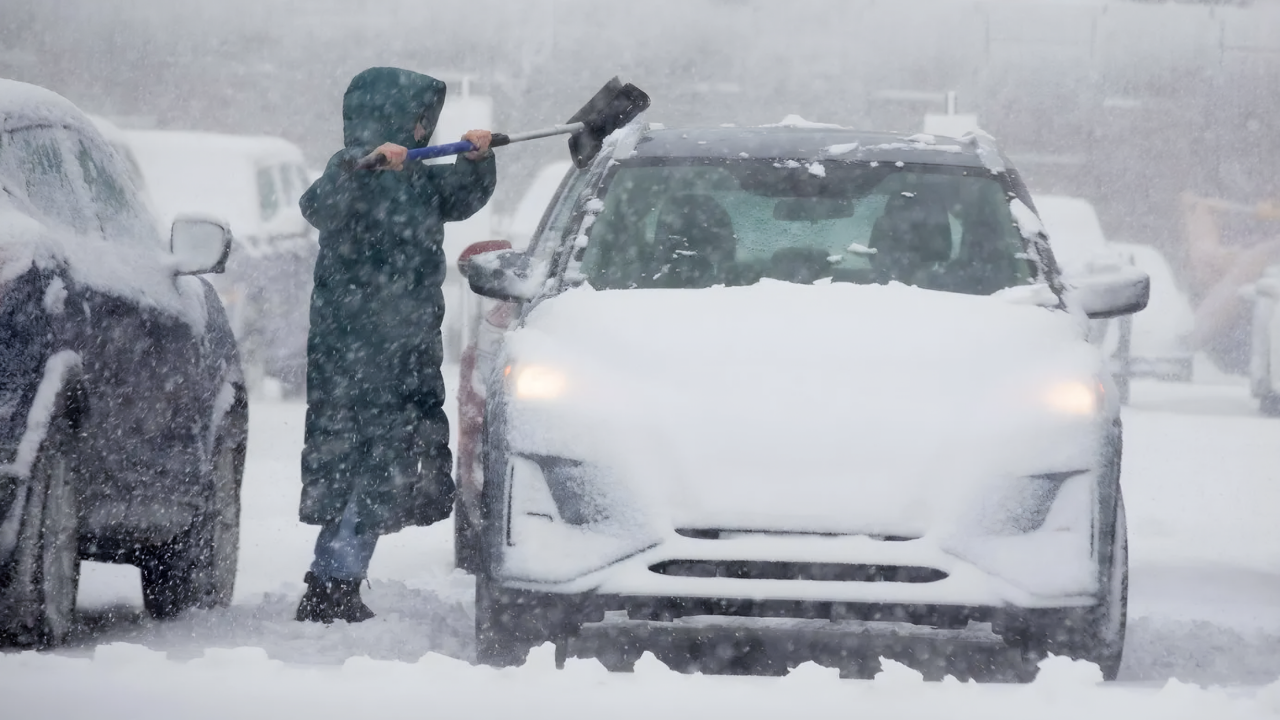
Snow and wind are battering a broad stretch of the United States across 14 states as an early-season Arctic outbreak pushes south from Alaska to the Mid-Atlantic, snarling travel, straining power systems, and rippling through energy and commodity markets. The winter weather impact zone spans North Dakota, Minnesota, Wisconsin, Montana, Wyoming, Vermont, New Hampshire, Michigan, Virginia, West Virginia, Maryland, Pennsylvania, New York, and Maine—affecting approximately 20 million people under winter weather warnings, watches, and advisories issued by the National Weather Service.
Along the Wyoming–Montana border, wind gusts up to 65 mph are driving whiteout conditions over mountain passes already coated with up to 24 inches of snow in the Absaroka and Beartooth ranges, prompting urgent warnings from forecasters and transportation officials. These wind gusts have created near-zero visibility in multiple locations, making travel exceptionally dangerous across high-elevation terrain.
Why This Cold Wave Stands Out
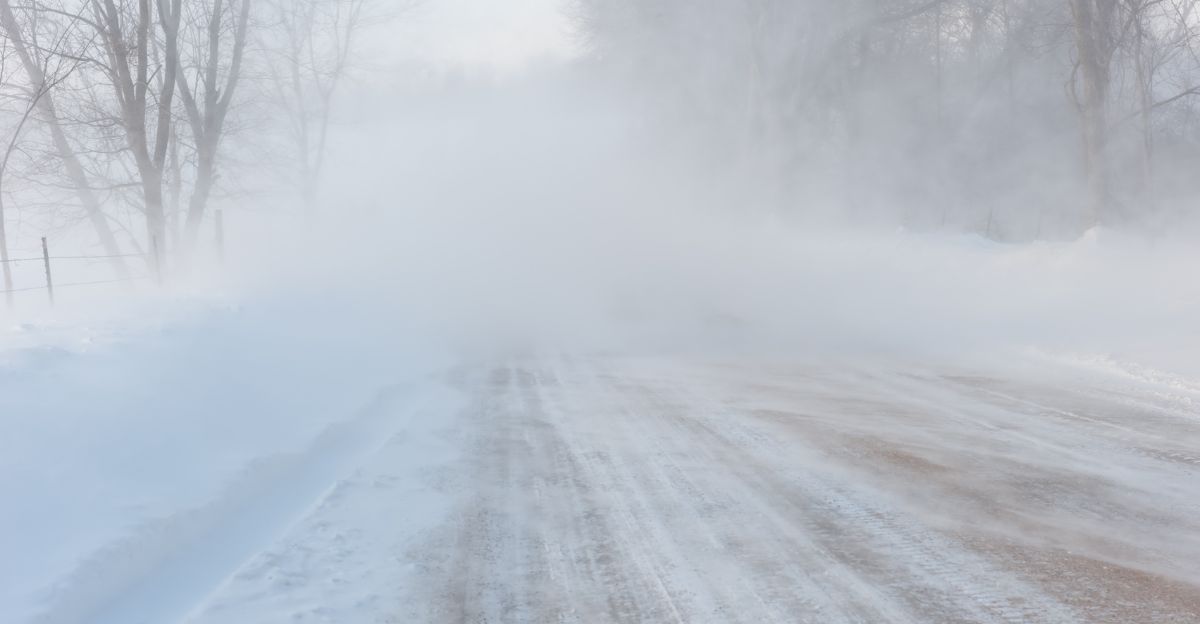
Forecasters say this event is being intensified by a surge of frigid air linked to disturbances in the polar vortex, the band of strong winds that circles the Arctic high in the atmosphere. That chill has spilled southward unusually early in the season, producing temperature and snow patterns more typical of mid-winter.
The cold front is sweeping from Alaska through the northern Rockies and into the central and eastern United States, affecting places that do not usually see such severe conditions in early December. Meteorologists expect additional intrusions of Arctic air through the month, raising the likelihood of further storms and prolonged cold in several regions.
Travel, Business, and Daily Life Disrupted
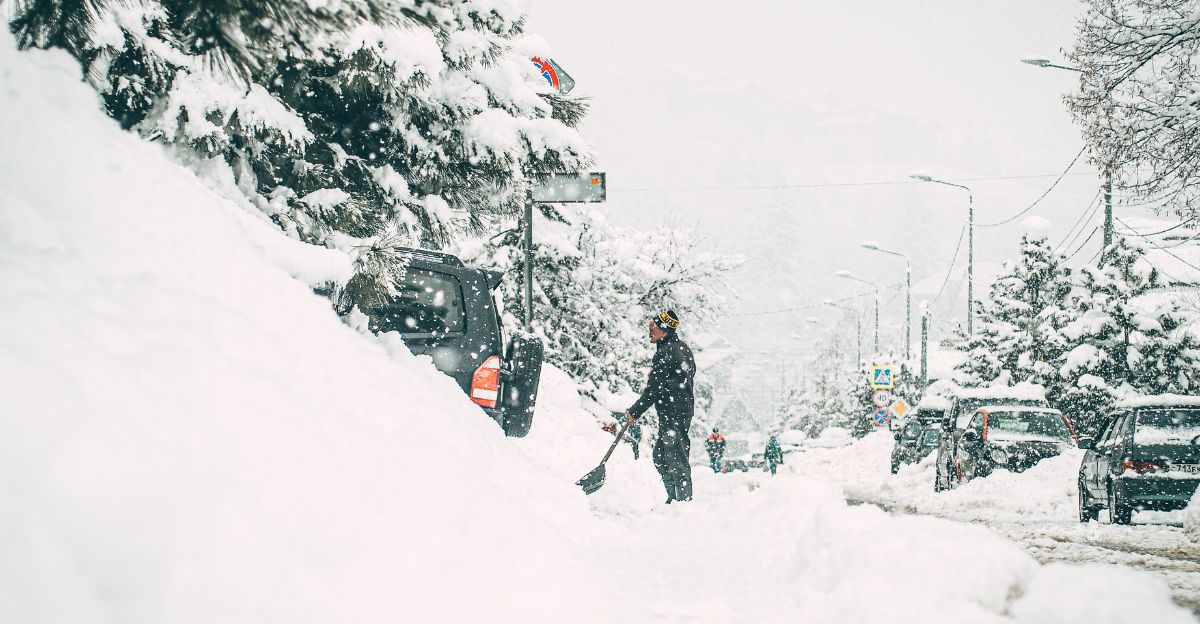
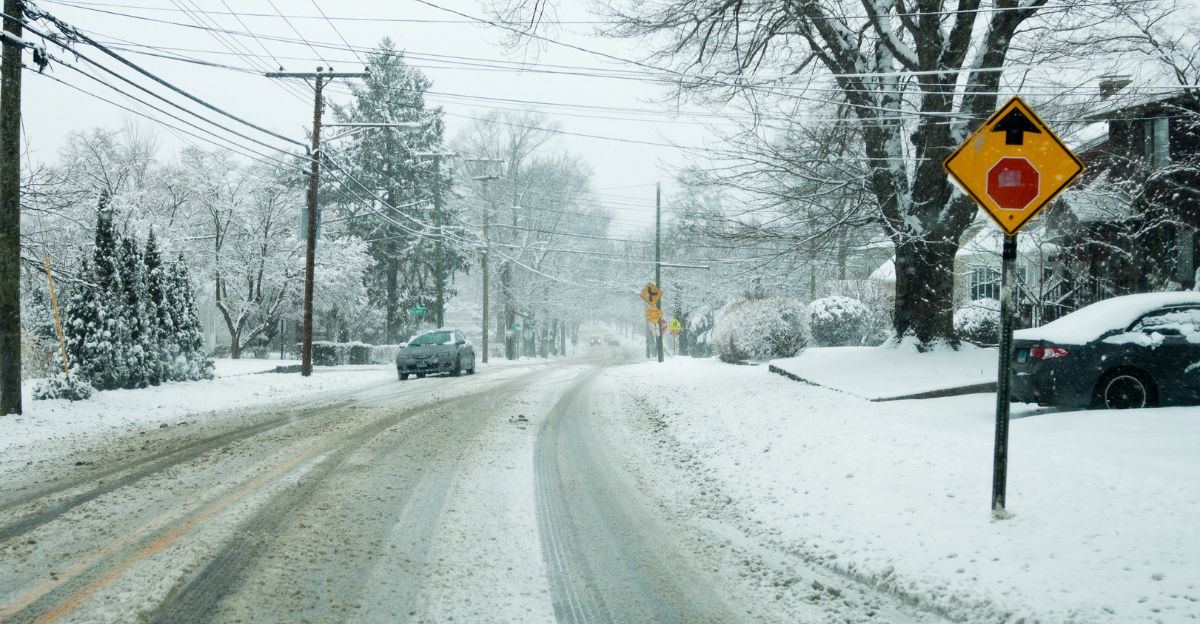
From mountain passes in the West to highways in the East, transportation has become hazardous. The National Weather Service is advising drivers to postpone trips, especially during the morning and evening commute windows, as visibility in many affected areas has dropped to a mile or less at times.
In higher elevations of Virginia, 2 to 5 inches of snow are forecast, while parts of southeastern Alaska such as Hyder could see totals ranging from 16 to 20 inches. Visibility in many affected areas has dropped to a mile or less at times, and officials are advising drivers to postpone trips.
Airlines are cancelling and delaying flights as the storm shifts east and south, and trucking operations are rerouting or pausing shipments where roads are blocked or unsafe. These interruptions are slowing the movement of goods into and out of mountain and northern regions where snow and wind are heaviest. Retailers in storm-hit states are bracing for late deliveries and temporary shortages of certain products as distribution networks struggle to keep up.
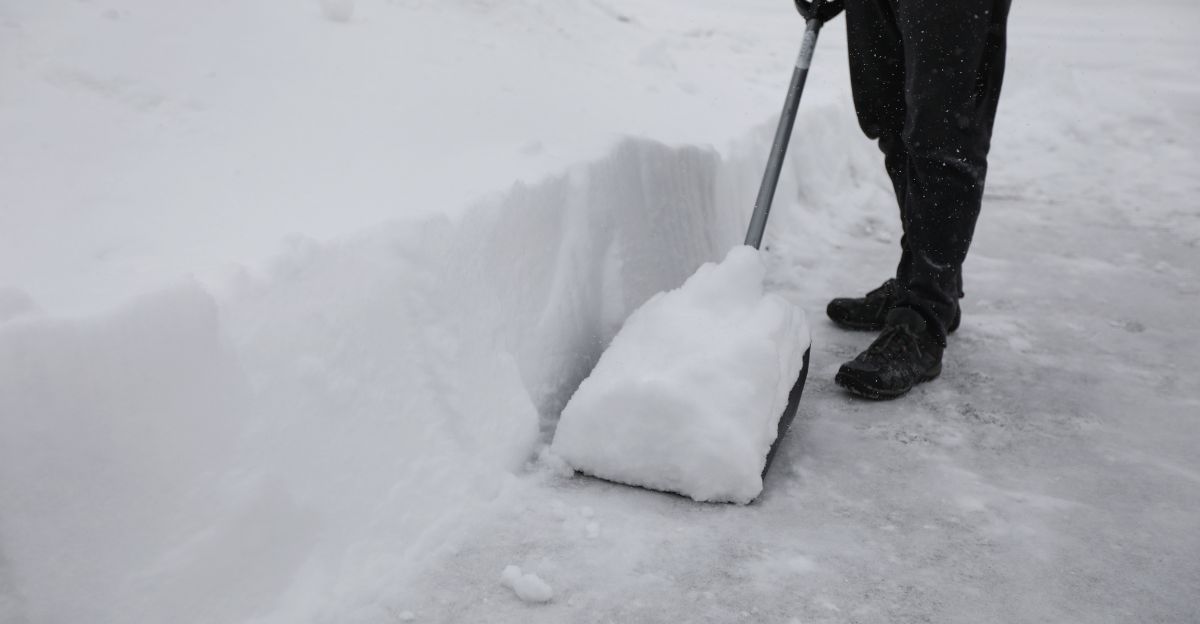
In many communities, residents are buying snow shovels, ice melt, winter clothing, and heating fuel at an accelerated pace. Hardware outlets and fuel suppliers report brisk sales as households prepare for the possibility of power outages and extended periods of subfreezing temperatures. Local authorities in Wyoming’s mountain counties and other high-risk areas are coordinating emergency responses, warning of potential days-long power interruptions and dangerous conditions for outdoor workers, ranchers, and travelers.
Energy Prices, Inflation, and Global Supply Chains
The sudden jump in heating demand is being felt far beyond the storm’s immediate path. Natural gas use for space heating has surged, pushing prices toward levels not seen in nearly three years and boosting revenues for energy providers. Utilities are working to secure sufficient fuel supplies as they manage heavy load on power grids.
Higher fuel costs, combined with transportation delays, are adding pressure to inflation in both energy and food. Supply disruptions are affecting restocking schedules at supermarkets, raising the risk of higher grocery bills in some regions as distribution centers contend with weather-related bottlenecks.
The storm’s footprint also reaches into international trade. Snow and ice are complicating operations at northern ports that handle U.S. exports and imports, contributing to delays that feed into already stressed global supply chains. Manufacturers and businesses overseas that depend on timely shipments from the United States are adjusting production timelines and inventory plans in response.
Hotels, airlines, and tourism operators in the affected zones are managing a wave of cancellations as travelers reconsider plans or become stranded by grounded flights and closed roads. Some hospitality providers are offering flexible rebooking policies and adjusting staffing and safety procedures to accommodate changing demand and ensure guest safety.
Health, Safety, and Climate Questions
Public health and safety officials are stepping up outreach as temperatures fall. Agencies are reminding residents about the risks of hypothermia and frostbite, urging people to limit time outdoors, wear layered clothing, and avoid unnecessary travel. Emergency managers are reinforcing messages about keeping vehicles equipped with winter kits and having enough food, water, and medications at home in case conditions deteriorate.
Mental health services are preparing for a rise in seasonal stress, particularly in isolated rural communities where deep snow and dangerous roads can leave residents confined for extended periods. Local and federal offices are distributing safety advisories and coordinating with utility crews, road maintenance teams, and first responders.
The severity and timing of the cold wave have also renewed debate among scientists and policymakers about the relationship between a warming climate and episodes of extreme winter weather. Researchers note that rapid warming in the Arctic can disrupt the stability of the polar vortex, occasionally allowing lobes of very cold air to plunge south and produce intense cold snaps over mid-latitude regions. Discussions about long-term adaptation, infrastructure resilience, and emissions reductions are being revived as communities confront both the immediate hazards and potential future trends.
Looking Ahead: Resilience in a Colder Season
Meteorologists expect additional surges of Arctic air and the potential for more storms through the rest of December, heightening the importance of planning for ongoing disruptions. Officials emphasize reinforcing power grids, improving road maintenance capabilities, and ensuring that vulnerable populations have access to heating and shelter.
At the same time, retailers and logistics companies are adjusting inventory strategies and transportation routes to reduce vulnerabilities, while households revisit their own emergency preparations. From Alaska to Virginia, this episode is underscoring how a single, far-reaching weather system can touch nearly every aspect of daily life, from commuting and commerce to energy markets and public health. As winter progresses, communities and industries alike will be tested on how well they can adapt to repeated bouts of severe cold and snow.
Sources
National Weather Service Winter Storm Warnings and Advisories (December 2025); NOAA Climate Prediction Center Seasonal Outlook December 2025-February 2026
U.S. Energy Information Administration Short-Term Energy Outlook (December 2025); EIA Natural Gas Pricing Forecasts and Winter Heating Demand Analysis
NOAA National Centers for Environmental Prediction Polar Vortex Analysis and Severe Weather Briefing (December 8-10, 2025)
Colorado Avalanche Information Center Warnings December 5-10, 2025; Federal Aviation Administration Flight Disruption Records and Winter Storm Impact Reports