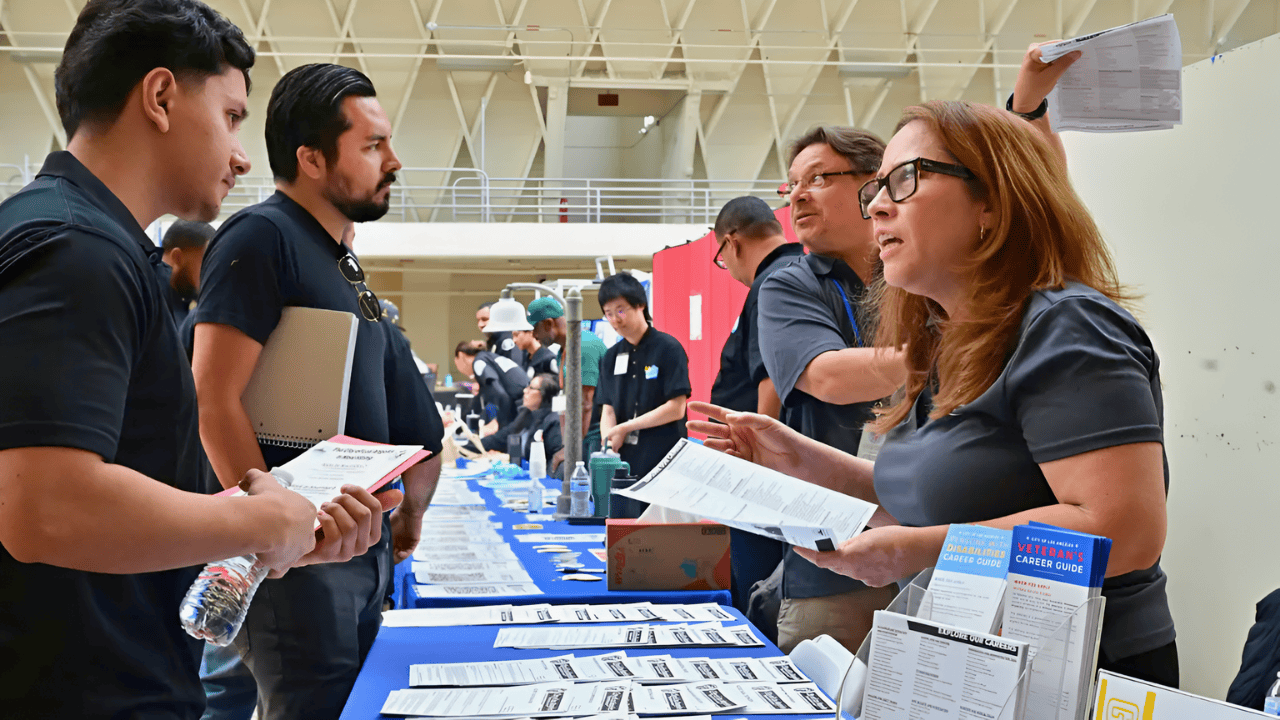
A sudden wave of layoffs and factory closures swept through 23 U.S. states in October 2025, marking the largest monthly job loss in over two decades. More than 150,000 positions vanished in just weeks, sending shockwaves through communities already grappling with persistent inflation, stagnant wages, and rising tariffs. As families watched the economy falter, nearly a third of the nation’s GDP was put at risk, raising urgent questions about the country’s ability to recover.
Economic Pressures Push States Toward Recession
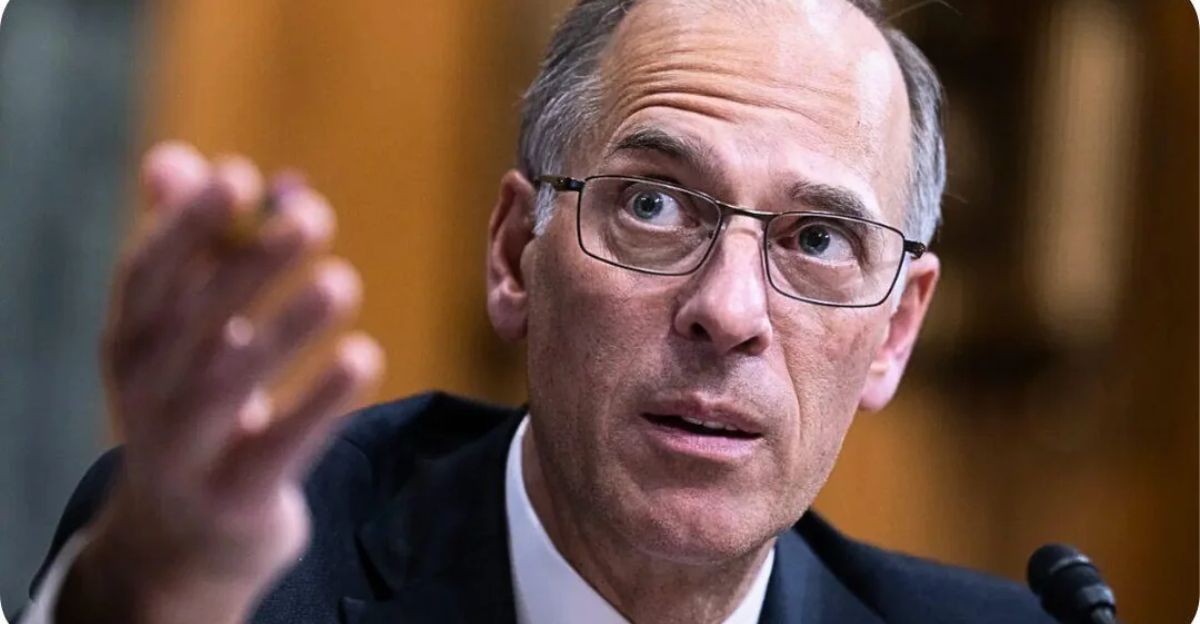
Multiple forces have converged to drive this downturn. According to economists, rising tariffs, slowing immigration, and federal job cuts have hit states dependent on manufacturing and agriculture especially hard. Global trade tensions and shifting domestic policies have amplified the recession’s reach, threatening millions of livelihoods. The ripple effects are felt most acutely in regions where local economies hinge on exports and industrial production. As supply chains falter and demand for U.S. goods drops, these states face mounting uncertainty and deepening financial strain.
Everyday Americans Face Mounting Hardship
For families in affected states, the recession is more than a headline—it’s a daily struggle. Stagnant wages and rising debt are eroding financial security, particularly for lower and middle-income households. While the national unemployment rate remains relatively low, local job markets tell a different story. Many workers are finding it increasingly difficult to keep up with the cost of living, and the pressure is leading to tough choices about essentials like food, housing, and healthcare. The financial stress is also fueling a rise in anxiety and mental health challenges, especially in communities where savings are dwindling and job prospects are bleak.
Corporate Layoffs Reshape Local Economies
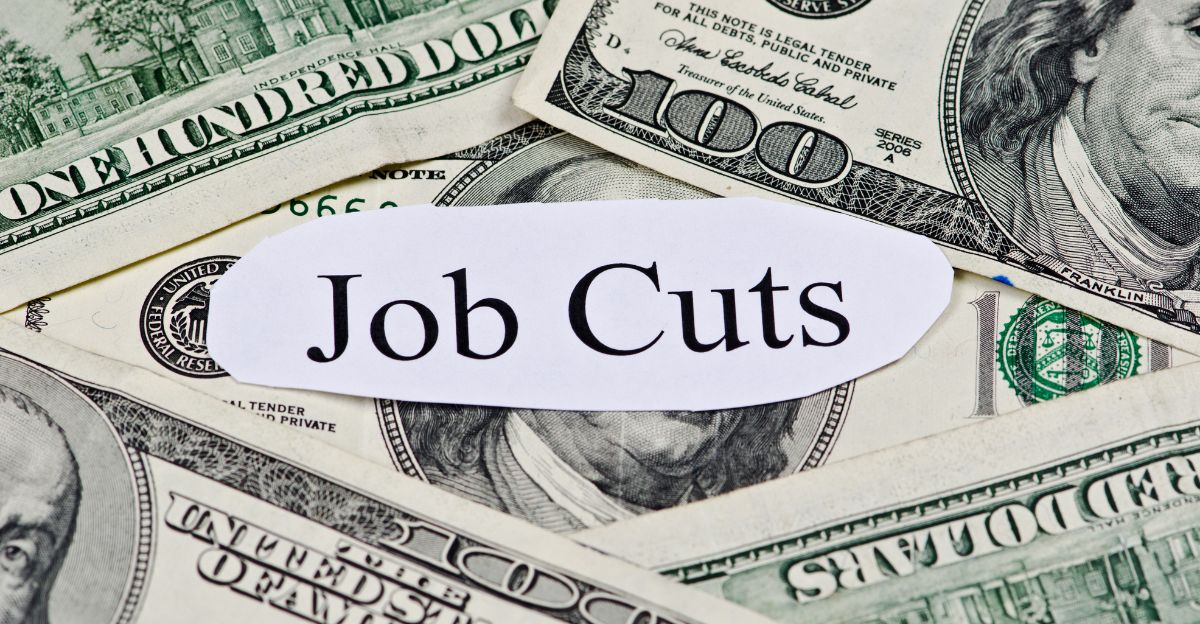
October’s sweeping layoffs were a direct response to mounting economic pressures. Major corporations, facing shrinking profits and uncertain forecasts, moved quickly to restructure and cut costs. The result was an immediate and often irreversible impact on local economies, with industries such as manufacturing, retail, and hospitality bearing the brunt. As companies trimmed their workforces, the effects rippled outward—reducing consumer spending, shuttering small businesses, and straining community resources. Some sectors, like gig work and discount retail, saw temporary boosts as consumers shifted their spending habits, but these gains have not offset the broader losses.
Markets Shift and New Sectors Emerge
As traditional industries slow, new opportunities are emerging in adjacent sectors. Temporary staffing agencies, gig platforms, and discount retailers are experiencing increased demand as consumers seek lower-cost options and flexible work. Used car sales and repair services have also seen a surge, reflecting changing priorities among households trying to stretch their budgets. However, these shifts offer only partial relief. The overall economic landscape remains challenging, with many businesses forced to adapt quickly or face closure. Retailers are adjusting by launching discount lines, closing underperforming locations, and pivoting to more affordable products, but the transition is fraught with uncertainty.
Global Trade Tensions Deepen the Crisis
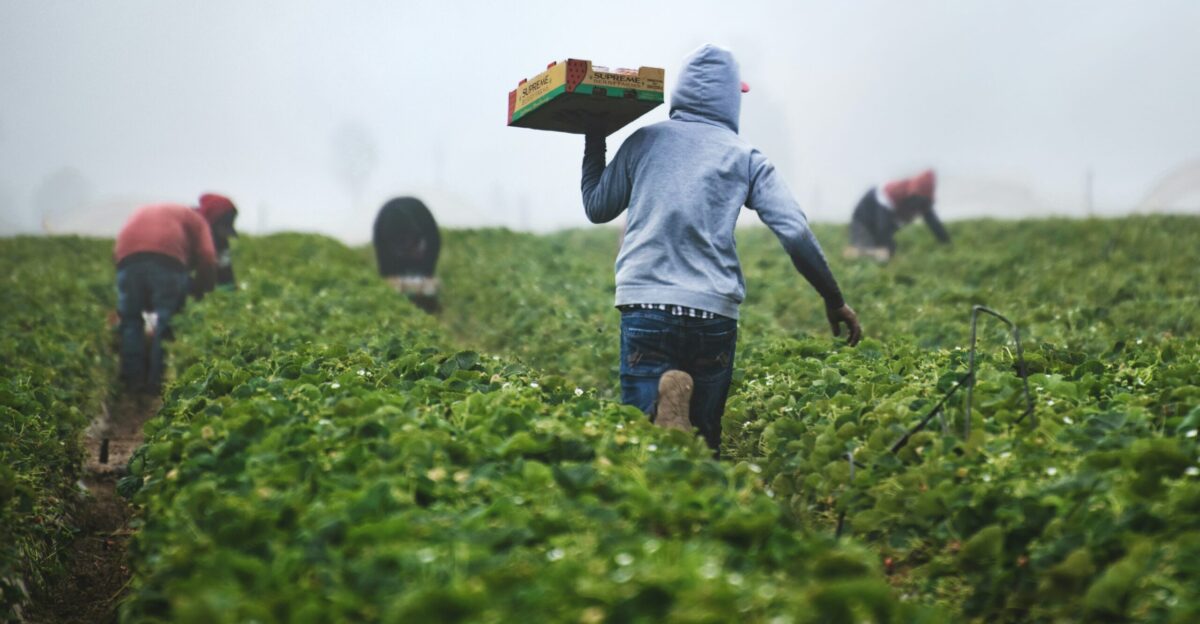
States reliant on exports, particularly in manufacturing and agriculture, are feeling the effects of strained global trade. Falling demand for U.S. imports and ongoing trade wars have disrupted supply chains and heightened uncertainty. International partners are beginning to feel the consequences as U.S. demand slows, prompting multinational companies to reassess investments and hiring plans. The slowdown in American economic activity is reverberating worldwide, putting pressure on economies that depend on U.S. markets.
State Leaders Seek Urgent Solutions
Governors in recession-hit states are urgently calling for federal assistance. With unemployment rising and economic distress mounting, state officials are lobbying for stimulus measures and relief funds to stabilize local economies. The debate centers on how best to provide immediate support while laying the groundwork for long-term recovery. Political divisions are emerging as leaders advocate for different approaches, from green investment and local sourcing to deregulation and tax cuts. The outcome of these debates could shape the future direction of U.S. economic policy.
Housing, Hospitality, and Lifestyle Under Strain

The housing market in affected states has stagnated, with fewer homes sold and rising mortgage delinquencies. Construction projects are slowing, and connected industries—from pet food to fertilizer—are seeing reduced demand. The hospitality sector, including restaurants and hotels, is struggling with declining bookings and lower foot traffic, leading to staff reductions and business closures. Households are cutting back on discretionary spending, postponing medical care, and seeking cheaper food options, further straining local economies and resources.
Looking Ahead: Uncertain Path for Recovery
The future of the U.S. economy hinges on the performance of key states like California and New York. If these economic powerhouses avoid recession, national stability may be within reach. Policymakers, businesses, and households are watching closely for signs of a turnaround or continued decline. As the recession’s ripple effects spread, America faces a pivotal moment—one that will test its resilience and shape its economic trajectory for years to come.