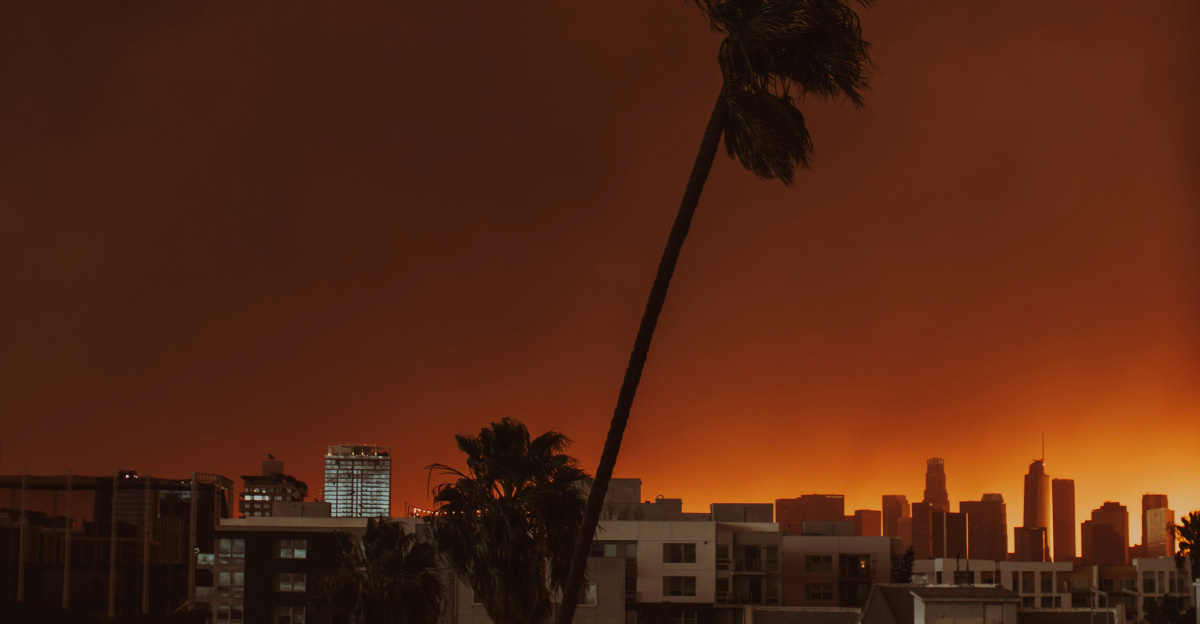
Smoke choked the Los Angeles skyline in January 2025 as wildfires ravaged neighborhoods, sirens blared under urgent evacuation orders, and entire blocks turned to ash in days. This scene marked the start of a year that saw the United States endure 23 billion-dollar weather disasters—one every 10 days on average—claiming 276 lives and inflicting $115 billion in damages.
Relentless Pace of Destruction
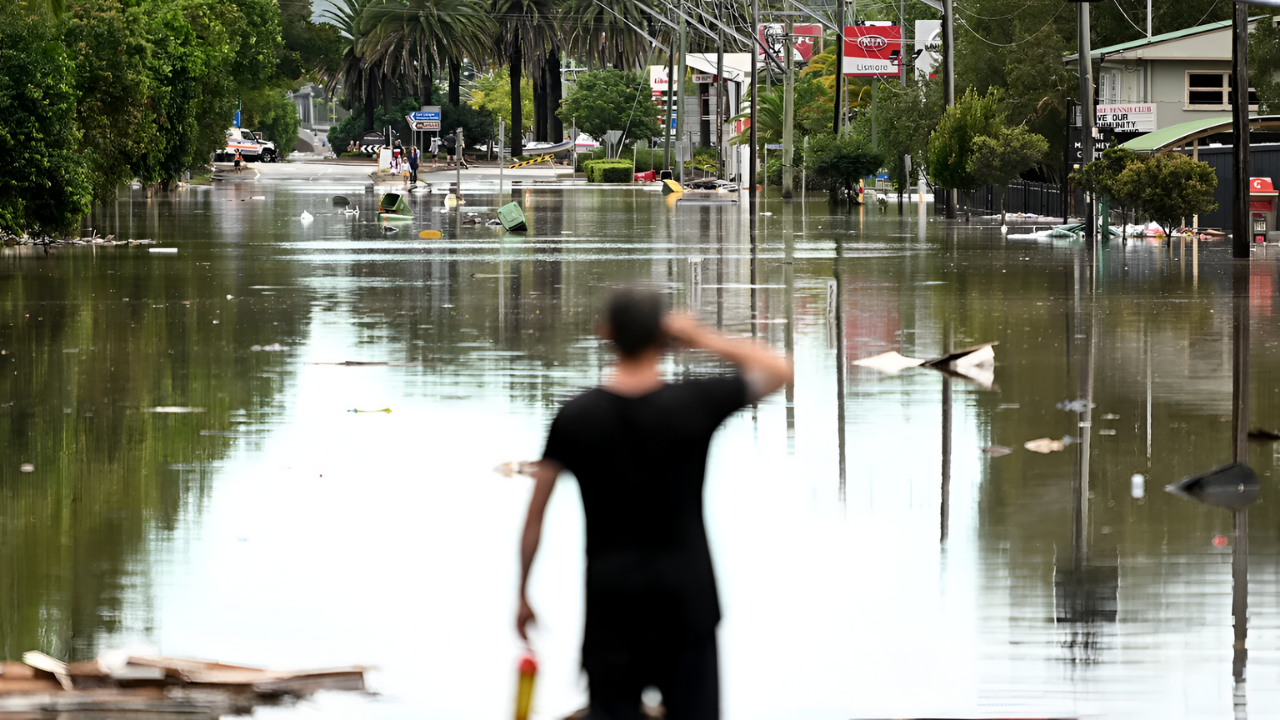
Disasters hammered the nation with brutal frequency in 2025. Storms, wildfires, floods, and tornadoes overlapped, leaving communities trapped in cycles of cleanup and fresh evacuations. The average interval between events shrank to 10 days, down from 82 days in the 1980s—an eightfold speedup that shattered previous norms.
Since 1980, the country has faced 426 such catastrophes, totaling $3.1 trillion in costs and 17,194 deaths. NOAA’s database had long served as the benchmark for risk assessment by insurers, planners, and officials.
Data Disruption
In May 2025, amid surging events, the Trump administration paused NOAA’s updates, redirecting federal resources. Scientists and responders raised alarms over the timing, as consistent records proved vital for grasping escalating risks.
Climate Central intervened in October, rehiring Adam Smith, NOAA’s former lead disaster economist, to maintain the inflation-adjusted tally. This handover ensured continuity for analyzing insurance needs and planning amid intensifying climate extremes.
Record-Shattering Toll
The nonprofit verified 2025 as the third-worst year, behind only 2023 and 2024. Severe storms drove 21 of the 23 events—the highest single-year count ever—with each averaging $5 billion in nationwide damage.
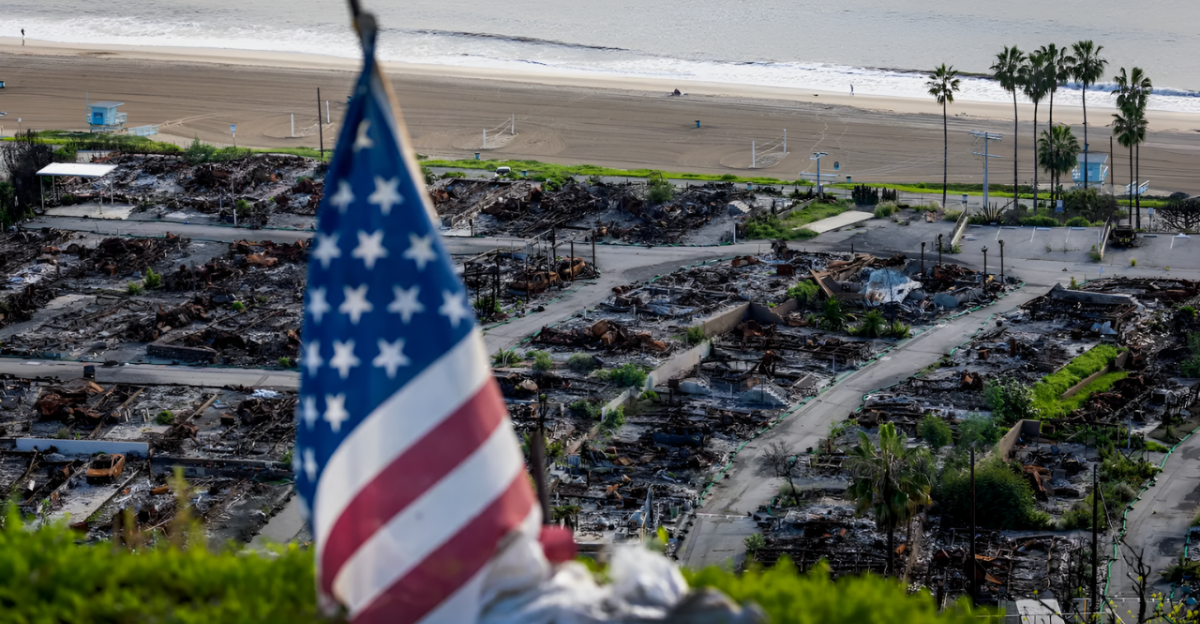
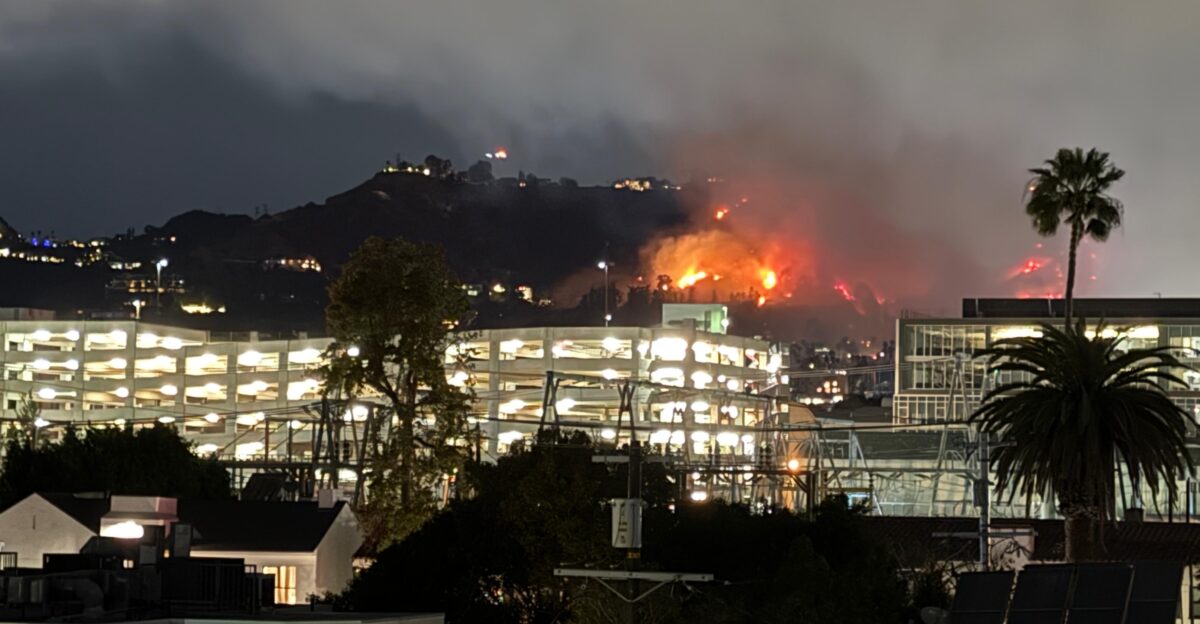
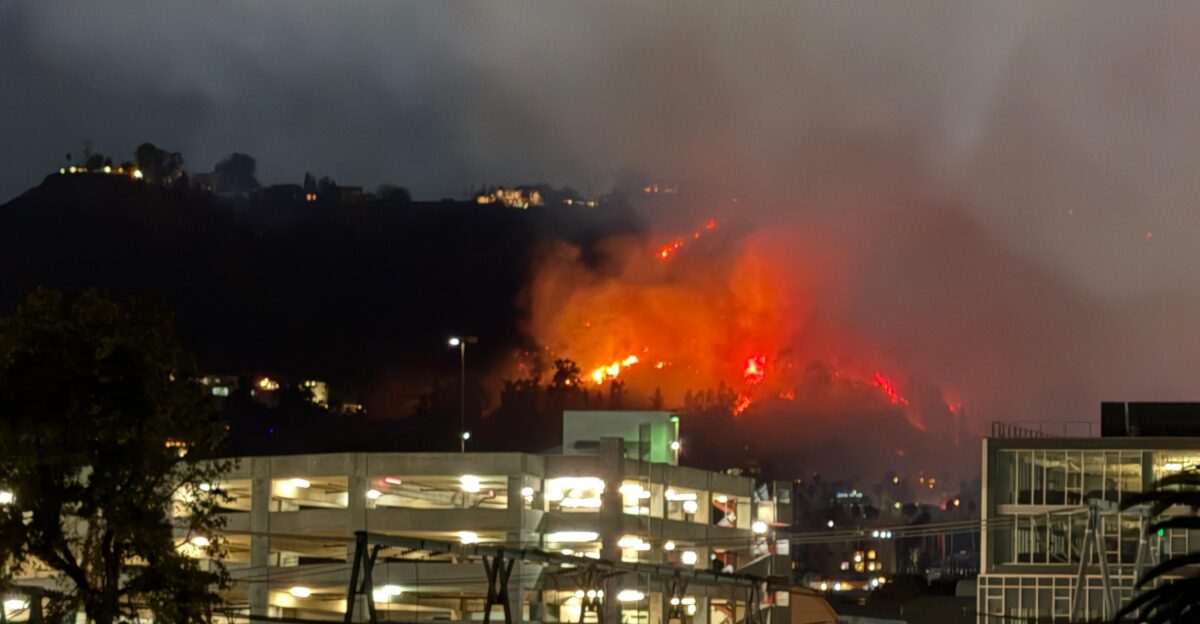
Los Angeles wildfires from January 7-28 claimed the title of costliest in U.S. history at $61.2 billion. They razed over 16,000 homes and businesses, displaced more than 200,000 people, and spread rapidly through wildland-urban interfaces under hot, dry winds.
Tornado outbreaks compounded the misery. From March 14-16, over 180 twisters struck central, southeastern, and eastern states, killing 43 and causing $11 billion in losses. A May 15-17 swarm added $6.3 billion, 29 deaths, and power outages for 600,000 customers, leveling towns.
Amplifying Factors
Warmer Gulf waters spurred heavier Southern rains, while Western heat deepened droughts and fire dangers. Population booms in vulnerable areas spiked costs, with climate change magnifying risks from existing development patterns.
Insurers labeled 2025 the new baseline, prompting premium increases, coverage cuts, and market withdrawals. Supply chains buckled: Southern farms lost crops to storms, Midwest factories halted from floods and blackouts. Nonprofits filled the federal data void, aiding risk recalibrations.
No major hurricanes hit due to unusual atmospheric blocks, sparing worse totals—analysts projected over $200 billion otherwise. Recovery varied: federal aid aided tornado zones, but Los Angeles residents grappled with displacement and smoke-related health woes. States bolstered defenses, from California’s firebreaks to Midwest grid upgrades.
Forward Challenges
Experts note 2025 figures undercount indirect harms like smoke deaths and mental health strains. With oceans at peak warmth, 2026 risks intensifying hurricanes, inland floods, and droughts, testing national readiness. NOAA’s halt fueled partisan clashes over monitoring duties in the 15th straight above-average disaster year. Globally, $220 billion in losses echoed U.S. patterns, from Caribbean cyclones to foreign floods. Legal fights brewed over utility roles in fires and water disputes in parched West. As intervals compress and stakes rise, communities face pressure to rebuild resiliently against a quickening climate toll.
Sources
LAist/Grist, “In 2025, the US suffered a billion-dollar disaster every 10 days”, January 2026
Earth.org, “2025 Third-Highest Year for Billion-Dollar Climate Disasters in US”, January 2026
ABC News, “The US experienced nearly two dozen billion-dollar weather and climate disasters in 2025”, January 7, 2026
Climate Central, “Now at Climate Central: U.S. Billion-Dollar Weather and Climate Disasters”, October 2025