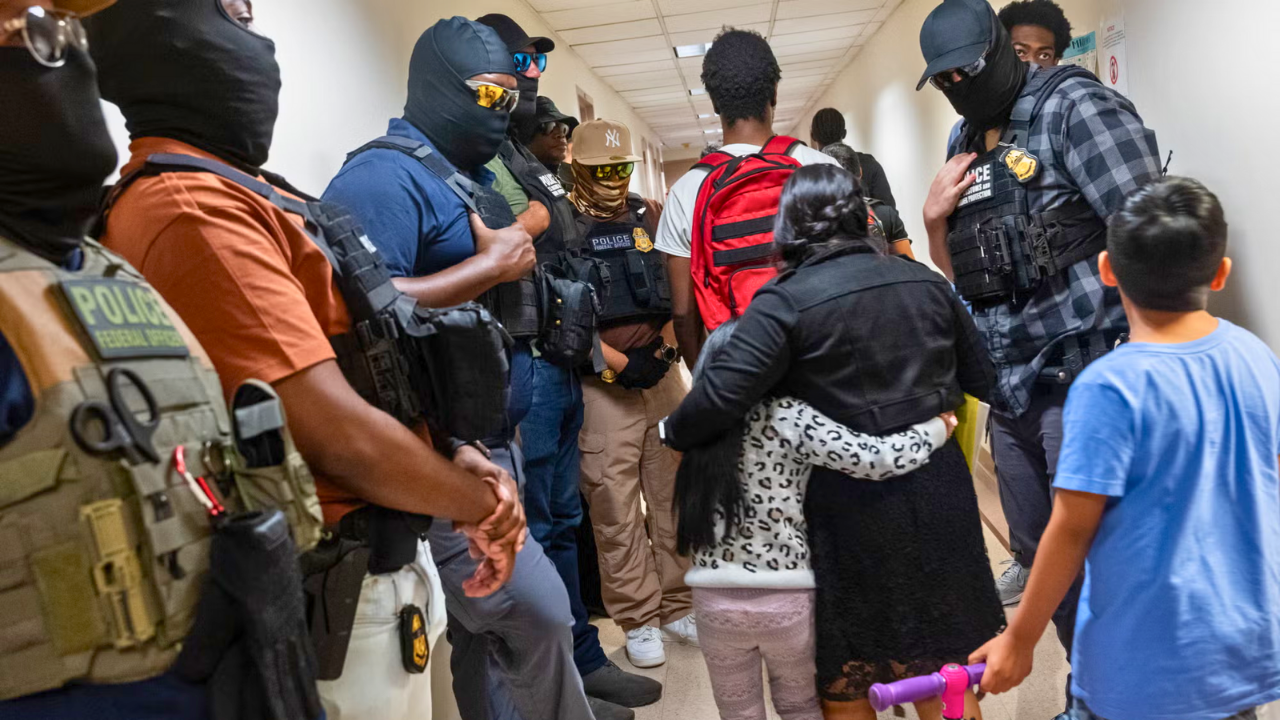
The classrooms at Sterling Elementary were unusually silent. Where 700 children typically filled the halls, only 240 arrived on Monday morning. Across Charlotte-Mecklenburg Schools, more than 20,000 students—one in seven—were absent, their disappearance a stark signal of a city in crisis. The reason was clear to families, even as officials remained silent: a weekend of sweeping federal immigration raids had left parents too afraid to send their children to school.
Operation Charlotte’s Web: A City Transformed

Over the weekend, Charlotte became the epicenter of a major federal enforcement action. U.S. Customs and Border Protection launched “Operation Charlotte’s Web,” deploying hundreds of masked agents in unmarked vehicles throughout the city. Within hours, 81 people were detained on Saturday morning, and by Sunday night, the number of arrests had climbed to 130, concentrated in predominantly immigrant neighborhoods. The operation’s scale and visibility—agents stopping people outside grocery stores and churches—created an atmosphere more akin to occupation than routine law enforcement.
The impact was immediate. Videos circulated on social media showed individuals being pulled from cars and detained in public spaces. Even naturalized citizens, like Willy Aceituno, found themselves repeatedly stopped and questioned, their documentation disregarded. The fear generated by these encounters spread rapidly, prompting families to keep children home and businesses to shutter their doors.
Schools and Neighborhoods Left Empty
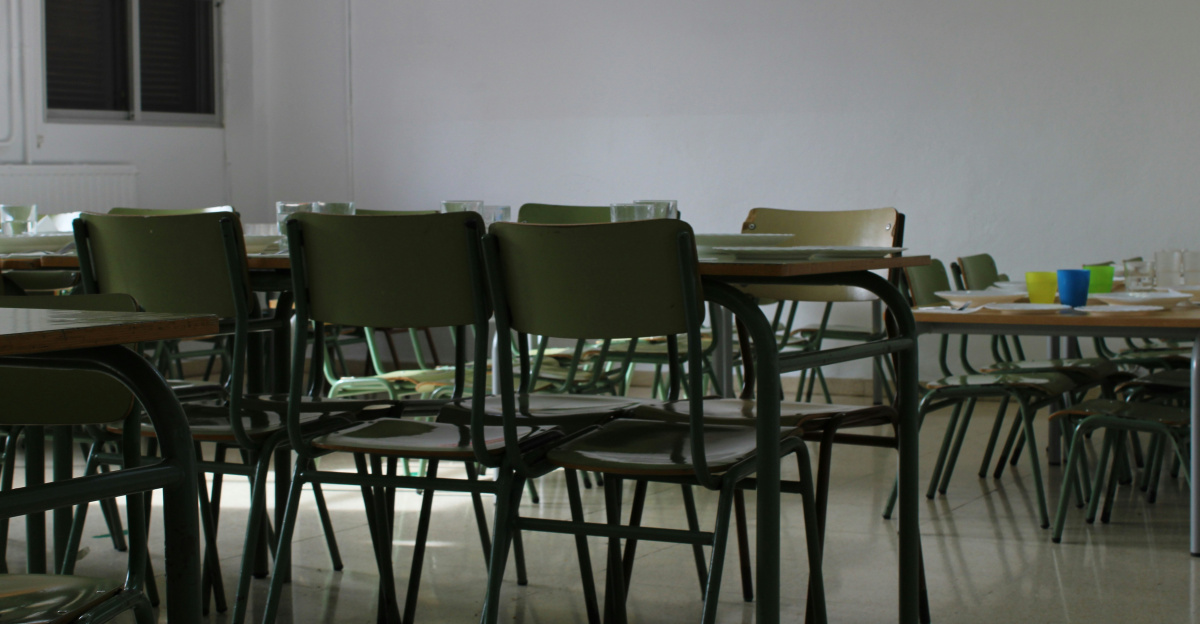
The fallout from the raids was most visible in Charlotte’s schools. Hispanic students, who make up 31% of the district’s enrollment, were disproportionately affected. At Sterling Elementary, where the majority of students are Hispanic, attendance dropped to just 34%. Across immigrant neighborhoods, classrooms and cafeterias were half-empty, and buses ran with only a handful of passengers.
Teachers faced the emotional toll of fractured classrooms. David Gillespie, who teaches multilingual students, saw attendance in his classes drop dramatically. For educators, the crisis was not just about numbers—it was about the uncertainty of whether their students would ever return. The absence of thousands of children underscored the depth of fear gripping the community.
Community Response and Official Silence
As parents sought answers, Charlotte-Mecklenburg Schools issued only a brief statement: no immigration enforcement had occurred on school property, and officials would continue to monitor federal activity. This response did little to reassure families. Instead, parents organized watch groups at school entrances, volunteers documented agent activity, and some businesses closed entirely to protect their customers.
Political leaders eventually addressed the situation. Mayor Vi Lyles expressed concern about the conduct of federal agents, emphasizing the need to uphold constitutional protections for all residents. Governor Josh Stein condemned the operation, describing agents as “masked, heavily armed” and accusing them of targeting citizens based on appearance. These statements validated the fears of many families but did little to change the immediate reality.
Economic and Social Disruption

The effects of the raids extended beyond schools. Businesses serving immigrant communities reported dramatic declines in customers, with some closing temporarily after patrons were detained nearby. The economic impact rippled through neighborhoods, forcing families to choose between earning a living and keeping their children safe.
By Tuesday, revised attendance data revealed that more than 30,000 students—20% of the district—had missed school on Monday. The crisis was not abating; it was deepening. The mass absence became national news, with education advocates warning that similar disruptions could occur in other cities if federal operations continued.
Federal Justification and Community Mobilization
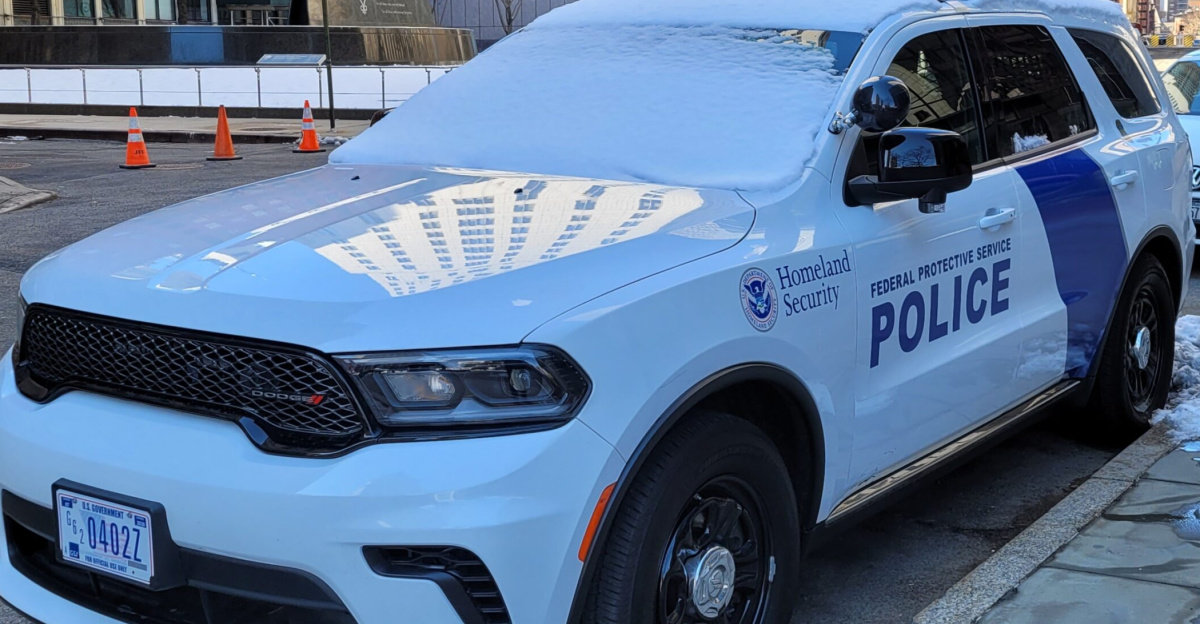
The Department of Homeland Security defended the operation, citing the criminal backgrounds of those arrested. However, officials provided no public records or verifiable evidence to support these claims. Images posted by Border Patrol Commander Greg Bovino on social media labeled detainees as “criminal illegal aliens,” but journalists could not confirm the alleged offenses.
In response, community organizations mobilized. Groups like Siembra NC established hotlines and distributed safety information, while parent organizations coordinated emergency supplies and communication networks. Volunteers monitored school entrances and shared alerts about federal activity, stepping in where official institutions had failed.
Uncertain Future for Charlotte’s Schools
As the week progressed, questions remained unanswered. Would student absences persist? What long-term educational damage would result from the disruption? How would schools support traumatized children and families? Charlotte-Mecklenburg Schools offered no contingency plans, leaving teachers and parents to navigate the uncertainty on their own.
Federal officials attributed the operation to Charlotte’s sanctuary policies, claiming the city had failed to honor hundreds of detainers. Yet, local crime rates had declined, and the disruption to education appeared driven more by political motives than public safety concerns.
Looking Ahead: A City Changed
Charlotte’s experience stands as a stark warning to other cities. The largest single-day student absence in the district’s history was not caused by weather or disease, but by fear—fear instilled by federal agents over a single weekend. As federal enforcement actions expand to other cities, Charlotte’s fractured classrooms and shuttered businesses highlight the profound consequences such operations can have on communities, schools, and the lives of thousands of children.