The classrooms were wrong – too quiet, too empty. At Sterling Elementary, where typically 700 children fill the halls with chatter and laughter, only 240 showed up on Monday morning. Teachers stood at doorways, scanning for familiar faces that never arrived. By mid-morning, Charlotte-Mecklenburg Schools released a number: 20,935 students—one in seven kids across 185 schools—had vanished overnight.
The district wouldn’t explain why. But every parent in the city already knew. Something had happened over the weekend that was terrifying enough to keep their children home.
The Weekend That Changed Everything

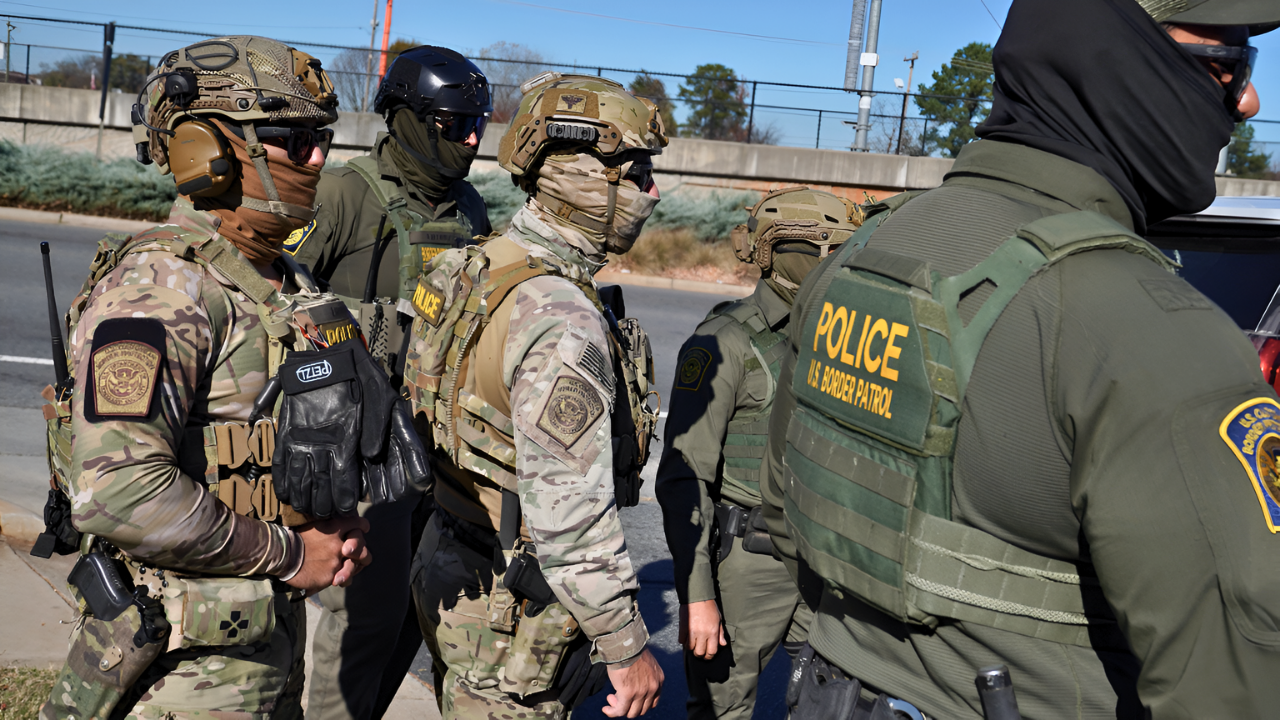
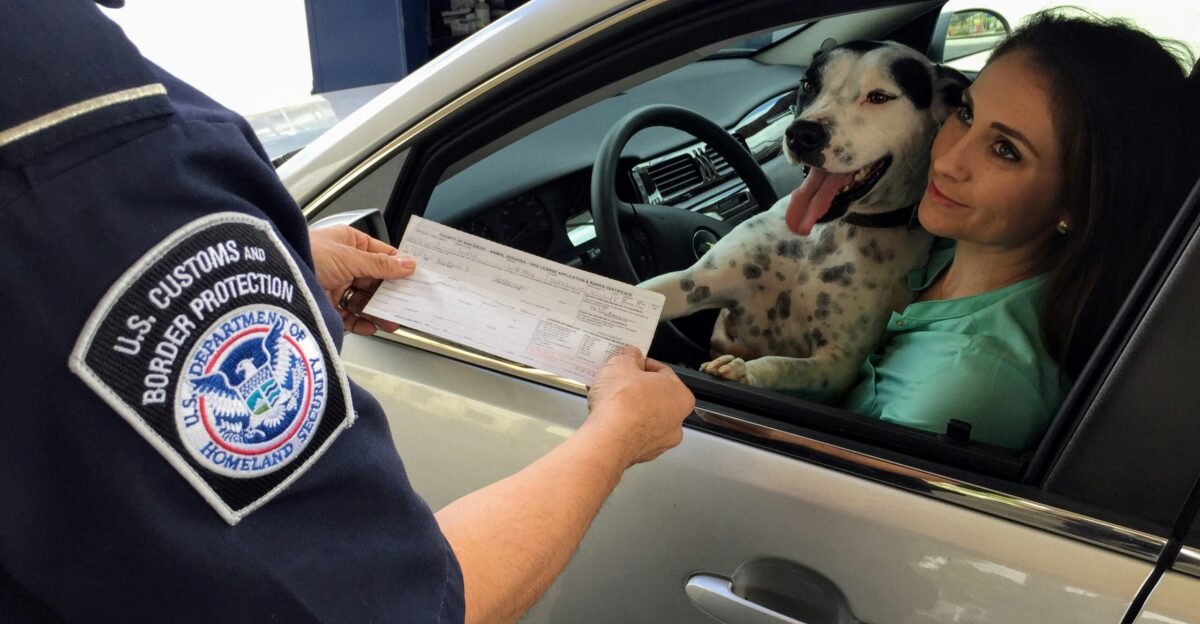
The answer came in pieces throughout Monday as videos spread through neighborhood chats and social media feeds. Over the weekend, masked federal agents had flooded Charlotte’s streets in unmarked vehicles. U.S. Customs and Border Protection launched “Operation Charlotte’s Web,” deploying hundreds of agents with a mission that felt more like an occupation than a law enforcement effort.
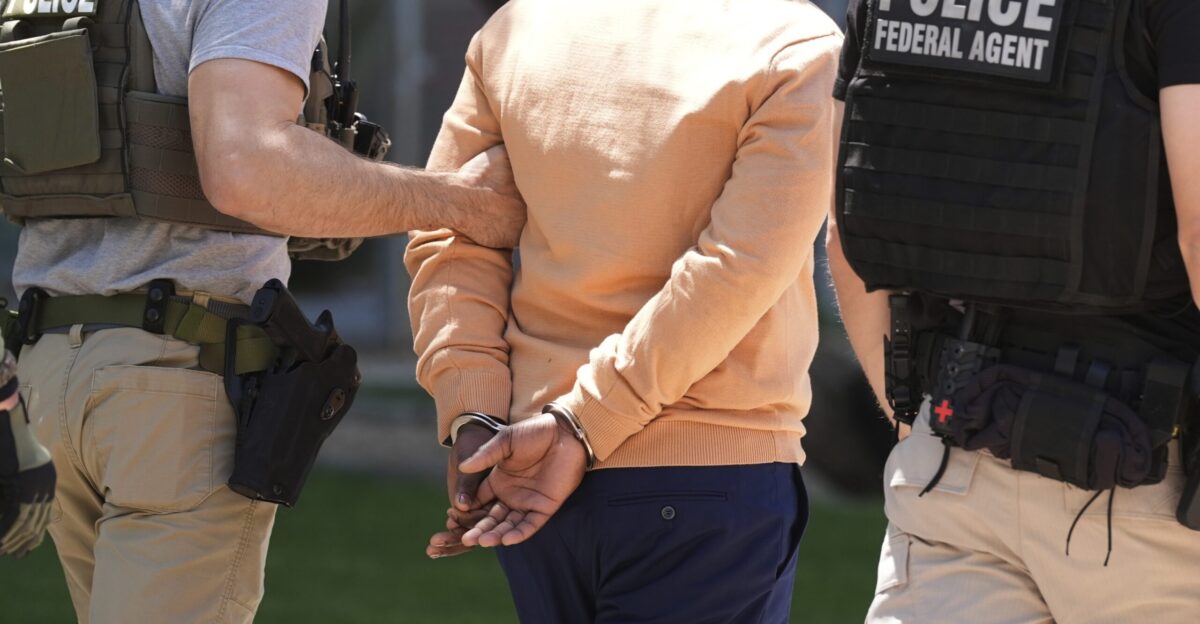
Within five hours on Saturday morning, 81 people were detained. Commander Greg Bovino called it record-breaking. By Sunday night, 130 arrests had occurred across predominantly immigrant neighborhoods.
The Fear Spread Like Wildfire

The videos told the story officials wouldn’t. People were pulled from their vehicles outside grocery stores. Individuals were detained in church parking lots. Willy Aceituno, a 46-year-old naturalized U.S. citizen, was stopped twice in five minutes. During the second encounter, agents broke his truck window despite his valid citizenship documents already checked moments earlier.
“I’m scared because I give you five minutes ago,” Aceituno told them, his voice a mix of confusion and dread. If federal agents didn’t trust citizenship papers, what could anyone trust?
Empty Chairs Might Stay Empty
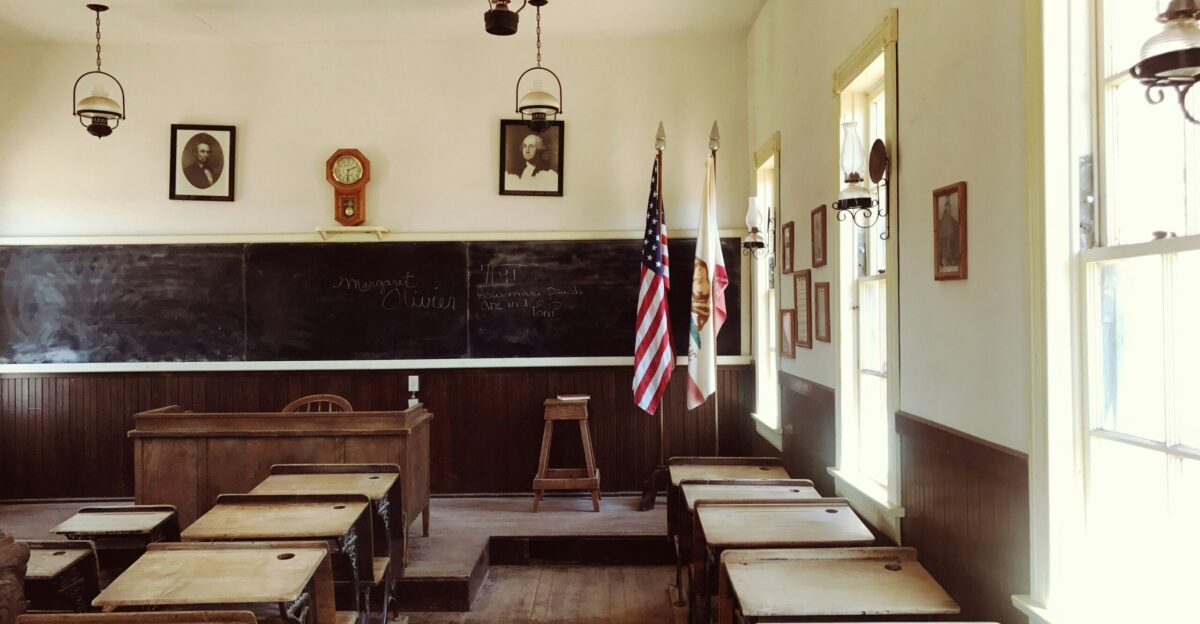
David Gillespie teaches multilingual students at a middle school in Charlotte. Monday morning felt different before the first period even started. He expected 16 kids. Four arrived. His second-period class, which usually brings 20 students, had seven empty desks. “I’m not sure which of my students I’m going to see again,” Gillespie told reporters, his words carrying a pain that no attendance number could capture.
For teachers like Gillespie, Monday wasn’t about statistics. It was about watching his classroom fracture in real time, knowing some of those empty chairs might stay empty indefinitely.
Hispanic Neighborhoods Emptied

The pattern became undeniable as the day wore on. Charlotte-Mecklenburg’s student body is 31% Hispanic, comprising roughly 43,000 children. Schools serving predominantly Latino families reported the starkest numbers. Sterling Elementary, where over 500 of 700 students are Hispanic, saw attendance plummet to 34%.
Elementary schools across immigrant neighborhoods became ghost zones: half-full buses, silent cafeterias, classrooms with more empty chairs than occupied ones.
Frustrated Families Demanded Answers

Parents looked to Charlotte-Mecklenburg Schools for explanation or guidance. What they received was bureaucratic silence masquerading as a statement: no immigration enforcement had occurred “on CMS property,” and officials would “continue to monitor” federal activity.
Parents organized watch groups at school entrances, volunteers stationed themselves at drop-off zones to document agents, and some businesses closed their doors entirely.
Targeting American Citizens Based on Their Skin Color
By Monday afternoon, the silence broke. Charlotte Mayor Vi Lyles expressed what families already felt: “deep concern” about how federal agents conducted the operation. “The rights and constitutional protections of every person in Charlotte—regardless of immigration status—must be upheld,” she declared.
North Carolina Governor Josh Stein went further, his language sharper: “masked, heavily armed agents in paramilitary garb driving unmarked cars, targeting American citizens based on their skin color.” His words didn’t change what had happened over the weekend. But they confirmed that families weren’t overreacting.
Parents Took Protection Into Their Own Hands
The official response came too late. Parents at Charlotte East Language Academy had learned that lesson in May when federal agents arrested a parent near campus. This time, they moved first. Adam McBroom and others arrived Monday before dawn, positioning themselves at school entrances. Their strategy was simple: “We’ve observed that they seem less likely to go through with actions when you have a lot of witnesses.”
Beyond surveillance, parent organizations mobilized emergency supplies and established communication networks to alert families when agents were present.
The Economic Collapse

The fear didn’t stay contained to schools. A Charlotte bakery closed temporarily after customers were detained outside during Saturday’s operation. The owner said he’d reopen only when customers could “safely walk to his counter.” Along commercial corridors serving immigrant communities, businesses reported dramatic drops in foot traffic.
The entire ecosystem of daily life had come to a standstill. Whole neighborhoods had essentially shut down because 130 arrests over two days had created a terror that spread through thousands of families.
Tuesday Morning, the Crisis

Tuesday brought a shock. Revised attendance data showed more than 30,000 students marked absent on Monday—20% of Charlotte-Mecklenburg’s enrollment. School officials explained that overnight data corrections and tardy student recalculations, but the explanation couldn’t soften the reality.
One in five Charlotte students stayed home. The crisis wasn’t subsiding. It was deepening. The city’s education system was fracturing in real time.
A Warning to Other Cities

By midweek, Charlotte’s mass absence had become national news. CNN, ABC News, the New York Times, and PBS NewsHour highlighted the story as evidence of how federal immigration enforcement was reshaping daily American life. Education advocates warned that if operations continued or expanded, school districts nationwide might face similar disruptions.
Whether counted at the initial 15% or revised 20% of enrollment, Monday’s absence qualified as one of the most significant single-day student absences recorded outside pandemic-related closures or major weather emergencies.
Federal Officials Defend the Operation

The Department of Homeland Security released its narrative: those arrested had serious criminal backgrounds—gang membership, dangerous weapons, DUI, illegal re-entry. “Criminal records of those arrested include known gang membership, aggravated assault, possession of a dangerous weapon, felony larceny, simple assault, hit-and-run, possession of stolen goods, shoplifting, DUI, DWI, and illegal re-entry after prior deportation,” DHS stated.
The problem is that they provided no verifiable evidence. No public records. No confirmation through databases. Commander Bovino posted images on social media calling detainees “criminal illegal aliens,” but journalists couldn’t verify a single claimed background.
Commander Bovino’s Social Media Strategy
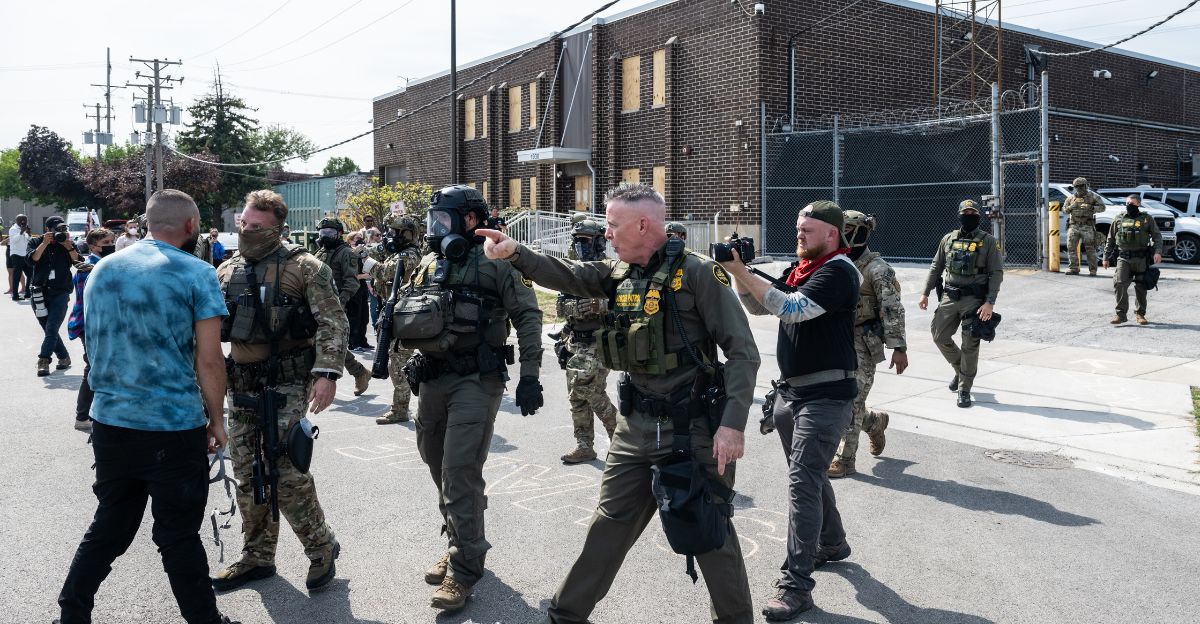
Border Patrol Commander Greg Bovino, who previously led similar operations in Chicago and Los Angeles, took an unusual approach to justifying the weekend raids. He posted images of detainees on social media, characterizing them as “criminal illegal aliens” and detailing alleged criminal histories.
In one post, Bovino highlighted what he described as a man with drunk driving convictions: “We arrested him, taking him off the streets of Charlotte so he can’t continue to ignore our laws and drive intoxicated on the same roads you and your loved ones are on.”
Teachers Became Counselors

For students who did attend Monday, learning became impossible. Children asked where their classmates were and whether their families were safe. Teachers maintained facades of normalcy while wrestling with their own fear.
The North Carolina Association of Educators released a statement that cut to the heart of the crisis: “There were reports of an unusually high number of student absences, a clear sign that families were afraid to send their children to school. This is wrong—full stop.”
The Ripple Effect

“When 21,000 kids stayed home, thousands of parents couldn’t work. The stress fractured families—parents argued over impossible choices, and relationships were strained under financial pressure. Small business owners closed to protect employees and customers.
The economic impact cascaded through immigrant communities like a secondary wave. Families not directly targeted still chose: earn money or keep children safe, maintain employment or avoid federal encounters.”
Making a Point
As Charlotte reeled from the absences on Monday, Border Patrol announced its expansion strategy. Federal agents would deploy to Raleigh on Tuesday, November 18, then move to New Orleans for “Operation Catahoula Crunch” with approximately 200 agents.
These weren’t isolated operations. They were part of a coordinated federal strategy targeting cities with Democratic mayors and sanctuary policies that refused to cooperate with deportation enforcement.
Community Organizations Shift Into Survival Mode

Siembra NC established hotlines to report federal sightings, distributing whistle signals and monitoring techniques from Chicago and Los Angeles. Co-director Nikki Marín Baena captured the shift: “Safety is created by community members looking out for each other and standing up for each other, not by masked federal agents who are here to create chaos and bring fear.”
Volunteers mobilized emergency resources for families who feared detention. Official institutions had failed. Communities would survive by standing together.
Schools Face Unanswered Questions

Questions hung in the air, unanswered. Would absences continue? What would be the long-term educational damage for students falling behind? How would schools support traumatized children? Charlotte-Mecklenburg Schools remained silent on contingency plans.
Teachers prepared lessons for half-empty classrooms. Parents balanced education against family safety. The uncertainty itself became a form of control—families couldn’t plan, couldn’t move forward, could only wait for the next federal operation.
The Federal Justification Collapses Under Its Own Weight
The DHS cited Charlotte’s sanctuary policies as the cause for the surge, alleging that the county hadn’t honored 1,400 detainers. But Charlotte’s crime rates in 2025 were lower than in 2024. The operation had disrupted education for 21,000 children based on political rhetoric, not crime data.
The disconnect was undeniable. This wasn’t about public safety. It was about punishment for cities that refused to cooperate with federal deportation machinery.
One Weekend Fractured a City’s Education System
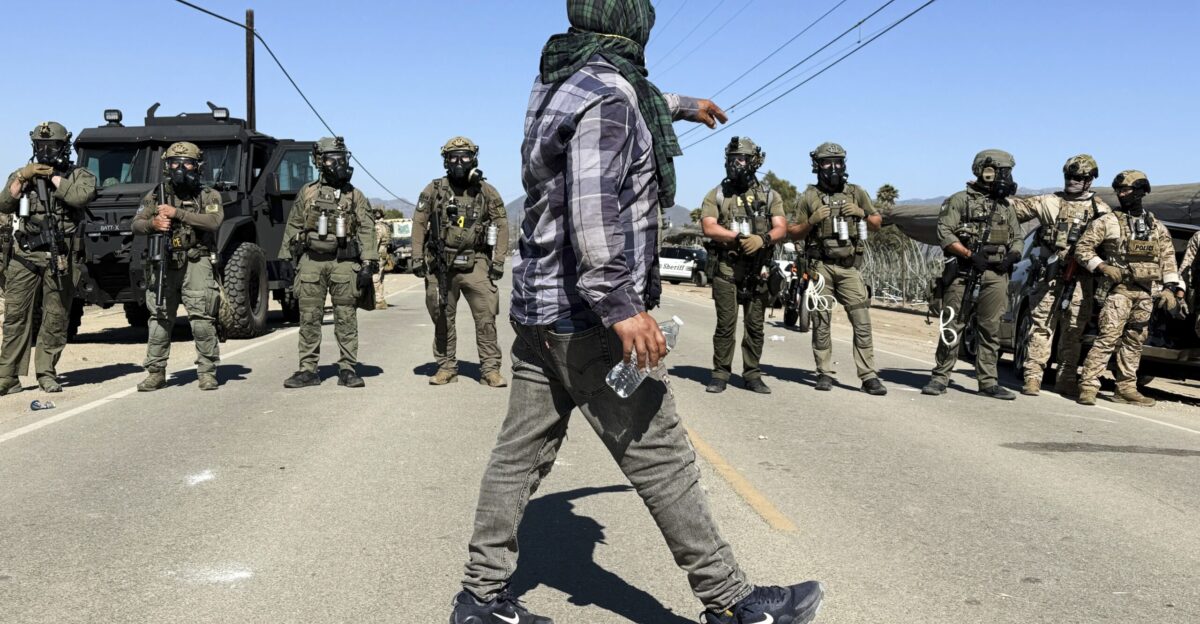
The largest single-day student absence in Charlotte’s modern history wasn’t caused by weather or disease. It was caused by federal agents who swept through a city over 48 hours, arrested 130 people, and left 21,000 children too afraid to attend school. The operation ended on Sunday. The fear spread through neighborhoods, families, and schools like a contagion.
As other cities braced for their own surges, Charlotte remained a stark reminder. When federal enforcement comes to town, the first casualty often looks like empty classrooms and children too frightened to learn.