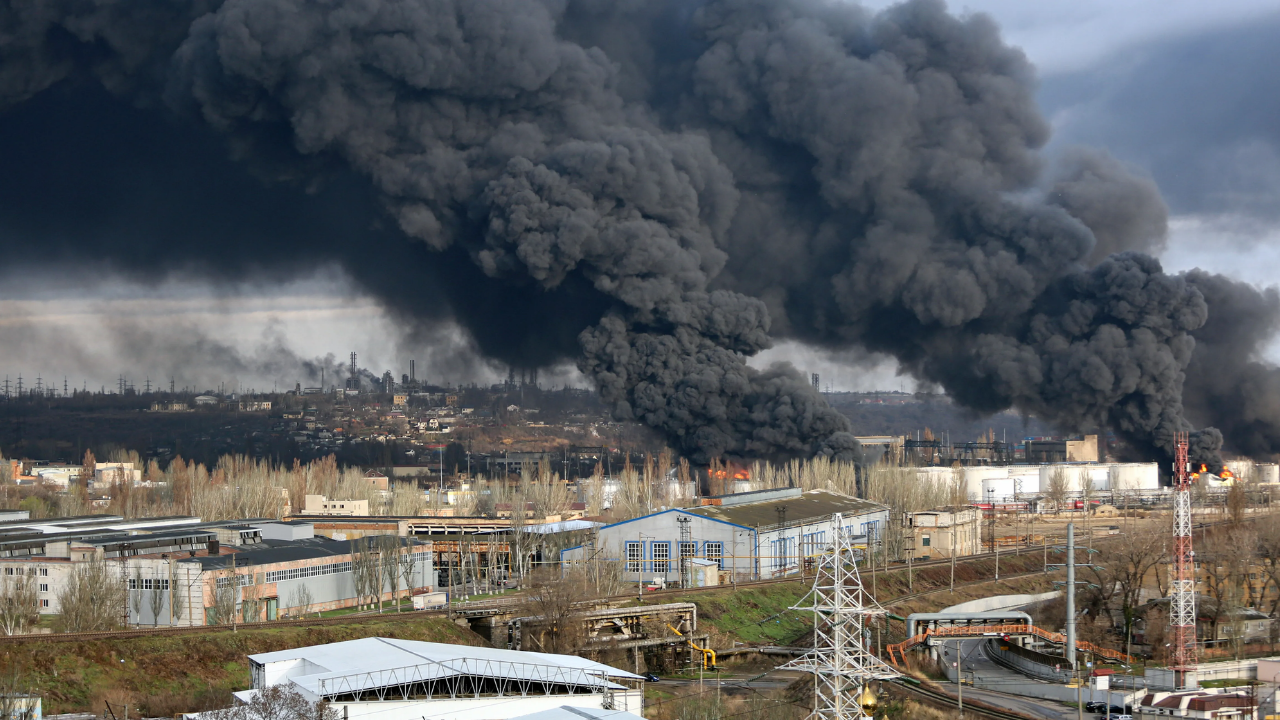
Ukrainian drone strikes plunged more than 200,000 households in Russian-controlled parts of Zaporizhzhia into darkness on January 19, severing power amid biting winter cold and exposing the raw human cost of the conflict’s energy battles.
Moscow-installed regional governor Yevgeny Balitsky confirmed the blackouts affected nearly 400 settlements, leaving residents without heat, light, or water as temperatures dropped below freezing. Families huddled in unheated homes, water pumps failed, and vulnerable groups—elderly people, children, and those needing medical devices—faced acute hardship. The strikes hit major grid components, creating widespread disruption that repair teams struggled to address under ongoing threats.
Winter Conditions Amplify Suffering
Sub-zero weather turned the outage into a survival test. Heating systems shut down, forcing people to burn wood or huddle under blankets. Without electricity, daily essentials like cooking and refrigeration became impossible, magnifying the humanitarian fallout in occupied territories. Logistical hurdles, including damaged roads and security risks, delayed aid and repairs, stranding communities in prolonged cold.
Escalating Energy Warfare
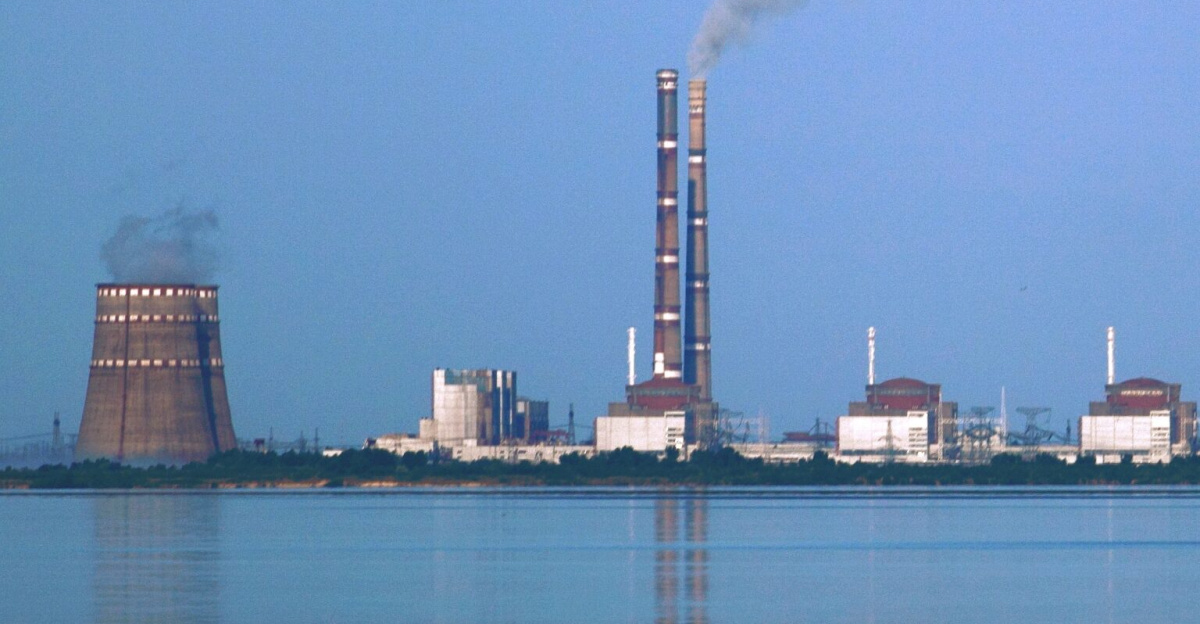
These attacks form part of a grim tit-for-tat pattern. Since 2022, Russia has hammered Ukraine’s power grid, sparking nationwide blackouts that Ukrainian leaders call an effort to weaponize winter. Kyiv’s retaliation now targets Russian-held assets, turning electricity networks into prime battlegrounds. Zaporizhzhia’s strategic value—its factories and proximity to the Zaporizhzhia Nuclear Power Plant—draws fire, though the January strikes spared the facility. International monitors warn of risks near such sites, as grid instability threatens broader stability.
Repair Challenges in Hostile Terrain
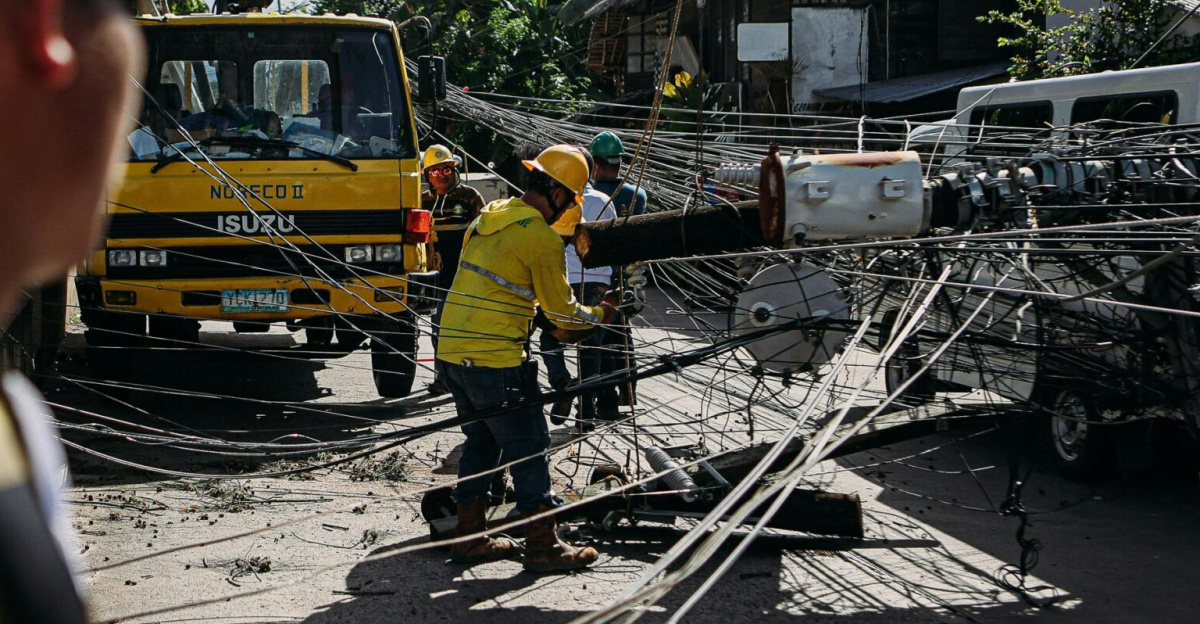
Teams rushed to fix lines once safe, but officials cautioned full restoration would take days or longer. Workers navigate drone threats, artillery, unexploded bombs, and harsh weather, often with scarce parts. Frontline repairs demand constant vigilance, slowing progress and extending outages. Repeated hits have boosted reliance on generators, but fuel shortages and high costs limit access, hitting frontline areas hardest.
Russian Response and Broader Assaults

Russia hit back with overnight strikes on Ukrainian regions including Sumy, Kharkiv, Dnipro, Zaporizhzhia, Khmelnytskyi, and Odesa, killing at least two and injuring dozens. President Volodymyr Zelenskyy noted Russia’s weekly barrage: over 1,300 drones, 1,050 guided bombs, and 29 missiles. This onslaught strains Ukraine’s air defenses and emergency responders, piling damage on civilian sites.
Wider Repercussions
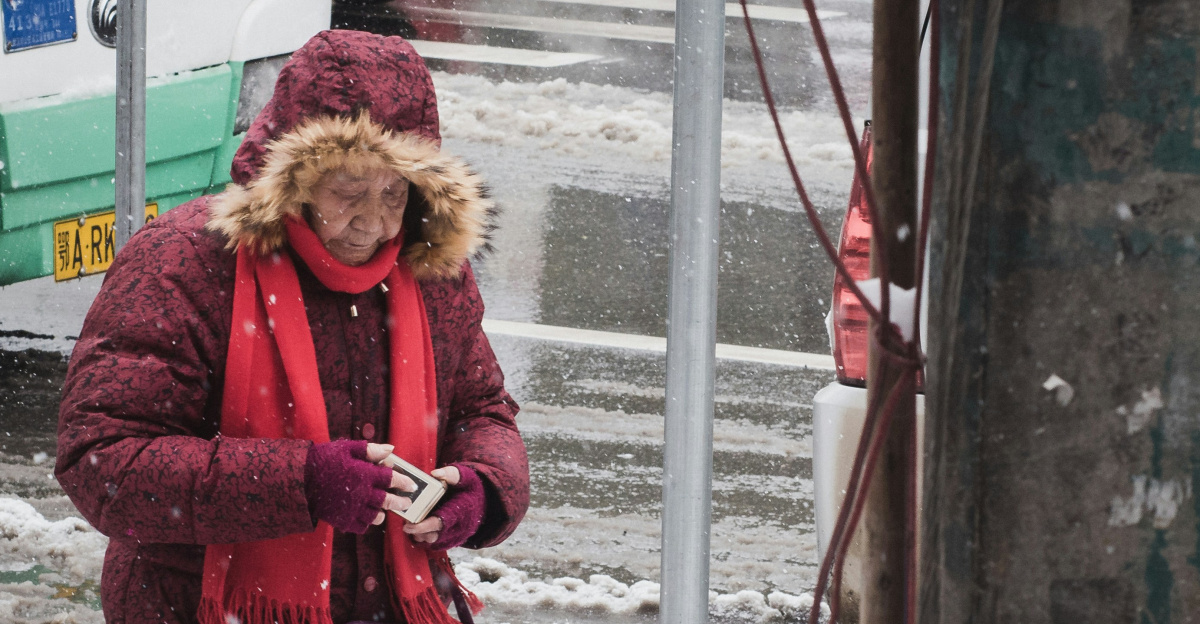
Blackouts breed health crises—hypothermia, respiratory issues—especially with hospitals leaning on finite generator fuel. Economically, emergency fixes drain budgets, sideline businesses, and erode productivity. Centralized grids prove fragile; a single substation hit cascades failure across regions. The cycle diverts funds from upgrades, fueling debate on hardening networks through decentralization and better defenses.
As winter grips the front lines, these energy clashes underscore electricity’s role in endurance. Whether through diplomacy or bolstered defenses, curbing infrastructure attacks will shape civilian survival and the war’s trajectory amid mounting stakes.
Sources:
“More than 200,000 homes without power in Russian-occupied Ukraine, official says” – Associated Press / ABC News
“Drone Strike Cuts Power Supply in Russia-Held Parts of Ukraine’s Zaporizhzhia Region” – Reuters
“Zaporizhzhia hit by blackout: Over 200000 without electricity in Russian-occupied region” – Times of India
“Ukrainian drone strikes cut power to thousands in Russia-occupied region” – The Columbian (AP syndication)
“Two killed, dozens wounded in large Russian drone attacks across Ukraine” – Al Jazeera
“Russia’s week of terror: 1300 drones, 1050 bombs, and a …” – Euromaidan Press