A Soviet general made the call nobody wanted to hear. “Steel, Steel, Steel”—the code words for suicide. General Pavel Rotmistrov radioed those three words at 8:30 a.m., and roughly 500 Soviet tanks roared down muddy slopes into the guns of Germany’s most lethal SS divisions.
What unfolded over the next 24 hours became the foundation of Soviet propaganda—celebrated as a glorious victory, buried under decades of official narratives, then finally exposed as one of history’s bloodiest armor disasters when historians accessed Russian archives.
Why Now: The Ukraine Connection
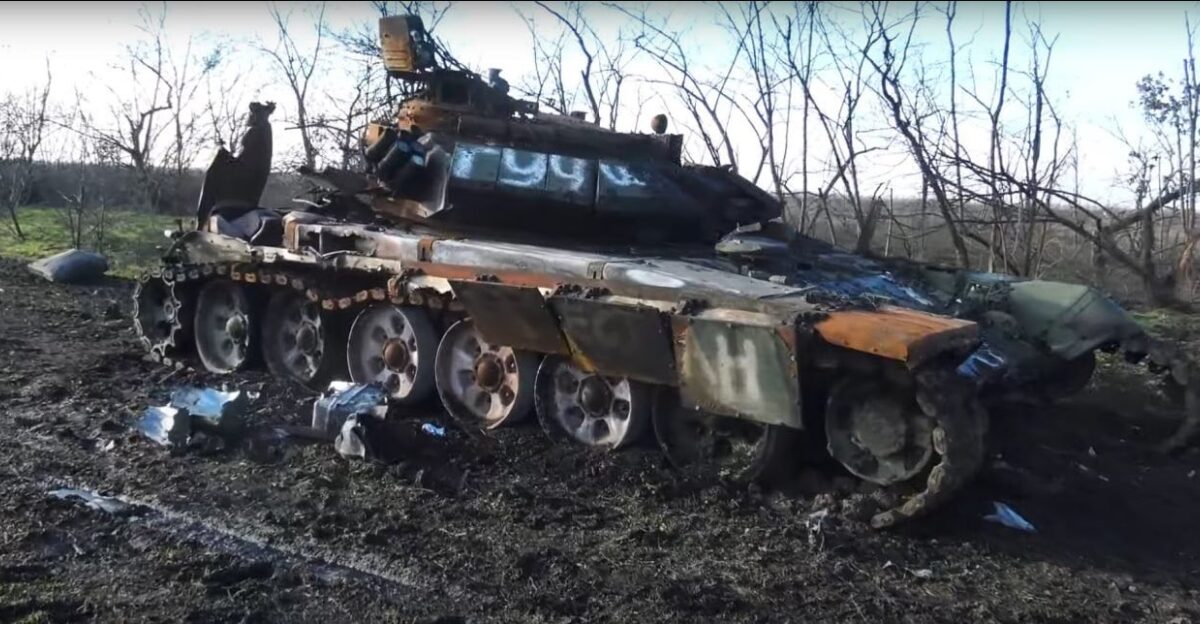
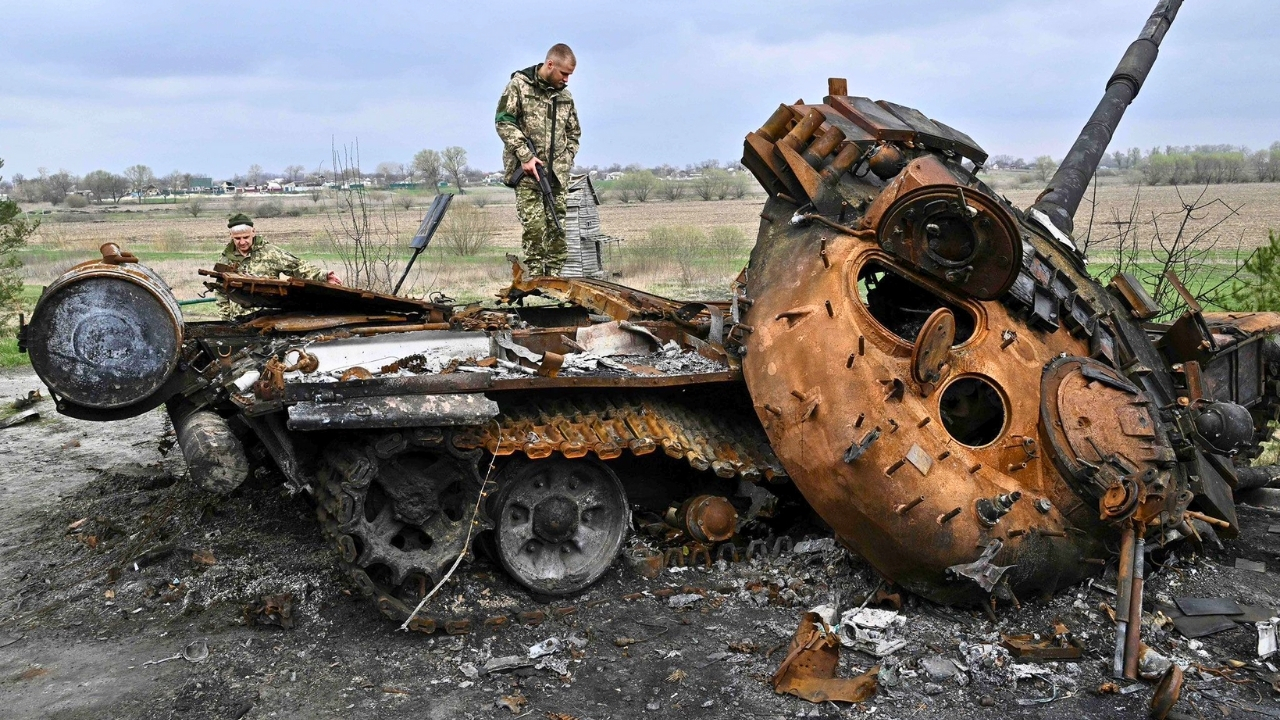
Today, Russia is losing tanks in Ukraine at ratios eerily similar to Prokhorovka. Russian forces have lost over 3,700 tanks verified by open-source tracking since 2022, with estimates reaching 11,000 total armored vehicles destroyed or damaged according to Ukrainian military data.
Loss ratios in some sectors reach 3-to-1 or higher, favoring Ukraine. Prokhorovka shows what happens when armor attacks prepared defenses without combined-arms coordination. History is screaming a warning that Russia isn’t heeding.
Germany Attacks, Soviet High Command Panics
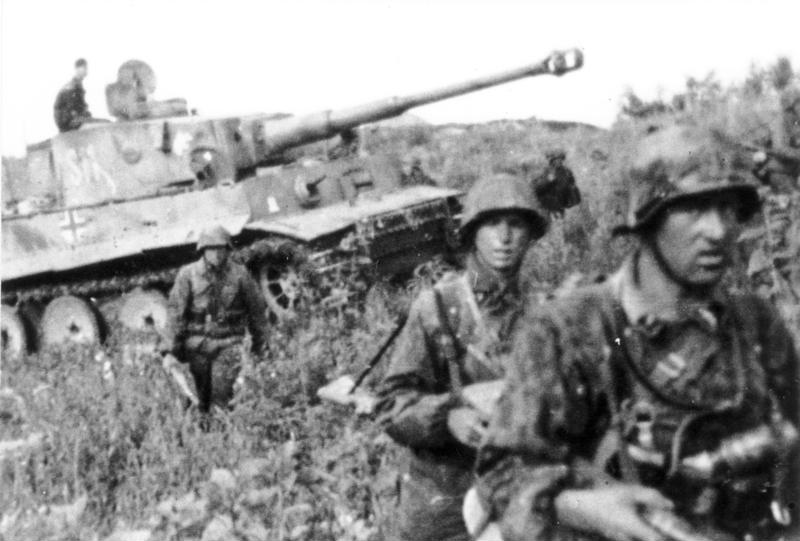
July 5, 1943. Operation Citadel—the largest tank battle of World War II—explodes across the Kursk salient. German panzers punch through Soviet defensive belts constructed with 943,000 mines and thousands of anti-tank guns.
By July 10, alarm bells scream at the Soviet High Command. German breakthroughs threaten to cut off the entire salient. Rotmistrov’s 5th Guards Tank Army—held in reserve as the killing blow—must commit now or lose everything.
Commit Reserves or Lose the War
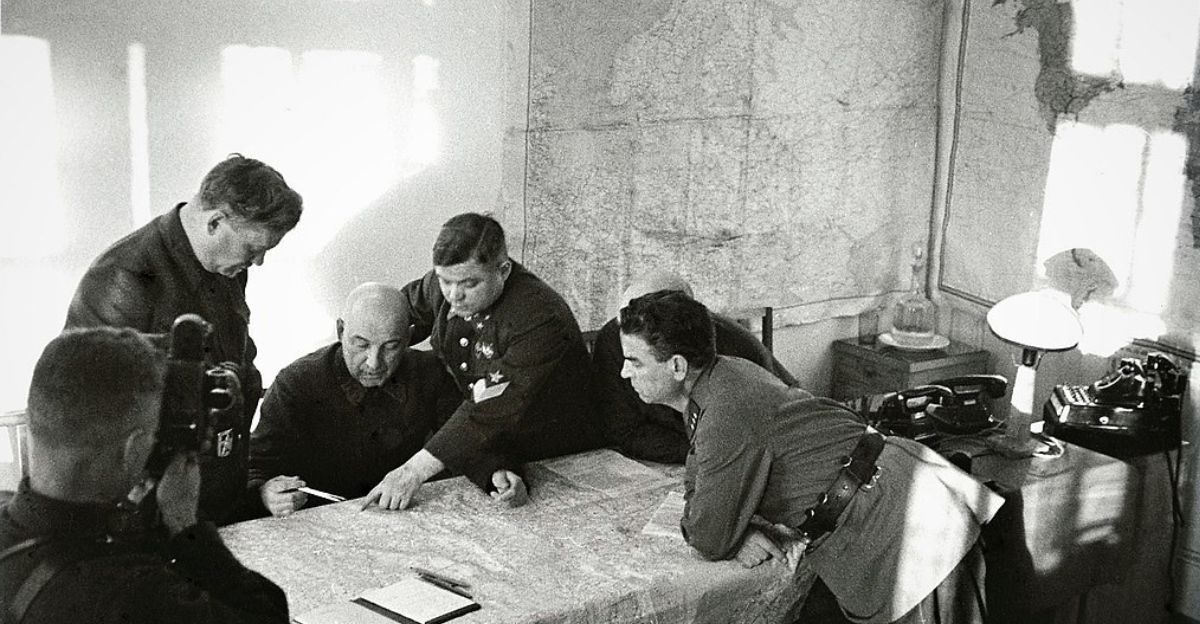
Marshal Georgy Zhukov and General Nikolai Vatutin face impossible timing. The 5th Guards Tank Army was intended to counterattack only after German momentum completely stalled. But by July 11, the II SS Panzer Corps had advanced 29 kilometers, seized Hill 252.2, and positioned itself just 3 kilometers south of Prokhorovka itself.
Soviet commanders made the call: attack immediately on July 12 to coincide with Operation Kutuzov, the northern counteroffensive. No time for ideal conditions.
Armed With Precision Killing Machines
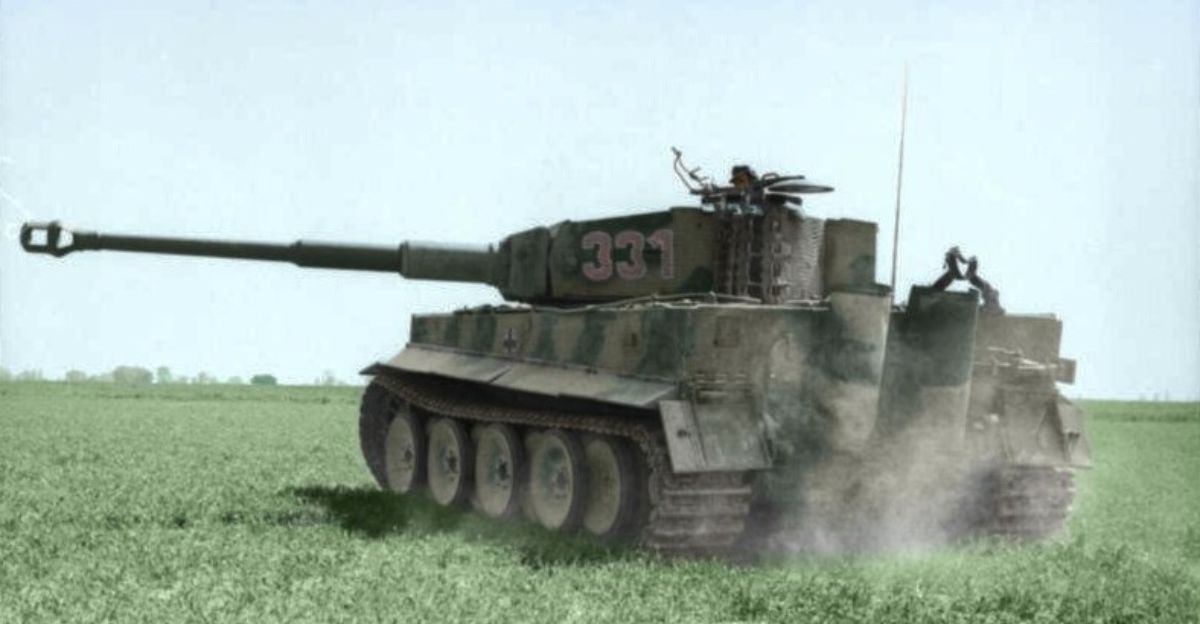
The SS divisions attacking toward Prokhorovka had been ground down for a week of brutal combat. By July 12, the II SS Panzer Corps fielded approximately 273 operational tanks and assault guns—Totenkopf Division, Leibstandarte SS Adolf Hitler, and Das Reich combined.
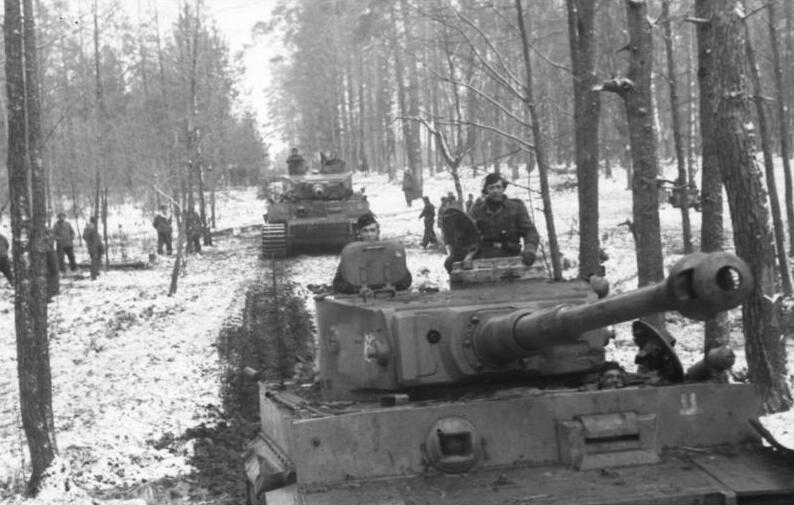
However, these units deployed Tigers equipped with devastating 88-millimeter guns, capable of destroying Soviet T-34s from ranges exceeding 1,500 meters. German crews had superior optics, training, and tactical discipline.
Speed Over Firepower
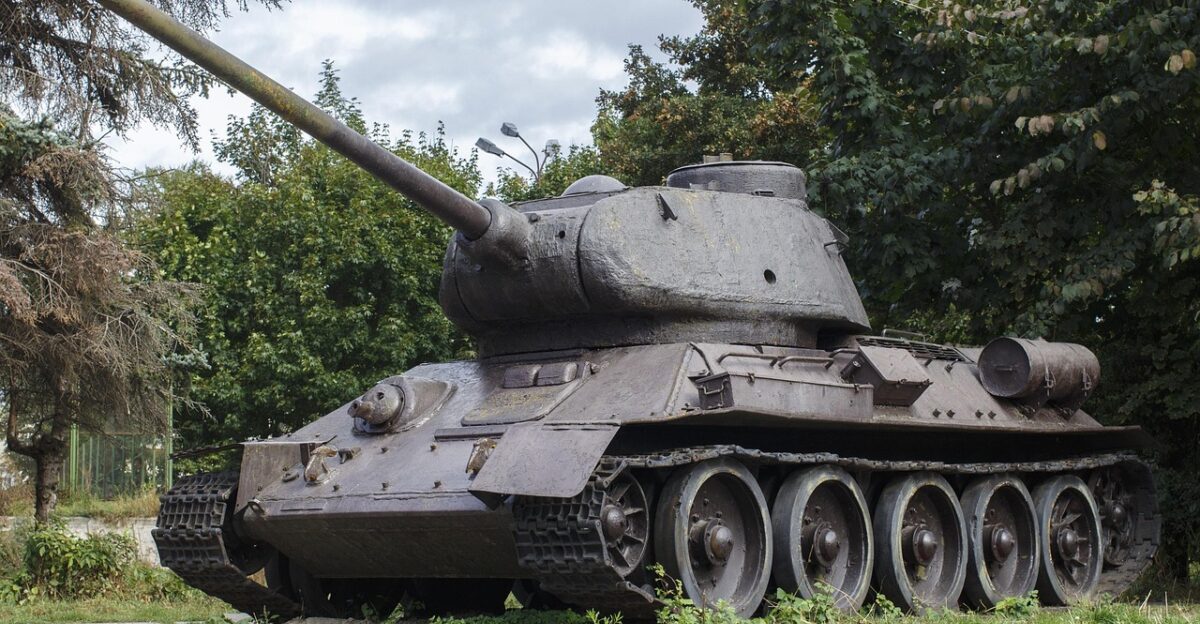
Rotmistrov understood his predicament. His T-34 medium tanks couldn’t match the Tiger’s firepower at distance. So he ordered high-speed massed attacks designed to close range rapidly, negate German gun advantages, and force close-quarter fighting where T-34 maneuverability might compensate for inferior firepower.
Soviet tankers would charge directly into German positions, accepting horrific casualties to reach close-combat range. It was calculated desperation.
Artillery Barrage, Then 500 Tanks Surge Forward
Soviet tank formations moved into assembly areas around 5:45 a.m. on July 12. German forward observers at Leibstandarte headquarters heard the rumbling of tank engines in the pre-dawn darkness.
At 8:00 a.m., Soviet artillery opened a preparatory barrage that blanketed German positions in smoke and dust. The barrage lasted 30 minutes. At 8:30 a.m., as the last shells fell, Rotmistrov transmitted his attack code.
The Order That Sealed Fates
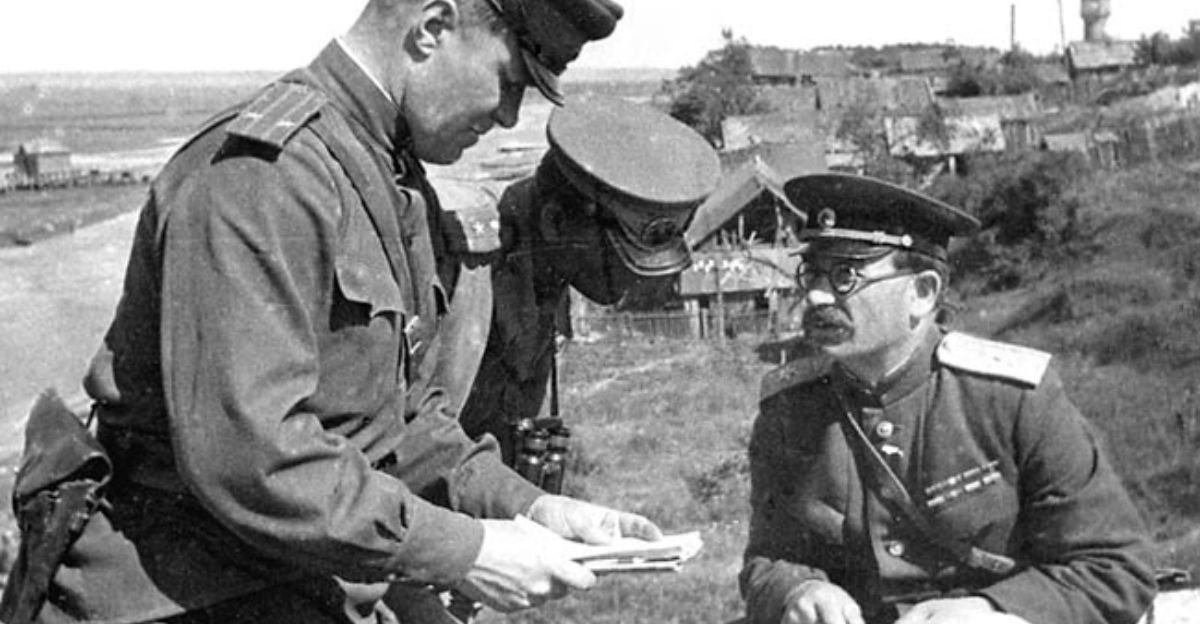
Rotmistrov picked up his radio. “Stal! Stal! Stal!”—Steel, Steel, Steel. The code word transmitted army-wide. Approximately 500 Soviet tanks and self-propelled guns from the 18th and 29th Tank Corps began rolling forward in two waves—430 tanks in the first echelon, 70 in the second.
They charged down the western slopes of Hill 252.2 directly toward German positions at Oktyabrsky State Farm and entrenched SS armor.
Point-Blank Hell in Smoke and Dust
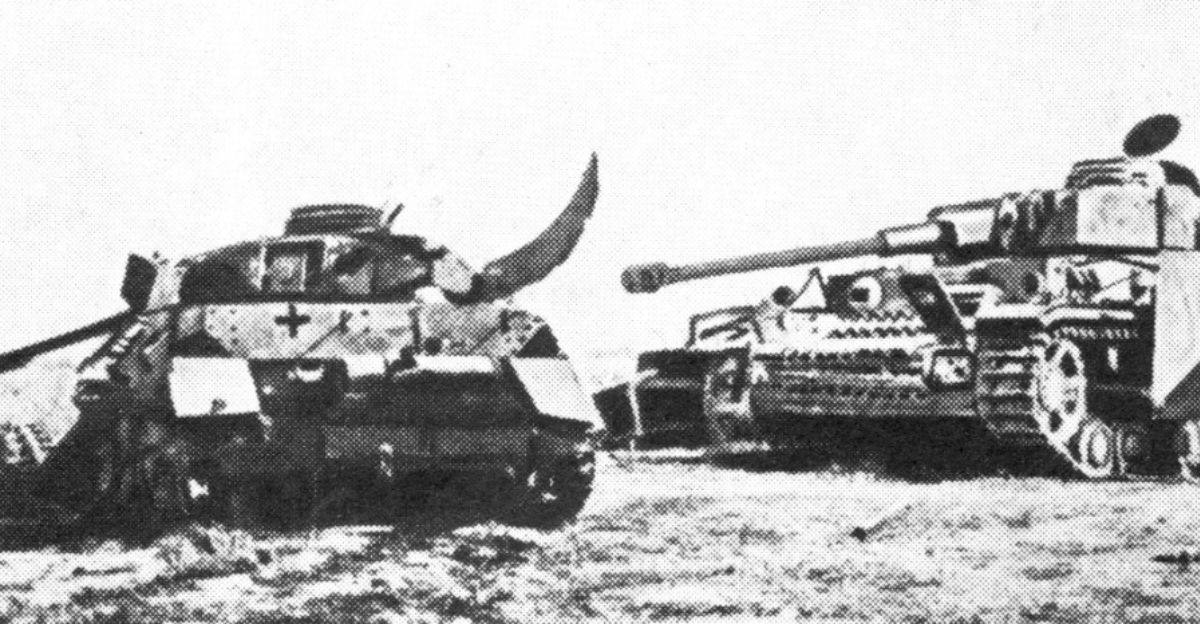
Dust and smoke obscured vision to meters. Soviet tanks drove straight into concentrated German fire. Tank commanders in turrets spotted muzzle flashes, returned fire while moving. Range closed to 200 meters. Then 100. Point-blank distance where crews had seconds to acquire targets and fire.
German Tigers and Panzer IVs fired systematically. Soviet T-34s and T-70s burned. Steel smashed into steel in medieval brutality wrapped in modern technology.
359 Soviet Tanks Lost on July 12 Alone
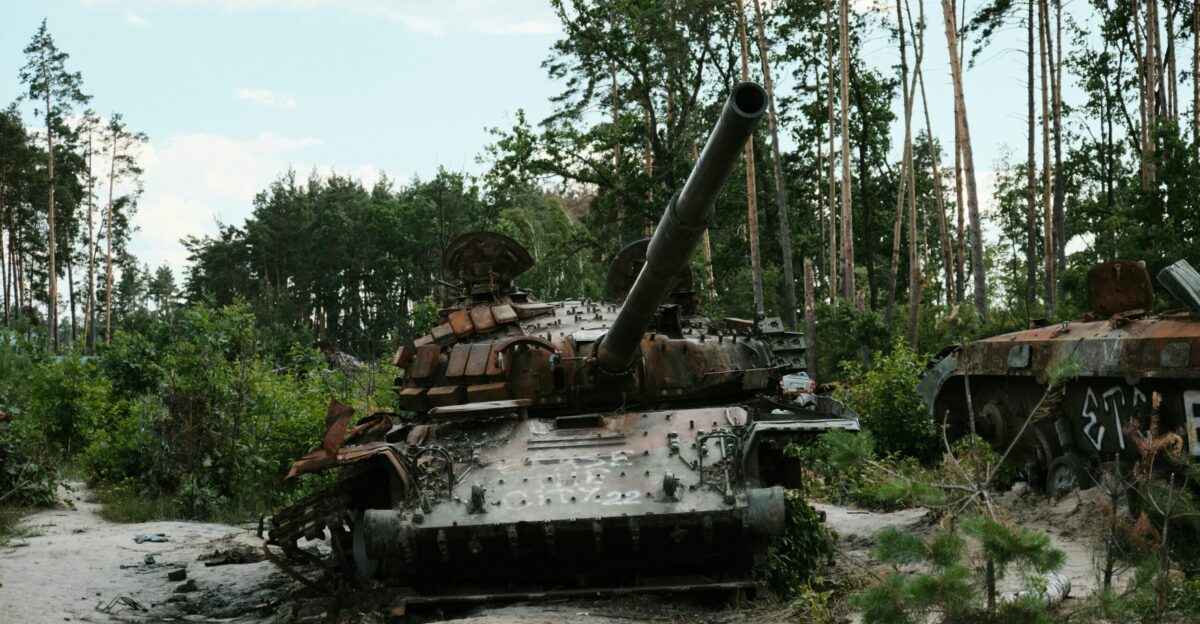
By sunset, Soviet records documented catastrophic losses. The 5th Guards Tank Army lost 359 tanks and assault guns on July 12, with 207 irrecoverably destroyed. The XVIII Tank Corps lost 56% of its engaged vehicles.
The XXIX Tank Corps lost 77% of its armor in the main engagement. Total estimates reach 400 Soviet tanks destroyed or abandoned. Each tank carried crews of 4-5 men. The math is grim.
The Ratio That Echoes 82 Years Later
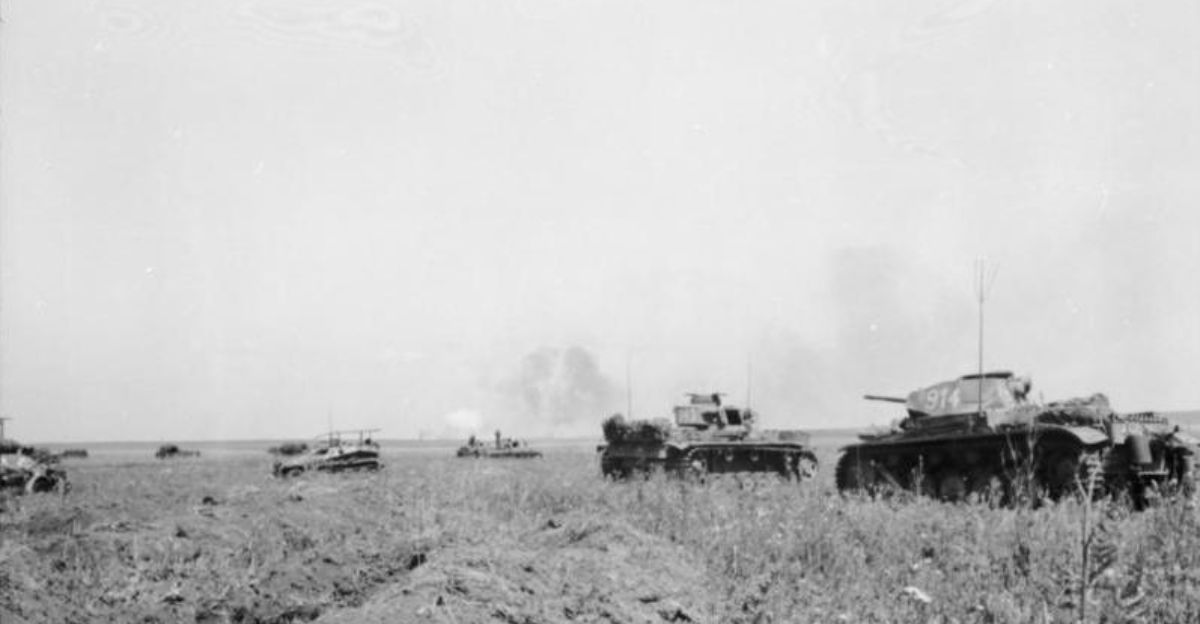
German records tell a different story. The II SS Panzer Corps lost approximately 20 tanks destroyed on July 12, with another 173 temporarily damaged and sent for repair.
British historian Ben Wheatley’s analysis of Luftwaffe aerial photographs suggests even lower irretrievable German losses—possibly as few as 5 Panzer IVs destroyed in the core engagement. The exchange ratio was devastating: roughly 10-to-1 or higher, favoring Germany in destroyed armor.
2,000+ Soviet Tank Crew Deaths in 24 Hours
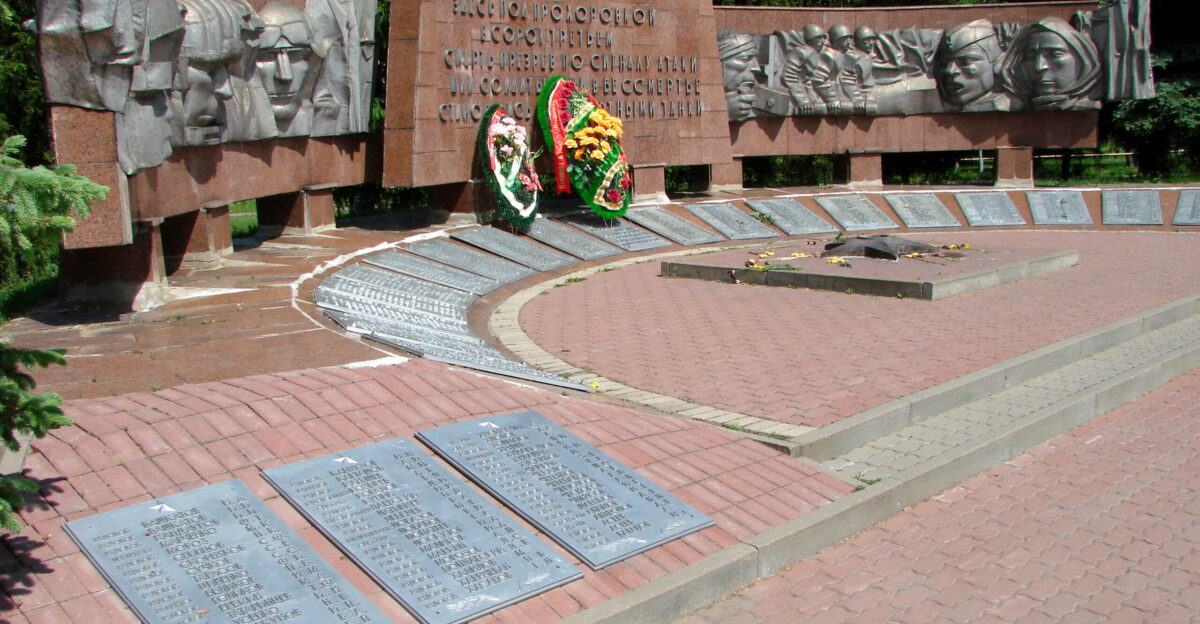
Tank losses translate to human catastrophe. The 5th Guards Tank Army recorded 2,240 men killed and 1,157 missing between July 12 and 16. Most casualties occurred on July 12 itself.
Assuming 4-5 crew members per destroyed tank, roughly 1,600 to 2,000 Soviet tank crews died or went missing on July 12 alone—incinerated inside burning hulls, killed by concussion, or trapped in disabled vehicles under fire.
The Myth Rotmistrov Built to Survive Stalin
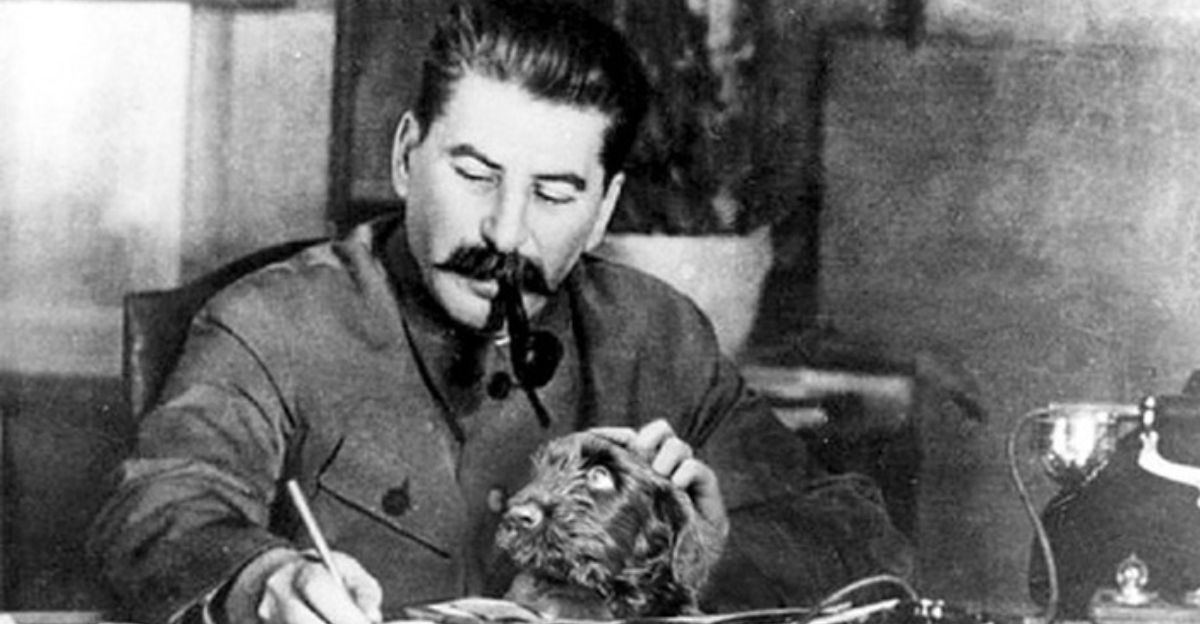
Rotmistrov faced execution if he couldn’t justify losses. Stalin telephoned that evening, enraged by early reports. Soviet official accounts claimed Germans lost 400 tanks, including 70 Tigers. Rotmistrov’s memoirs inflated German casualties and minimized Soviet disasters.
A commission investigated but ultimately cleared him after Marshal Aleksandr Vasilevsky interceded. Soviet propaganda machinery buried reality under triumphant narratives for 46 years.
Germany Never Recovered Strategic Initiative
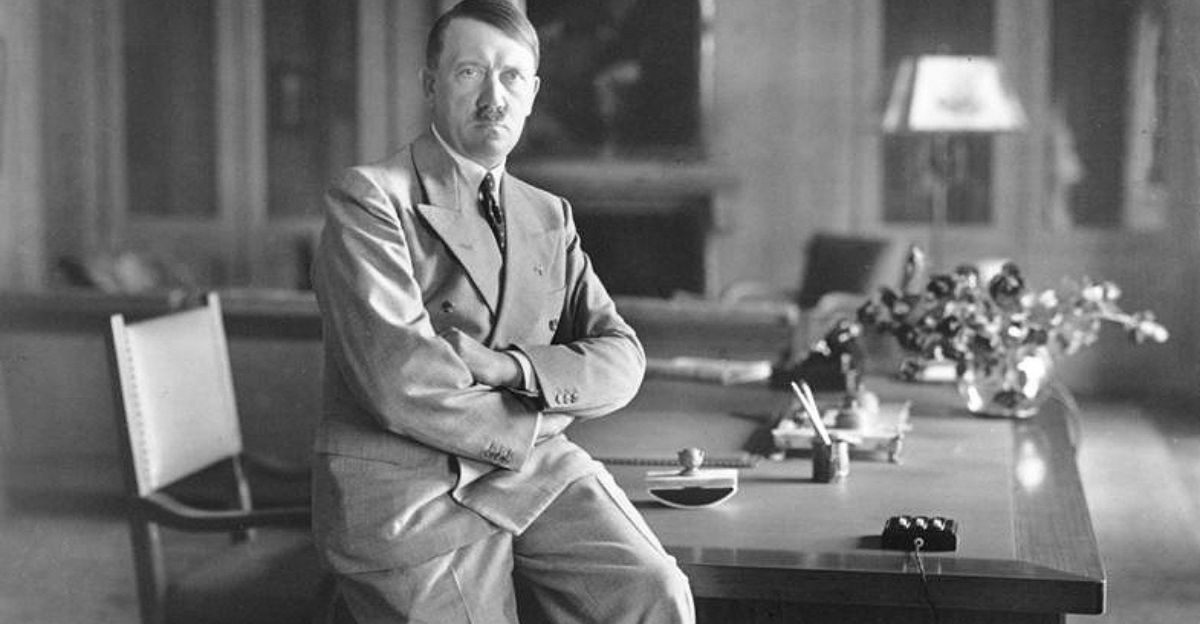
Rotmistrov’s sacrifice held the line despite tactical defeat. German breakthrough stalled. Soviet defenses absorbed punishment but didn’t collapse. Within days, Hitler canceled Operation Citadel to redirect forces elsewhere.
Germany never regained a strategic advantage on the Eastern Front after the Battle of Kursk. The Soviet willingness to absorb 5-to-1 or 10-to-1 loss ratios ultimately broke German operational capability due to its sheer depth and industrial capacity.
Russia Repeats Prokhorovka’s Lesson
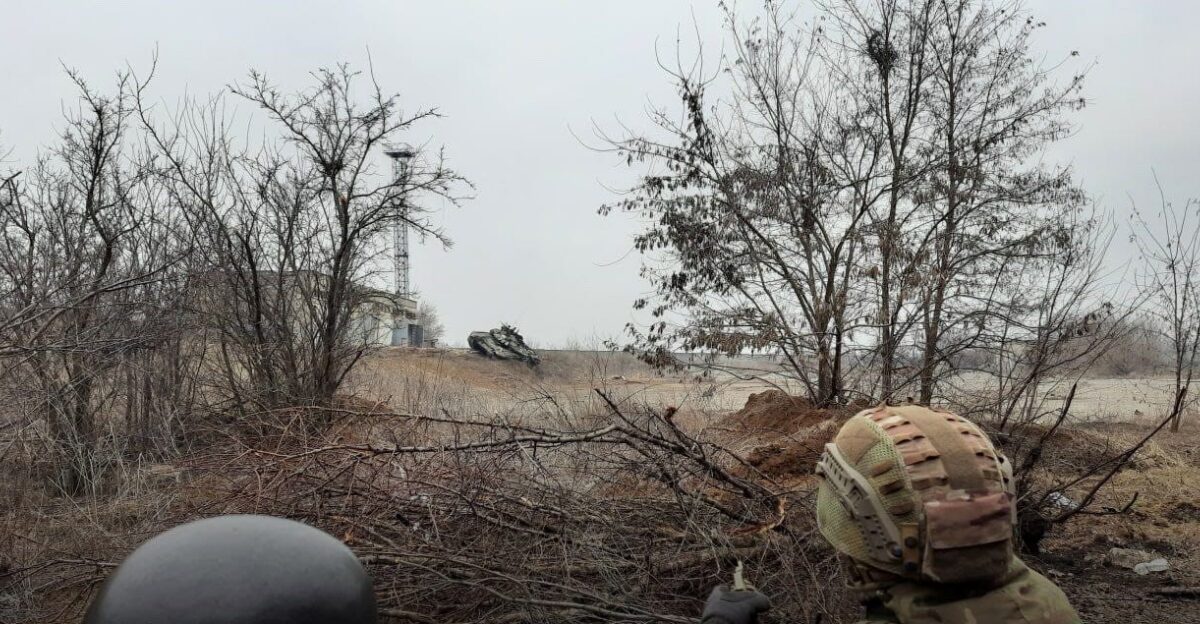
Today, Russia attacks Ukraine with mass waves of tanks—often repeating the mistakes made at Prokhorovka in 1943, sending large numbers of armored vehicles against well-prepared defenses and suffering heavy losses as a result.
Russian tank losses verified by Oryx reach 3,740 tanks destroyed since February 2022, with total estimates exceeding 11,000 armored vehicles lost. In 2024 alone, Ukraine destroyed approximately 1,400 Russian main battle tanks, according to British intelligence assessments. Russia continues to attack because it has reserves, accepting brutal loss ratios to gain territory. Prokhorovka’s ghost haunts Ukrainian fields.
Courage Cannot Replace Strategy
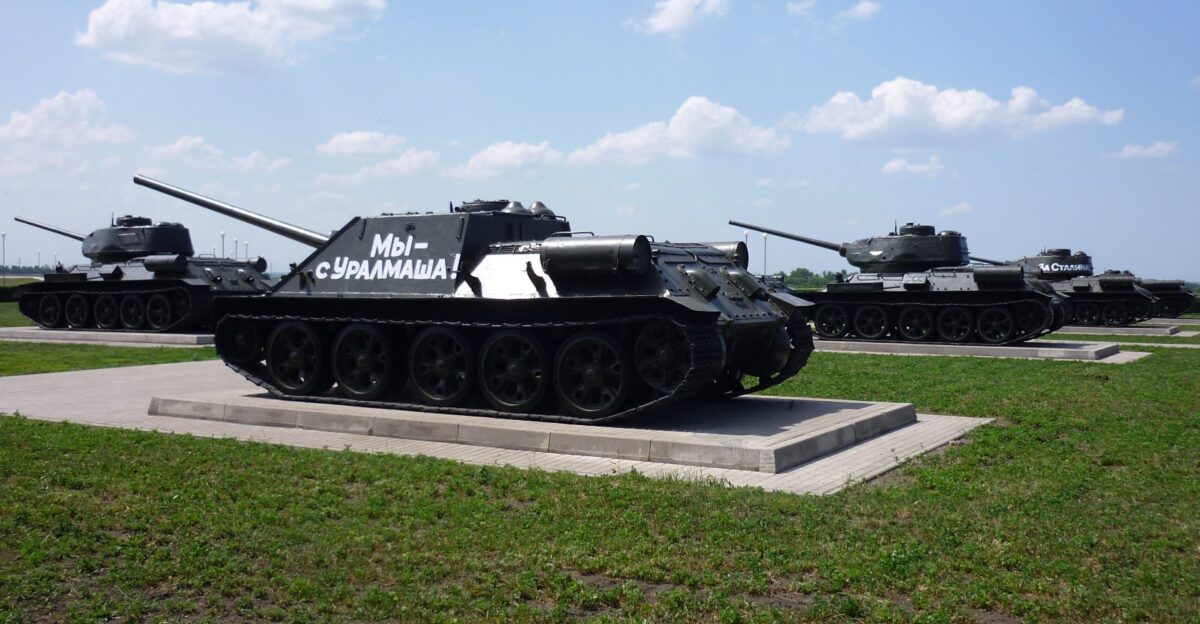
Prokhorovka leaves no room for illusion. When armies hurl armor against well-prepared defenses without the support of infantry, artillery, or flexible tactics, the result is wholesale slaughter—no matter the era. In just 24 hours, Rotmistrov’s forces lost nearly 360 tanks and over 2,000 crew, many burned alive inside metal coffins.
Today, Russia repeats the same fatal pattern in Ukraine—waves of tanks destroyed by defenders ready for the assault, echoing the carnage of 1943. If history teaches anything, it’s this: courage alone is never enough. Only those who adapt survive. All others become statistics—etched in the broken steel left behind.