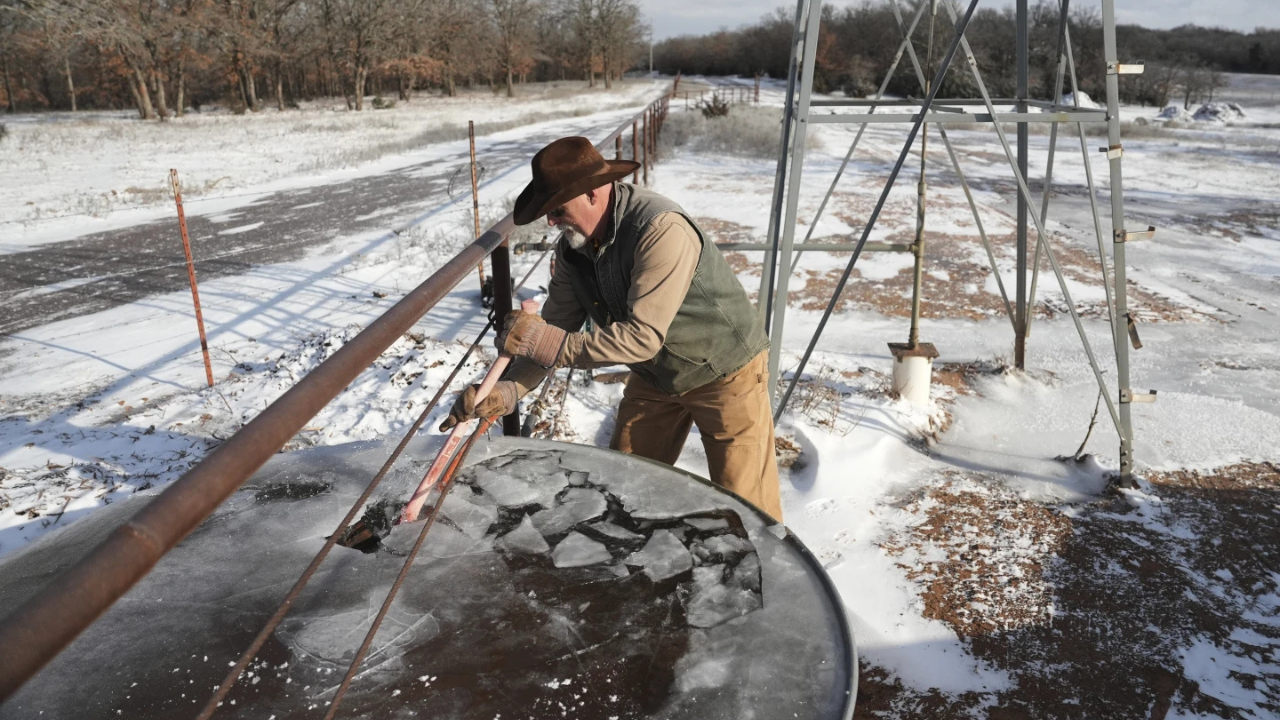
As a powerful polar vortex bears down on the United States, nearly twenty states brace for a significant shift in weather, with conditions likely similar to mid-winter before November 10, 2025. This extraordinary weather pattern could bring temperatures falling 10 to 20 degrees Fahrenheit below seasonal averages, with the potential for snow stretching from the Northeast to the Deep South.
Meteorologists warn of widespread impacts, disrupting daily activities and straining local infrastructure in a swathe of the nation. Millions may face challenges not typically expected until much later in the year, marking an abrupt end to fall.
Why Now? Arctic Air Mass Descends From the North
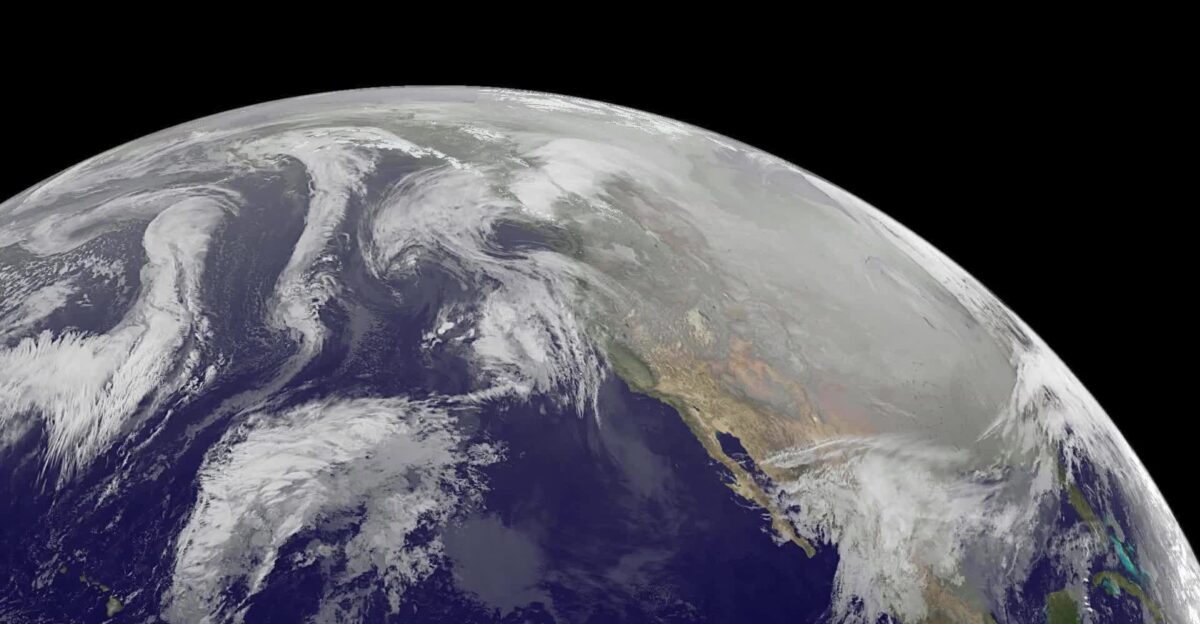
The frigid conditions can be traced back to a robust and transient Arctic air mass descending rapidly from Greenland and northern Canada. According to meteorologists, this pattern is expected to reach the eastern U.S. by Monday, November 10. Tomer Burg, a noted meteorologist at the University of Oklahoma, emphasizes that this event marks the first notable occurrence of a polar vortex this season.
The fast-moving front is set to deliver an intense chill, effectively catapulting the U.S. from autumn straight into winter. This unusual weather trajectory is unusual for early November, signaling substantial meteorological changes that could affect various living and economic conditions across impacted states.
Consumers Brace for Early Freezes and Heating Spikes
Residents in states ranging from Minnesota to Florida are urged to prepare for unseasonably cold temperatures, with some areas expecting highs only in the 30s and 40s. The Midwest and Northeast face the threat of sub-freezing conditions, prompting meteorologists to issue warnings about increased heating demands.
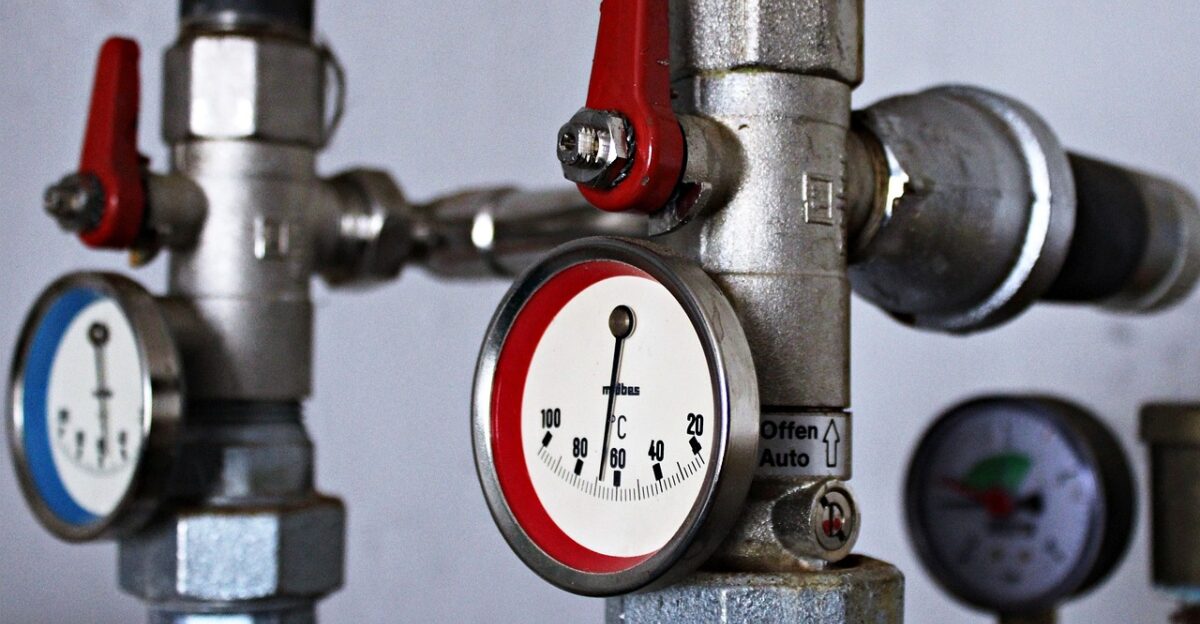
Weather experts emphasize the importance of protecting vulnerable infrastructure, including pipes and crops, from early frost. As temperatures drop, many households may experience spikes in energy costs and possible power outages, raising concerns about preparedness and safety during this sudden shift to wintry weather conditions.
Businesses Scramble: Fast Food, Retail Adjust to Cold Snap
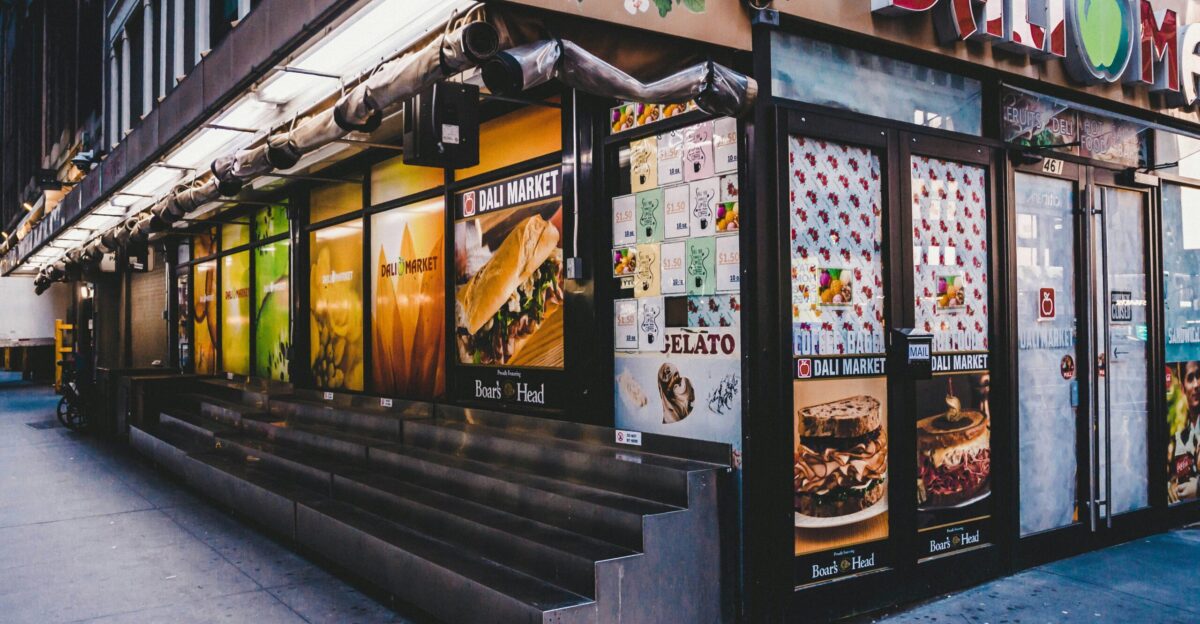
Major retailers and fast-food chains are racing to adjust their promotions and offerings in response to the cold snap. They are focusing on hot meals, winter gear, and essential supplies. Grocery stores experience runs on basics like bread, milk, and batteries as families prepare for potentially severe conditions.
Corporate offices across key cities, including Chicago and Atlanta, are reassessing remote work strategies, as commutes may become treacherous due to ice and snow accumulation. This swift pivot is affecting business operations and consumer expectations alike in the face of an early winter.
Substitute Markets Surge as Traditional Supply Chains Strain
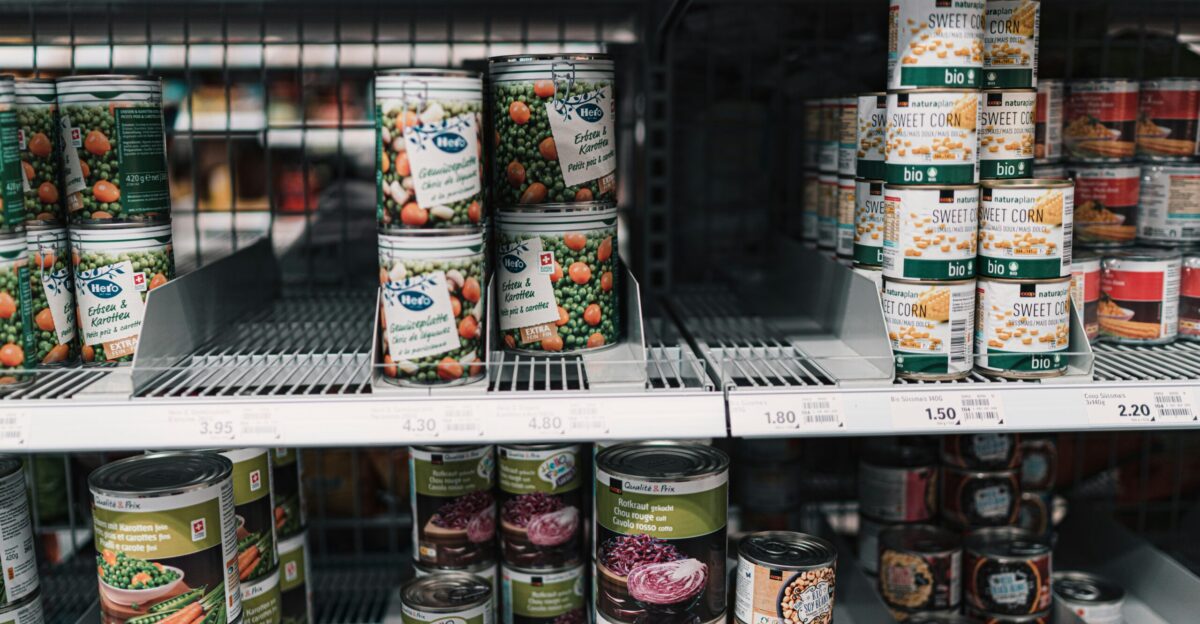
In light of early frosts threatening fresh produce, consumers are increasingly turning to frozen and canned foods, which is boosting sales in these sectors. With shoppers seeking to avoid the cold, e-commerce and delivery services experience increased usage, putting pressure on logistical systems, particularly in urban areas like Boston and Philadelphia.
This abrupt shift impacts traditional supply chains, with the demand for alternative food sources spiking drastically. Residents report focusing on keeping their families stocked without having to venture out into the harsh weather conditions.
International Trade Feels the Chill: Export Delays Loom
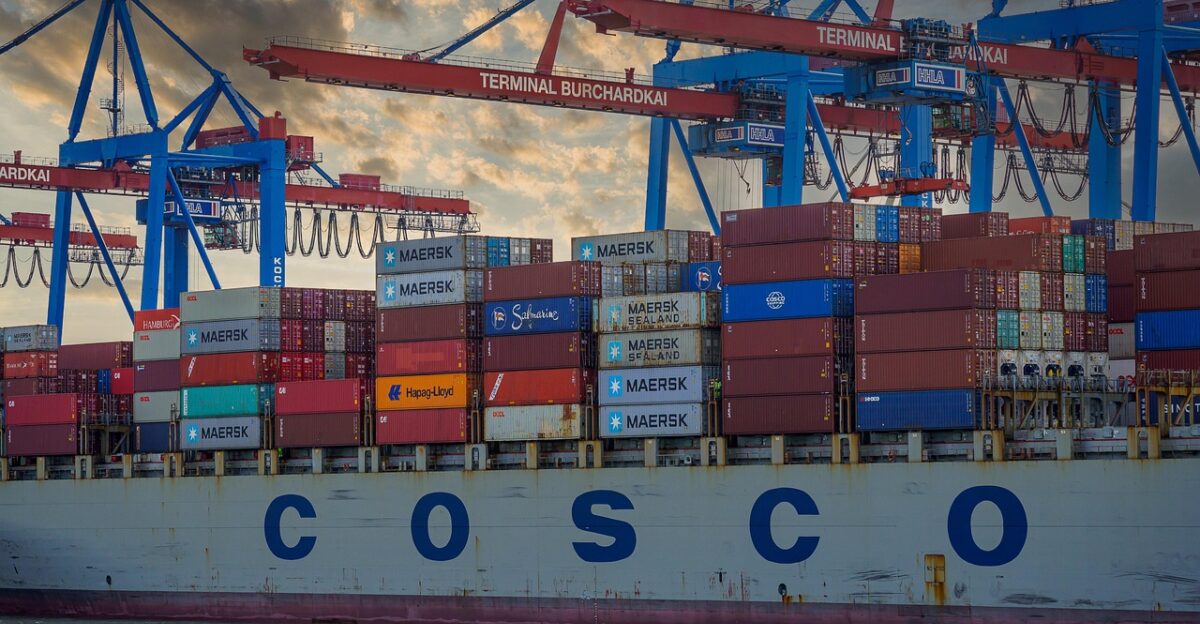
The weather conditions also pose risks for international trade, particularly along the East Coast and Gulf ports, including Savannah and Houston. Freezing rain and strong winds are predicted to disrupt loading and unloading operations at these critical nodes in the supply chain.
Given that agricultural exports, especially from the Midwest and South, may be affected, any slowdowns might resonate through global food supply chains. The implications of these delays could be felt worldwide, affecting food availability and prices in various markets as the weather deteriorates.
Human Impact: Farmers and Outdoor Workers on the Front Lines
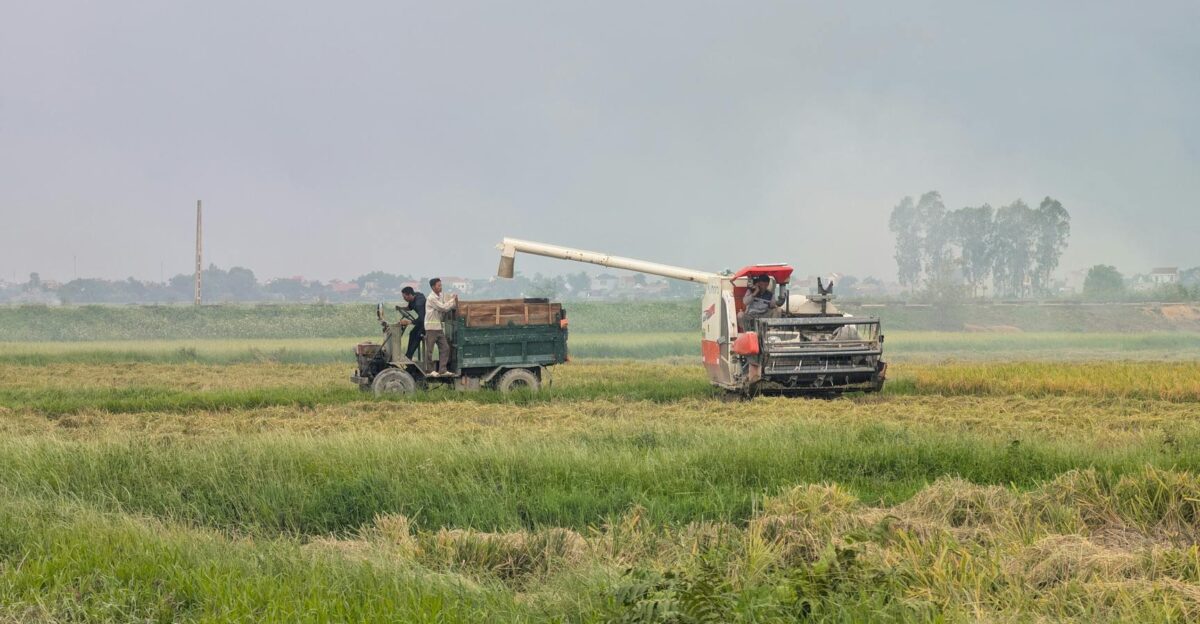
Farmers across regions from the Dakotas to Tennessee are in a race against time, striving to harvest any remaining crops before the anticipated freeze. This urgency reflects the critical nature of protecting agricultural investments from severe weather damage.
Additionally, outdoor workers, including construction crews and utility teams, face intensified risks due to the icy conditions. Their daily labor is increasingly becoming hazardous as states brace for the drastic temperature drop, highlighting the human aspect of this climatic shift.
Political Response: Emergency Preparations Underway

In response to the impending weather crisis, state and local officials are mobilizing resources to prepare for the impact. Road crews and emergency shelters are being activated across affected regions to ensure public safety.
Federal agencies are coordinating responses regarding elevated demands on the power grid. There are significant pressures on heating assistance programs, particularly for vulnerable populations who are most likely to be affected by the early onset of severe winter conditions.
Economic Ripple: Inflation Fears as Energy Demand Spikes

The rise in heating demands leads to increased prices for natural gas and electricity, particularly in the Midwest and Northeast. As residents adapt to the intense cold, economists are raising alarms that the durability of this cold front could lead to higher inflation rates in November, particularly in the food and energy sectors.
Simultaneously, retailers face potential shortages and climbing costs for winter apparel as supply lines from warmer regions are disrupted. The interconnectedness of weather conditions and economic ramifications continues to unfold, prompting critical evaluations from analysts.
Retailers Adapt: Winter Gear Sells Out, Promotions Shift
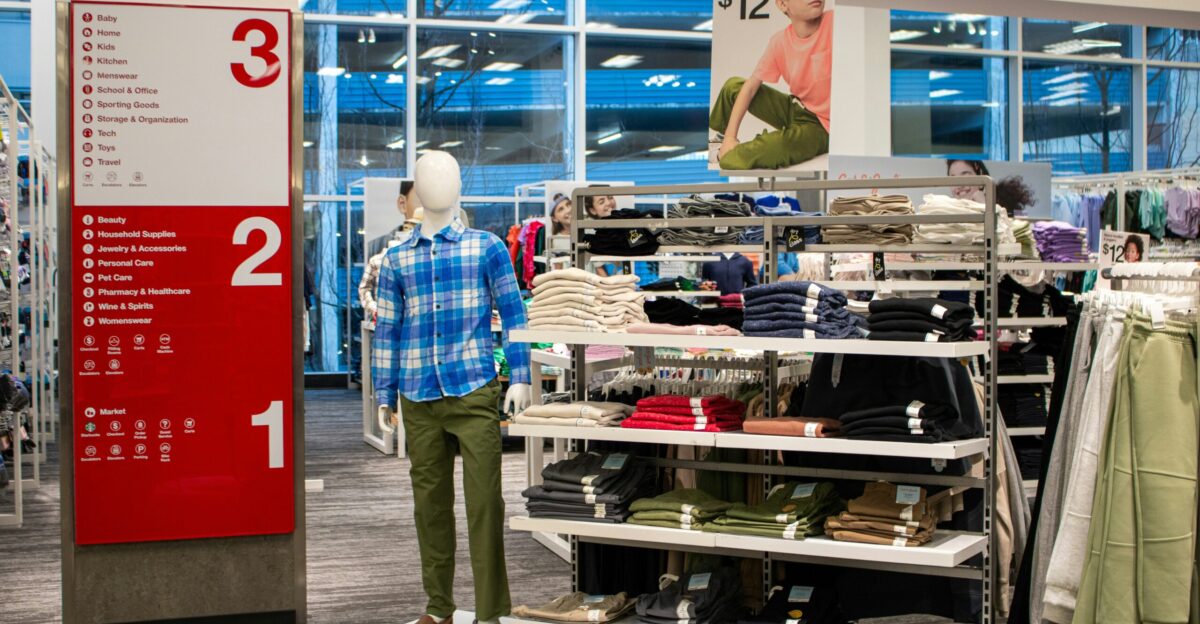
As cold weather grips the nation, major retailers like Walmart and Target are quickly adapting their inventory to meet the increased demand for winter gear. Online marketplaces report a significant rise in searches for space heaters, thermal clothing, and snow shovels.
Many local stores are extending their operational hours and offering convenient curbside pickup to keep up with the sudden surge in consumer needs, ensuring shoppers are prepared for an extended early winter. The urgency of preparation is reshaping retail strategies as communities brace for the continuing chill.
Restaurant and Hospitality Industries Feel the Pinch

Restaurants in northern cities are adapting to a drastic change in patron behavior, witnessing a decline in dine-in customers while experiencing a surge in delivery orders. This shift highlights how rapidly consumer habits can adapt in response to fluctuations in weather conditions.
Meanwhile, hotels in ski resorts see increased bookings from early-season skiers eager for winter activities. However, southern resorts are reporting cancellations as areas like Orlando face unseasonably cold temperatures that disrupt typical fall tourism patterns, showcasing the multifaceted impact of a polar vortex.
Impact on Transportation: Icy Roads and Air Travel Disruptions
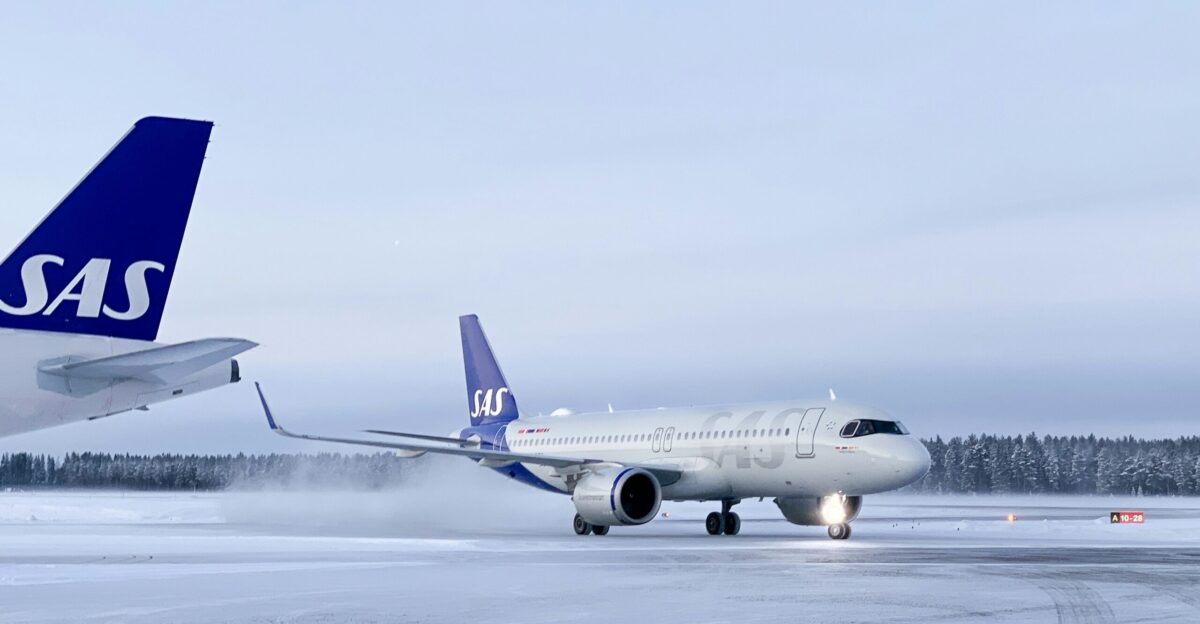
As the polar vortex brings winter storms, icy roads are expected to complicate travel across affected states. Transportation officials warn of hazardous conditions that could lead to accidents and delays. Airlines are also bracing for potential travel disruptions, with cancellations likely as severe weather impacts major airports.
Travelers are encouraged to check flight statuses frequently and adjust plans accordingly. The comprehensive effects of this cold front extend deeply into transportation systems, impacting both daily commutes and holiday travel plans as conditions deteriorate.
Emergency Services Strain Under Rising Demands
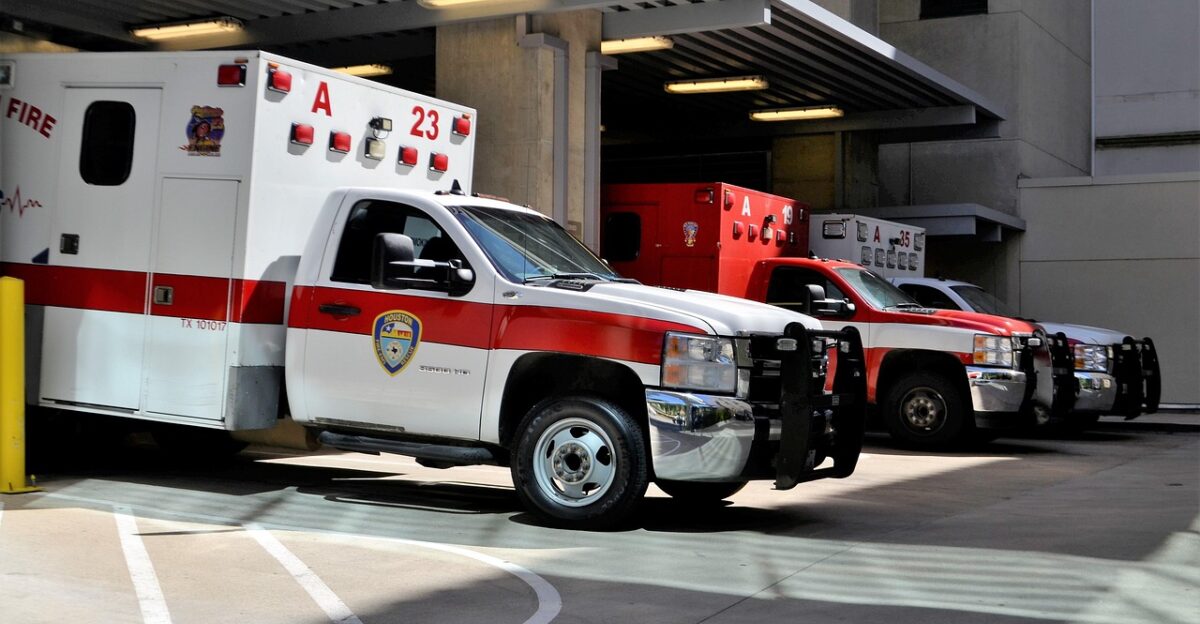
With frigid temperatures and hazardous conditions hitting many areas simultaneously, emergency services anticipate increased demand for assistance. The potential for accidents, power outages, and health emergencies, particularly among vulnerable populations, requires additional readiness.
Local authorities are calling in extra staff and ensuring that logistics are in place to respond rapidly to emergencies. The operational pressure on police, fire, and medical services underscores the community’s urgent need for safety and support during this severe weather event.
Long-term Projections: Could This Be a Harbinger of Winter Trends?
As meteorologists analyze the polar vortex’s behavior, questions arise about what this early cold snap could signal for the remainder of the winter season. Historical patterns indicate an increase in the frequency and intensity of similar weather events.
Analysts are closely watching for trends that may emerge from this year’s early onset of winter, noting that sustained shifts can alter agricultural practices, economic forecasts, and long-term climate strategy positioning. An early approach to winter may prompt discussions about preparedness and adaptation at multiple levels.
Educational Institutions Respond: Shift to Remote Learning

As extreme weather conditions render commutes unsafe, several school districts across impacted states are pivoting to remote learning models. This shift prioritizes student safety while ensuring educational continuity during the harsh weather.
Some educators express concerns about the transition, urging schools to accommodate the varying needs of students amid challenging winter conditions. The move to digital classrooms serves as a testament to how climate can influence learning environments and educational strategies in unexpected ways, addressing safety while focusing on academic outcomes.
Heed the Warnings: Prepping Homes and Businesses

Given the impending severe weather, local governments encourage residents to take proactive measures to prepare their homes and businesses. Recommendations include insulating pipes to prevent freezing and stocking up on essential supplies.
Community workshops are being organized to educate residents about best practices for coping with winter emergencies. By promoting readiness and self-sufficiency, local governments aim to mitigate anticipated challenges and ensure that citizens are equipped to handle the extreme cold, which could last for weeks or longer.
Community Spirit Shines: Neighbors Supporting Neighbors

In times of hardship, the community spirit emerges prominently. Local organizations and volunteer groups are rallying to assist those in need, from providing heating supplies to checking in on elderly residents.
Residents are also encouraged to share resources and support systems within their neighborhoods, fostering a sense of camaraderie amid challenging conditions. This collaborative response reflects how communities adapt and support each other as winter sets in earlier than anticipated.
Adaptive Infrastructure: Cities Rethink Winter Preparations
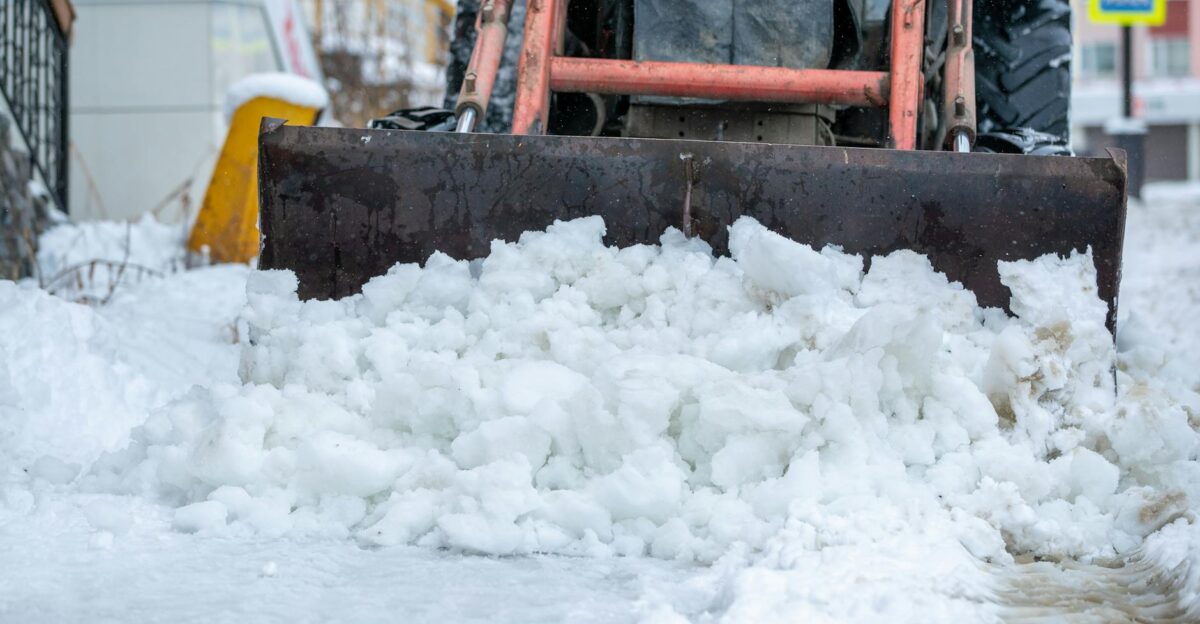
Cities are beginning to reassess their winter preparation strategies in light of early cold snaps. Local officials are reviewing and improving snow removal plans, as well as enhancing public awareness campaigns about winter weather safety.
Investments in winter infrastructure, such as improved sidewalks and salt application systems, are being prioritized to respond more effectively to severe weather conditions. Municipalities recognize that adapting to these shifting patterns will be essential in safeguarding their residents, economy, and infrastructure from the realities of climate change.
The Polar Vortex and Its Far-reaching Impact
As the polar vortex prepares to engulf much of the United States, its implications extend well beyond just weather patterns. Communities face immediate disruptions in their daily lives, with significant economic, agricultural, and infrastructural impacts looming large.
This extraordinary meteorological event serves as a clarion call for collective action in addressing climate challenges and preparing for the realities of changing winter seasons. How communities respond to this early winter will shape their experiences and resilience in the weeks ahead. The unfolding narrative highlights the ongoing need for adaptation and preparedness in a warming climate.
Next Steps: What to Watch As Conditions Develop
As the polar vortex descends, several key focus areas will emerge, including monitoring weather developments, assessing economic impacts, and responding to community needs. Observers will closely monitor temperature trends and their impact on various sectors.
This scenario illustrates the interconnection of climate, economy, and society, underscoring the importance of vigilant and adaptive responses to weather phenomena. Continued updates and proactive measures will be crucial as regions navigate the early winter, highlighting the importance of staying informed and prepared as conditions evolve.