
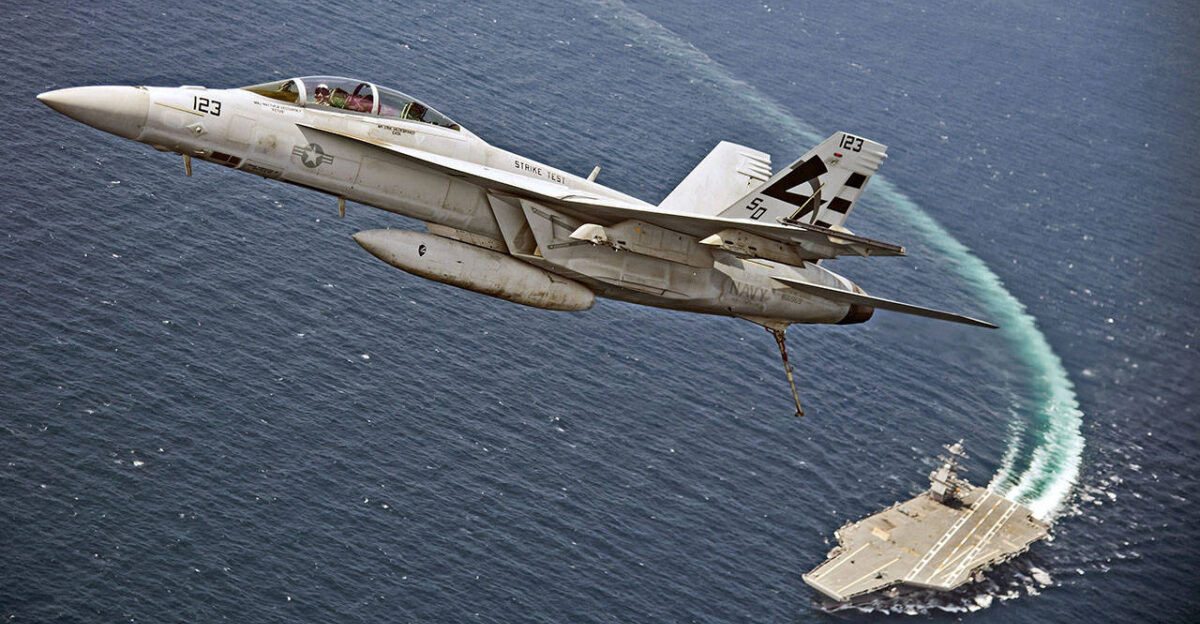
Reports circulating on December 9–10 claimed that two U.S. Navy F/A-18 Super Hornets flew near—or briefly inside—Venezuelan airspace over the Gulf of Venezuela, a zone adjacent to the Lake Maracaibo oil basin.
Venezuelan authorities characterized the incident as a serious provocation near critical energy infrastructure. U.S. officials have not publicly confirmed an airspace violation, underscoring the competing narratives shaping an already tense bilateral relationship.
Strategic Sensitivity of the Gulf of Venezuela
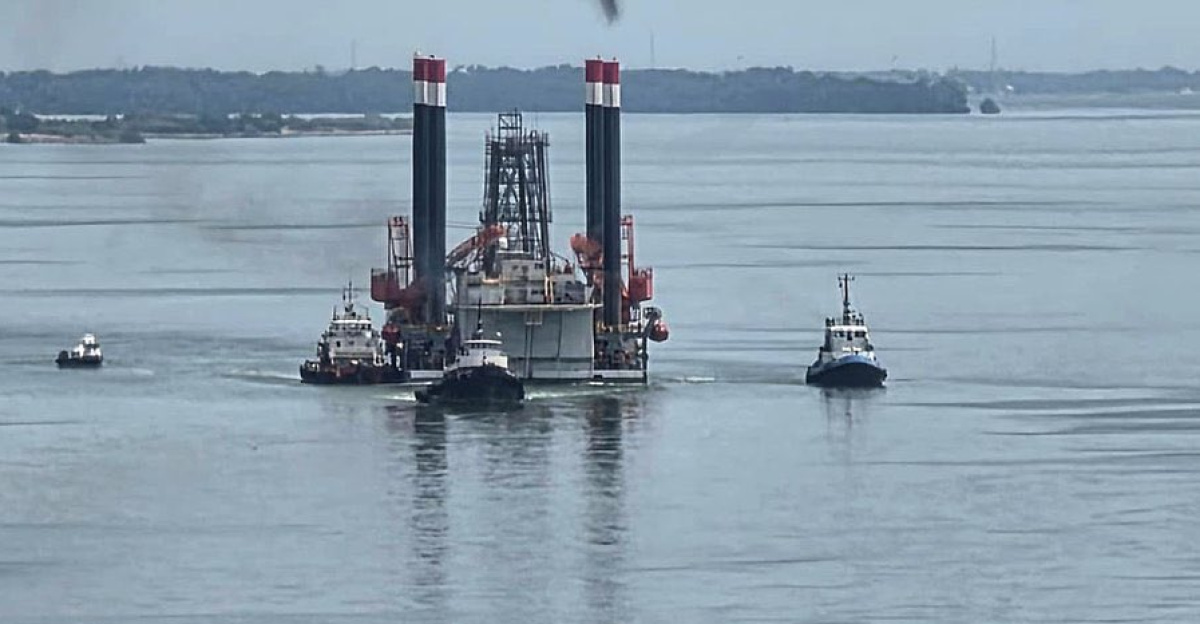
The Gulf of Venezuela borders one of the country’s most economically vital regions. The Lake Maracaibo basin has long been central to Venezuelan oil production and refining activity.
Any military activity reported in this area carries heightened symbolic and strategic weight, regardless of duration or intent. Analysts note that even unconfirmed incursions can escalate tensions when they occur near assets considered essential to national economic survival.
Conflicting Accounts of Airspace Violation
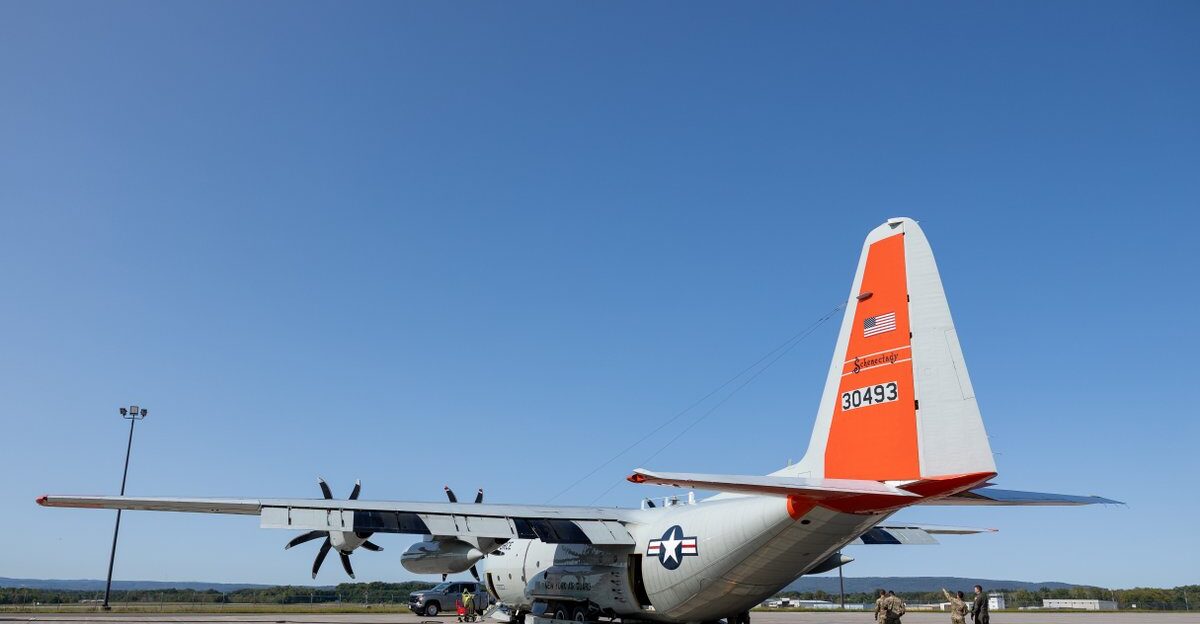
Caracas asserts that the U.S. aircraft crossed sovereign airspace, while Washington has not acknowledged such a breach. Independent verification remains limited, as publicly available flight-tracking data can be incomplete, delayed, or intentionally obscured during military operations.
This ambiguity has allowed both governments to advance sharply different interpretations, reinforcing mistrust rather than clarifying what occurred in the skies above the Caribbean.
Civilian Tracking and Public Reaction

Many Venezuelans reported monitoring alleged aircraft movements using open-source flight-tracking platforms. While these tools can provide general situational awareness, they do not conclusively confirm military flight paths or airspace violations.
Nonetheless, the widespread public attention reflects how modern conflicts increasingly unfold under civilian observation, amplifying political pressure on governments to respond decisively to perceived threats.
Oil Infrastructure as a Security Flashpoint
The proximity of reported flights to refineries and offshore facilities intensified concern inside Venezuela. Energy infrastructure remains both an economic lifeline and a symbolic target during geopolitical standoffs. Venezuelan officials emphasized that any military activity near oil assets would be treated as a national security issue, regardless of whether damage or direct engagement occurred.
U.S. Regional Operations and Official Justifications

The United States has long maintained naval and aerial operations in the Caribbean, often citing counter-narcotics, maritime security, and regional stability missions.
Venezuelan leaders argue that these explanations mask broader pressure campaigns. The lack of transparency surrounding specific flight objectives fuels suspicion, particularly when operations occur near politically sensitive zones.
Venezuelan Military Readiness Measures
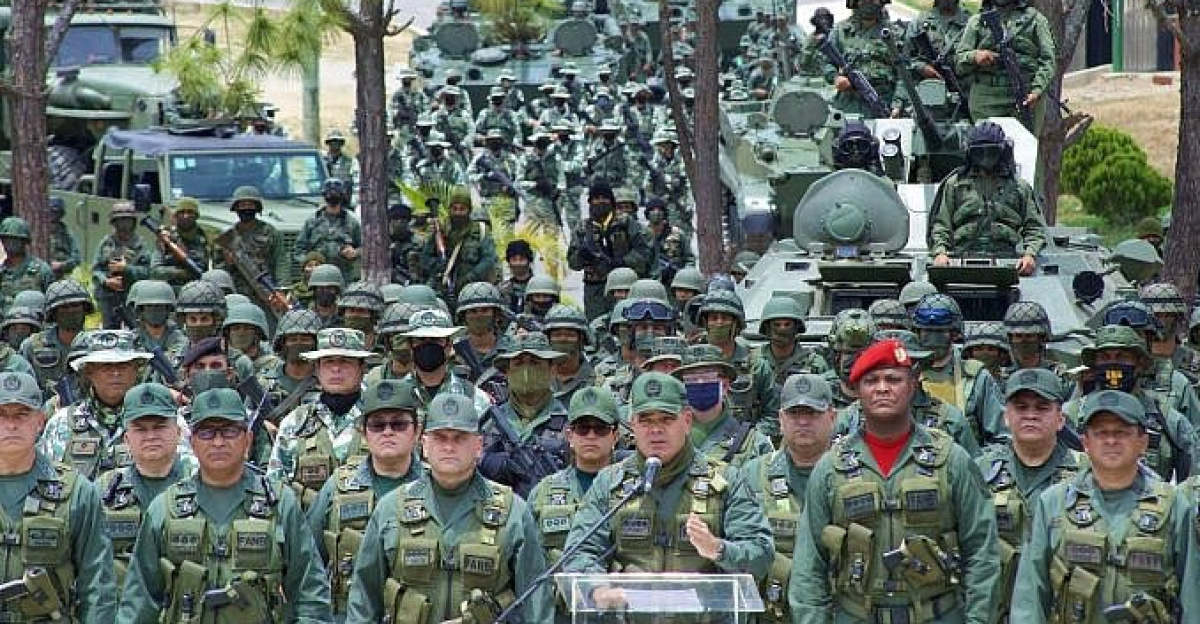
Following the reported incident, Venezuelan authorities announced elevated alert levels in western coastal regions. Officials stated that air-defense units and surveillance systems were placed on heightened readiness to deter future violations.
These measures were framed domestically as defensive precautions rather than preparations for offensive action, though they inevitably raise regional anxiety.
Air Defense Capabilities and Deterrence
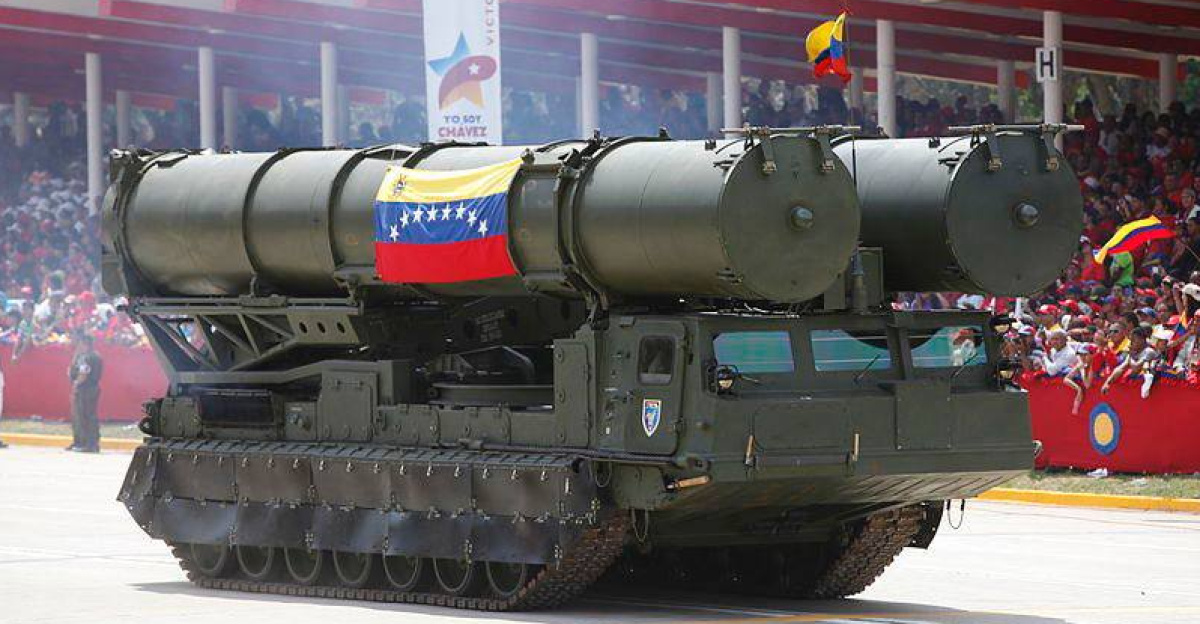
Venezuela possesses layered air-defense systems designed to monitor and deter unauthorized aircraft. While officials frequently highlight these capabilities, experts caution that deterrence relies as much on political decision-making as on hardware.
The absence of engagement during the reported incident illustrates how restraint, calculation, and uncertainty often define encounters between rival military forces.
Claims of Broader Military Deployments

Some reports linked the alleged flyover to a wider U.S. military posture in the Caribbean. Precise troop numbers and operational names, however, remain unconfirmed publicly. Without official acknowledgment, such figures should be treated cautiously.
Nonetheless, even perceptions of large-scale deployments can influence threat assessments and policy responses on all sides.
Impact on Energy Markets
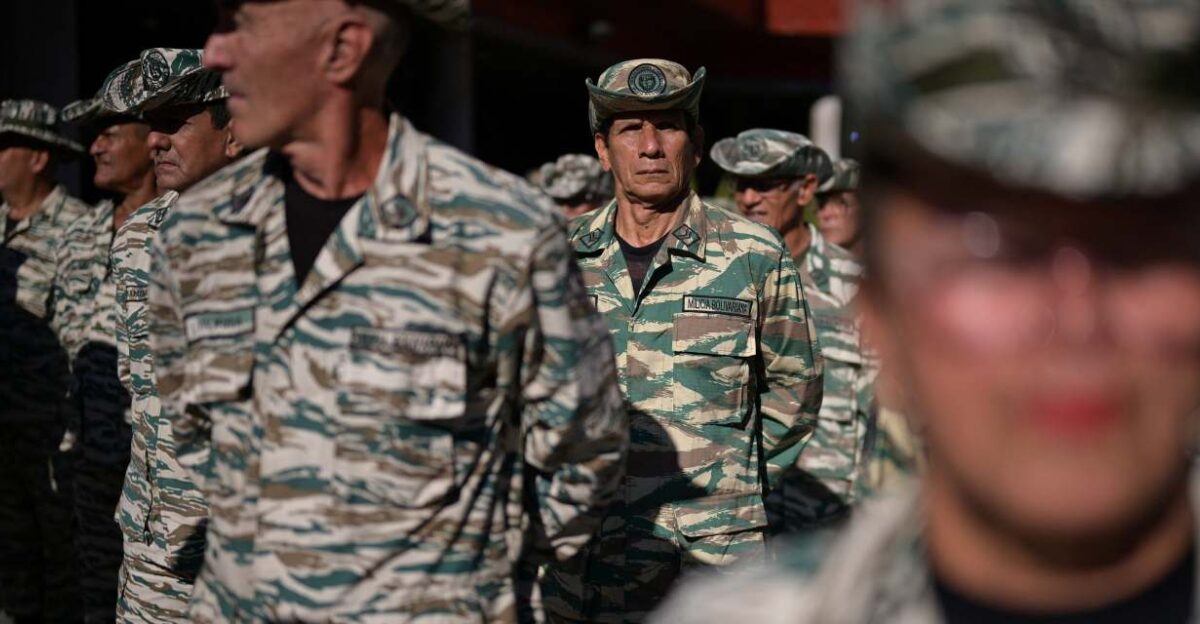
News of heightened U.S.–Venezuela tensions tends to ripple through energy markets, particularly when incidents involve major producing regions. Traders closely watch developments near Venezuela’s oil infrastructure, as disruptions—real or anticipated—can influence prices. Market sensitivity reflects how geopolitical risk, not just physical supply changes, shapes global energy dynamics.
Shipping and Maritime Considerations

Caribbean shipping lanes already operate under complex conditions shaped by sanctions, inspections, and enforcement actions. Reports of military activity add another layer of uncertainty for commercial operators.
Even without direct interference, perceived risk can alter routes, insurance costs, and delivery timelines, affecting regional trade flows.
Human Dimension in Oil-Producing Regions

Communities in Zulia and neighboring states remain acutely aware of how geopolitical tension intersects with daily life.
Oil workers, port employees, and coastal residents often find themselves on the front lines of political disputes they do not control. Heightened alerts can translate into operational disruptions, stress, and economic uncertainty for local populations.
Diplomatic Fallout and Messaging
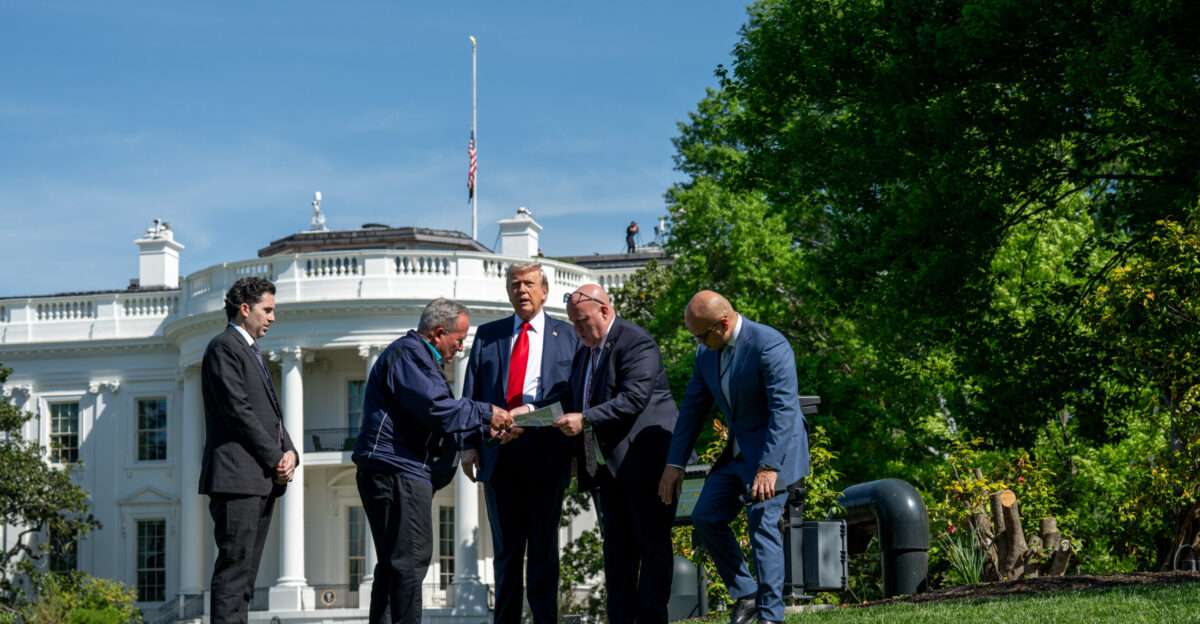
Caracas used the incident to reinforce claims of external aggression, while Washington maintained silence on specifics.
This asymmetry allows each side to address domestic audiences without engaging directly. Diplomatic channels remain limited, increasing the risk that future incidents could escalate before cooler heads intervene.
International Law and Airspace Disputes

Under international aviation law, states retain sovereignty over their airspace. Disputes arise when boundaries, flight paths, or intent are contested.
Without transparent data or joint investigations, such disagreements often persist unresolved, becoming political tools rather than strictly legal questions.
Information Warfare and Public Perception
Beyond aircraft movements, the incident underscores the role of information warfare.
Competing claims, selective disclosures, and dramatic framing shape public perception faster than facts can be established. In this environment, narratives can harden positions and limit diplomatic flexibility.
Regional Allies and Strategic Calculations

Neighboring states monitor U.S.–Venezuela tensions closely, wary of spillover effects. Any escalation near shared waters or airspace could complicate regional security arrangements.
Allies of both governments weigh their responses carefully, balancing political alignment against economic and security interests.
Risk of Miscalculation
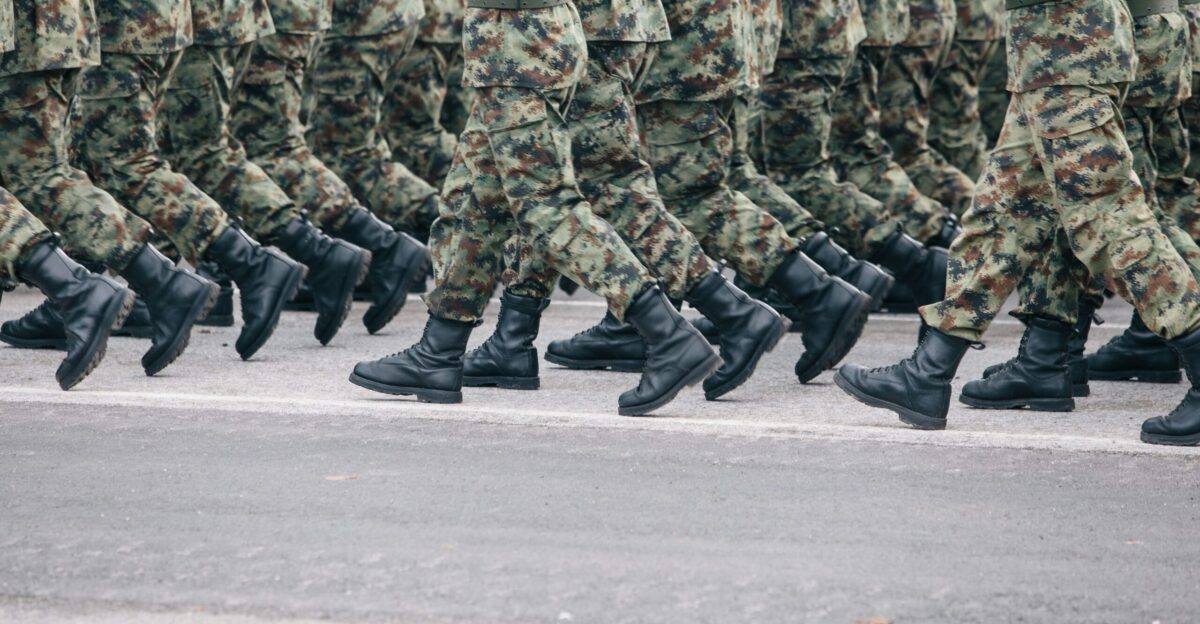
Military encounters that lack clear communication channels carry inherent risks. Even brief or unintended incidents can spiral if misinterpreted.
Analysts consistently warn that the greatest danger lies not in deliberate aggression, but in miscalculation under conditions of distrust and limited transparency.
Energy Security Beyond Venezuela

Concerns extend beyond Venezuela’s borders. Global energy consumers track how political instability affects supply diversification, investment decisions, and long-term planning.
Each flare-up reinforces the link between geopolitical stability and energy security worldwide.
What Comes Next
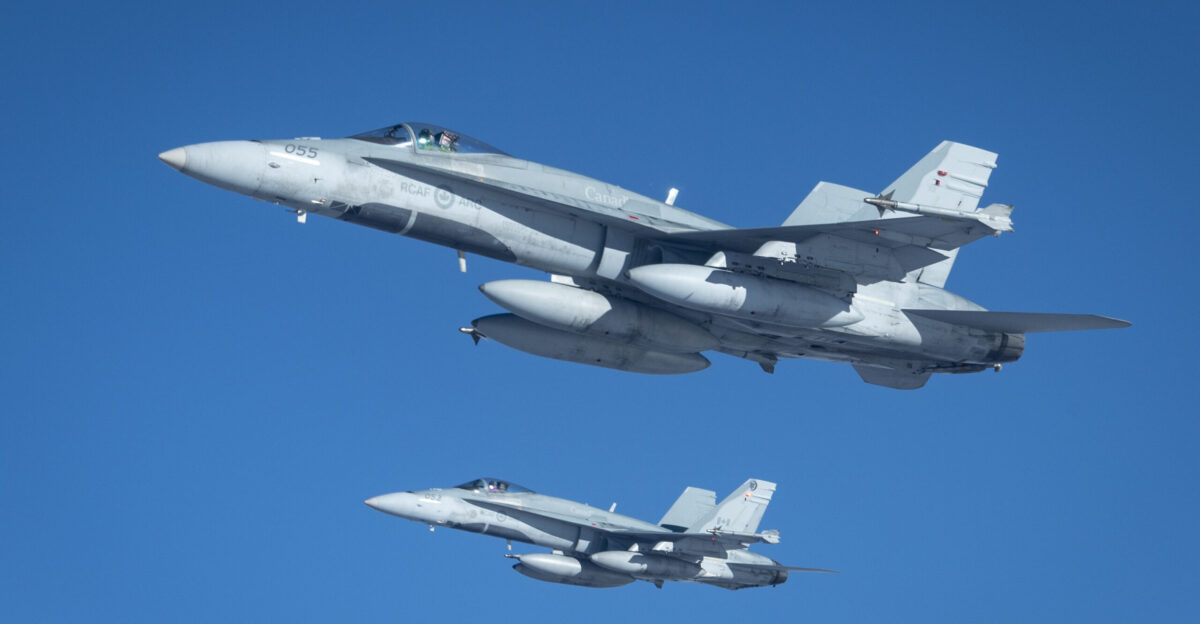
Absent confirmation or de-escalation measures, similar incidents remain possible. Both governments continue to pursue their strategic objectives while avoiding direct confrontation.
Whether dialogue resumes or tensions harden will shape the regional security environment in the months ahead.
A Test of Restraint in a Volatile Region
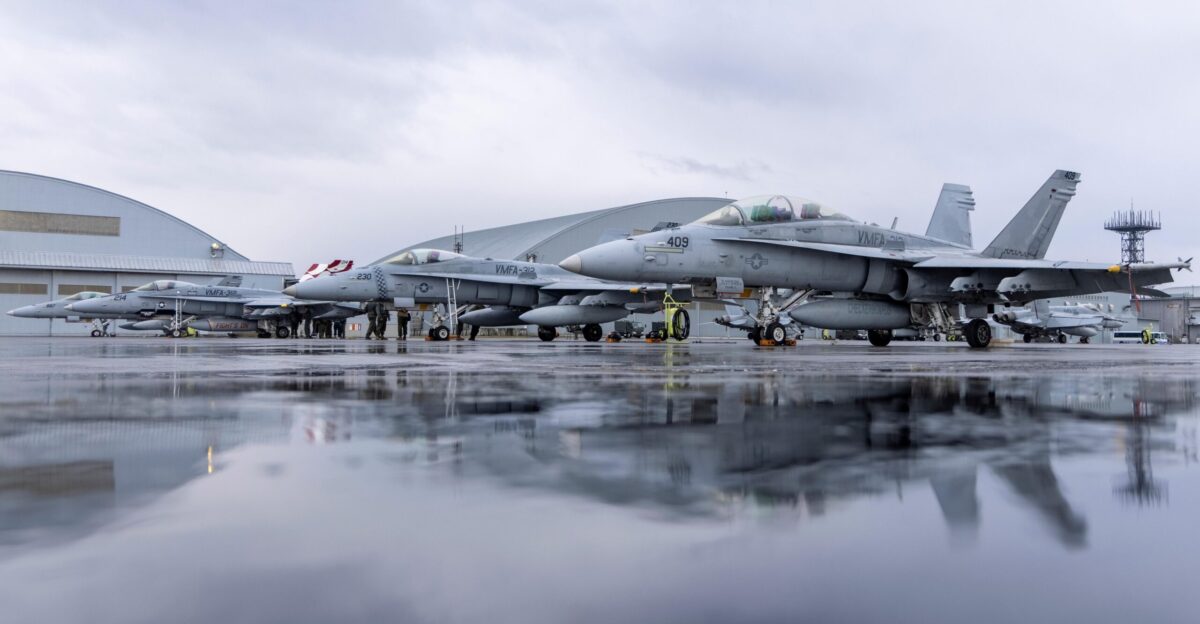
The reported F-18 incident highlights how quickly military, economic, and political pressures converge over strategic resources.
Regardless of disputed details, the episode serves as a reminder that restraint, clarity, and communication remain essential to preventing localized incidents from becoming broader crises.
Sources:
- **The Soufan Center, Nov. 14, 2025 **: “Operation Southern Spear: US Targets Venezuelan Narco-Terrorism” (The Soufan Center)
- **Aerospace Global News, Dec. 2025 **: “F-18 Flyover Triggers S-300 Response in Venezuela” (Aerospace Global News)
- **DefenseScoop, Nov. 14, 2025 **: “Hegseth Announces Southern Spear Against Cartels” (DefenseScoop)
- **CiberCuba, Dec. 14, 2025 **: “US Patrols Halt Venezuelan Tankers in Caribbean” (CiberCuba)
- **Navy.mil, 2025 **: “USS Gerald R. Ford Deploys for Caribbean Operations” (U.S. Navy)
- **KATV, Dec. 2025 **: “Gas Prices Rise Amid Venezuelan Tensions” (KATV News)
- **CSIS, Nov. 14, 2025 **: “Implications of US Pressure on Venezuela” (Center for Strategic and International Studies)
- **Turkiye Today, Dec. 2025 **: “Caribbean Trade Disrupted by US-Venezuela Standoff” (Turkiye Today)