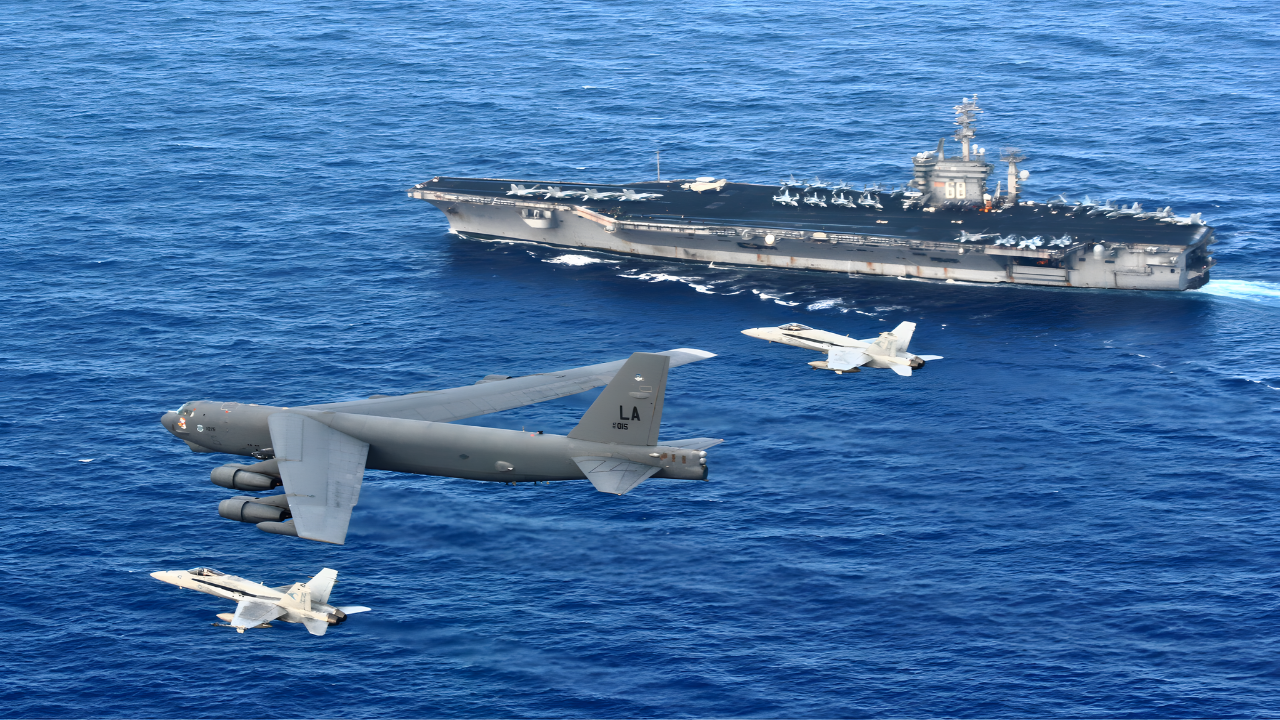
Two U.S. B-52 strategic bombers flew alongside Japanese fighter jets over the Sea of Japan in mid-December, highlighting rising military tension in Northeast Asia. The mission followed a recent joint Chinese-Russian bomber patrol near Japan and underscored how rapidly regional air activity is intensifying.
While officials described the flight as routine alliance cooperation, its timing signaled growing unease among U.S. allies about China’s expanding military presence and the risk of miscalculation in increasingly crowded skies.
Flashpoint Tightens
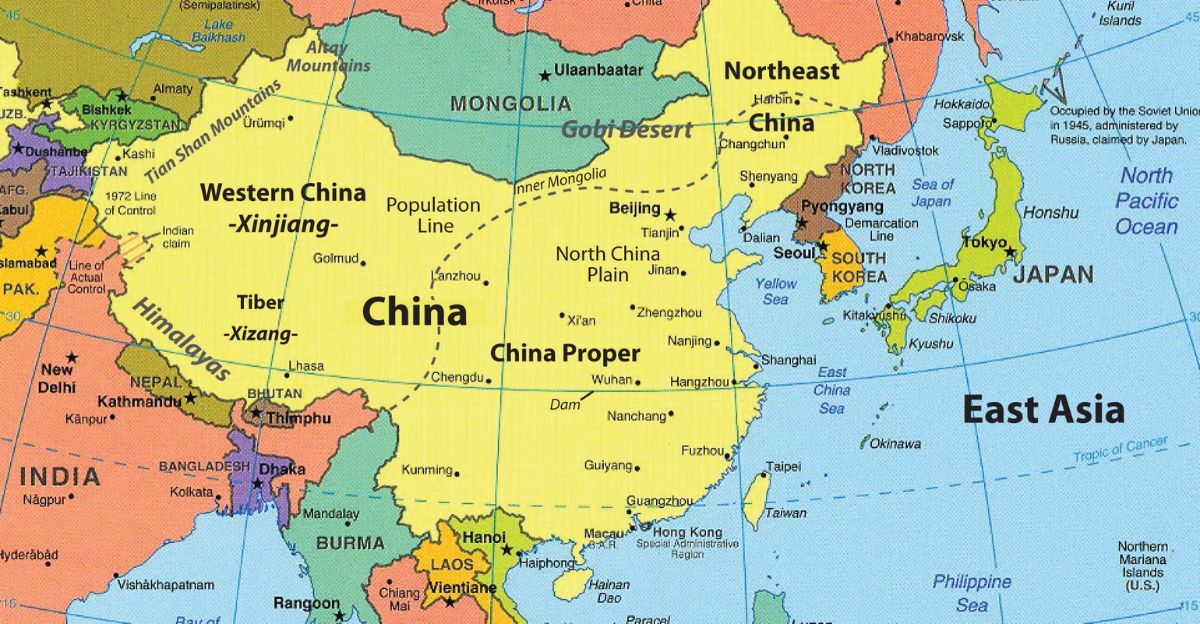
East Asia’s airspace is now marked by frequent patrols involving nuclear-capable bombers, advanced fighters, and surveillance aircraft from rival powers. Days before the U.S.–Japan flight, Chinese and Russian bombers conducted a lengthy joint patrol near Japan and South Korea.
The subsequent appearance of U.S. B-52s with Japanese fighters reinforced deterrence but also illustrated how competing demonstrations of power are locking regional actors into a cycle of reciprocal military signaling.
Long-Simmering Tensions
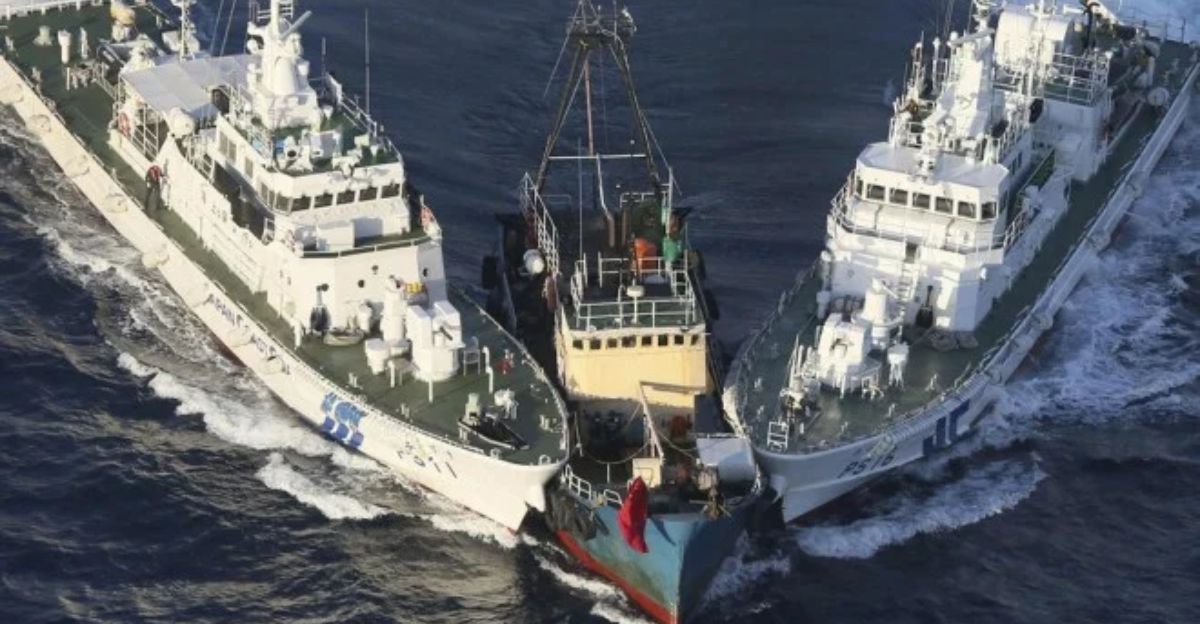
Strains between China and Japan have deep roots, shaped by historical grievances, disputed maritime claims, and Taiwan’s strategic status. China routinely operates coast guard and naval vessels near the Senkaku/Diaoyu Islands, administered by Japan but claimed by Beijing.
Japanese defense assessments increasingly describe China’s military modernization as a central challenge, warning that the Taiwan Strait and surrounding seas represent one of Asia’s most dangerous potential flashpoints.
A New Japanese Line
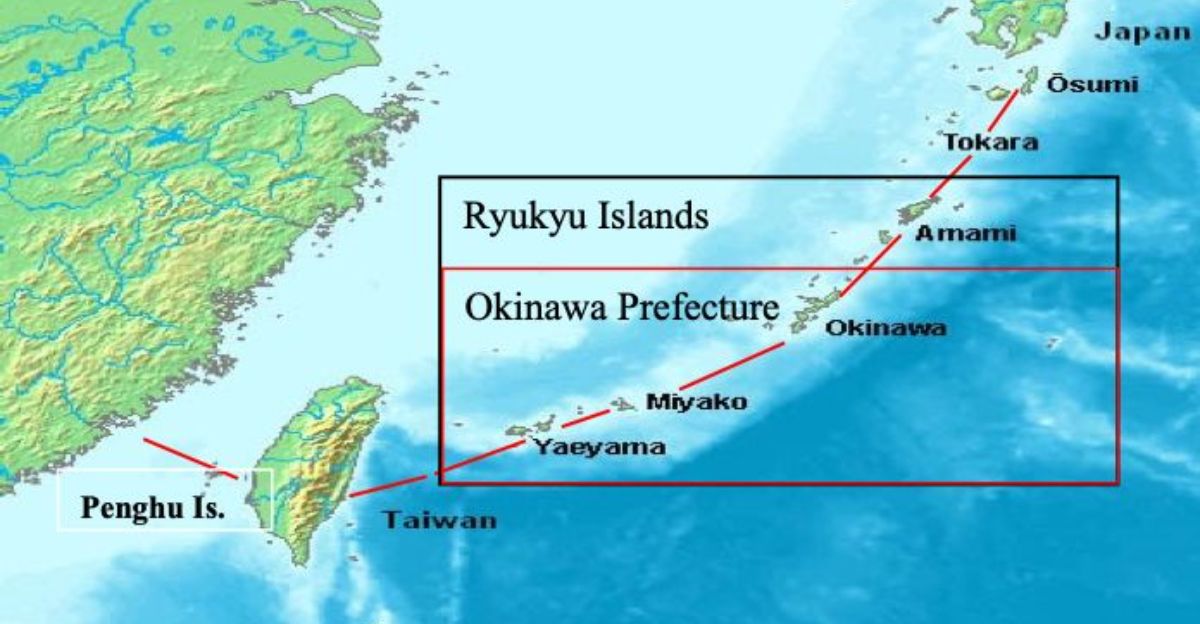
Tensions sharpened after senior Japanese officials publicly warned that a Chinese attack on Taiwan could threaten Japan’s own security. Such statements marked a more explicit linkage between Taiwan’s fate and Japan’s defense posture.
Beijing rejected the remarks, accusing Tokyo of interference. Since then, analysts note a rise in Chinese diplomatic and military pressure, testing Japan’s resolve around Taiwan and the strategically vital Ryukyu island chain.
Main Reveal: Duel of Patrols
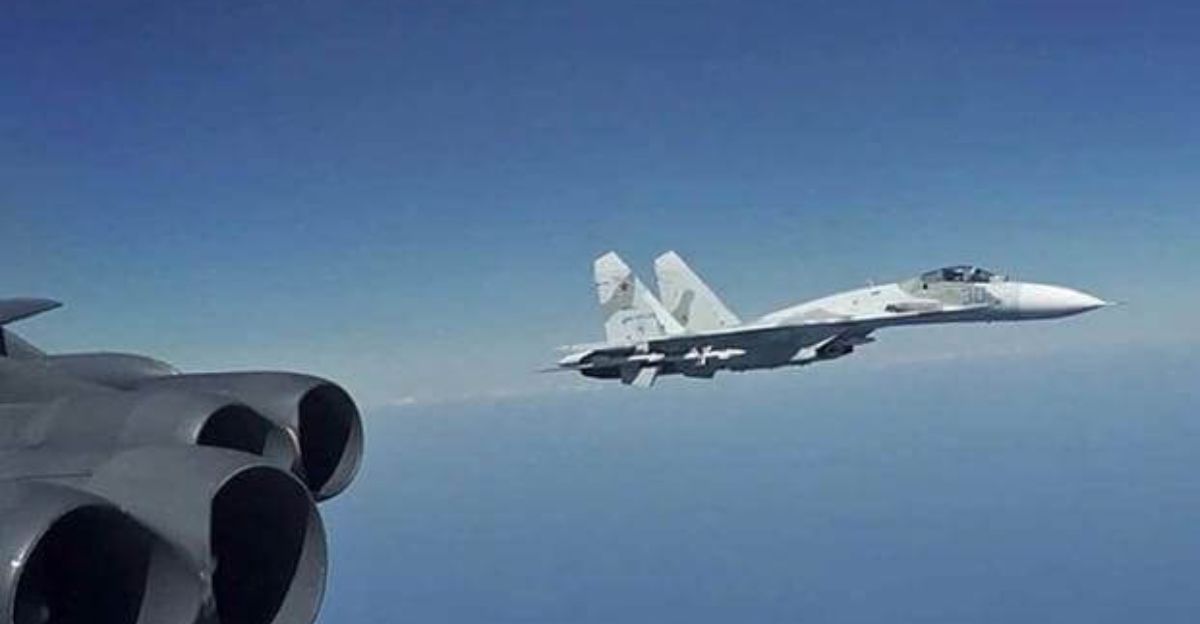
The B-52 mission followed a Chinese-Russian patrol involving long-range bombers flying through key regional corridors, including waters between Japan and Taiwan. Those flights prompted Japan and South Korea to scramble fighters.
In response, Japan announced the U.S.–Japan bomber exercise, pairing American strategic aircraft with Japanese fighters. The exchange highlighted how major powers now answer one another’s moves almost immediately, reinforcing deterrence while raising escalation risks.
Japan’s “Grave Concern”
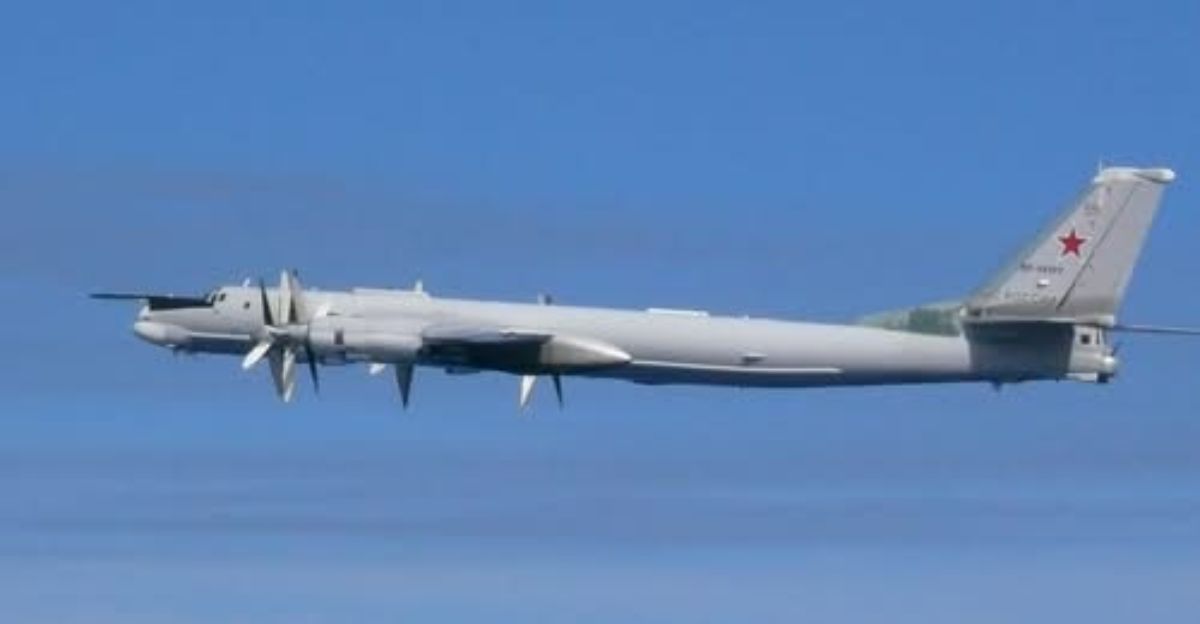
Japan’s senior military leadership publicly described the Chinese-Russian bomber patrol as a “grave concern” for national security. Defense officials said the subsequent U.S.–Japan exercise demonstrated a shared determination to prevent unilateral changes to the regional status quo.
Such language reflects Tokyo’s view that these flights are not neutral training events, but deliberate strategic signals aimed at testing Japan’s readiness and alliance commitments.
Taiwan Feels the Squeeze
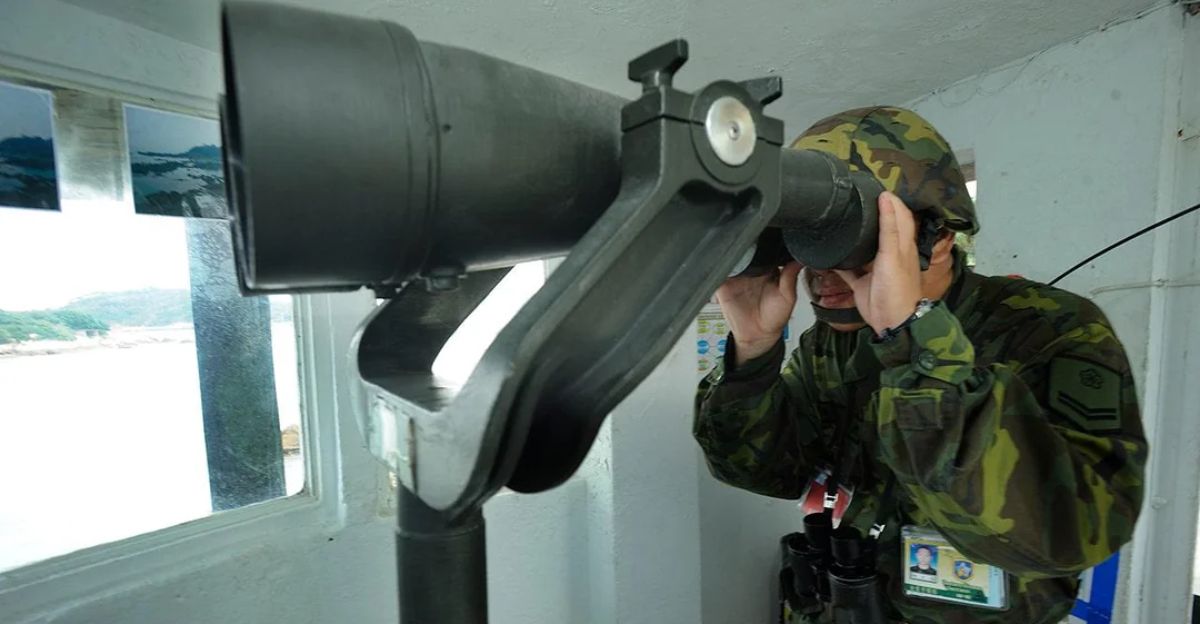
Around the same period, Taiwan reported heightened Chinese military activity, detecting 27 People’s Liberation Army aircraft operating near the island over two days. The aircraft mix included fighters, bombers, and support planes conducting joint patrols with naval vessels.
Many entered Taiwan’s air defense identification zone, continuing a pattern of near-daily operations that Taipei says are designed to exhaust its forces and intimidate its population.
Regional Airspace Under Strain
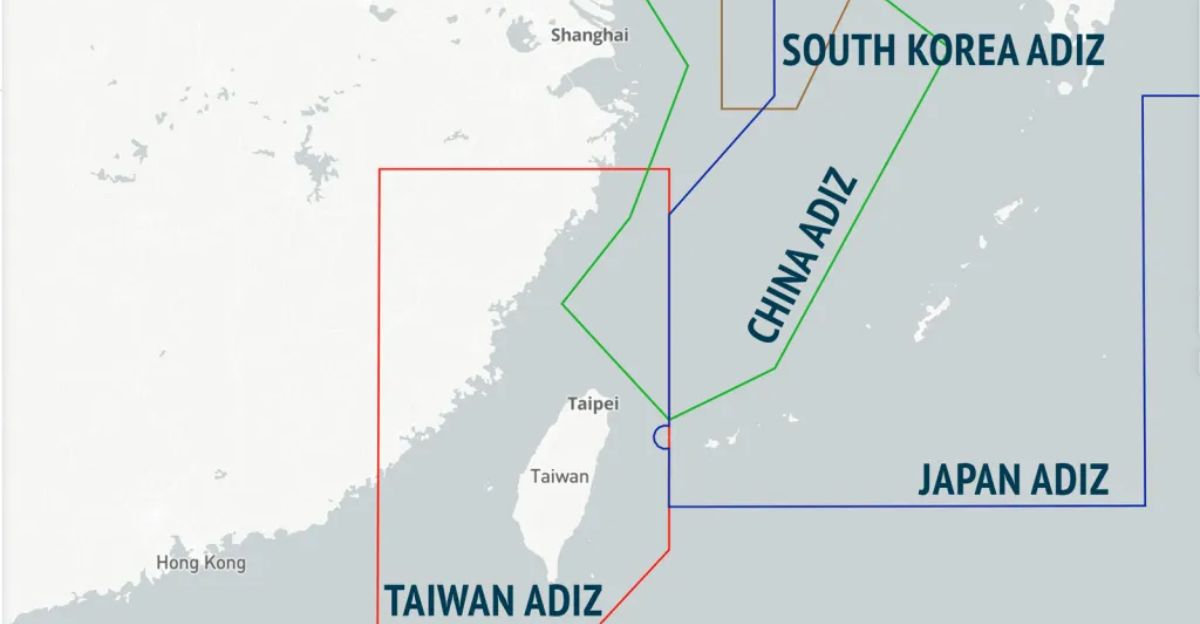
Large-scale patrols increasingly pass through overlapping air defense identification zones claimed by multiple countries. While ADIZs are not sovereign airspace, they require constant monitoring and rapid responses.
Regional militaries worry that frequent close encounters—especially involving bombers, escorts, and surveillance aircraft—raise the chances of accidents, miscommunication, or aggressive maneuvers that could escalate a routine interception into a broader crisis.
A Heavier U.S. Footprint
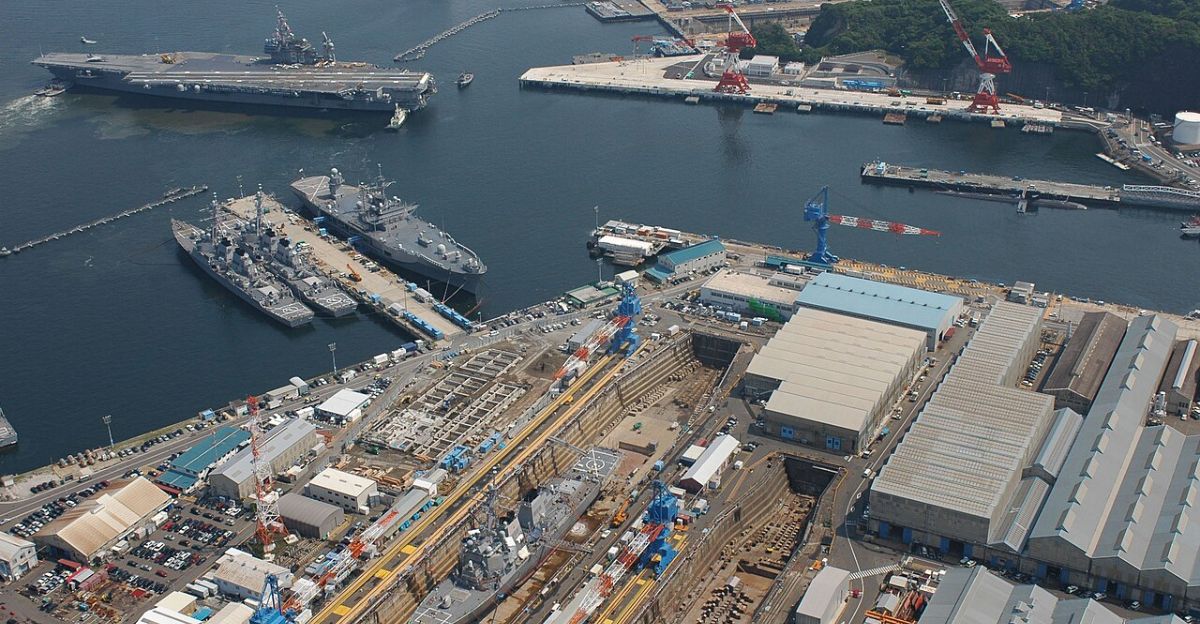
Japan hosts the largest concentration of U.S. forces overseas, including major air bases, naval assets, and Marine units. Periodic B-52 deployments into the region add a strategic dimension to this presence.
Over recent years, U.S. bombers have regularly trained with Japanese and South Korean aircraft, signaling extended deterrence. What was once exceptional has become increasingly normalized as part of Indo-Pacific security planning.
Mini-Nugget: The 27-Plane Surge
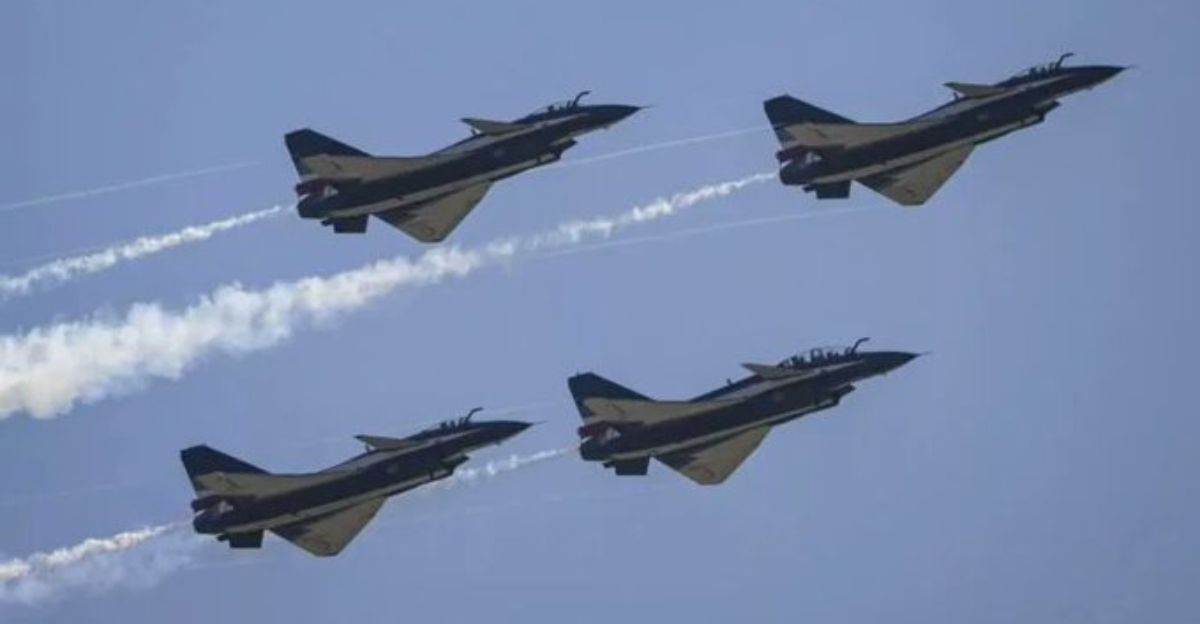
The 27-aircraft Chinese operation near Taiwan ranked among the larger single-day patrols of the year. Taiwan said the variety of aircraft involved suggested complex mission rehearsals rather than simple transits.
Occurring soon after the China-Russia patrol and the U.S.–Japan bomber flight, the surge underscored how military activity around Taiwan and Japan is interconnected, with developments in one area quickly influencing the other.
Competing Narratives
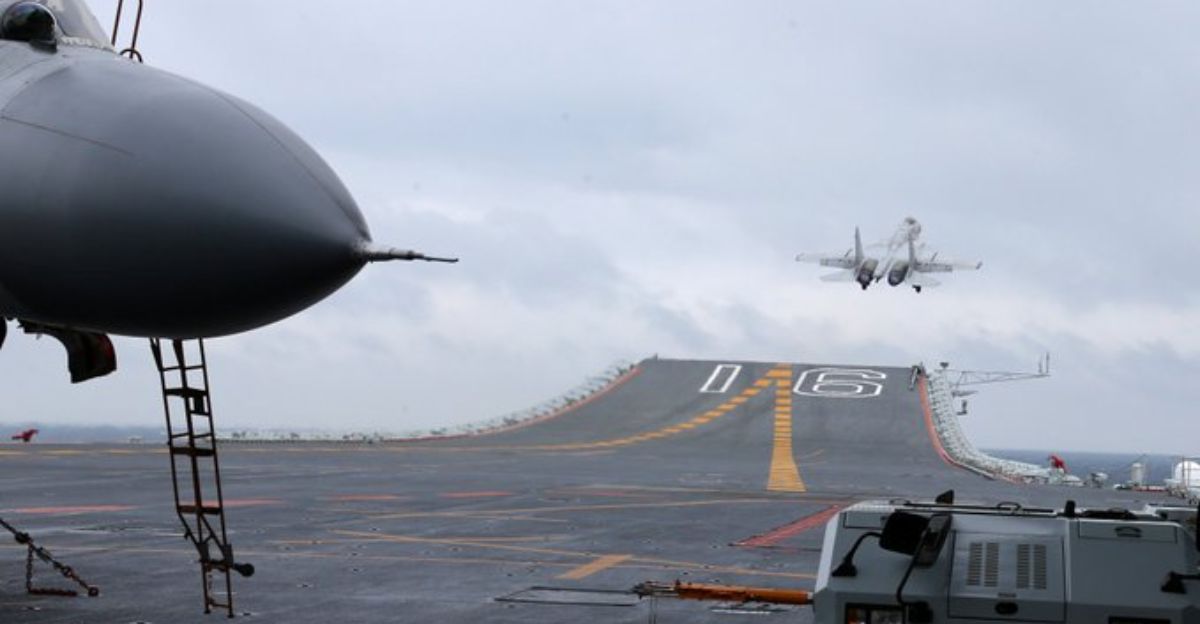
Japan portrays allied bomber flights as defensive measures meant to strengthen deterrence and preserve stability. Chinese officials counter that their own patrols are routine, legal, and overhyped by Tokyo.
Beijing accuses Japan of exaggerating threats to justify closer military alignment with the United States. These competing narratives shape domestic and international perceptions, even as all sides insist they are acting responsibly within international norms.
Leadership and Alliance Signals
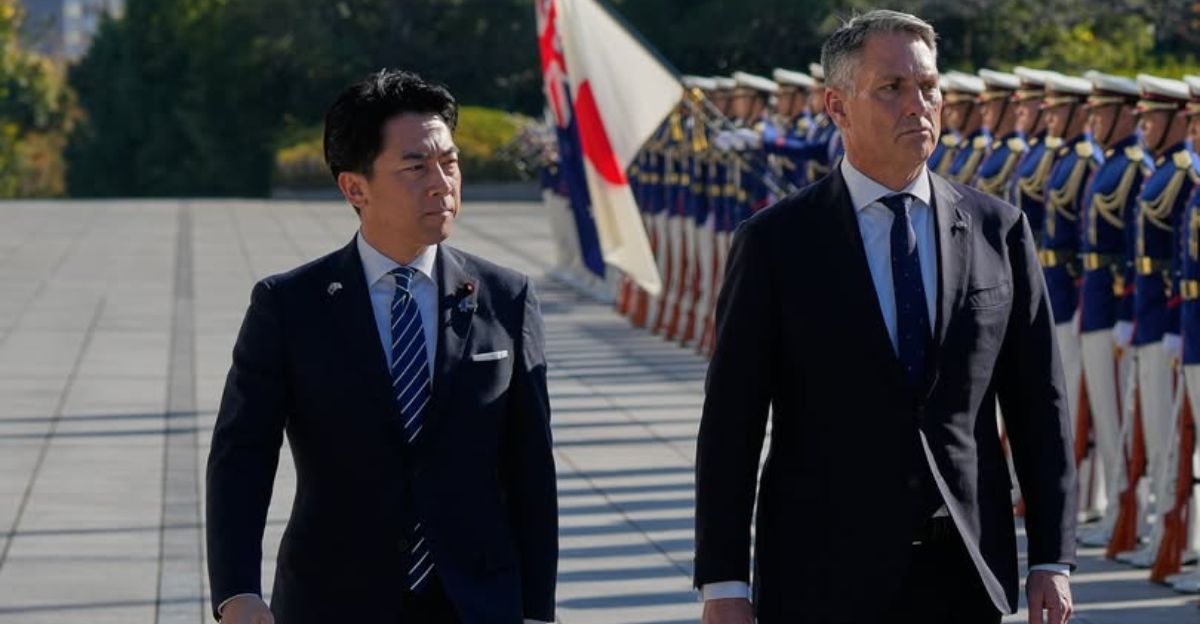
Japanese leaders have raised concerns about regional air activity with partners beyond the U.S., seeking broader diplomatic backing. U.S. officials emphasize that bomber flights are planned well in advance, downplaying suggestions of reactive escalation.
At the same time, political debates within the United States reflect differing views on how firmly Washington should support allies over Taiwan, adding another layer of complexity to alliance signaling.
Calibrated Show of Force
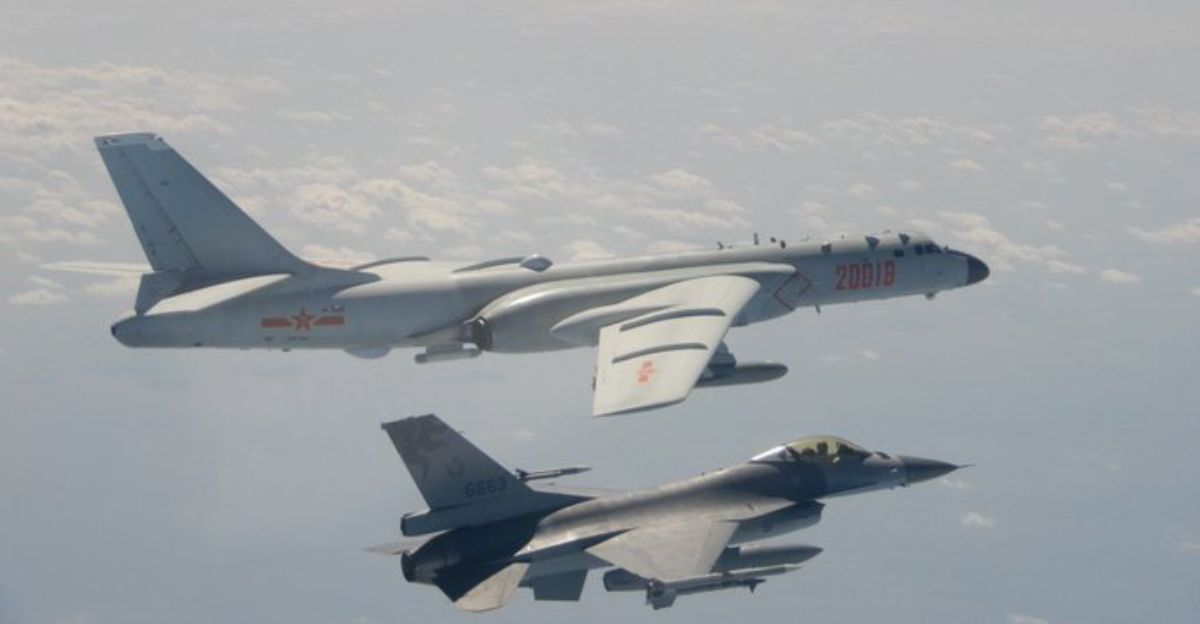
Military leaders stress that exercises are not aimed at any single country, framing them as routine training.
Still, analysts note that timing, routes, and aircraft selection carry clear messages. Both sides appear to be practicing coordination and long-range operations while carefully avoiding violations of territorial airspace. The goal is to demonstrate capability and resolve without crossing thresholds that could trigger armed confrontation.
Expert Warnings
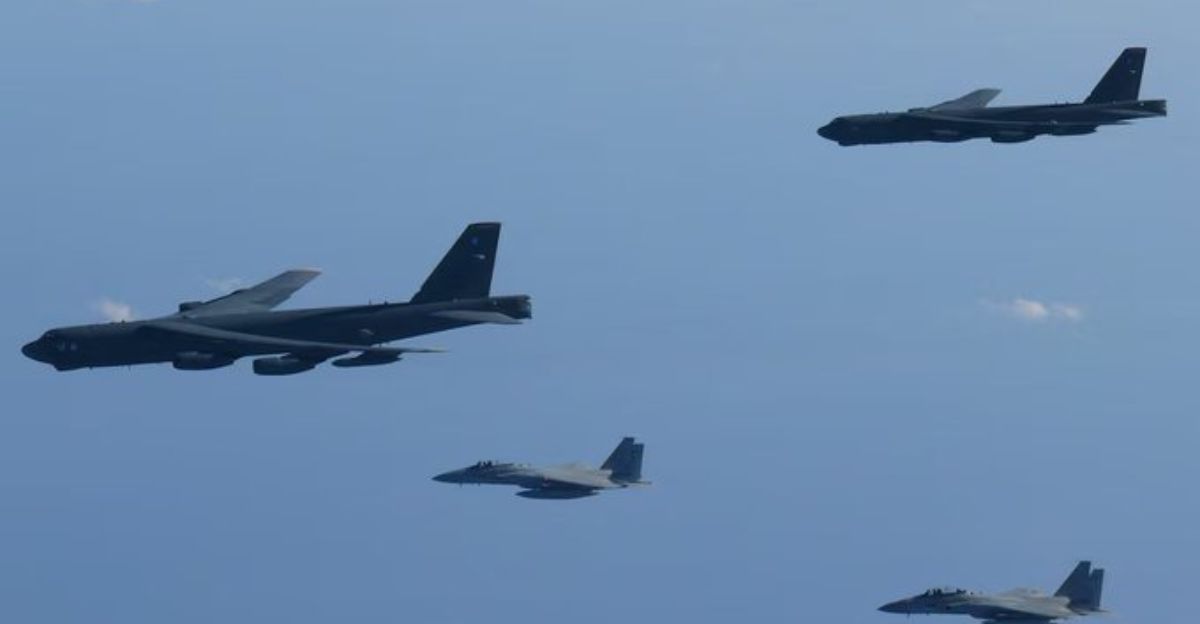
Security experts warn that operating large formations near narrow chokepoints, such as straits south of Okinawa, increases danger. Past incidents involving close passes or alleged radar lock-ons have alarmed regional governments.
Even when disputed by the parties involved, such encounters highlight how quickly routine shadowing can be misinterpreted. Specialists caution that repetition raises the odds that one incident will eventually spiral beyond control.
Questions Ahead
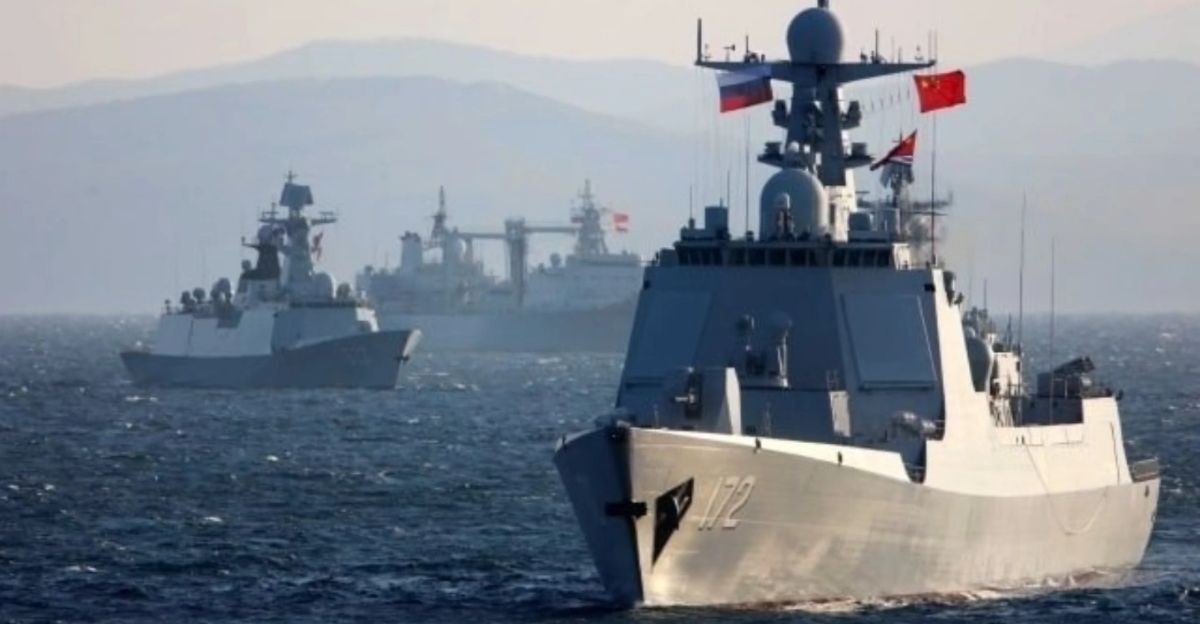
With Chinese aircraft operating near Taiwan almost daily and joint China-Russia patrols becoming more frequent, policymakers face difficult choices. Some argue that increased U.S. bomber presence stabilizes the situation through deterrence.
Others fear it fuels an action-reaction cycle in congested airspace. How leaders balance deterrence and restraint will heavily influence whether tensions ease or intensify.
Policy Crossroads in Tokyo
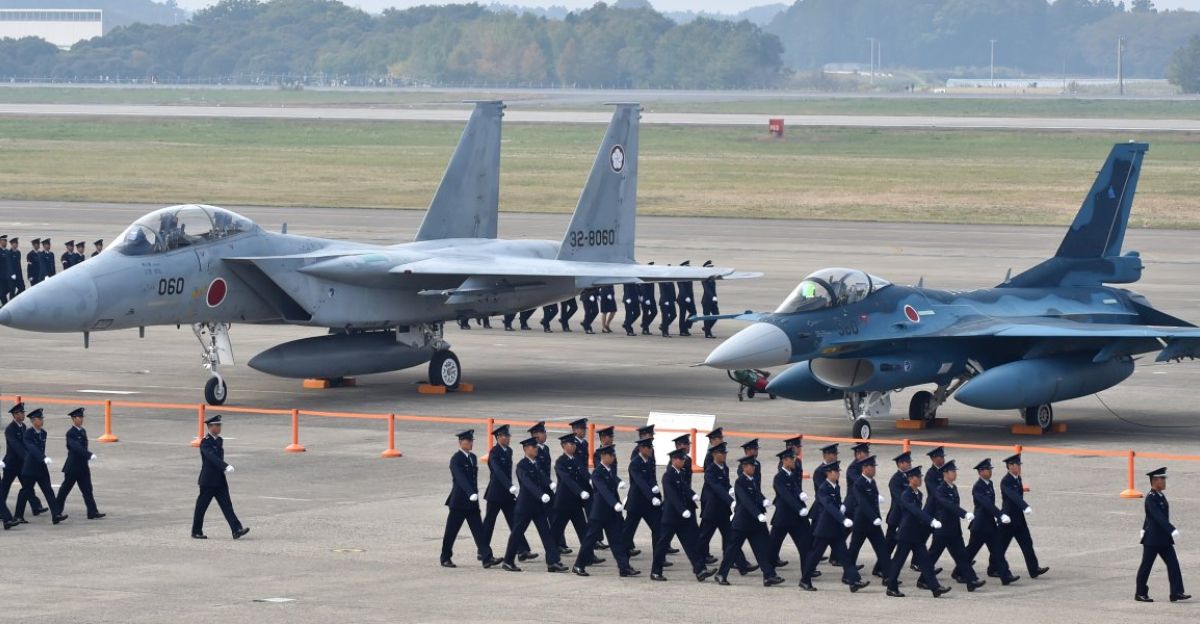
Japan is expanding defense spending and revising security strategies, citing a more severe regional environment. Officials argue deeper integration with U.S. forces, including joint bomber drills, is essential to deter coercion around Taiwan and Japan’s southwestern islands.
Critics warn that sharper rhetoric and visible military signaling could lock all sides into hardened positions that leave little room for diplomatic de-escalation.
Beijing, Moscow, and Alignment
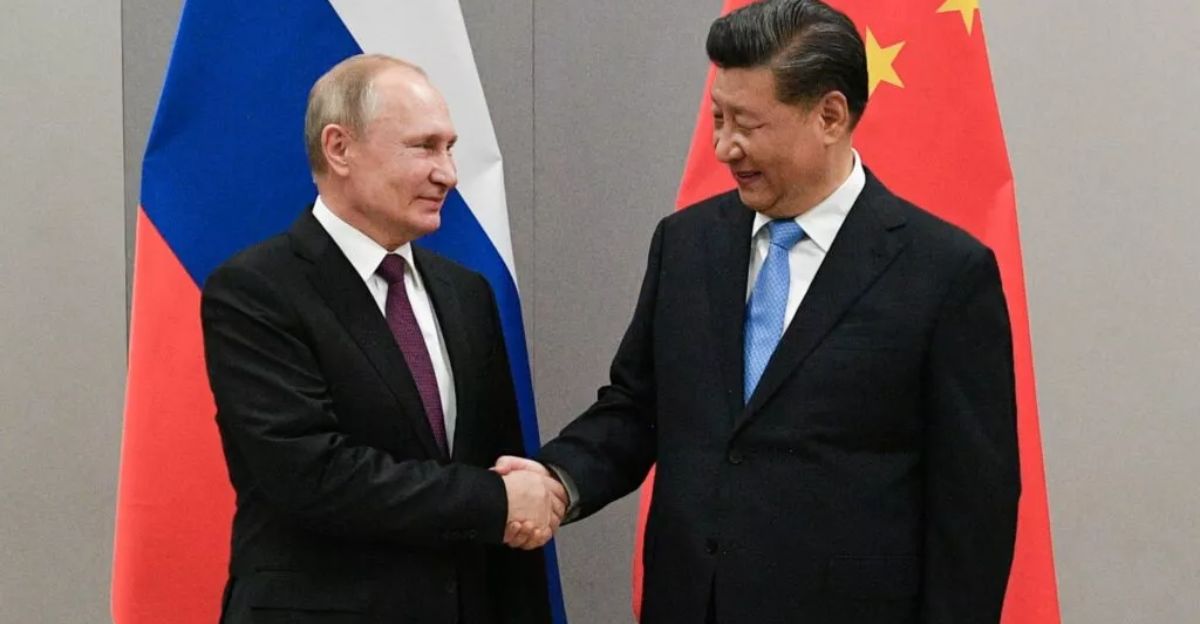
The recent patrol highlighted growing military coordination between China and Russia in East Asia. While not a formal alliance, the cooperation showcases shared interests in challenging U.S. influence. Chinese and Russian officials describe the flights as routine.
Neighboring states, however, view them as deliberate demonstrations of strategic alignment designed to complicate regional security planning and stretch allied response capabilities.
Legal but Risky Skies
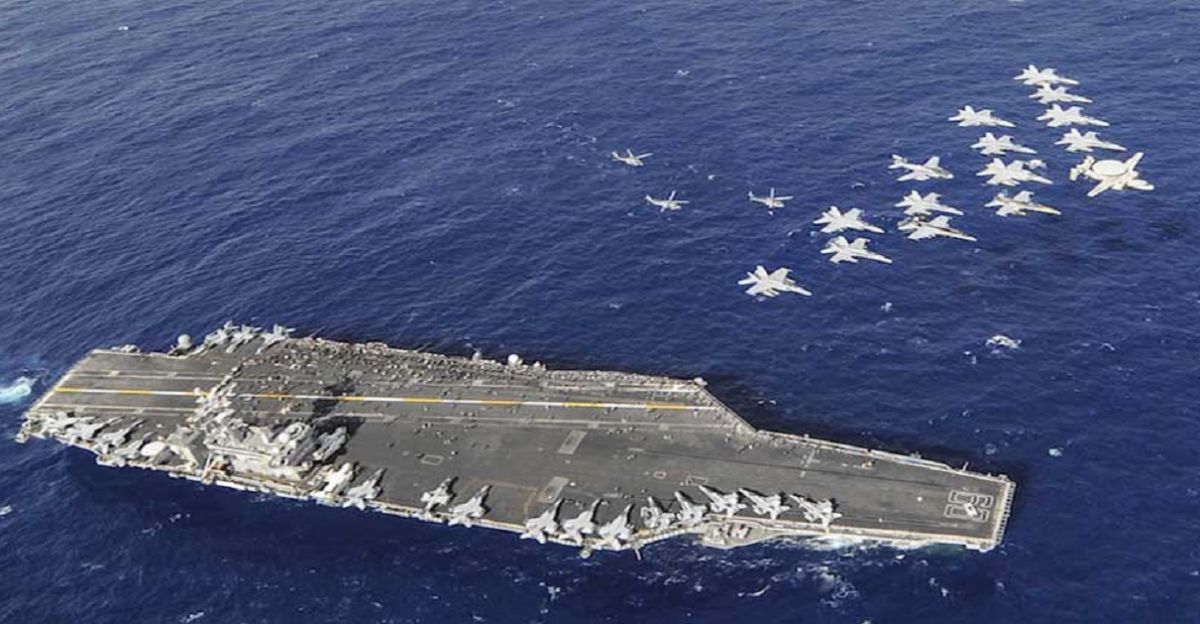
All parties emphasize that their aircraft remain in international airspace, where such flights are lawful. Tensions arise in overlapping ADIZs and in differing interpretations of intent.
Japan and South Korea focus on the size and composition of Chinese and Russian formations. Beijing responds that U.S. and allied aircraft have long operated near China’s coast, arguing it is responding in kind.
Public Perceptions and Memory
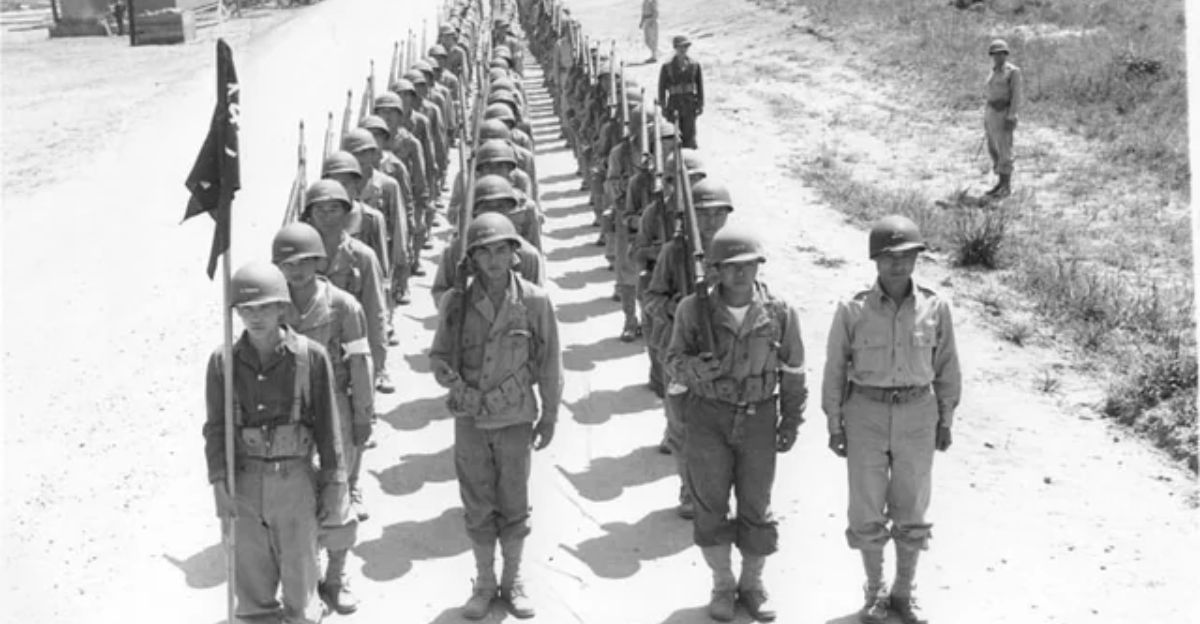
Historical narratives amplify today’s tensions. Chinese media often frame disputes with Japan through the lens of World War II memory, while Japanese coverage emphasizes China’s rapid military expansion. These narratives influence public opinion, limiting political flexibility.
Even when leaders recognize the risks of escalation, domestic pressures shaped by history can make compromise or restraint politically difficult.
Why It Matters Now
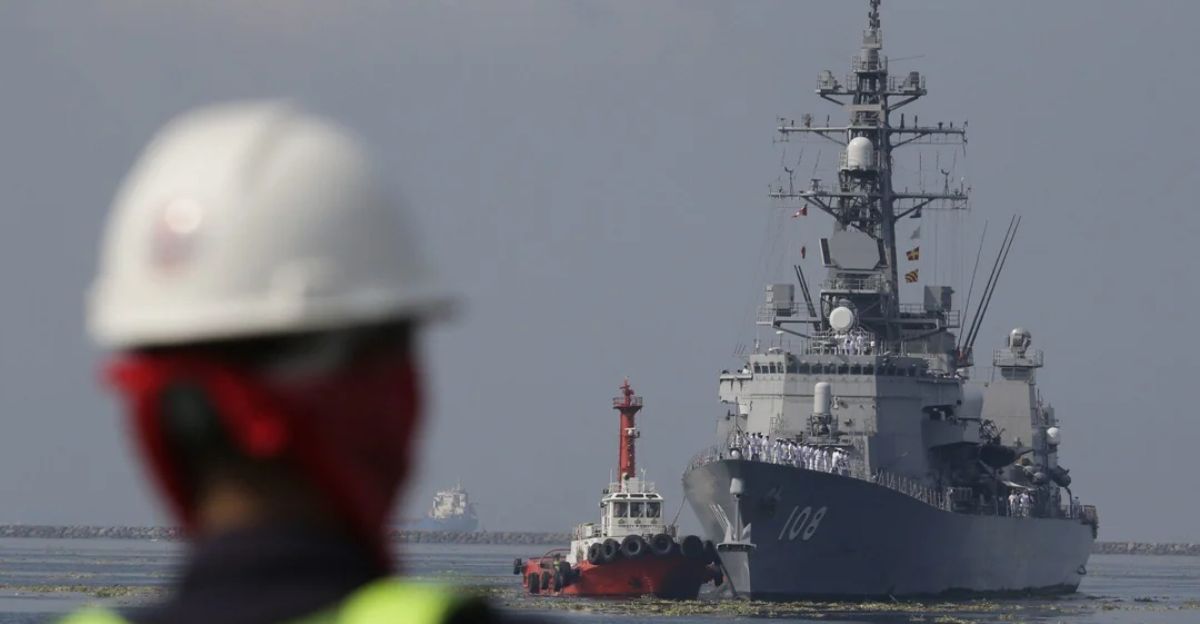
The sequence of bomber patrols and large-scale air operations around Japan and Taiwan shows how tightly linked East Asia’s security environment has become.
With nuclear-capable aircraft operating in close proximity, the margin for error is narrow. Decisions made by Beijing, Tokyo, Washington, Moscow, Taipei, and Seoul in managing these encounters will play a major role in determining whether this flashpoint stabilizes—or grows more dangerous.
Sources:
The Straits Times (11 Dec 2025): Referenced in Slides 1, 2, 3, 6, 7, 8, 11, 17, 18, 20
FlightGlobal (9 Dec 2025): Referenced in Slides 2, 8, 14, 17
Defence24 (12 Dec 2025): Referenced in Slides 3, 4, 12, 16
Washington Times (11 Dec 2025): Referenced in Slides 4, 12, 13
Zona Militar (11 Dec 2025): Referenced in Slides 6, 10, 15, 16, 19
Popular Resistance (17 Dec 2025): Referenced in Slides 9, 13, 15, 18, 20