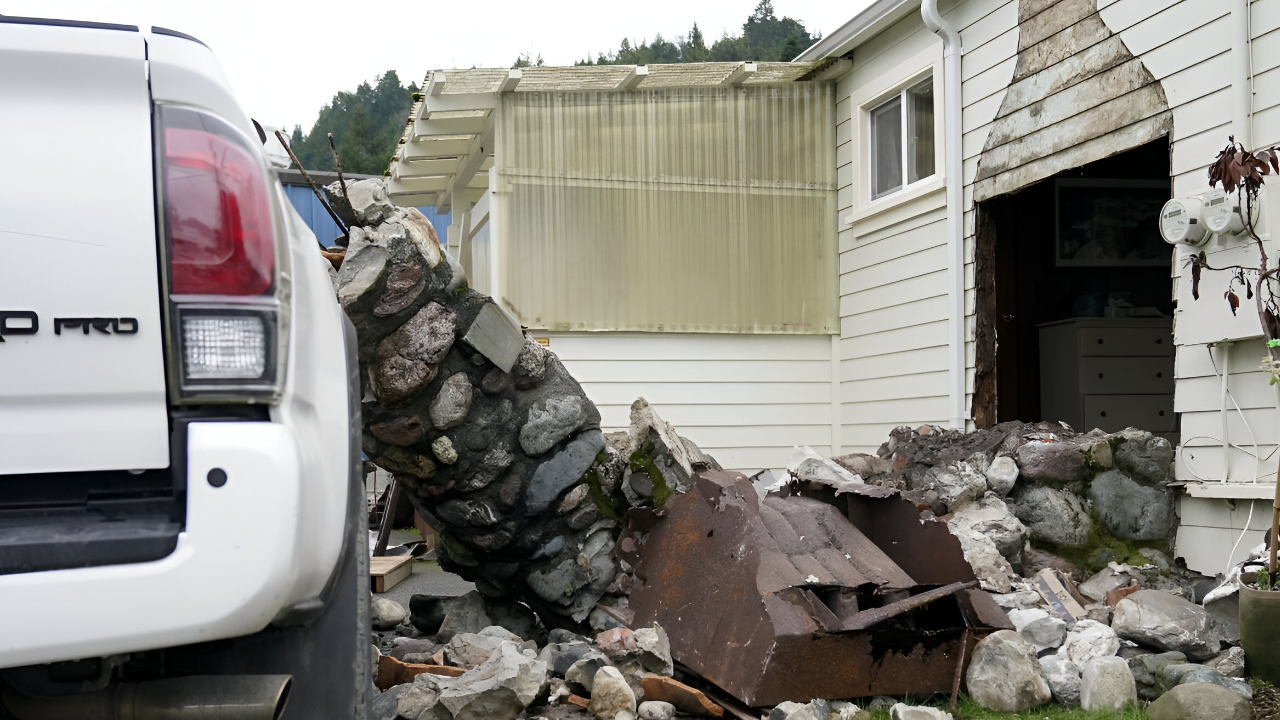
On a quiet Sunday afternoon in late December 2025, the ground beneath Northern California suddenly lurched. At 4:41 PM on December 28, a magnitude 4.7 earthquake struck approximately 15 kilometers north of Susanville, sending tremors rippling across two states and jolting nearly two million residents from their routines. The shaking reached as far as Reno and Sparks in Nevada, while Sacramento, Chico, and even San Francisco residents reported feeling the disturbance. Items tumbled from store shelves in Susanville, and homeowners briefly stepped outside to assess potential damage, though no significant structural harm materialized. What began as a single moderate tremor soon evolved into a more concerning seismic sequence that would keep scientists and residents on alert for days.
Seismic Activity and Fault Systems

The initial earthquake occurred at a shallow depth of 6.8 kilometers, amplifying the intensity of surface shaking. The United States Geological Survey initially classified the event as magnitude 5.0 before revising it downward to 4.7 after further analysis of seismic data. The epicenter’s location east of California’s major fault systems surprised some observers, as the Susanville area typically experiences relatively quiet seismic conditions compared to regions along the San Andreas or Hayward faults.
Just two days later, on December 30 at 9:49 PM, a stronger magnitude 4.9 earthquake struck the same area. This second event, initially recorded as magnitude 5.3, occurred at a similarly shallow depth of 5.3 kilometers and generated more than 1,200 reports through the USGS “Did You Feel It?” system. The December 30 tremor marked the largest earthquake recorded in the Susanville region within the past year. Between these two principal shocks, seismologists detected at least 13 smaller earthquakes in the vicinity, suggesting an ongoing swarm of seismic activity along minor fault lines such as Hat Creek.
Community Response and Safety Measures

Despite the widespread shaking, local authorities reported no injuries or major structural damage following either earthquake. The Susanville Police Department characterized the December 30 event as “just kind of a short rumble,” though officials urged vigilance given the potential for aftershocks. Tracy Mattern, a police dispatcher, confirmed that emergency services conducted routine safety assessments but found no significant issues requiring immediate response.
The rural character of Lassen County worked in residents’ favor. California’s stringent building codes have ensured that most structures in the region can withstand moderate seismic activity, though some older buildings constructed with unreinforced brick masonry remain vulnerable. Ranchers and farmers in the sparsely populated area reported checking on livestock and property but found minimal disruption to agricultural operations. Transportation infrastructure between Northern California and Nevada remained fully operational, with no reported damage to bridges, roads, or utilities.
Aftershock Warnings and Preparedness
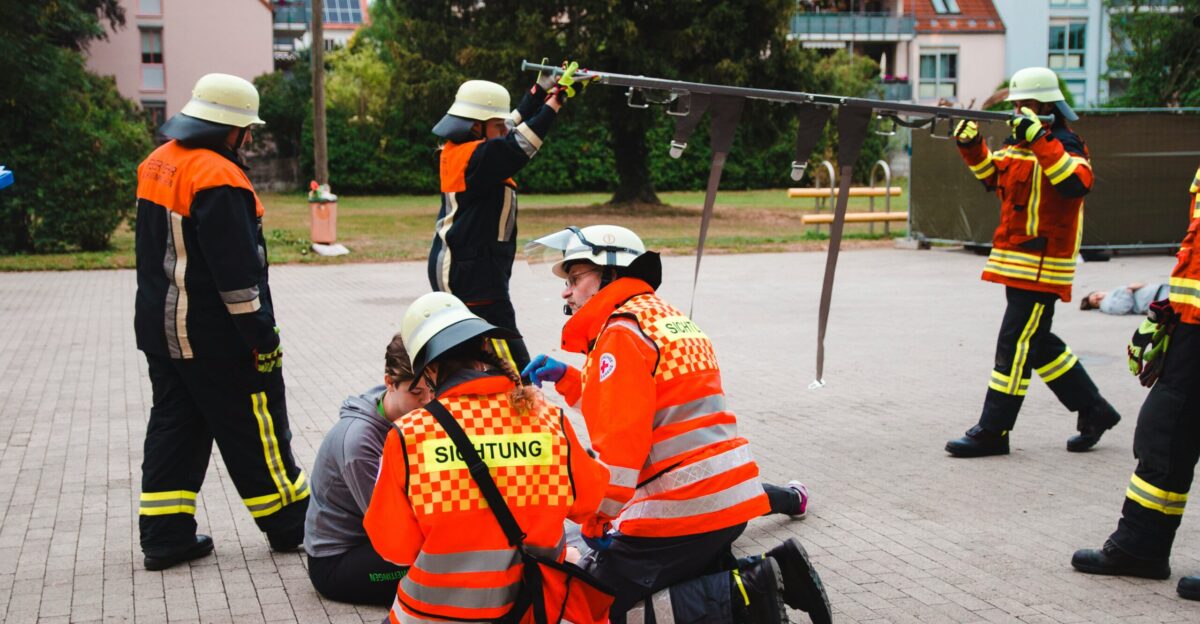
The USGS issued detailed aftershock forecasts following the seismic sequence, calculating a 51 percent probability of magnitude 3 or greater aftershocks, an 11 percent chance of magnitude 4 or above, and a 1 percent likelihood of a magnitude 5 event. These statistics prompted renewed attention to earthquake preparedness across the region. Emergency management officials emphasized the “drop, cover, and hold on” protocol, advising residents to take shelter under sturdy furniture during shaking rather than running outdoors.
Families throughout Northern California reviewed emergency supplies and safety procedures in response to the heightened seismic activity. Local retailers reported increased demand for earthquake kits and emergency provisions as residents prepared for potential future events. Authorities recommended maintaining 72-hour emergency supplies and downloading earthquake alert applications to receive real-time notifications.
Ongoing Monitoring and Future Outlook
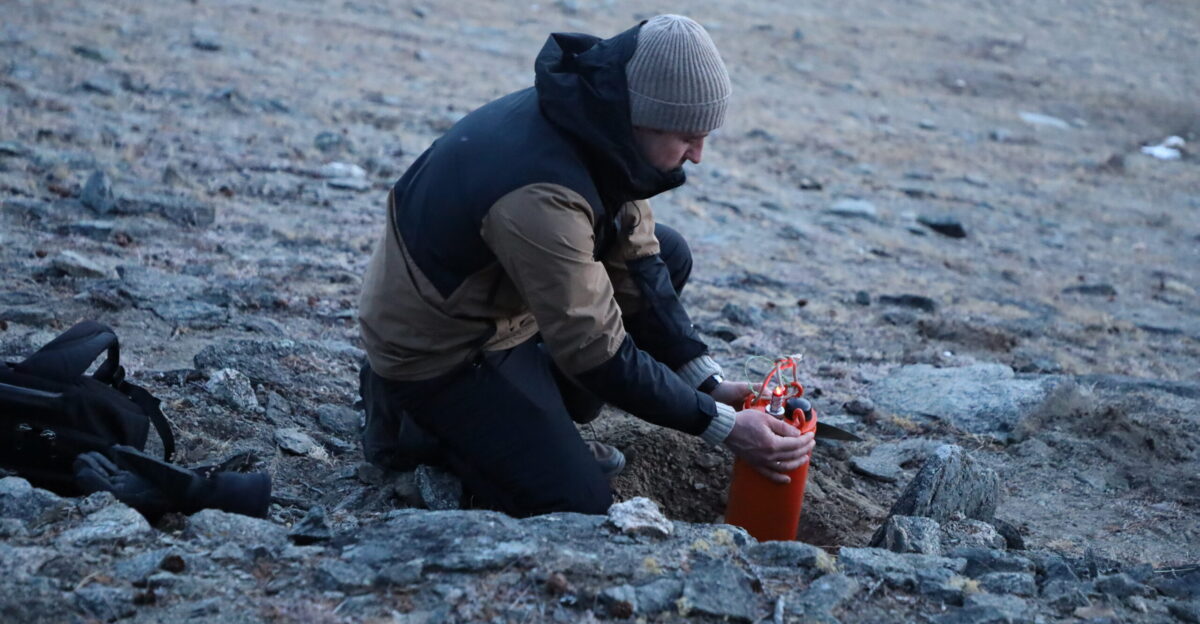
Seismologists continue to analyze the Susanville earthquake sequence, paying particular attention to the behavior of minor fault systems in the region. While the area sits within the tectonically active western United States, the recent concentration of seismic events has prompted scientists to reassess risk models for northeastern California. The shallow depth of both major earthquakes contributed to their widespread impact, demonstrating how even moderate-magnitude events can affect large populations when they occur near the surface.
As aftershock probabilities gradually decline, the two significant earthquakes have nonetheless left an indelible mark on regional consciousness. The USGS maintains continuous monitoring of fault activity, and local emergency management agencies remain coordinated across state lines to ensure rapid response capabilities. For residents of Susanville and surrounding communities, the December tremors serve as a tangible reminder that seismic preparedness remains essential throughout California, even in areas distant from the state’s most famous fault lines.
Sources:
“M 4.7 – 15 km NNW of Susanville, CA.” U.S. Geological Survey Earthquake Hazards Program, 28 Dec 2025.
“Magnitude 4.7 earthquake shakes Northern California.” Los Angeles Times, 28 Dec 2025.
“Earthquake series near Susanville — and there’s a more than 50 percent chance of more aftershocks.” Lassen News, 30 Dec 2025.
“M 4.9 – 15 km NNW of Susanville, CA.” U.S. Geological Survey Earthquake Hazards Program, 30 Dec 2025.