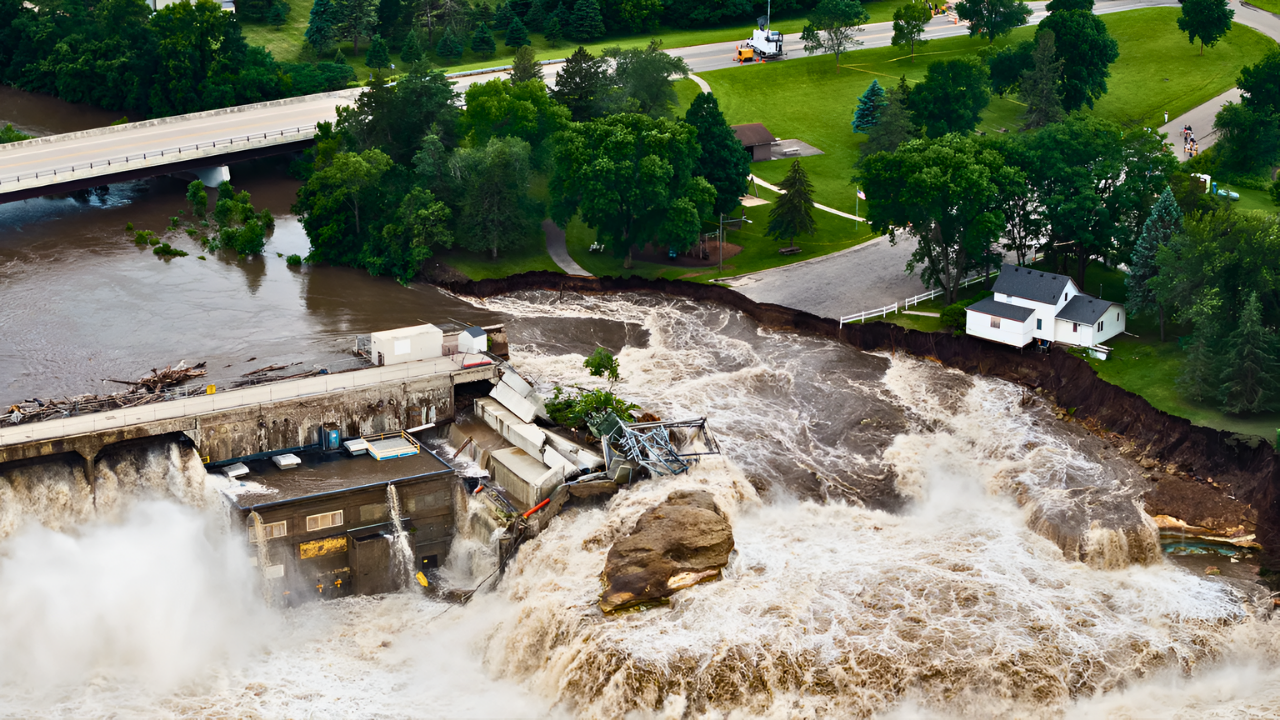
` 2,500 High-Risk US Dams Are Sinking as Millions Downstream Face Collapse Risk - Ruckus Factory

2,500 High-Risk US Dams Are Sinking as Millions Downstream Face Collapse Risk

CNBC-TV18 – Facebook

More than 2,500 high-hazard dams across the United States are slowly sinking into the ground, according to satellite radar analysis conducted over the past decade. Using space-based measurements, researchers detected subtle vertical movement that traditional inspections could not see.

The finding challenges long-held assumptions that many of these structures had stabilized and reveals a nationwide infrastructure issue unfolding quietly beneath critical water systems.

America’s Dams Are Old—and Aging Fast
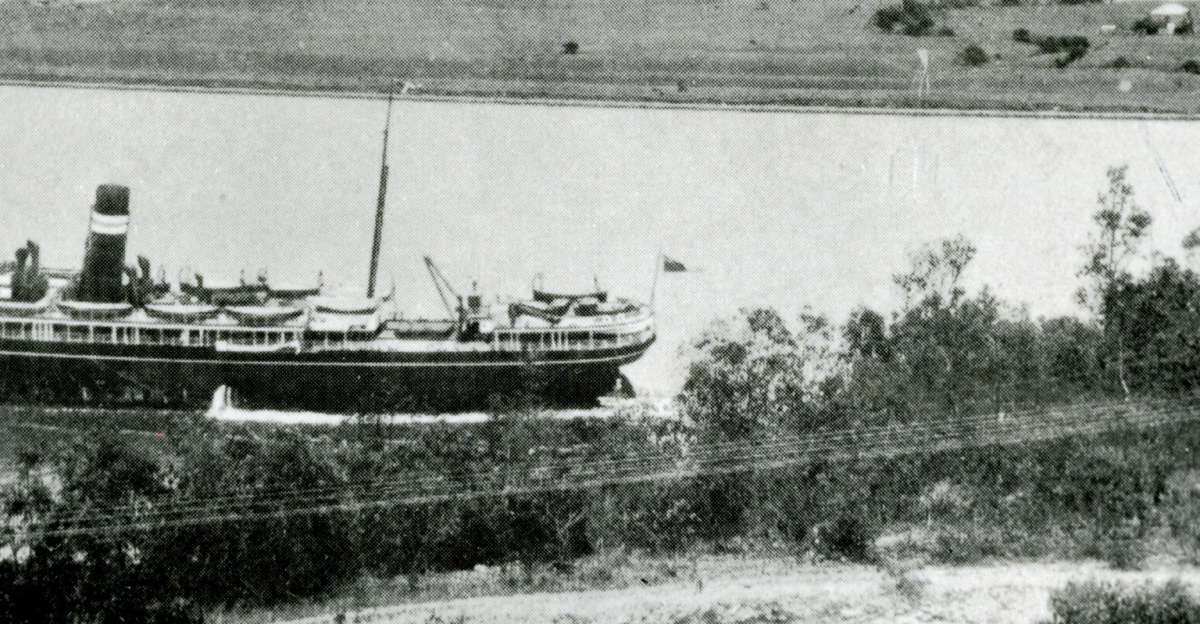
<p>QSA Item ID 435739
<strong>View this and other original records at the Queensland State Archives:</strong>
<a href="<a rel="nofollow" class="external free" href="http://www.archivessearch.qld.gov.au/Search/SeriesDetails.aspx?SeriesId=189">http://www.archivessearch.qld.gov.au/Search/SeriesDetails.aspx?SeriesId=189</a>" rel="noreferrer nofollow">Series ID 189</a>
</p><p>Brisbane's recorded history dates from 1799, when Matthew Flinders explored Moreton Bay on an expedition from Port Jackson, although the region had long been occupied by the Yugara and Turrbal aboriginal groups. First Nations Australians lived in coastal South East Queensland (SEQ) for at least 22,000 years, with an estimated population between 6,000 and 10,000 individuals before European settlers arrived in the 1820s. 
</p><p>At this time the Brisbane area was inhabited by the Turrbal people, (Turrbal also being the name of the language they spoke) who knew the area that is now the central business district as Mian-jin, meaning "place shaped as a spike". Archaeological evidence suggests frequent habitation around the Brisbane River, and notably at the site now known as Musgrave Park. 
</p><p>The first convict jail was built in Redcliffe in 1824 and that was moved to the site of the present-day CBD in 1825. Officials believed the natural bend in the river provided an effective barrier against escape.
</p><p>Its suitability for fishing, farming, timbering, and other occupations, however, caused it to be opened to free settlement in 1838. Civilian occupation of the area began in 1842, and by the late 1880s Brisbane became the main site for commerce, and the capital-to-be began to develop distinct architectural features and culture.
</p><p>With an abundance of sunshine and laid-back lifestyle, Brisbane quickly drew people eager to settle in its environs. The city grew steadily over the years and a turning point in its advancement was during World War II when it housed the main allied headquarters in the South Pacific for Australian and American service personnel.
</p><p>The post-war population boom brought a spurt in industry and Brisbane staked a claim as the third-largest city in Australia.
</p><p>Despite its rapid progress, Brisbane was often seen as lagging culturally behind Sydney and Melbourne. But two landmark events in the 1980s brought about a major change and accelerated Brisbane towards Australia’s new world city it is today.
</p><p>The Commonwealth Games came to Brisbane in 1982, and this resulted in a massive injection of new infrastructure and sporting facilities. Then the eyes of the world turned to Brisbane in 1988 and thousands of visitors flocked to Expo 88. The subsequent birth of South Bank on the Expo site has resulted in a thriving cultural hub and Brisbane is more than matching it with its southern counterparts.
</p><p>FIRST NATIONS HISTORY
Prior to European colonisation, the Brisbane region was occupied by Aboriginal tribes, notably clans of the Yugara, Turrbal and Quandamooka peoples. The oldest archaeological site in the Brisbane region comes from Wallen Wallen Creek on North Stradbroke Island (21,430±400 years before present), however, settlement would likely occurred well prior to this date. 
</p><p>The land, the river and its tributaries were the source and support of life in all its dimensions. The river's abundant supply of food included fish, shellfish, crab, and prawns. Good fishing places became campsites and the focus of group activities. The district was defined by open woodlands with rainforest in some pockets or bends of the Brisbane River. 
A resource-rich area and a natural avenue for seasonal movement, Brisbane was a way station for groups travelling to ceremonies and spectacles. The region had several large (200–600 person) seasonal camps, the biggest and most important located along waterways north and south of the current city heart: Barambin or 'York's Hollow' camp (today's Victoria Park) and Woolloon-cappem (Woolloongabba/South Brisbane), also known as Kurilpa. These camping grounds continued to function well into historic times, and were the basis of European settlement in parts of Brisbane. 
</p><p>TOWN PLAN
Buildings were constructed for the convict settlement, generally at right angles to the river's shoreline in the direction of Queen Street, and along the shoreline south-east of today's Victoria Bridge. The outstanding surviving building is the Commissariat Store (1828-29), originally two storeys, in William Street. The street layout, however, developed from a thoroughfare from the river's edge running north-east to the prisoners' barrack near the corner of today's Queen and Albert Streets. When a town survey was done in 1840 that thoroughfare was chosen as the main street – Queen Street – and the grid pattern of square blocks moved out from the Queen Street axis. There were several versions of the town survey. The proposed streets varied in width from 20 to 28 metres but Governor Gipps, anticipating an inauspicious future for the settlement, trimmed them back to the lesser figure. Streets running parallel to Queen Street were named after British and related royalty, among them Queen Mary II, Queen Charlotte (wife of George III) and Queen Adelaide (wife of William IV). William, George, Albert and Edward Streets, running at right angles, had similar royal antecedents. Creek Street's position approximated the course of a minor stream, Wheat Creek.
</p><p>The town survey occurred about three years after a select committee of the British Parliament had concluded that transportation had ceased to deter crime and, in any event, was tainted with inhumanity. By 1839 Moreton Bay was being transformed from a convict settlement to a free settlement, and in July 1842 the first sales of Brisbane land took place in Sydney. Nearly 60 allotments, each of 36 perches, in North and South Brisbane were offered. Twelve months later blocks in Kangaroo Point were sold. Little care was taken to reserve land or space along the river's edge for public purposes, but the government farm at the south-east end was kept and in time became the botanic gardens.
</p><p>OUTER SETTLEMENTS
The scatter of urban land sales detracted from North Brisbane's role as a central place in Moreton Bay. Wharves were set up on both sides of the river, and there was an Ipswich-Cleveland 'axis' backed by rural interests which wanted the administrative centre and a port at those places. Probably it was the building of a customs house in 1849 on the river in North Brisbane which had a decisive effect: wharf interests moved, to be closer to the customs house, which in turn influenced the location of warehouses and merchandising. South Brisbane remained at a disadvantage until a permanent Victoria Bridge (1874) replaced ferry crossings.
</p><p>Four years after the first land sales North and South Brisbane's populations were 614 and 346 respectively. The town was nothing much to look at: convict buildings were dilapidated, new structures had been roughly built and mainly it was the steady inflow of new inhabitants which held the best prospects for improvement. A Catholic school had been opened in 1845 and the Moreton Bay Courier weekly newspaper began publication in 1846, but it was not until the end of the decade that noticeable civic amenities emerged. Coinciding with the arrival of the Fortitude immigrants in 1849 (who were settled outside the town boundary, north of Boundary Street), an Anglican school was opened and a Wesleyan church built in Albert Street. A school of arts was established, moving into its own hall in Creek Street in 1851. Regular postal deliveries were introduced in Brisbane in 1852.
During the 1850s most Churches constructed substantial buildings: St Stephens Catholic in Elizabeth Street (1850), St Johns Anglican, William Street, Presbyterian, Ann Street (1857) and Baptist, Wharf Street (1859). There were three ferry services, to South Brisbane, Kangaroo Point and the 'middle' service from Edward Street, also to Kangaroo Point. The Brisbane Municipal Council was proclaimed, just before colonial self-government, in 1859.
</p><p>There had been land sales well beyond the town boundaries, but in the early 1860s allotments were cut up for working-class cottages in Spring Hill, Petrie Terrace and Fortitude Valley. In 1861 a census recorded over 8000 people in Brisbane and another 5000 in adjoining areas. An Ipswich to Brisbane telegraph began operation and the unused convict windmill (1828) up in Wickham Terrace was converted to a signal station with a time ball.
</p><p>TOWN IMPROVEMENTS
Municipal improvements were brought in with improved town lighting from the Brisbane gas works (1864) in Petrie Bight, north of the customs house, and the widely felt need for recreation space was officially recognised by a survey of Yorks Hollow (where the Fortitude migrants had been sent) for Victoria Park. Progress there was slow, with the council using the site for sewage disposal until 1886. Fires rid parts of Queen Street of time-worn commercial buildings in 1864, clearing the way for better structures built under the supervision of fire-protection bylaws. The council also found the need to divide its area into four wards, expanding it into six in 1865 (East, West, North, South, Valley and Kangaroo Point). The council also expanded to a new town hall in Queen Street (1866), by when a short-lived bridge to South Brisbane (1865-67) was in operation. The water supply ponds were hopelessly inadequate, and in 1866 a supply from Breakfast Creek, Enoggera, was turned on.
</p><p>Gympie gold (1867) brought prosperity to the colony, but the rural-dominated legislature spent the money outside Brisbane, a prime example being the Darling Downs railway to Ipswich (1867) with the intent of having a port on the Bremer River. Legislative shenanigans could not stop the growth of the capital city's population (15,000 in 1871, 23,000 in 1881) nor that of the adjoining suburbs. Brisbane's 1881 population of 23,000 included South Brisbane. Ten years later, after South Brisbane had been made a separate municipality in 1887, their combined populations were 49,000. By 1891 Brisbane and suburbs had a population of over 100,000.
</p><p>With population and export income from gold there came pressure for public buildings appropriate to the town's growing prosperity. The first of them was the general post office in Queen Street (1872), followed by the government printing office (1874) near the Commissariat Store in William Street. A torrent came in the 1880s, with the Queensland National Bank at the corner of Queen and Creek Streets, the Margaret Street Synagogue, Finney Isles Big Block emporium in Adelaide Street, and in 1889 the new Customs House, the Treasury Building in William Street and the Ann Street Presbyterian church. The legislature aspired to grandeur quite early, in 1868, with its Parliament House near the botanic gardens.
</p><p>TRAINS AND TRAMS
The Ipswich railway line was joined to Brisbane by a bridge across the river at Chelmer and Indooroopilly in 1876. Ten years later a line to the South Coast was under construction, but the lines were at first organised with rural freight rather than suburban passengers in mind. Suburban transport services started with a horse tram out to New Farm (1885-86), and across the Victoria Bridge to West End. Electric powered trams began in 1887. Central Brisbane was crossed by a Queen Street tram, connected to termini at Newstead, West End and Logan Road at Buranda. The main shopping centre was around Queen, George and Adelaide Streets, competing with Brunswick and Wickham Streets in Fortitude Valley. The south side had shopping at Five Ways, Woolloongabba, and at South Brisbane, although the latter declined after the 1893 floods.
</p><p>Northside tram lines from Red Hill, Kelvin Grove, Clayfield and Hamilton were opened during 1897-1902, coming into the city via Edward Street in most cases. By 1890 there were also suburban railway lines, to Sandgate via Nundah (1882), to Enoggera and to Cleveland (1889). Brisbane Central station (1889) brought northside travellers right into Brisbane, as before then the Sandgate line had ended at Roma Street via a cost saving line through Victoria Park. The line to Brisbane Central station also passed through busy Fortitude Valley.
With the addition of a tram line to Lutwyche and Kedron in 1913 the pressure of traffic led to the construction of a line along Adelaide Street (1915), which in turn required the Council to widen Adelaide Street by four metres between George and Creek Streets in 1922-23.
</p><p>HOUSE SIZES
Since 1885 minimum house allotments had been set at 16 perches (10m x 40m). Residents could therefore look forward to more airy, spacious houses outside the city and its adjoining suburbs such as Spring Hill and Petrie Terrace. The better-off population invariably sought out the higher ridges on elevated sites overlooking the river, making Hamilton (with a tram in 1899) one of the most sought after suburbs. It was the new upper-working and middle-class suburbs, however, that showed the change most clearly.
</p><p>CENTRAL CITY SHOPPING
Central Brisbane had grand department stores, Finney Isles, and Allan and Stark, but not as many as Fortitude Valley. A third one came later in George Street, near the Roma Street railway station: McDonnell and East built a low-rise emporium there in 1912. Commercial and government buildings, usually of a modest height, sometimes had a massive footprint. An exception to the prevailing height practice was the Queensland (later Commonwealth) Bank administration building of eight storeys at the corner of George and Elizabeth Streets (1920) clad with sandstone and granite. The CML building, next to the GPO, went to the legal limit of 11 storeys in 1931 and was exceeded in height only by the Brisbane City Hall tower (1930).
</p><p>The changing commercial centre was thought to need a distinctive civic space and an Anzac Square was proposed in 1915. It was completed in 1930, coinciding with the City Hall and the construction of a second bridge out of the city, across the river to South Brisbane. Named after William Jolly, first Lord Mayor of the amalgamated Brisbane Metropolitan Council (1925), the bridge was opened in 1932. A third bridge was opened in 1940 from the other (eastern) end of the city across to Kangaroo Point. Neither bridge had trams, but each integrated with the metropolitan council's planned arterial road system.
</p><p>The opening of the Story Bridge was followed by 20 years of building quietude in central Brisbane. The war and postwar recovery explains part of the inactivity, but central Brisbane made do with its prewar building stock during the 1950s. Suburban expansion was the focus of activity, exemplified by Allan and Stark building a drive-in shopping centre at Chermside in 1957. Another change was the removal of the wholesale food market from Roma Street to Rocklea in 1962.
After recovery from the 1961 credit squeeze, commercial pressure and interstate example succeeded in raising the building height limit. The Pearl Assurance building (1966) at Queen Street was 15 storeys and the Manufacturers Mutual Insurance building (1967), also in Queen Street, was 22 storeys. The SGIO building (1970) in Turbot Street was an even more significant structure.
</p><p>A lack of building activity in central Brisbane in the 1950s did not detract from its role as a retailing destination. Central city shopping boomed while there were low postwar car ownership and strong radial public transport services. The 1953 retail census for metropolitan Brisbane showed that the city and inner suburbs (Fortitude Valley, Bowen Hills, South Brisbane etc) had 74% of total retail sales.
</p><p>OFFICES AND SHOPS
Set against the decline in retailing was the growth in high-rise office and commercial buildings. By the late 1980s central Brisbane had about 1.75 million sq metres of office space, ten times the amount of retail floor space. Its share of metropolitan office space was over 70%, and fringe areas such as Spring Hill, Fortitude Valley, Milton and Woolloongabba had another 25%. The change in Brisbane's skyline was evident from across the river, an example being the view from Kangaroo Point to the Riverside Centre office building (1987) at Eagle Street. The eastern commercial end of Ann, Adelaide and Queen Streets began to resemble the closed in narrow streets of Sydney's office precinct.
In contrast to office high rise, the Queen Street retailing centre has kept many of its old buildings. The facades are partly concealed by pedestrian mall shade sails and other structures, but the shops and arcades generate plenty of activity. The most significant addition was the Myer Centre (1988) with eight cinemas and 200 other stores, bounded by Queen, Albert and Elizabeth Streets. It replaced Allan and Stark (Queen Street, opposite side) and McWhirters, Fortitude Valley, which had both been taken over by Myer several years before. When opened, the Myer Centre's retail floor area was nearly 108,000 sq m, 26% more than the largest competing regional drive-in centre, at Upper Mount Gravatt.
</p><p>PARKS AND RESIDENTS
By the 1960s the growth of metropolitan population and motor traffic was putting central Brisbane's streets under strain. All three river bridges fed into the central business district, although the Centenary Bridge (1960) at Jindalee gave temporary relief. Closer in, relief came in 1969 with the widening of the Story Bridge approaches, and the opening of the fourth Victoria Bridge, often known as the Melbourne Street Bridge. The Riverside Expressway was completed in 1976, a close-in ring road along the western edge of central Brisbane, from Victoria Bridge to the new Captain Cook Bridge, and leading to the south-eastern suburbs. The Expressway decisively altered the appearance of Central Brisbane. The tram crossing had ceased to function when trams were replaced by buses, but a railway crossing came very belatedly with the Merivale Bridge, linking South Brisbane and Roma Street stations in 1978. Prior to that the lines from Beenleigh and Cleveland and the trunk standard gauge from Sydney terminated at the South Brisbane station.
Roma Street had been the site of the wholesale food market, and for decades the land had remained under-used. The central city had incrementally added open spaces to its fabric – King George Square enlarged in 1975 and the Post Office Square opened in 1984 – and in 2001-03 the largest addition, the 16 ha Roma Street Parkland was completed.
</p><p>Along with Albert Park and Wickham Park, the Parkland gives inner city residents generous open space. The residential population of central Brisbane, however, changed little between 1981 and 2001. The inner city (approximately between Ann and Elizabeth Streets) had just 45 dwellings in 1981 and 689 in 2001. The resident populations for the respective years were 1174 and 976, a decrease. Apartments had replaced boarding houses and rooms. The rest of central Brisbane (including Petrie Terrace) also saw an increase in dwellings (758 to 1282) and a decrease in population (3511 to 1797). Single person apartments had increased, multi-person dwellings had decreased and some of each were not lived in full time, often being held for prospective capital gain. The boom in apartment building from 2001 has added thousands of apartments, many rented by overseas students.
</p><p>The distinctive features of twenty-first century Brisbane are its increasing resemblance to other capital city office precincts, with forecourts, sub-tropical decorative plants and outdoor cafes. Queen Street's signature silver bullet trams last ran in 1969, but the street's unusual width (Andrew Petrie apparently persuaded Governor Gipps on this point) has provided for a signature shopping mall with generous outdoor seating and dining areas. Out of the central retail area elegant sandstone government and commercial buildings have survived, surely an iconic architectural form. Some buildings have removed their clerks and accountants, substituting hotel patrons, tourists and casino visitors. The historic customs house was purchased by The University of Queensland from the federal government, and includes meeting, dining and gallery space. The City Hall (1930), once the tallest building, has been dwarfed by surrounding skyscrapers, so its clock tower no longer affords a commanding view over Central Brisbane. In 2008 the Brisbane City Council agreed to underpin City Hall which was in danger of gradual sinking on inadequate foundations.
</p><p>The gothic-style St Johns Anglican Cathedral, commenced in 1901-06, was finally completed in 2009. Bounded by Ann and Adelaide streets, the cathedral roof and other buildings sustained extensive damage in a storm in 2014.
</p>
Source: <a href="<a class="external free" href="https://en.wikipedia.org/wiki/Brisbane">https://en.wikipedia.org/wiki/Brisbane</a>" rel="noreferrer nofollow">en.wikipedia.org/wiki/Brisbane</a> & <a href="<a rel="nofollow" class="external free" href="https://www.visitbrisbane.com.au/information/about-brisbane/history-of-brisbane">https://www.visitbrisbane.com.au/information/about-brisbane/history-of-brisbane</a>" rel="noreferrer nofollow">www.visitbrisbane.com.au/information/about-brisbane/histo...</a> & <a href="<a rel="nofollow" class="external free" href="https://queenslandplaces.com.au/brisbane-central">https://queenslandplaces.com.au/brisbane-central</a>" rel="noreferrer nofollow">queenslandplaces.com.au/brisbane-central</a>
Photo by Queensland State Archives from Runcorn Queensland Australia on Wikimedia

The United States has over 92,000 dams, and nearly 70% of them are at least 50 years old. The average dam is now 61 years old, with most built during the construction boom of the 1950s and 1960s. These structures were never designed to operate indefinitely.

As materials age and foundations settle, risks increase—especially when slow changes happen below ground, outside the reach of routine visual inspections.

High-Hazard Dams Carry the Greatest Consequences
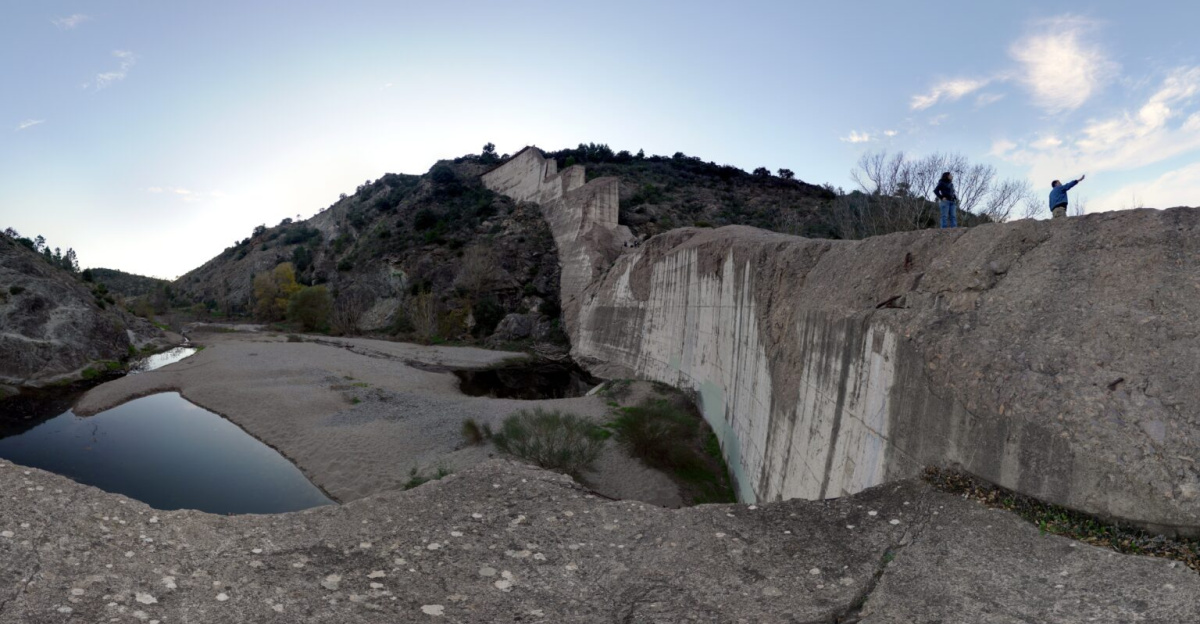
The remains of the Malpasset Dam in France which crumbled on the 2nd of december 1959..
Photo by Esby talk 11 06 1 December 2009 UTC on Wikimedia

Not all dams pose equal risk. More than 16,700 U.S. dams are classified as high-hazard potential, meaning failure would likely cause loss of life and major destruction downstream.

Of those, over 2,500 are also in poor condition and now show signs of subsidence. Millions of Americans live downstream of these structures, often unaware that aging foundations and unseen ground movement could amplify failure risks over time.

Why Subsidence Matters More Than Cracks
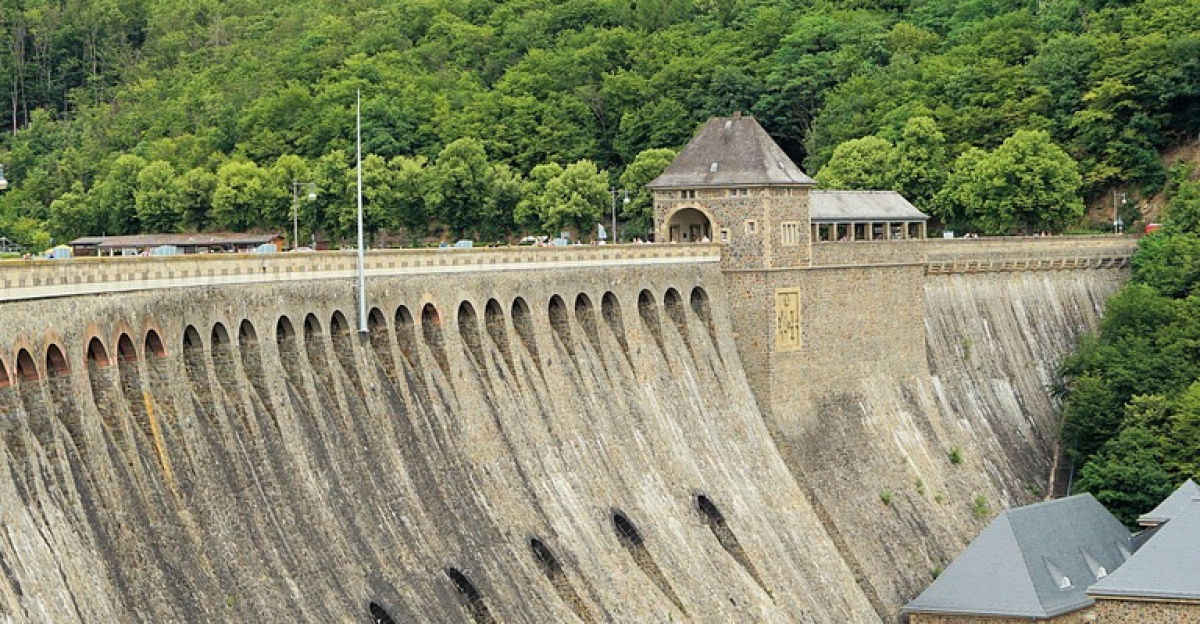
dam, nature, edersee, dam wall, reservoir, lake, eder dam, water, building, hike, hydropower, energy generation, barrier wall, wall
Photo by webandi on Pixabay

Subsidence refers to the gradual sinking or settling of a structure into the ground beneath it. Unlike visible cracks or surface damage, subsidence can progress silently for years.

Even small vertical shifts can change stress patterns within a dam, weaken foundations, and accelerate internal deterioration. Because the movement happens slowly and underground, it often escapes notice until advanced monitoring tools—like satellite radar—bring it into view.

The Roanoke Rapids Warning Sign
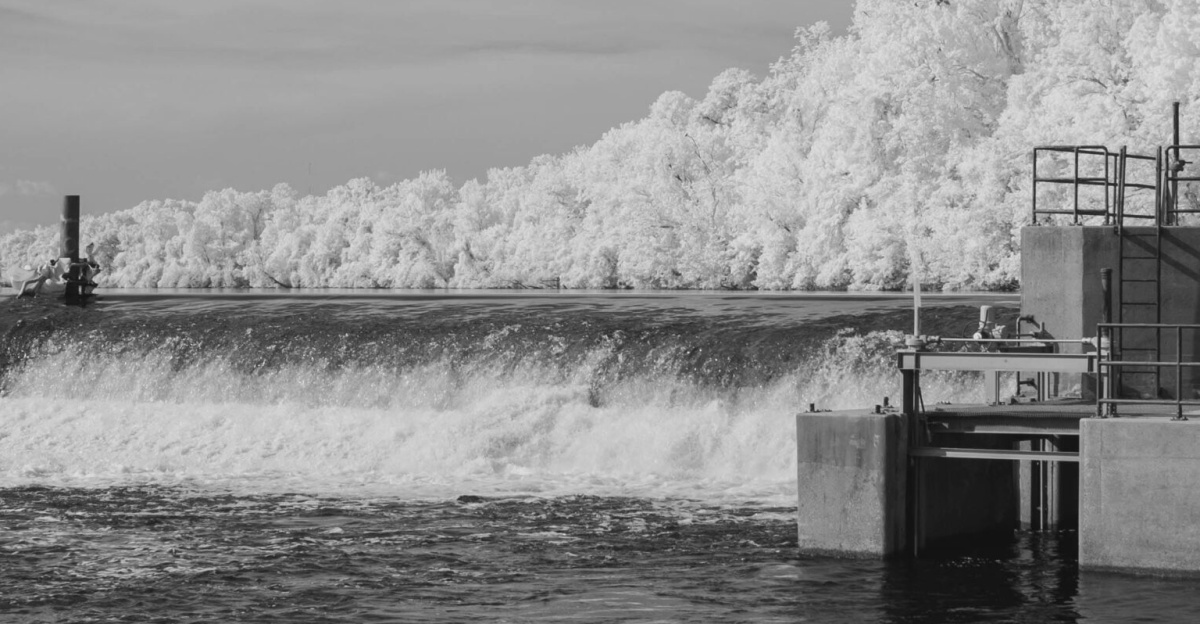
Monochrome infrared photo of a dam over a river in Columbia, South Carolina, showcasing unique infrared aesthetic.
Photo by Jared Brotman on Pexels

One example sits in Roanoke Rapids, North Carolina, where a high-hazard dam protects a town of more than 15,000 residents. Satellite data shows the dam’s northern face is slowly sinking, despite previous assessments suggesting it was stable.

Concrete cracking has been observed, highlighting how subsidence can continue even after a dam is considered secure. The case underscores why assumptions based on past inspections may no longer be sufficient.

Seeing What Inspectors Couldn’t
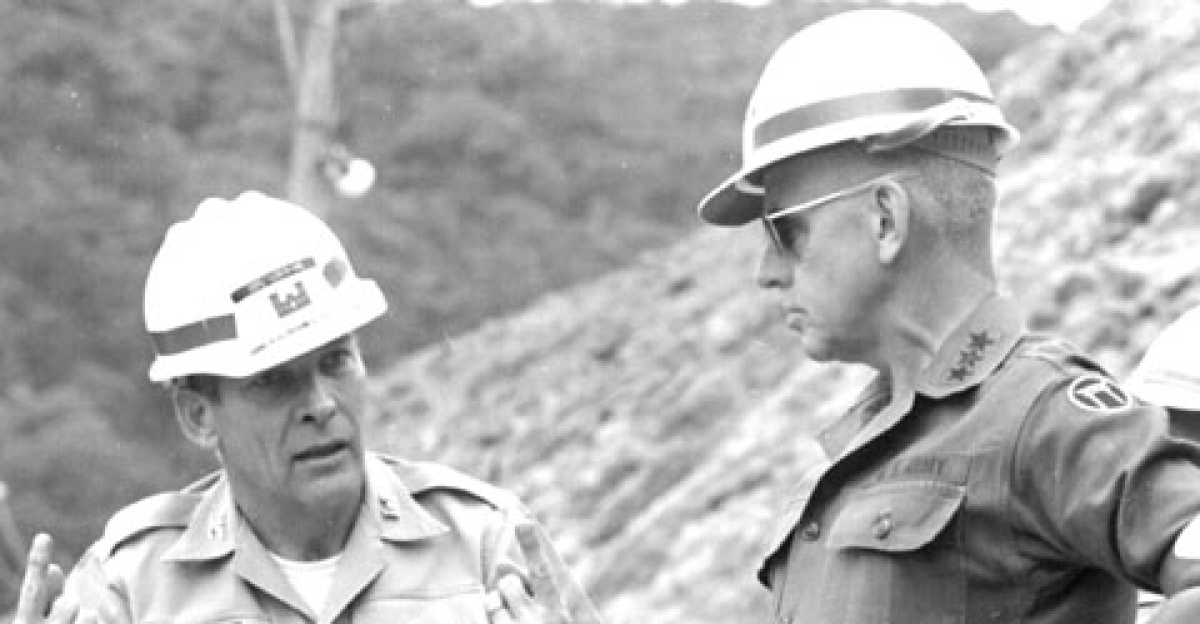
HICOM Inspects Fukuji Dam.
<p>福地ダムを訪れる高等弁務官
撮影地:Okinawa, Higashi Village
撮影日:1970-4-27
福地ダム建設現場を視察するランパート高等弁務官(中央)
沖縄県公文書館 資料コード: 0000112138
</p>
USCAR Collection
Photo by US Military on Wikimedia

For decades, dam inspections relied on ground-based surveys, visual checks, and periodic engineering reviews. These methods are valuable but limited in scale and frequency. Satellite radar changes that equation.

By measuring ground movement across thousands of structures simultaneously, researchers can detect millimeter-level shifts over time. This approach reveals patterns that no single on-site inspection could realistically uncover across a nationwide dam network.

A First-of-Its-Kind Nationwide Analysis
aerial view of concrete building
Photo by Erik Mclean on Unsplash

The recent findings represent the first large-scale use of satellite radar to assess dam subsidence across the entire United States. By analyzing years of data, researchers identified which dams continue to sink long after construction or repair.

This does not mean failure is imminent—but it does mean assumptions of long-term stability need reevaluation. The study introduces a new baseline for understanding dam behavior at national scale.

Subsidence Does Not Equal Immediate Failure
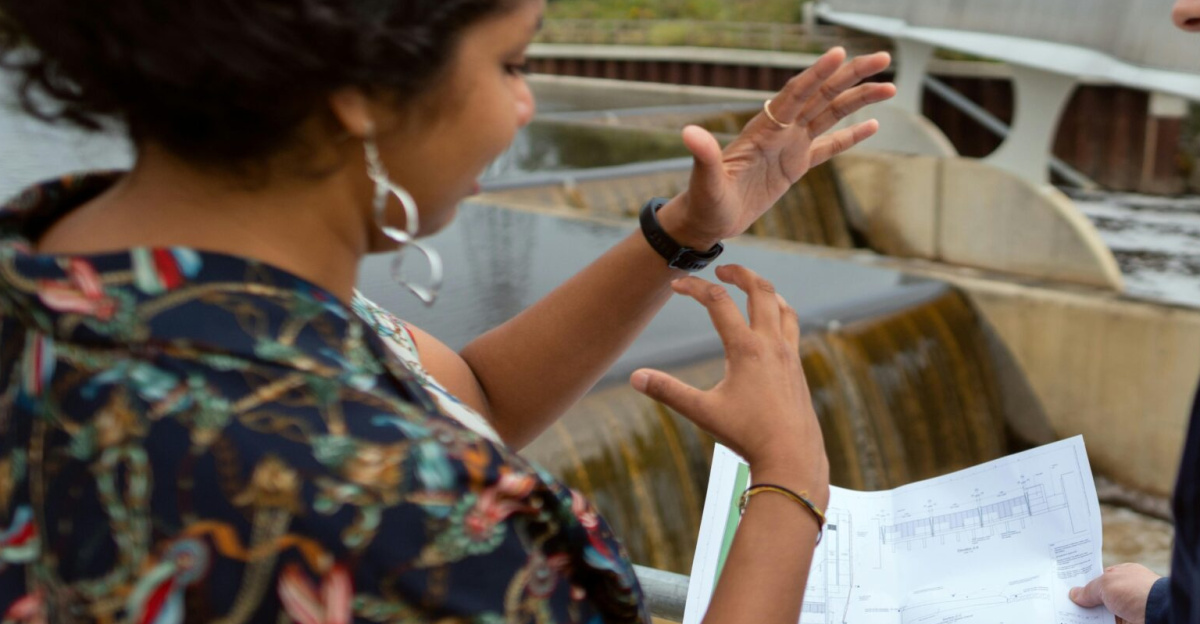
Two engineers discussing plans by a water project site. Collaborative teamwork on hydropower.
Photo by ThisIsEngineering on Pexels

Importantly, the detection of subsidence alone does not predict when—or if—a dam will fail. Engineers still need site-specific studies to assess structural integrity, failure modes, and downstream consequences. The satellite data acts as an early warning system, not a final verdict.

It helps identify where deeper investigation is needed most urgently, especially when resources are limited and thousands of dams compete for attention.

Too Many High-Risk Dams, Too Few Resources
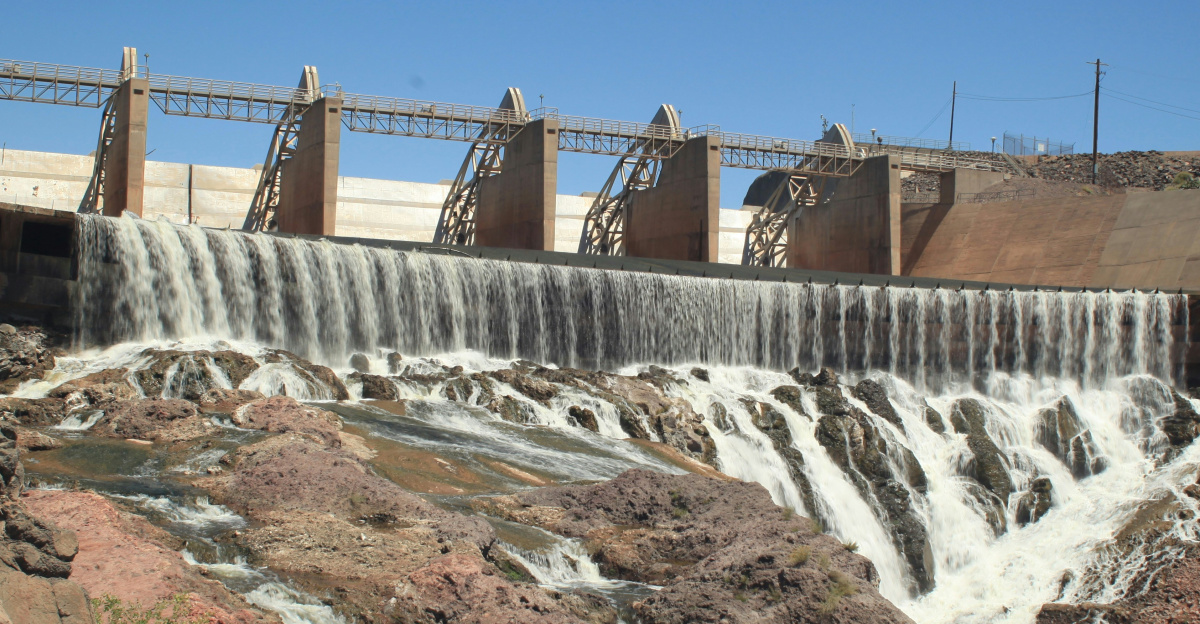
white water dam under blue sky during daytime
Photo by Bradley Singleton on Unsplash

With more than 16,700 high-hazard dams nationwide, maintaining all of them simultaneously is financially unrealistic. That reality forces difficult prioritization decisions.

Satellite-based detection allows officials to focus inspections and repairs on dams showing measurable movement, rather than relying solely on age or visual condition. This targeted approach aims to reduce risk where the combination of hazard, condition, and subsidence is greatest.

The $165 Billion Maintenance Gap

Republicans Are Scheduled To Close The Senate Floor For Nearly A Week Instead Of Negotiating With Democrats To Produce A Bipartisan Bill To Combat The Zika Virus that Can Actually Pass
Photo by Senate Democrats on Wikimedia

Repairing and maintaining non-federal U.S. dams would require an estimated $165 billion. Current federal funding covers only a fraction of that need.

Each year of delayed maintenance increases long-term costs, as small issues compound into larger structural problems. Subsidence adds another layer of urgency, suggesting that time itself is a risk multiplier when aging infrastructure continues to shift underground.

Management Choices Matter More Than Many Realize
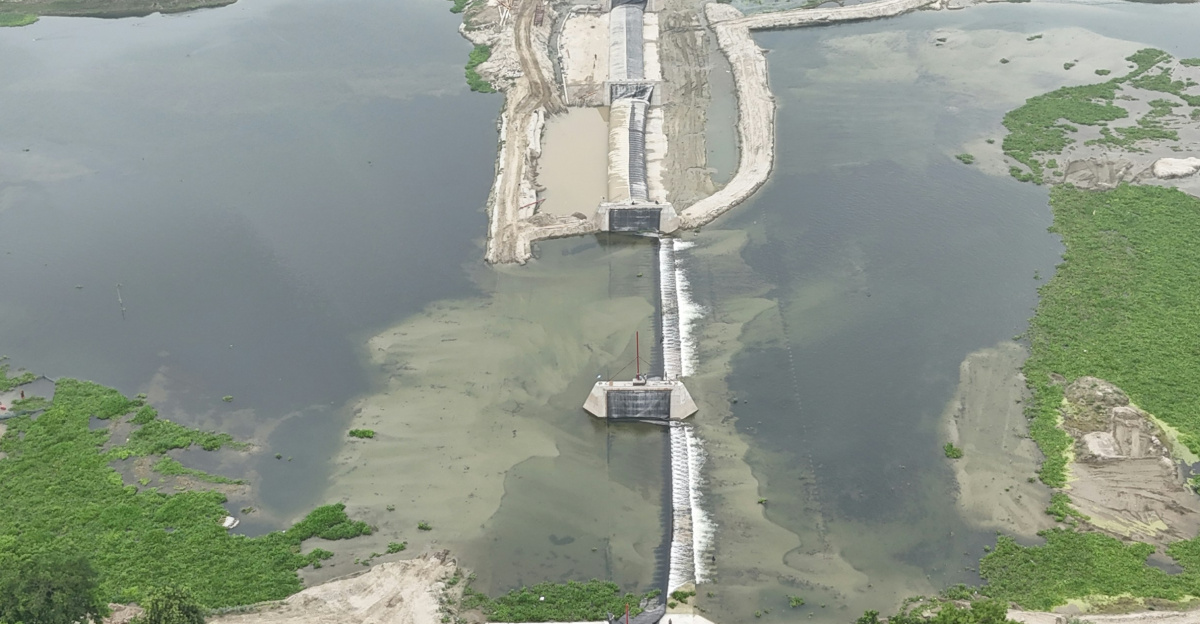
an aerial view of a bridge over a body of water
Photo by Aminul Islam on Unsplash

Research indicates that roughly 40–50% of dam risk stems from management and maintenance decisions rather than unavoidable natural factors. That means a significant portion of danger is controllable.

Regular upkeep, timely repairs, and informed monitoring can dramatically reduce failure risk. Subsidence detection helps identify where management interventions could be most effective, transforming data into actionable prevention rather than reactive crisis response.

Why Aging Dams Are Especially Vulnerable
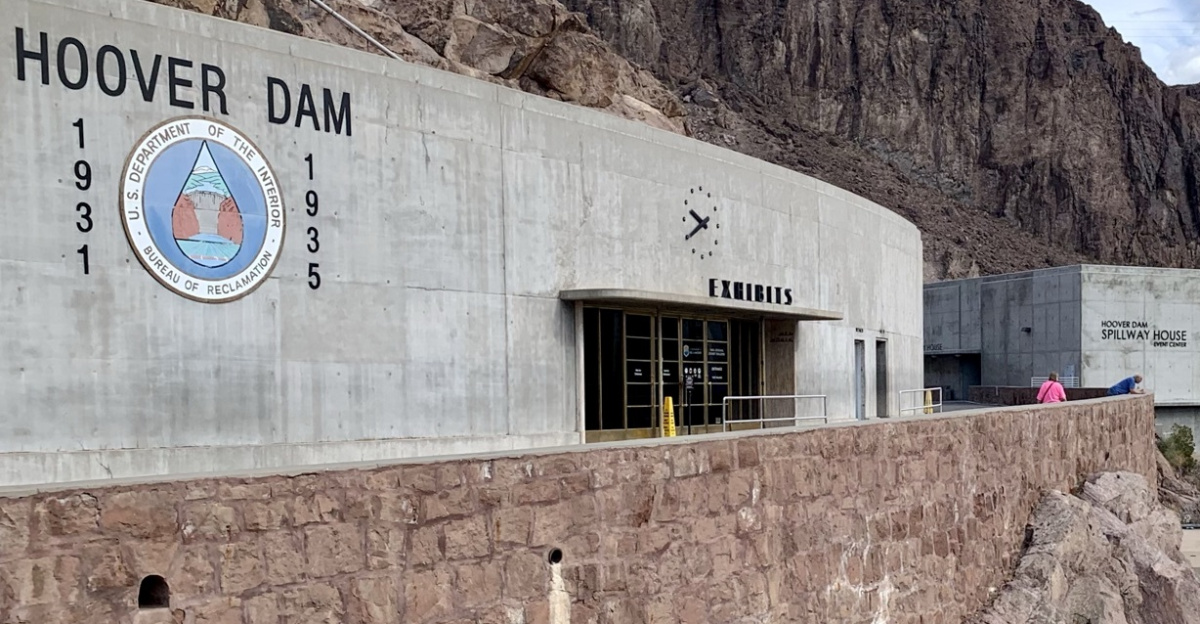
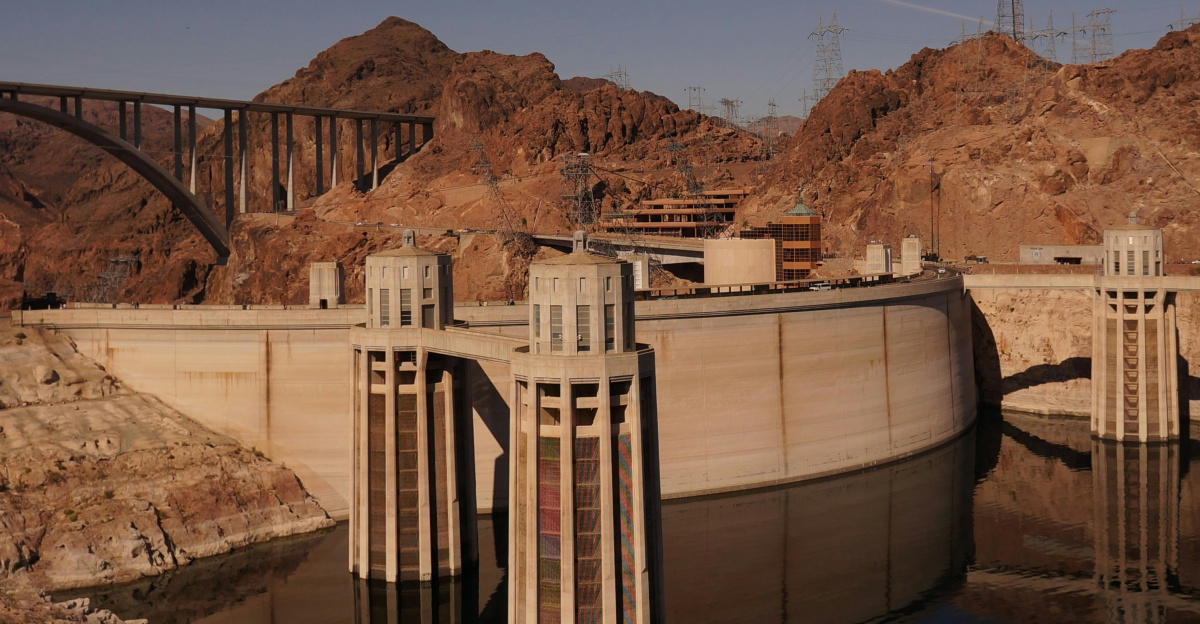
Old exhibit building at <a href="https://en.wikipedia.org/wiki/Hoover_Dam" class="extiw" title="en:Hoover Dam">Hoover Dam</a>
Photo by APK on Wikimedia

Most U.S. dams were designed for service lives of 50 to 70 years. Many are now operating at—or beyond—that window. Over time, materials degrade, foundations settle, and internal drainage systems weaken.

When combined with decades of deferred maintenance, even slow subsidence can accelerate structural stress. Aging alone doesn’t doom a dam, but aging without investment steadily raises the odds of serious problems.

What Causes Dams to Sink
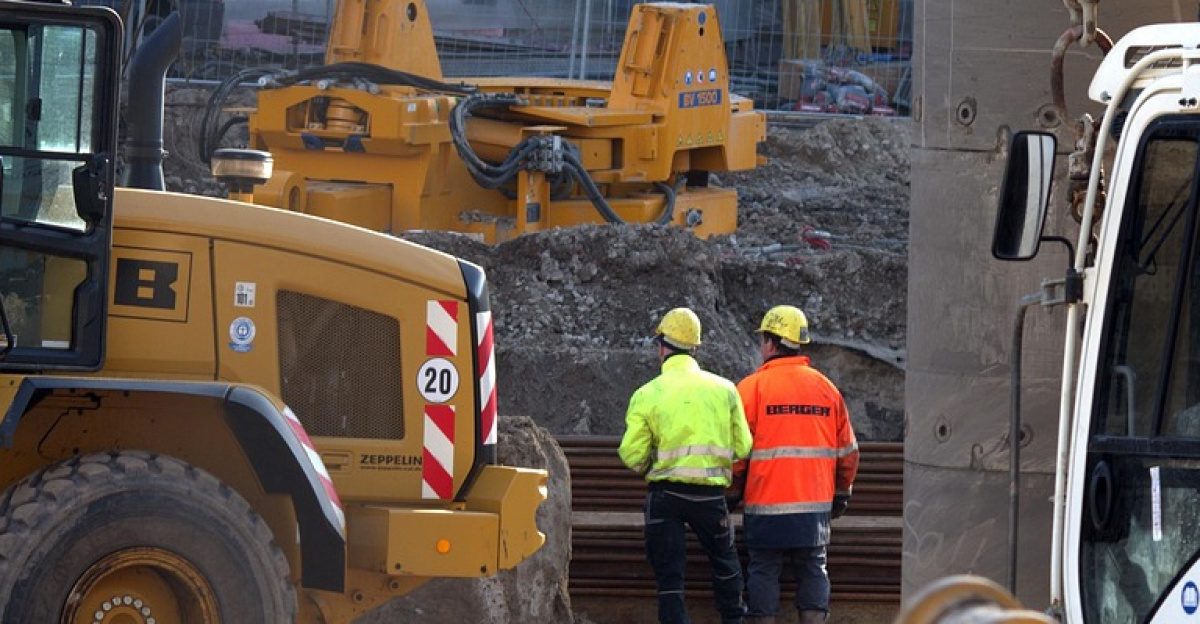
construction site, engineer, construction machinery, construction worker, helmet, construction manager, construction manager, construction manager, construction manager, construction manager, construction manager
Photo by 11066063 on Pixabay

Subsidence can result from several mechanisms, including soil consolidation beneath foundations, internal erosion caused by seepage, and gradual deterioration of construction materials. Each dam behaves differently depending on geology, design, and maintenance history.

Identifying subsidence is only the first step; engineers must still determine the specific cause at each site to choose the correct repair strategy and prevent further degradation.

A Fragmented System of Responsibility
white and brown concrete bridge under blue sky during daytime
Photo by Andrey Bond on Unsplash

U.S. dams are managed by a patchwork of federal agencies, utilities, municipalities, and private owners. While federal dams often have stronger funding support, most of the $165 billion repair need lies with non-federal structures.

Smaller operators frequently lack the resources for advanced monitoring or major repairs. This fragmented responsibility makes coordinated national infrastructure planning especially difficult.

Millions Live Downstream of These Structures
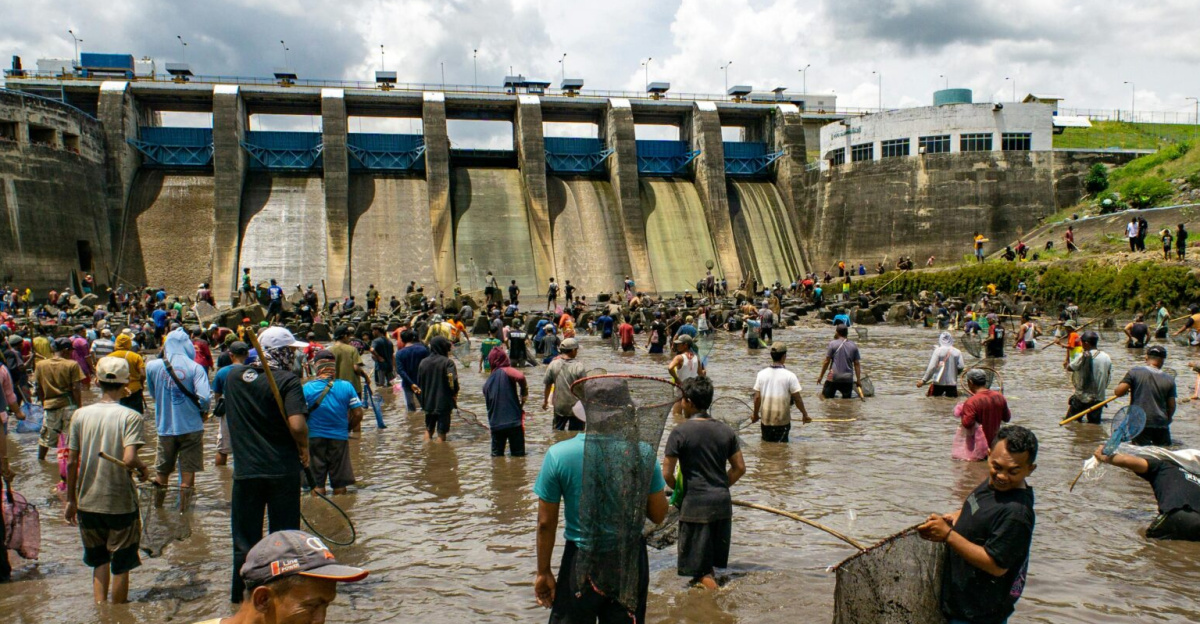
communities relying on dams
Photo by Usman Hadi Wijaya on Pexels

High-hazard dams are defined not by how likely they are to fail, but by what would happen if they did. Millions of Americans live downstream of such dams, relying on them for safety, drinking water, power generation, and flood control.

Subsidence adds uncertainty to systems that communities often assume are stable, reinforcing why upstream infrastructure conditions directly shape downstream human risk.

Infrastructure Risk Grows Quietly
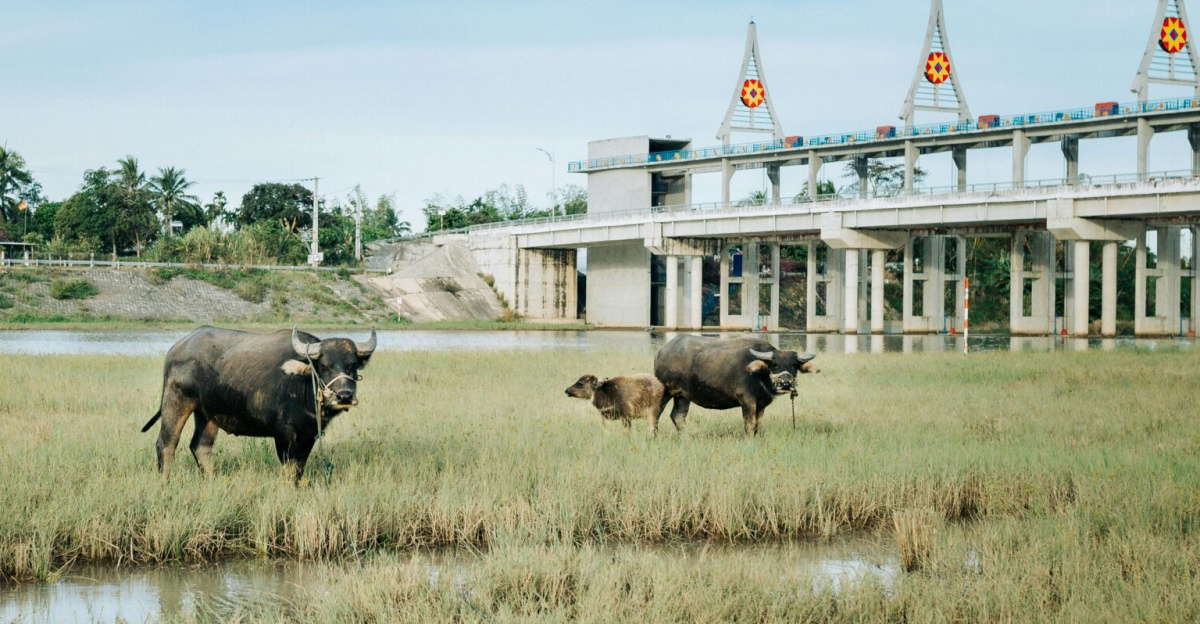
burst dam
Photo by Thái Trường Giang on Pexels

Unlike storms or earthquakes, dam deterioration rarely announces itself dramatically—until it’s too late. Subsidence progresses slowly, often measured in centimeters over years.

That quiet pace can breed complacency, even as structural margins shrink. Satellite monitoring disrupts that silence by making invisible change measurable, allowing risk to be tracked before it reaches a tipping point.

Turning Data Into Public Awareness
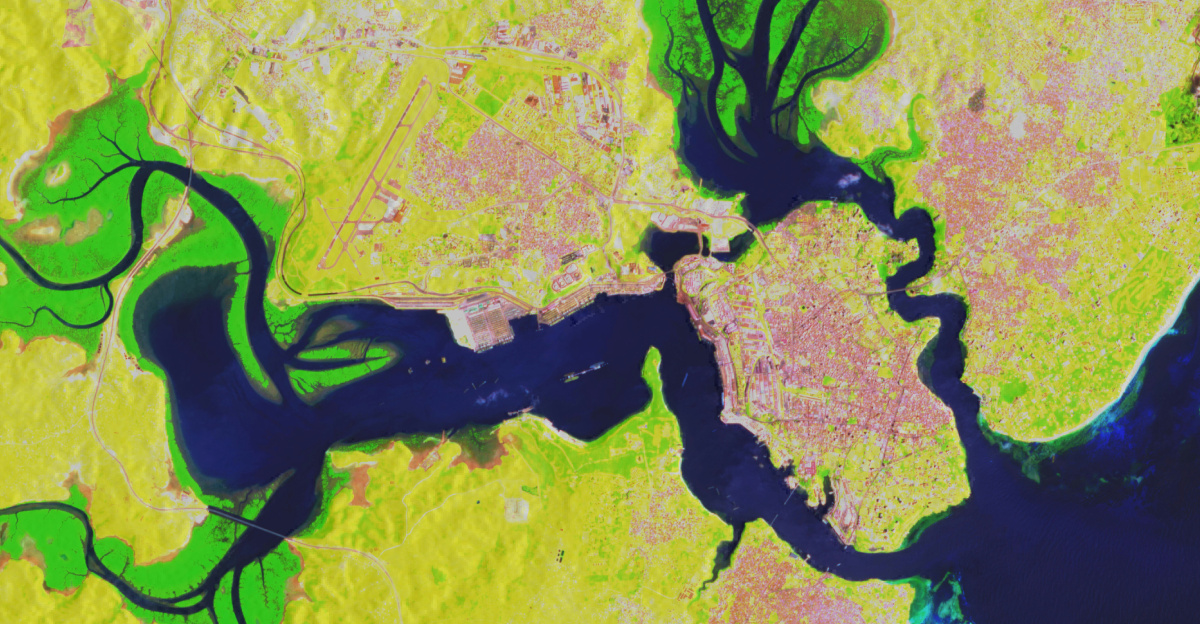
Satellite image of a river delta and coastline.
Photo by Kennedy Kiio on Unsplash

Researchers plan to release interactive maps showing dam subsidence trends, making the information accessible to policymakers and the public. Transparency allows downstream communities to engage in emergency planning, land-use decisions, and local preparedness.

When residents understand the condition of nearby infrastructure, risk management becomes a shared responsibility rather than a distant technical concern.

Prevention Costs Less Than Failure
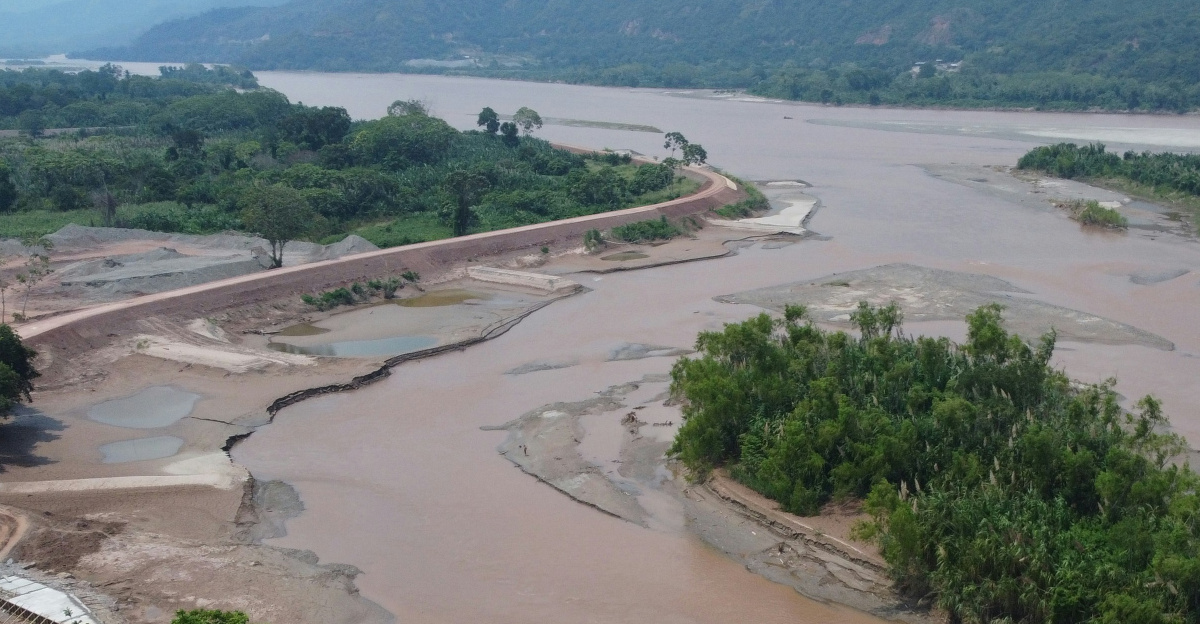
an aerial view of a river and a bridge
Photo by Larry Garcia Pezo on Unsplash

The financial cost of dam failure extends far beyond repairs. Loss of life, property destruction, economic disruption, and long-term recovery can dwarf the price of preventive maintenance.

Investing early—guided by data—offers far greater return than rebuilding after catastrophe. Subsidence detection strengthens the economic case for proactive infrastructure spending by highlighting where intervention is most urgently needed.

A Model With Global Implications
radar, radar station, sky, radio, satellite, broadcast, antenna, technology, communication, transmission, tower, nature, send, air control, locator, hill, blue radio

Photo by zatu222 on Pixabay

While this analysis focuses on the United States, aging dams are a global challenge. Many countries rely on infrastructure built decades ago with limited monitoring capacity.

Satellite radar offers a scalable solution that could be applied worldwide, providing early warning for structures previously monitored only through intermittent inspections. What begins as a U.S. study could reshape global infrastructure oversight.

From Discovery to Decision
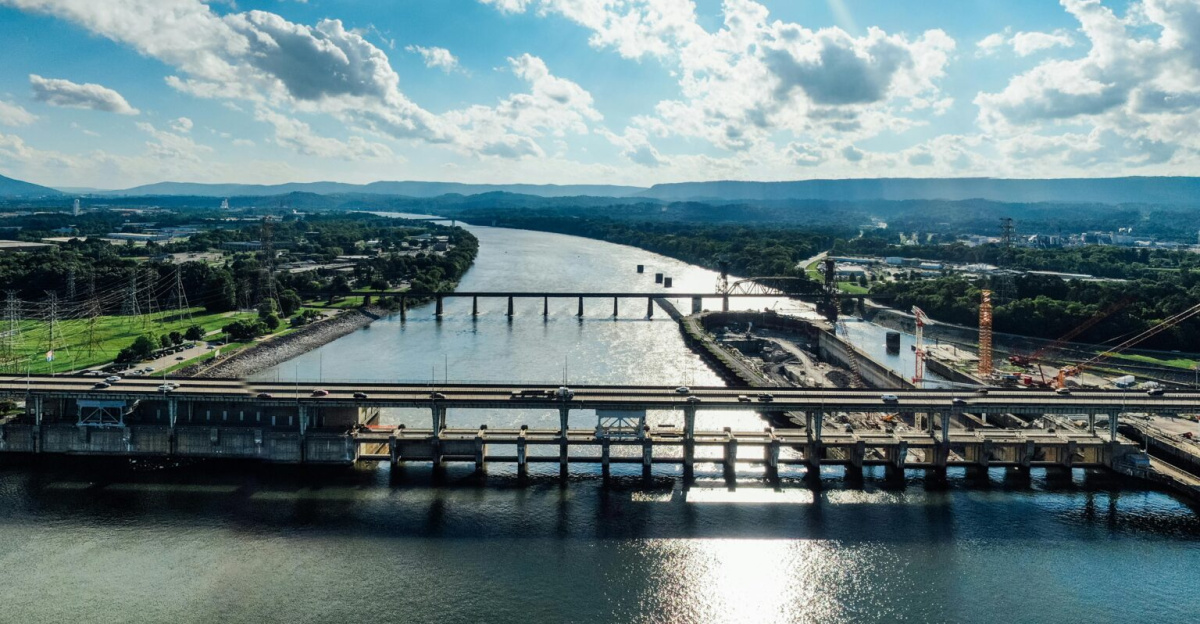
Scenic aerial shot of a bridge and dam on a sunny day in Chattanooga, Tennessee.
Photo by Kelly on Pexels

Satellite radar has revealed a critical truth: thousands of high-hazard U.S. dams are still moving underground. The challenge now is turning detection into action—through engineering assessments, targeted investment, and sustained monitoring.

With nearly half of dam risk tied to controllable management decisions, the path forward is clear. Preventing disaster depends less on discovering the problem—and more on choosing to act before it escalates.

Sources:
“Exposing the most dangerous dams in the US.” American Geophysical Union (AGU) Press Release, 16 Dec 2025.
“The Cost of Rehabilitating Dams in the U.S.: A Methodology and Estimate.” Association of State Dam Safety Officials (ASDSO), Mar 2025.
“2025 Report Card for America’s Infrastructure.” American Society of Civil Engineers (ASCE), 25 Mar 2025.
“2,500 ‘high-risk’ U.S. dams are sinking into the ground.” Popular Science, 16 Dec 2025.