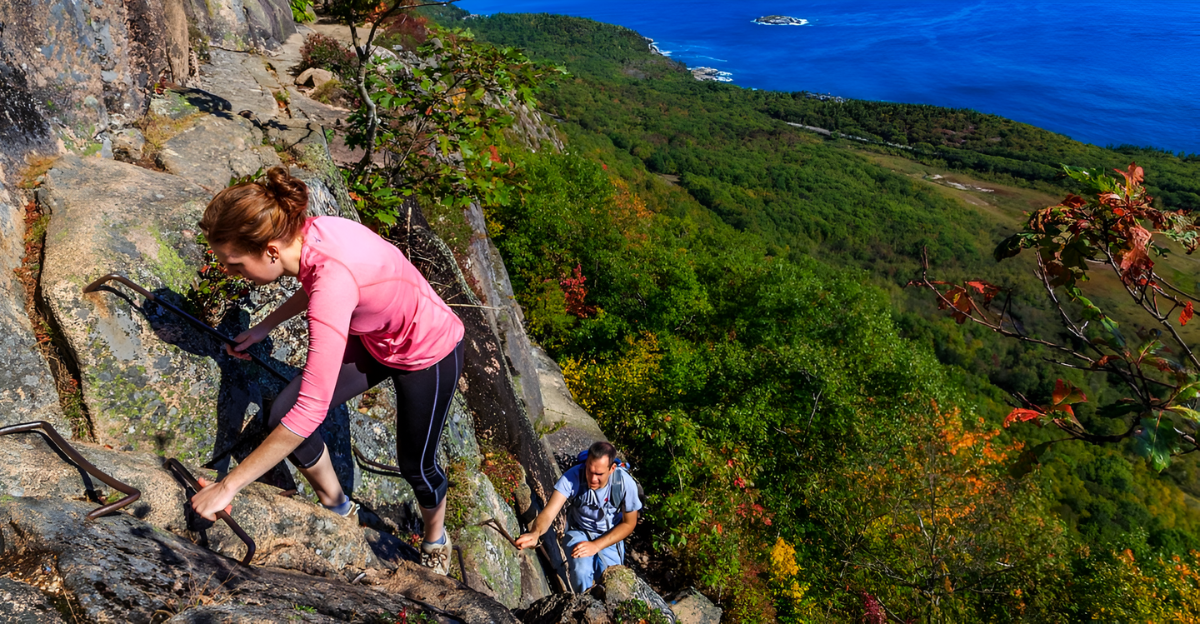
Every year, millions of people explore the majestic landscapes of America’s national parks, captivated by their beauty and vast wilderness. Yet many visitors underestimate the hazards lurking beyond scenic vistas and hiking trails, resulting in hundreds of fatalities nationwide each year.
While some parks are famous for their awe-inspiring canyons or tranquil rivers, the risks posed by isolated terrain, extreme weather, and unpredictable conditions can turn a routine adventure into a tragedy.
19. Grand Canyon National Park
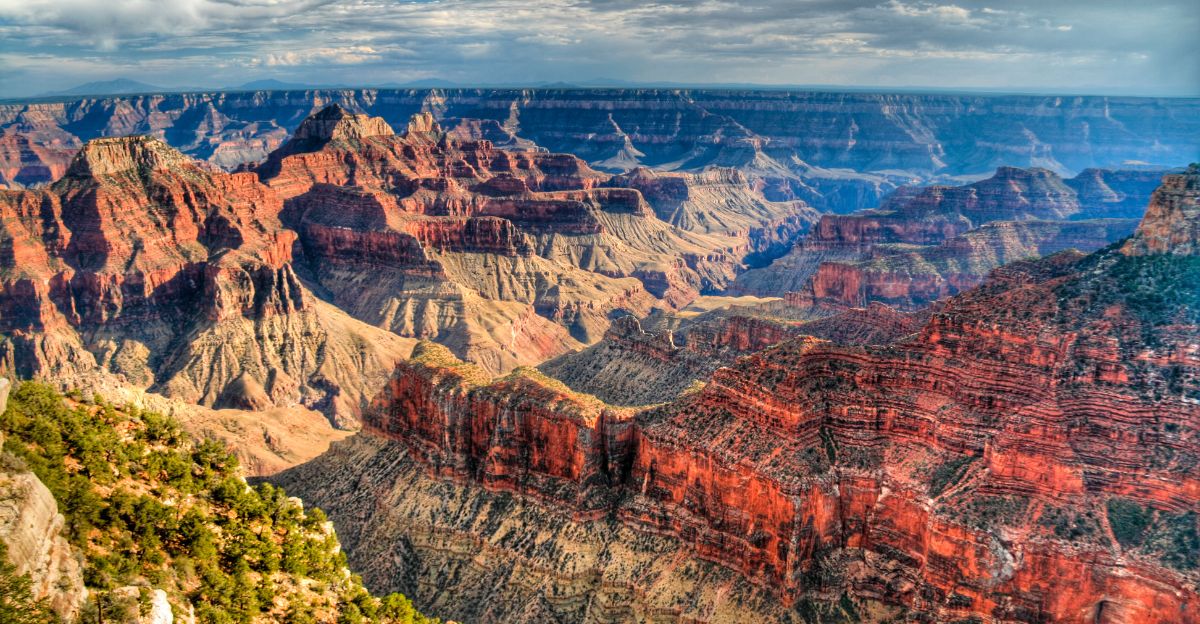
Grand Canyon National Park, with 24 deaths per 10 million visitors, is notorious for deadly falls and heat stress. Tourists frequently underestimate trail length, temperature, and dehydration risks. One analysis found,
“Steep cliffs and challenging hiking trails make falls the primary cause of fatalities”.
18. Glen Canyon National Recreation Area
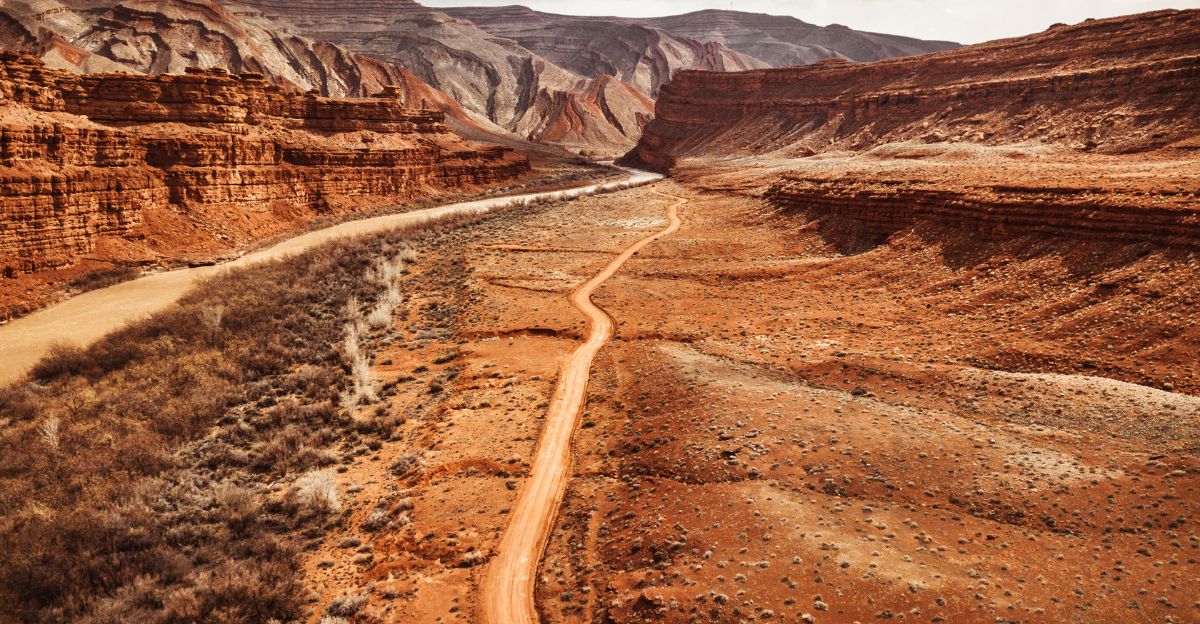
Glen Canyon reports 25 deaths per 10 million, most often by drowning. Reservoirs and rivers pose hidden hazards, including cold water shock and sudden storms.
The area’s remoteness frequently delays rescue efforts.
17. Lake Mead National Recreation Area
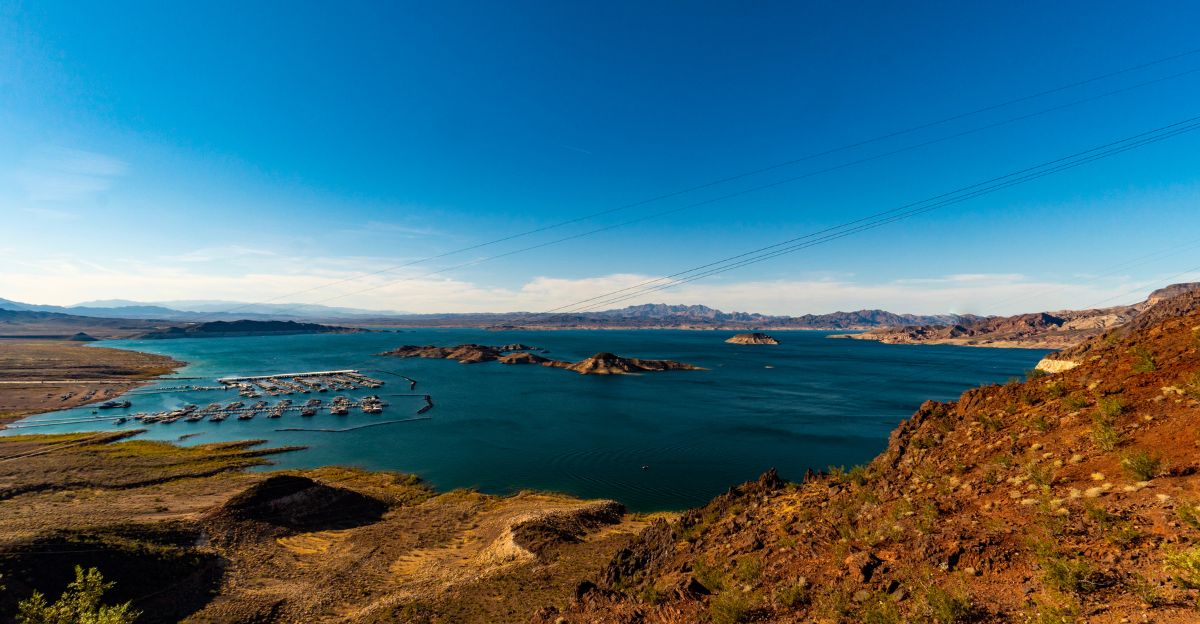
Lake Mead National Recreation Area leads in drowning deaths, not just totals, with a rate of 26 deaths per 10 million visits. Water activities in unpredictable conditions, poor lifejacket use, and sudden weather changes frequently turn deadly.
“Lake Mead had over twice as many drowning deaths as the next highest park,” according to recent studies.
16. Yosemite National Park
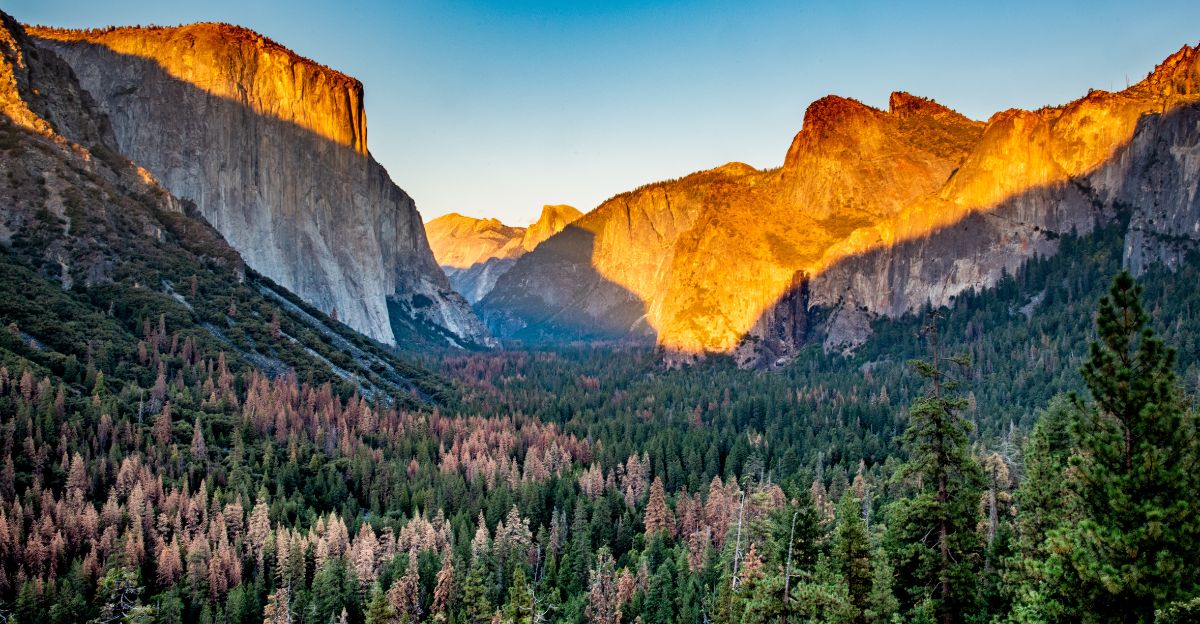
Yosemite National Park is renowned for both beauty and risk, with 27 deaths per 10 million visits and an average of 11 deaths per year. Most fatalities are from falls off granite cliffs at popular climbing sites like El Capitan.
A safety review confirmed, “Yosemite’s popularity, attracting millions, only increases the tragic incident rate.”
15. Channel Islands National Park
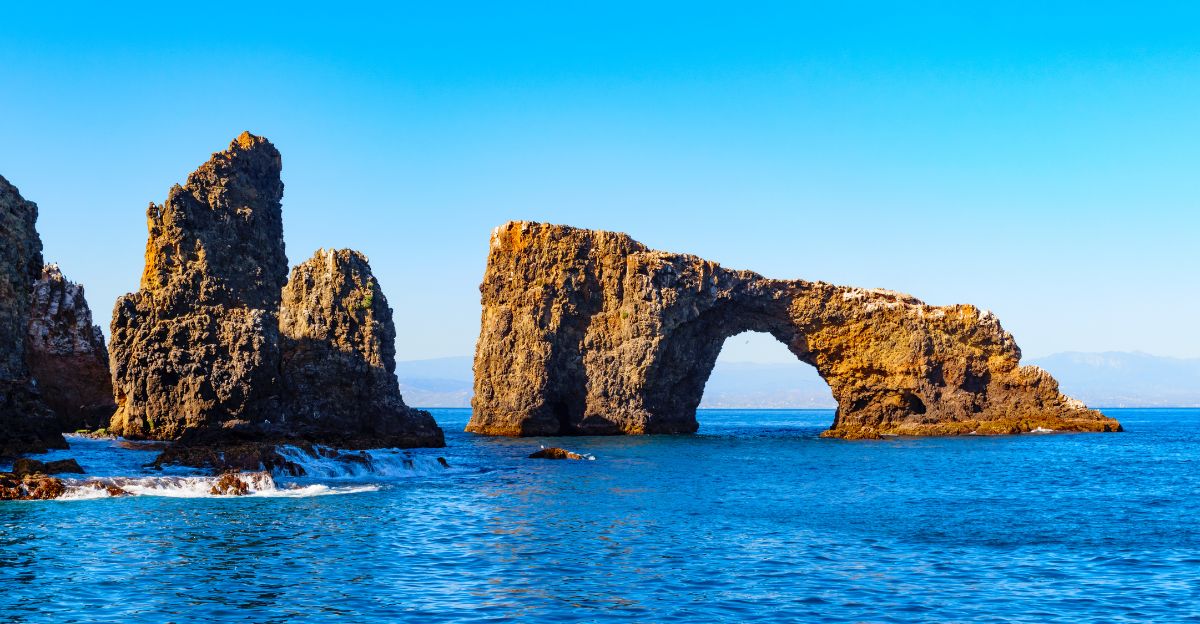
Channel Islands National Park records 28 deaths per 10 million visits, generally through drowning and boating accidents. The isolated location hampers rescue efforts, and unpredictable surf claims unwary visitors.
“Sudden weather and strong currents make even prepared boaters vulnerable,” say rangers.
14. Canyonlands National Park
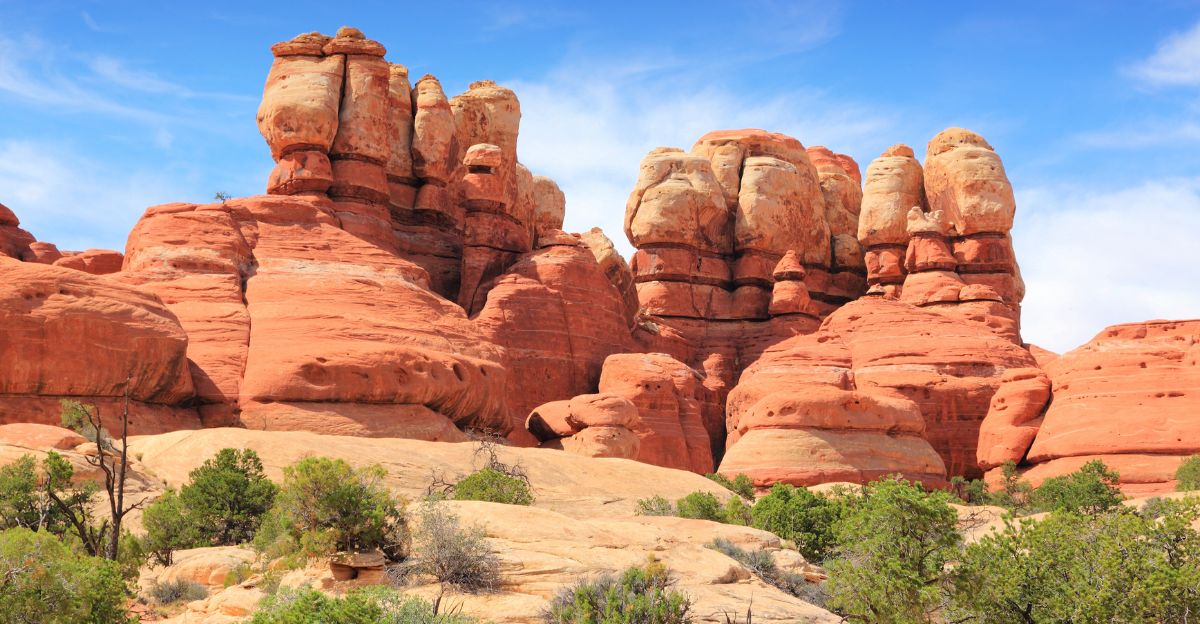
Canyonlands National Park in Utah experiences 28 deaths per 10 million visits, mostly from falls and heat illness. Steep drops and dry conditions contribute to fatal incidents.
Medical professionals stress, “Visitors underestimate the risk of dehydration and collapse in Canyonlands’ remote sections”.
13. Sequoia & Kings Canyon National Parks
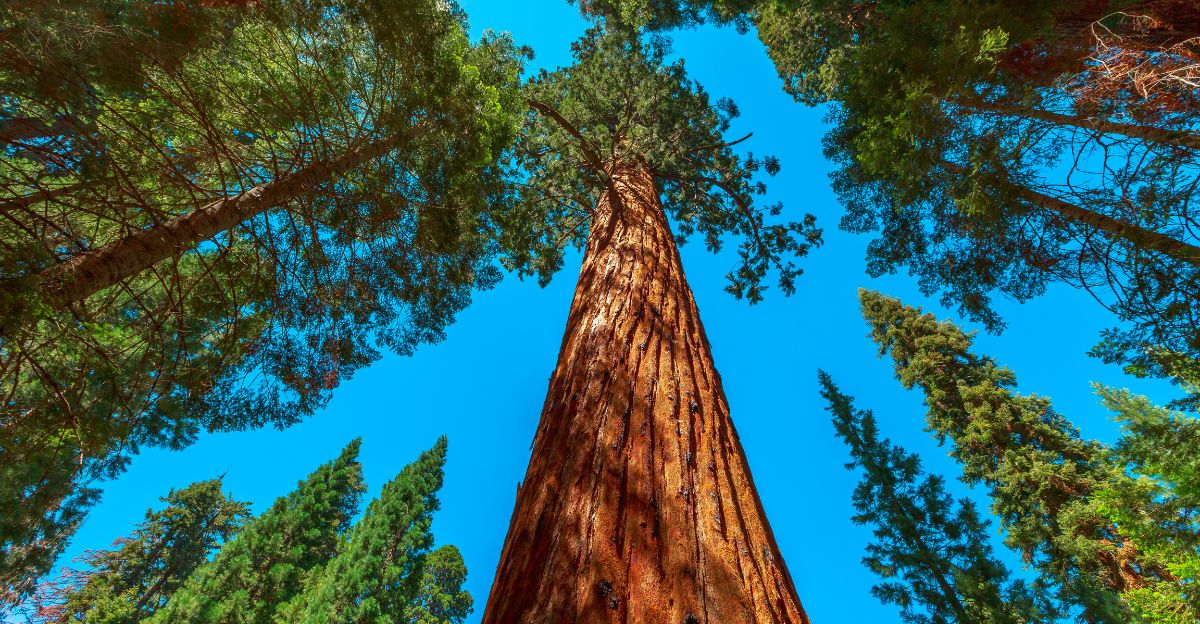
Sequoia & Kings Canyon National Parks in California encounter 30 deaths per 10 million, often due to falls and cardiac events during strenuous hikes. Altitude and snow can amplify health risks.
Seasonal reports described, “Winter in Sequoia & Kings Canyon led to dramatically increased park dangers and the highest fatality rates in California’s parks”.
12. Death Valley National Park
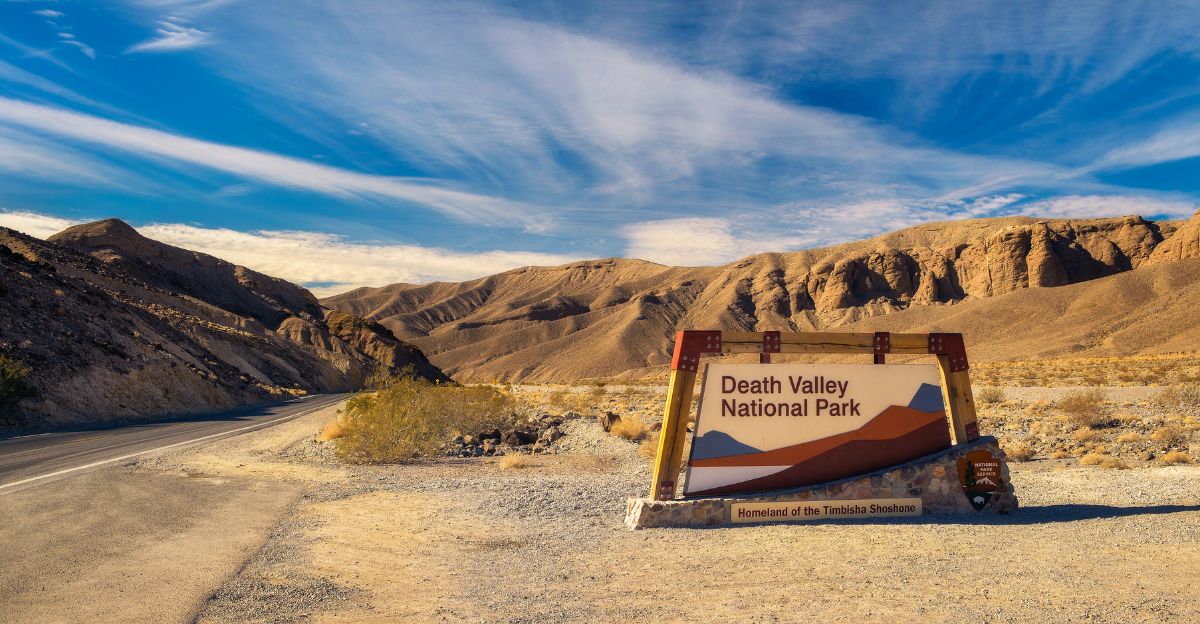
Death Valley National Park is infamous for its environment, with 33 deaths per 10 million visits. The hottest location in North America, it routinely tops 120°F, leading to fatal heatstroke and dehydration. Medical response is slowed by vast distances.
A 2024 incident report noted, “A sudden medical emergency can turn a routine hike tragic.”
11. Mount Rainier National Park
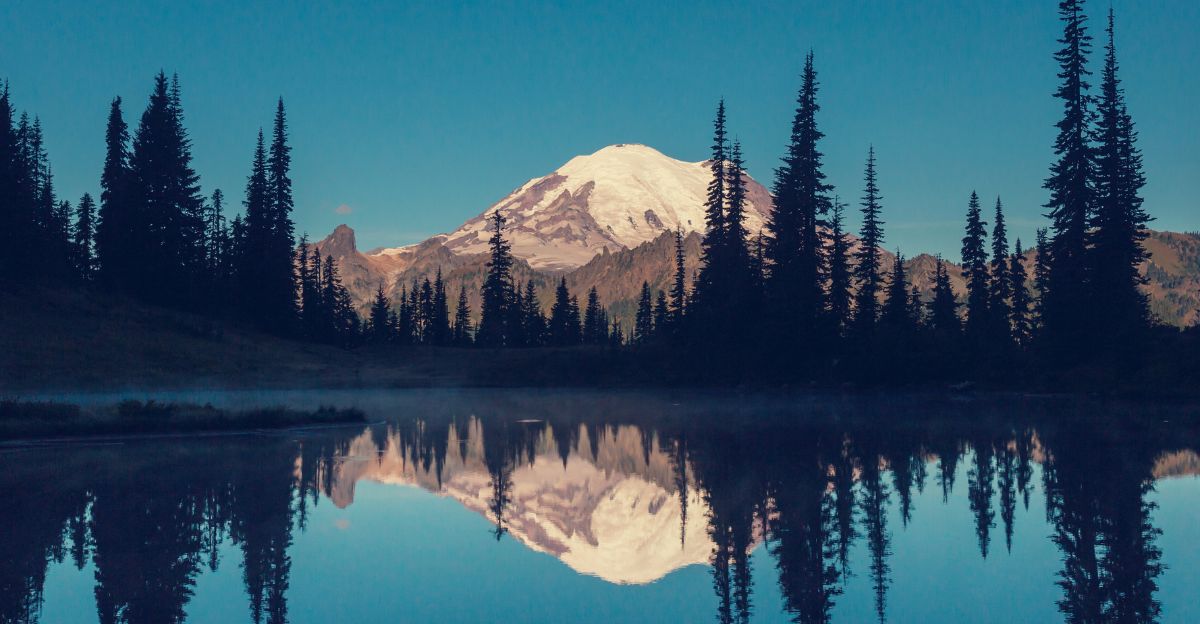
Mount Rainier National Park in Washington posts 34 deaths per 10 million visits, much of it related to climbing mishaps. The park’s glaciers and volcanic terrain can change the weather in minutes, trapping even seasoned climbers.
Park rangers report, “Climbing mishaps on Mount Rainier are frequent due to changing glacial conditions and unpredictable weather”.
10. Little River Canyon National Preserve
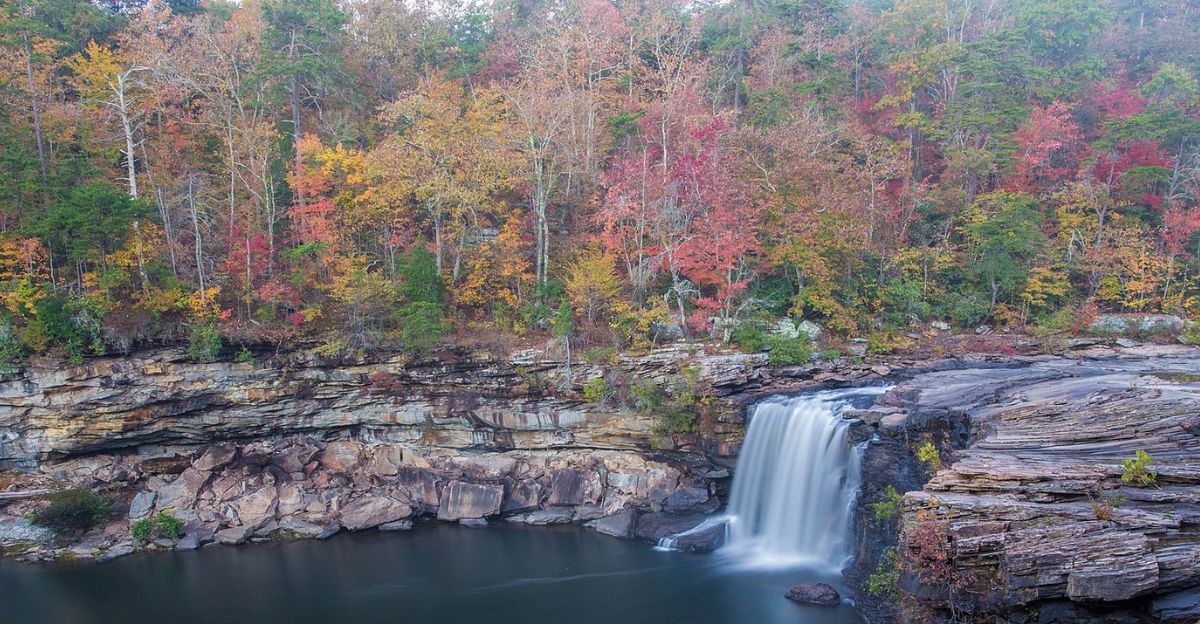
Little River Canyon National Preserve in Alabama reports 36 deaths per 10 million visits, often from falls at popular cliff-jumping spots or swift currents. Search and rescue teams highlight the need for caution near water features that rapidly change characteristics due to rainstorms.
9. Redwood National and State Parks
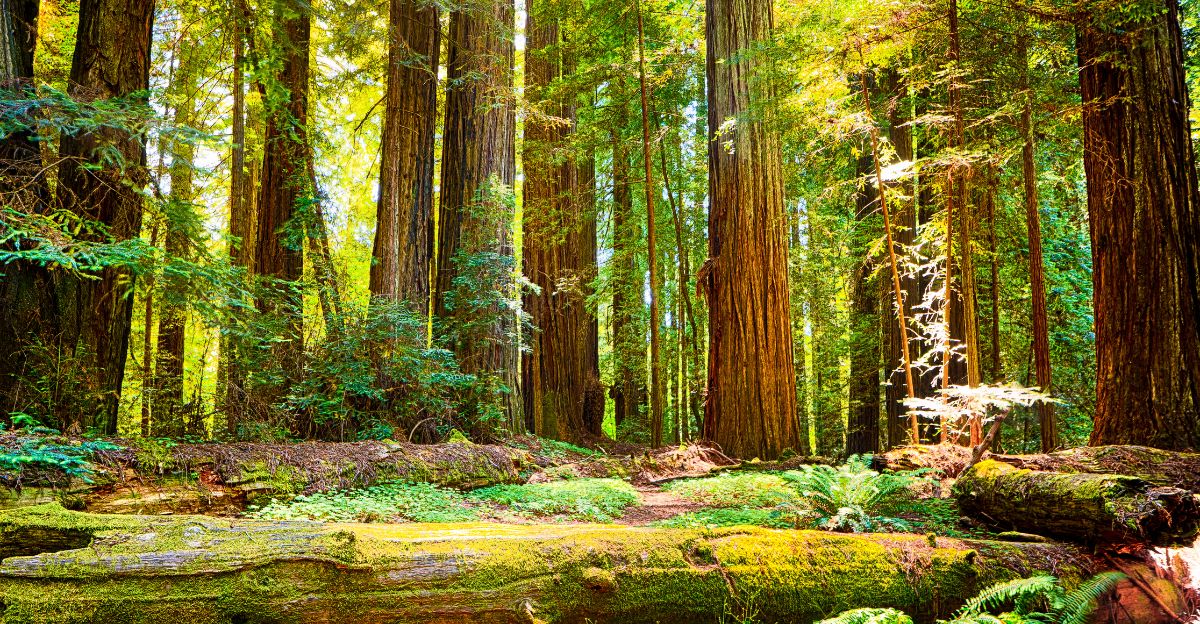
While famed for towering trees, Redwood National and State Parks have a high per-capita death rate at 38 deaths per 10 million visits. Visitors who wander off established trails risk falls, encounters with wildlife, and rapid onset hypothermia from coastal fog.
Experts warn, “The North Coast’s unpredictable climate and isolated trails catch visitors off guard.”
8. Colorado National Monument
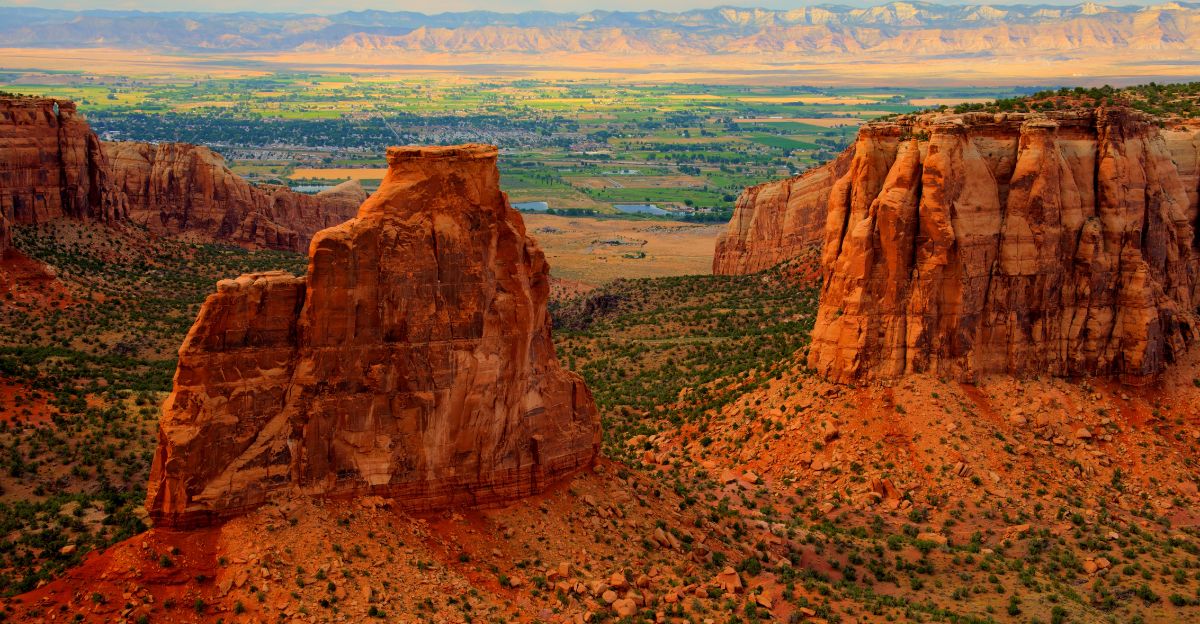
Colorado National Monument endures 41 deaths per 10 million visits, largely due to falls from cliffs and sudden weather changes. Its steep sandstone walls lure climbers and hikers, but loose rock and sheer drop-offs are common causes of fatal accidents. Rescue access is limited, and heat-related events occur frequently.
7. Big Bend National Park
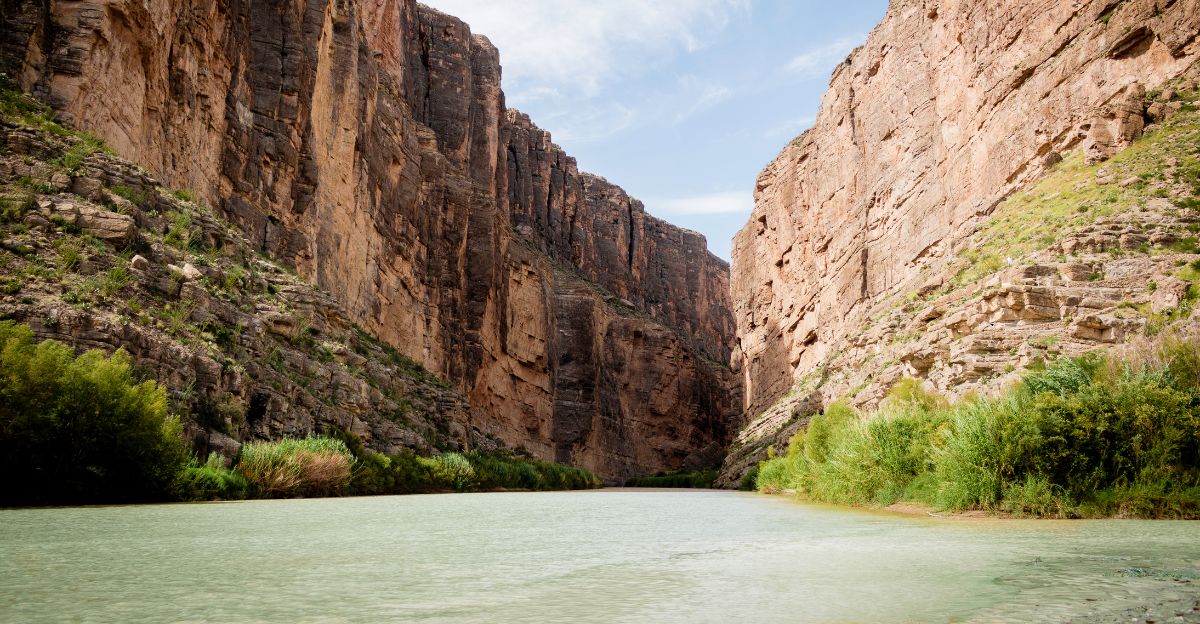
Big Bend National Park in Texas leads the country in canyon fatalities, totaling 43 deaths per 10 million visitors. Harsh desert heat and isolated canyons combine with medical events, dehydration, and precipitous falls to endanger even prepared adventurers.
According to medical experts, “‘Harsh desert conditions’ and isolated canyon landscapes add extra challenges for visitors”.
6. New River Gorge National River
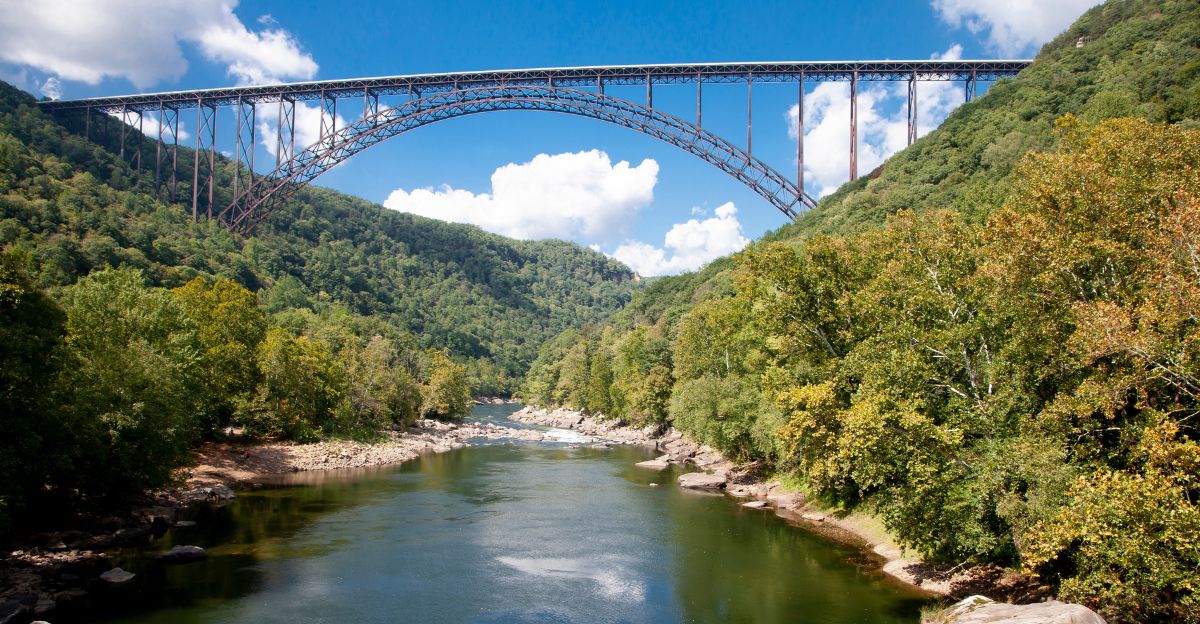
New River Gorge National River, especially its bridges, has a uniquely high suicide rate and overall fatalities at 45 deaths per 10 million visits. The famous New River Gorge Bridge, at 876 feet, lacks substantial barriers, contributing to over 50 suicides since 2007.
As per recent analysis, “These bridges have become locally known as ‘suicide bridges’—an unfortunately common site for suicides”.
5. Big Thicket National Preserve
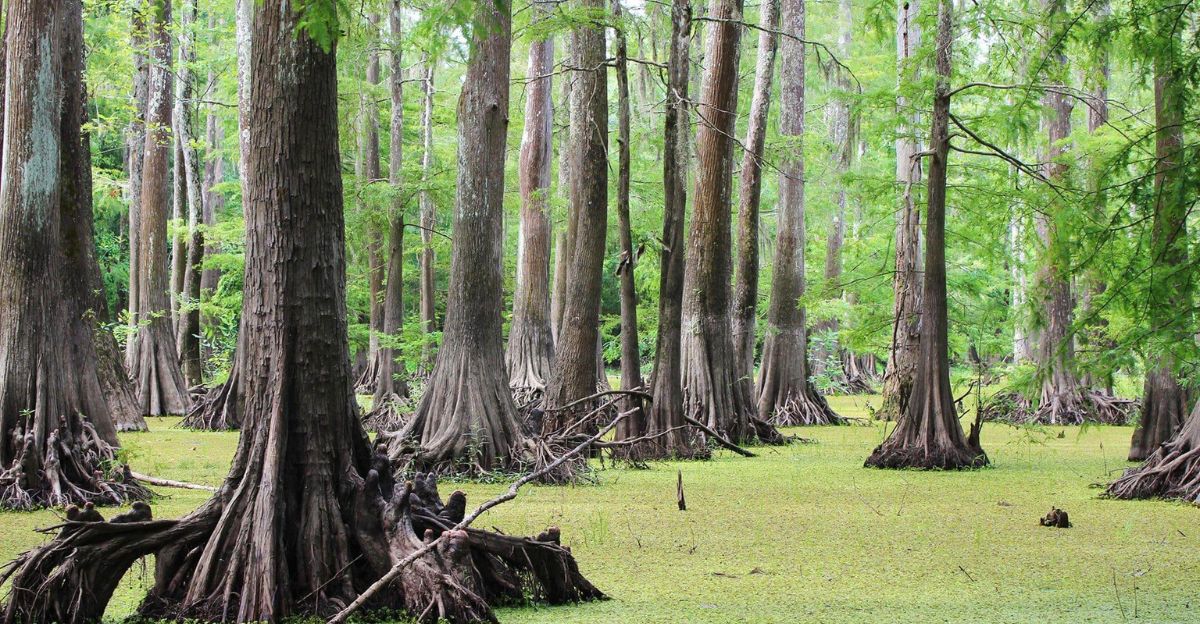
Big Thicket National Preserve in Texas has tallied 46 deaths per 10 million visits. The thick forest can quickly disorient hikers, while extreme weather, venomous snakes, and remote trails increase the risk of fatal accidents and medical emergencies.
Rangers note, “This preserve’s dense vegetation and persistent flooding can render even experienced hikers lost and vulnerable”.
4. Virgin Islands National Park
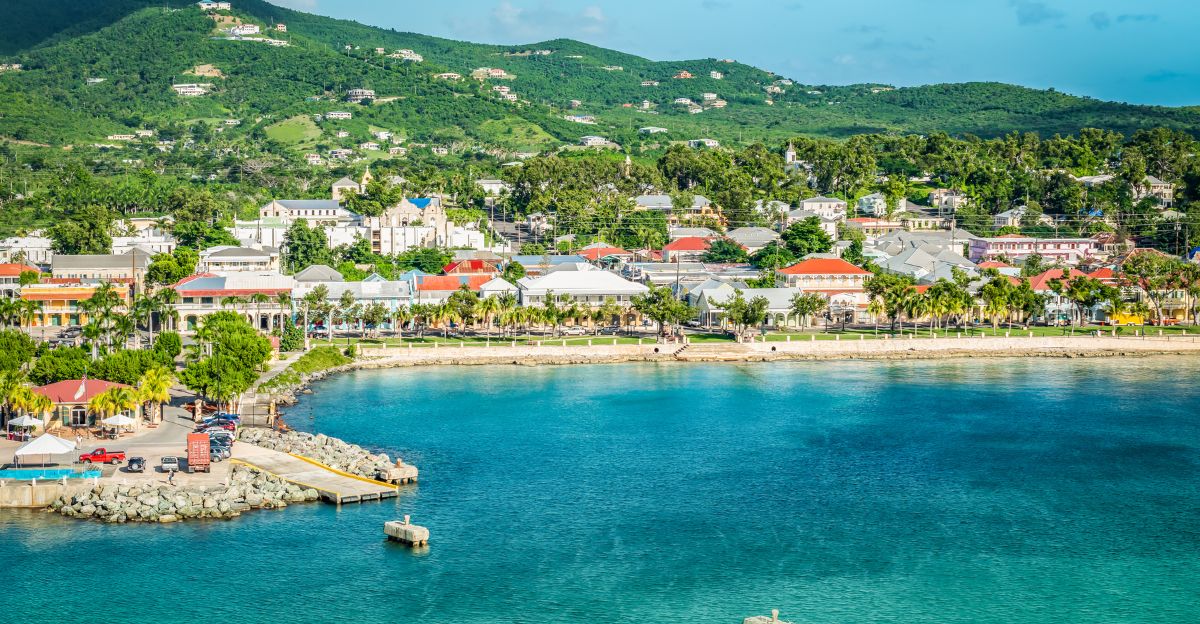
Virgin Islands National Park ranks high in per-visit fatality risk at 61 deaths per 10 million. The tropical beauty draws swimmers and snorkelers, but hazardous tides, sudden storms, and deceptively strong currents have led to numerous drownings.
Health officials warn, “Summer drownings in the Virgin Islands highlight how seasonal changes can dramatically alter park dangers”.
3. Upper Delaware Scenic & Recreational River
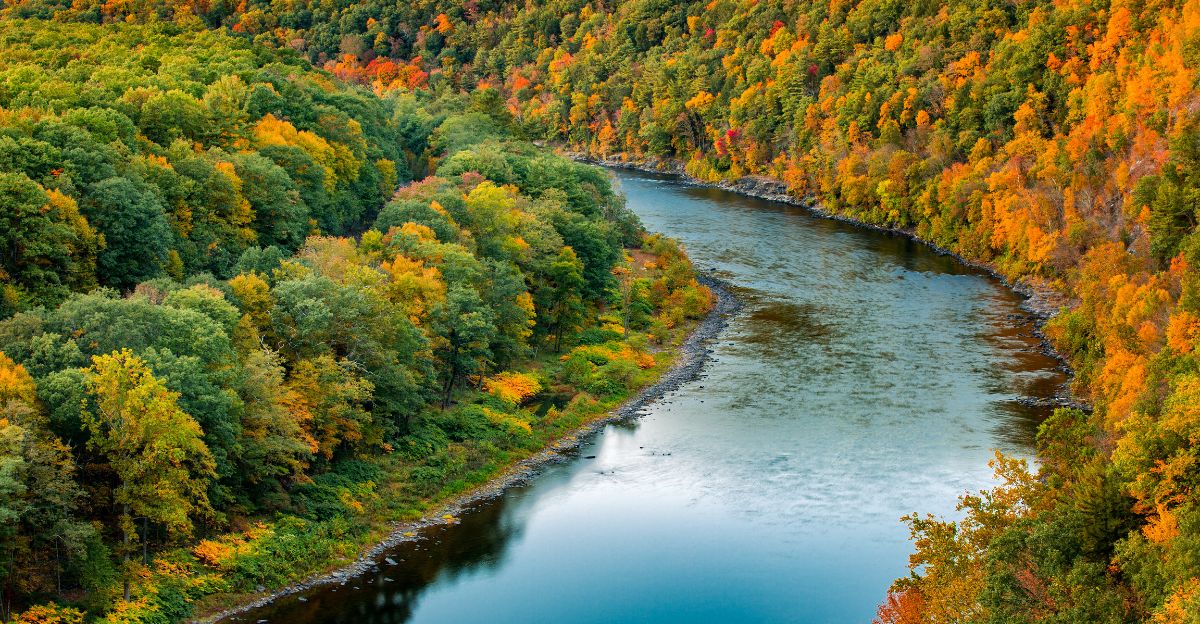
Upper Delaware Scenic & Recreational River, spanning Pennsylvania and New York, presents a deceptively calm environment but has a fatality rate of 65 deaths per 10 million visitors. Drownings in fast-moving currents are frequent, and remote locations complicate rescues.
Park officials highlight the “hidden risks posed by the river’s strong undertows and limited patrol access” as common factors in deaths.
2. Denali National Park & Preserve
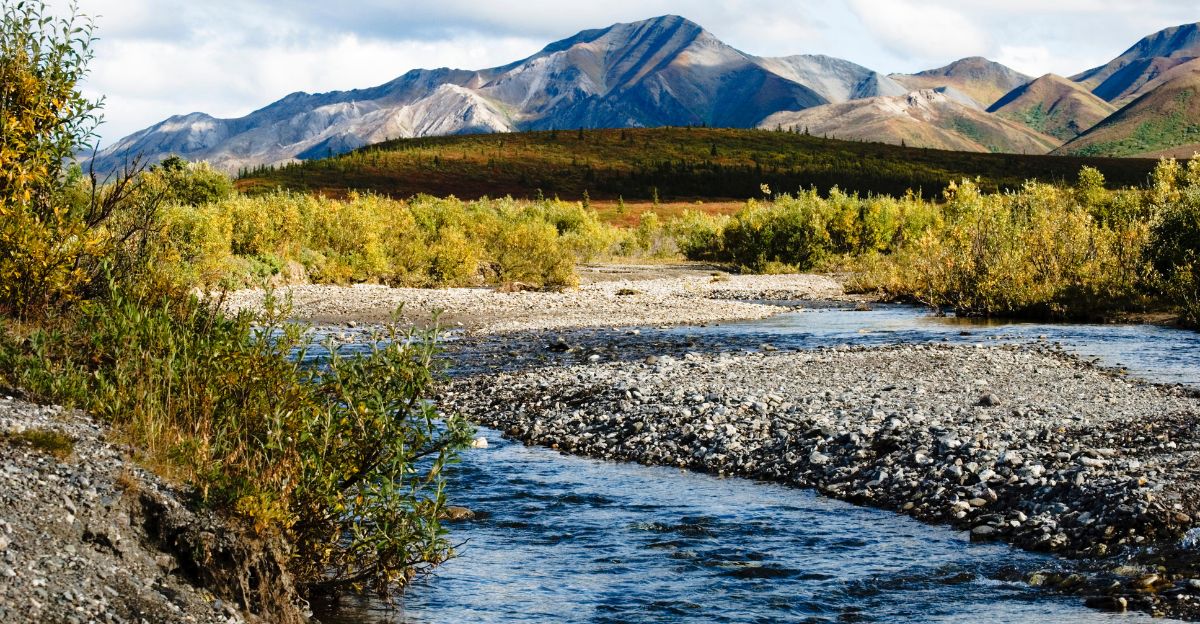
Denali National Park in Alaska sees a fatality rate of nearly 90 deaths per 10 million visitors. Most deaths occur during mountaineering attempts on its 20,310-foot peak, which ranks among the world’s most dangerous climbs.
Sudden blizzards and avalanches can turn even a day hike deadly. Expert reports highlight, “This rate is tied to its 20,310-foot peak’s 127 climbing fatalities since 1932,” demonstrating the magnitude of risk for those who underestimate the mountain’s hazards.
1. North Cascades National Park
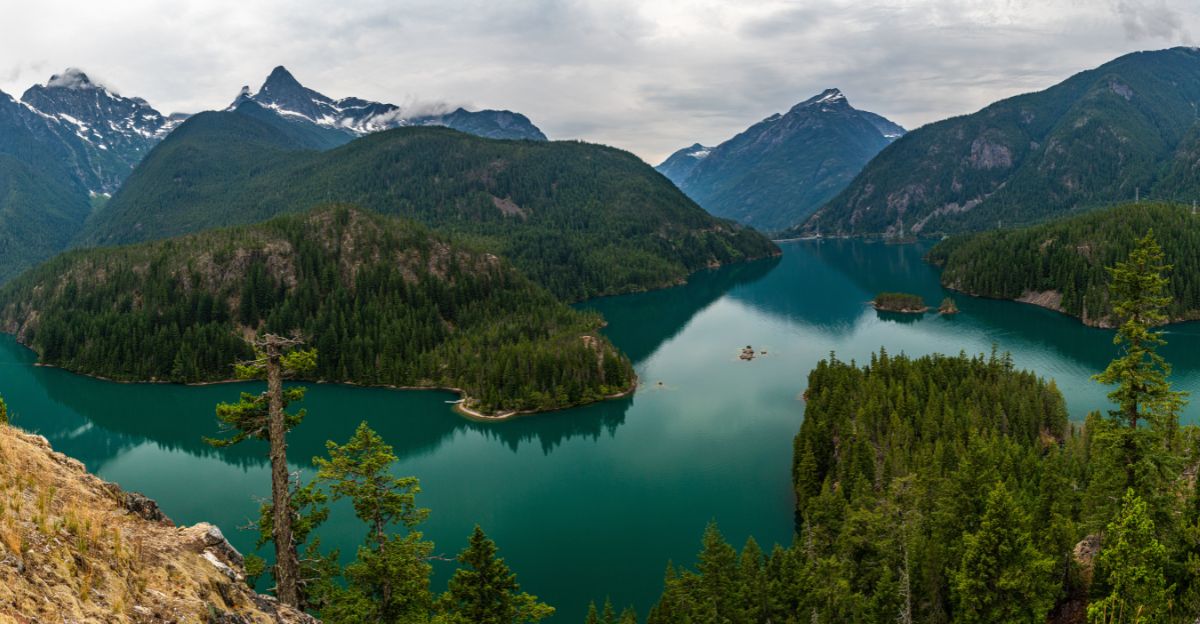
North Cascades National Park in Washington State records a devastating rate of 601 deaths per 10 million visitors, the highest of any national park in the country. The park’s rugged terrain, unpredictable weather, and isolated wilderness lure ambitious hikers and climbers, all while offering sparse infrastructure and little cell service.
Rescue response is slow, and the park’s granite peaks, including over 300 glaciers, have claimed many lives through falls, drownings, and sudden medical emergencies. A July 2025 report states, “The park’s danger stems from its rugged terrain and isolated access… with national park deaths being a notable result of such disparity.”