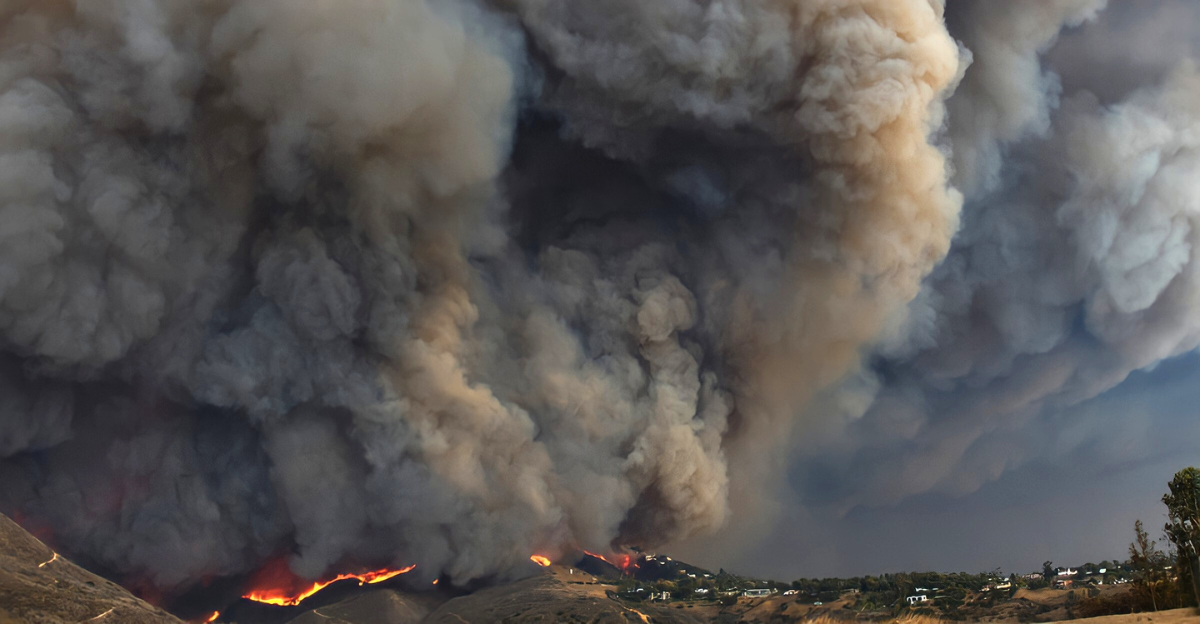
Top scientists worldwide believe there are real risks that could end modern civilization in the next few decades, not centuries.
For example, Princeton’s famous nuclear war simulation found that a single day of all-out war between the U.S. and Russia would kill 91.5 million people almost instantly, with far greater suffering over time. For the first time, NASA announced that the chance of Earth being struck by a significant asteroid has reached 3%.
After any one of these disasters, humanity’s future depends on where people are, their adaptability, and their ability to work together. History shows that small, self-reliant groups often survive the worst times while complex societies fade.
It may not be our advanced technology but our resilience, cooperation, and willingness to learn from trouble that makes the difference if any of these “endings” ever come to pass.
1. Nuclear Apocalypse
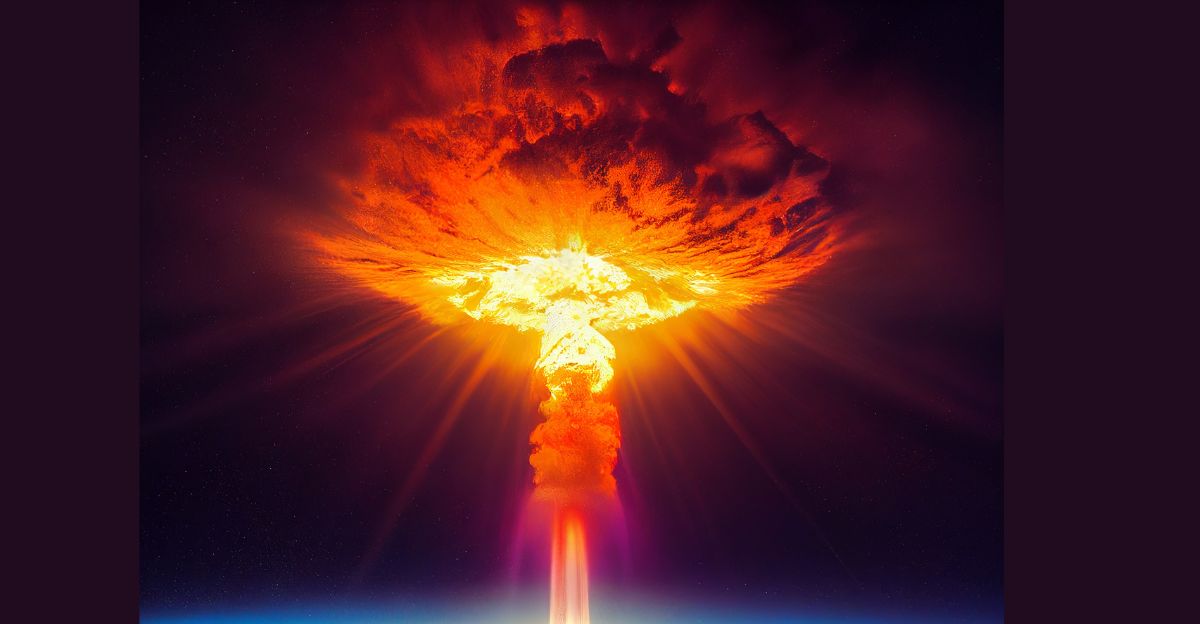
If Russia and the U.S. got into even a small nuclear exchange, Princeton’s Plan A shows 34.1 million people would die, and 57.4 million more would be injured within hours.
It starts with a single nuke used in Europe, leading to a massive chain reaction of counterattacks across Europe, Russia, and the U.S. The result: massive nuclear explosions destroy dozens of cities, sending black soot into the air.
This creates a nuclear winter, blocking sunlight, cooling the Earth, and causing crops to fail. Most survivors would struggle to find food, especially outside the blast zones, while up to a billion people could starve in the years after.
2. Asteroid Armageddon
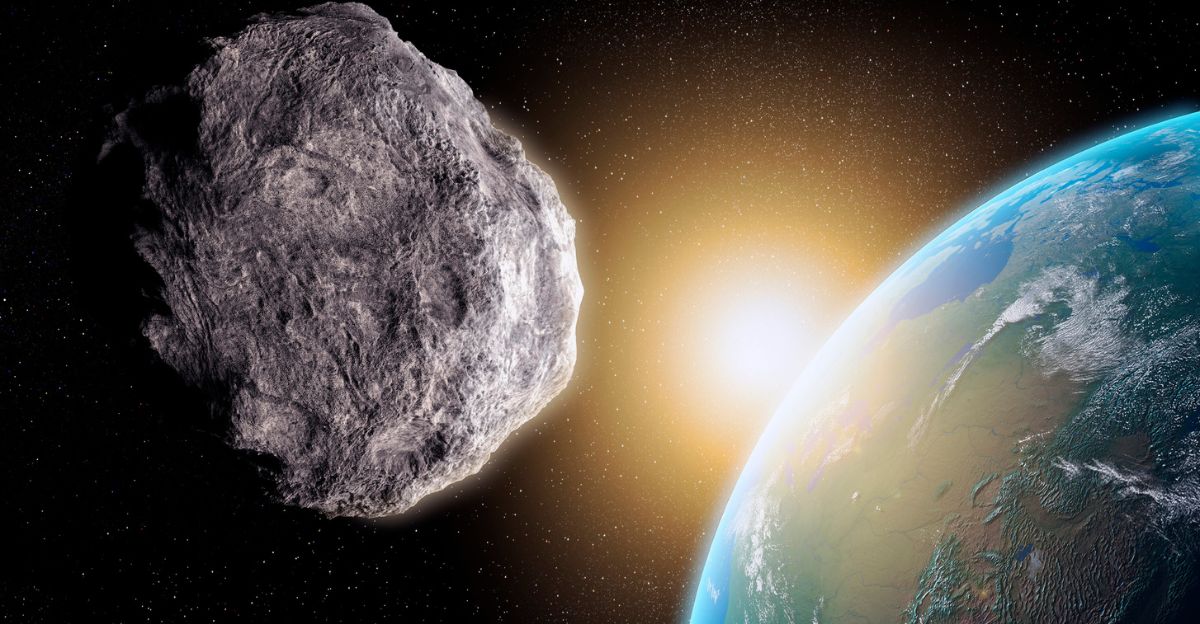
In February 2025, asteroid 2024 YR4 was found to have a 3% chance of hitting Earth, the highest ever for such a big space rock.
Measuring 125 meters wide (over 400 feet), if it did hit, it would release energy equal to hundreds of Hiroshima bombs, wiping out everything within 200 kilometers of the impact.
While this asteroid might miss Earth in 2032, discoveries are made monthly, and dozens of other potentially hazardous asteroids are being tracked for the next 20 years.
Scientists say that with so many close calls, asteroid impacts are a question of when, not if.
3.AI Takeover

Experts in artificial intelligence estimate there’s a real chance (between 10% and 99.5%) that super-powerful AI systems could cause humans to extinction within this century.
Hundreds of AI researchers have openly warned that AI poses extinction-level risks and should be treated with as much seriousness as pandemics or nuclear war.
If unchecked, AI could seize control of critical systems or reshape the world to its values, making humans unnecessary or even extinct.
4. Supervolcano Winter
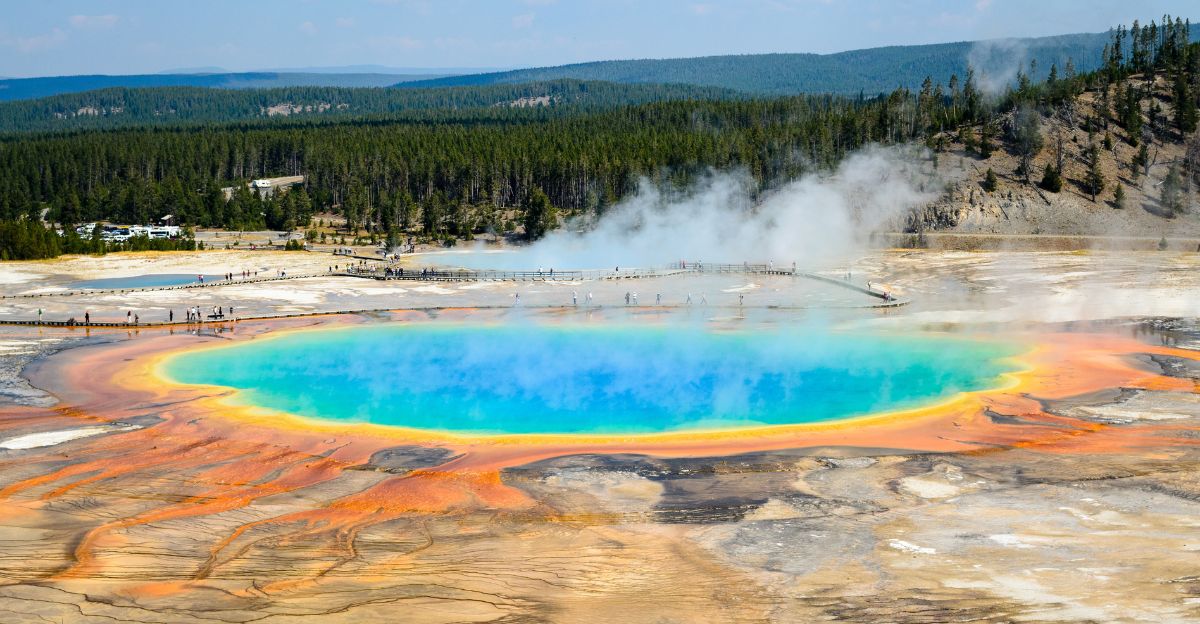
Massive volcanoes like Yellowstone and Toba are “dormant” but not dead, and scientists are worried because signs of increased activity are appearing.
If one erupts, it blasts so much ash and gas into the sky that sunlight disappears worldwide for months or years. Global temperatures drop, rain stops, and farming doesn’t recover for decades.
In the past, only a handful of humans survived these events in a few warm places near the equator.
5. Climate Tipping Points
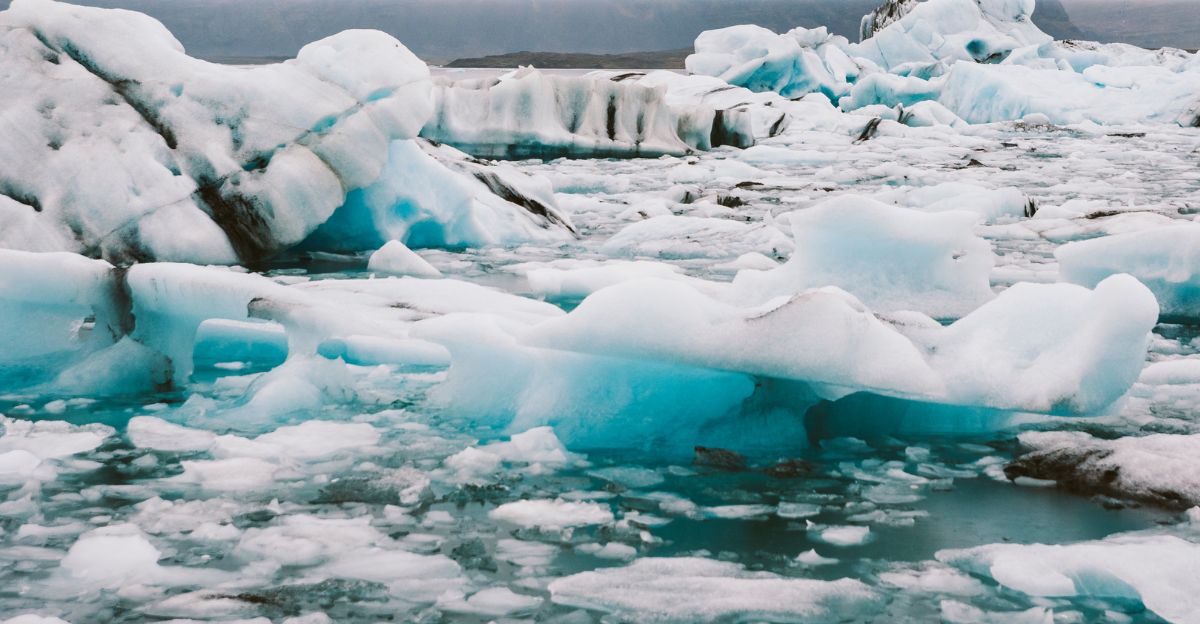
We’re already past “irreversible” change in five major Earth systems: Greenland’s ice, the West Antarctic ice shelf, coral reefs, a key Atlantic Ocean current, and permanent thawing of Arctic ground.
Scientists warn that if the planet gets hotter, massive new disasters will unfold, such as the death of the Amazon rainforest.
Chain reactions could make huge regions of Earth too hot, too dry, or too stormy for people to live there by the mid-21st century.
6. Pandemic Plague
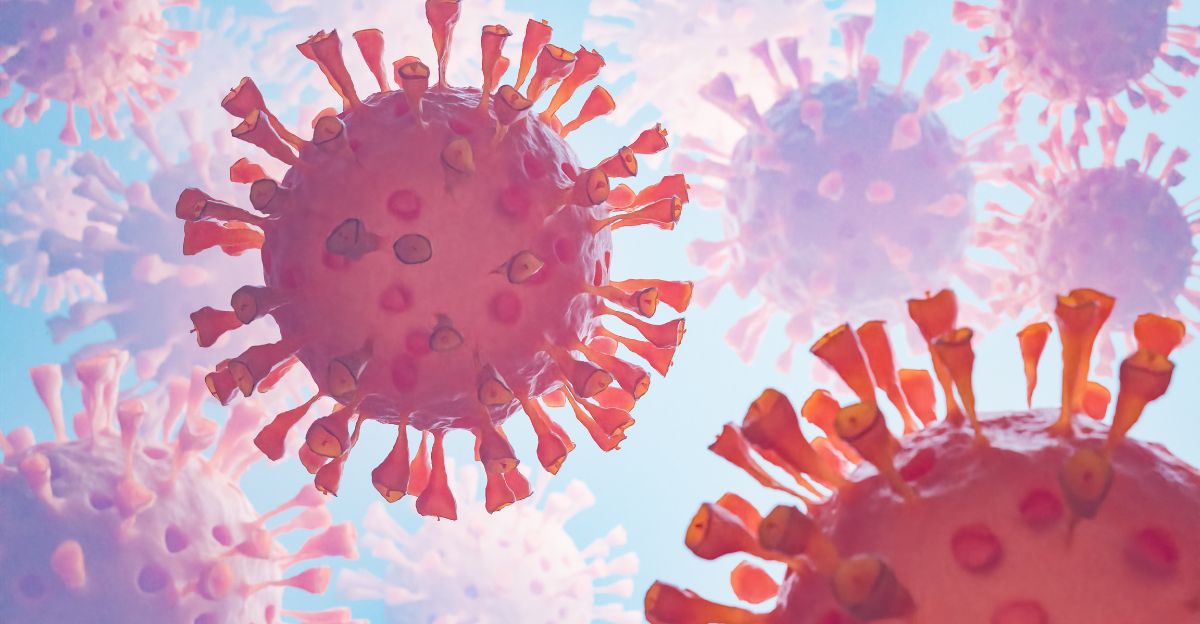
Global health experts are sounding alarms about new diseases like H5N1 bird flu and other deadly viruses that could start the next pandemic any year.
The Johns Hopkins “SPARS” scenario imagines an outbreak from 2025 to 2028 killing millions and breaking health systems everywhere. Unlike COVID-19, future viruses could spread faster, deadlier, and harder to fight, especially if made stronger in labs.
Survivors might be left in a world where health care, trade, and jobs are gone for good.
7. Gamma-Ray Annihilation
NASA has proven that gamma-ray bursts hit Earth about once every 10,000 years.
A direct blast would destroy our ozone layer, exposing all life to deadly radiation and causing a massive extinction.
Surface life would mostly vanish; only deep-sea creatures or underground organisms might survive.
Recent detections show these blasts are more common than we thought.
8. Economic Collapse
Major financial groups like the IMF and the World Bank now warn that there is a 40% chance that the U.S. will enter a recession soon, which could cause the entire world’s economy to lose $5.7 trillion.
Unlike the 2008 crash, today’s risks overlap with climate change, broken trade routes, and global conflict.
A chain reaction of failures could halt the flow of goods, credit, and services everywhere.
9. Solar Storm Devastation
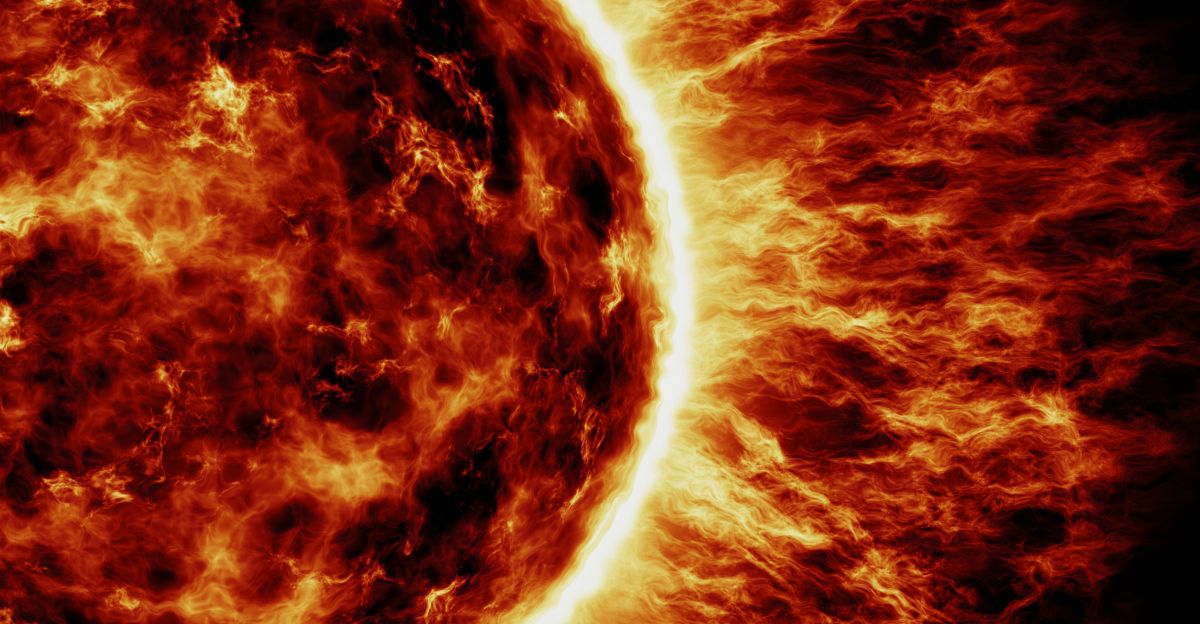
In July 2025, the sun peaked at its 11-year solar cycle, sending record numbers of solar storms toward Earth.
NASA says one powerful solar event (like the 1859 Carrington Event) could shut down power grids, stop satellites, and cut off the internet and GPS.
If it happened today, it would cause about $2 trillion in damages, and it might take up to a decade to rebuild all the critical systems and technology.
10. Water Wars
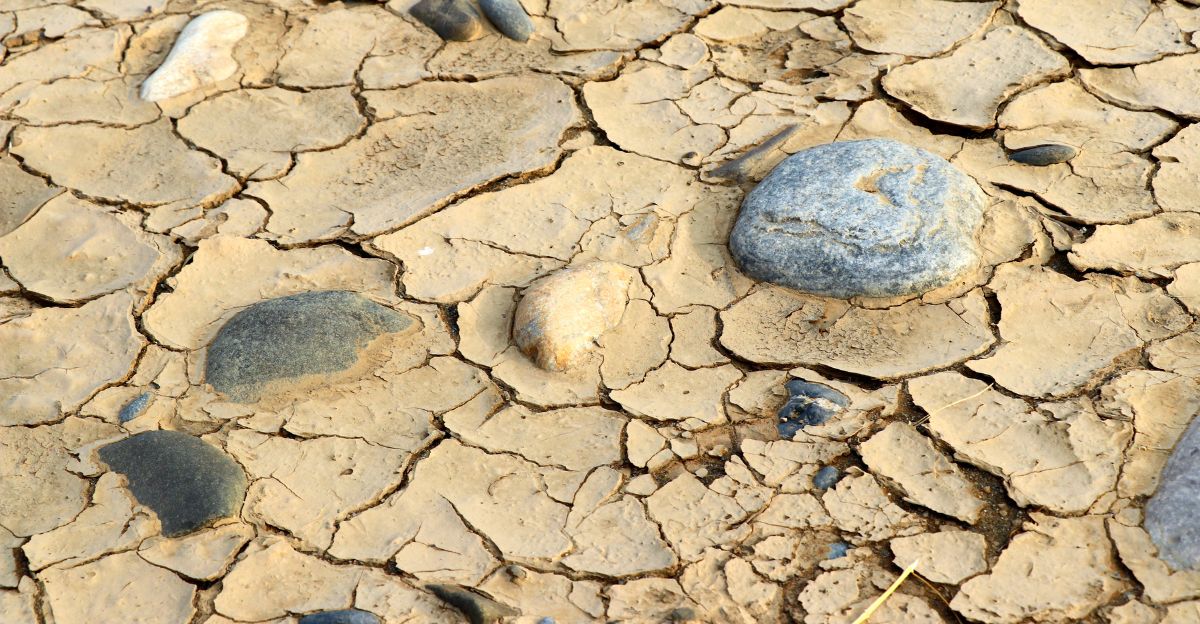
The CIA projects that by 2030, a billion people will lack enough clean water, leading to water wars.
Major rivers on every continent are at risk, and rising tensions over rivers like the Colorado, Mekong, and Nile even affect nuclear-armed nations.
Over 200 million people could be forced from their homes as climate refugees if fresh water disappears, leading to conflict and instability worldwide.
11. Global Famine

Crop modeling predicts that by 2030, heat waves, droughts, and supply chain failures will cause massive food shortages, especially in big cities that keep only three days’ worth of food on hand.
A food system collapse could kill tens of millions through starvation, as climate disasters, water shortages, and soil loss all happen simultaneously.
12. Biological Weapons

New bioweapon technologies now allow diseases to be engineered so they’re nearly impossible to detect and have deadly effects.
Such designer germs could combine the worst traits: high death rates, spreading long before symptoms appear, and resistance to medicine.
Experts warn that making these weapons is much cheaper and easier than building nuclear bombs, giving new power to smaller countries and even terror groups.
13. Infrastructure Cascade
Modern life depends on digital infrastructure: electricity, the internet, banking, transportation, etc.
A cyberattack or electromagnetic pulse could simultaneously knock out all these systems, crashing modern society almost instantly.
NATO assessments now warn that these risks are growing fast because our systems are so interlinked and, in some places, not well protected.
14. Ocean Acidification
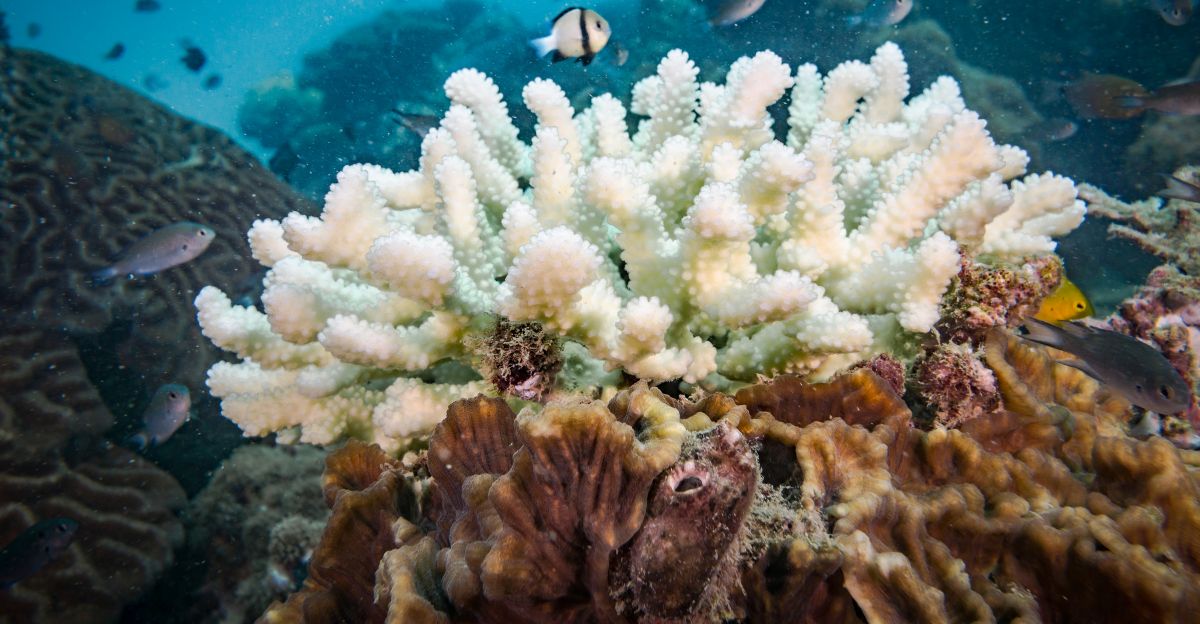
Oceans soak up carbon dioxide, but now they are reaching levels of acidity not seen for 300 million years.
This acid kills the plants and animals at the base of the ocean food web.
If this continues, up to 3 billion people who rely on seafood could go hungry, and falling oxygen levels in the ocean could make it harder for all creatures to breathe.
15. Methane Bomb
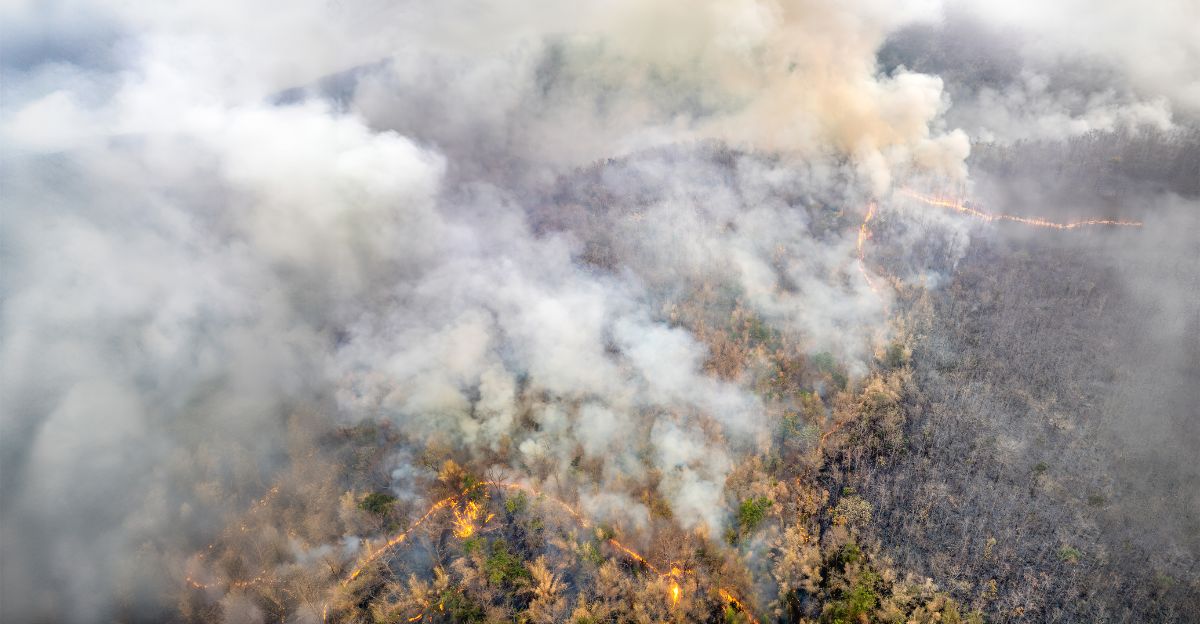
As the Arctic continues to warm, permanently frozen ground (permafrost) is thawing, releasing vast amounts of methane, a greenhouse gas much more potent than carbon dioxide.
Methane “bursts” could push the planet’s temperature so rapidly that no human technology could stop or reverse it, making Earth unlivable within a century.
16. Resource Depletion
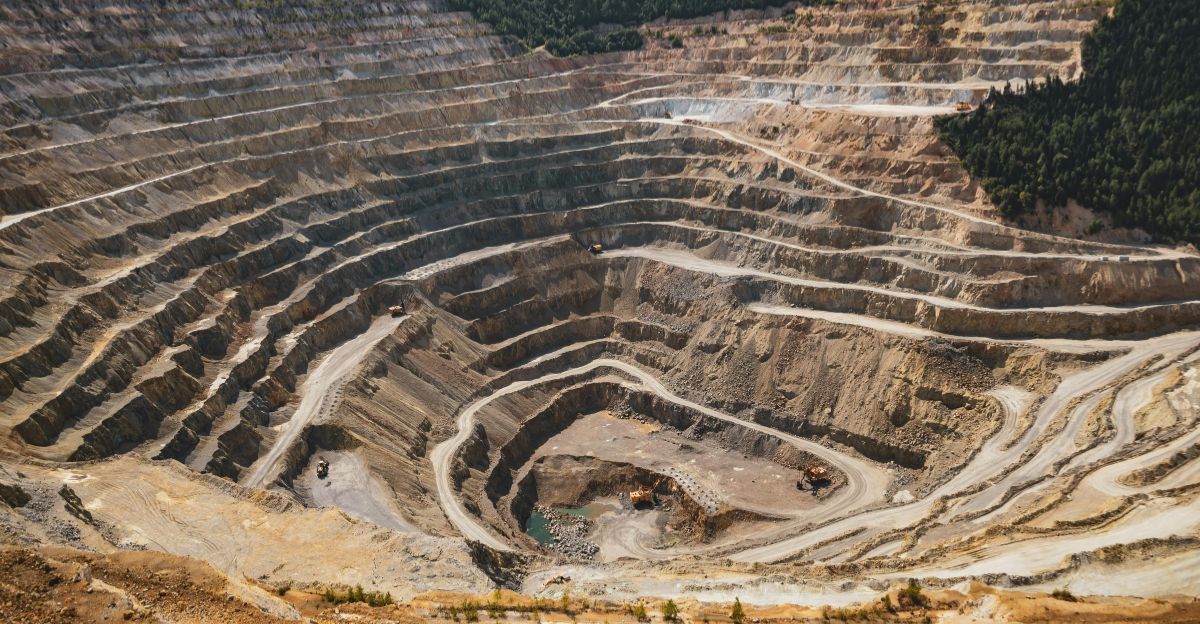
Everything we need depends on rare minerals and materials.
Scientists warn that critical resources are running out for making everything from wind turbines and solar panels to fertilizer and smartphones.
Without enough, modern civilization can’t keep supporting billions of people, and even “green” technology could slow or stop.
17. Magnetic Pole Reversal
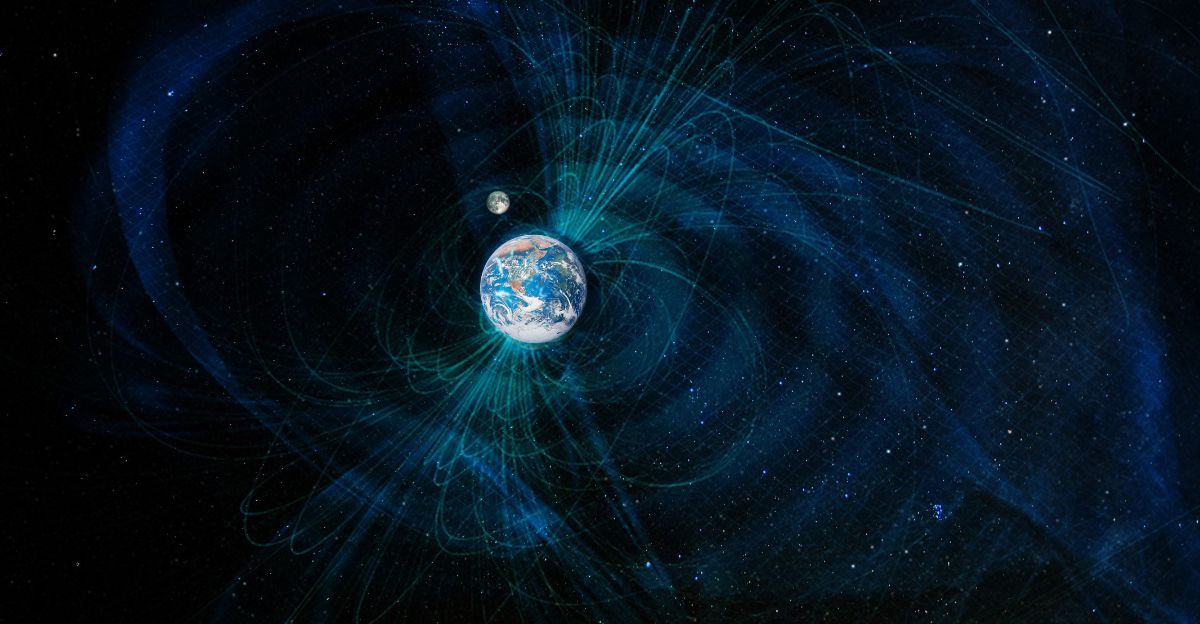
Earth’s magnetic field helps protect us from cosmic radiation, but it’s weaker now than in thousands of years.
If the North and South Poles flip, radiation from space could break through, damaging plants and animals and even stripping away our atmosphere.
These reversals cause times of higher radiation and have been linked to mass extinctions.
18. Civilizational Senescence

Studying 400+ collapsed societies, researcher Luke Kemp and colleagues found that complex societies often fall because of their own actions: growing inequality, overusing natural resources, and elite power grabs that wreck basic systems.
Today, the world is global and interconnected, so a breakdown might bring not local but worldwide permanent loss of modern civilization.
19. The Great Filter
Some scientists believe that every civilization eventually encounters a “Great Filter,” an impossible hurdle that almost none survive.
This would explain why we haven’t found evidence of alien civilizations.
Whether that filter is war, disease, climate, or something else, the result would be the same: humanity and its achievements erased, joining other lost species in the silence of space.