When people think of the dangers in our oceans, sharks usually top the list. But the sea hides far more lethal threats, from venomous fish to deceptive marine mammals.
Some can paralyze a person with just one sting, others strike with shocking force, and a few even hunt in packs. Now, let’s take a look at nineteen marine animals that are much more dangerous than sharks.
1. Dolphins
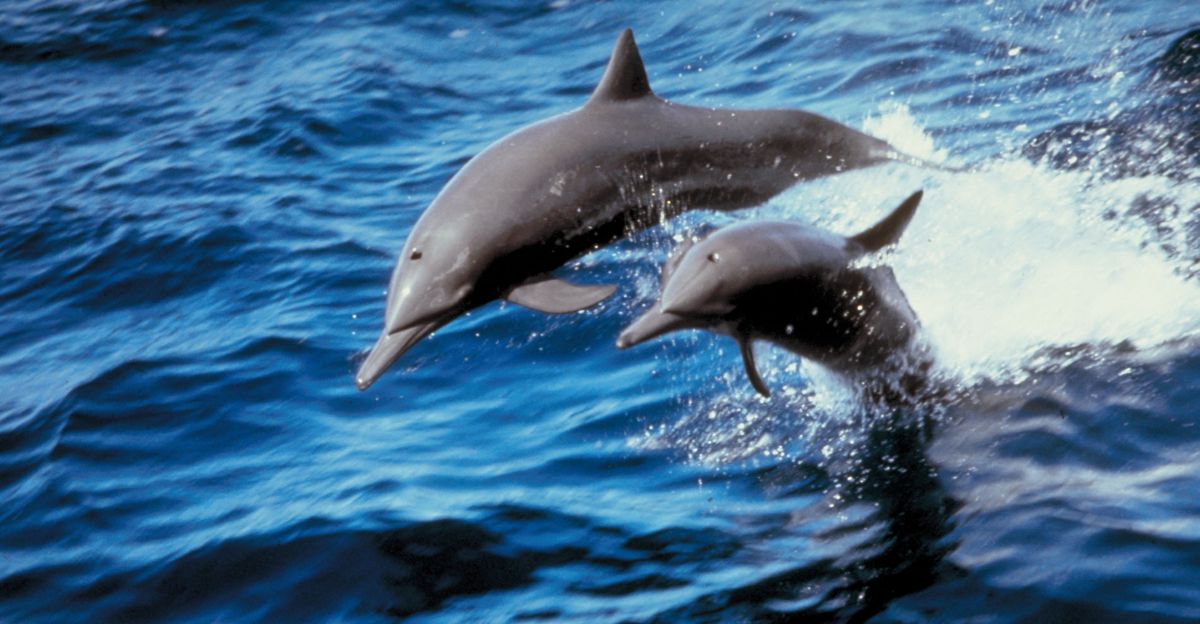
Dolphins might look cute and friendly, but they’re not as harmless as they might seem. They’ve been seen attacking other animals, bothering swimmers, and sometimes even killing to show dominance or protect their territory.
Although attacks on people are rare, they do happen, showing that dolphins aren’t always the cheerful ocean buddies we imagine. Looks can definitely be deceiving.
2. Stonefish
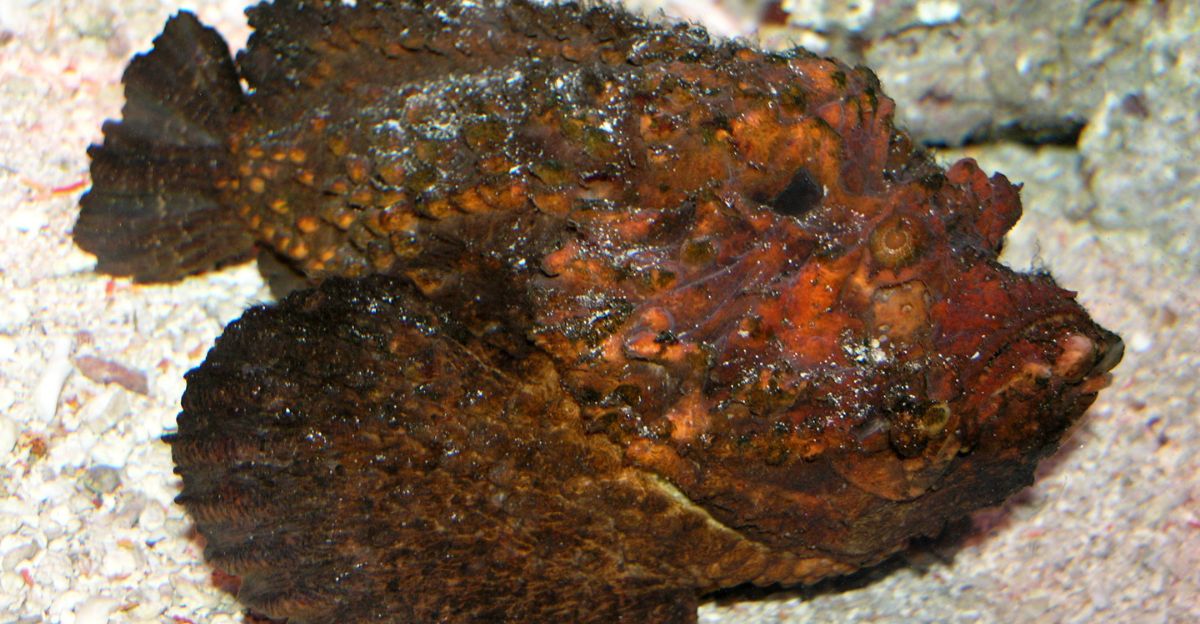
Stonefish are the most venomous fish in the world. They blend in so well with the ocean floor that you can easily step on them by accident.
Their spines release a powerful venom that causes intense pain and can be deadly without quick treatment. Unlike sharks, they don’t hunt; they just wait, turning a fun trip to the beach into danger.
3. Killer Whales
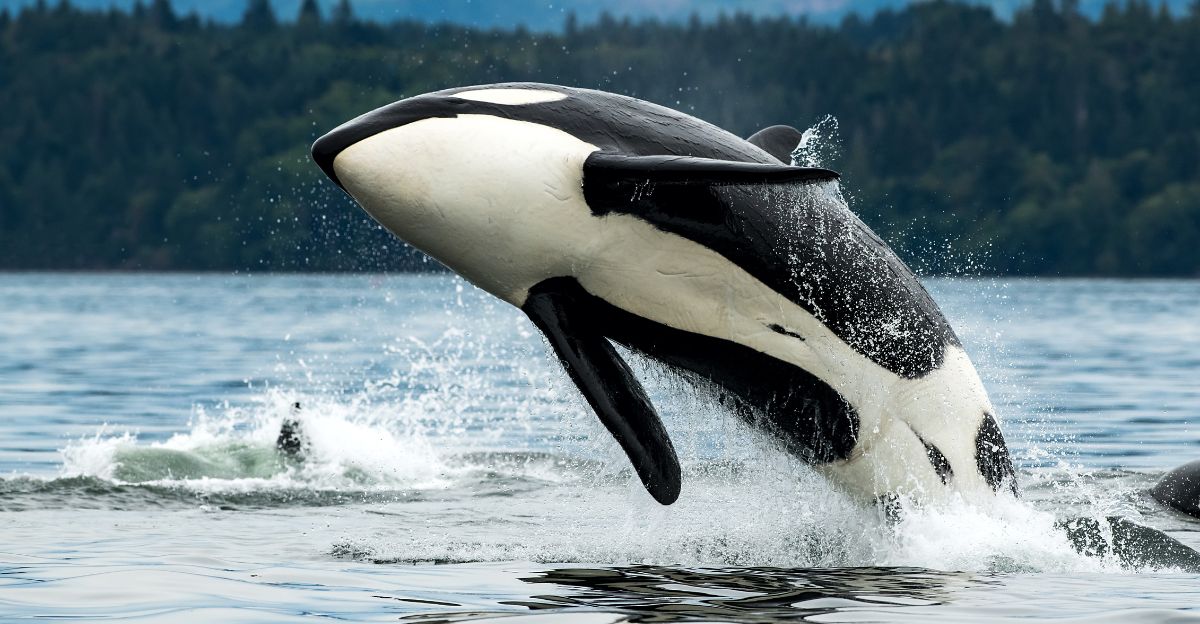
Killer whales, or orcas, are loved for being smart and nice to look at. But they’re top predators that can even hunt great white sharks.
In the wild, their strength and teamwork make them the rulers of the ocean. Attacks on people are very rare, but captive orcas have killed trainers, showing just how unpredictable they can be.
4. Box Jellyfish
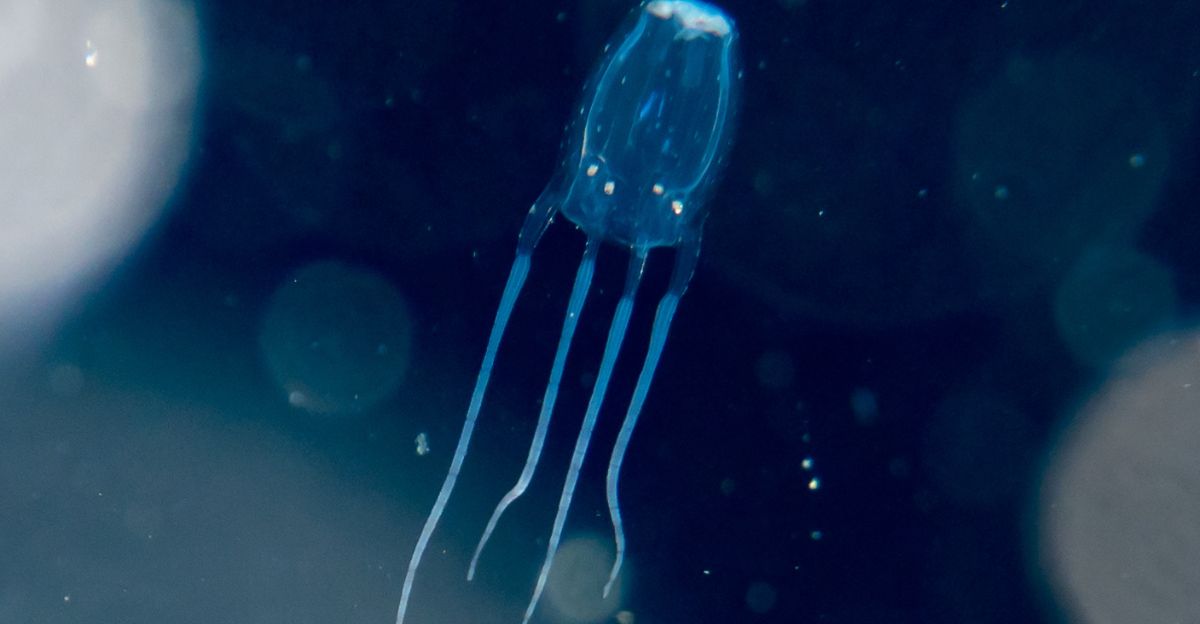
The box jellyfish has been a massive danger in tropical waters for centuries. Its nearly see-through body hides venomous tentacles that can cause cardiac arrest within minutes.
Unlike sharks, which usually bite and leave, contact with a box jellyfish is often prolonged, causing extreme pain, serious injuries, or even sudden collapse.
5. Saltwater Crocodile
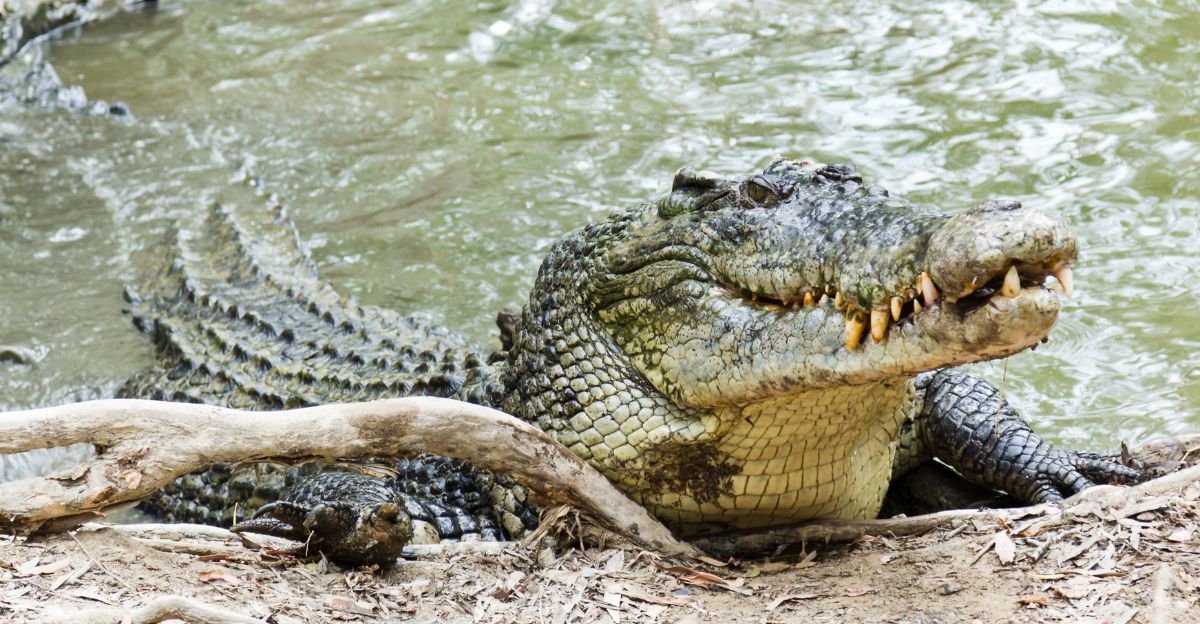
Saltwater crocodiles are thought to be even more dangerous than sharks. Living in rivers, estuaries, and along coasts in Australia and Southeast Asia, they kill hundreds of people every year, which is way more than sharks do.
They can drag victims underwater with incredible strength, and because they live in freshwater and saltwater, their reach is even wider than most people realize.
6. Moray Eels
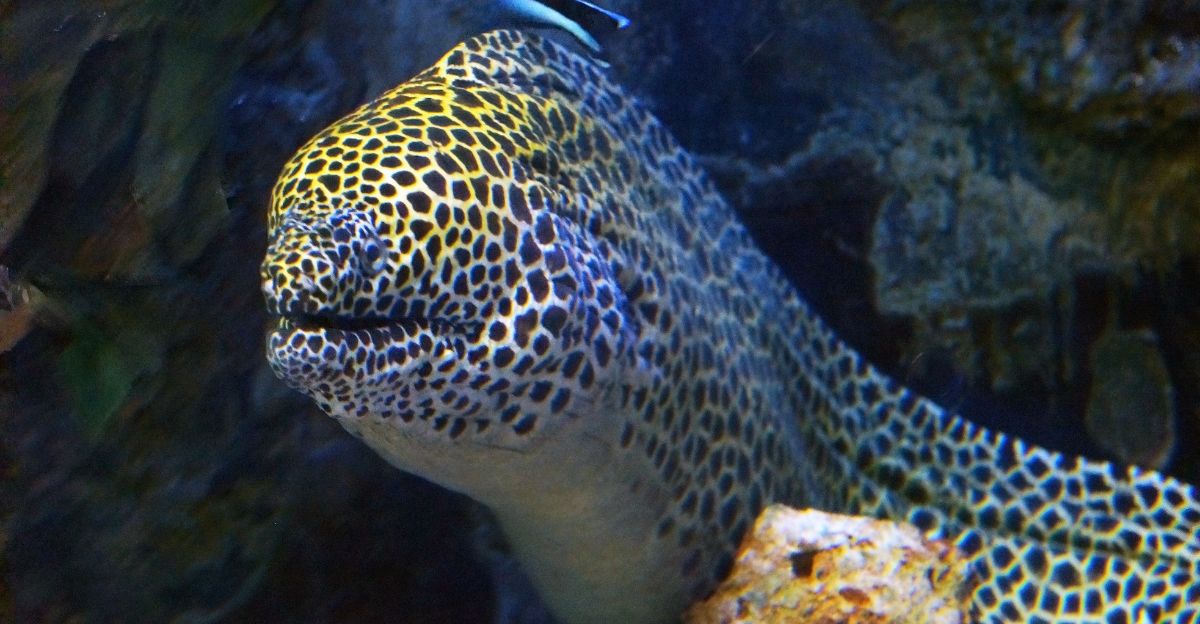
Moray eels hide in rocky caves and usually stay out of sight, but they strike fast if they feel threatened.
They aren’t usually aggressive, but their bites are deep and jagged. Unlike sharks that bite and let go, eels hang on with sharp teeth, giving divers a sudden and frightening underwater shock.
7. Sea Lions
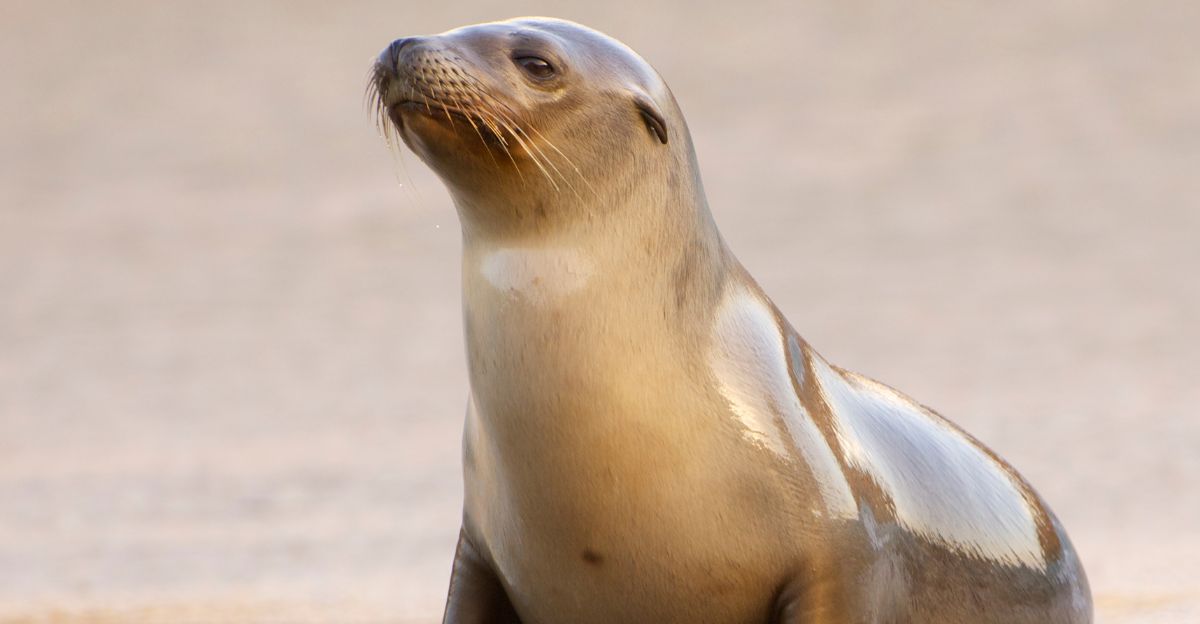
Sea lions might seem cute and friendly at docks or aquariums, but in the wild, they can be very aggressive.
Adult males can weigh up to 800 pounds and use their strength to intimidate divers or fishermen. Surprise attacks happen more often than you’d think, proving that just because they look cute doesn’t mean they’re safe to be around.
8. Blue-Ringed Octopus
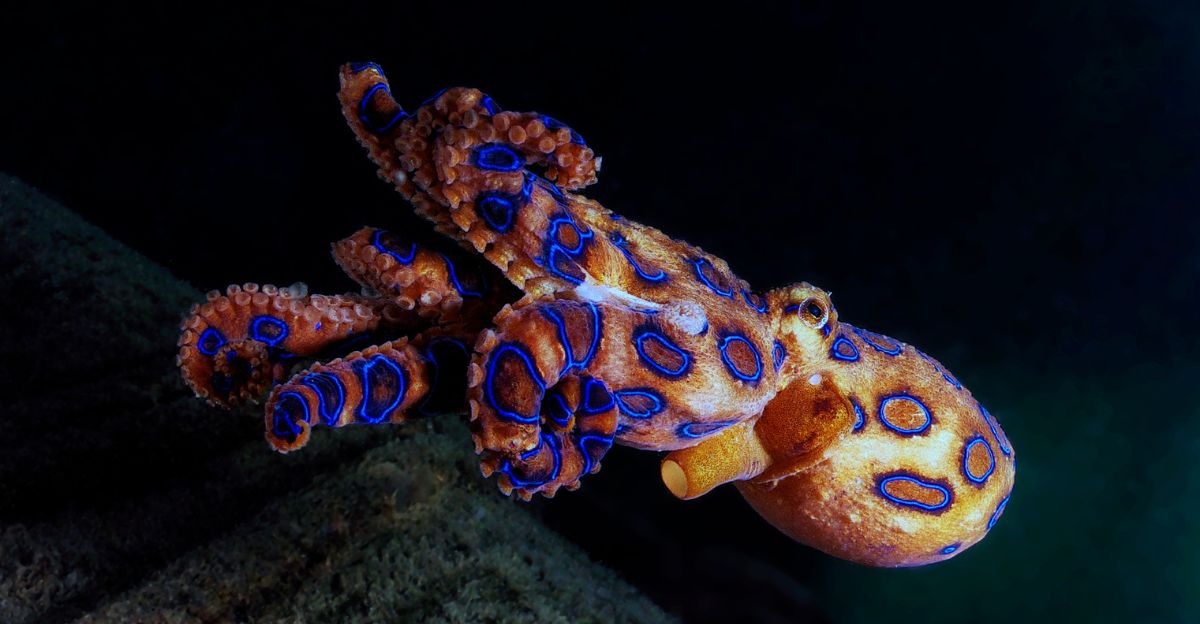
The blue-ringed octopus is tiny, about the size of a golf ball, but it’s deadly, with enough venom to kill 26 adults in minutes.
Its bright blue rings only show up when it feels threatened. It is found in tidal pools, and people often pick them up without realizing how dangerous they are, and there’s no antivenom, making even careful beachgoers vulnerable.
9. Giant Squid
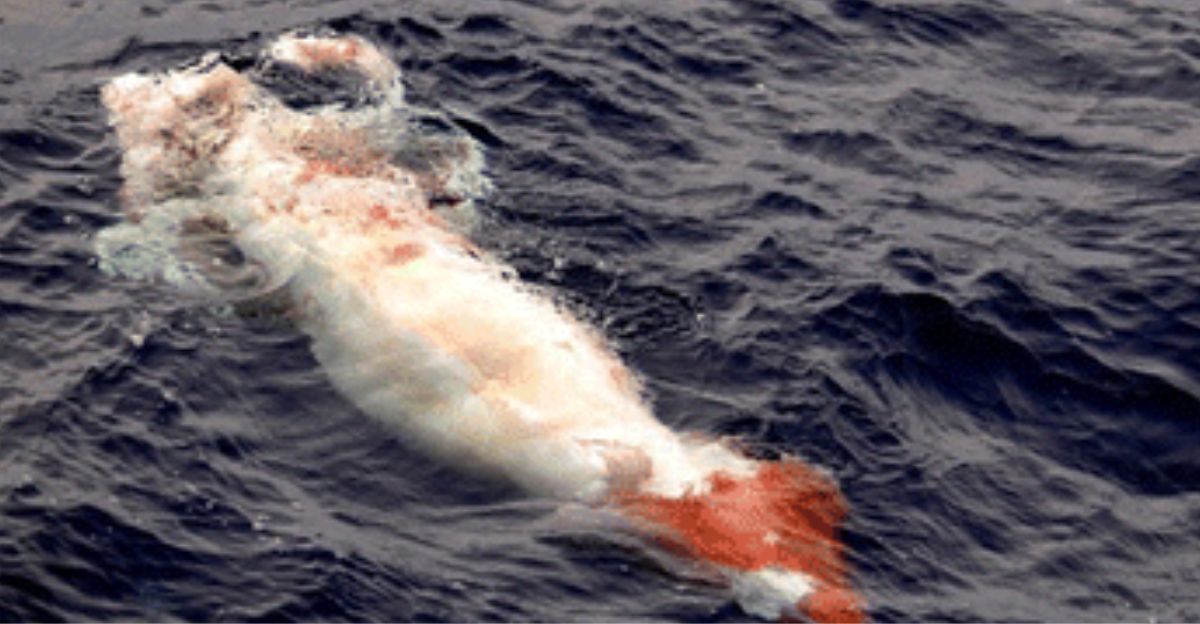
Giant squids live in deep, dark waters and are rarely seen by humans. Legends tell of them grabbing ships and leaving suction marks on whales.
Encounters with people are extremely rare, but their massive size, which is up to 40 feet, and sharp beaks make them intimidating. Unlike sharks, their hidden, mysterious nature taps into many people’s biggest fears.
10. Triggerfish
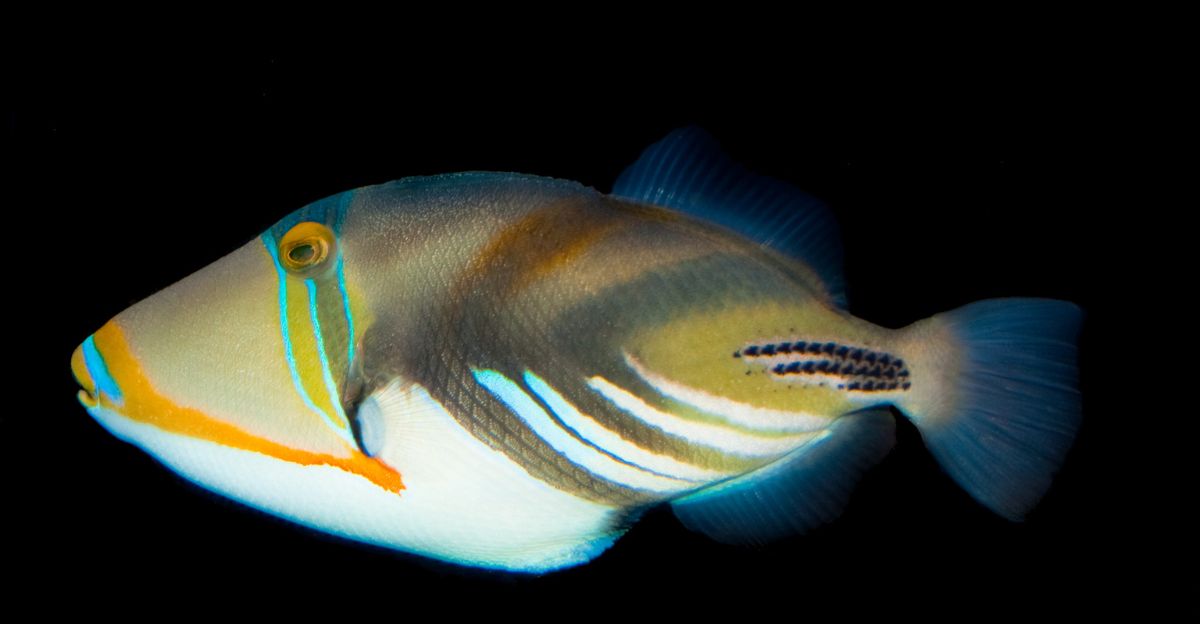
Triggerfish are bright and beautiful, and they don’t look that dangerous, but they’re very territorial and fearless, especially when they’re nesting.
Divers often experience aggressive chases, bites, and confrontations. Unlike sharks, which usually keep their distance, triggerfish will charge at threats, showing that in the ocean, even small fish can be surprisingly dangerous.
11. Portuguese Man O’ War
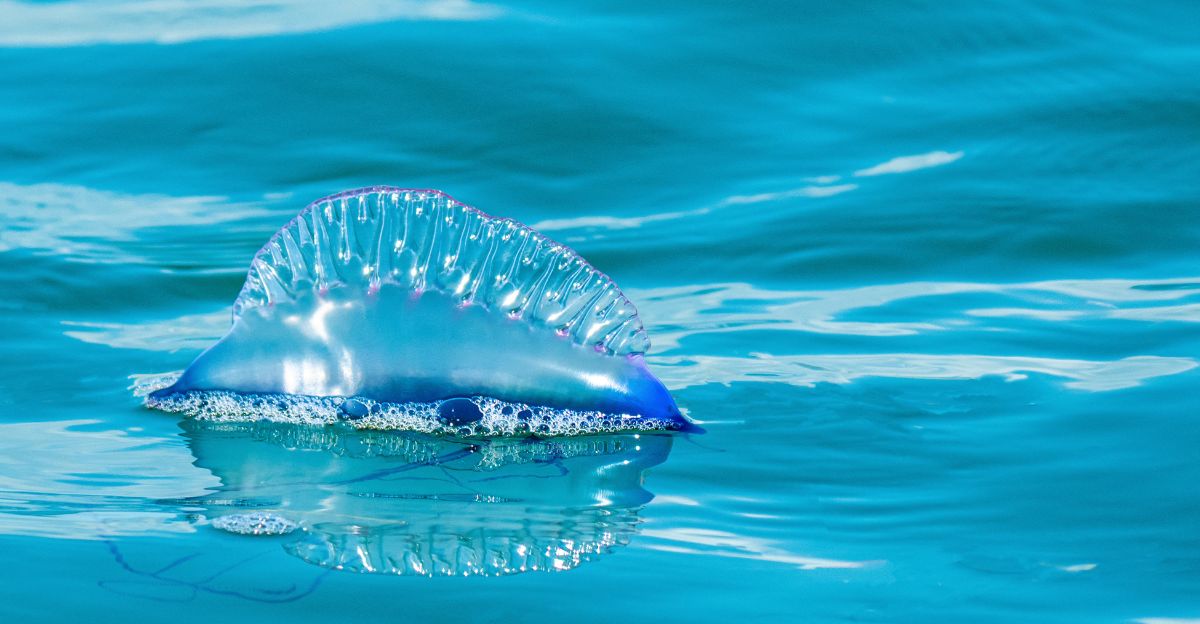
The Portuguese man o’ war looks like a jellyfish, but it’s actually a group of organisms working together.
Its tentacles can reach 100 feet and deliver venom that can seriously hurt or even kill someone. Beachgoers often think they’re harmless balloons, but touching them causes intense pain. Unlike sharks, these creatures drift silently, stinging thousands of people each year.
12. Cone Snails
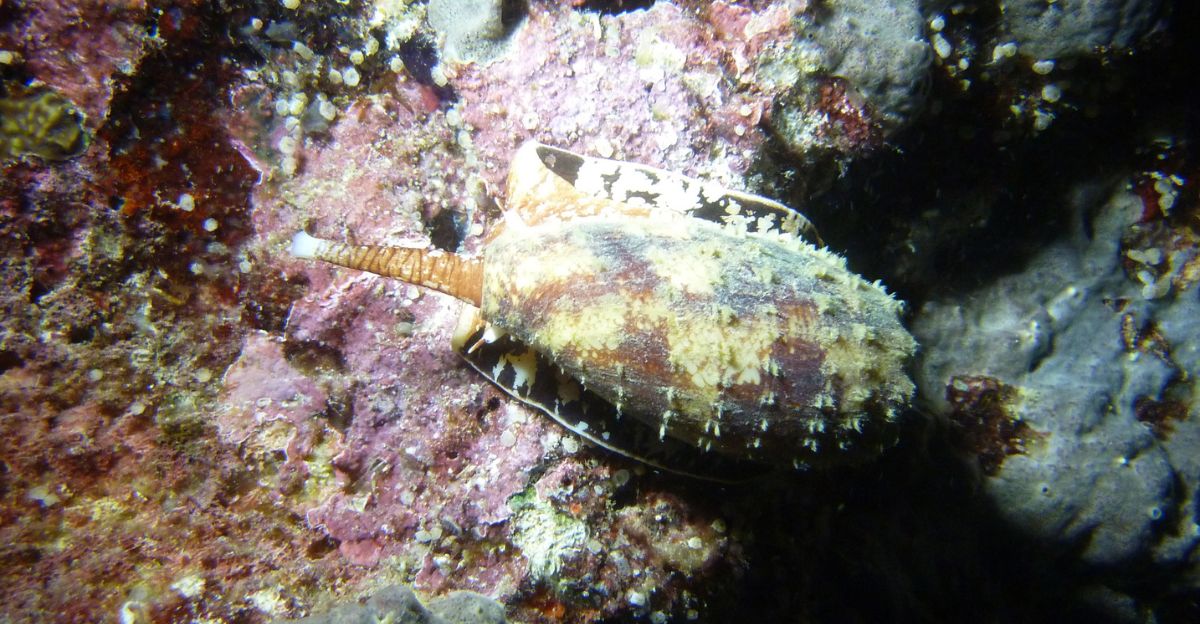
Cone snails look slow and harmless, with their pretty shells that collectors love. But they hide a venomous “harpoon” that can pierce gloves and wetsuits.
A single sting can disrupt nerves, paralyze muscles, and even kill someone if left untreated. Ironically, scientists study their venom for medicine, but getting too curious can be far more dangerous than a shark bite.
13. Barracuda
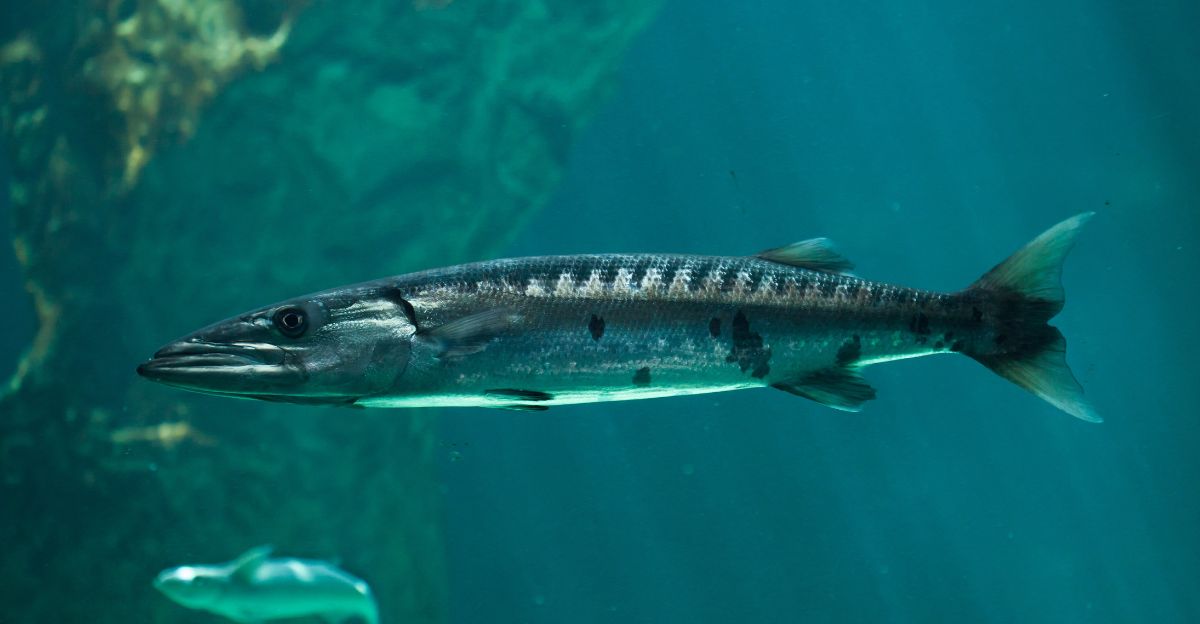
Barracudas have a long history of frightening sailors. They’re fast and sleek, and sometimes confuse shiny objects for food and attack swimmers suddenly.
They aren’t as big as sharks, but their sharp teeth can do serious damage. Ancient legends called them unlucky, and even today, divers say their speed alone is enough to make them scary.
14. Sea Urchins
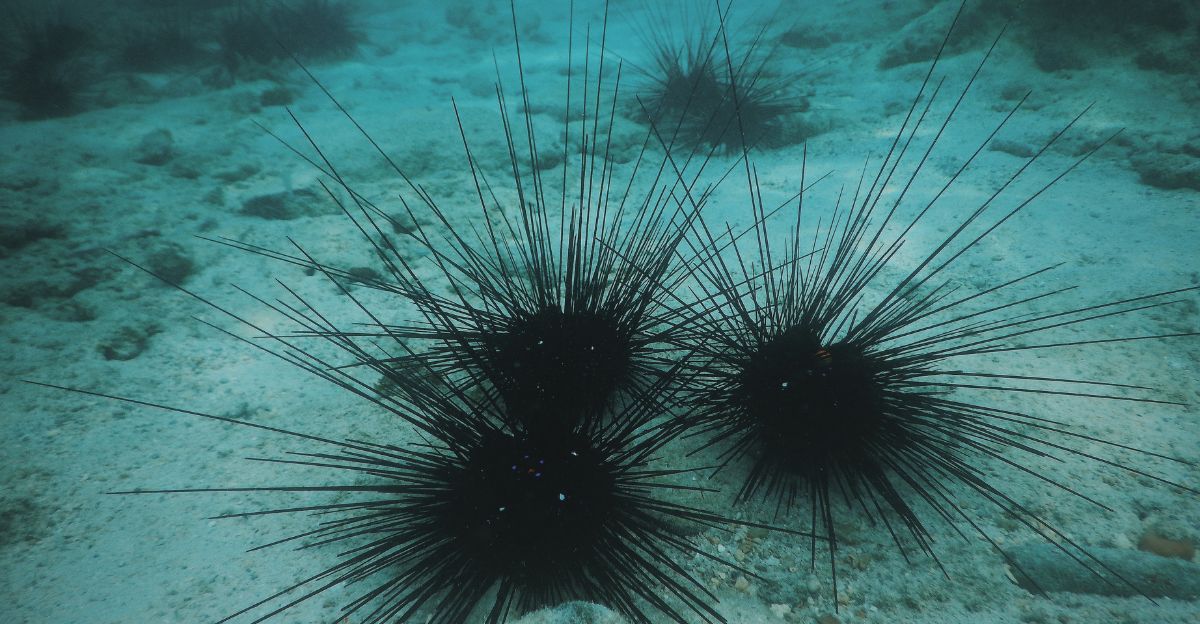
Sea urchins may seem harmless, but stepping on one barefoot can be painful, or worse. Some have venomous spines that can get stuck in your skin, causing intense pain, paralysis, or infection.
Even non-venomous ones can break off and embed deeply into a person’s skin. Unlike sharks, they don’t swim around; they just sit quietly, waiting for an unlucky foot to step on them.
15. Leopard Seals
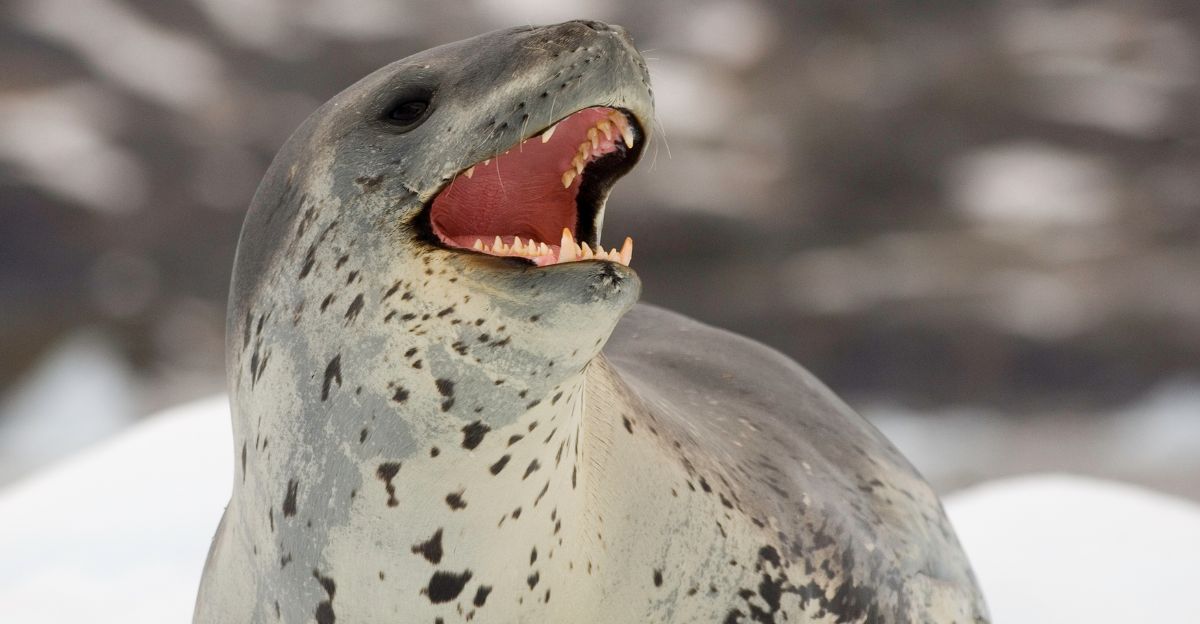
Leopard seals look cute with their spotted coats and curious faces, but they’re top predators in Antarctic waters, and are able to dispatch penguins in one bite.
Unlike sharks, they’ve sometimes attacked humans unexpectedly, even killing a marine biologist. While they might seem adorable in captivity, wild leopard seals are unpredictable.
16. Electric Rays
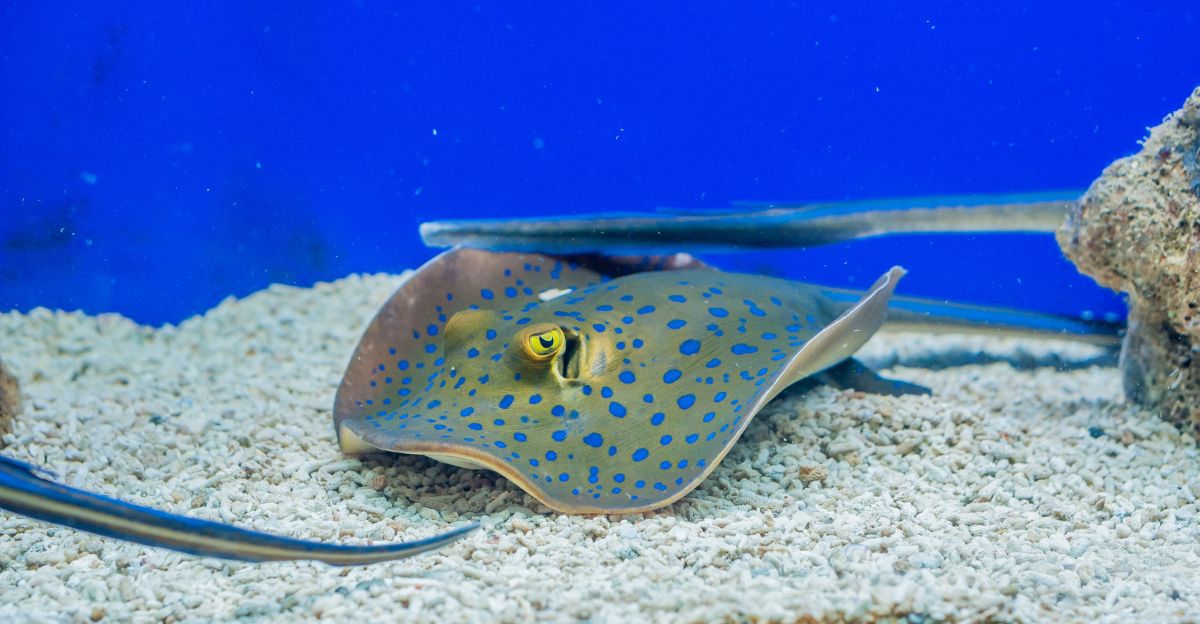
Electric rays, also known as torpedo rays, can deliver strong electric shocks of up to 220 volts. While they probably won’t kill a healthy adult, underwater, the shock can cause paralysis, unconsciousness, or even drowning.
The ancient Romans once used them for electrotherapy, but in the ocean, their danger is quiet and hidden until a sudden jolt hits you.
17. Crown-of-Thorns Starfish
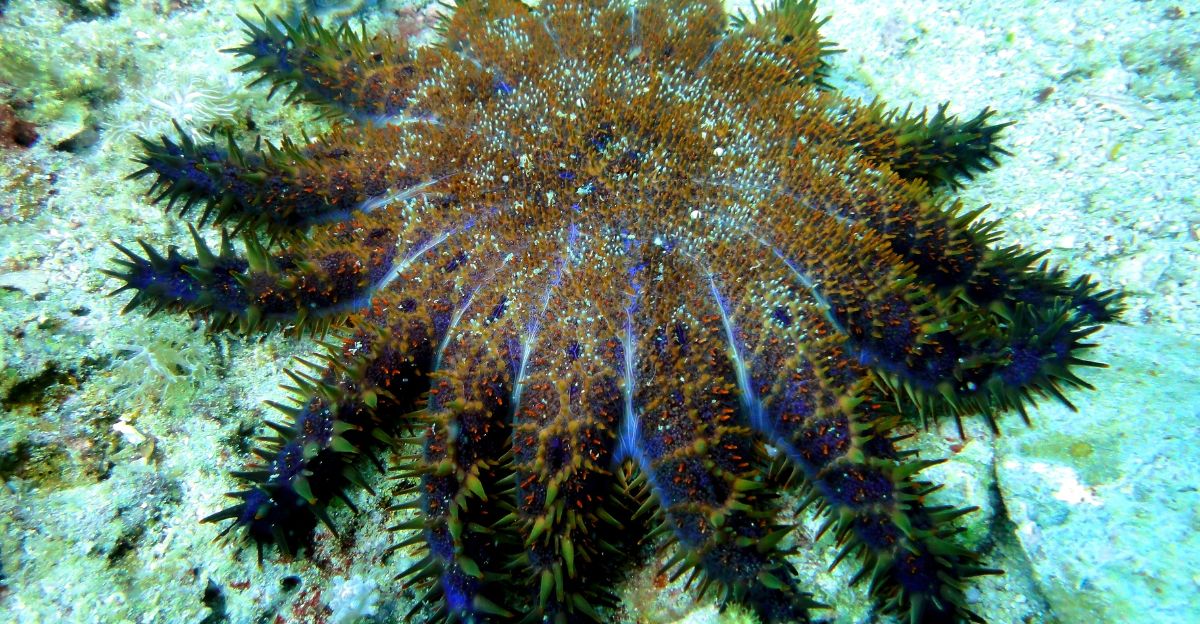
The crown-of-thorns starfish is covered in venomous spines. While it mostly harms coral reefs, people who touch it can get painful stings, infections, nausea, and even long-term tissue damage.
These starfish spread quickly and can take over entire reefs. Unlike sharks that hunt to survive, this starfish causes environmental damage and painful encounters for humans.
18. Lionfish
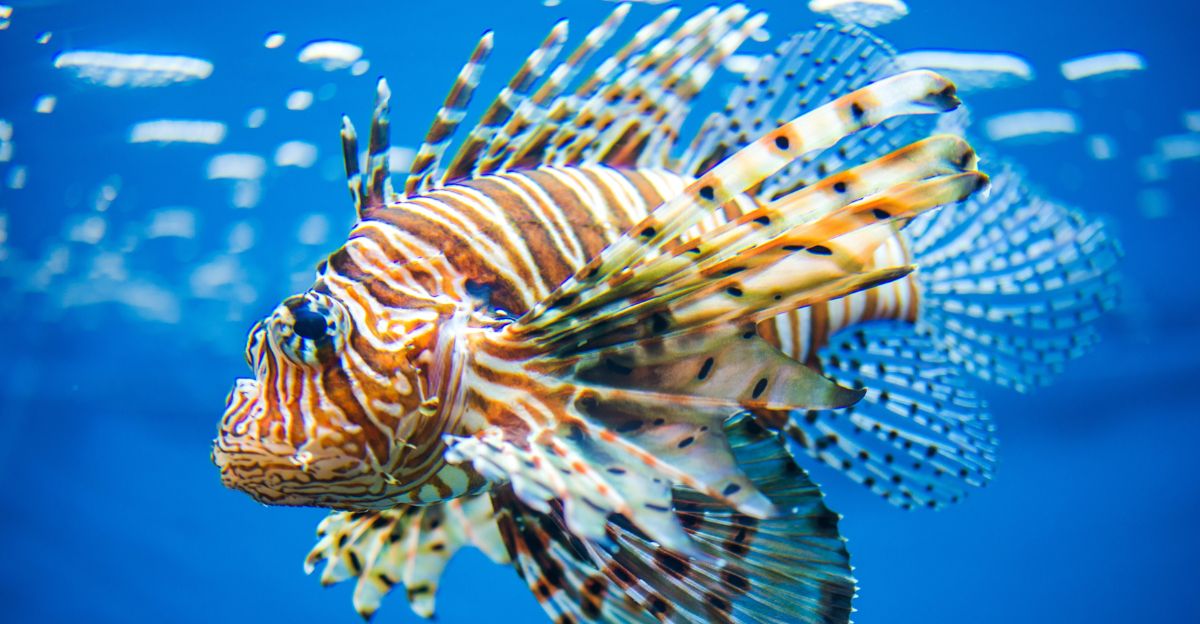
Lionfish are beautiful, with elegant striped fins that catch many people’s attention. But a single touch can cause its venomous spines to deliver a sting that causes extreme pain, nausea, trouble breathing, or even paralysis.
Native to the Indo-Pacific, they’ve invaded the Atlantic, devastating reef ecosystems. They’re a perfect example of how the ocean’s most dangerous creatures can also be the most stunning.
19. Humboldt Squid
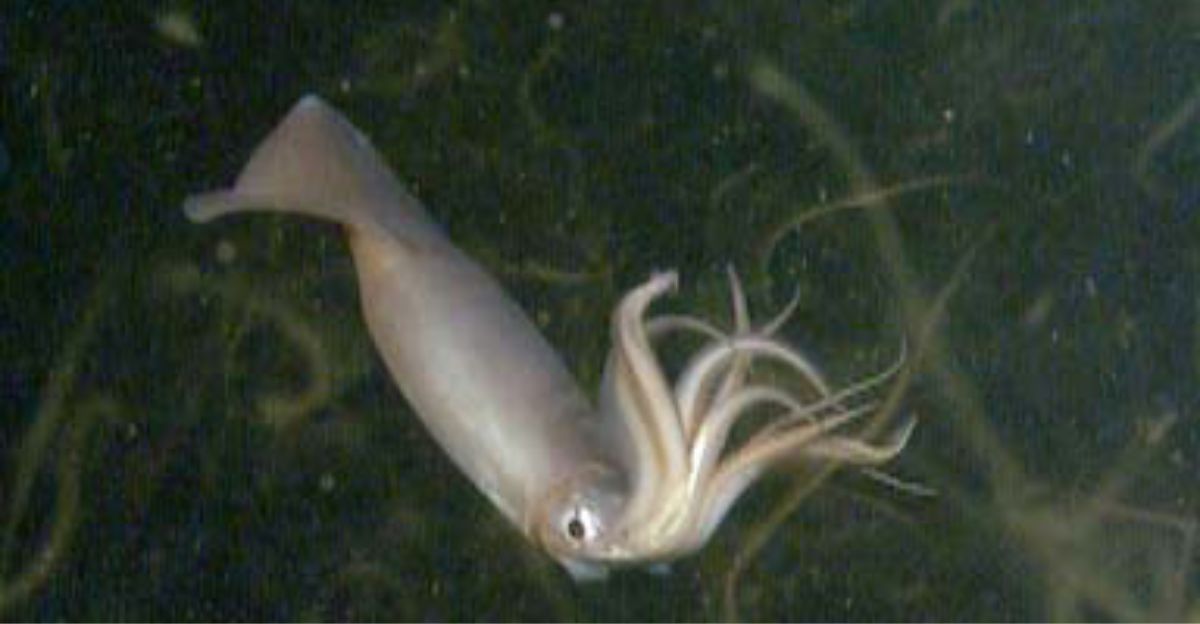
The Humboldt squid, often called “red devils,” can grow over six feet long and attack in aggressive groups. Divers and fishermen have reported being dragged underwater by them.
When hunting, they flash red and white to communicate and work together. Unlike sharks that usually attack alone, these squids swarm their prey, making them truly terrifying ocean predators.