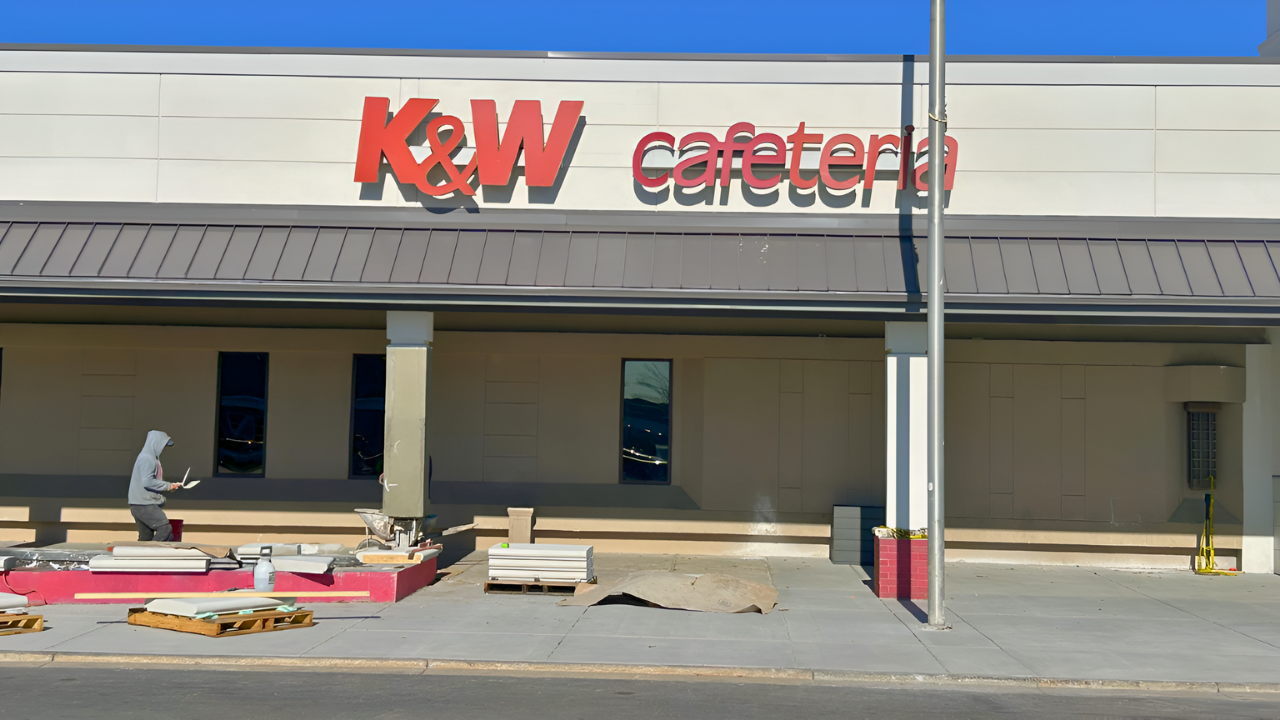
When K&W Cafeteria suddenly closed all its locations on December 1, 2025, it wasn’t just another restaurant shutting down, it was the loss of a long-time community mainstay in North Carolina and Virginia. After 88 years in business, the company ended operations overnight, locking doors and posting only a short message on Facebook. There were no farewell meals or final weekends to say goodbye.
Hundreds of employees were left without jobs, and loyal customers across the region were stunned. For many, K&W wasn’t just a place to eat; it was a gathering spot for families after Sunday church, a routine stop for retirees, and a familiar setting that stretched across generations. Within one day, that sense of local tradition vanished, leaving behind memories of comfort food and friendly faces.
From the Great Depression to the Final Years

K&W Cafeteria began in 1937 in Winston-Salem, North Carolina, during the tail end of the Great Depression. Over nearly nine decades, it survived major events like World War II, economic recessions, and massive changes in how Americans dine. The restaurant built its reputation on hearty, homemade-style meals, turkey dinners, mashed potatoes, baked desserts, served from a cafeteria line where customers slid trays past steaming dishes.
At its height, before the COVID-19 pandemic, K&W operated about 28 to 35 cafeterias across the region. Families came for Sunday dinners, workers dropped by for quick homestyle lunches, and holiday gatherings filled the long dining rooms. But times changed, and the cafeteria-style model that once felt inviting started to seem old-fashioned compared with today’s fast, tech-driven dining options. Convenience became king, and K&W’s slower, more personal approach was harder to sustain.
Financial Troubles and a Shrinking Footprint

The COVID-19 pandemic brought challenges that even an old survivor like K&W couldn’t easily handle. In September 2020, the company filed for Chapter 11 bankruptcy, giving it a chance to reorganize and keep operating. It did manage to reopen, but the years that followed saw fewer and fewer restaurants. By 2022, the chain was down to 11 cafeterias. By late 2024, only nine remained, eight in North Carolina and one in Virginia.
By then, sales were slipping about 10 percent each year, and expenses were rising. Those final few locations couldn’t make enough money to keep the brand afloat. Each closure meant fewer staff, fewer customers, and less revenue to support the rest. Even though K&W had survived so much over the decades, the mix of higher costs, competition from faster restaurants, and changing customer habits proved too much to overcome.
Falcon Holdings, a company that owned other cafeteria chains, purchased K&W in 2022. But there was no major reinvention or rebranding. Without a plan to modernize or appeal to younger diners, the restaurant stayed mostly the same until the end.
The Lasting Impact on Workers and Communities
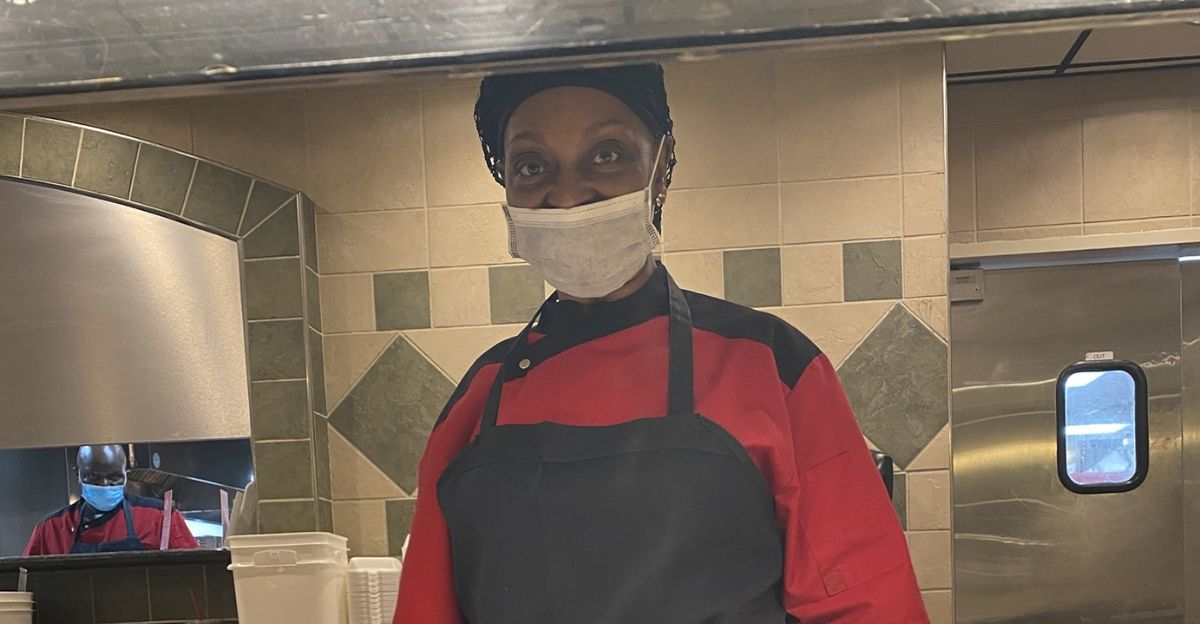
The sudden shutdown of K&W Cafeteria affected far more than just the company itself. Each of the nine closing locations had between 15 and 25 employees, meaning roughly 150 to 300 jobs vanished immediately. Cooks, servers, managers, and cashiers, all lost their livelihoods without warning. There were no details about severance or job placement help. For many smaller towns, losing even a handful of steady jobs like these was a serious blow.
The closures also meant economic ripples through surrounding communities. K&W generated roughly $9 million to $18 million in yearly sales, supporting local suppliers, shopping centers, and utility companies. When those restaurants closed, local farmers, food distributors, and property owners lost a reliable partner. Nearby businesses that depended on K&W’s regular crowds, like coffee shops and boutiques, also felt the impact as fewer customers passed through their doors.
But the most painful loss may have been emotional. For decades, K&W had been a place where families celebrated milestones, friends caught up, and churchgoers gathered after services. Many customers had eaten there since childhood and brought their own children to experience the same traditions. Now, those routines and connections have ended. Other restaurants may fill the empty spaces, but the specific sense of warmth and community that K&W offered is gone.
A Reflection on Change and Endings
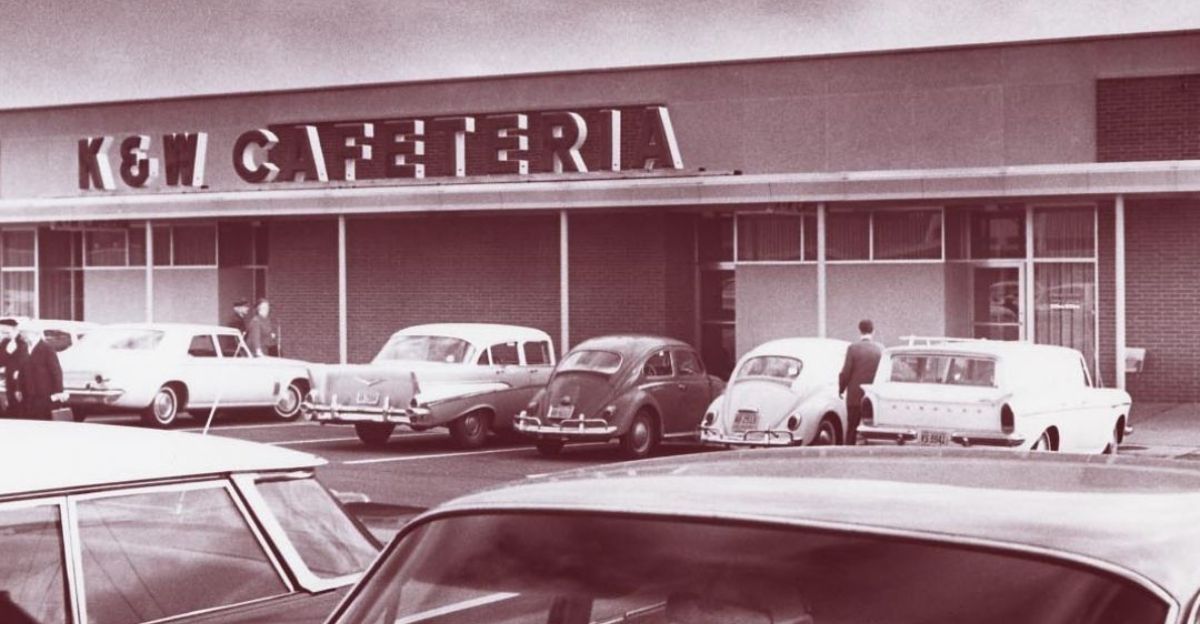
K&W Cafeteria’s story, from its 1937 opening to its 2025 closure, shows how even well-loved institutions can fade when faced with shifting times. The company’s end was not due to a single mistake but to a combination of pressures: higher costs, new technologies, changing expectations, and an aging customer base. Across the U.S., many other long-running restaurants are facing similar challenges as the dining world moves toward speed, convenience, and digital service.
For former employees and loyal diners, K&W’s disappearance marks the end of more than just a restaurant chain, it represents the closing of a chapter in community life. Its legacy remains in the memories of those Sunday dinners and friendly cafeteria lines, even as families and towns look for new places to build the connections that once centered around K&W.
Sources
Independent: K&W Cafeterias set to close all locations after 88 years
K&W Cafeterias official Facebook announcement
The Economic Times: K&W Cafeteria closed after 88 years as chain announces immediate shutdown
ZoomBangla iNews: Why K&W Cafeteria closing left communities shocked after 88 years