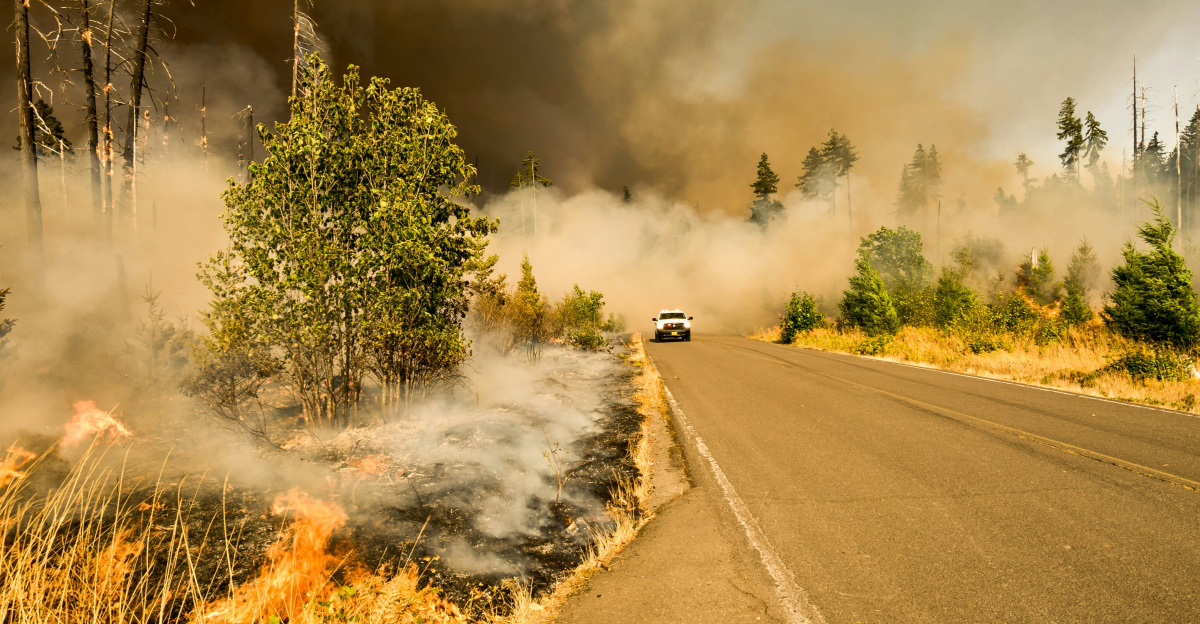
Smoke from the catastrophic Palisades and Eaton wildfires engulfed the Los Angeles metropolitan area in hazardous air beginning January 7, 2025, prompting urgent health advisories for approximately 18 million residents across Los Angeles and Ventura counties. Air quality indexes soared to 500 in some neighborhoods—the highest hazard category—transforming routine activities into serious health risks as residents confronted what experts called an unprecedented “toxic soup” of airborne contaminants.
The Crisis Unfolds
Multiple wildfires ignited simultaneously across the Los Angeles basin on January 7, fueled by powerful Santa Ana winds and exceptionally dry conditions. The Palisades Fire consumed 23,713 acres in Pacific Palisades and surrounding communities, while the Eaton Fire burned 14,021 acres in Altadena and Pasadena. Combined with the Hurst and Hughes fires, these conflagrations ultimately burned over 50,000 acres and destroyed at least 16,000 structures—including thousands of homes, schools, and medical facilities.
Unlike traditional wildfires burning vegetation, these blazes tore through densely populated urban areas, incinerating household plastics, car batteries, metal pipes, asbestos tiles, and lead paint from pre-1979 structures. This combustion created a dangerous mixture of fine particulate matter (PM2.5), heavy metals including lead and arsenic, carcinogenic compounds like benzene, and volatile organic compounds that saturated the air across one of America’s largest metropolitan regions.
The South Coast Air Quality Management District extended smoke advisories through January 11, warning that direct smoke impact from the fires had caused unhealthy to hazardous air quality throughout Los Angeles County. Downtown Los Angeles, miles from the fire epicenters, recorded AQI levels exceeding 100 for several consecutive days—the threshold at which air becomes unhealthy for children, elderly individuals, and those with respiratory conditions. Near the burn zones, AQI readings reached 500, a level rarely seen and hazardous for everyone.
Immediate Impacts on Daily Life
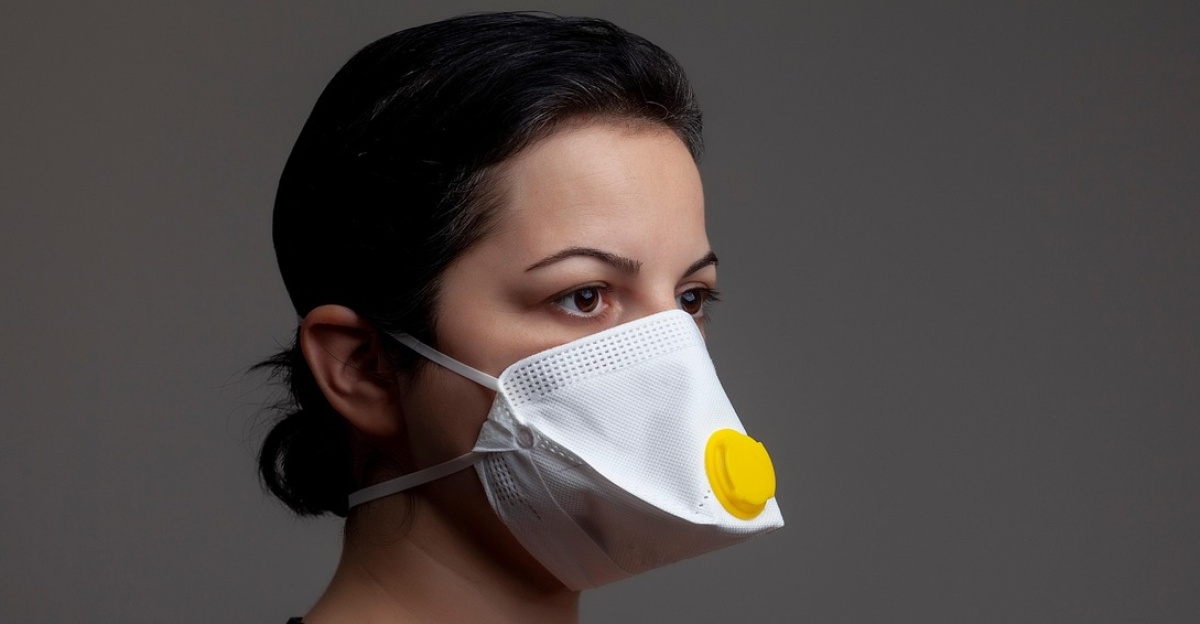
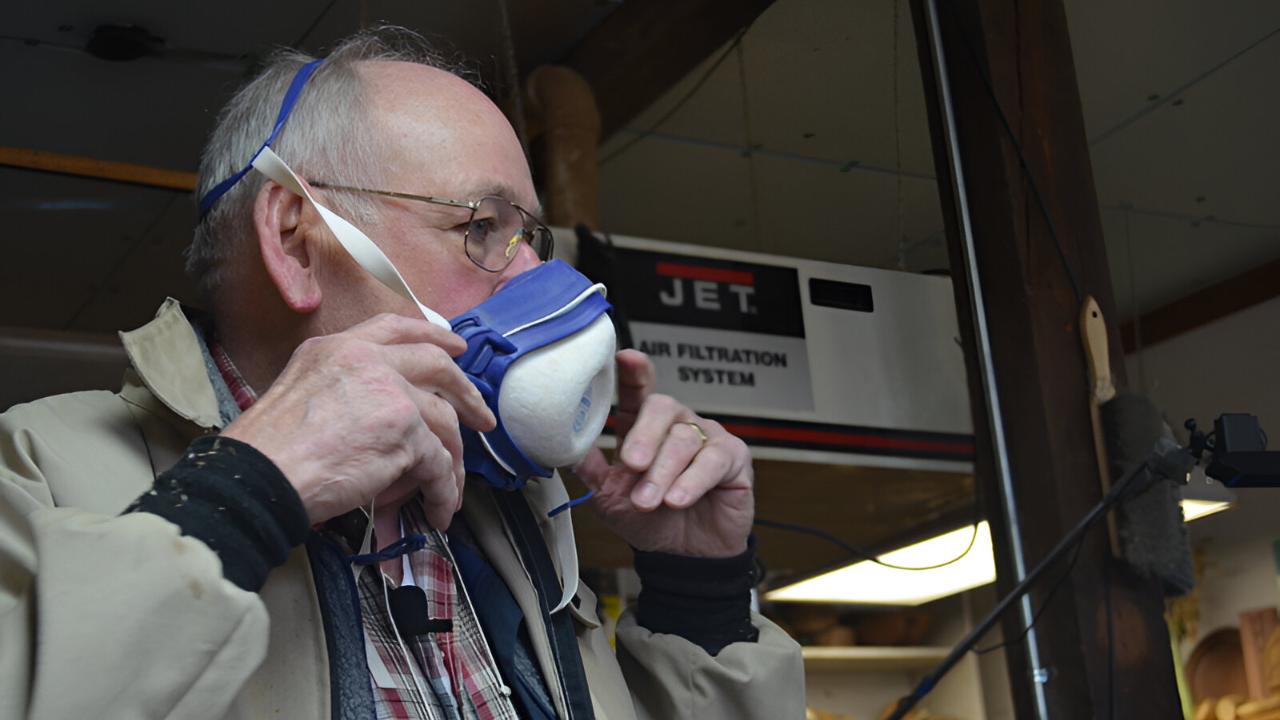
The Los Angeles County Department of Public Health issued formal advisories urging the region’s 18 million residents to remain indoors and wear N95 masks when venturing outside. Families sealed windows, deployed HEPA air purifiers with activated charcoal filters, and created safe havens as particulate pollution infiltrated homes. Schools across affected areas canceled outdoor activities and sports, keeping children inside as health officials warned that even brief exposure could trigger respiratory distress.
Vulnerable populations—including pregnant individuals, young children, elderly residents, and those with asthma or heart conditions—faced heightened risks. Emergency department visits at Cedars-Sinai Medical Center, one of the area’s largest hospitals near the Palisades Fire, surged dramatically in the three months following the blazes. Researchers documented a 24 percent increase in respiratory issues and a staggering 47 percent jump in heart attacks during this period, underscoring the fires’ severe health toll.
Over 180,000 residents received mandatory evacuation orders as flames advanced through neighborhoods. Approximately 31,000 people in Castaic faced evacuation orders when the Hughes Fire erupted on January 22, with an additional 23,000 under evacuation warnings. The displacement strained regional resources and left thousands uncertain when—or if—they could safely return to their homes.
Toxic Contamination Beyond Standard Measurements
Air quality monitoring revealed contamination far more complex and dangerous than typical wildfire smoke. Official EPA monitors in downtown Los Angeles detected elevated levels of lead and arsenic in the air during active burning. Researchers from UCLA, Caltech, and the Georgia Institute of Technology deployed specialized equipment to capture air samples inside and outside homes near the Palisades and Eaton fire zones, testing for more than 20 volatile organic compounds not routinely monitored by government agencies.
Their findings painted an alarming picture. During active burning, outdoor sites measured high concentrations of benzene, a known carcinogen. After fires were extinguished, indoor air quality remained compromised for weeks. UCLA environmental health scientist Yifang Zhu discovered that while outdoor benzene levels diminished, other harmful compounds—including toluene and carbon tetrachloride—increased indoors through February, absorbed and then released by drywall, furniture, and building materials.
University of California, Davis researchers detected elevated levels of hexavalent chromium—the carcinogenic contaminant associated with the “Erin Brockovich” case—in nanometer-sized particles capable of penetrating deep into lungs and potentially reaching the brain. This dangerous substance, generated when fires consume certain soils, rocks, or materials, was found in air samples collected from cleanup sites in March, long after flames were controlled.
Testing of homes impacted by smoke from the Eaton Fire revealed widespread contamination. According to data compiled by Eaton Fire Residents United, six out of ten affected homes still exhibited hazardous levels of cancer-causing asbestos, brain-damaging lead, or both—even after professional cleaning. Of the 50 homes tested, 63 percent showed lead levels exceeding EPA standards, with average concentrations nearly 60 times higher than federal regulations allow. Experts attributed the lead contamination to dust from burned paint in homes constructed before 1979, when lead-based paint was commonly used.
The standard Air Quality Index failed to capture the full scope of health risks. While AQI measures particulate matter concentrations, it doesn’t quantify toxicity of those particles or account for large ash particles typically undetected by monitoring instruments. Public health officials emphasized that even when AQI readings returned to “good” or “moderate” ranges by mid-January, residents still faced exposure to asbestos, copper, lead, and microplastics from combusted structures.
Economic and Infrastructure Disruptions

The fires’ economic ripple effects extended across Southern California. Restaurants and retailers in affected areas saw business collapse as outdoor seating areas closed and foot traffic evaporated. Indoor venues with advanced air filtration—including shopping malls, cinemas, and entertainment centers—attracted families seeking refuge from contaminated outdoor air. Streaming services and home-based activities surged as outdoor recreation plans were abandoned.
Tourism, a cornerstone of the Los Angeles economy, suffered immediate and sustained damage. Hikers avoided trails blanketed in smoke and ash; golfers canceled tee times; outdoor events were postponed or relocated. The hospitality industry reported significant losses as visitors rescheduled trips and conventions moved to alternative cities with cleaner air.
Logistics and transportation networks faced substantial challenges. Reduced visibility from thick smoke slowed truck traffic on critical corridors including Interstate 405 and the Pacific Coast Highway. Supply chain delays rippled outward, affecting inventory for businesses across the region. Energy demand surged as millions of residents ran air conditioning systems continuously and operated air purifiers around the clock, straining electrical grids already taxed by extreme weather conditions.
Real estate markets confronted new uncertainties. Properties in fire-affected neighborhoods faced contamination concerns that complicated sales and insurance claims. Conversely, homes featuring advanced HVAC systems with HEPA filtration and whole-house air purification began commanding premium prices as buyers prioritized air quality protection.
Vulnerable Workers and Regulatory Response
Outdoor laborers—including construction crews, landscapers, agricultural workers, and delivery drivers—confronted hazardous PM2.5 levels without adequate respiratory protection. Many projects paused under California occupational safety guidelines prohibiting strenuous outdoor work during hazardous air quality episodes. Workers who continued faced elevated health risks from prolonged exposure to toxic particulates.
Cleanup and debris removal operations presented additional hazards. Approximately 4,000 firefighting personnel deployed to combat the Hughes Fire alone, with thousands more battling the Palisades and Eaton blazes. First responders operated in conditions exposing them to carcinogens common in smoke from urban fires, raising long-term occupational health concerns particularly for those working without adequate respiratory protection.
The South Coast Air Quality Management District initiated an expanded 19-week monitoring effort to assess air quality in affected communities. The agency deployed regulatory-grade monitors to collect samples every three days from September through October 2025, testing for hexavalent chromium and 33 other air toxic metals including lead and arsenic. Results indicated that by late 2025, concentrations had returned to regional background levels, though questions persisted about potential long-term contamination in soil and buildings.
Cal Fire and local emergency management coordinated evacuation orders and fire suppression across multiple jurisdictions. The Los Angeles Fire Department faced scrutiny over resource deployment decisions made before the fires erupted. According to the department’s after-action report, staffing levels on January 7 fell short of LAFD standards for extreme weather conditions despite National Weather Service warnings of a “particularly dangerous situation”—the agency’s highest alert level.
Health Monitoring and Long-Term Concerns
The public health response mobilized rapidly but faced significant gaps. While officials issued general advisories to stay indoors and avoid outdoor activity, specific guidance about indoor air contamination and cleanup protocols lagged for weeks. Residents expressed frustration about the absence of clear information regarding when it was safe to return to evacuated areas or how to remediate contaminated homes.
Academic researchers stepped in to fill information voids. UCLA’s Zhu and colleagues established air sampling protocols within 24 hours of the first fire igniting, collecting data that would inform public understanding of contamination risks. Harvard University’s School of Public Health deployed teams to assess building safety and indoor air quality following the fires, testing for pollutants not covered by standard EPA protocols.
Emergency room data from the Centers for Disease Control and Prevention documented sharp spikes in wildfire-related visits during early January 2025, with daily percentages of emergency department encounters attributed to wildfire exposure correlating directly with outdoor AQI values. The pattern mirrored previous wildfire events but at unprecedented scale given the affected population.
Long-term health monitoring remains incomplete. Scientists emphasized that while abundant research documents wildfire smoke’s health effects, far less is known about urban wildfire smoke’s impacts—particularly when 18-20 million people are simultaneously exposed to air enriched with toxic metals and industrial pollutants. Questions persist about delayed health consequences from lead neurotoxicity, asbestos-related cancers with decades-long latency periods, and cardiovascular impacts from chronic particulate exposure.
Indoor air quality concerns extended months beyond fire containment. Homes can absorb volatile organic compounds through porous materials and release them gradually over time, meaning contamination persists even after outdoor air clears. Public health experts urged residents to maintain ventilation, use HEPA purifiers with activated charcoal filters, and consider professional testing for lead, asbestos, and VOCs—particularly in homes with young children or pregnant residents.
Climate Context and Future Risks
The January 2025 Los Angeles wildfires occurred during what meteorologists classified as an exceptional Santa Ana wind event, with gusts exceeding 80 mph in some locations combined with humidity levels below 10 percent. These conditions, historically associated with California’s most destructive fires, are projected to intensify as climate change alters regional weather patterns.
Scientists warn that rising temperatures extend fire seasons, increase vegetation stress and fuel dryness, and create more frequent extreme wind events that drive rapid fire spread through populated areas. The Los Angeles basin’s unique geography—with dense urban development interspersed with chaparral-covered hills and canyons—creates ideal conditions for wildland-urban interface fires that generate the toxic smoke mixtures observed in January 2025.
National studies have documented dramatic increases in wildfire smoke exposure across the western United States over the past decade. The average Los Angeles resident’s exposure to medium-density smoke increased from about one day per year in 2011-2015 to seven days per year in 2017-2021—a trend that accelerated with the 2025 fires. Heavy smoke exposure in the region increased by 1,782 percent over the same period, independent of population growth.
The broader economic toll of wildfire smoke extends far beyond burn perimeters. A 2018 study estimated California wildfires caused approximately $150 billion in damages, with 59 percent attributed to indirect costs through business interruptions affecting industries located far from actual fire zones. Labor market research indicates each additional day of smoke exposure reduces employment by up to 80 workers per million eligible, with smoke reducing annual earnings by nearly 2 percent of U.S. labor income on average.
Building Resilience for an Uncertain Future
As Los Angeles begins the long recovery process, the January 2025 fires have catalyzed discussions about urban resilience, building standards, and emergency preparedness. Real estate developers increasingly tout advanced air filtration systems as selling points. Demand for whole-house HEPA systems, air quality monitors, and emergency supplies surged in the fires’ aftermath.
Policy debates intensified around wildfire management, including vegetation clearing requirements, building material standards to reduce toxic smoke generation, and pre-positioning of firefighting resources during extreme weather forecasts. The LAFD updated policies to increase staffing during particularly hazardous conditions, though officials acknowledged that additional resources might not have stopped fires of the magnitude that devastated Pacific Palisades and Altadena.
Communities across fire-affected areas organized grassroots monitoring efforts to track air quality, soil contamination, and water safety when official systems proved insufficient. These citizen science initiatives provided valuable hyperlocal data and empowered residents to make informed decisions about exposure risks.
Indoor air quality infrastructure emerged as a critical resilience investment. Public health advocates called for upgrading HVAC systems in schools, hospitals, affordable housing, and other public buildings to include HEPA filtration capable of protecting occupants during prolonged smoke events. As wildfire smoke increasingly affects densely populated urban areas, such investments may prove essential for protecting vulnerable populations who lack resources to install home air purification systems.
The January 2025 Los Angeles wildfires marked a watershed moment in understanding urban wildfire risks and toxic air exposure at metropolitan scale. With approximately 18 million people breathing hazardous air for days and contamination persisting for months, the event demonstrated that climate-driven wildfire threats now extend beyond rural and wildland-urban interface areas to the hearts of major American cities. Building resilience through improved monitoring, filtration investments, stricter building standards, and enhanced emergency response protocols has become an urgent priority for protecting public health in an era of intensifying wildfire risks.
Sources:
“Air quality alert issued due to wildfire smoke through Monday, June 2 for all of Minnesota.” Minnesota Pollution Control Agency, 29 May 2025.
“Another day of hazy Detroit air as Canadian wildfire smoke spreads.” Planet Detroit, 3 Jun 2025.
“Alberta’s wildfires disrupt some 7% of Canada’s oil production.” Reuters, 2 Jun 2025.
“Wildfire smoke and unhealthy air quality early this week.” South Carolina Public Radio, 2 Jun 2025.