A plantation house dating to the early 1850s in southern Mississippi is the focus of a new investigation after metal detectorists uncovered signals suggesting a hidden Civil War-era tunnel beneath the property.
Historians say such discoveries can illuminate the state’s wartime role and the secretive activities that may have occurred below its historic homes. Local officials have confirmed that the find is now under review, and preservation specialists have noted its potential importance to understanding Mississippi’s Civil War history.
Metal Detectorists Detect Possible Tunnel Beneath Historic Mississippi Home
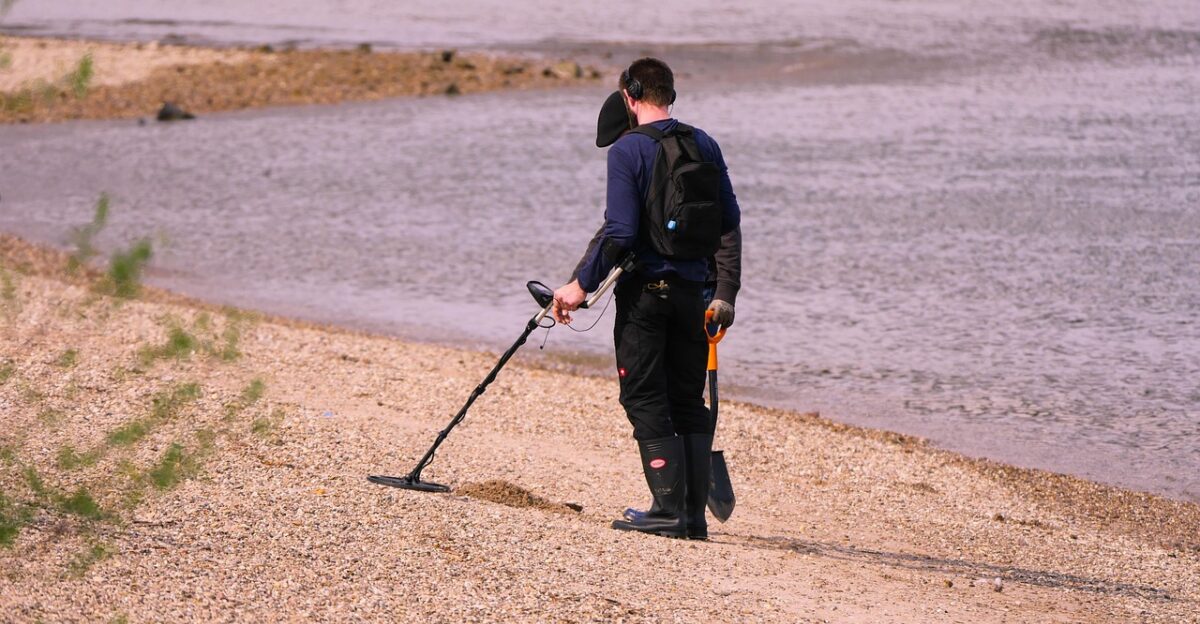
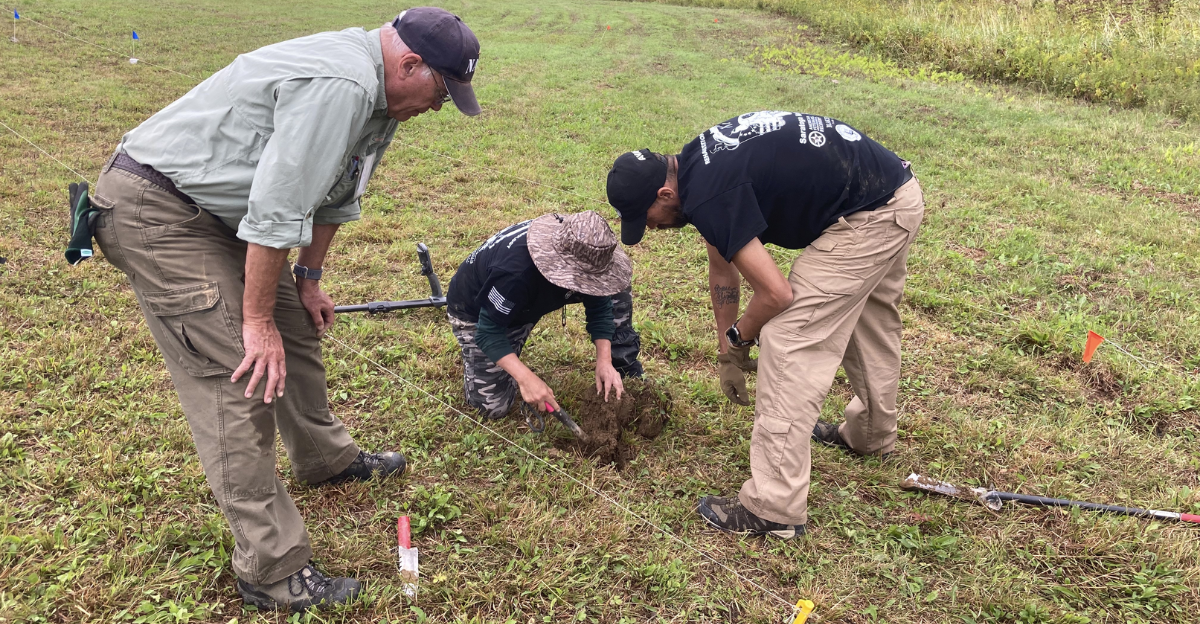
The probe began when a group using metal detectors scanned the area near the plantation’s front porch. “We got readings we couldn’t ignore,” one detectorist said. Areas near an older addition showed unusually strong signals, prompting suspicion of a man‑made structure.
Independent expert archaeologists reviewed the preliminary data and confirmed the presence of iron anomalies consistent with buried objects.
Mississippi Plantations Dominated the State’s Pre-Civil War Landscape
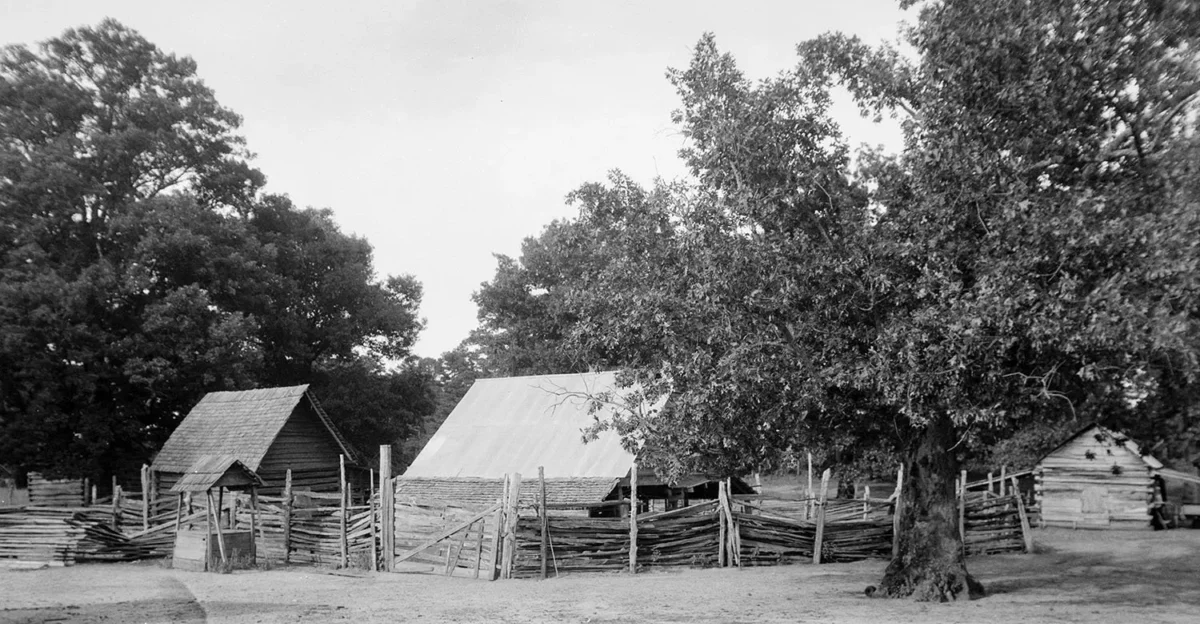
According to the Mississippi Department of Archives and History, Mississippi’s economy relied heavily on cotton production from large plantations by the mid-1800s. Estates often included the main house, agricultural buildings, and extensive grounds.
Many adopted Greek Revival architecture, which served as a visual statement of wealth and status in the years before the Civil War transformed the region’s economy and social structure.
Early Tunnel Theories Include Storage, Shelter, or Wartime Use
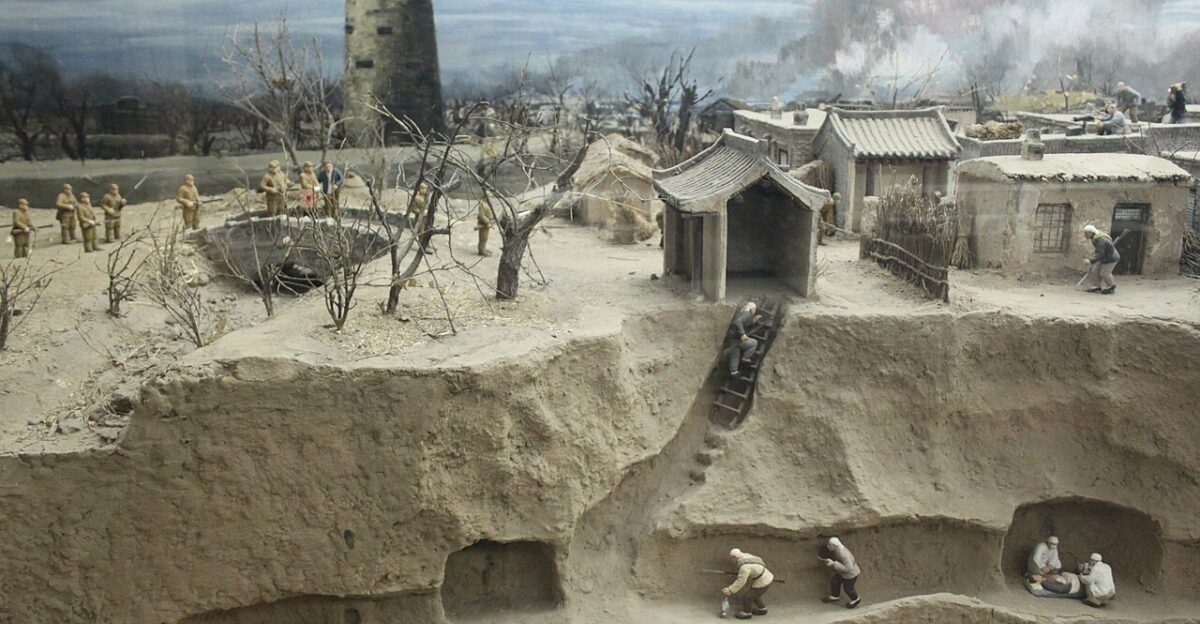
Researchers have proposed several explanations for the underground feature. Some suggest it could be a forgotten storage area or storm shelter.
Others, noting the Civil War context, suspect it may have been used for concealing valuables, moving people discreetly, or serving other covert purposes during the conflict, a theory supported by wartime accounts from the region.
Civil War Tunnels Played a Role in Mississippi’s Major Battles
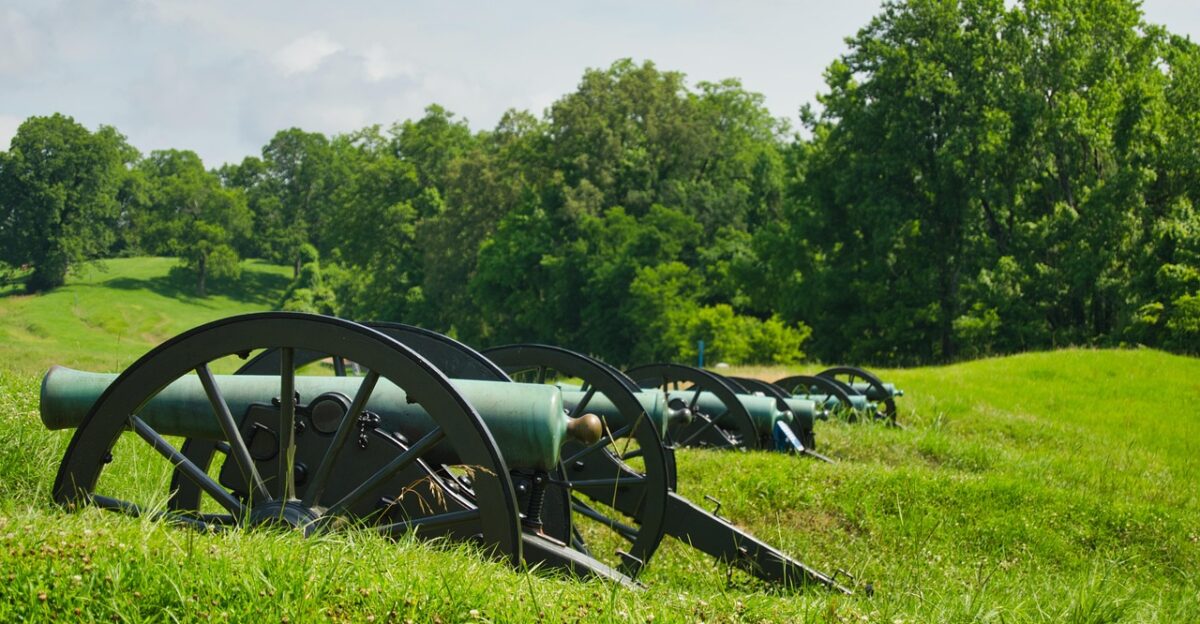
Tunnels were an established feature of Civil War military strategy. The National Park Service notes that during the 1863 siege of Vicksburg, both Confederate and Union forces dug tunnels for protection, communication, and even offensive mining.
Such networks often played pivotal roles in prolonged engagements across the state.
Mississippi’s Loess Soil Made Wartime Tunneling Possible
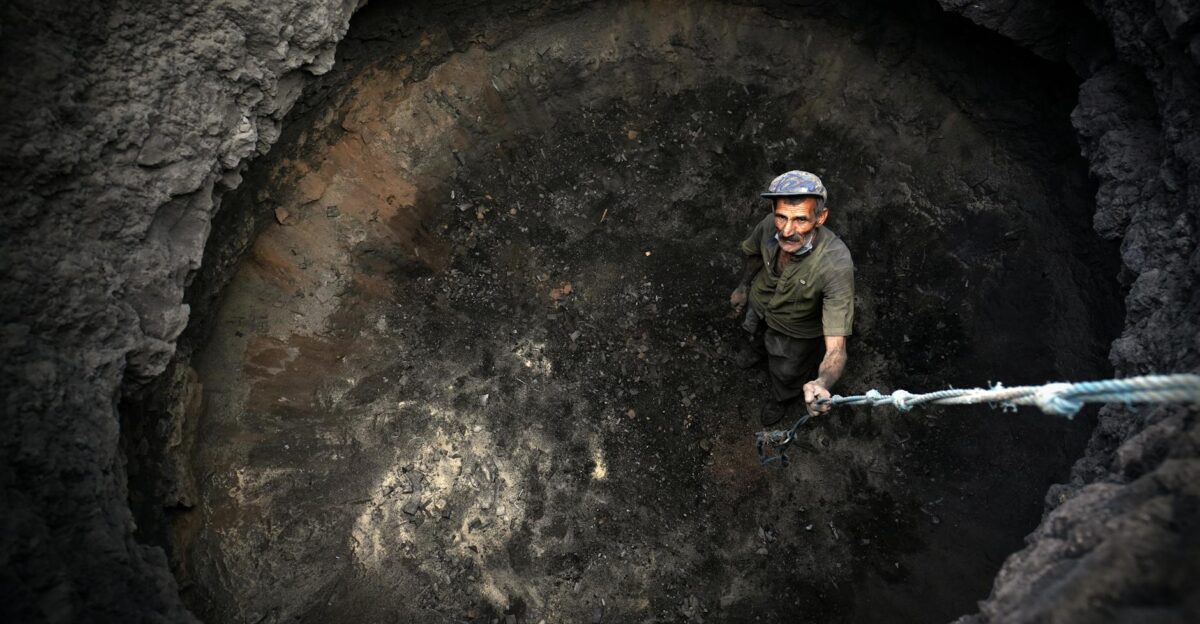
Geologists have found that Mississippi’s loess soil, a wind-deposited sediment, is uniquely suited for tunnel construction because it remains stable when vertically cut.
During the Civil War, military engineers and civilians created underground spaces for shelter, storage, and movement without extensive reinforcement.
Antebellum Homes Sometimes Concealed Secret Rooms or Passageways
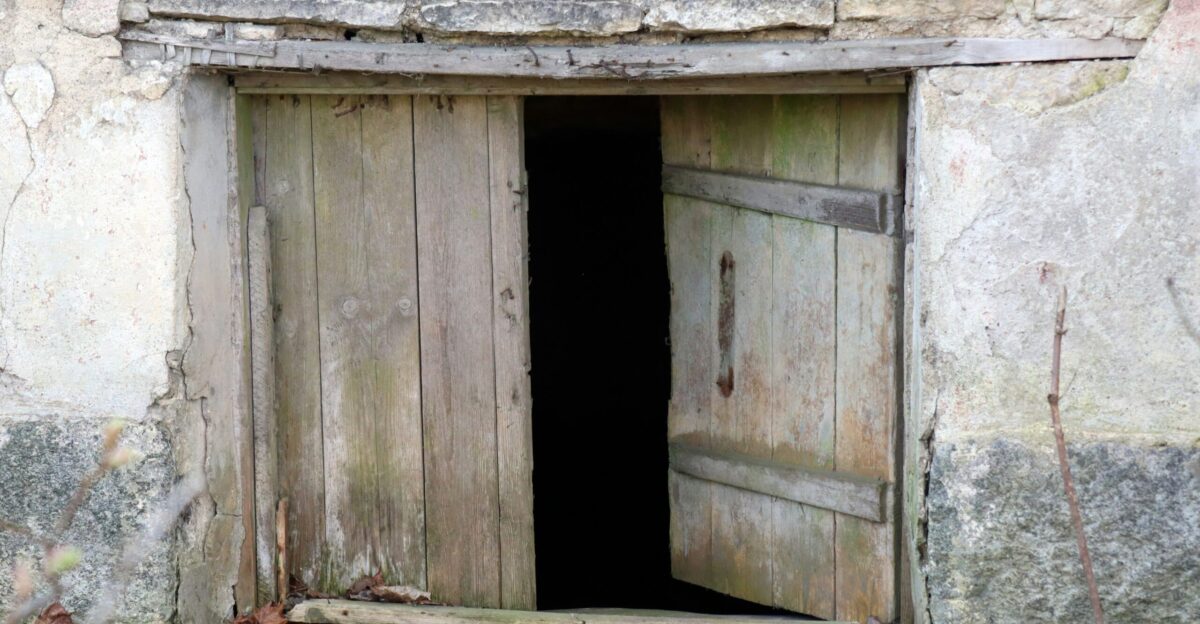
Historic preservation experts report that some antebellum homes contained hidden rooms, false walls, or tunnels. While many served as storage or refuge during natural disasters, others may have been used in wartime for concealment or escape.
Documented cases exist where tunnels connected homes to outbuildings or nearby terrain.
Investigators Enter Crawl Spaces to Search for Tunnel Access

Investigators accessed crawl spaces beneath the plantation to locate potential tunnel entry points. According to one team member, such areas can be hazardous due to structural decay and wildlife.
Detailed measurements, photographs, and soil samples are being taken to assess whether the cavity aligns with 19th-century construction techniques.
Oral Histories Link Mississippi Plantations to Civil War Activity
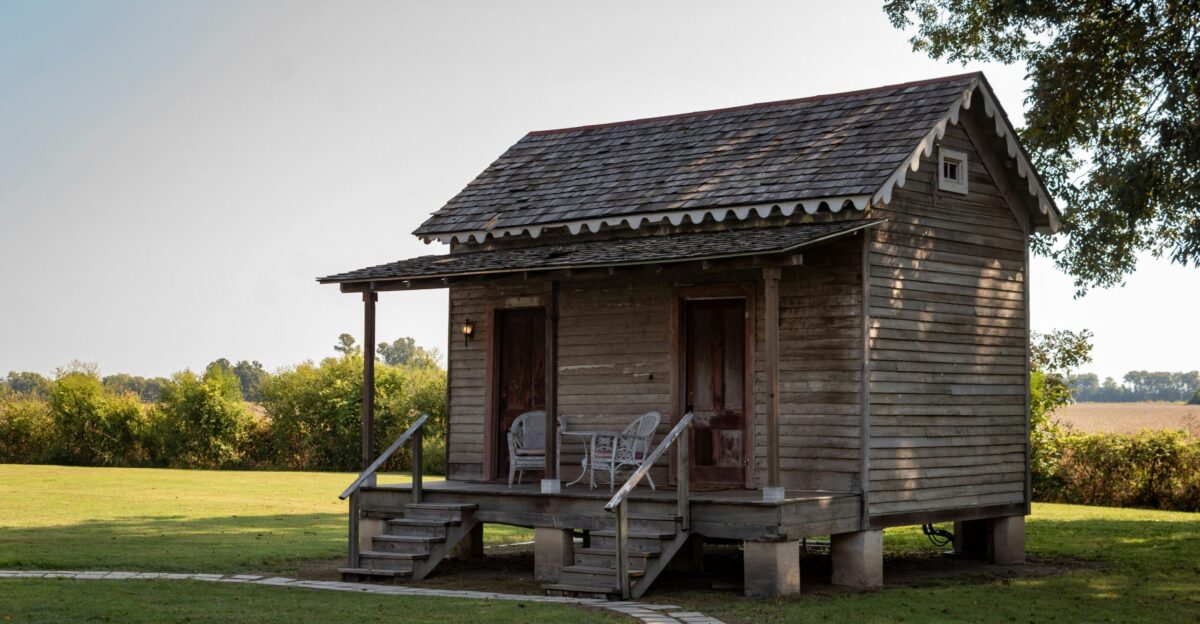
Local oral histories often claim that Mississippi plantations served as field hospitals, command posts, or safe houses during the war.
In some accounts, tunnels were repurposed or dug to aid troop movements or conceal supplies, as documented in the cases of Vicksburg and Windsor Plantation.
Discovery Draws Comparisons to Vicksburg’s Preserved War Tunnels
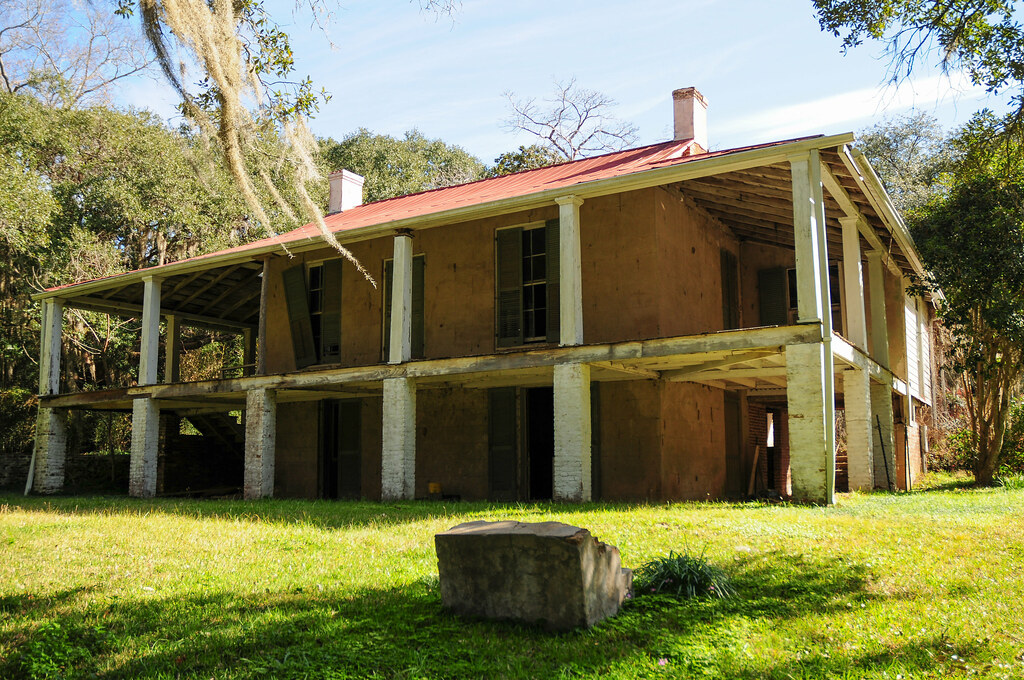
Historians have compared the find to preserved tunnels at Vicksburg National Military Park, where underground passages allowed Union forces to position explosives beneath Confederate defenses.
Such examples show how subterranean features could be critical to both offensive and defensive strategies during the war.
Survey Finds Cavity and Possible Civil War Uniform Button
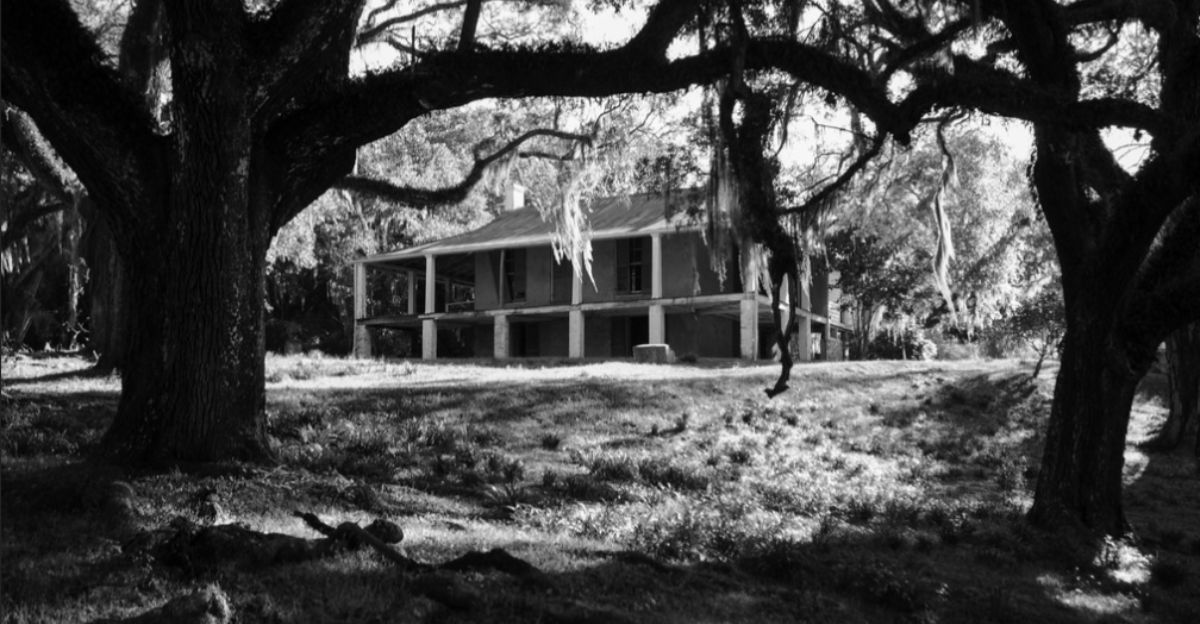
Early surveys beneath the Mississippi house revealed a cavity parallel to the foundation. A metal button found nearby is undergoing analysis to determine its origin. One researcher said that if linked to a military uniform, it could provide direct evidence of Civil War activity on the property.
Ground-Penetrating Radar to Be Used in Tunnel Investigation
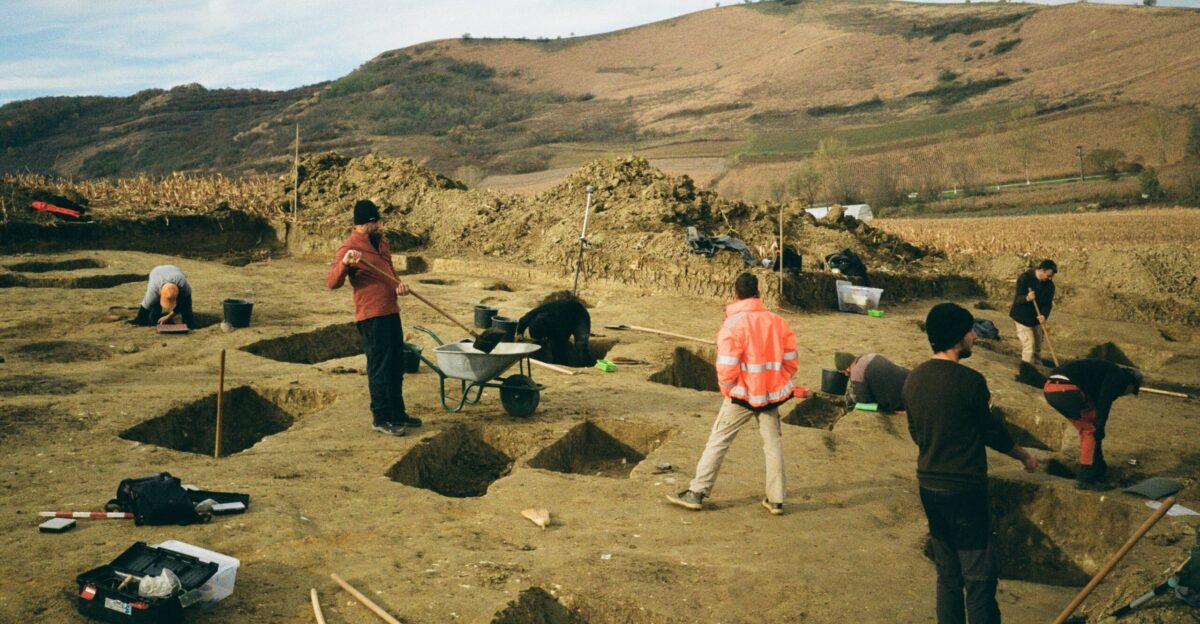
The investigative team plans a full archaeological survey using ground‑penetrating radar, precise excavation, and artifact cataloging following professional standards.
Historians will consult Civil War–era maps and documents, per a statement from the lead investigator’s office.
Tunnel Could Reveal How Civilians Adapted During Civil War
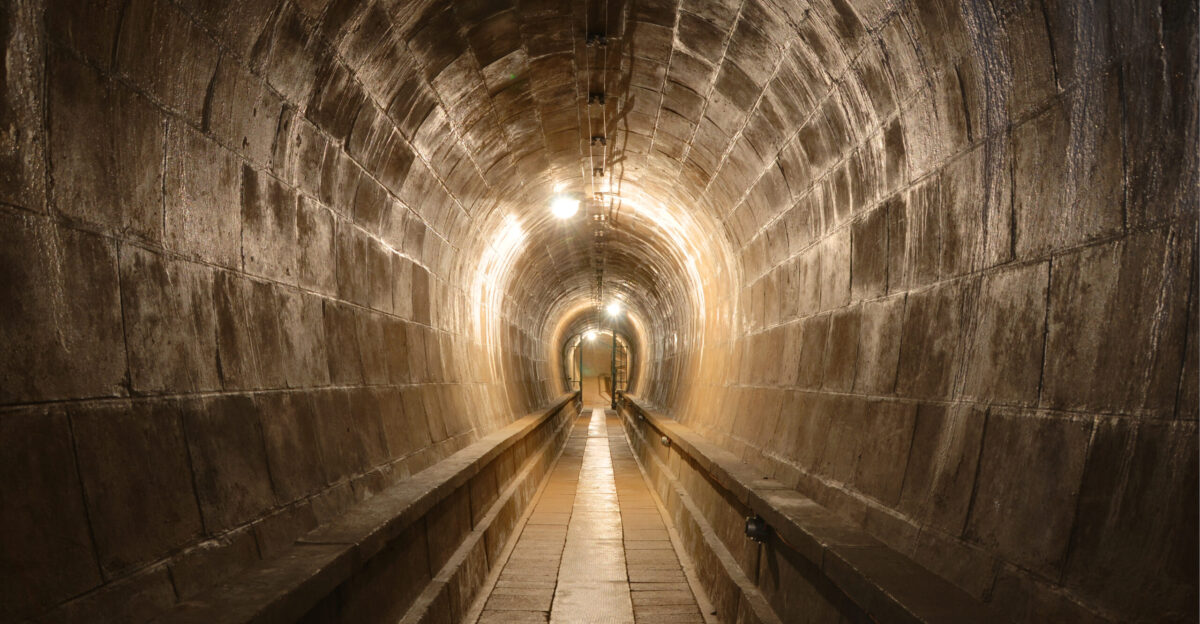
If confirmed as Civil War-era, the tunnel could reveal how plantation residents adapted during the conflict.
Experts say such a find might offer insights into civilian defense measures, resource protection, and repurposing private infrastructure during wartime pressures.
Findings May Change How Mississippi’s Civil War History Is Told
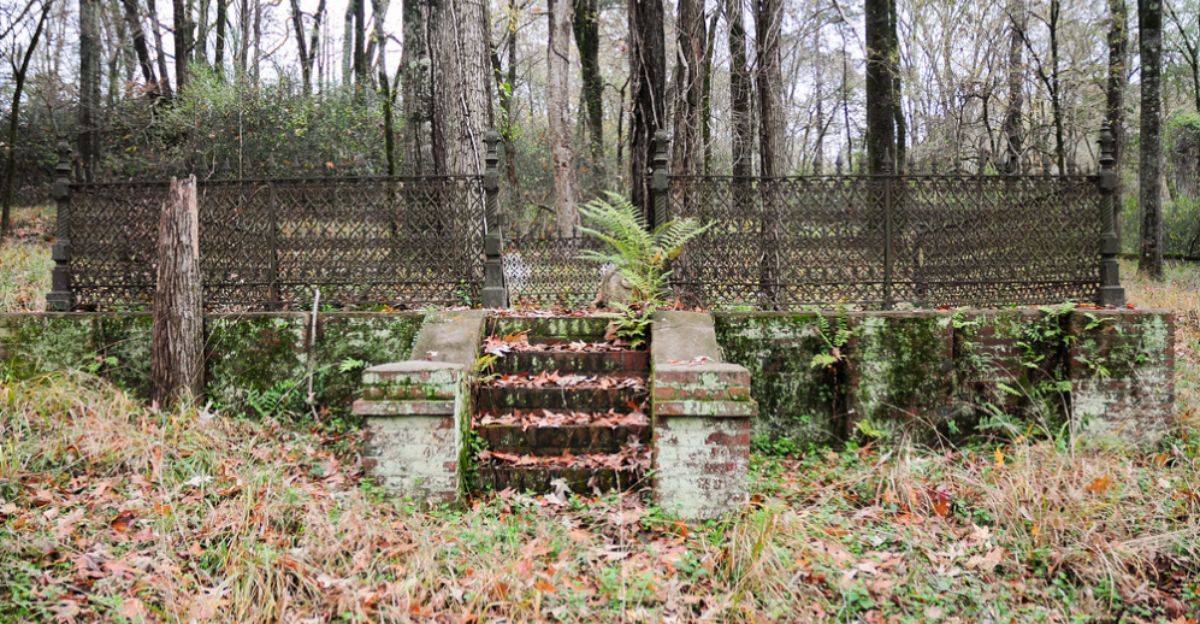
This investigation could add a new dimension to Mississippi’s Civil War narrative. Historian Timothy Smith noted that hidden features like tunnels illustrate how communities navigated the war beyond the battlefield, blending architecture with survival strategy.
Officials Plan to Preserve and Share Any Confirmed Discoveries
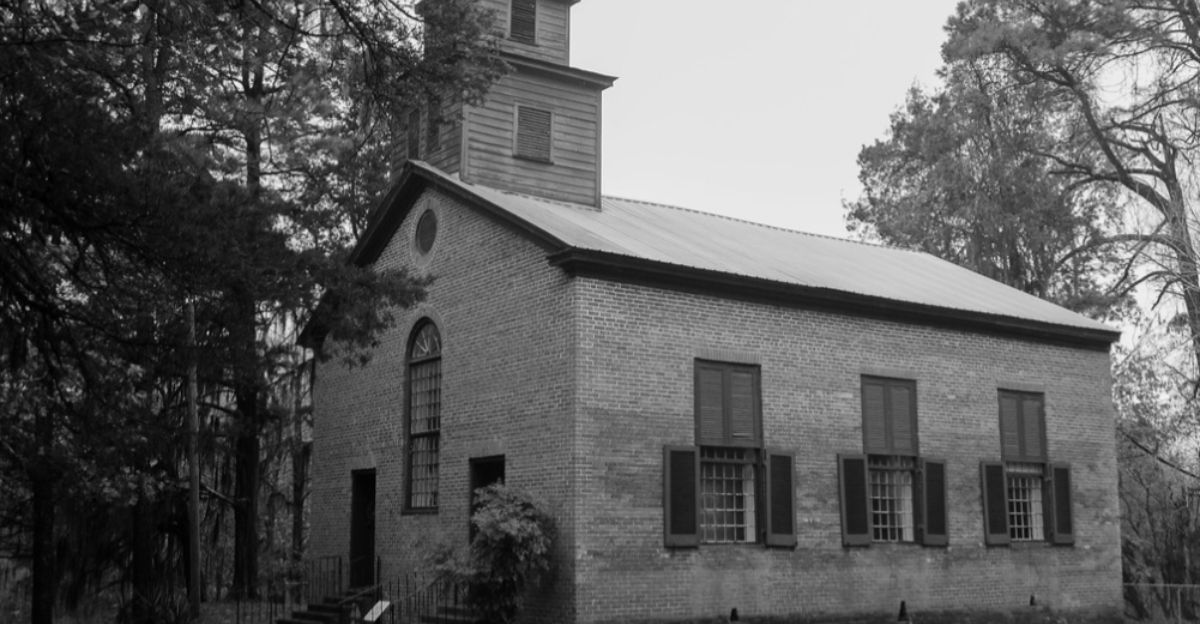
Local officials have confirmed that all exploration will follow preservation standards. Any findings will be documented and, where possible, shared with the public.
The discovery has already drawn interest from Civil War historians, who say it highlights the importance of protecting historic properties before such features are lost to time.