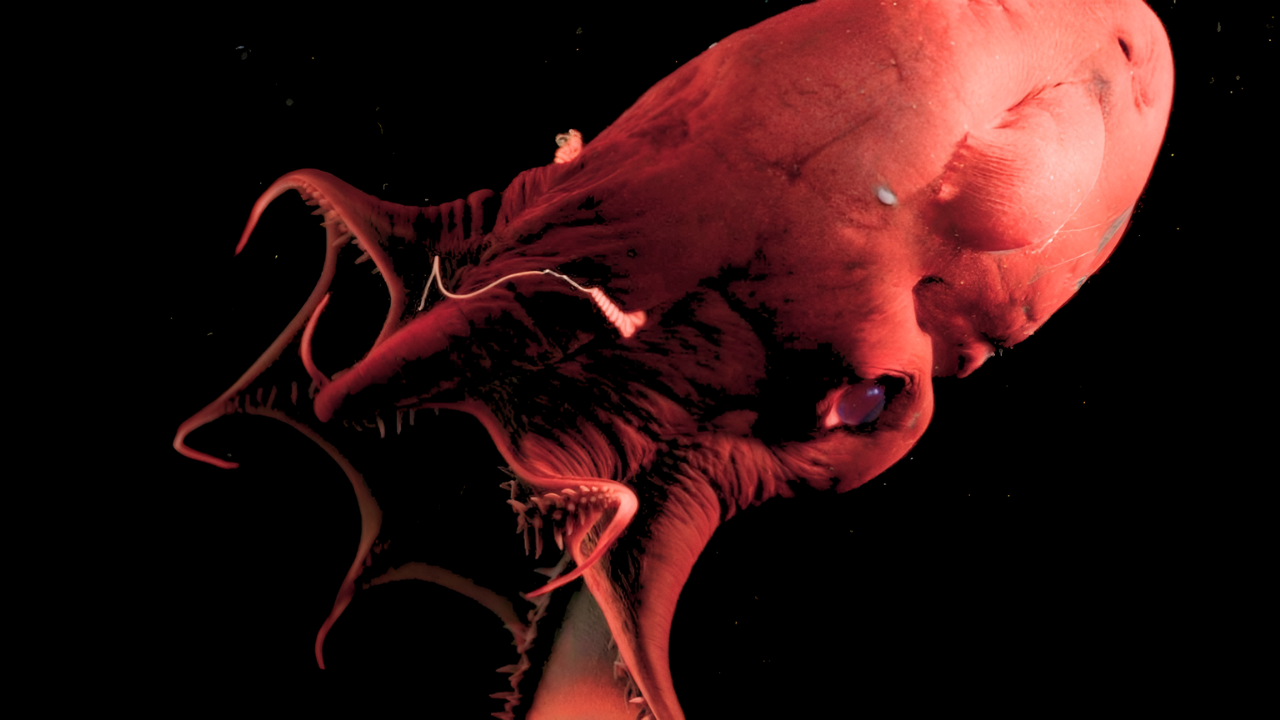
Something extraordinary lurks in the crushing darkness two thousand feet below the ocean’s surface—a creature so ancient its genome has just shattered every record scientists thought they knew. The vampire squid, neither a vampire nor a squid, carries DNA so massive that it dwarfs the human genome nearly four times over.
This accidental discovery, published in November 2025, has cracked open the biggest mystery in cephalopod evolution.
When a Fishing Net Snagged a Ghost
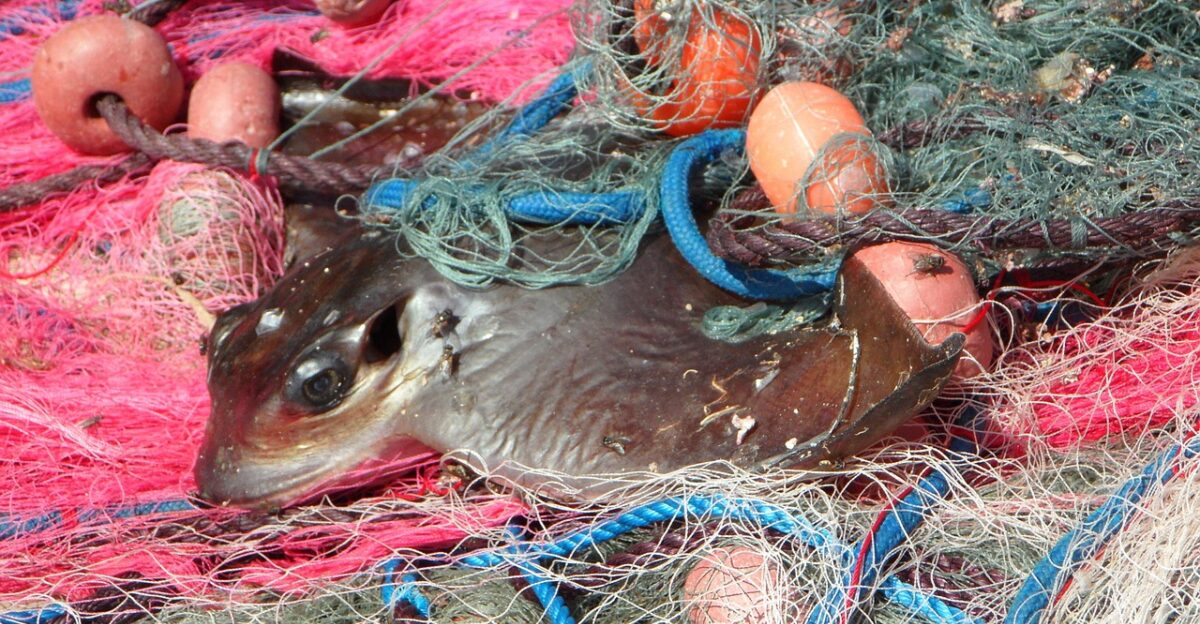
The story begins with pure chance. A research vessel off Japan’s coast hauled in something unexpected—a juvenile vampire squid, caught as bycatch in its fishing nets. These creatures live so deep, so far beyond human reach, that every encounter feels like brushing against a phantom.
This single specimen, secured by the Tokai University vessel T/V Hokuto, would become the key to unlocking secrets buried for 300 million years. Scientists at the University of Vienna knew immediately: they held evolutionary gold in their hands.
The Genome That Shouldn’t Exist
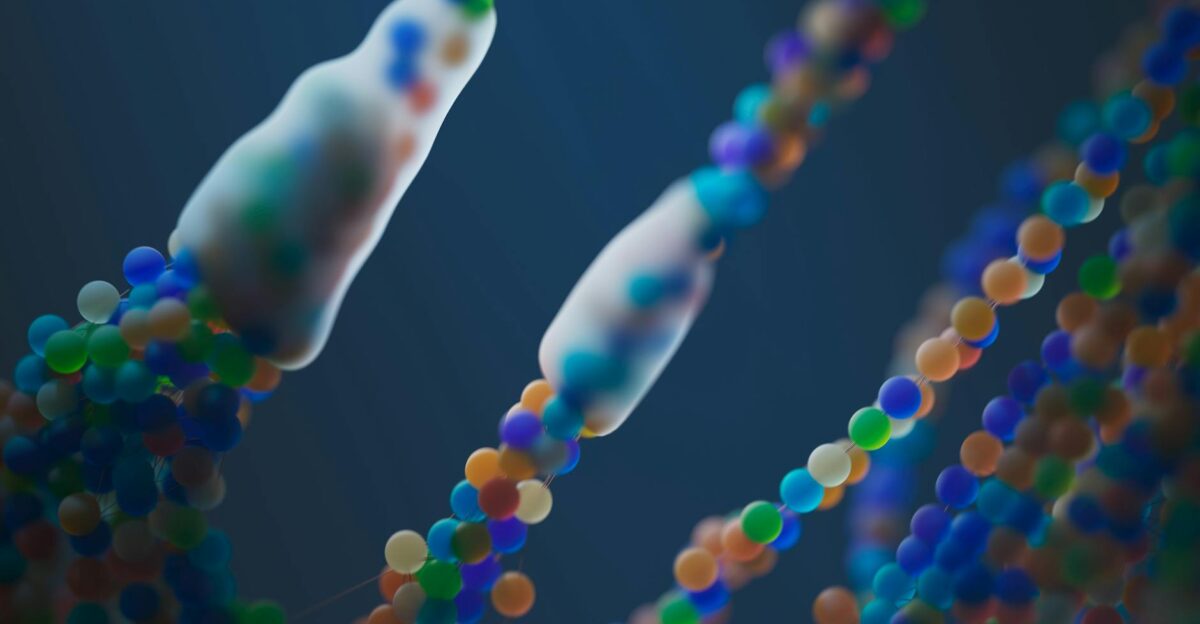
When researchers sequenced the vampire squid’s DNA, the numbers defied belief. At 11 to 14 billion base pairs, this genome is the largest cephalopod ever sequenced—more than double the previous record holder, the common cuttlefish. Squid genomes typically range from 4.4 to 4.9 gigabases.
Octopuses, those masters of camouflage and intelligence, carry only 2.2 to 2.7 gigabases. Yet the vampire squid, a shy scavenger with a simpler body plan, somehow evolved a genome up to six times larger. The question screamed at scientists: why?
The Mystery Hidden in “Junk DNA”
The answer lay in what most scientists once dismissed as genetic garbage. Sixty-two percent of the vampire squid’s massive genome consists of repetitive elements—stretches of DNA that repeat endlessly without coding for proteins. These aren’t errors; they’re evolutionary artifacts that have inflated the genome to colossal proportions. The remaining 38 percent still exceeds the entire genomes of most cephalopods.
Here’s the twist: these repetitive sequences may have acted as anchor points, locking the genome in place while other species underwent radical transformations.
A Creature With Conserved Genetics

The vampire squid’s lineage dates back 183 million years—predating the breakup of Pangaea. While octopuses and squids evolved dramatically, this deep-sea species retained its ancestral chromosomal structure.
Its habitat, the ocean’s oxygen minimum zone, is so hostile that few predators venture there.
This sanctuary reduced evolutionary pressures that reshaped its relatives, helping preserve its ancient genetic architecture. It is the last surviving member of its lineage.
The Chromosomal Clue That Changed Everything

Here’s where the story takes a turn. Despite being classified as an octopus relative, the vampire squid’s chromosomes look remarkably squid-like. When University of Vienna genomicists Oleg Simakov and Emese Tóth compared these chromosomes across species, a pattern emerged: the common ancestor of all cephalopods was far more squid-like than anyone imagined.
Octopuses had undergone a dramatic transformation—an irreversible process called “fusion-with-mixing”—while squids and vampire squids stayed true to the original blueprint.
When Evolution Took Two Different Paths
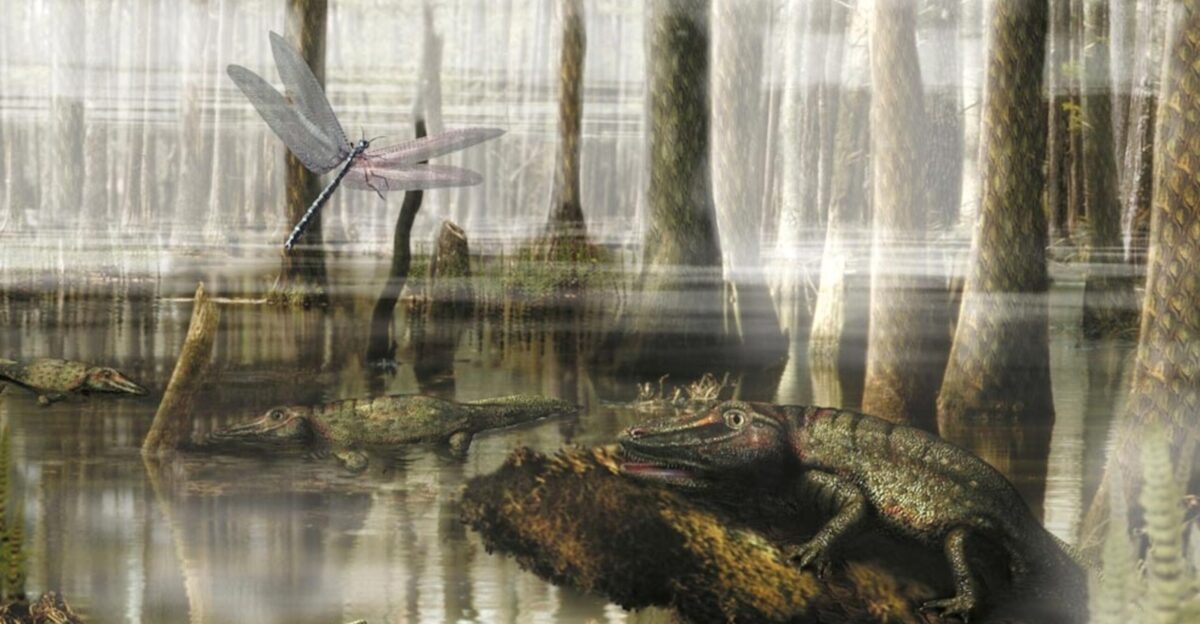
About 300 million years ago, during the Carboniferous period, cephalopods faced a critical juncture in their evolutionary path. One branch—squids and cuttlefish—maintained their chromosomal organization stability, retaining roughly 46 chromosomes. The other branch—octopuses—embarked on a radical experiment. Their chromosomes fused and rearranged themselves in ways that could never be undone.
This chromosomal reshuffling wasn’t just cosmetic; it likely drove the evolution of octopuses’ specialized arms and remarkable intelligence. The vampire squid, meanwhile, watched from the deep, its own chromosomes unchanged.
A Key to Understanding Cephalopod Evolution

Scientists describe the vampire squid genome as a valuable tool for decoding cephalopod evolution. By comparing its chromosomal structure to that of modern squids, octopuses, cuttlefish, and even the argonaut, researchers traced the evolutionary path.
The genetic evidence supports what was once theoretical: early coleoids were squid-like, and octopuses evolved through dramatic chromosomal reorganization.
A Research Specimen Yields Breakthrough
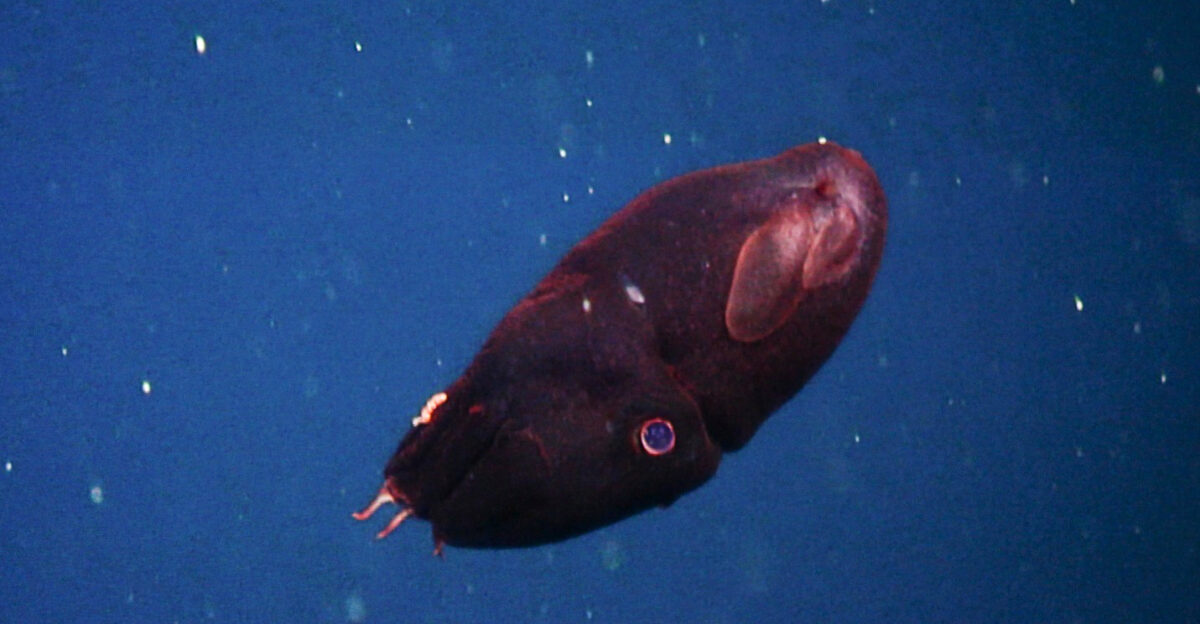
One random specimen caught in a fishing net rewrote 300 million years of evolutionary history. This underscores how scientific breakthroughs depend on chance encounters and preserved specimens. The vampire squid’s rarity—living in crushing depths that humans cannot venture into—makes every captured individual precious.
This specimen, secured by researchers from Tokai University, yielded insights that will shape evolutionary biology for decades.
Why Octopuses Are the Real Evolutionary Radicals
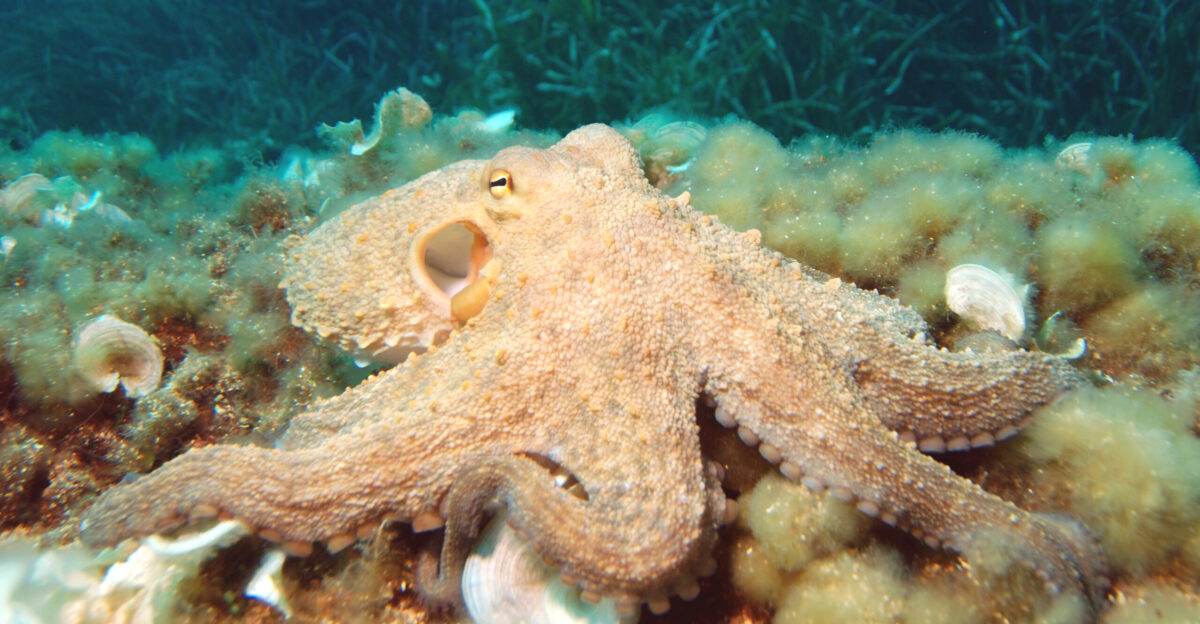
While the vampire squid’s genome expanded through repetitive elements, octopuses achieved complexity through radical reorganization. Large-scale chromosomal rearrangements, not new genes, drove cephalopod diversity.
The octopus—intelligent, adaptive, and behaviorally complex—emerged not through genetic novelty but through genomic reorganization. The vampire squid, lacking these rearrangements, remains simpler—yet perfectly adapted to its niche.
The Deep-Sea Secrets Still Waiting
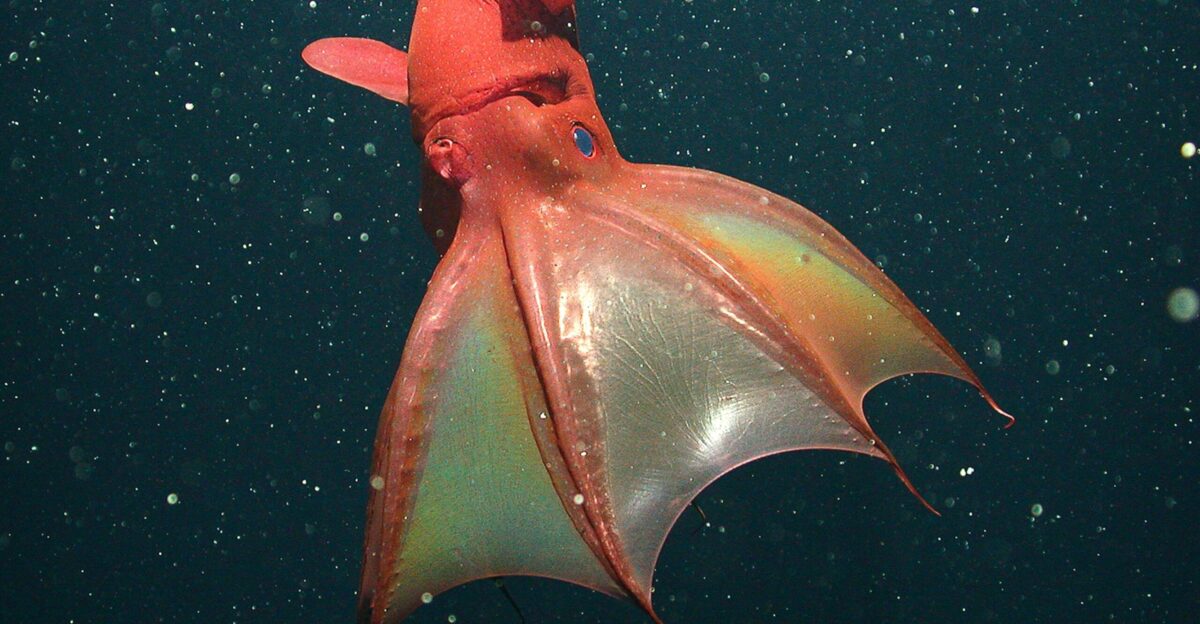
Many questions remain. Why did the vampire squid’s lineage alone escape the chromosomal reshuffling that transformed other cephalopods? What specific pressures drove octopuses to undergo fusion-with-mixing while squids and vampire squids remained conservative? Future research will use the vampire squid genome as a blueprint for decoding other evolutionary mysteries.
As climate change threatens deep-sea ecosystems, the study of creatures like the vampire squid becomes increasingly urgent—before these ancient lineages disappear forever.
When Genomes Tell Stories of Survival
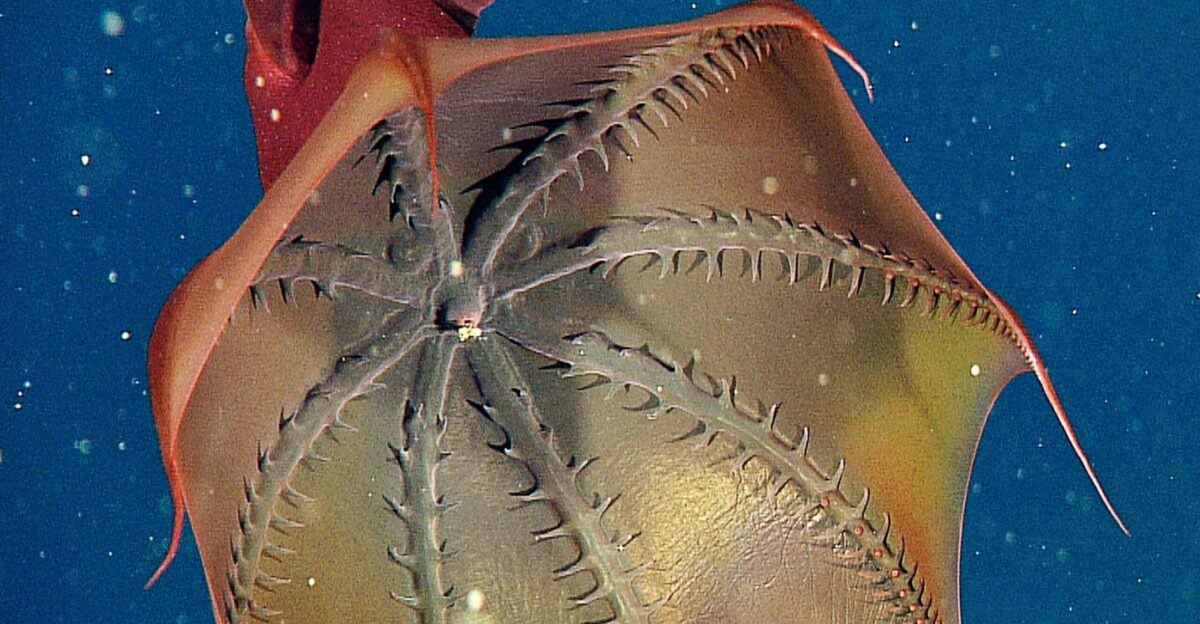
The vampire squid’s genome represents far more than a scientific curiosity; it’s a record of 300 million years of evolutionary history encoded in living cells. This shy, gentle scavenger, drifting through absolute darkness on a minimal metabolism, has preserved secrets about life’s diversity that scientists are only beginning to decode.
Its blue blood, more efficient at oxygen transport than other cephalopods, and its use of ammonium for buoyancy allowed it to escape evolutionary pressures that reshaped everything else.
The Creature That Outlasted
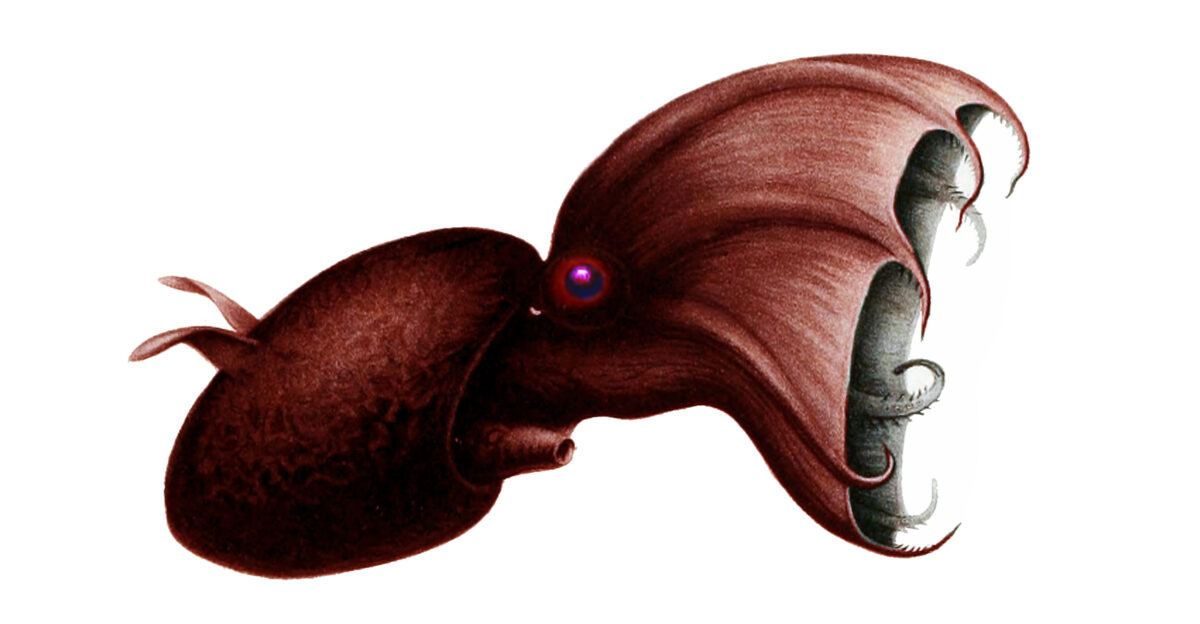
The vampire squid survived mass extinctions and witnessed continents drift apart. Its 183-million-year lineage has endured while countless other species vanished. Now, one accidental catch has revealed why.
The very features that seemed to make it primitive—its oversized genome, its repetitive DNA, its unchanged chromosomes—turned out to be its secret weapons.
What This Means for Understanding Life Itself

This discovery challenges fundamental assumptions about the theory of evolution. Complexity doesn’t always require new genes; sometimes, it demands radical reorganization of what already exists. The octopus’s intelligence, its camouflage, its problem-solving abilities—all emerged from reshuffling existing genetic material, not inventing new genes.
The vampire squid, with its massive yet conservative genome, demonstrates that sometimes the best evolutionary strategy is to remain unchanged.
The Future Written in Ancient DNA

The vampire squid genome opens doors to studying how ancient lineages survive virtually unchanged for hundreds of millions of years. Researchers can now track chromosomal evolution not just in cephalopods but potentially across other animal groups. The combination of genomic data and comparative analysis holds the promise of revolutionizing the field of evolutionary biology.
Deep-sea trawling and climate change pose a threat to the oxygen minimum zones where these creatures reside. We may be studying them just as they disappear.
A Living Testament to Deep-Sea Resilience
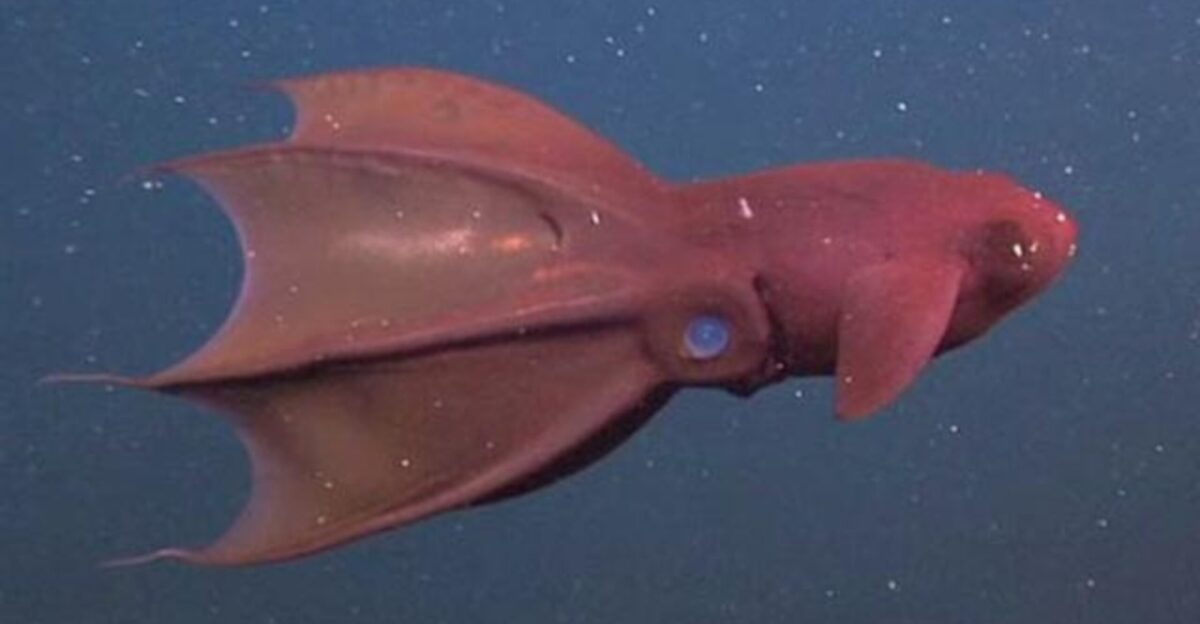
The vampire squid’s 11-billion-base-pair genome is a record of 300 million years of survival, encoded in living cells. This shy scavenger, drifting through crushing darkness, has preserved secrets about life’s diversity that scientists are only beginning to decode.
As humans peer deeper into the ocean’s mysteries, the vampire squid reminds us that the strangest, most transformative insights often come from the most unexpected places.
The Mystery That Still Haunts Scientists
Why did only the vampire squid survive when its entire lineage vanished? What secrets remain locked in those 6.8 to 8.7 billion base pairs of repetitive DNA? How many other “living fossils” drift through the deep sea, waiting for a chance encounter with a research vessel?
The vampire squid’s genome is just the beginning. Each discovery raises new questions, pulling scientists deeper into the unknown.
When Science Feels Like a Detective Story

This research reads like a thriller: accidental discovery, ancient secrets, evolutionary conspiracies, and a creature that shouldn’t exist. Oleg Simakov and Emese Tóth of the University of Vienna didn’t set out to find a Rosetta Stone; they stumbled upon it.
Their work, published in iScience, demonstrates that the most profound discoveries often come from the most mundane moments—a fishing net, a preserved specimen, a curious scientist asking “why?”
The Final Secret Hidden in the Deep
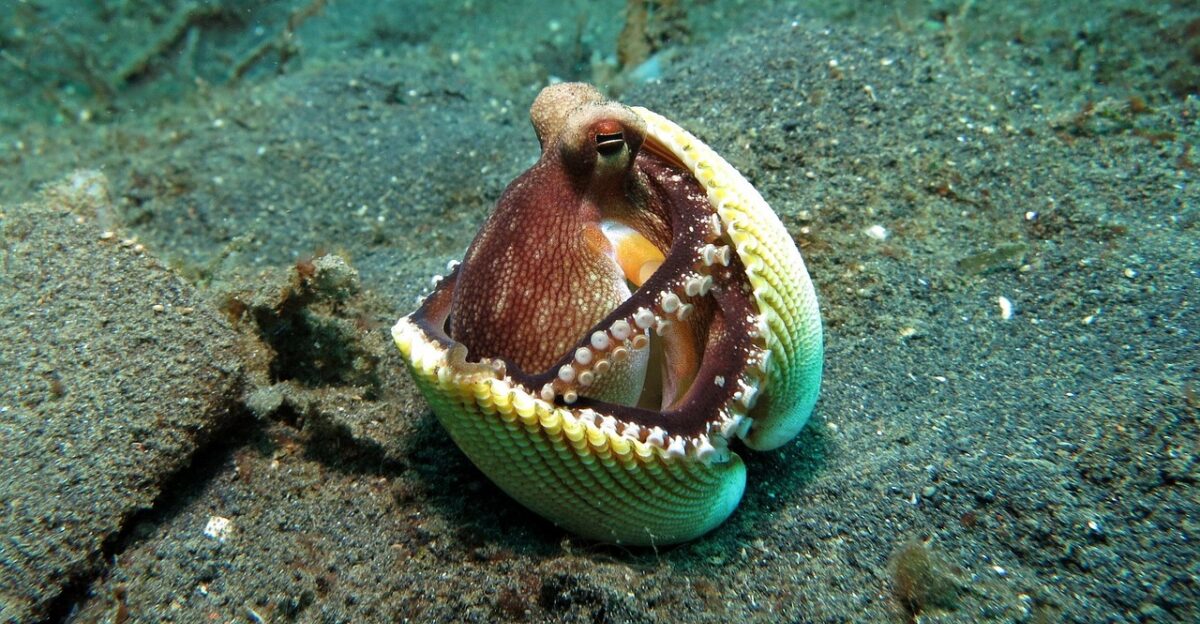
The vampire squid’s story isn’t just about genetics; it’s about resilience. For 183 million years, this creature has survived in one of Earth’s most hostile environments. Its oversized genome, once dismissed as bloated, turns out to be a masterclass in evolutionary strategy.
While other cephalopods transformed, the vampire squid waited—drifting through darkness, feeding on debris, holding secrets that would rewrite science.
What the Vampire Squid Teaches Us About Survival
Ultimately, the vampire squid reminds us that evolution has no single path. Some species reinvent themselves through radical genomic reshuffling, like octopuses. Others survive by staying the same, like the vampire squid. Both strategies work. Both produce survivors.
Only one—a creature accidentally caught in a fishing net, drifting through crushing darkness—held the key to understanding how intelligence, arms, and complexity itself evolved in the cephalopod world. One specimen. One genome. One story that changes everything.
Sources:
Yoshida M. et al., “Giant genome of the vampire squid reveals the derived state of modern octopod karyotypes,” iScience / bioRxiv, 2025.
University of Vienna press release, “Vampires in the Deep: An Ancient Link Between Octopuses and Squids,” November 2025.
Sci.News, “Scientists Sequence Genome of Vampire Squid,” November 27, 2025.
Discover Magazine, “The Vampire Squid Genome Has Helped Explain the Early Evolution of the Cephalopods,” November 2025