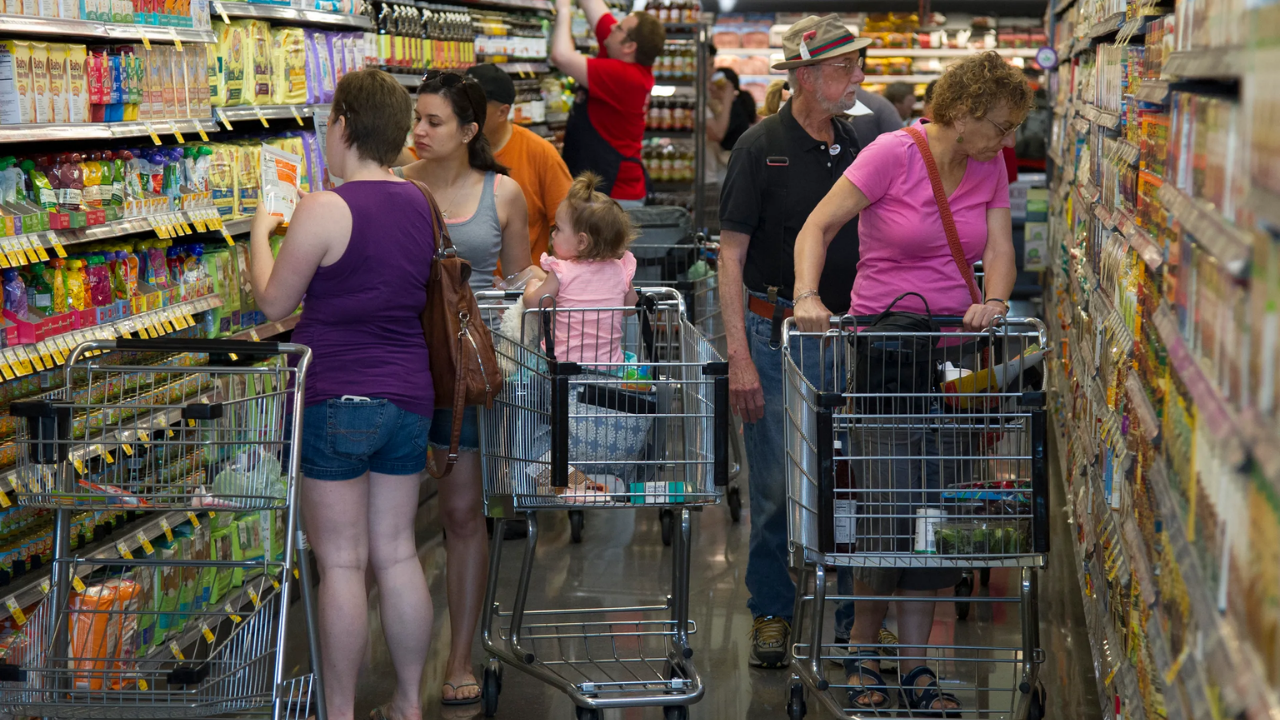
Five states have started a closely watched experiment in how far government can go in shaping diets through food assistance. As of January 1, 2026, Indiana, Iowa, Nebraska, Utah, and West Virginia are the first in the country to bar purchases of candy, soda, and energy drinks with SNAP benefits, affecting about 1.4 million people. For households relying on the program, the change alters what can be bought at the checkout, turning everyday grocery trips into a test of new rules that could spread to more states in the months ahead.
Why SNAP Rules Are Changing
The new limits are part of the federal “Make America Healthy Again” initiative, which seeks to reduce obesity and diet-related disease by steering public funds toward more nutritious food. Governors in participating states argue that taxpayer-supported benefits should not cover products they see as offering little nutritional value, such as sugary drinks and candy.
What makes 2026 different is the shift in federal policy that allows states, for the first time, to exclude entire categories of food from SNAP eligibility. Eighteen states in total have received federal approval for two-year “demonstration projects” to test whether stricter rules can improve health outcomes by cutting off what officials often describe as “junk” foods. Not all of these states have begun implementation, and some will phase in changes later in 2026 with differing lists of restricted items.
For recipients in the first five states, benefit amounts remain the same, but the list of eligible items has narrowed. Households that once used SNAP to buy soda or candy will now have to pay for those items out of pocket or choose alternatives that still qualify.
Retailers and Industry Shoulder New Costs
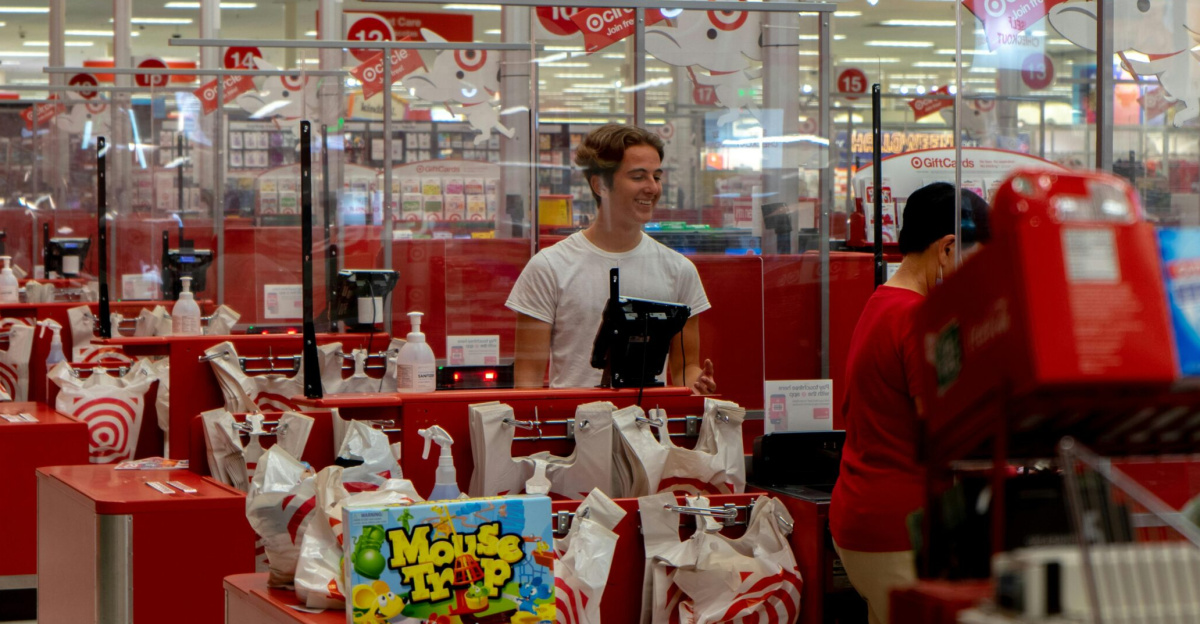
The policy shift comes with a heavy price tag for retailers. Supermarkets, big-box chains, and small grocers are reprogramming checkout systems so that items like soda, candy, and energy drinks are automatically rejected when a SNAP card is used. The total upfront cost of these changes is estimated at about $1.6 billion, with ongoing annual expenses of roughly $759 million as product lines evolve and systems require updates.
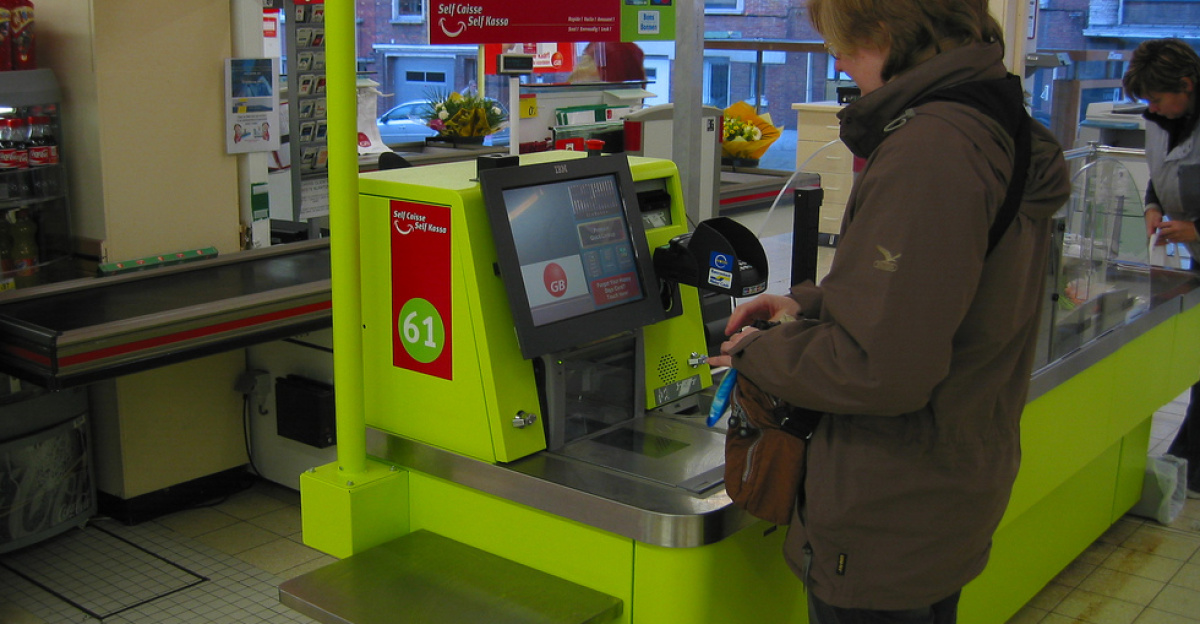
Stores are also redesigning how they operate. Many are auditing shelf tags, updating inventory databases, and retraining cashiers to handle declined transactions and explain the new rules. Some may change store layouts, moving restricted items away from self-checkout lanes to reduce confusion, while experimenting with new promotions that spotlight eligible beverages such as bottled water or unsweetened tea.
The reverberations extend across the food and beverage sector. For soda and candy makers, the rules create a new ceiling on sales in states where SNAP purchases have been a reliable part of demand. If similar restrictions expand to large markets like Florida and Texas later in 2026, companies could see meaningful hits to revenue tied to SNAP users, even if overall sales remain supported by higher-income shoppers.
Bottlers, packaging firms, and ingredient suppliers are watching closely. Lower demand for sugar and corn syrup from SNAP purchases could lead manufacturers to adjust production, with potential knock-on effects for suppliers of bottles, cans, labels, and other inputs. Advertising agencies and brand marketers may respond by promoting no-sugar or reduced-sugar drinks more heavily, emphasizing products that remain fully eligible under the new rules.
Human Impact and Growing Tensions
Behind the policy debate are the daily realities of people using SNAP. Anti-hunger groups warn that the changes may increase stigma for low-income shoppers when SNAP cards are declined for popular items at the register. They also worry about confusion, especially in states where details vary—some restrict only soda, others sweep in candy and energy drinks as well.
Public health experts are divided on how much impact the bans will have on long-term health. Many agree that lowering sugar consumption is a worthwhile goal, but note that restricting purchases alone may not change diets if healthier foods remain more expensive or harder to find in certain neighborhoods. In some communities, stores that accept SNAP may stock limited fresh produce or whole-grain products, leaving households with fewer appealing alternatives.
Critics see a deeper issue of autonomy. They argue that the new rules single out low-income families for oversight that wealthier shoppers never face, even when buying the same products. This raises questions about how government defines “junk food,” who gets to draw that line, and whether such policies will fuel resentment toward officials seen as overly paternalistic.
Supporters counter that SNAP is funded by taxpayers and designed to improve food security and nutrition, not to subsidize sugary treats. They frame the 18-state trial as a careful test rather than a permanent overhaul, emphasizing that results on spending patterns and health indicators will shape what happens next.
Wider Market Shifts and What Comes Next
SNAP is one of the largest domestic assistance programs in the United States, with an annual budget of around $100 billion serving more than 42 million people. Any change in what participants can buy, even at the margins, can ripple through local economies, influencing store inventories, prices, and promotional strategies.
As restrictions roll out across more states during 2026—Florida in late April, Texas in early April, and others on their own timelines—researchers will monitor how SNAP households adjust. Early questions include whether bottled water, 100% juice, and unsweetened beverages see sustained gains; whether small neighborhood stores lose revenue when restricted items no longer sell as well to SNAP users; and whether families shift spending toward foods with more nutritional value.
Investors and corporate planners are also paying attention. Companies that specialize in low-sugar or “better-for-you” products may highlight their continued eligibility as a competitive advantage, while retailers account for higher compliance costs in their financial forecasts. International brands with U.S. operations must navigate a patchwork of different state rules and start dates, complicating distribution and marketing.
For SNAP recipients, the near-term task is practical: understanding which products are still covered, planning shopping lists accordingly, and turning to tools like coupons, community food banks, and local assistance groups to stretch benefits. Because implementation dates differ by state, households are being urged to check local guidance rather than assuming rules are the same everywhere.
The broader experiment underway in 2026 will help determine whether restricting sugary drinks and candy under SNAP meaningfully alters diets and health outcomes, or mainly adds complexity and controversy to an already complex program. The results are likely to shape future debates over how far nutrition policy should go in directing the choices of people who rely on public assistance, and how to balance personal choice, public spending, and long-term health goals.
Sources
“Snap bans on candy, soda to start in five US states.” BBC News, 31 Dec 2025.
“Make America Healthy Again Actions Taken by the Trump Administration.” U.S. Department of Agriculture, 5 Jan 2026.
“SNAP restrictions may cost $1.6B for retailers to implement.” Grocery Dive, 5 Oct 2025.
“SNAP restrictions on soda, candy, and more are coming in 2026. Here’s a map of what each state is doing.” Business Insider, 30 Dec 2025.