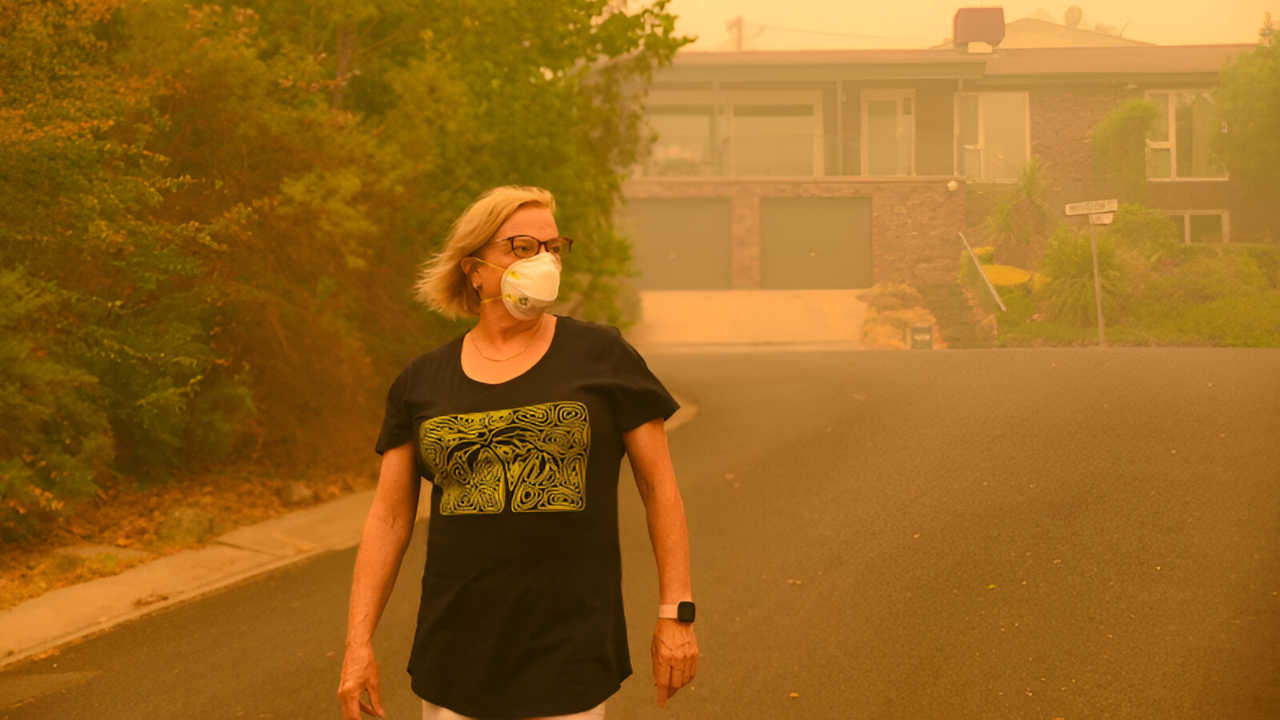
Michigan, Minnesota, and South Carolina issued urgent air quality alerts, urging approximately 8 million residents—especially vulnerable groups—to stay inside. This emergency was driven by dangerous wildfire smoke and ground-level ozone, which pushed pollution levels into “very unhealthy” and “hazardous” ranges. With AQI readings reaching 288 in the Minneapolis area, the air became toxic, leading to widespread concern across the regions.
Minnesota faced a statewide alert covering all 5.7 million residents, while Michigan’s advisory focused on 15 Upper Peninsula counties (approximately 301,000 people), and South Carolina’s alerts targeted the Upstate and Catawba regions.
The Root Cause: Wildfires and Ozone
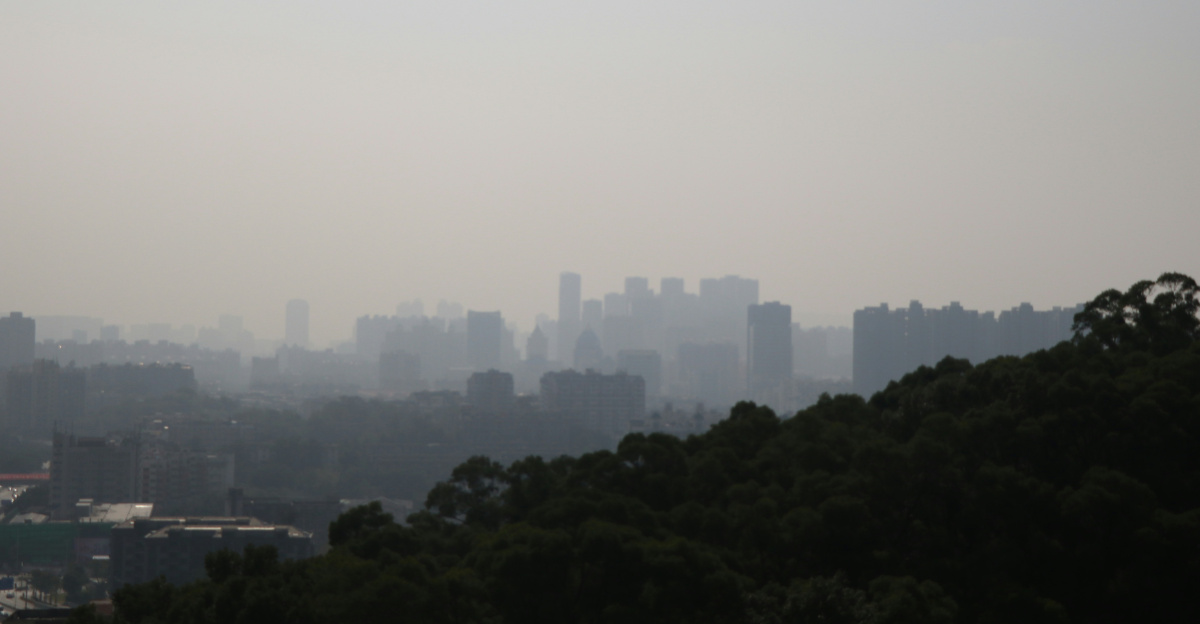
The source of the crisis? A combination of wildfire smoke from Canada and ground-level ozone, created by vehicle emissions and summer heat. In Michigan and Minnesota, wildfire smoke was the primary threat, while South Carolina’s alerts focused on ground-level ozone in the Upstate and Catawba regions.
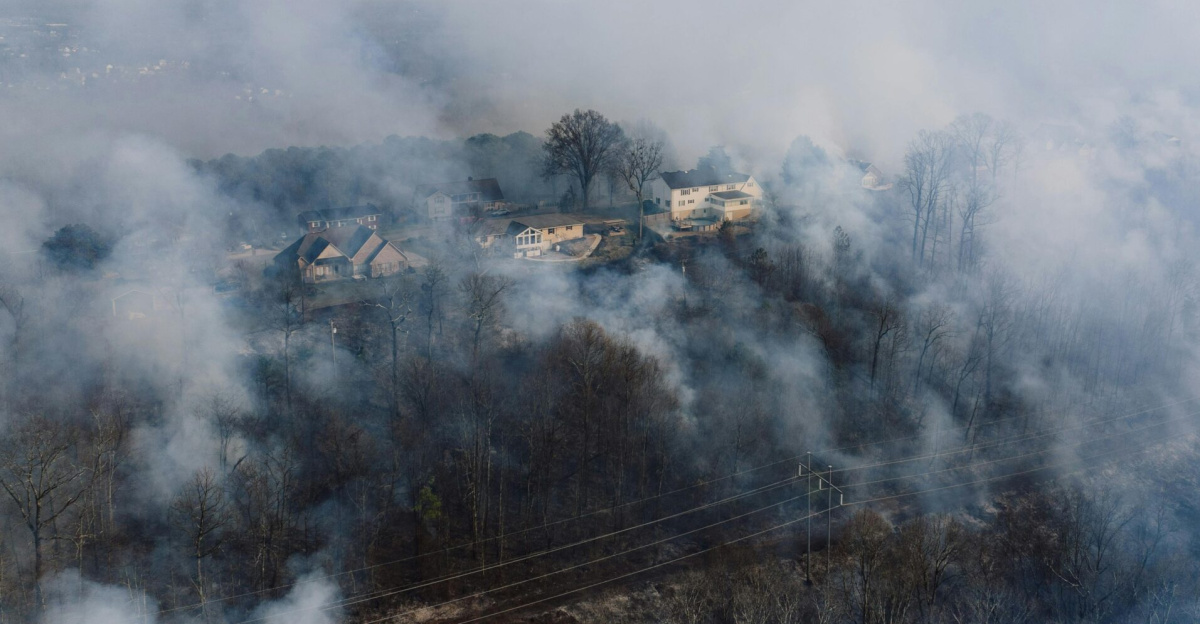
Ozone and particulate matter from the fires mixed in the atmosphere, resulting in an unbreathable, hazardous atmosphere. This pollution moved south, affecting millions in the U.S., with dangerous airborne toxins traveling far beyond their sources.
Lockdown: Families Seek Shelter
Families across the affected states were advised to stay indoors. Schools in some areas canceled outdoor activities, and parents were warned to keep children indoors.
With windows sealed tight and makeshift barriers erected, households turned to air purifiers and HEPA filters. Anecdotal reports indicated demand for air quality products increased, with some stores in affected regions seeing interest in air filtration systems and weatherstripping materials.
Potential Business Impacts
Businesses in the affected areas likely faced operational adjustments during the hazardous air period. Many restaurants may have limited outdoor patio service, and delivery services may have seen increased orders as residents avoided venturing outside.
Retail foot traffic in outdoor shopping areas was likely reduced, while demand for indoor air-quality products may have increased as customers became concerned about the air quality.
Indoor Entertainment Trends

During hazardous air quality events, indoor entertainment venues typically become more attractive to families seeking safe, air-filtered environments. Cinemas, bowling alleys, and malls often serve as refuges from outdoor air pollution.
Streaming services and home entertainment options also become more popular when outdoor activities are restricted. Air purifiers and HVAC systems typically see increased consumer interest during major smoke events.
Freight Slowdown: Logistics Disrupted
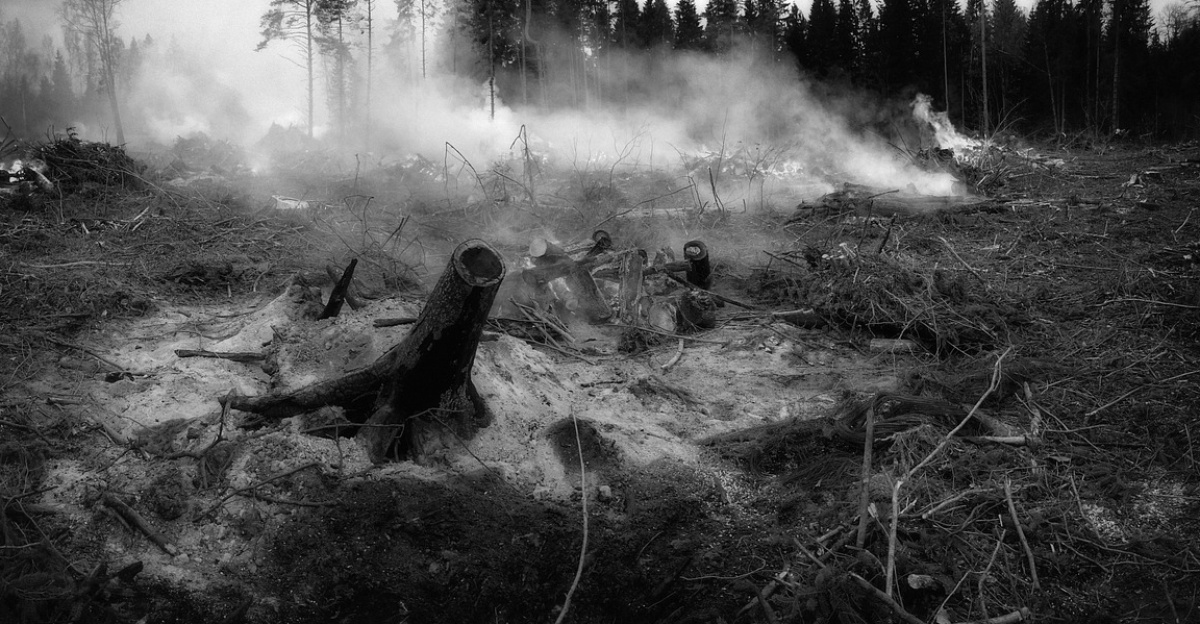
Canadian wildfire smoke has been known to affect supply chains across North America. Visibility reductions can impact truck drivers, and cross-border shipments from Canada to U.S. distribution hubs may face delays during severe smoke events.
Alberta’s wildfires disrupted approximately 7% of Canada’s oil production on June 2, causing delays and straining supply chains.
Outdoor Workers Exposed

Agricultural workers and outdoor laborers in Michigan and Minnesota faced exposure to dangerous PM2.5 levels during this critical summer period. Access to appropriate safety gear during smoke events can be challenging for outdoor workers.
Outdoor construction projects in areas with hazardous air quality may be limited or halted, as health guidelines typically recommend against strenuous outdoor activity in such conditions.
State-Level Response: Agencies Step In
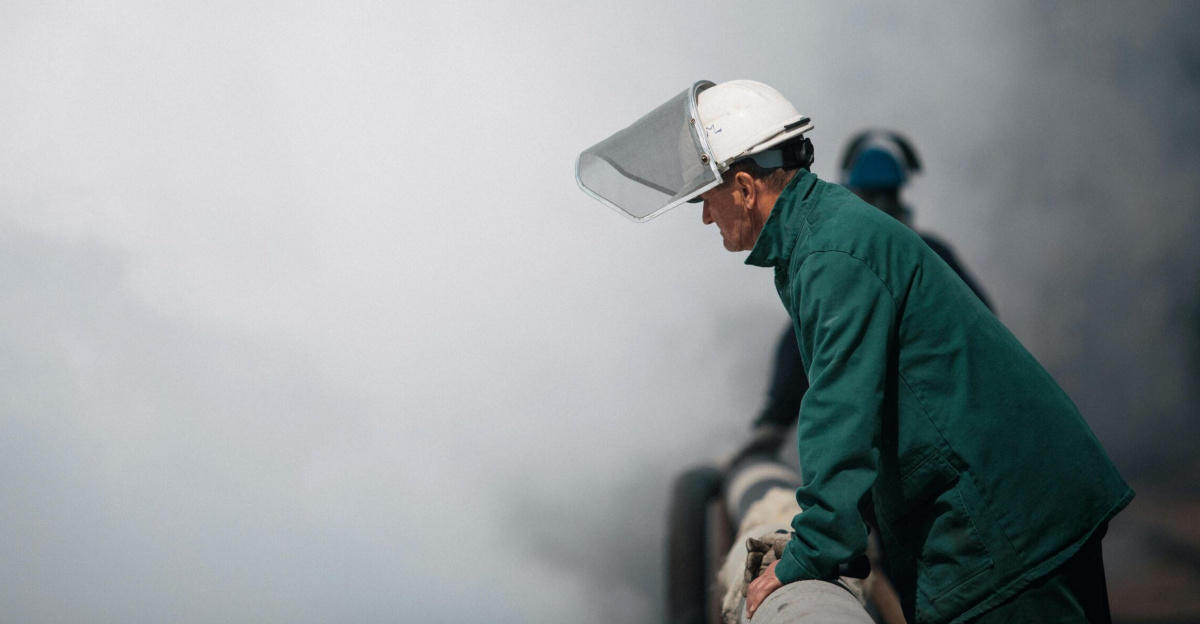
State agencies responded to the crisis. Michigan’s Department of Environment, Great Lakes, and Energy issued air quality advisories, while Minnesota’s Pollution Control Agency coordinated with local health departments to issue statewide alerts.
South Carolina’s Department of Environmental Services activated air quality alerts. Health officials urged residents to monitor air quality hour by hour, as conditions shifted rapidly.
Healthcare and Energy Considerations

Research shows wildfire smoke events consistently drive increases in respiratory-related emergency department visits, particularly among individuals with asthma or heart conditions.
During major air quality events, energy demand typically increases as residents use air-conditioning and run HEPA filters continuously, which can strain power grids.
Retail Operational Considerations
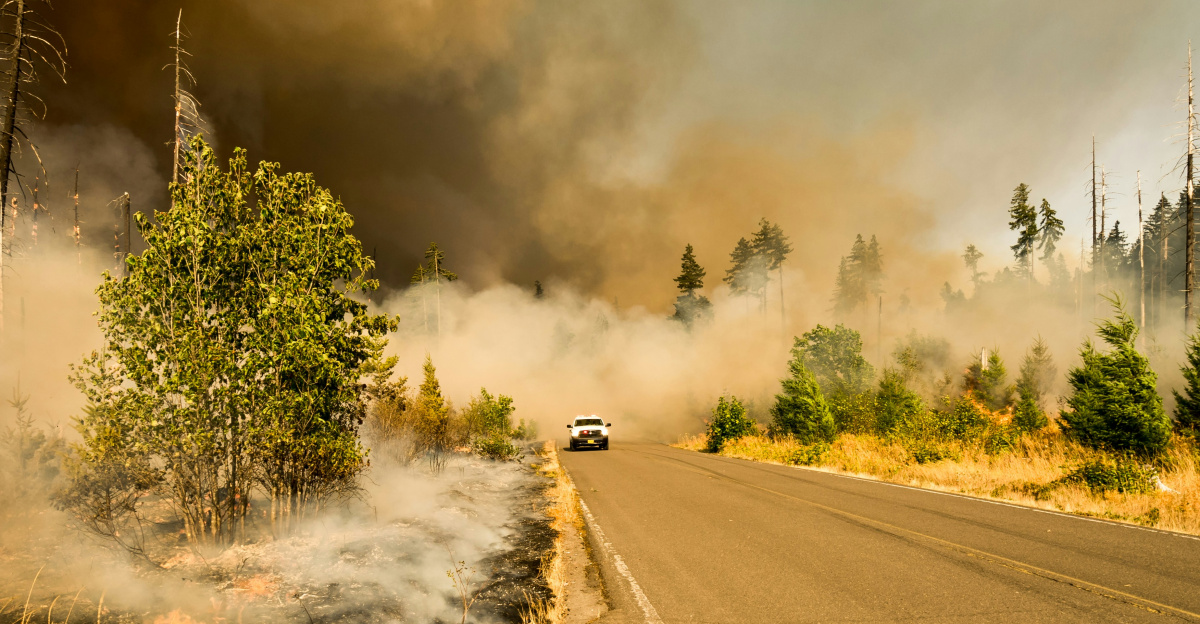
During air quality emergencies, retailers in affected regions often adjust operations, potentially reducing outdoor display areas and enhancing indoor spaces.
E-commerce and home delivery services typically see increased demand during “stay indoors” advisories. Restaurants with outdoor seating may shift operations indoors, and HVAC system maintenance becomes a priority for businesses serving customers seeking refuge from hazardous outdoor air.
Tourism and Hospitality Considerations
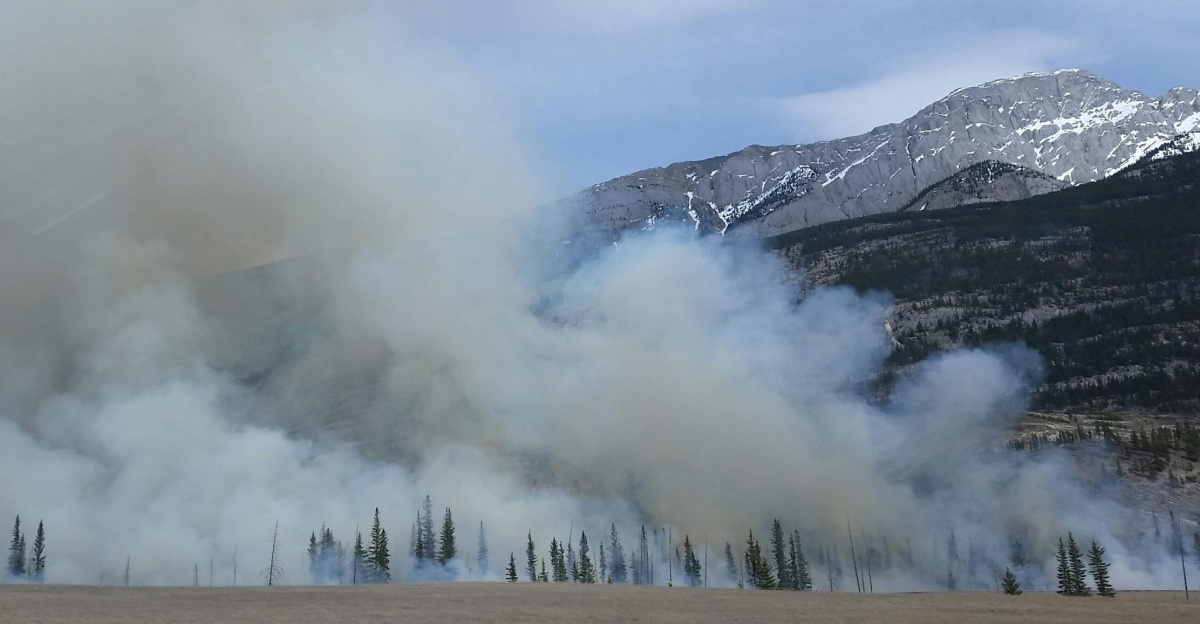
The tourism and hospitality industries can be affected by air quality events. Hotels, resorts, and outdoor attractions may experience booking changes as travelers assess air quality conditions.
Outdoor recreation activities like golfing and hiking typically decline during smoke events. Airlines may report operational impacts when reduced visibility affects flight operations.
Manufacturing Considerations
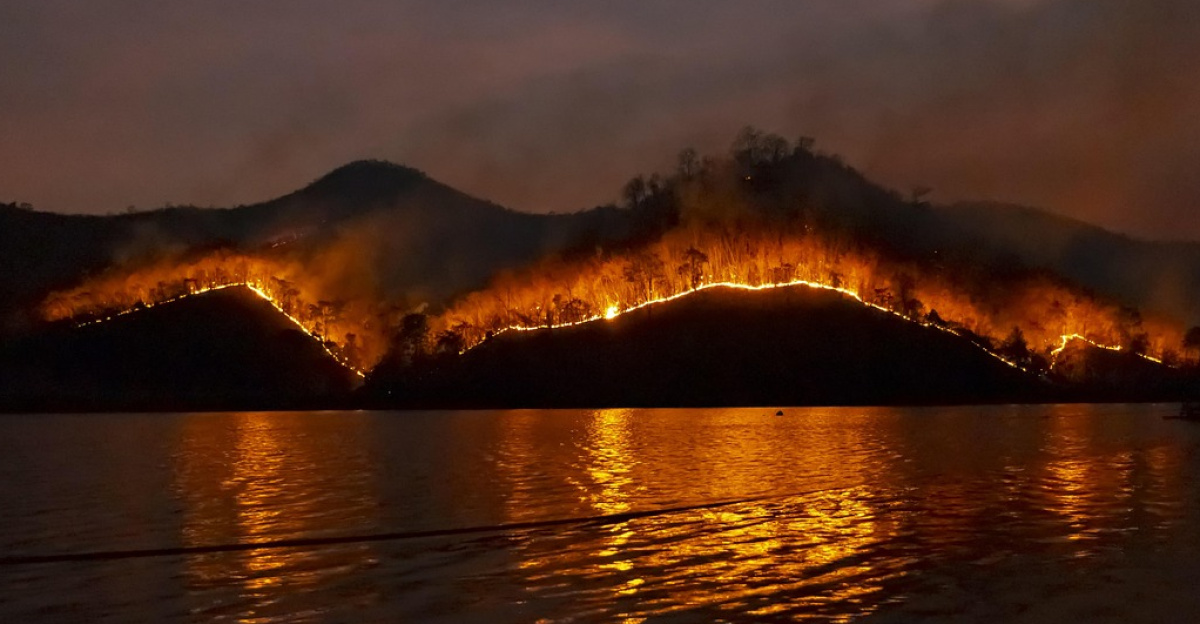
Manufacturers with outdoor operations may need to adjust activities during hazardous air quality periods. Some operations in affected regions may reduce outdoor production due to worker health and safety concerns.
Outdoor manufacturing processes can be disrupted when air quality reaches hazardous levels, making outdoor work unsafe.
Supply Chain Considerations
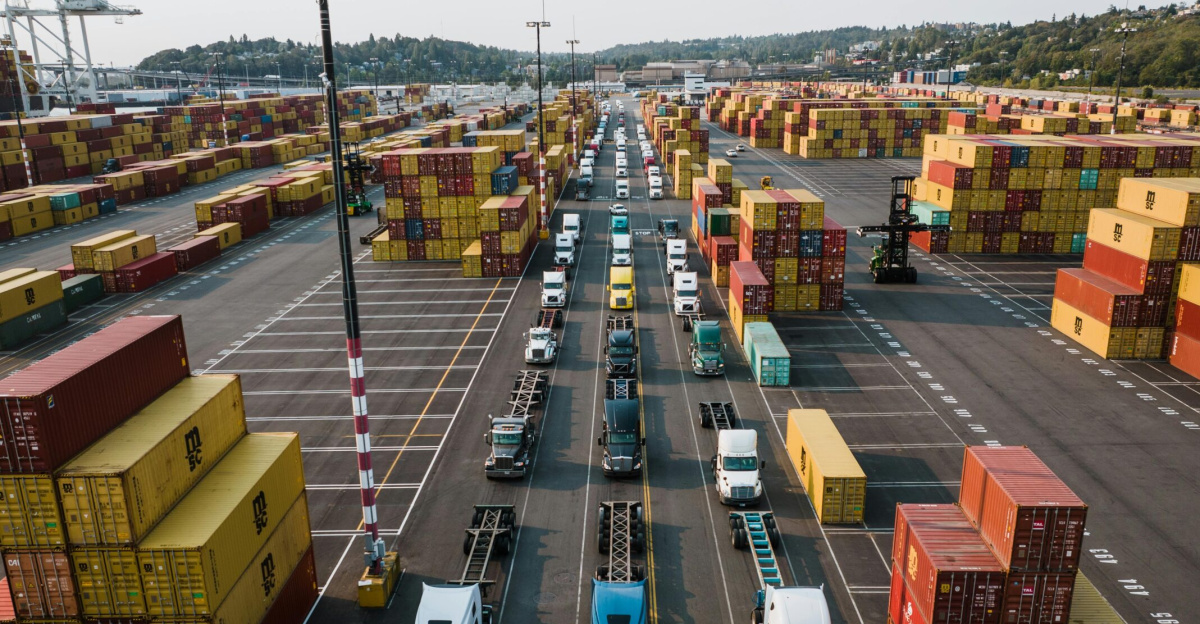
Major air quality events affecting multiple states can create supply chain challenges. Businesses reliant on components from affected regions may experience delays.
Freight operations can face bottlenecks, and some companies may need to source from alternative suppliers. Cross-border logistics can be complicated by reduced visibility and operational restrictions during severe smoke events.
Long-Term Behavioral Trends
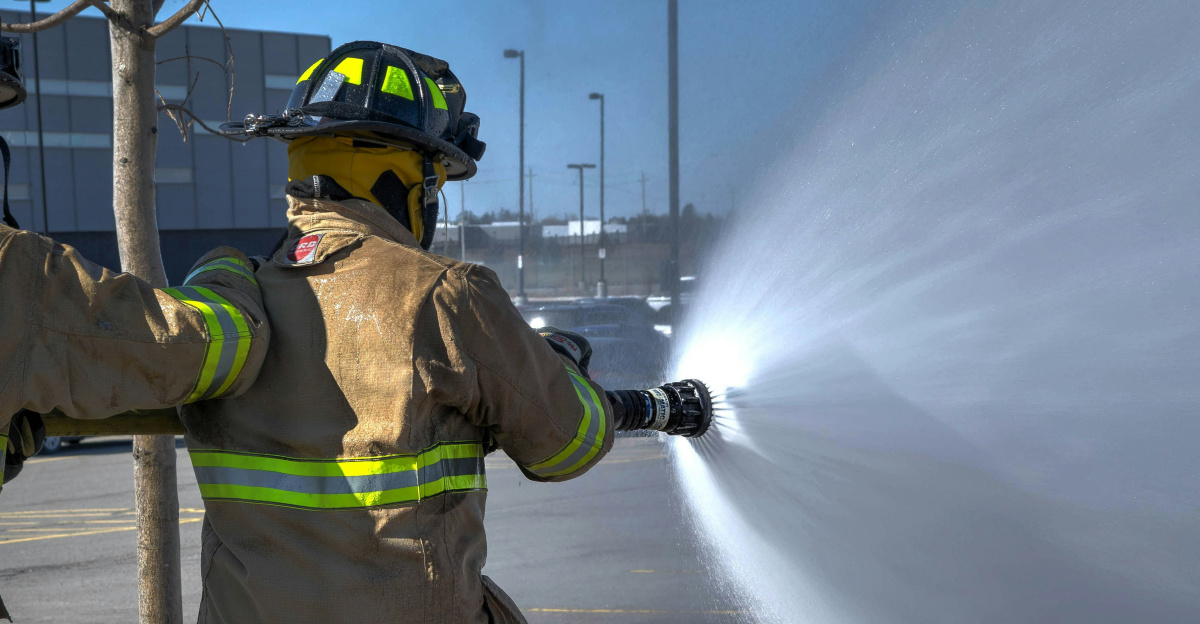
Recurring wildfire smoke events have contributed to broader shifts in consumer habits over time. Indoor fitness facilities and virtual training options have grown in popularity in smoke-prone regions.
Restaurants in areas with frequent smoke events have seen changing patterns in patio usage. Real estate markets have begun highlighting advanced air filtration systems as amenities in some markets.
Cultural and Political Context
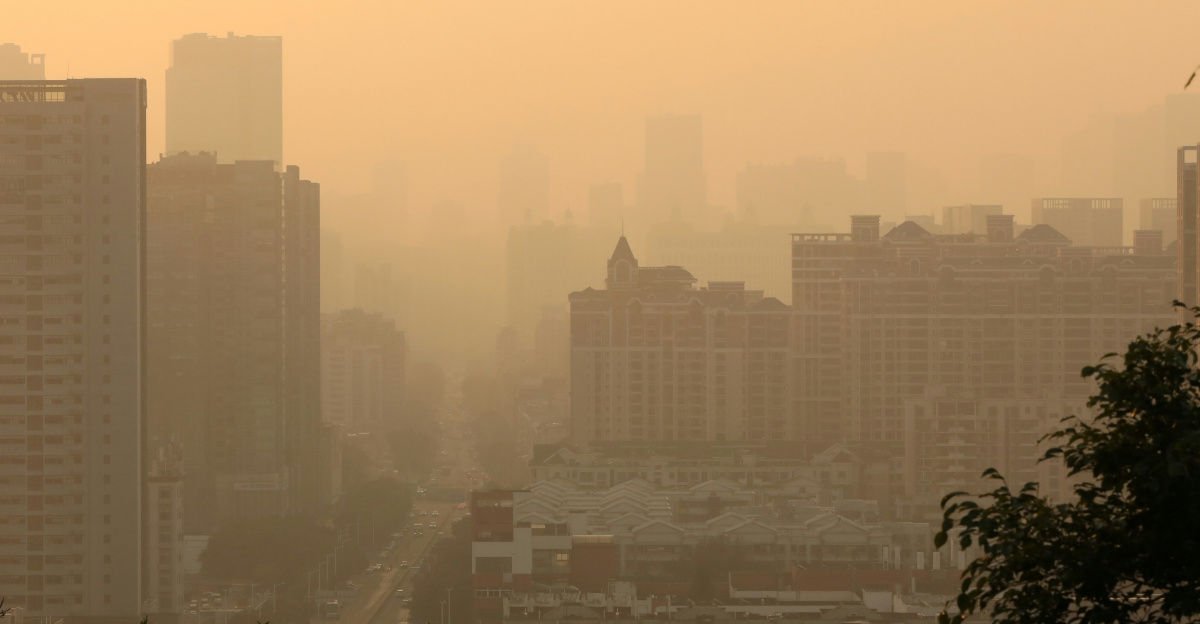
Air quality emergencies have sparked ongoing debates about climate policy and regulatory approaches. Environmental organizations advocate for carbon pricing and emissions reduction policies, while policy discussions include debates about wildfire management strategies.
Public health advocates have called for air-filtration infrastructure investments in schools and public buildings. These recurring events are increasingly framed as climate-related public health challenges requiring systemic policy responses.
Market Response to Air Quality Events
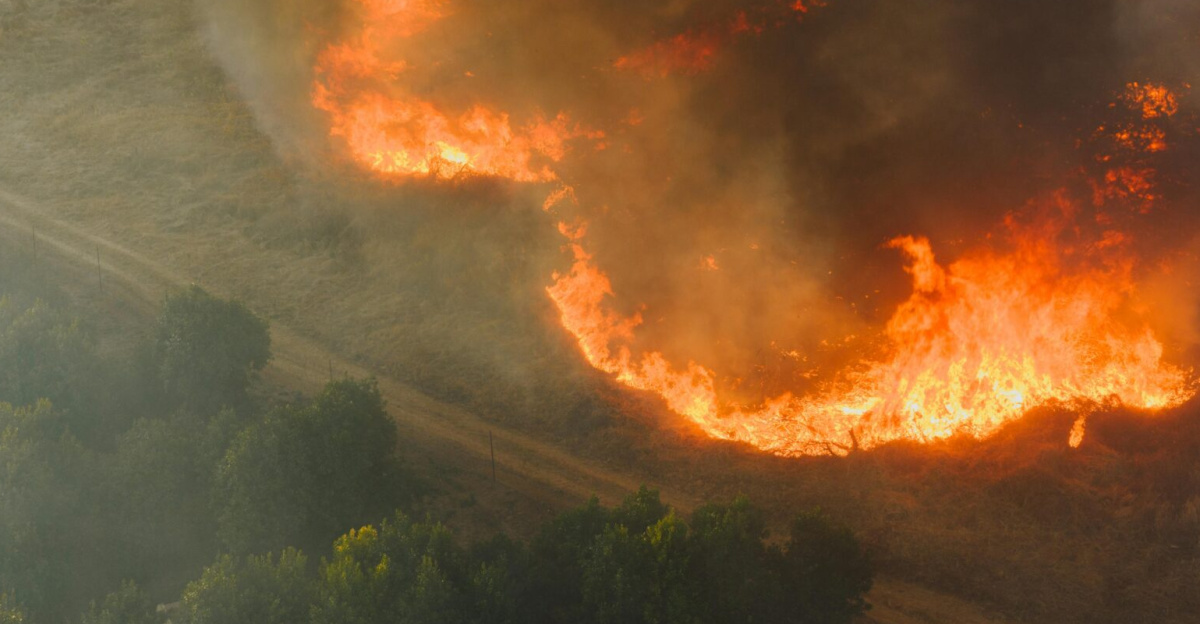
Some industries benefit from increased attention to air quality. Companies that produce air purifiers have seen growing demand during wildfire seasons, and real estate developers in some markets have begun emphasizing air-filtration systems.
Telehealth platforms have experienced growth in consultations for respiratory issues, and home exercise equipment manufacturers have seen increased interest following major smoke events in recent years.
Financial Market Considerations
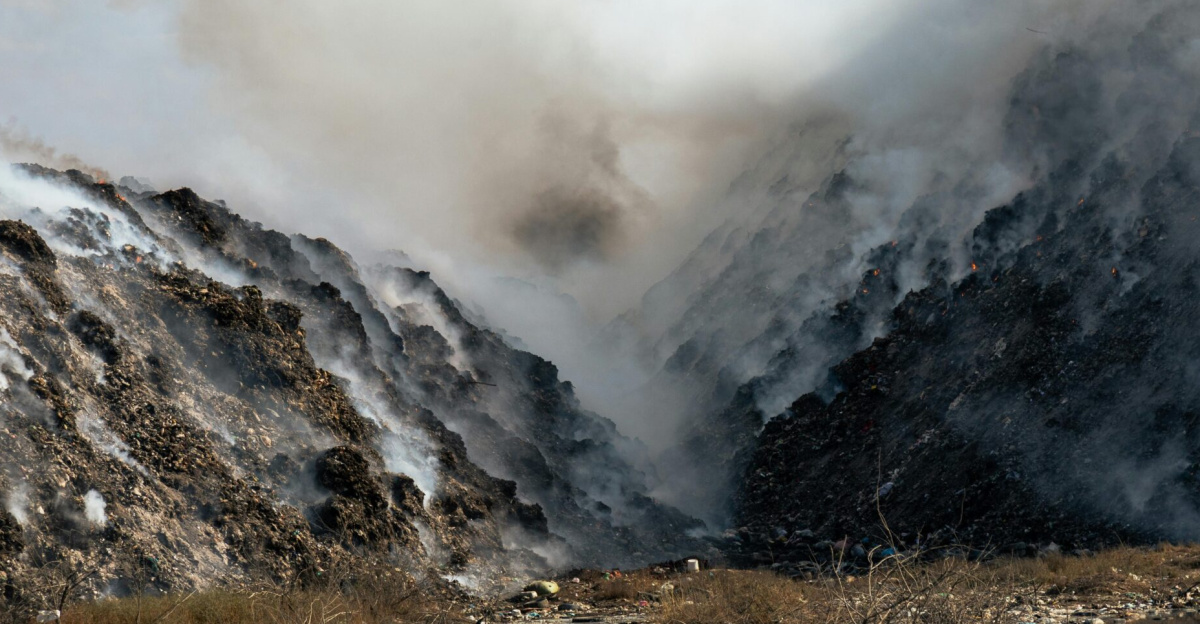
Air quality events can create sector-specific market volatility. Energy companies may benefit from increased demand during climate control needs, while airlines and hospitality sectors may face headwinds during major smoke events.
Investors have shown increasing interest in renewable energy and environmental control companies as air quality events become more frequent. Insurance companies have flagged climate-related risks, anticipating potential premium adjustments for properties in high-risk areas.
Consumer Protection: Staying Safe Indoors
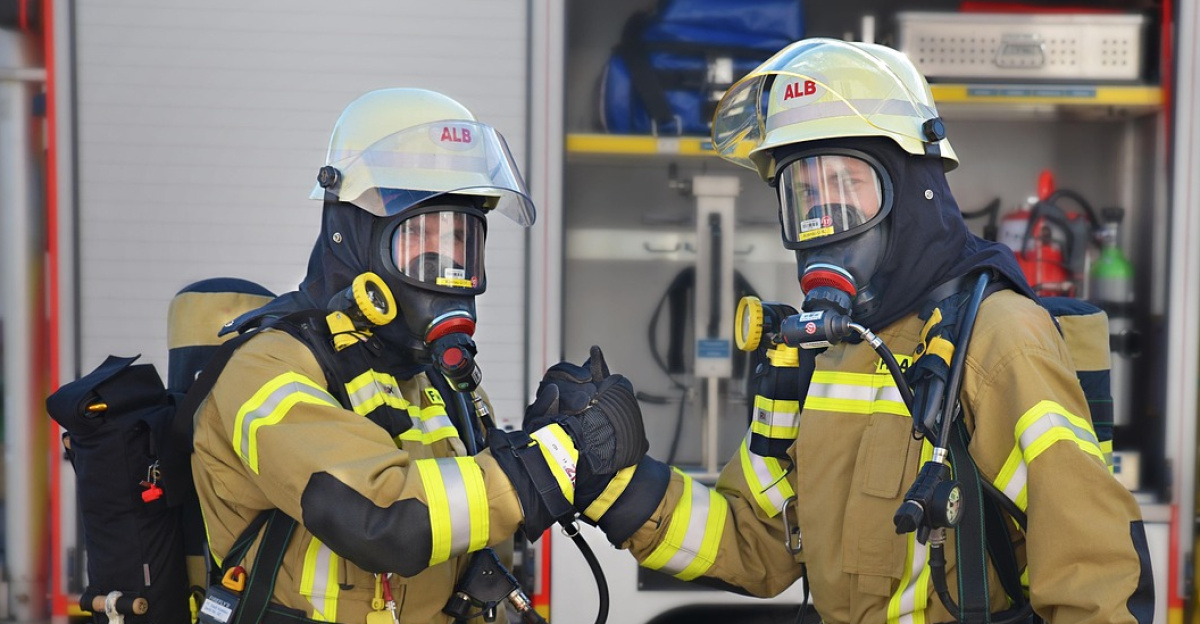
Health authorities recommend that residents invest in HEPA filters for homes and vehicles, ensuring regular replacement. Air quality monitors have become important tools for tracking real-time conditions.
Children, the elderly, and individuals with respiratory conditions should limit outdoor activities during air quality alerts, and indoor venues in affected areas should ensure proper air filtration to protect public health.
Looking Ahead: Preparing for Increased Frequency
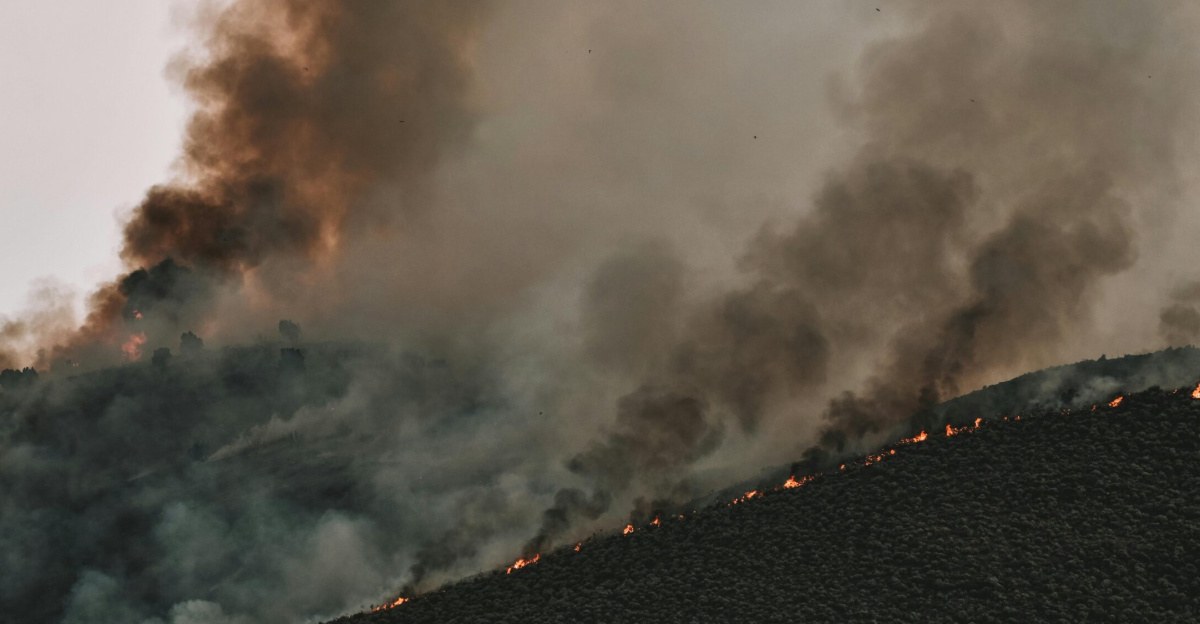
Climate scientists predict that air-quality events driven by wildfires and extreme heat will become more frequent and severe. Wildfire seasons in Canada are lengthening, and rising temperatures are intensifying ozone formation.
As population density continues to increase in affected areas, the frequency and intensity of hazardous air events will likely pose persistent challenges to public health and infrastructure.
Conclusion: A Growing Challenge
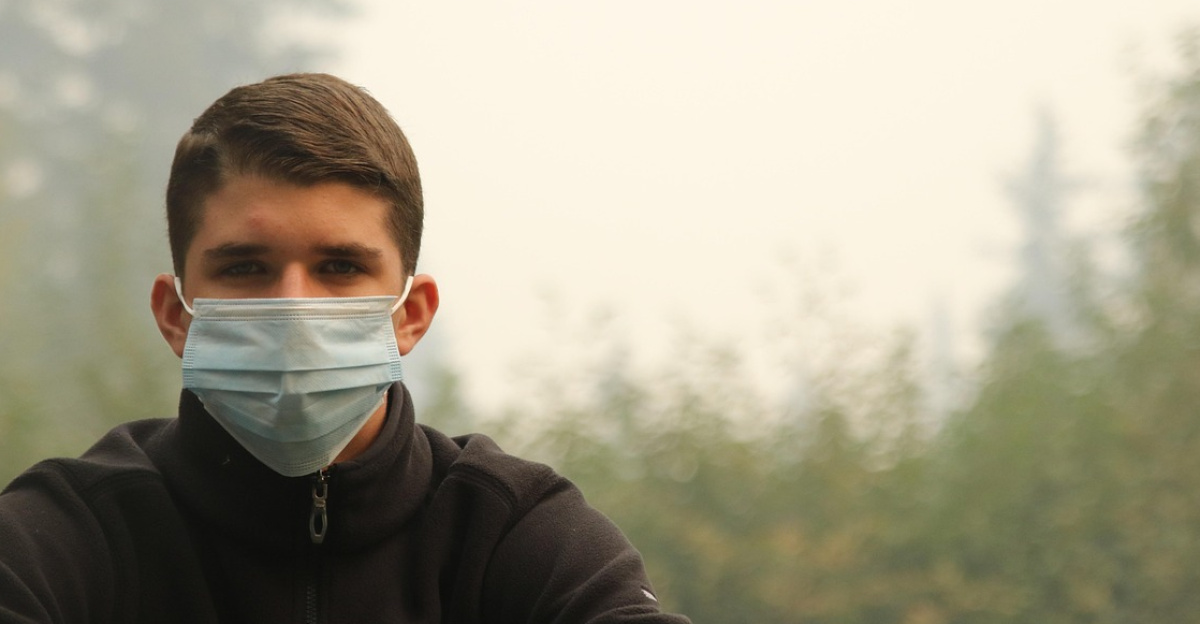
The June 2025 air quality crisis revealed vulnerabilities in regional infrastructure, healthcare systems, and community resilience. This event highlighted the documented health impacts of air pollution, with research showing clear effects on respiratory health.
Going forward, air quality is increasingly treated as a critical issue influencing public health planning, economic resilience, and urban development as communities face more frequent smoke events.
Sources:
“Air quality alert issued due to wildfire smoke through Monday, June 2 for all of Minnesota.” Minnesota Pollution Control Agency, 29 May 2025.
“Another day of hazy Detroit air as Canadian wildfire smoke spreads.” Planet Detroit, 3 Jun 2025.
“Alberta’s wildfires disrupt some 7% of Canada’s oil production.” Reuters, 2 Jun 2025.
“Wildfire smoke and unhealthy air quality early this week.” South Carolina Public Radio, 2 Jun 2025.