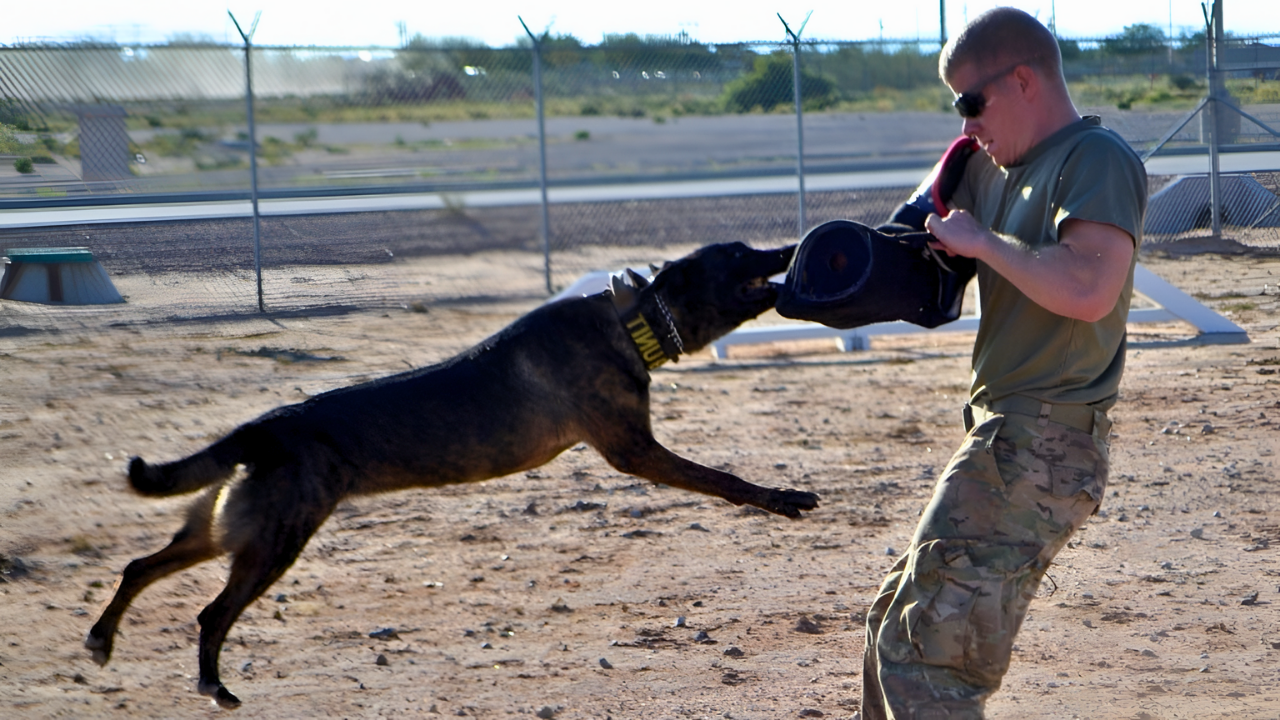
A professional dog trainer clips on a leash. The dog looks away. The command comes again—nothing. Professional dog trainers, veterinary behaviorists, and breeding organizations across the U.S. have consistently flagged certain dog breeds as training challenges. In fact, research spanning three decades—from Stanley Coren’s landmark 1994 study to modern breeding association assessments—confirms that specific breeds appear repeatedly on lists of the most difficult dogs to train.
These aren’t behavioral failures; they’re genetic realities. What looks like defiance is actually thousands of years of evolution taking over. This guide examines the 19 breeds most frequently flagged by professionals as training nightmares.
Why Some Dogs Feel “Impossible”
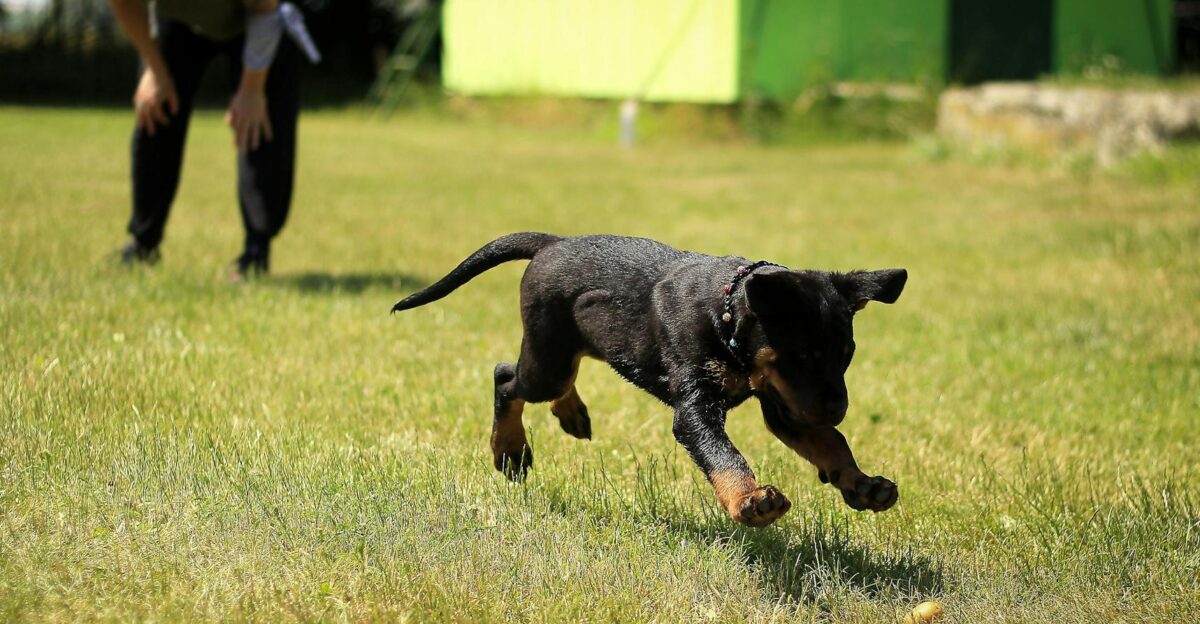
Dog training is supposed to strengthen the human–canine bond, but certain breeds challenge even seasoned professionals. Professional dog trainers, veterinary behaviorists, and kennel clubs have flagged a consistent profile: breeds originally developed for independent decision-making, endurance, guarding, or hunting emerge repeatedly as the most difficult to train.
From Siberian Huskies bred to navigate Arctic terrain without human direction, to Afghan Hounds developed for solo lion hunting, these breeds share a common trait—they were selected for thinking independently, not for obedience. These dogs aren’t broken or untrainable; they’re doing exactly what genetics designed them to do. Trouble starts when owners expect obedience from dogs bred to think for themselves. The 19 breeds highlighted in this guide represent the most consistently flagged training challenges across professional communities.
Siberian Husky
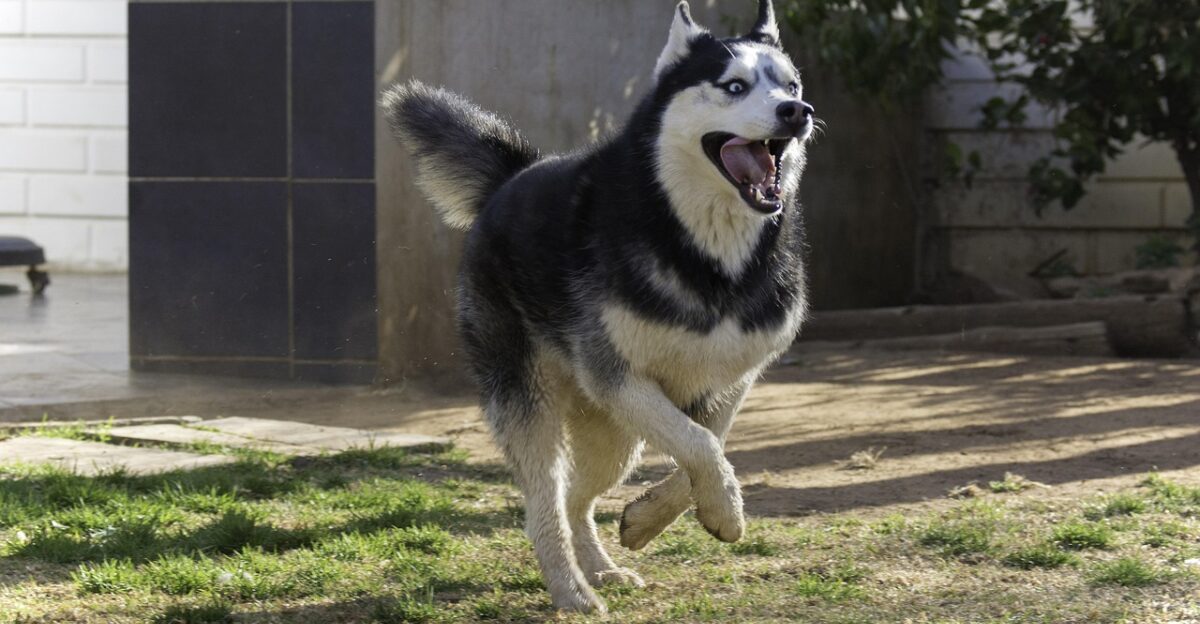
Siberian Huskies were bred to travel up to 100 miles a day pulling sleds through Siberia. Obedience was never the goal. Professional trainers consistently flag them as independent, escape-prone, and uninterested in pleasing humans—traits consistent with their original purpose of traveling long distances in harsh Arctic conditions.
High energy, dramatic vocalizations, and powerful prey drive make recall training especially difficult. Food rewards often fail once something more exciting appears, earning Huskies their reputation as beautiful, exhausting training challenges.
Beagle
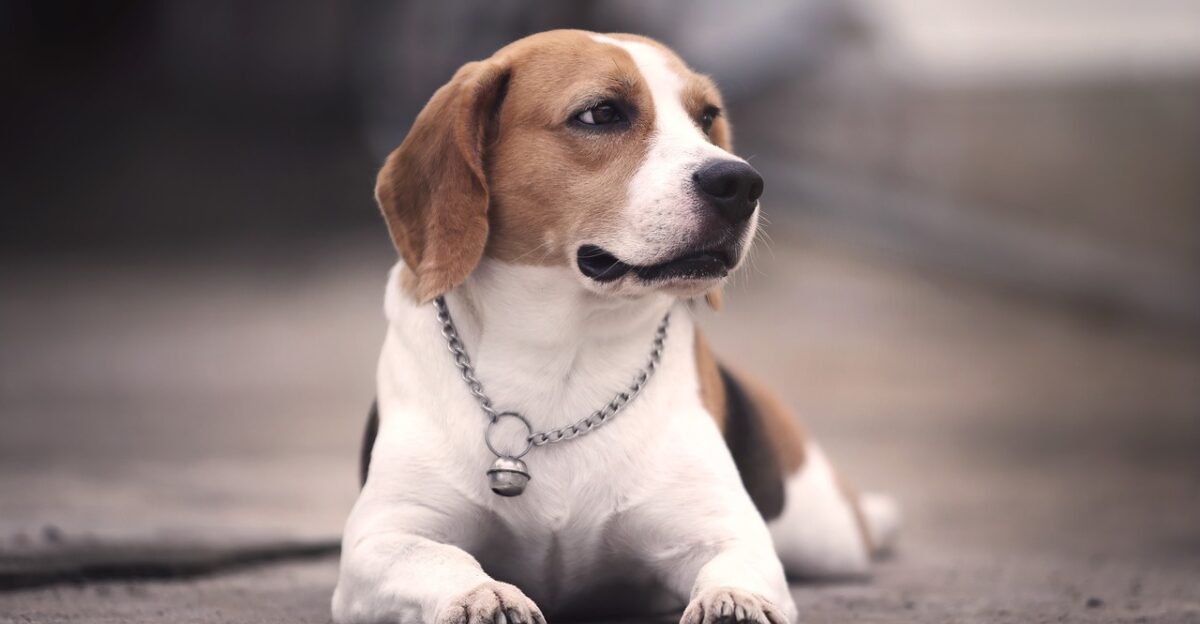
Beagles don’t ignore commands—they follow scent. Bred as hunting dogs, their noses override nearly everything else. Once locked onto a trail, they tune out owners completely.
Professional trainers consistently flag recall as the hardest skill to teach Beagles, especially outdoors, and this difficulty is recognized across training communities and breed organizations. Their intelligence allows them to learn commands quickly, but independence allows them to ignore them. High-value rewards and endless patience are non-negotiable with this breed.
Afghan Hound

Afghan Hounds were bred for solo hunting, not teamwork. According to Stanley Coren’s canine intelligence research (1994, republished 2006), Afghan Hounds fall into the lowest obedience category, requiring “80 to 100 repetitions or more” to learn a new command—significantly more than most breeds.
Their aloof demeanor and selective attention frustrate trainers, who describe sessions as negotiations rather than instruction. Afghan Hounds respond poorly to force but remain stubborn even with gentle methods. Obedience only happens when the dog decides it’s worthwhile.
Basenji
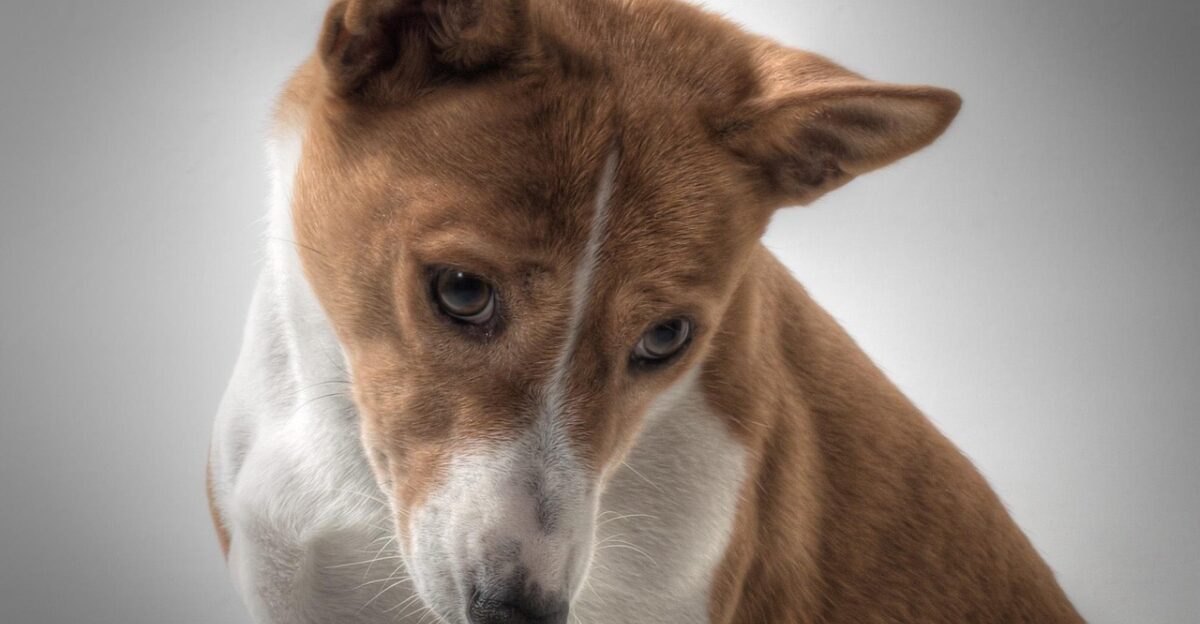
Dating back nearly 5,000 years, the Basenji is one of the oldest dog breeds on Earth. Often called “barkless,” they replace barking with problem-solving—and rule-breaking.
Basenjis are consistently flagged as questioning every command and quickly disengaging from repetitive training. Their intelligence works against obedience, as they invent alternatives rather than comply. Successful training requires creativity, novelty, and mental stimulation, not drills or dominance.
Chow Chow
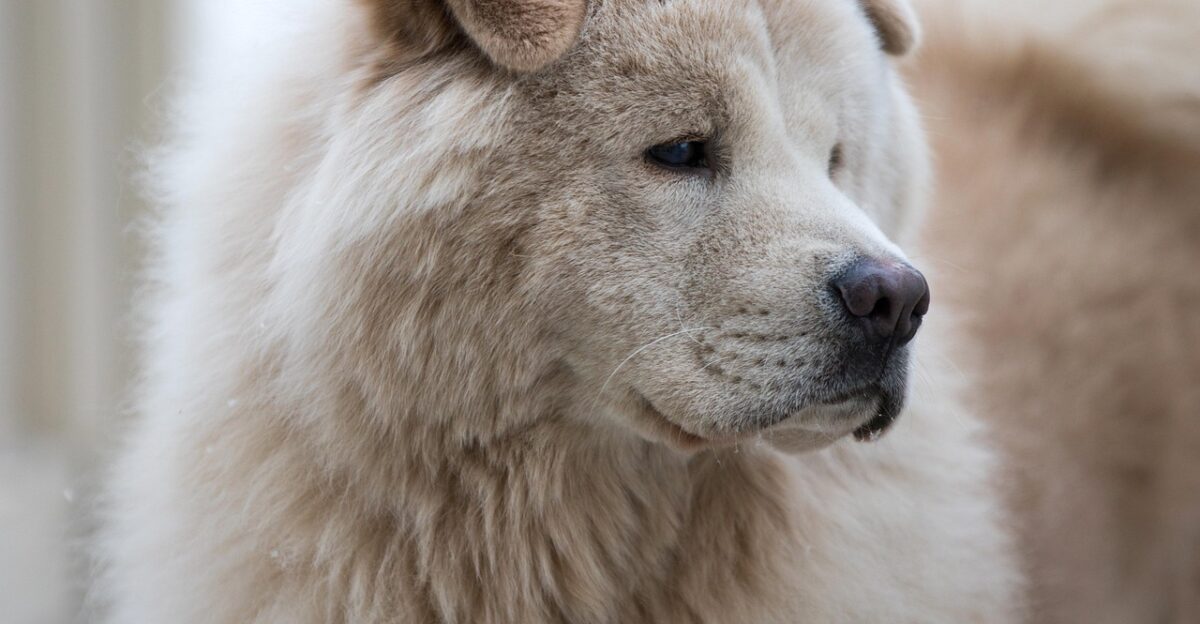
Chow Chows are famously strong-willed and aloof. They often bond deeply with one person and ignore everyone else. Commands are understood—but frequently declined.
Without early socialization, their natural wariness can escalate into aggression. Professional trainers consistently flag that harsh corrections backfire and can escalate wariness to aggression. Chow Chows don’t respond to people-pleasing tactics; respect must be earned, not demanded.
Dachshund

Bred to hunt badgers underground, Dachshunds are fearless and determined. That independence shows up as stubbornness during training. Their short attention spans require 5–10 minute sessions.
Housebreaking is notoriously difficult—often taking six months or longer. Harsh corrections increase resistance, while consistency and high-value rewards are essential. Their size fools owners into underestimating how mentally tough these dogs really are.
English Bulldog

English Bulldogs are affectionate, but training them tests patience. When uninterested, they simply stop moving. Bulldogs learn slowly, tire quickly, and resist pressure.
Trainers consistently flag extremely short sessions, gentle consistency, and realistic expectations as necessary. Potty training often stretches to six months or longer. Push too hard and Bulldogs respond by shutting down entirely—earning their reputation as charming, stubborn statues.
Jack Russell Terrier
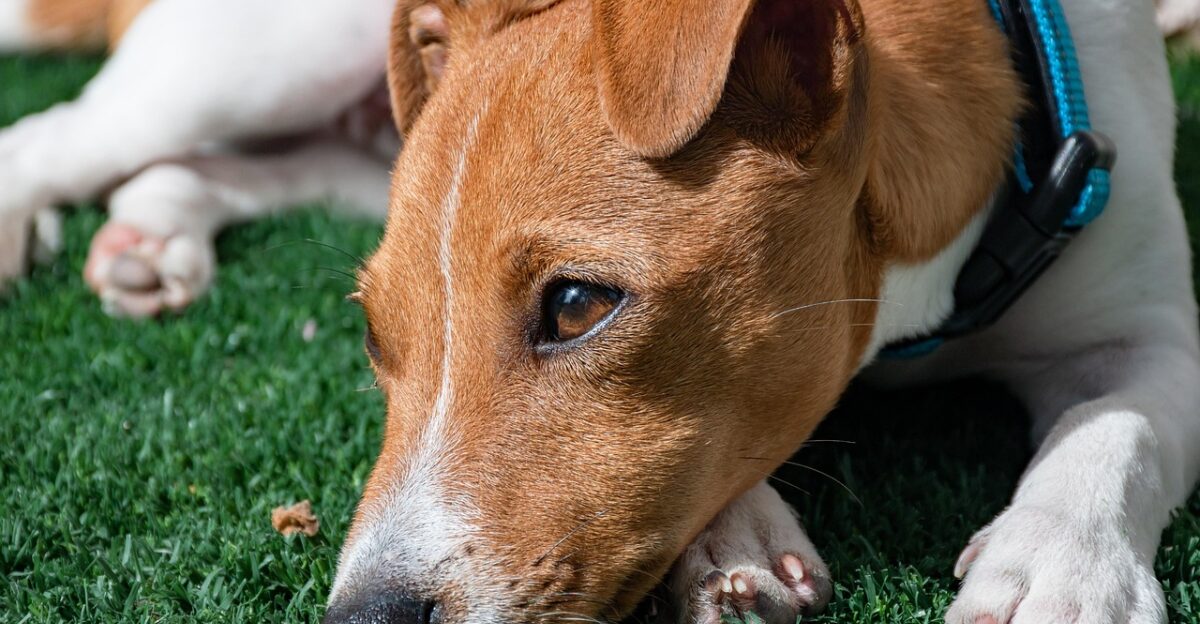
Jack Russells combine extreme energy with relentless independence. Bred for hunting, they prioritize movement over listening. Their intelligence allows them to exploit training loopholes almost immediately.
Without intense physical and mental stimulation, destructive behaviors follow. Professional trainers consistently flag that multiple daily sessions are needed, not just exercise. Selective hearing is common—commands vanish the moment something more exciting appears.
Rottweiler
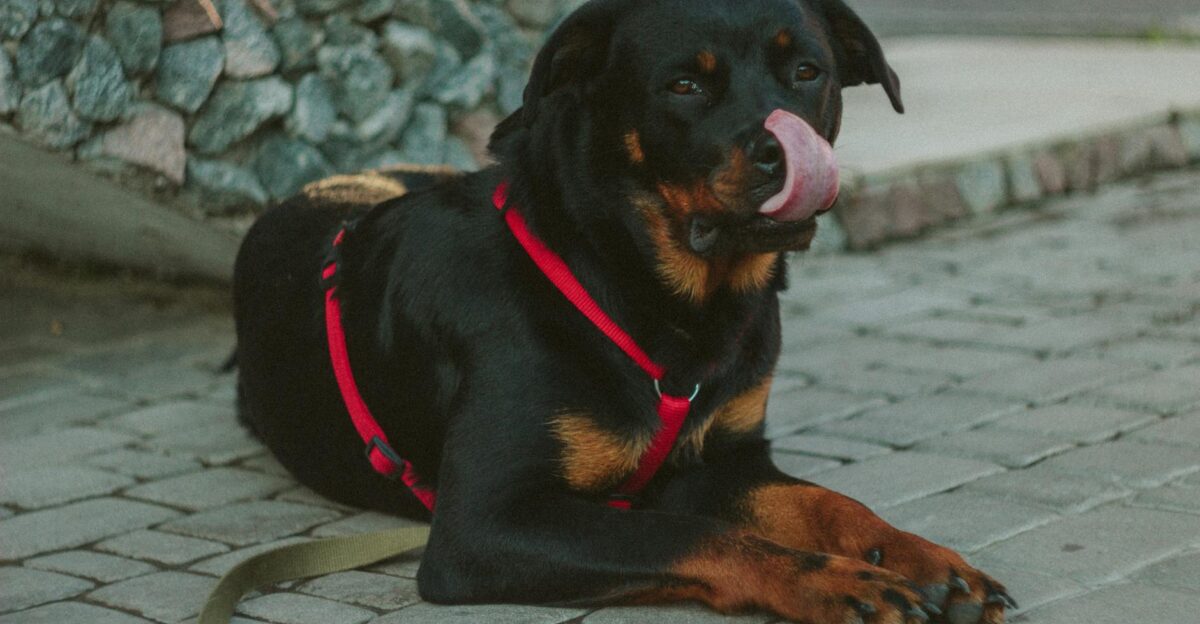
Rottweilers are confident, protective, and physically powerful. Without firm leadership, their guarding instincts can escalate into aggression. Food-reward-only training often fails.
Rottweilers learn to respond inconsistently when not motivated by structure and clear leadership. Consistency, structure, and calm authority are essential. Their size magnifies mistakes—poor leash skills or boundary issues can become dangerous. This breed demands experienced handling from day one.
Akita
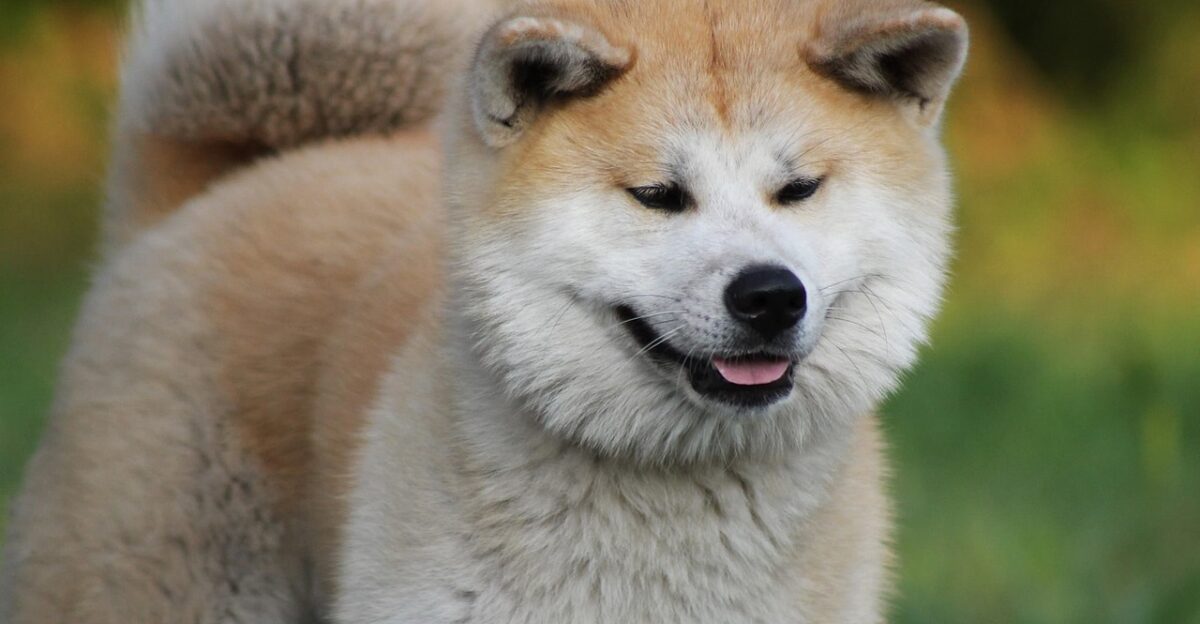
Akitas were bred to guard Japanese royalty, not follow orders. They view humans as equals rather than subordinates in a hierarchy, and commands are evaluated rather than obeyed automatically.
Harsh methods cause shutdowns or aggression, while overly soft approaches fail to motivate. Trainers consistently flag the need for confidence, structure, and variety. Akita owners often say stubbornness isn’t a flaw—it’s simply the Akita temperament.
Bloodhound

Bloodhounds can track scents for miles—and that ability dominates their behavior. Training becomes nearly impossible once an interesting smell appears.
While affectionate, their focus evaporates instantly outdoors. Short, structured sessions work best. Disobedience usually isn’t intentional; instinct simply wins. Professional trainers consistently flag that working with the nose, not against it, is the path to any progress.
Borzoi
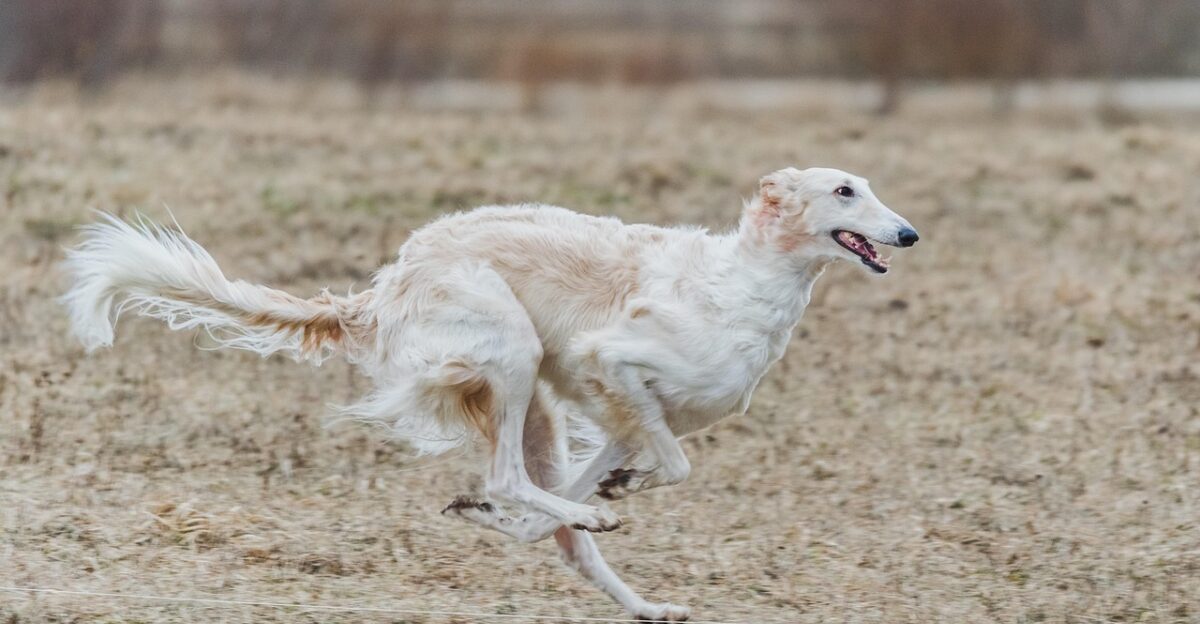
Borzois resent forceful training. Bred to hunt independently, they lack instincts to respond quickly to commands. Their sensitivity means even mild corrections feel overwhelming.
Attention spans are short, progress is slow, and obedience expectations must be adjusted. Professional trainers consistently flag Borzoi training as delicate and gradual, requiring patient relationship-building—success depends more on trust than repetition.
Weimaraner
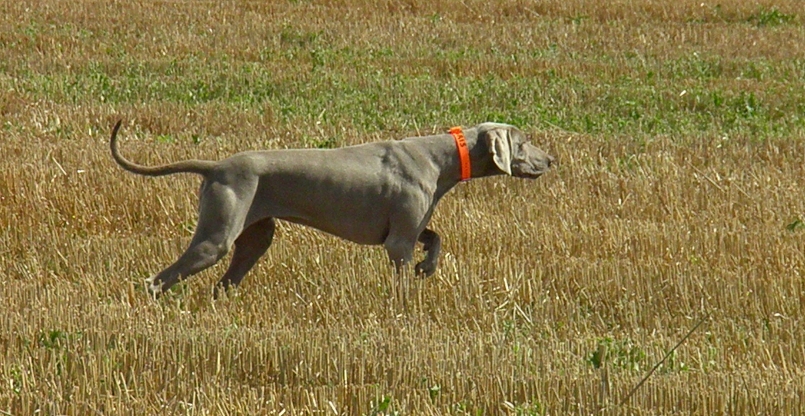
Weimaraners are loyal, athletic, and famously stubborn. Physical exercise alone backfires, making them fitter—not calmer.
Without mental training focused on impulse control, they remain distracted and demanding. Separation anxiety complicates obedience, as emotional intensity interferes with focus. Trainers consistently flag calm leadership and structured work as superior to constant activity.
Pekingese
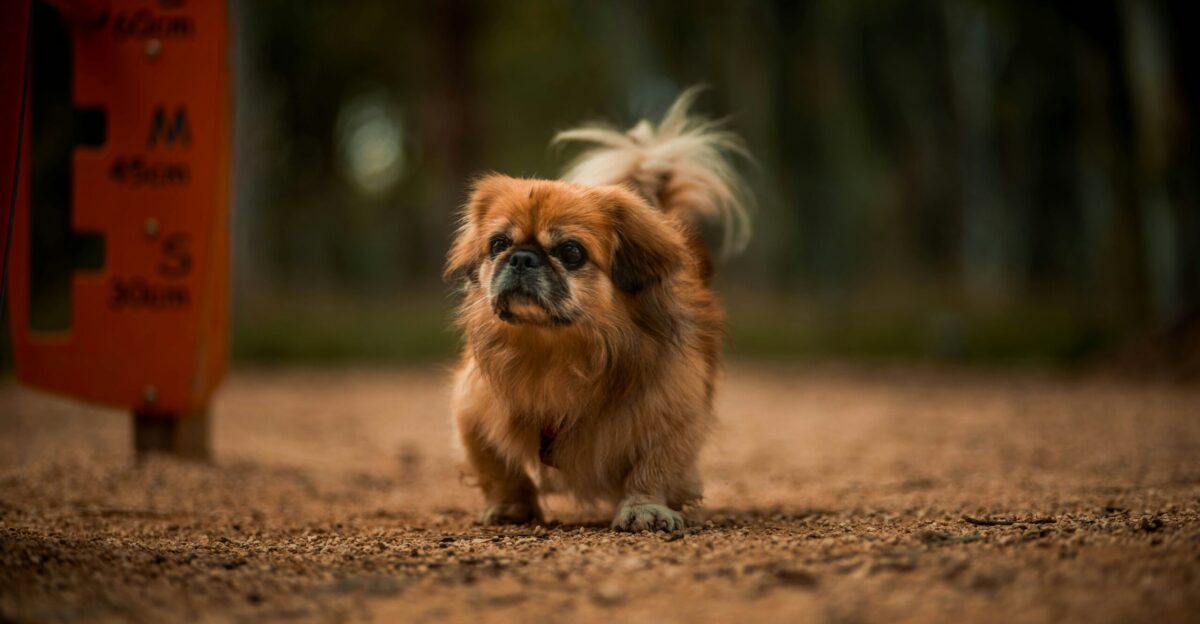
Despite their size, Pekingese dogs possess deeply independent personalities. They learn commands quickly, then decide whether to use them.
Harsh voices shut them down completely. Housebreaking is particularly difficult, often requiring six months or more. Many owners report their Pekingese simply opt out of training—consistent, gentle reinforcement is the only path forward.
Chinese Shar-Pei
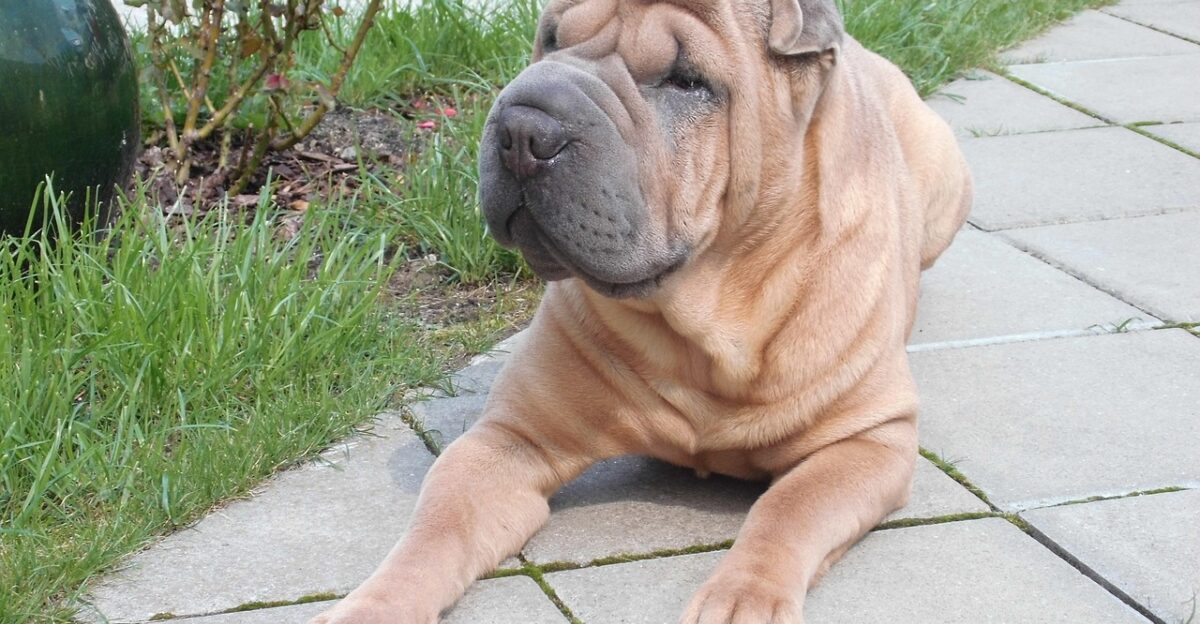
Shar-Peis were bred as guardians, not companions. Their territorial instincts and skepticism toward strangers demand early socialization.
Force-based training increases aggression, while confident, calm leadership produces results. Intelligence isn’t the issue—motivation is. First-time owners often struggle with this breed’s questioning nature and strong will.
Alaskan Malamute
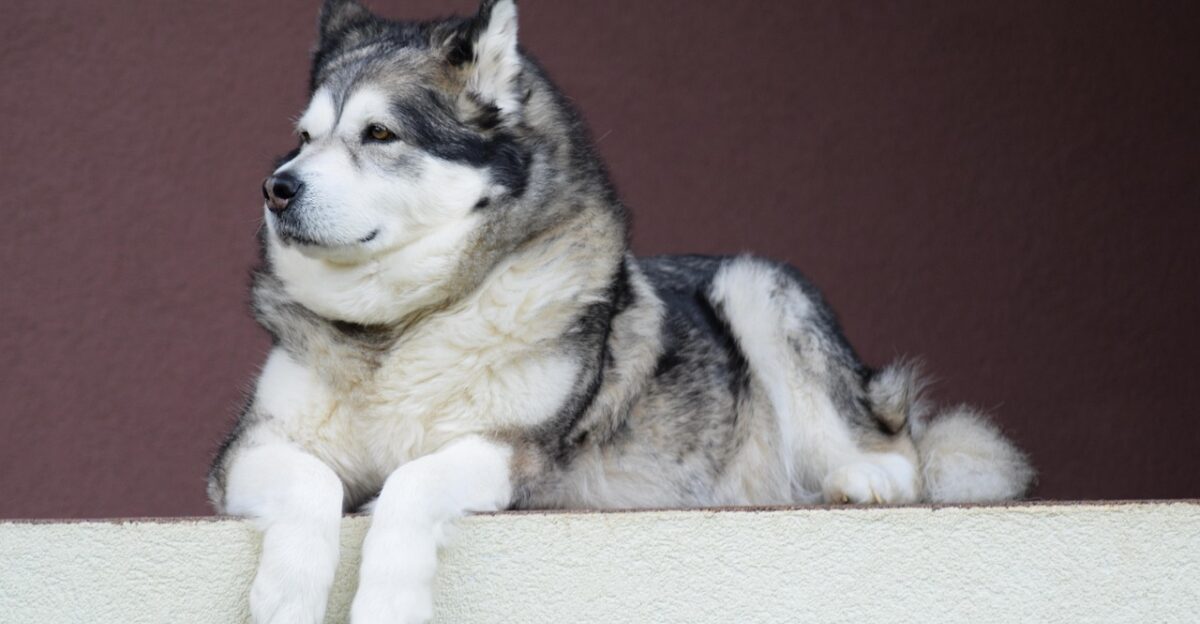
Malamutes think in pack hierarchy terms. Repetitive drills bore them instantly. Training succeeds only when owners demonstrate consistent leadership through actions, not commands.
Food theft, digging, and dog aggression are common without early intervention. Respect—not treats—is the primary currency with this breed, making training a relationship-building process.
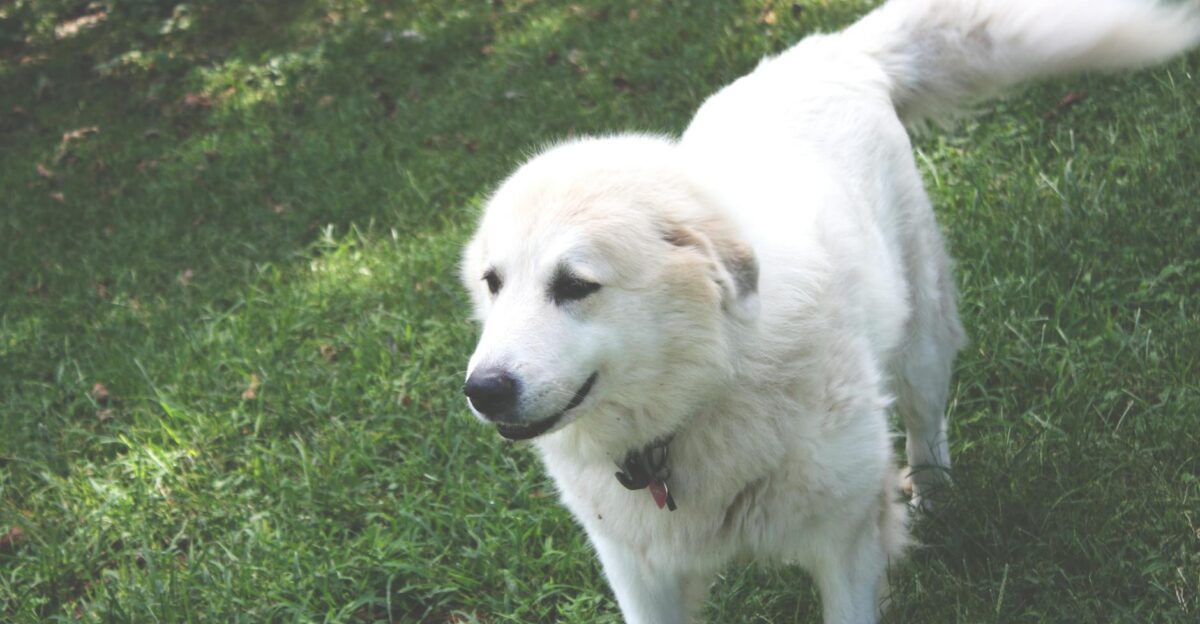
Basset Hound & Great Pyrenees
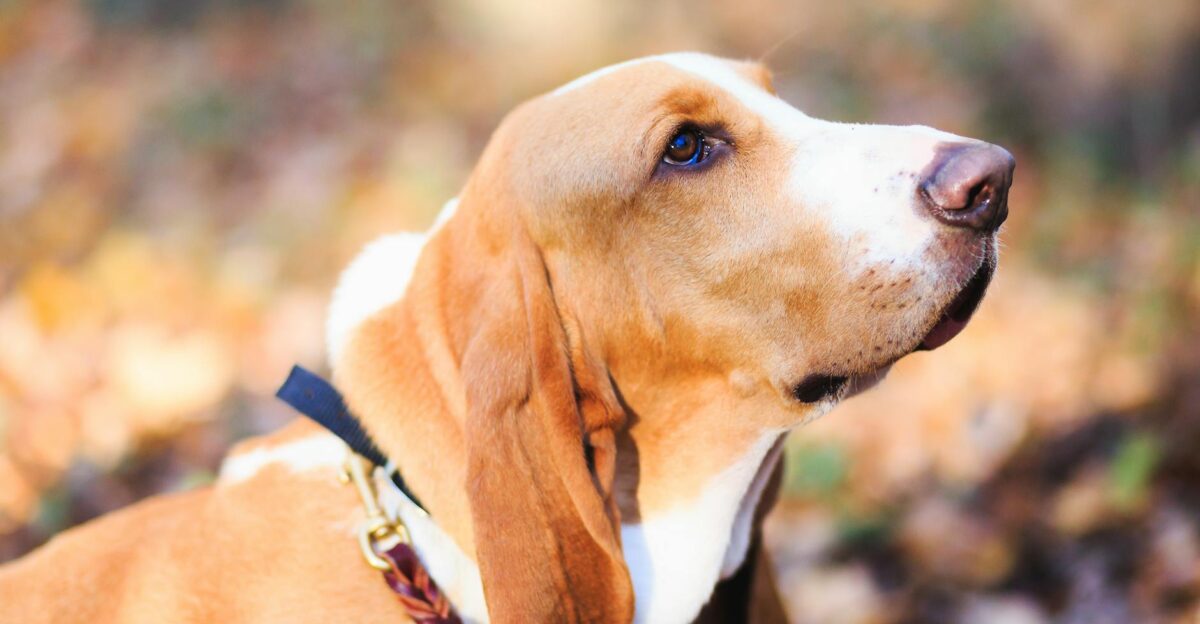
Basset Hounds follow scent to the exclusion of other stimuli; Great Pyrenees follow independent purpose. Both ignore commands they deem unnecessary for their breeding objectives.
Housebreaking Bassets requires extraordinary patience, while Great Pyrenees often “forget” training during adolescence. Neither breed aims to please. Trainers emphasize boundaries, consistency, and understanding that these dogs are obeying ancient instincts—not being difficult on purpose.
Professional Consensus Across Communities
These breeds have been consistently flagged by multiple professional communities. Kennel clubs recognize them as independent; veterinary behaviorists identify them as self-directed; and professional trainers universally note their resistance to obedience-based training.
Understanding why these breeds were flagged as training challenges isn’t about declaring them “bad” dogs. It’s about matching owner expectations to genetic reality. These breeds succeed with owners who respect their independence and commit to relationship-based training rather than command-based obedience.
Sources:
The Intelligence of Dogs — Stanley Coren | Published 1994 (republished 2006)
Dealing with Separation Anxiety — Weimaraner Club of America | Published (no specific date listed)
A Realistic, Honest Siberian Husky Training Guide — BestMate Dog Training | Published 2018
Bulldog Puppy Training Timeline: What to Expect and When to Expect It — American Kennel Club (AKC) | Published 2021
Afghan Hound Dog Breed Health and Care — PetMD | Published 2025
Alaskan Malamute Training and Behavior: A Complete Guide — Alaskan Malamute HQ | Published (no specific date listed)