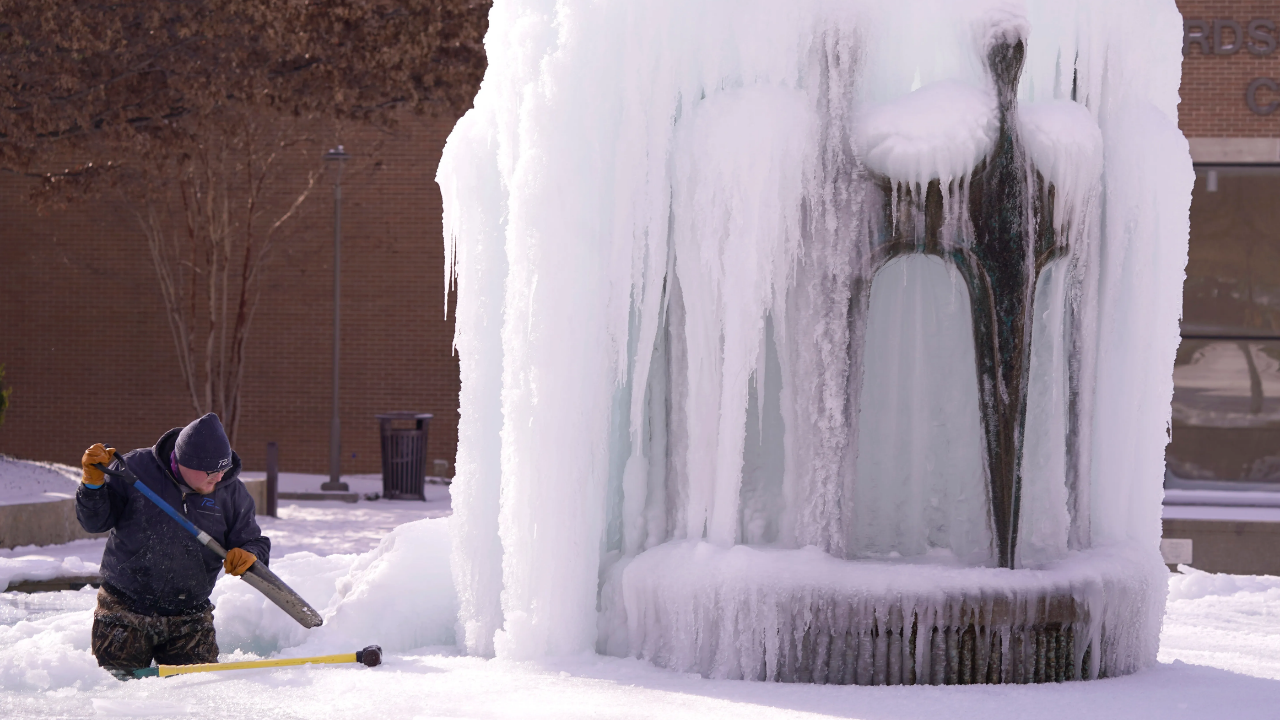
The icy blast hit first thing on Saturday morning. In the northern plains, the wind howled as temperatures plummeted to –45°F, and snow started to fall, turning highways into whiteouts. Emergency alerts flashed across the screens of 17 states as millions braced for the worst cold in decades.
By noon, cities like Minneapolis and Chicago were already struggling to keep up with rapidly plunging temperatures. The cold wasn’t just arriving—it was taking over. How much further will it spread, and what will this mean for the millions already affected?
The Arctic Surge Explained

This chilling wave is a result of a disruption in the polar vortex, which has allowed frigid Arctic air to spill southward.
Forecasters from the National Weather Service explain that a high-pressure system over the Arctic and a deep trough over North America are pushing this intense cold into the Midwest and Northeast.
Millions in the Path of Danger

From the Dakotas to New York, tens of millions of people will experience dangerous wind chills between –20°F and –45°F. In just a few hours, exposed skin can freeze, leading to frostbite and hypothermia.
Residents in affected areas are urged to stay indoors and take precautions to protect themselves from the bone-chilling cold that’s expected to last several days.
Power Grids Brace for Demand

As temperatures plummet, heating demand across the Midwest and Northeast will skyrocket, putting pressure on power grids. Utilities are preparing for potential disruptions as energy demand spikes.
In regions like PJM and MISO, where cold-weather alerts are issued, conservation measures may be needed to prevent blackouts. Are we ready for a surge that could test the limits of our infrastructure?
Short-Term Energy Strain

Natural gas, heating oil, and propane use will surge as temperatures plummet. This uptick in demand for heating fuels will test furnaces and heat pumps, with energy prices expected to rise in the short term.
Past Arctic outbreaks have already shown how this increased demand can temporarily disrupt markets. What steps are being taken to avoid a full-scale energy crisis?
Snow Squalls Disrupt Major Routes

Snow squalls and subzero wind chills will severely impact freight routes, especially in states like North Dakota, Minnesota, and Wisconsin.
The Federal Highway Administration reports that dangerous travel conditions are likely, with reduced visibility and slick roads. Major transportation corridors are at risk of delays. How will these disruptions affect the nation’s supply chains?
At-Risk Workers in the Cold

Outdoor workers, including delivery drivers, utility crews, and farmers, are at high risk as wind chills reach –45°F in some areas.
The Occupational Safety and Health Administration (OSHA) stresses the importance of providing warm breaks and protective gear to prevent cold-related injuries. What precautions can employers take to ensure worker safety during this extreme cold?
States Activate Emergency Plans

In response to the extreme cold, state leaders across the affected regions are activating cold-weather plans. Warming centers are opening, and schools may close.
Governors in states like Minnesota and Illinois have already declared emergencies in similar past events. How prepared are these areas to deal with the full scale of this cold wave?
Economic Impacts of the Cold Snap

The Arctic blast is expected to impact economic activity, particularly in construction, retail, and transportation. Severe weather can delay projects, halt deliveries, and reduce consumer spending.
The Federal Reserve has warned that extreme cold events can temporarily slow down regional economies. How will this deep freeze impact industries already struggling from other economic pressures?
Retailers Adapt to the Cold

Retailers are responding by stocking up on cold-weather gear and essentials. Big-box stores and grocery chains are ramping up online ordering and curbside pickup services as foot traffic declines.
With many consumers hunkered down at home, how can retailers balance supply and demand during these extreme cold snaps?
Travel and Hospitality Suffer

The travel and hospitality sectors will also feel the effects of the Arctic blast. Hotels, airlines, and restaurants are bracing for cancellations and reduced bookings, while the U.S. Travel Association reports that winter storms are expected to ground flights.
How will this cold wave disrupt both leisure and business travel in the coming days?
Agriculture Faces Added Pressure

Farmers in the northern U.S. will face challenges protecting livestock from the extreme cold. The U.S. Department of Agriculture has warned that winter wheat, stored crops, and farm labor productivity may all be affected.
How will the deep freeze impact agriculture, and what measures can farmers take to minimize damage?
Cold Weather Across Borders

This Arctic cold mass isn’t just affecting the U.S.; it’s also reaching parts of Canada. From Winnipeg to Toronto, cities are experiencing similar conditions, disrupting daily life and travel.
How does this widespread cold mass affect Canada’s energy demands and travel infrastructure, and how does it compare to previous years?
Increased Health Risks

Hospitals are preparing for a spike in cold-related injuries, including frostbite, hypothermia, and slip-and-fall accidents.
The CDC advises residents to dress in layers, stay inside as much as possible, and check on vulnerable neighbors. What additional measures are health services taking to handle the expected surge in cases?
Polar Vortex and Climate Change

While individual cold events do not disprove global warming, scientists are debating whether Arctic changes are influencing these extreme cold outbreaks.
Experts like climatologist Judah Cohen suggest that shifts in snow cover and sea ice could be altering jet stream patterns. Could this polar vortex be a sign of a longer-term trend in extreme weather events?
Winners in the Arctic Chill

Some industries are benefiting from the extreme cold. Energy firms, heating oil distributors, and winter gear manufacturers are seeing a surge in demand.
How are these businesses adapting to the sudden change in demand, and who else is capitalizing on the cold snap?
Energy Markets React to Cold

Energy traders are watching the thermometer closely, as cold snaps like this one often drive short-term price increases in natural gas and electricity.
Energy market volatility could increase as a result of the cold, especially in areas that rely heavily on heating. How are energy traders preparing for these fluctuations?
Preparing for the Cold

Officials recommend that residents prepare for the extreme cold by insulating pipes, stocking up on food and medications, and checking their heating systems.
As wind chills dip into the dangerously low range, what steps can individuals take to protect their homes and families from the harsh conditions?
What’s Next After the Cold?

The coldest air is expected to peak this weekend, with temperatures moderating early next week. However, the threat of further cold snaps remains as the jet stream continues to shift.
How long will this Arctic outbreak last, and what are the chances of more cold events later in the winter season?
A Far-Reaching Freeze

The current Arctic blast is more than just an inconvenient cold snap—it’s a major weather event with widespread consequences.
From disrupted travel and strained power grids to economic slowdowns and health risks, this event underscores how extreme cold can ripple through modern life. How will this cold snap reshape the coming winter season?
Sources:
National Weather Service Winter Weather Forecasts and Arctic Blast Briefings; NOAA Climate Prediction Center Winter 2025-26 Outlook
NERC Winter Reliability Assessment 2025-2026; EIA Natural Gas Market Outlook Winter 2025-26
CDC Cold Weather Safety Guidance; National Weather Service Extreme Cold Exposure Guidelines
USDA Cold Weather Livestock Care Guidelines; FHWA Winter Road Safety Standards; U.S. Travel Industry Winter Disruption Reports