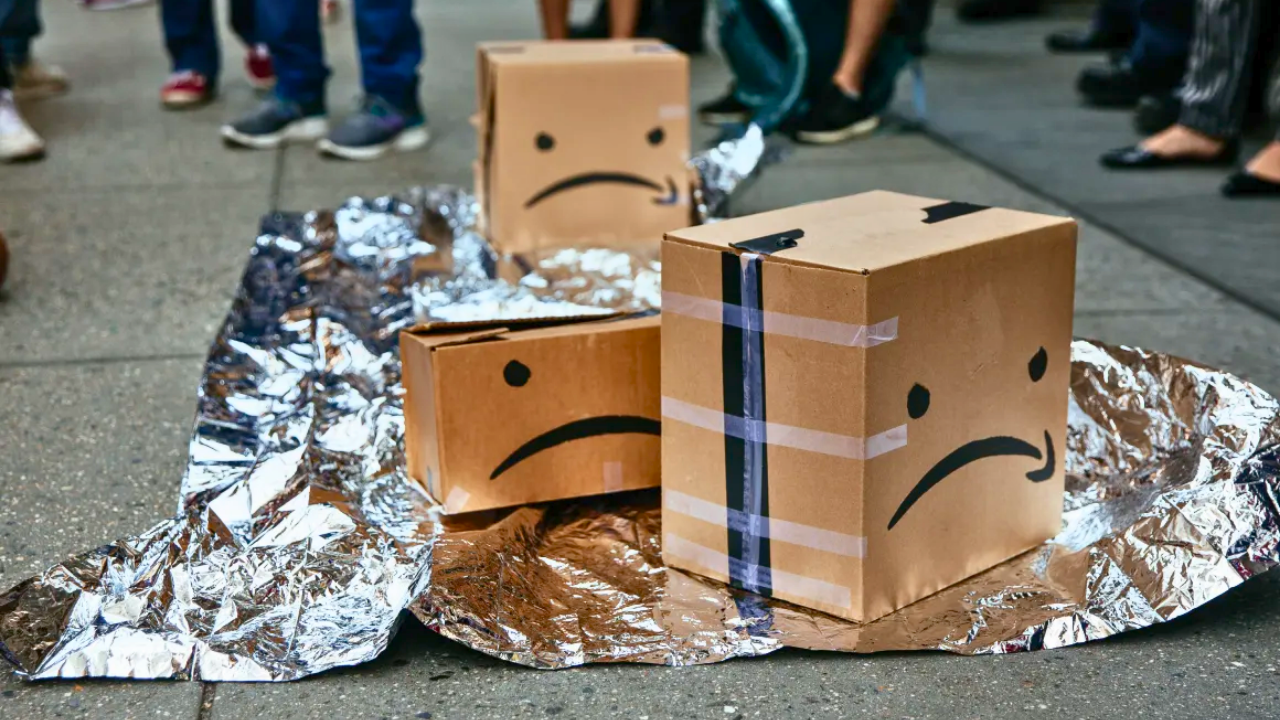
As America enters its busiest shopping weekend, millions of consumers are making an unprecedented choice: to unplug. A coordinated national boycott, called “We Ain’t Buying It” and organized by Black Voters Matter, Indivisible, and Until Freedom, has launched a five-day campaign targeting Amazon, Target, and Home Depot. The action arrives as the National Retail Federation projects a record 186.9 million shoppers will spend during Thanksgiving weekend, compressing nearly 20 percent of annual retail spending into five high-stakes days.
The Scale of the Moment
Amazon’s dominance in American commerce is staggering. The company controls over 40 percent of U.S. e-commerce, with Q3 net sales in the U.S. rising 11 percent and net income reaching approximately $15 billion. Last quarter alone, Amazon generated $21.2 billion in profits, a 38 percent year-over-year surge. For context, an estimated $8 billion to $16 billion in sales hangs in the balance during this brief boycott window—a figure too large for Wall Street to dismiss.
Yet organizers are realistic about immediate impact. If even 9 percent of anticipated Thanksgiving weekend shoppers participate—roughly 17 million people—the financial impact could reach $1 billion. “We want this to be the largest holiday boycott ever,” campaign leaders declared, drawing inspiration from the Montgomery Bus Boycott’s 70th anniversary.
Why Workers Matter More Than Deals
The boycott’s core grievance centers on worker safety, not pricing. A Senate investigation found Amazon warehouse employees are almost twice as likely to be injured compared to other warehouse workers, with 30 percent more injuries than the industry average. Federal records consistently show that Amazon’s injury rates outpace those of its competitors, a pattern that has drawn criticism from Senator Bernie Sanders and labor advocates nationwide.
“The relentless pace of quotas and surveillance is breaking people down,” according to testimony in the Senate’s 2024 report. Organizers argue that fast shipping should not come at the expense of workers’ health and safety. Amazon has responded by stating that it is “constantly innovating to improve workplace safety” and highlighting its ongoing investments in worker well-being.
Political Currents and Corporate Alignment
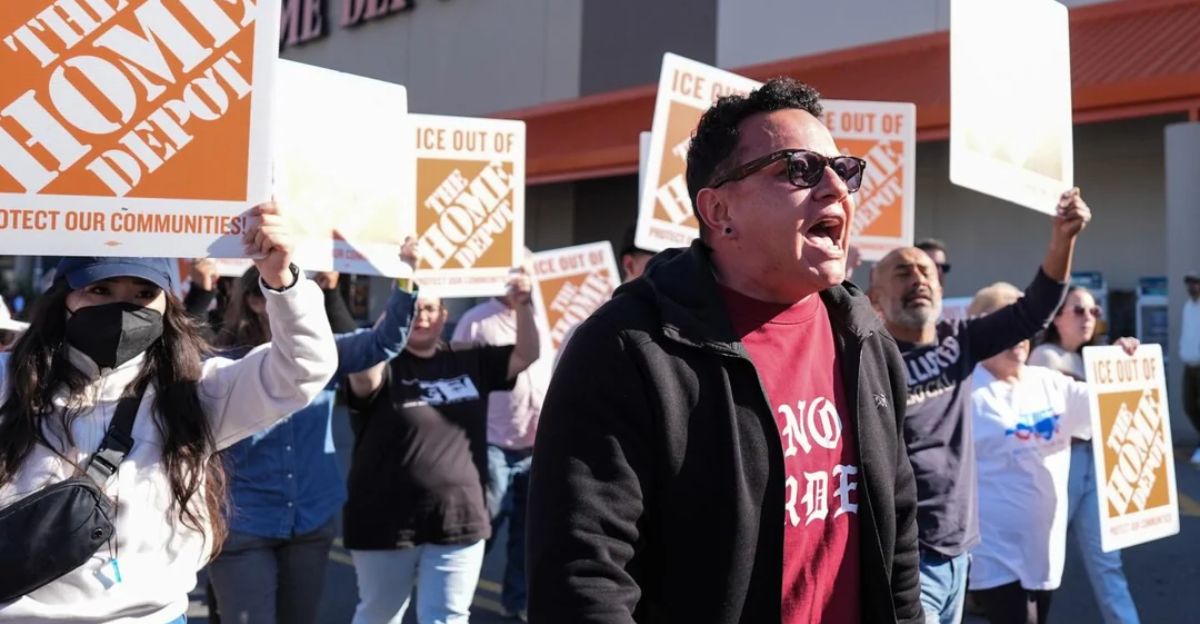
Fueling the campaign is a donation from Amazon founder Jeff Bezos to President Trump’s inaugural fund. Organizers view this as a direct financial endorsement of policies many shoppers oppose. The boycott extends beyond Amazon: Target faces criticism for rolling back its diversity initiatives, while Home Depot is being targeted over alleged cooperation with immigration enforcement at its stores. Both retailers also donated $1 million to Trump’s inauguration, broadening the campaign’s reach across the retail sector.
A Shifting Consumer Landscape
The boycott reflects broader trends in American consumer behavior. According to LendingTree research, 31 percent of Americans have already boycotted a business due to values or political reasons. Nearly half of Gen Z researches a brand’s stance before making a purchase. This year marks Amazon’s fourth coordinated boycott—following actions in March, May, and July—suggesting that repeated economic pressure has become a strategy for sustained leverage.
The Five-Day Countdown
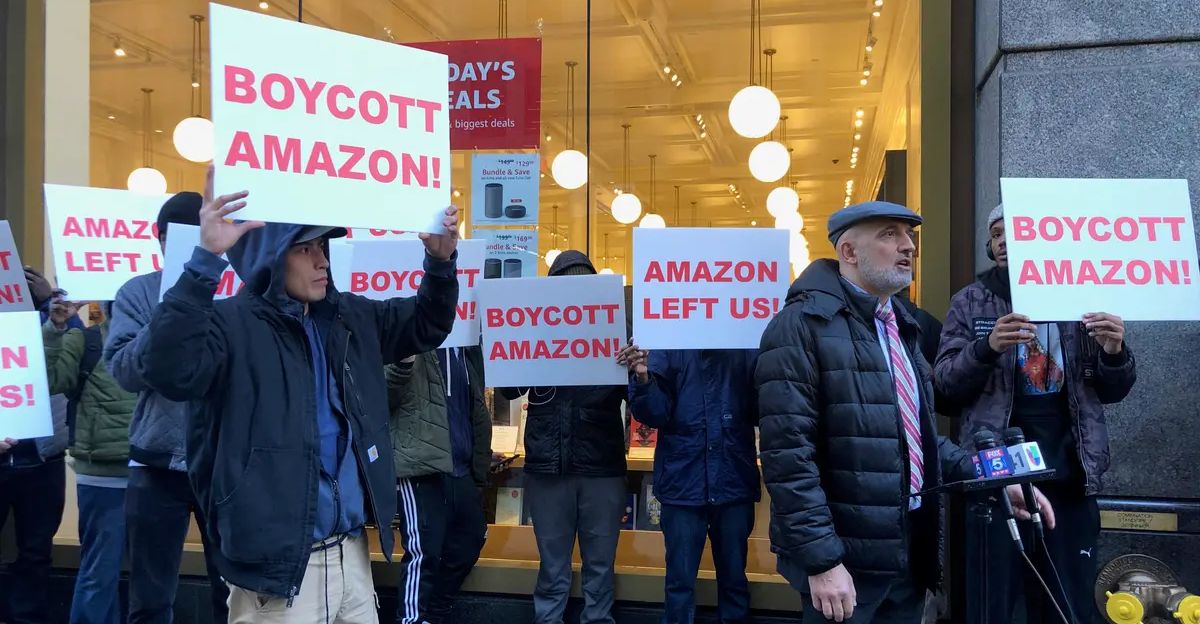
From November 27 to December 1, the nation’s retail engine faces coordinated pressure. Nearly 60 percent of Americans have already begun holiday shopping, leaving organizers a narrow window to shift consumer behavior. Local business coalitions are positioning themselves as alternatives, directing would-be Amazon shoppers to independent retailer directories with the message: “Every dollar you hold back is a dollar that stays in your community.”
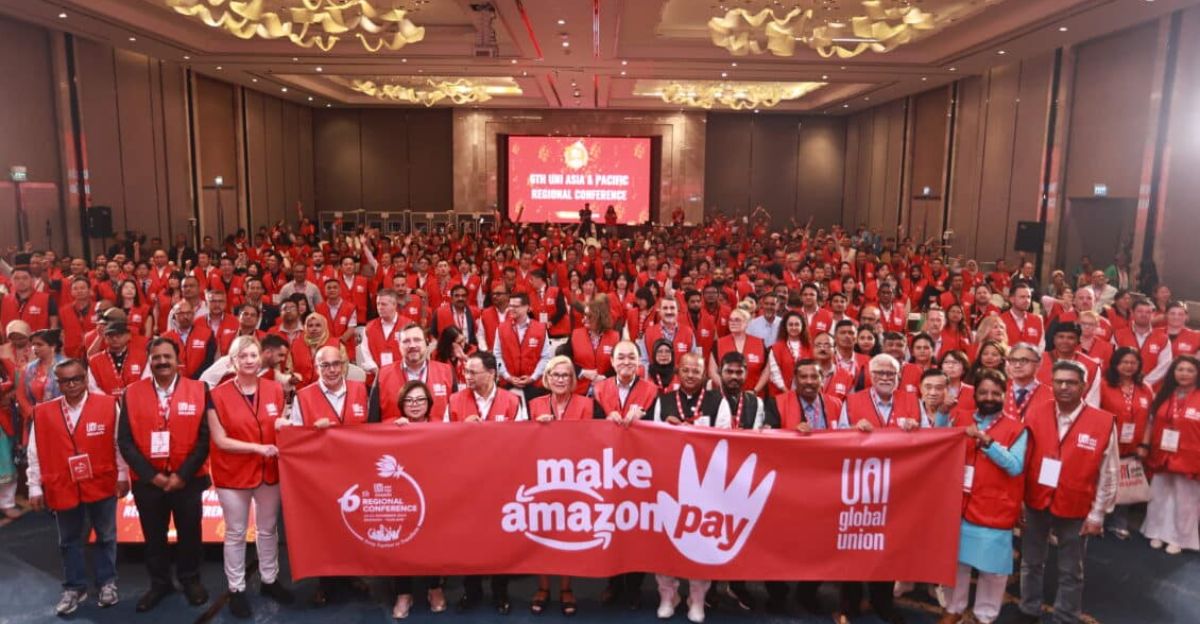
The movement has also sparked international solidarity. Workers and activists from six continents, under the “Make Amazon Pay” banner, have announced parallel protests aligned with this holiday boycott. From Berlin to New Delhi, employees are striking for higher wages and labor protections, transforming Amazon’s supply chains into channels for global demands.
The Larger Question
Whether millions actually pause their Amazon orders remains uncertain. What is clear: the tone of America’s busiest shopping weekend has shifted. The simple act of clicking “Add to Cart” has become a political choice—between convenience and conscience, silence and speaking out. Regardless of the final tallies, “We Ain’t Buying It” has already transformed bargains into a battleground for values, proving that shopping itself can be a form of activism.
Sources
National Retail Federation – “Thanksgiving Weekend Expected to Draw Largest Number of Shoppers on Record” (November 19, 2025)U.S. Senate HELP Committee Investigation – “The Injury-Productivity Trade-off: Amazon’s Workplace Safety Record” (December 2024)
We Ain’t Buying It Campaign Official Statement – Black Voters Matter, Indivisible, Until Freedom (November 24, 2025)
Amazon.com, Inc. – Q3 2025 Earnings Release & Financial Results (October 30, 2025)
eMarketer – “U.S. Amazon E-commerce Forecast 2025” (April 27, 2025)
LendingTree – “Almost a Third Have Boycotted a Business” Boycott Survey (June 23, 2025)