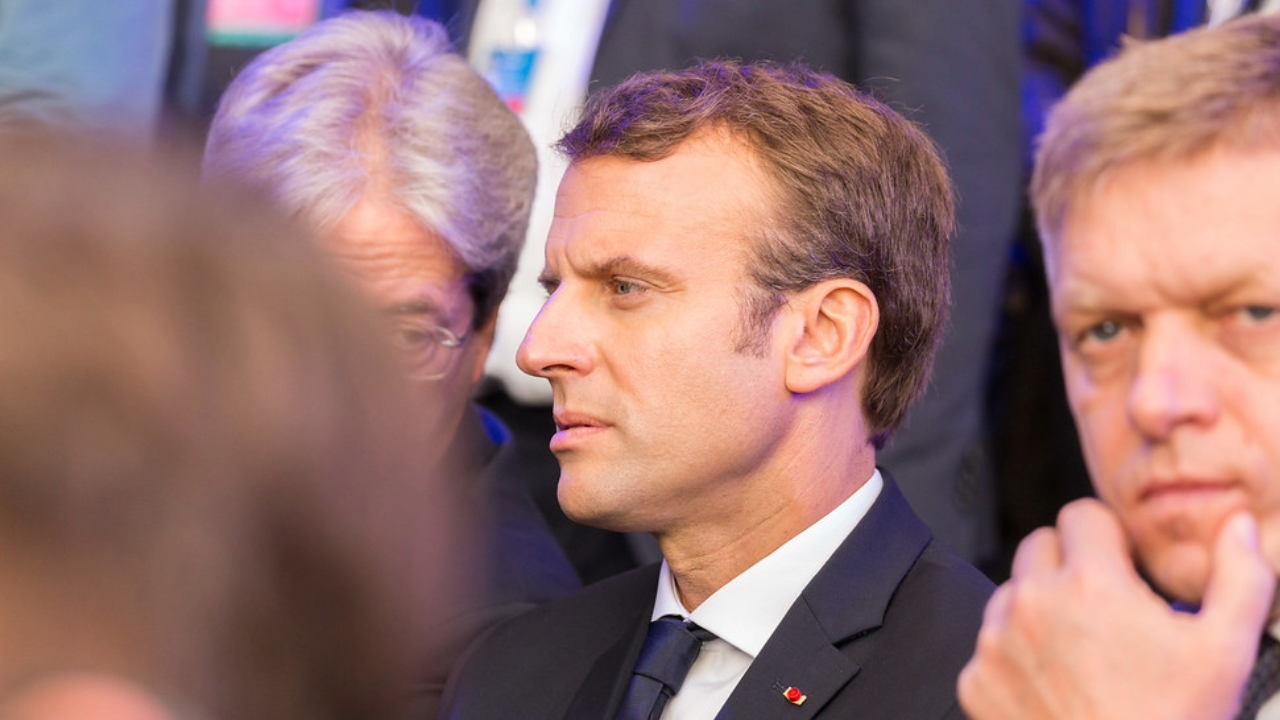
A text message pings into the world. Not sealed in an embassy envelope, but on Truth Social, where 79 million followers watch in real time. French President Emmanuel Macron’s private words—meant for Trump alone—now belong to everyone. “I do not understand what you are doing on Greenland,” he wrote. Within hours, diplomacy became leverage.
What followed was more than a diplomatic incident. It was a signal that the rules governing international relations have fundamentally changed. In a matter of minutes, Trump weaponized a confidential message and turned it into a public ultimatum.
Trump’s Trade Threat
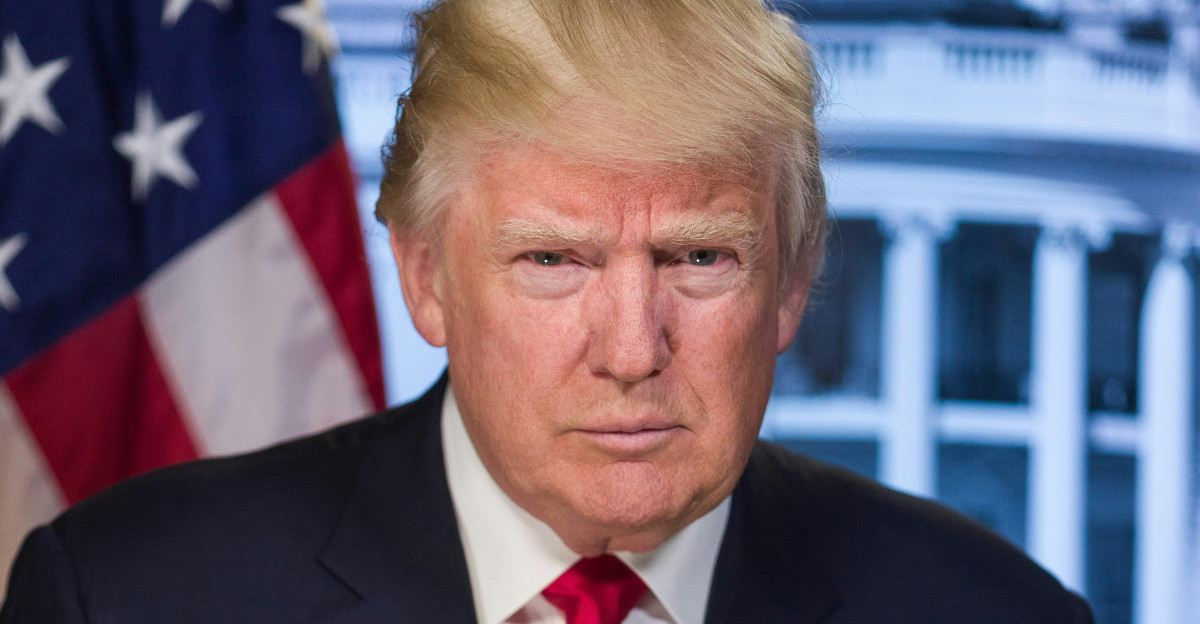
President Donald Trump turned up the heat on France, threatening 200% tariffs on wine and champagne if Emmanuel Macron refuses to join his “Board of Peace.” Speaking to reporters Monday, Trump made the stakes explicit: participate or face economic devastation.
France immediately signaled that it would not accept the invitation, setting the stage for a diplomatic standoff that threatens decades of U.S.-France relations.
Out of Office
Trump was blunt about the rejection. “Nobody wants him because he’s going to be out of office very soon,” Trump told reporters on January 20. Then came the hammer: “I’ll put a 200% tariff on his wines and champagnes.” The casual tone masked the severity.
This was a U.S. president explicitly linking trade punishment to political participation—a stark departure from diplomatic tradition and alliance norms.
What Is Trump’s Peace Board?
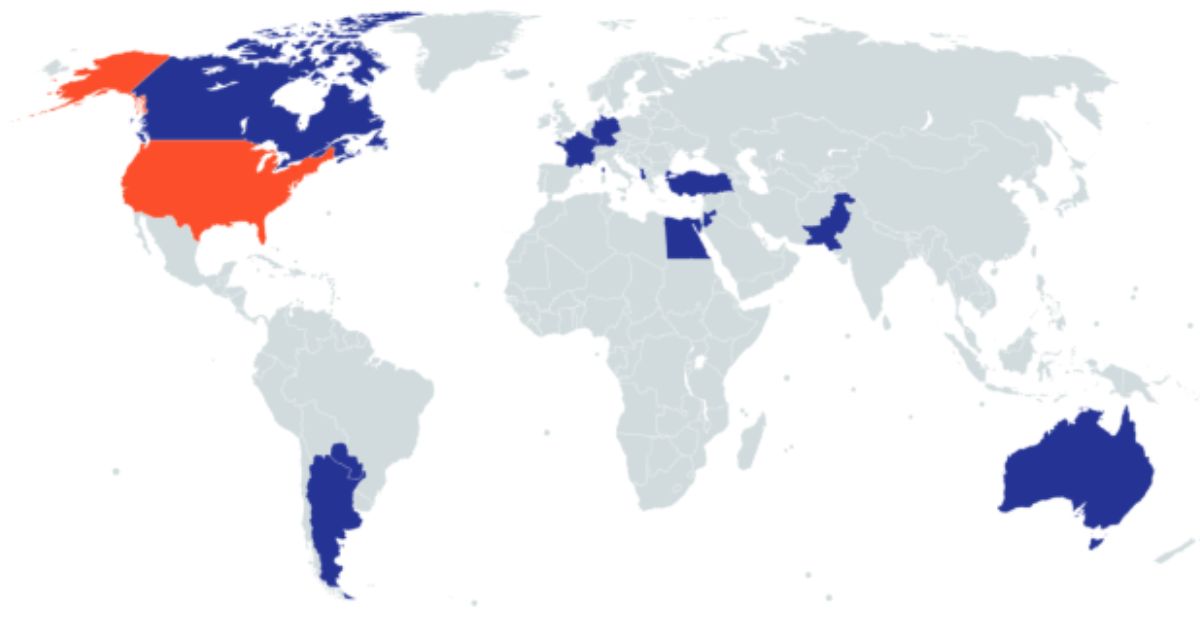
Originally conceived in September as a Gaza reconstruction body, Trump’s Board of Peace has evolved into something far broader. A draft charter circulated to approximately 60 nations reveals that the board addresses global conflicts beyond Gaza.
Member countries seeking permanent seats must contribute $1 billion, according to Reuters. Trump chairs the body and controls all membership decisions unilaterally without input from member states.
A Power Grab Disguised as Peace
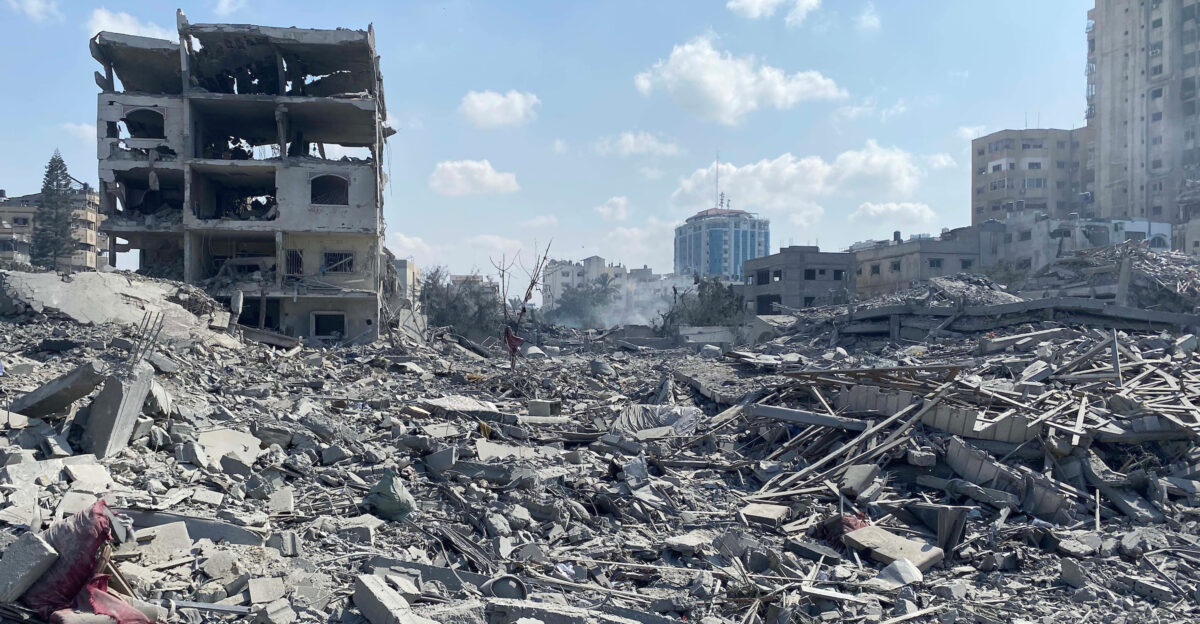
The board’s charter “goes beyond the sole framework of Gaza,” alarming Western diplomats who fear it could undermine UN authority. Trump controls membership and agenda unilaterally, with no democratic process or shared governance.
This expansion signals his intent to create an alternative international governance structure outside traditional multilateral frameworks established after World War II. Western leaders view this as a dangerous precedent.
Why France’s Rejection Is Principled
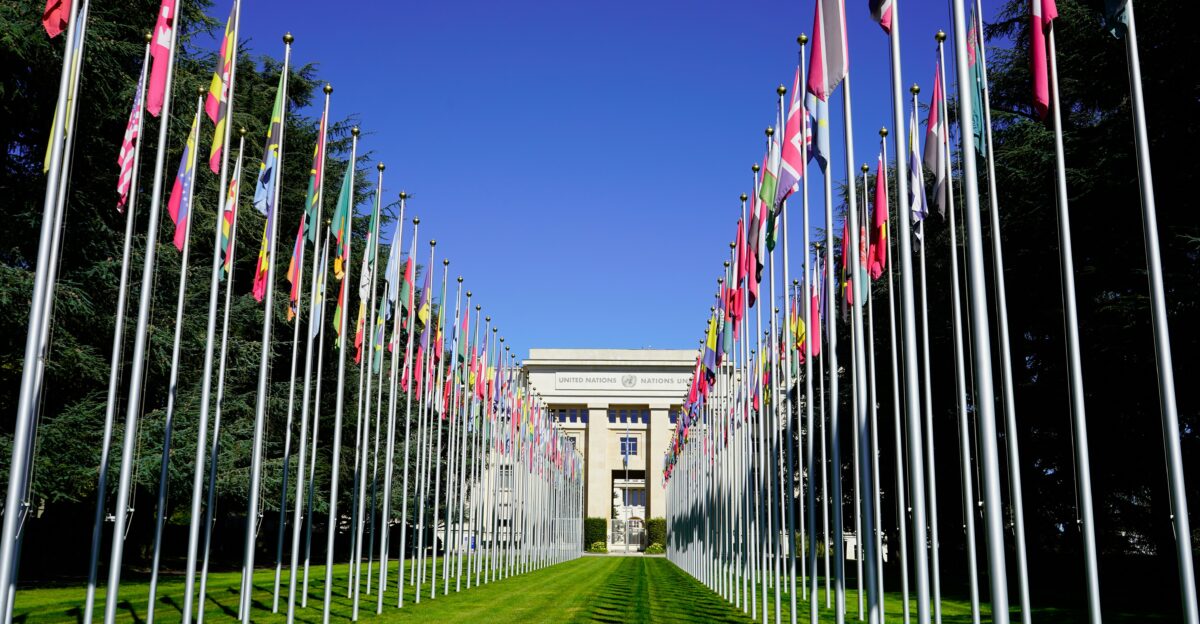
France explicitly rejected the invitation to the Board of Peace, citing fundamental concerns about UN principles and international law. Officials close to Macron told multiple outlets the expanded charter threatens the UN’s unique mandate on international peace and security.
Paris signaled that this rejection is not a negotiating position but a principled stance protecting multilateral institutions from being bypassed.
The $17 Billion Wine Industry at Risk
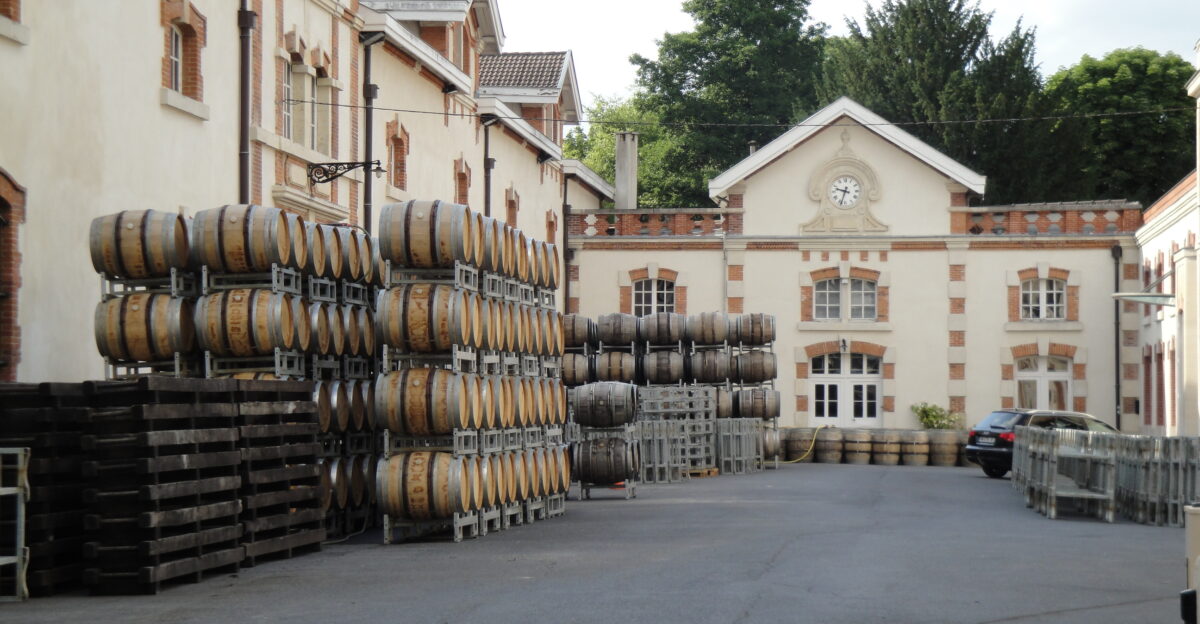
France’s entire wine and spirits export industry generates approximately $17 billion annually, making it the country’s second-largest trade surplus after aerospace. The U.S. market represents nearly 30% of French wine exports.
A 200% tariff would collapse American demand and threaten the viability of France’s entire export ecosystem.
The Real Numbers Behind the Threat
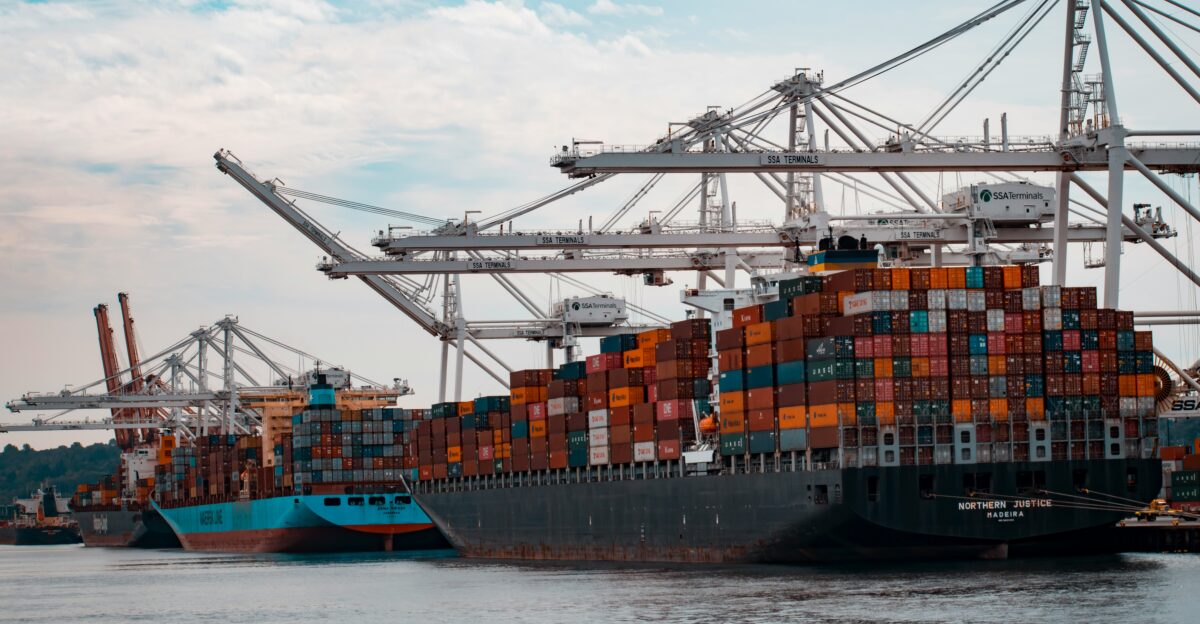
French wine and champagne exports to the United States specifically total approximately $5-6 billion annually. This represents the most vulnerable single-market revenue stream for France’s wine sector.
The U.S. market anchors pricing power for global French wine markets. If American demand collapses, French vineyards lose their pricing leverage worldwide and face competitive pressure from other European producers and beyond.
800,000 Jobs on the Line
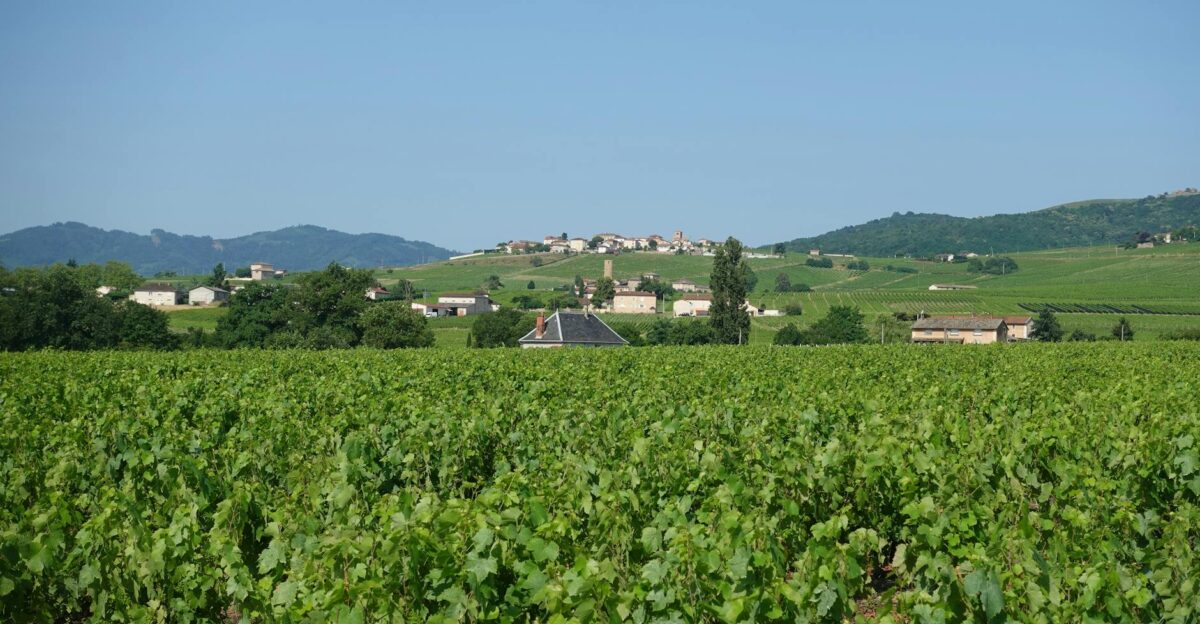
France’s wine sector employs approximately 800,000 workers across vineyards, production facilities, logistics, and export operations. A collapse in U.S. demand would trigger cascading closures and job losses across entire regions dependent on wine production.
Entire communities would face economic devastation if American tariffs became a permanent policy. The human cost extends far beyond corporate profits and trade statistics to family livelihoods.
What Americans Will Pay

Trade analysts predict significant price increases on French wines and champagnes. Bottles averaging $30–$50 could become unaffordable for many American consumers. Restaurants and retailers depend on French wine margins for profitability.
The American hospitality sector faces potential job losses if pricing becomes prohibitive. Premium wine culture faces fundamental disruption and accessibility barriers for everyday consumers and enthusiasts.
A Private Message Made Public
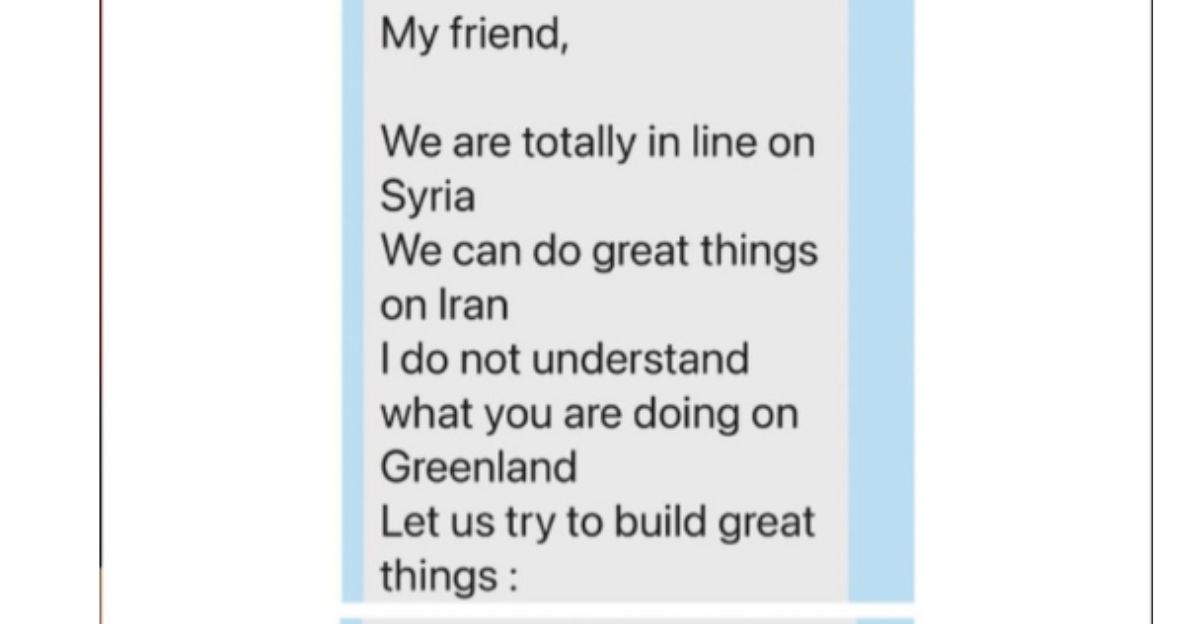
Trump posted Macron’s private text on Truth Social: “My friend, we are totally in line on Syria. We can do great things on Iran. I do not understand what you are doing on Greenland.” Macron’s office confirmed authenticity.
This marks the first time a sitting U.S. president leaked a French leader’s private message on social media. Diplomatic norms that governed international relations for decades have been irreversibly shattered.
The Greenland Obsession
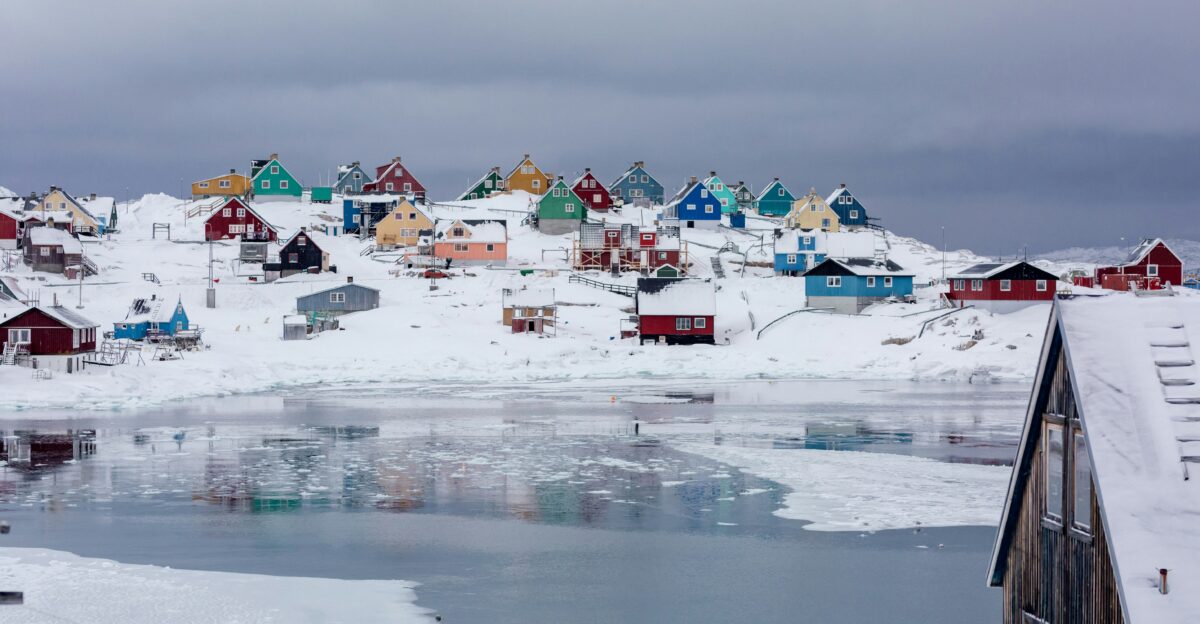
Trump’s pursuit of Greenland—a sovereign Danish territory and NATO member—has increasingly dominated his foreign policy. Macron’s leaked text expressed confusion about this strategy.
According to Reuters and the NYT, Trump threatened tariffs on British goods and on eight European nations over Greenland, with military action remaining “not off the table.” France views these ambitions as destabilizing and disproportionate to legitimate security interests.
When Allies Become Targets
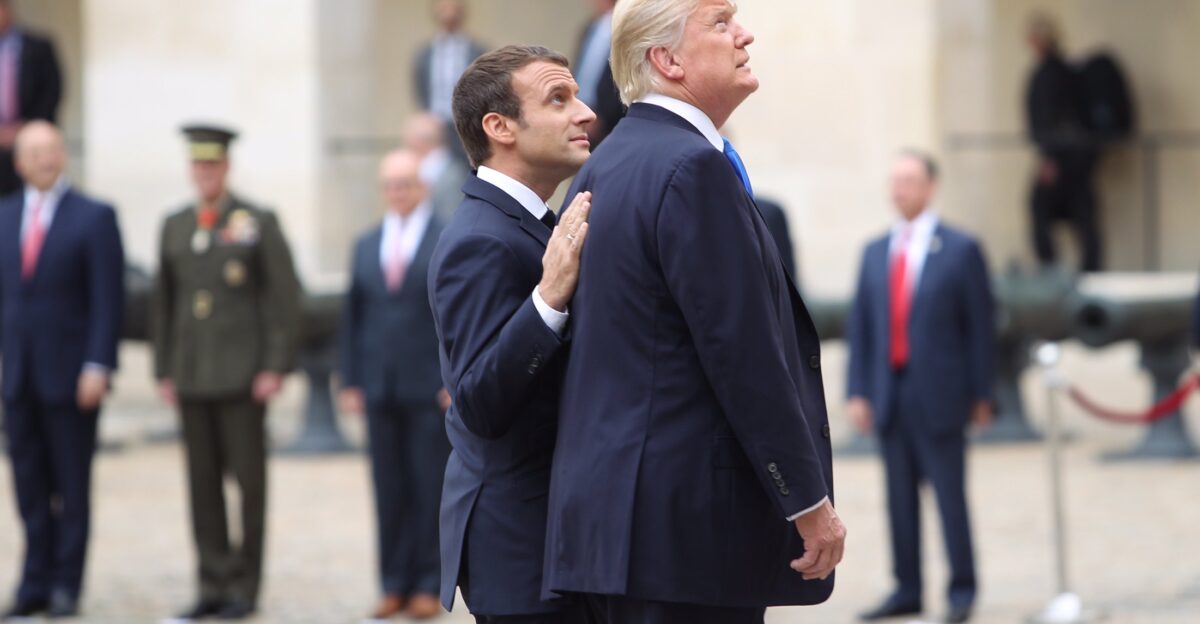
The U.S.-France relationship, cornerstone of NATO, is visibly fracturing. Trump’s willingness to impose punitive tariffs on a longtime ally and publicize private diplomatic messages signals a fundamental shift in transatlantic relations. NATO Secretary-General Mark Rutte’s private messages were also leaked, demonstrating Trump’s disregard for diplomatic confidentiality. Traditional alliance protocols established over decades of cooperation are being dismantled in real time.
The $1 Billion Membership Fee

The Board of Peace charter requires member countries to contribute $1 billion to maintain permanent seats beyond three years. Canada expressed “support in principle” but refuses to pay the entry fee, signaling hesitation even among Trump-aligned nations.
Diplomats argue this transforms peace-building into a transactional, money-driven enterprise. International governance becomes a marketplace rather than a collaborative framework.
Who’s Actually Joining?
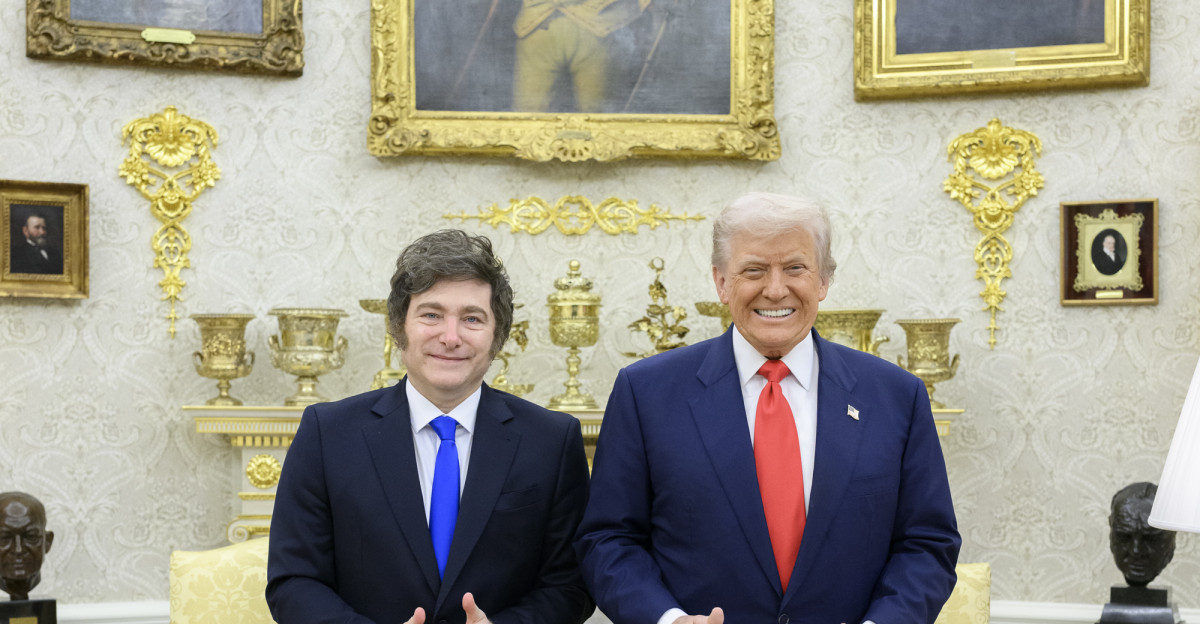
Response to the Board of Peace has been mixed. Only a handful of leaders enthusiastically accepted: Argentina’s Javier Milei and Hungary’s Viktor Orbán. Poland’s Donald Tusk warned his government would be “guided solely by the interest and good judgment of the state,” cautioning against being “played.”
Most nations express caution or skepticism, revealing the initiative’s lack of international consensus and global legitimacy.
Putin’s Surprising Invitation
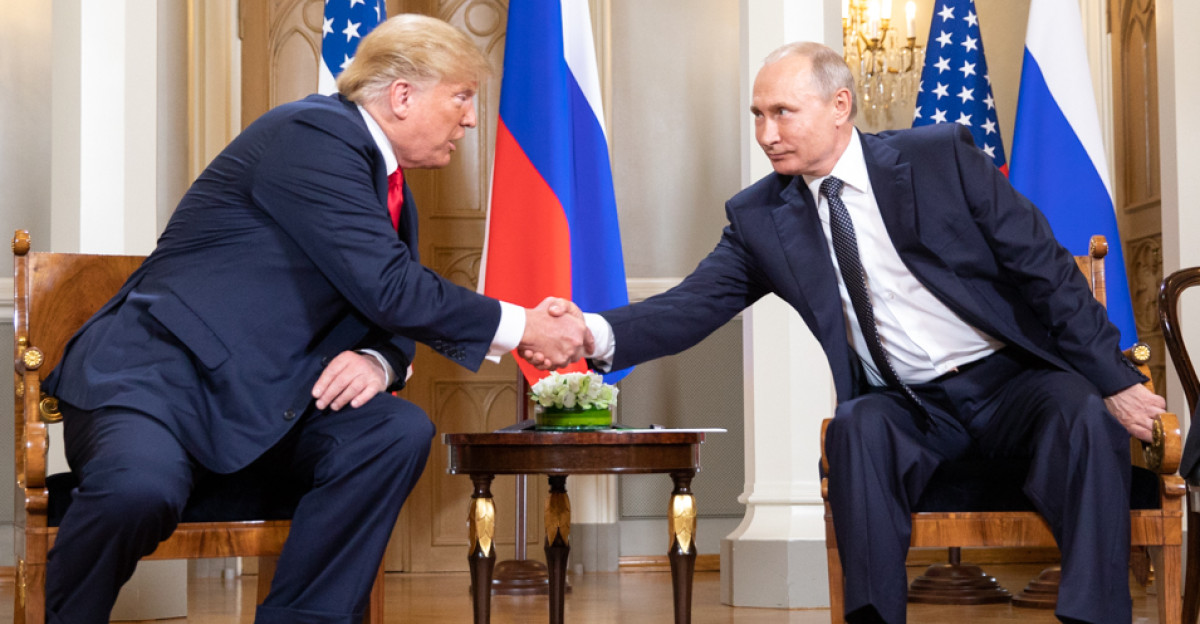
Trump invited approximately 60 global leaders to the Board of Peace, including Canada, Britain, Saudi Arabia, China, Vietnam, Argentina, Jordan, Israel, and the UAE. Notably, Trump also invited Russian President Vladimir Putin.
The inclusion of adversarial nations alongside traditional allies amplified Western concerns about bypassing the UN and creating parallel governance mechanisms that undermine multilateralism permanently.
Europe Prepares for Trade War

French Agriculture Minister Annie Genevard characterized Trump’s threats as “blackmail” and expressed shock at their brutality. At Davos, Macron suggested Europe deploy its “anti-coercion tool” against the United States, which he described as acting “crazy.”
France is preparing for an extended trade war rather than capitulation. Europe’s willingness to impose reciprocal tariffs signals that this conflict could fundamentally reshape global trade relationships.
Davos Becomes a Battlefield
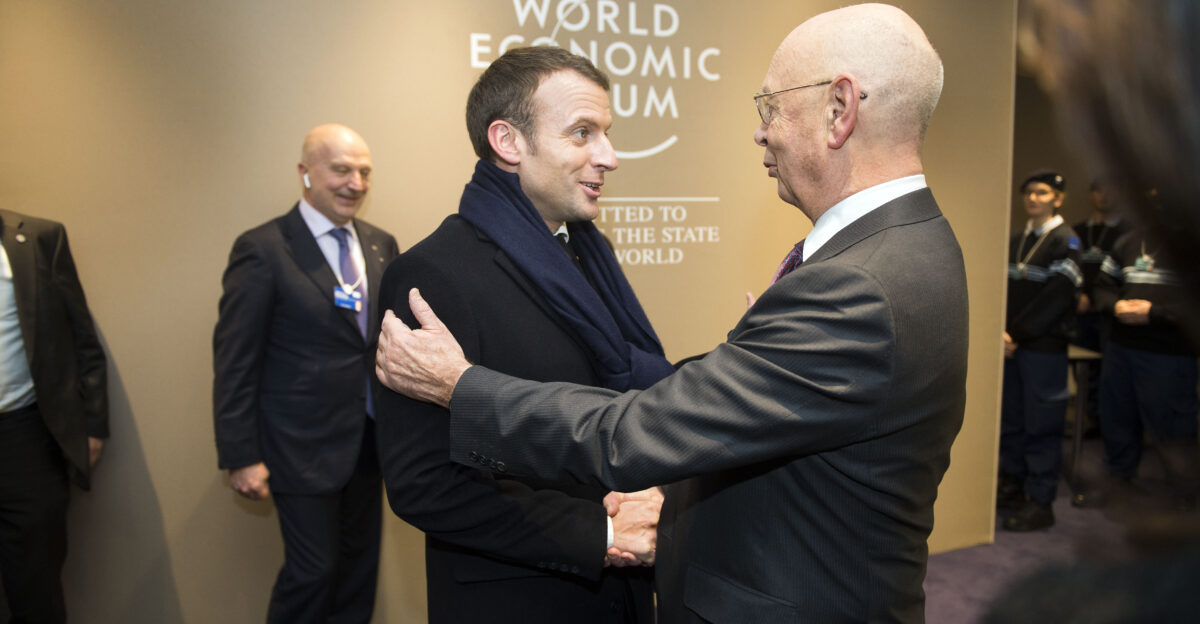
Trump’s threats occurred as Macron prepared to address the World Economic Forum in Davos. Macron proposed a G7 summit on Thursday following Davos to address transatlantic tensions and invited Russia, Ukraine, and Denmark.
However, the White House confirmed the Paris G7 meeting would not take place, revealing deep fractures between Trump and traditional allied leadership.
Private Diplomacy Is Dead
No sitting U.S. president has previously leaked a French president’s private communications on social media, per analysis by the New York Times, Reuters, and Bloomberg. The 200% tariff threat against a NATO ally signals Trump’s willingness to weaponize trade without regard to alliance consequences.
Legal experts worry that this establishes a dangerous precedent in which private negotiations become public leverage against traditional allies worldwide.
The Final Choice
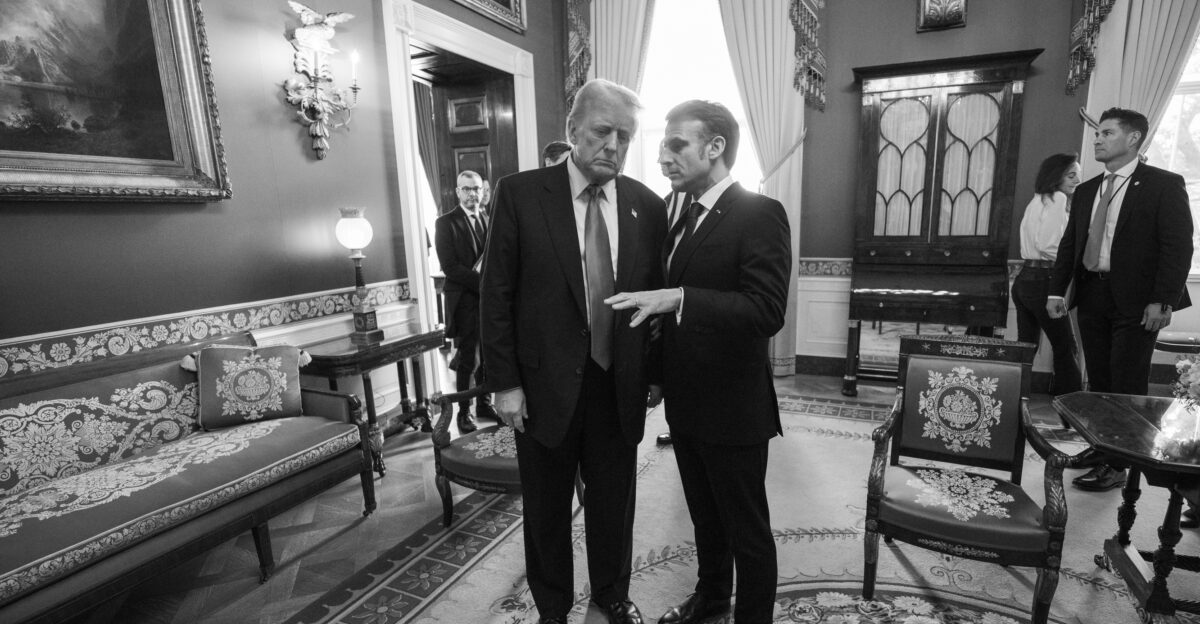
The standoff between Trump and Macron is likely to intensify this week at Davos. Trump offered Macron a dinner meeting on Thursday, though details remain unclear. The coming days will determine whether either side moves toward negotiation or the tariff threat becomes permanent, fundamentally reshaping the transatlantic alliance.
Both leaders are watching. The clock is ticking. The choice belongs to Macron.
Sources
Reuters – Trump threatens 200% tariffs on French wines to get Macron join board of peace (January 20, 2026)
New York Times – Trump Threatens 200 Percent Tariffs on French Wine (January 20, 2026)
NBC News – Trump leaks Macron text, vows ‘no going back’ on Greenland (January 20, 2026)
France24 – Trump threatens 200% tariff on French wine over Macron’s Board of Peace snub (January 20, 2026)
Bloomberg – Trump Reveals Macron Text in Pre-Davos Blitz on Major Issues (January 19, 2026)
Le Monde – Trump posts ‘private’ text from Macron: ‘I do not understand what you are doing on Greenland’ (January 20, 2026)